8 Novels By Nobel Prize Literature Laureates Often Left Out Of Modern Reading Lists
Winning the Nobel Prize in Literature sounds like a permanent spot on the syllabus, right? Not always.
Plenty of laureates walk off with the medal, the headlines, and the polite applause, only to watch their best books quietly gather dust while everyone nods and says, “Oh yes, very important,” without actually cracking one open.
Some of the greatest stories in modern literature are hiding behind that shiny medal, and once you open them, it feels less like homework and more like discovering a secret the rest of the world somehow missed.
Disclaimer: This content is for general informational and entertainment purposes only. Details reflect commonly cited publication and author-award information and may vary by edition, translation, or regional release.
1. The Interpreters – Wole Soyinka
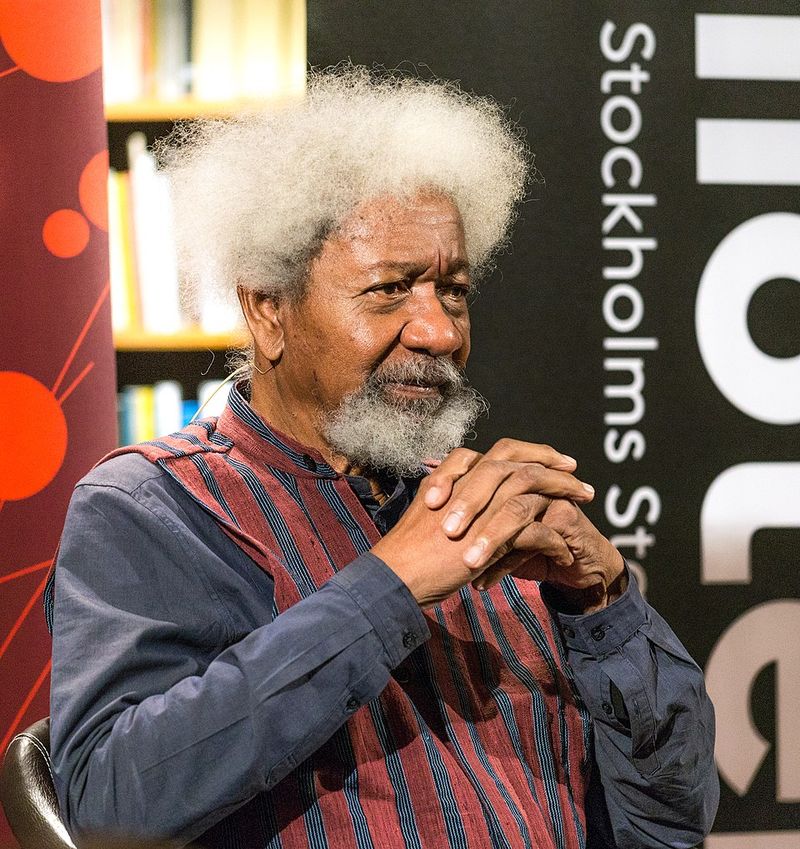
Coffee shop arguments flare between friends over art, politics, and the soul of a newly independent nation.
In his debut novel, Soyinka captures that live-wire energy as five young Nigerian intellectuals navigate the gap between idealism and reality.
Wit and frustration spark through their conversations, along with a level of honesty that tends to surface only among people who truly care about ideas.
Reputation looms large in modern African literature, yet the actual reading rate remains surprisingly low, perhaps because nonlinear structure and dense philosophical debate demand patience that pays off with insights that still feel urgent decades later. Quiet Sundays suit the experience best when deep thinking feels like the point rather than a chore.
2. Dora Bruder – Patrick Modiano
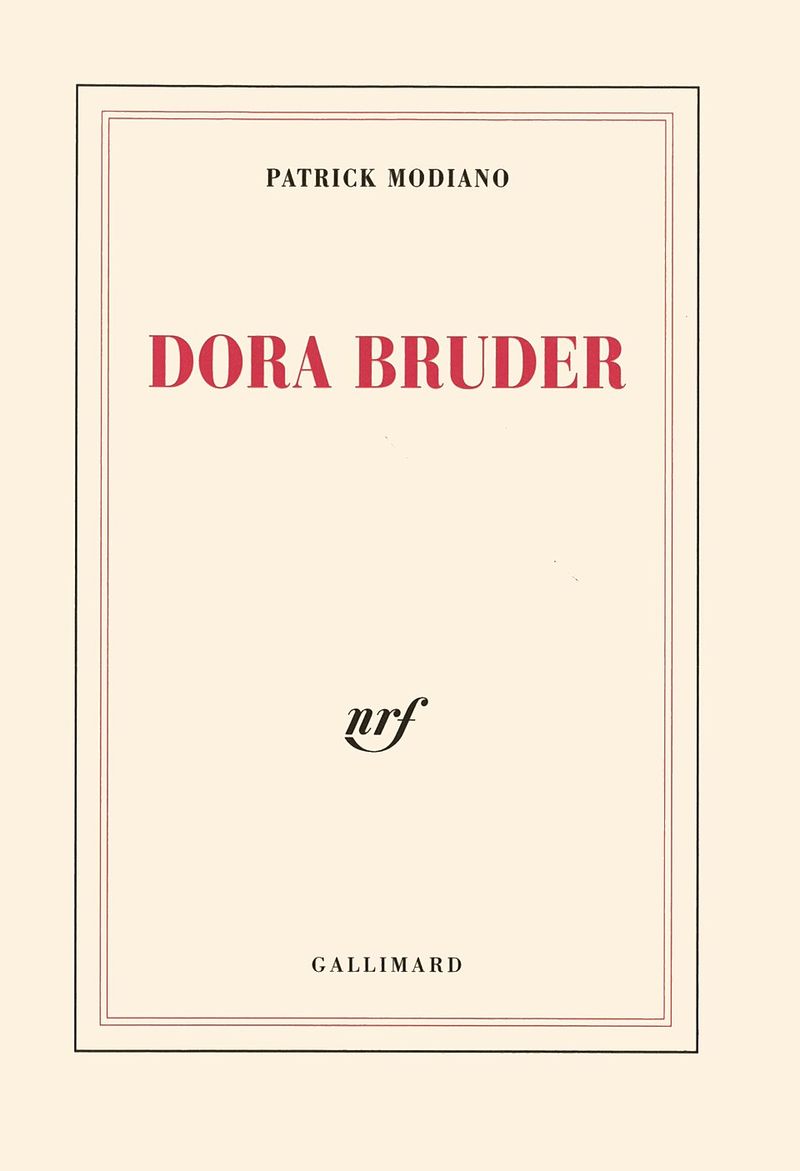
Modiano stumbles across a decades-old missing person notice in an old newspaper and becomes obsessed with tracing a teenage girl’s steps through occupied Paris. The search turns into something bigger than biography.
Every dead end and tiny discovery builds a haunting meditation on memory, erasure, and how cities hold secrets in their streets.
Literary circles adore this slim volume, but general reading lists skip right past it, maybe because it defies easy genre labels. Call it detective work mixed with memoir mixed with elegy, and you’re still only halfway there.
3. Primeval And Other Times – Olga Tokarczuk
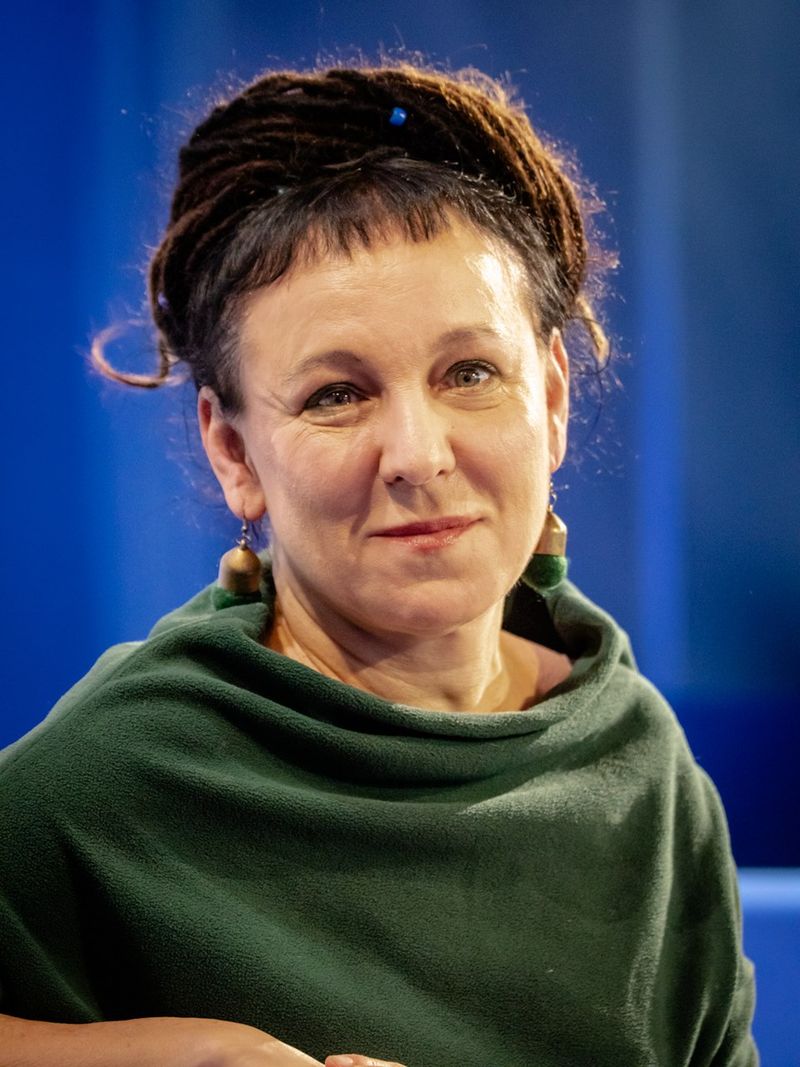
At the heart of the universe stands a village watched over by four angels, its lives unfolding like a deck of tarot cards shuffled by history. Everyday routines blend seamlessly with cosmic forces as Tokarczuk weaves them together until separation feels impossible.
Wars, marriages, births, and deaths pass through the pages in short and vivid chapters that echo folk tales whispered at bedtime.
Many readers who embraced her later international successes overlook this earlier work, missing the blueprint for her entire imaginative world.
4. Midaq Alley – Naguib Mahfouz
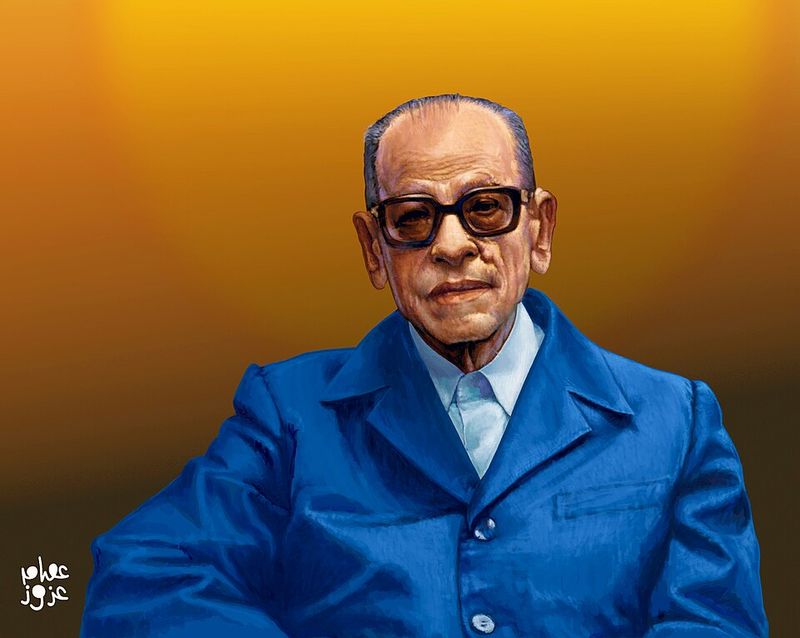
Daily life transforms a narrow Cairo street into a stage for ambition, heartbreak, gossip, and survival.
Mahfouz threads together a barber, a café owner, a factory girl longing for escape, and a cluster of neighbors whose fates intertwine in ways both tender and brutal.
Rhythm pulses through scenes of morning coffee rituals and late-night scheming, giving each character the familiarity of someone you might pass on your own block. Despite the weight of Mahfouz’s Nobel legacy, this accessible and deeply human novel still flies under the radar for many readers beyond academic circles.
5. The Land Of Green Plums – Herta Müller
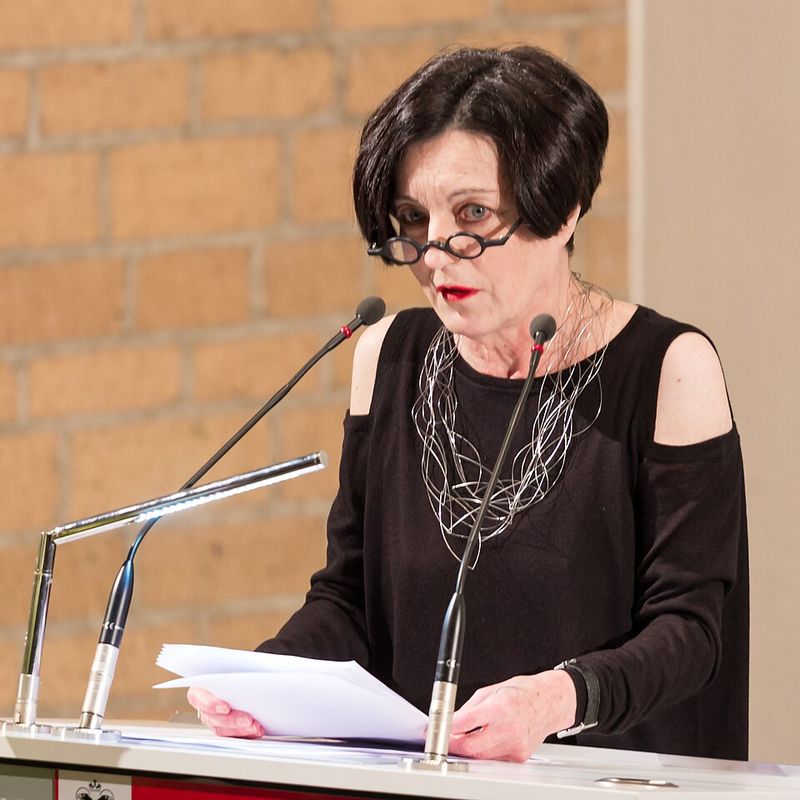
Four friends share an apartment in Ceaușescu’s Romania, and fear becomes the furniture they live among.
Müller writes in fragments and flashes, mirroring how surveillance and suspicion fracture everyday reality into jagged pieces. The beauty of her prose sits right next to its brutality, creating a reading experience that sticks with you long after you close the cover.
Critics praise it endlessly, but classroom syllabi and book club lists often reach for more conventional narratives. That’s a shame, because this novel captures totalitarianism’s psychological texture better than most political thrillers ever could.
6. The Grass Is Singing – Doris Lessing
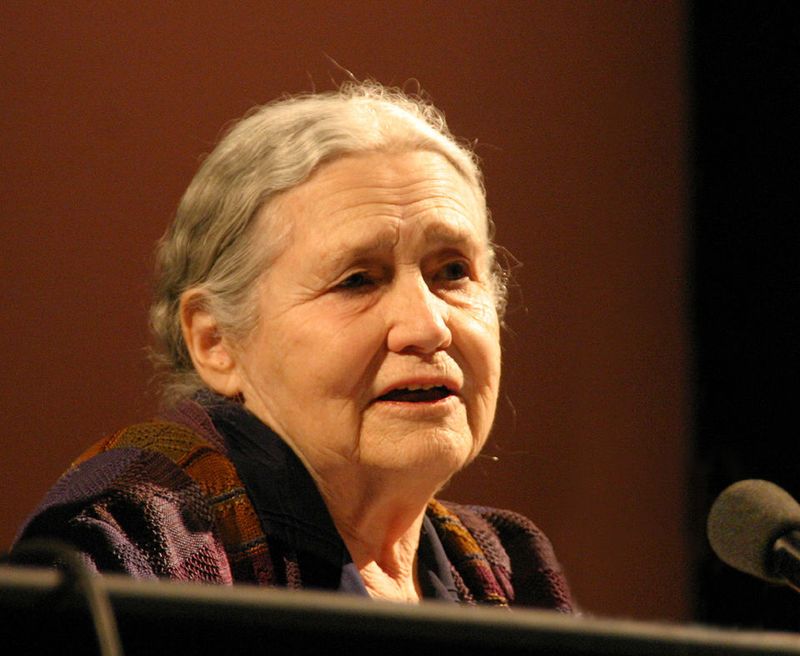
Isolation tightens around a white farmer’s wife on a failing Southern Rhodesian farm as Lessing tracks each step of her unraveling with unflinching precision. Heat and racial tension press inward alongside relentless solitude until breathing itself feels restricted.
Psychological thriller energy pulses beneath the surface of literary fiction, revealing a life that narrows through one damaging choice after another.
Later and more famous works by Lessing often draw attention away, leaving many new readers unaware of the raw force carried by her earliest voice.
7. Red Sorghum – Mo Yan

Three generations of a Chinese family run a sorghum distillery, and their story unfolds with the heat and color of folklore mixed with historical violence. Mo Yan writes with a boldness that feels almost reckless, blending romance, brutality, and myth without apology.
The novel that helped earn him the Nobel remains less read than discussed, maybe because its narrative style refuses to play nice with Western storytelling conventions.
Perfect for readers who like their family sagas delivered with extra heat and mythic intensity.
8. Blindness – José Saramago
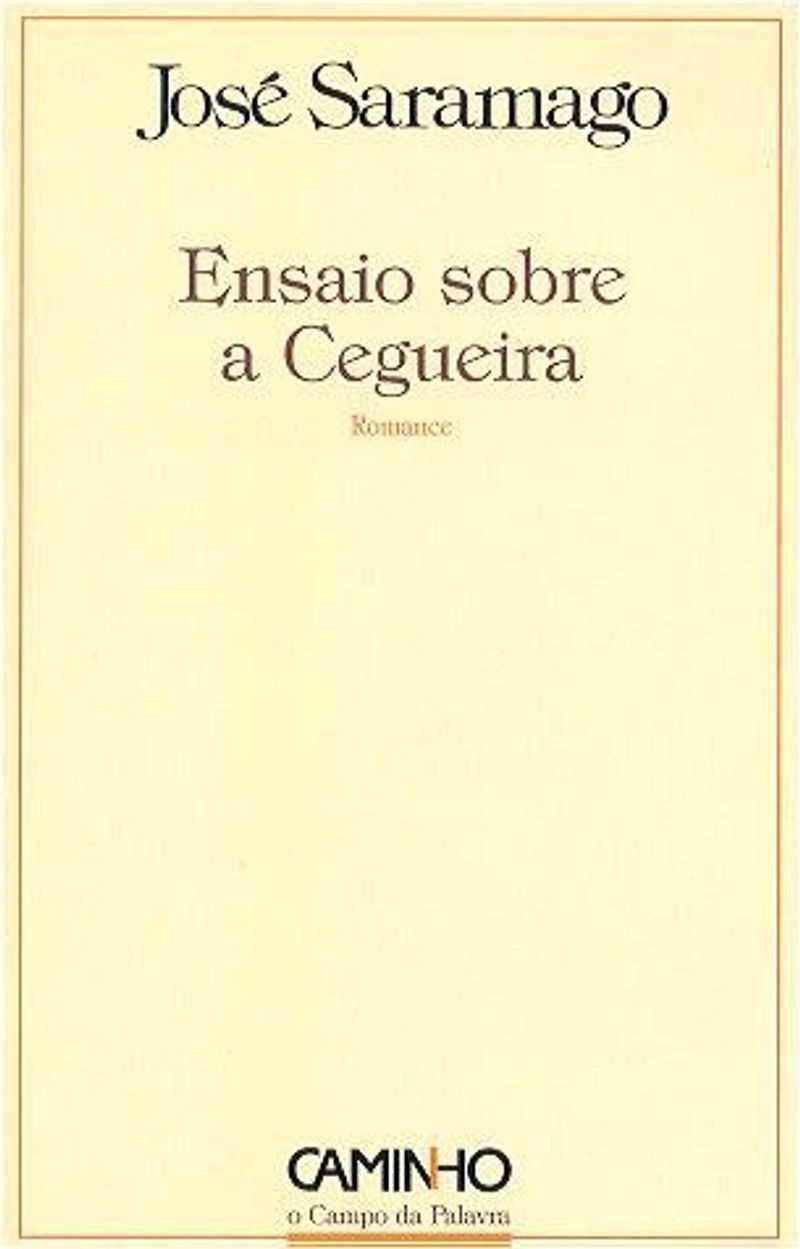
Overnight, an unnamed city loses its sight and civilization unravels faster than anyone expects. Long and flowing sentences mirror the disorientation of the characters, as Saramago withholds easy comfort and tidy resolutions.
Allegory and visceral survival story intertwine across the chapters, testing moral boundaries at every turn.
Reading lists often include the novel for years without action, as reputation and unconventional punctuation intimidate would-be readers. Such hesitation feels like the real tragedy, since the book earns every measure of its classic status.