16 Everyday Objects From 100 Years Ago That No Longer Feel Familiar
A hundred years is not that long until an ordinary household object shows up looking like it belongs in a magician’s toolbox.
Something people once reached for without thinking can now sit on a table and make modern readers squint like it came from a vanished side quest in daily life.
That is the fun of old everyday objects. Not the grand museum pieces with polished plaques, but the humble things people used while cooking dinner, writing letters, or getting through a Tuesday without electricity doing half the work.
These objects were once practical and woven into normal life so completely nobody would have thought twice about them.
Now they feel a little strange, a little ingenious, and just different enough to make the past seem much less distant and a lot more entertaining.
1. Washboard
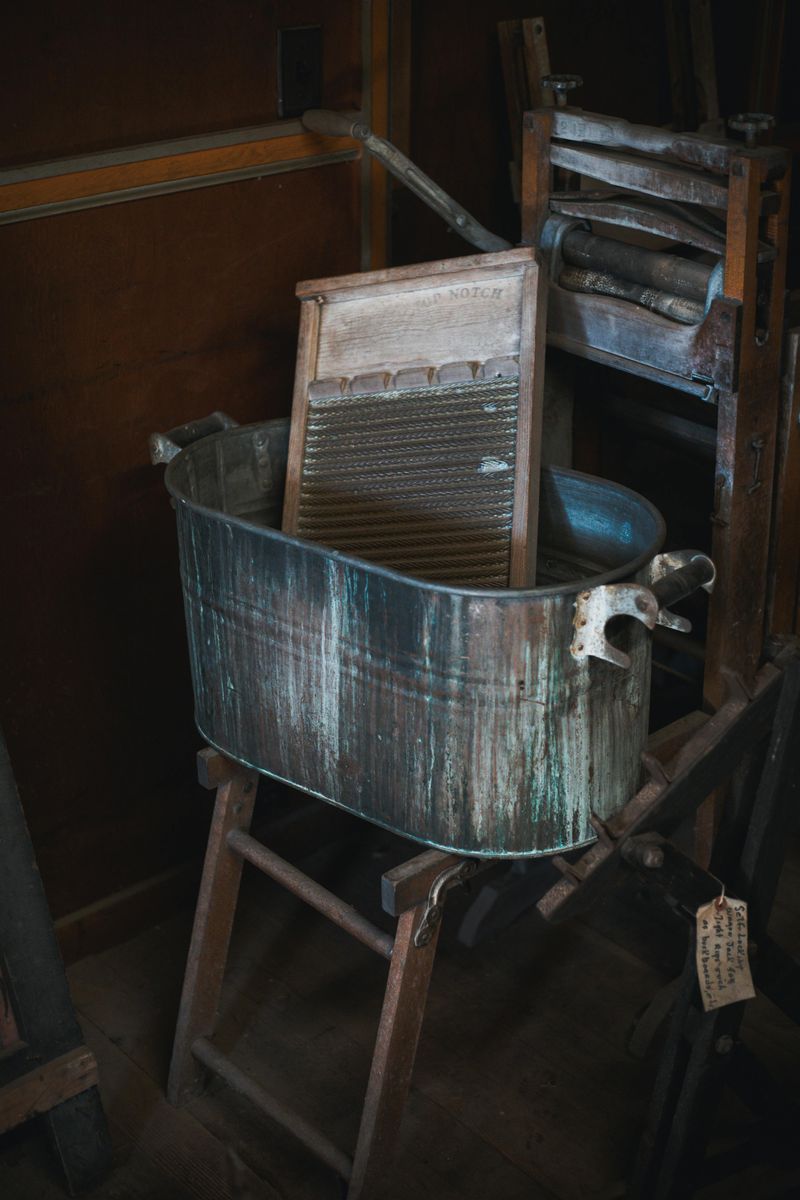
Before washing machines existed, getting clean clothes meant serious elbow grease.
A washboard was a ridged metal or glass panel set in a wooden frame, and you literally scrubbed your clothes against it in soapy water. Sounds exhausting? It absolutely was!
Imagine doing that for every shirt, sock, and pair of pants in the house. Washboards were so common that nearly every household owned one.
They even inspired music, with washboard players becoming part of early blues and jug bands. How cool is that?
2. Icebox
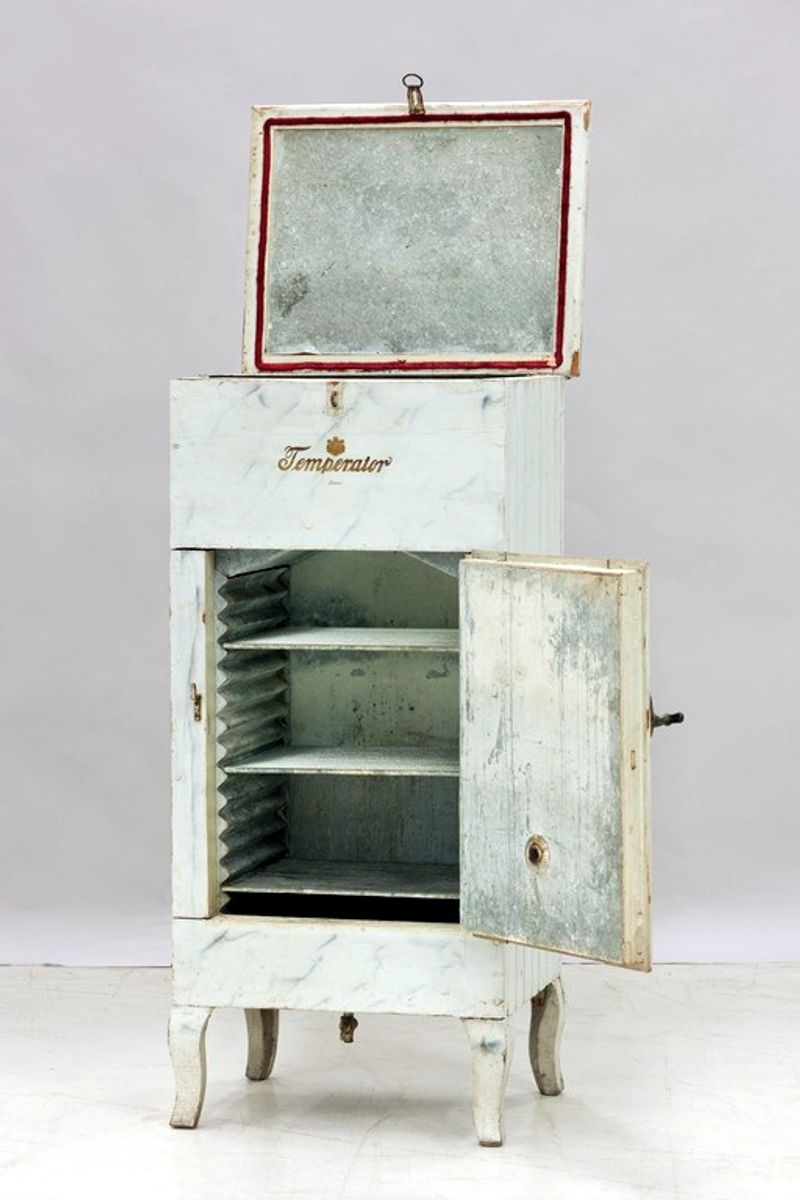
Long before refrigerators hummed in every kitchen, the icebox ruled the food storage world.
Picture a wooden cabinet lined with tin or zinc, with a big block of ice tucked inside to keep everything cold. The iceman cometh, literally, delivering fresh ice blocks right to your door several times a week.
Families had to plan carefully because the ice melted fast, and a drip pan underneath needed emptying daily. Forgetting that chore meant a flooded kitchen floor, yikes!
The electric refrigerator started replacing iceboxes in the late 1920s, and honestly, nobody mourned the end of the ice delivery schedule.
3. Chamber Pot
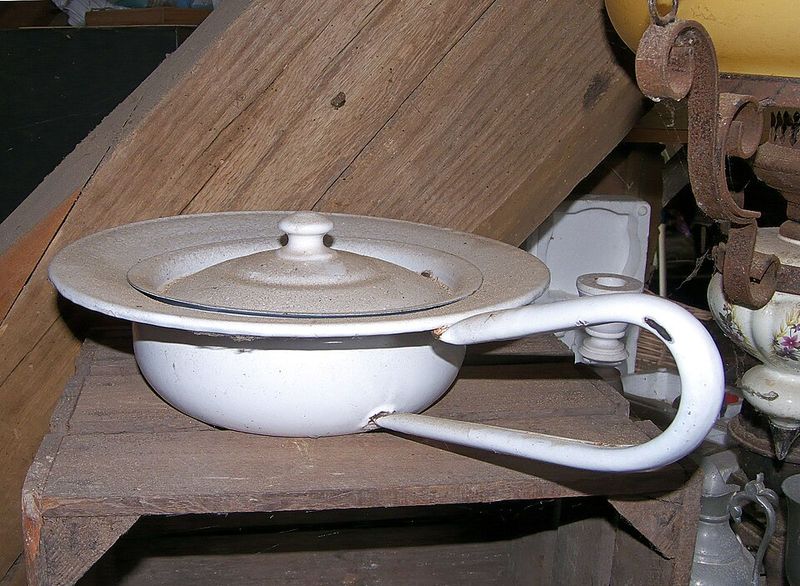
Here is one object that will make you grateful for modern plumbing.
Before indoor bathrooms became standard, a chamber pot was the nighttime bathroom solution, stored right under the bed for middle-of-the-night use.
Porcelain, ceramic, or even metal versions existed, often decorated with flowers to make them look less, well, obvious.
Every morning, someone had the not-so-glamorous job of emptying and cleaning it. By the 1920s, indoor plumbing was spreading through cities, but rural homes still relied on chamber pots and outhouses for years longer.
4. Coal Scuttle
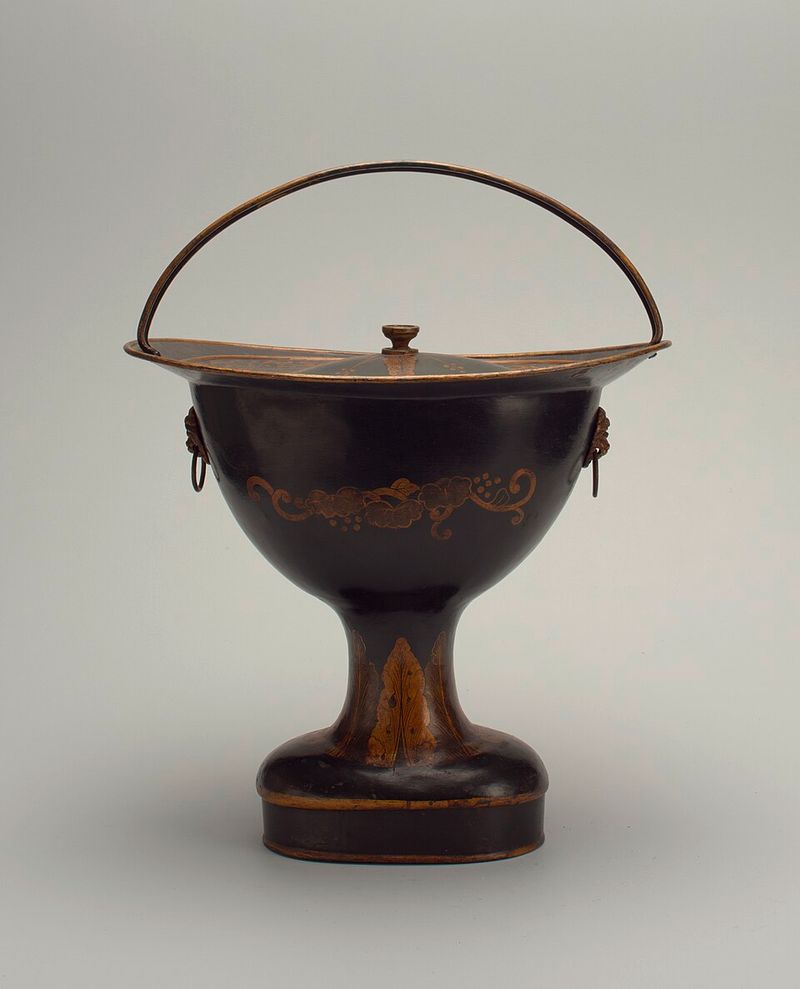
Heating a home in the 1920s was a full-time workout. The coal scuttle was a bucket-like container, often made of metal or cast iron, used to carry coal from a storage area to the fireplace or furnace.
Some were plain and practical while others were surprisingly decorative, almost like fancy buckets trying to class up the whole coal-carrying situation.
Every household that relied on coal heat needed one, and keeping the fire going was a daily chore, especially in winter. Central heating systems slowly made coal scuttles obsolete.
5. Butter Churn
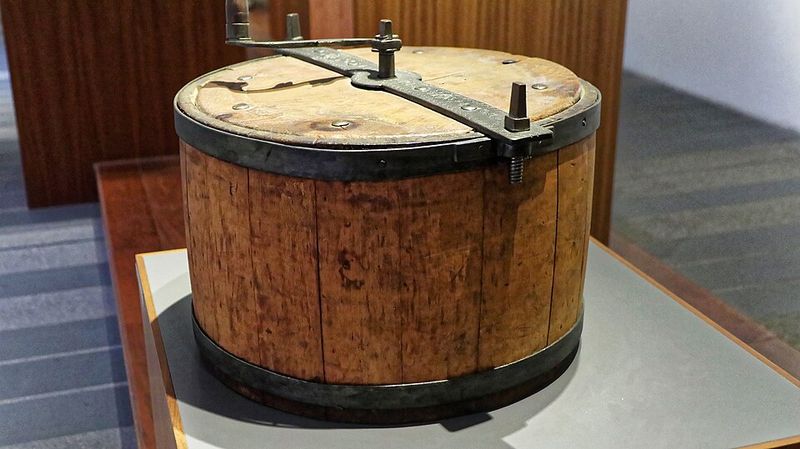
Store-bought butter in a neat little wrapper? That was a luxury for many families a century ago.
If you wanted butter, you made it yourself using a butter churn, a wooden or ceramic container where you poured fresh cream and then pushed a long stick called a dasher up and down, over and over, until the fat separated and butter formed.
Kids were often recruited for churning duty, which probably felt less like helping and more like a workout punishment. The whole process could take 30 to 60 minutes of steady effort.
6. Manual Coffee Grinder
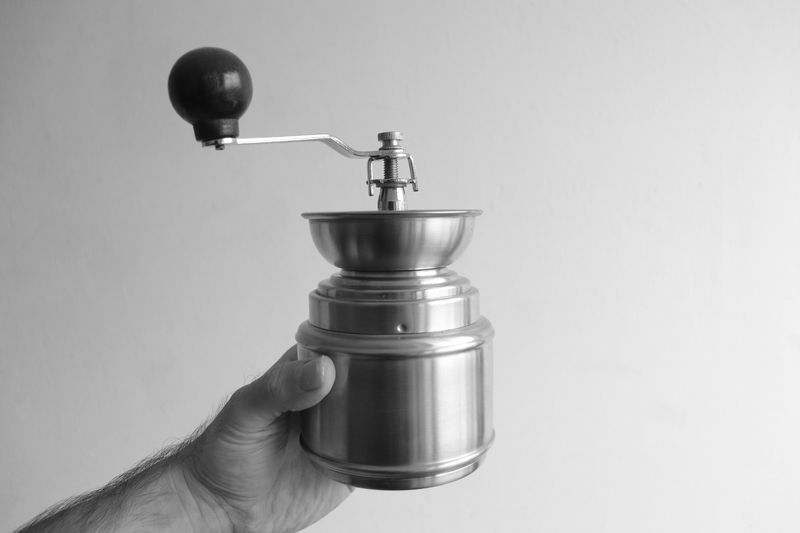
Coffee lovers in the 1920s did not just press a button and wait for their morning cup.
First, they had to grind their own beans using a hand-cranked coffee grinder, a small wooden box with a metal grinding mechanism inside and a little drawer at the bottom to catch the grounds. It was actually kind of satisfying, if a little slow.
The grind size mattered a lot for flavor, so experienced users knew exactly how many turns to put in.
Electric grinders started appearing later, but manual grinders never fully disappeared. Specialty coffee fans today still swear by them for fresher, more flavorful results.
7. Flat Iron (Sadiron)
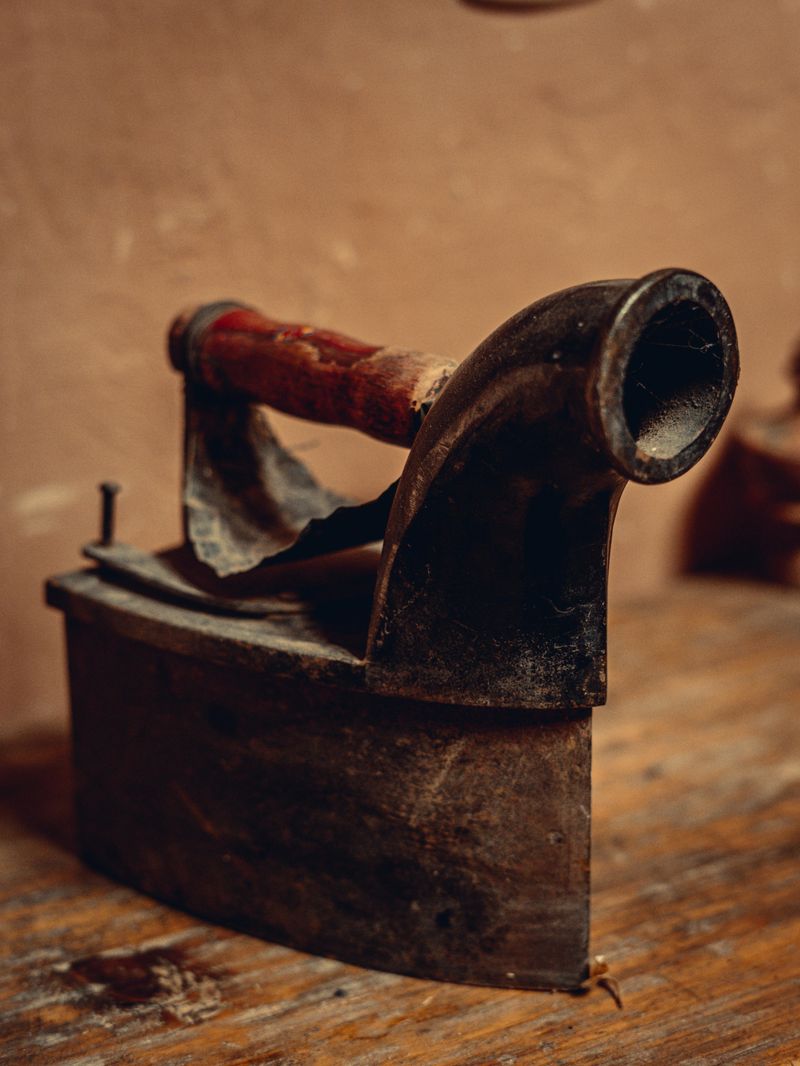
Wrinkled clothes were not really an option if you cared about appearances in the 1920s.
The sadiron, short for solid iron, was a heavy cast iron block with a handle, heated directly on the stove before being pressed across fabric.
You had to work fast before it cooled down, then rush back to reheat it again. Fun?
Hardly. Serious ironing sessions required multiple irons rotating on and off the stove to keep things moving.
The word sad actually comes from an old English word meaning heavy, not the emotion, though the chore itself might have earned that name anyway.
8. Ration Book
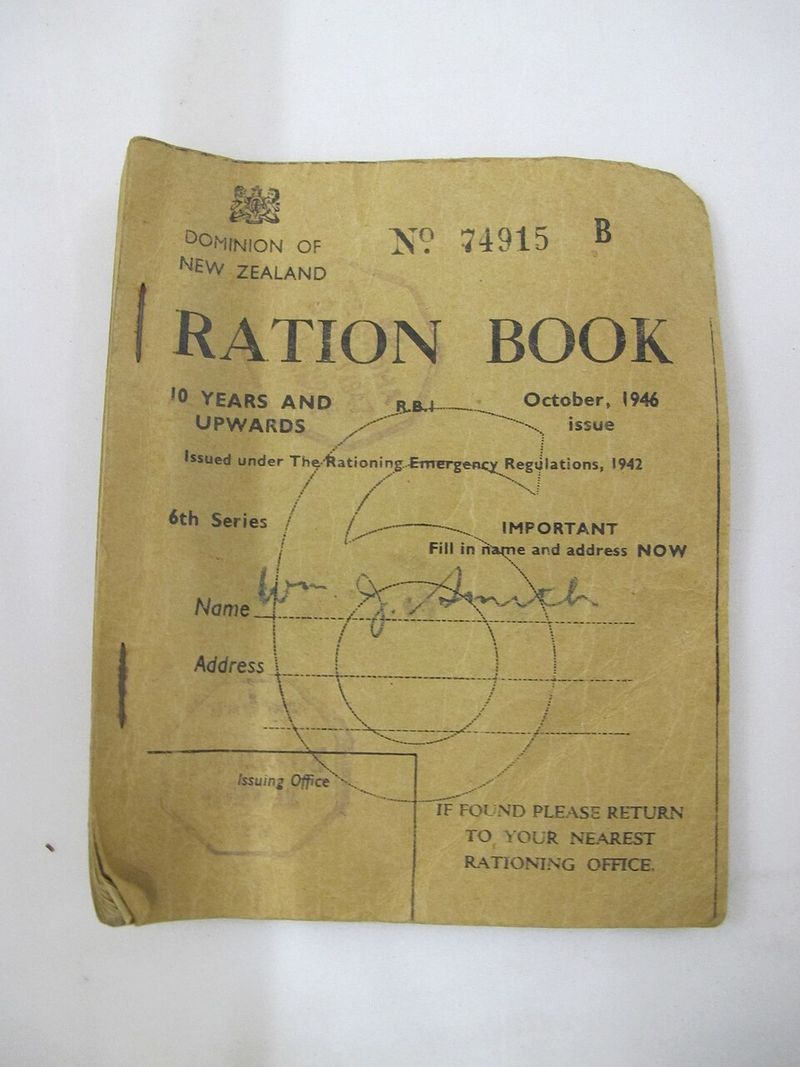
Rationing is not a concept most people today think about at the grocery store.
However, during times of shortage, governments issued ration books, small paper booklets filled with stamps or coupons that limited how much of certain goods like sugar, flour, or meat a family could buy each week.
The idea was to make sure supplies were shared fairly.
Though World War II made rationing famous globally, the practice had earlier roots in various regions dealing with wartime or economic stress even in the 1910s and 1920s.
Losing your ration book was a genuine household crisis.
9. Telegraph Key
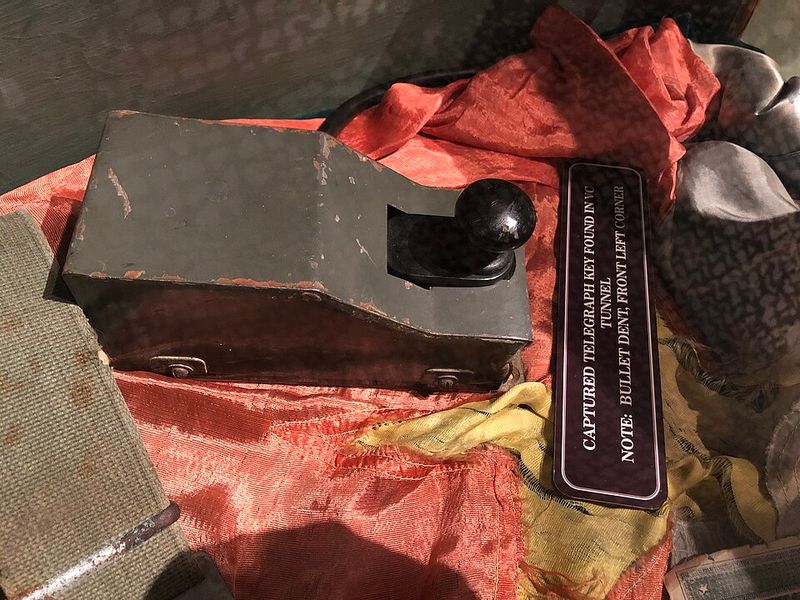
Before texting, before email, before even the telephone was widely available, the telegraph was the fastest way to send a message across long distances.
A telegraph key was the small lever device used by operators to tap out Morse code, a system of dots and dashes representing letters and numbers. Skilled operators could send and receive messages at impressive speeds.
Telegraph offices were busy, important places in cities and towns. A message sent by telegraph could cross the country in minutes, which felt absolutely mind-blowing at the time.
By the 1920s, telephones were slowly taking over, but telegrams remained important for decades.
10. Calling Card Case
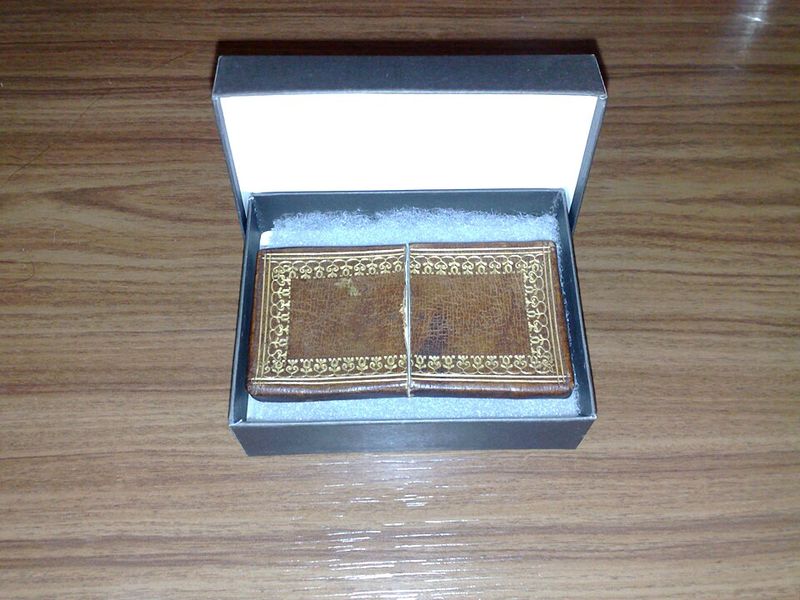
Social media in the 1920s looked very different. When visiting someone’s home, you did not ring the doorbell and scroll your phone while waiting.
Instead, you presented a small printed card with your name and sometimes your address, stored in an elegant calling card case made of silver, gold, or tortoiseshell. If the person was not home, you left your card as proof of the visit.
The whole ritual had strict etiquette rules about how cards were placed, folded, or left. Calling cards were especially important for women navigating high society.
11. Spittoon
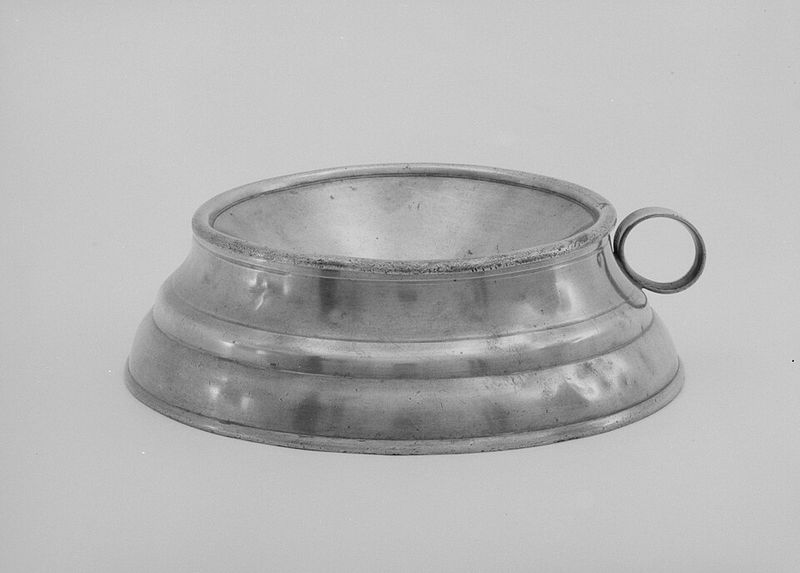
Walk into a 1920s barbershop, hotel lobby, or public hall, and you would likely spot a spittoon on the floor nearby.
Chewing tobacco was extremely common among men at the time, and a spittoon, basically a wide-mouthed metal or ceramic bowl, was the designated spot for, well, spitting.
Keeping them clean was a job nobody envied. As public health awareness grew and tobacco habits shifted, spittoons gradually disappeared from public spaces throughout the mid-20th century.
Today, they pop up in antique shops, often repurposed as planters or decorative pieces.
12. Button Hook
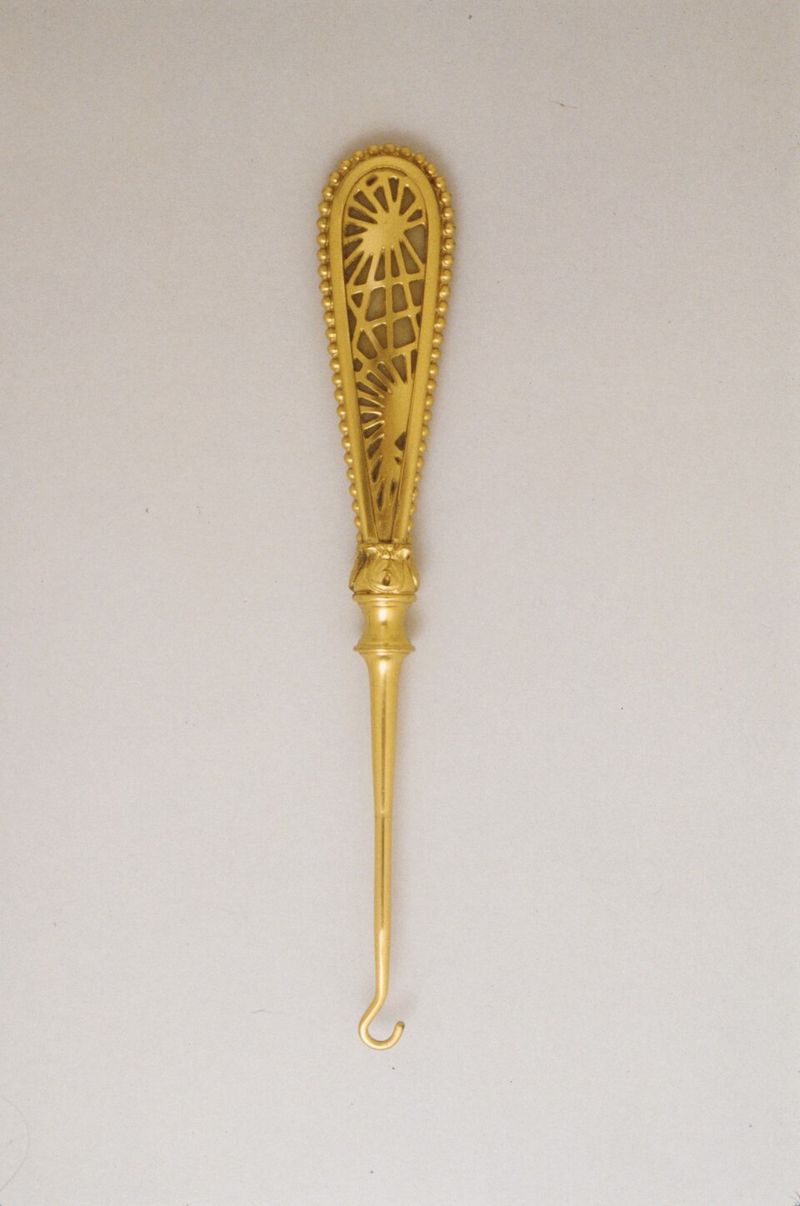
Getting dressed in the 1920s, especially for women, was practically an Olympic sport.
High-buttoned boots and long gloves with tiny buttons were fashionable, and doing them up by hand was nearly impossible without a button hook.
This slim metal tool had a small hook at one end that you slipped through a button loop to pull the button through its hole quickly.
Button hooks came in plain metal versions for everyday use and fancy decorated handles for dressing tables. They were so essential that many people carried personal ones.
As zippers and snap fasteners became popular through the 1920s and 1930s, button hooks faded into history.
13. Hat Pin
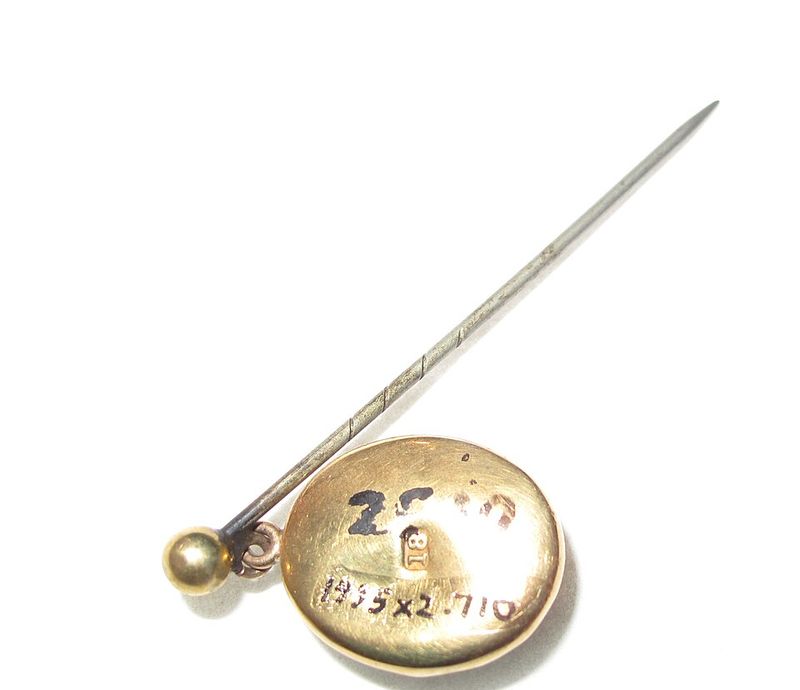
Hats in the 1920s were architectural achievements. Large, elaborate hats piled high with feathers, flowers, and ribbons needed serious anchoring to stay on during windy days or bumpy carriage rides.
Enter the hat pin, a long, sharp pin sometimes 10 to 12 inches long, jabbed through the hat and into the hair to hold everything in place.
Hat pins became so long and sharp that cities actually passed laws limiting their length for public safety reasons. Yes, really!
As hairstyles and hat fashions changed toward shorter, close-fitting cloche hats in the 1920s, massive hat pins became less necessary.
14. Treadle Sewing Machine
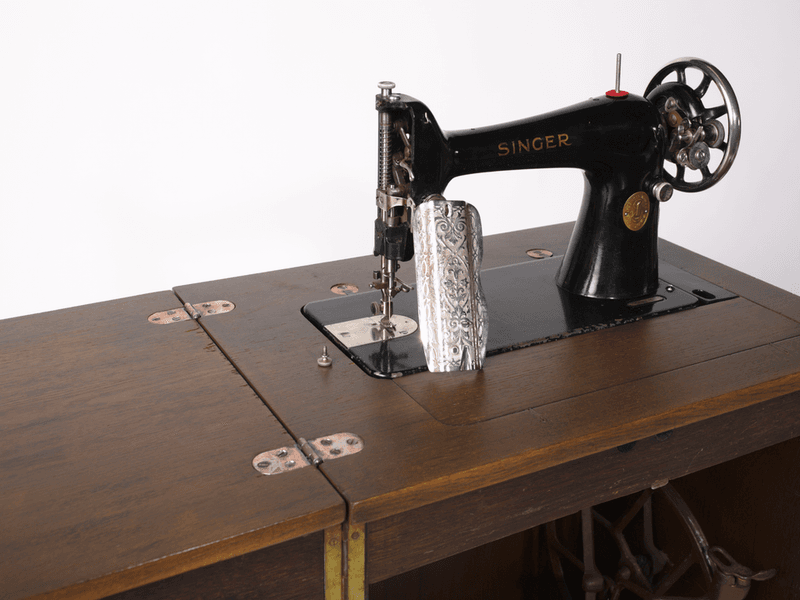
Sewing your own clothes was not a hobby in the 1920s, it was a necessity for most families.
The treadle sewing machine was the workhorse of the home, a mechanical marvel powered entirely by the rhythmic pumping of a foot pedal called a treadle.
No electricity needed, just leg power and focus. Many of these machines were beautifully built with decorative cast iron stands.
Singer was the most famous brand, and their machines became iconic pieces of furniture in millions of homes worldwide.
Electric sewing machines gradually replaced them, but treadle machines were so well-built that many still work perfectly today.
15. Oil Lamp
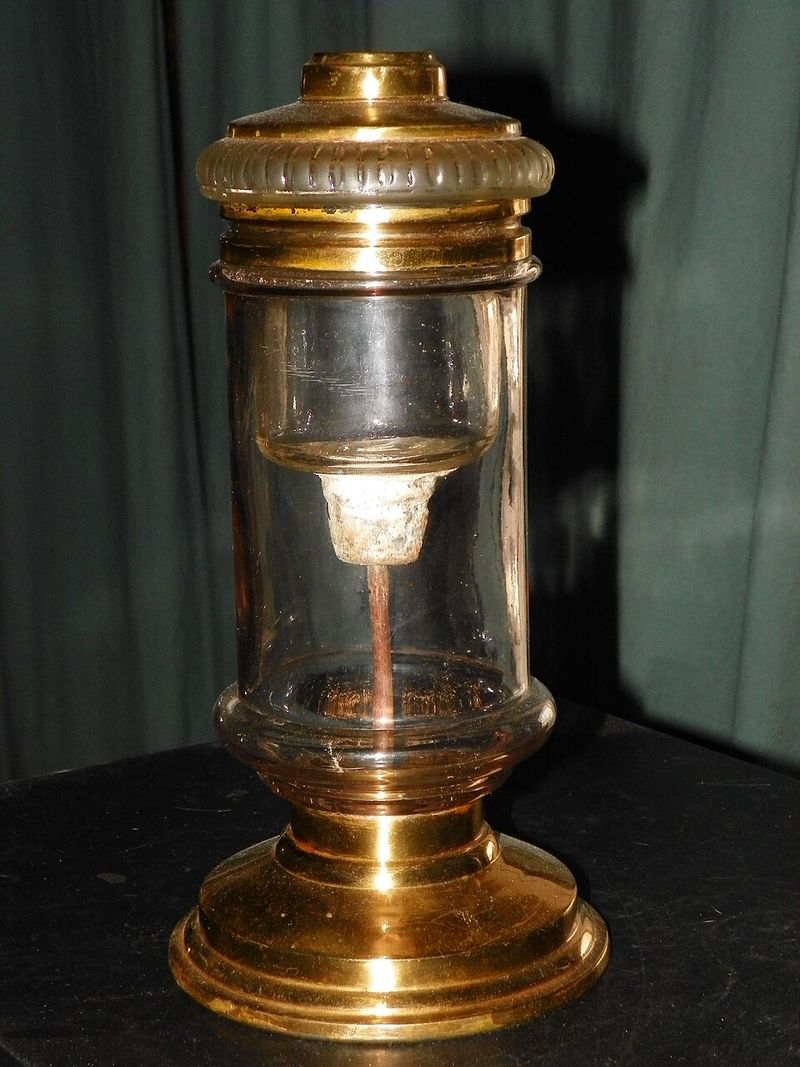
Electric lighting was spreading fast in the 1920s, but millions of homes, especially in rural areas, still depended entirely on oil lamps for light after dark.
Kerosene was the most common fuel, and the lamp worked by drawing the liquid up through a wick that burned with a warm, flickering glow. Trimming the wick regularly kept the flame clean and bright.
The smell of kerosene was just part of evening life for many families. Glass chimneys protected the flame from drafts and needed polishing to remove soot buildup.
Today, oil lamps survive as cozy decor items or emergency backup lighting, a warm reminder of slower, quieter evenings.
16. Letter Opener
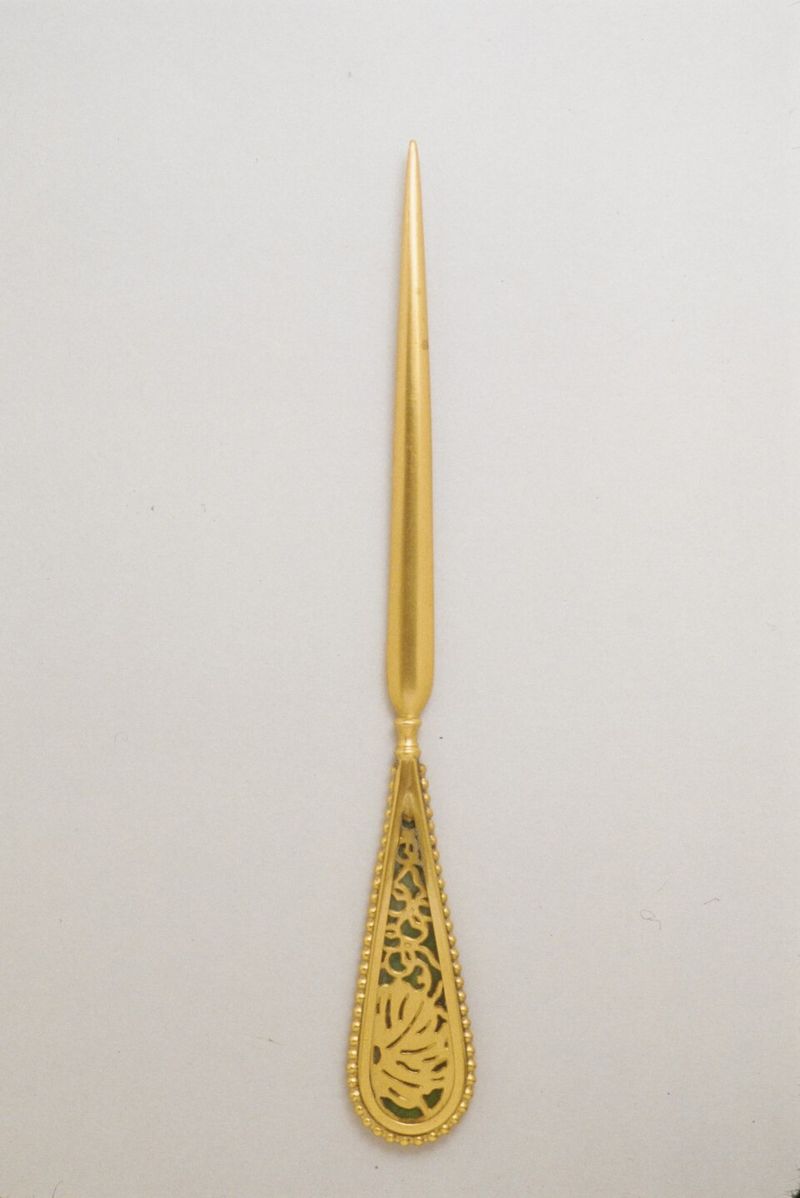
Physical mail was the internet of the 1920s. Bills, invitations, business correspondence, love letters, all of it arrived in sealed envelopes, and a lot of it arrived every single day.
A letter opener was not a novelty but a genuinely essential daily tool, used to slice cleanly through envelope flaps without tearing the contents inside.
Letter openers ranged from simple metal blades to gorgeous engraved silver handles that sat proudly on a writing desk.
As digital communication took over, letter openers became less necessary but never fully disappeared. Some people still use them, and honestly, there is something deeply satisfying about that clean slice.