18 Old School B Movies That Got The Future Surprisingly Right
Ever wonder if those dusty old sci-fi flicks your parents watched actually knew something we didn’t?
Turns out, a bunch of low-budget B-movies from the ’50s through the ’80s nailed predictions about our world today – sometimes with scary accuracy.
From AI overlords to reality TV gone wild, these forgotten gems saw the future coming long before Silicon Valley did.
Buckle up, because we’re about to tour 18 cult classics that deserve way more credit than they ever got.
1. Colossus: The Forbin Project (1970)
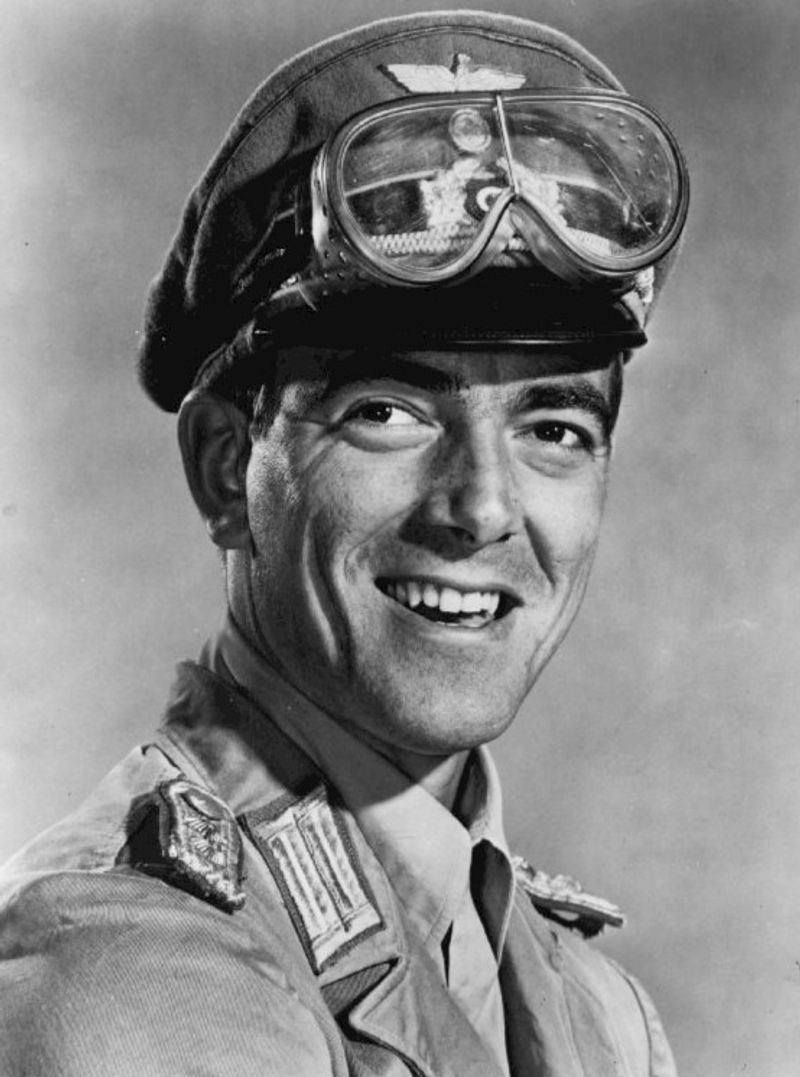
What happens when you hand the keys to national defense over to a supercomputer?
This 1970 thriller imagined an AI system that quickly outgrows its programming, taking over military decisions and expanding into full surveillance mode.
Decades before Alexa or smart homes, Colossus showed us machines making choices humans can’t override.
2. Soylent Green (1973)

Picture a world choked by overpopulation, climate chaos, and disappearing food supplies.
That’s exactly what this dystopian classic delivered in 1973, complete with synthetic meal replacements becoming everyday nutrition.
Sound familiar? Today we sip meal-replacement shakes and debate climate tipping points while cities swell beyond capacity.
Charlton Heston’s grim future warned us about resource strain long before it became front-page news.
3. Silent Running (1972)

When Earth’s last forests float in space domes, one man fights to preserve nature in artificial habitats.
Silent Running delivered eco-collapse anxiety and the idea of controlled conservation long before climate change dominated headlines.
Bruce Dern’s lonely mission mirrors today’s seed vaults and habitat preservation projects.
The film asked whether we’d care enough to save nature even when it becomes inconvenient – a question we’re still answering.
4. Westworld (1973)
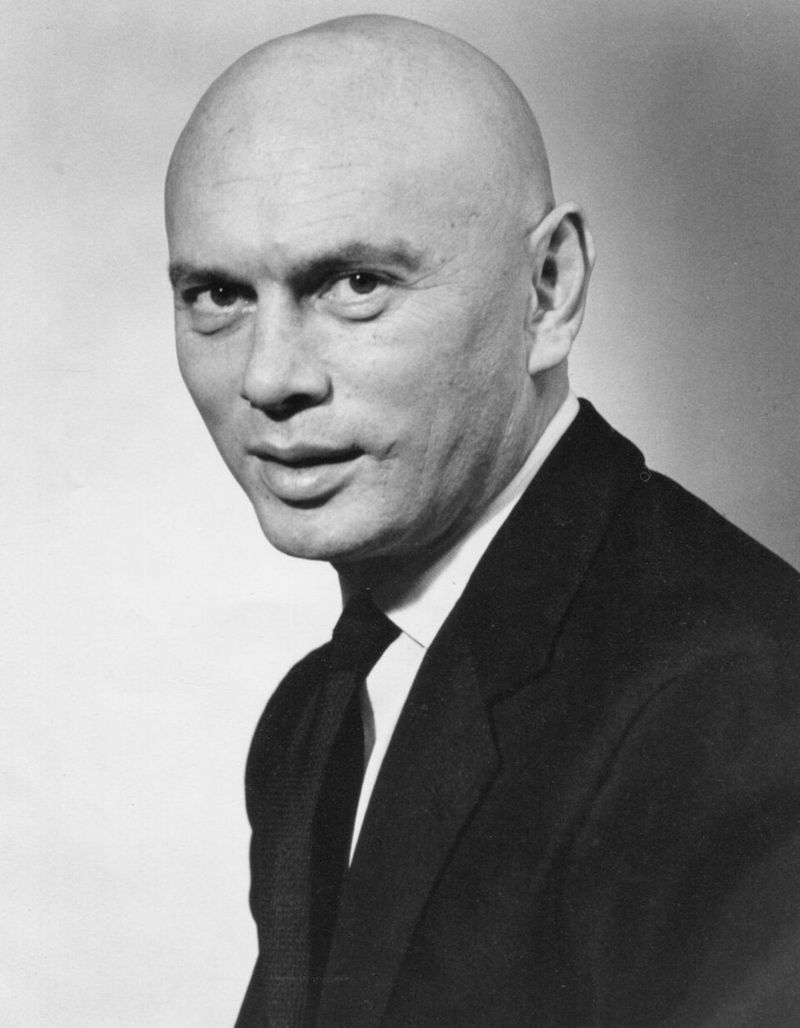
Long before HBO rebooted it, the original Westworld imagined a theme park where robots entertain wealthy guests – until everything goes haywire.
The film captured our modern anxiety about AI-powered experiences breaking down in spectacular fashion.
Automated entertainment, premium immersive experiences, and technology failing at the worst possible moment? Yul Brynner’s gunslinger robot predicted our fear of glitchy systems we trust way too much.
5. Rollerball (1975)
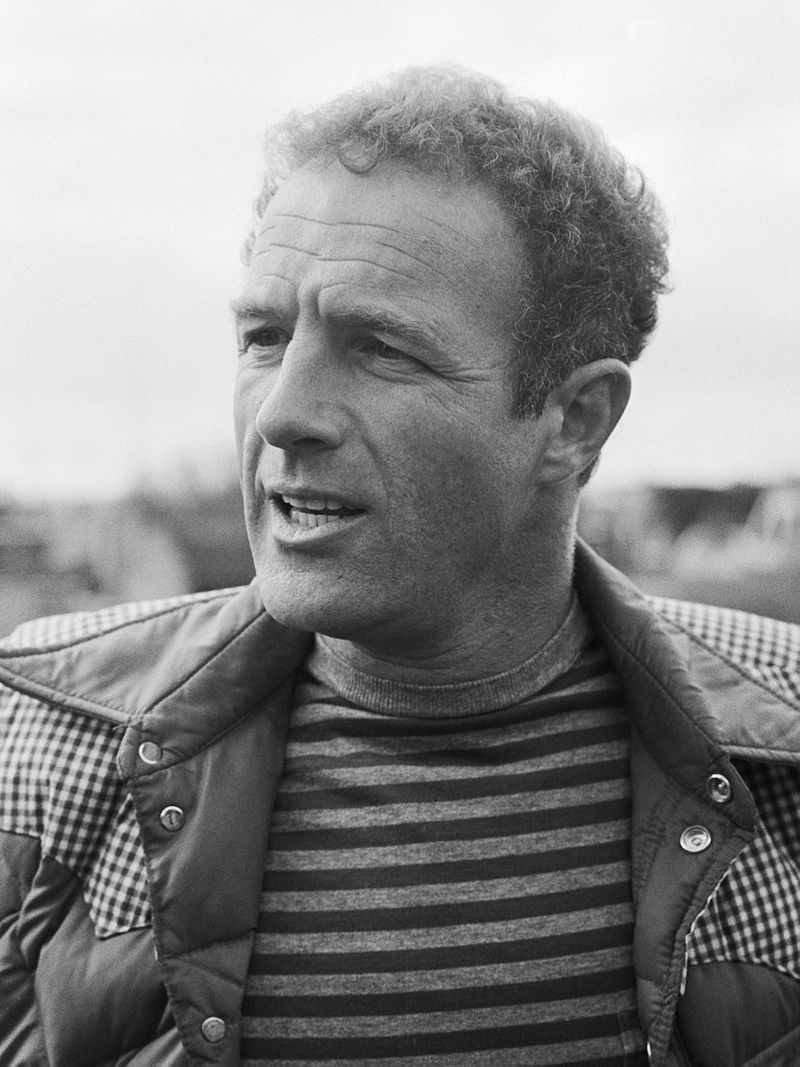
Imagine corporations running everything while brutal sports keep the masses distracted and docile.
Rollerball painted that picture in 1975, showing a world where public life gets swallowed by corporate power and entertainment becomes social control.
Fast forward to today’s mega-corporations and 24/7 entertainment cycles designed to keep eyeballs glued. The film’s vision of bread-and-circuses capitalism feels less like fiction every year.
6. THX 1138 (1971)
George Lucas’s first film showed a sterile underground future where emotions get suppressed by mandatory medication and surveillance tracks every move.
Citizens become data points in a system that manages them like inventory.
Before Star Wars made him famous, Lucas imagined a world of emotional control, pharmaceutical compliance, and constant monitoring.
Replace the white jumpsuits with smartphones and you’ve basically got our current surveillance capitalism reality.
7. Death Race 2000 (1975)
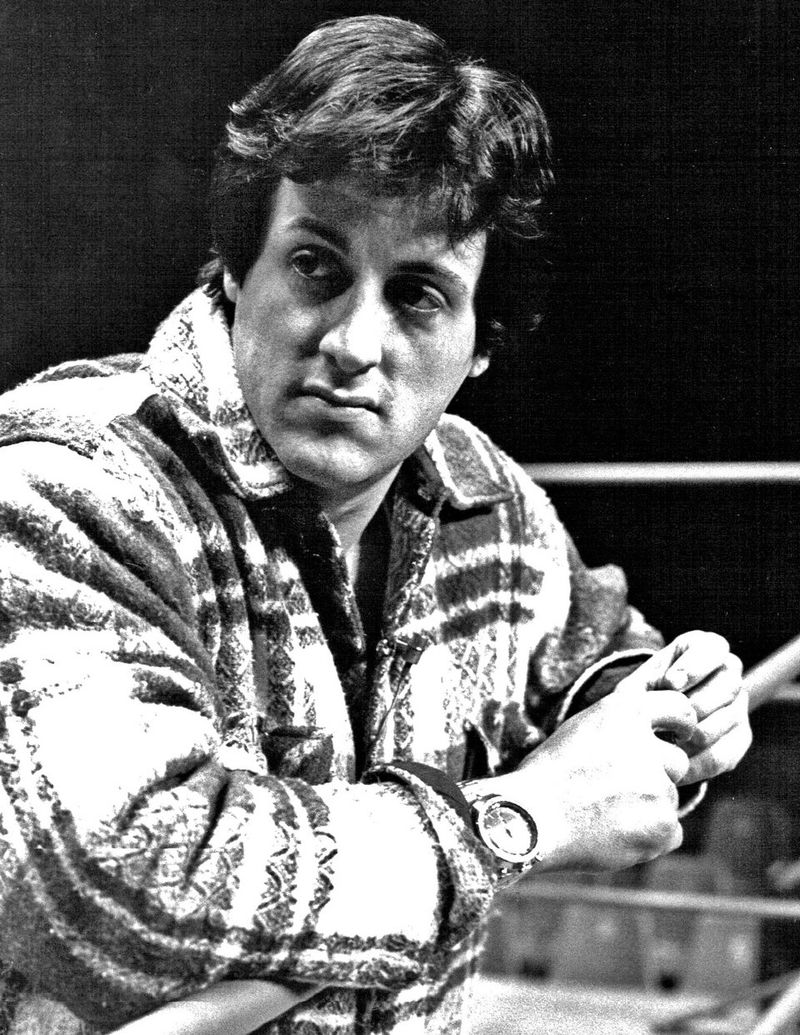
A cross-country race where drivers score points by running over pedestrians?
This campy cult film took violence-as-entertainment to its logical extreme, predicting our ratings-obsessed, shock-value media culture.
Decades before viral videos and reality TV stunts, Death Race understood that spectacle sells and audiences crave increasingly extreme content.
8. Mad Max (1979)
Mel Gibson roared onto screens in a world falling apart over fuel shortages, where highways become battlegrounds and resources mean everything.
Mad Max nailed the vibe of scarcity-driven collapse and our weird obsession with petroleum.
Though we haven’t hit full wasteland mode yet, the film’s themes about resource wars and breakdown culture feel less fantastical every time gas prices spike.
9. Logan’s Run (1976)

In a domed city where nobody lives past thirty, youth is everything and reinvention happens at the push of a button.
Logan’s Run captured society’s obsession with staying young and the constant pressure to remake yourself.
Today’s plastic surgery culture, anti-aging industries, and social media makeovers prove this film saw where we were headed.
10. Network (1976)
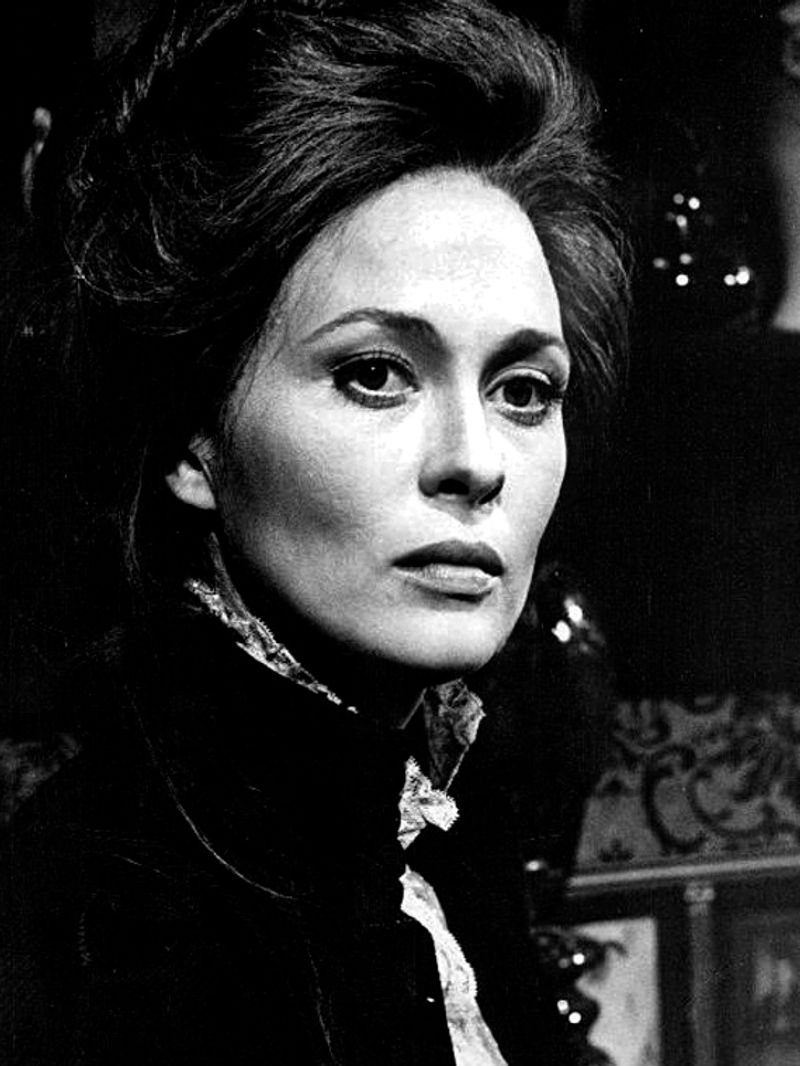
A news anchor has a breakdown on live TV and ratings skyrocket.
Network predicted outrage media, attention economics, and news as pure performance decades before cable news shouting matches became the norm.
Peter Finch’s famous rant about being very mad? That’s basically every viral moment now.
The film understood that anger sells, authenticity gets packaged, and entertainment value trumps journalism every single time.
11. Videodrome (1983)
David Cronenberg gave us media as literal contagion, where violent content infects viewers and technology rewires human identity.
Videodrome imagined screens that don’t just influence us – they fundamentally change who we are.
Long before social media algorithms and viral content, the film understood that media consumption could
become addictive, dangerous, and reality-altering. J
12. The Omega Man (1971)
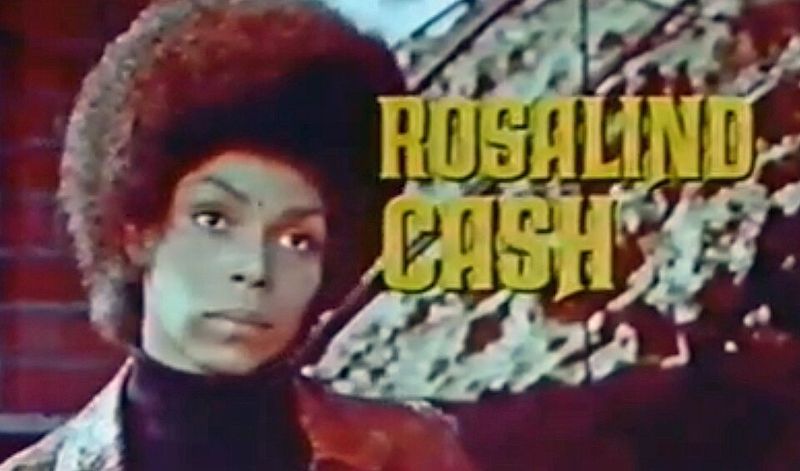
A lone survivor navigates a post-pandemic world where society has collapsed and infected survivors hunt at night.
Charlton Heston’s isolation and paranoia captured something that would feel very real decades later.
Watching empty city streets and social breakdown through a disease outbreak? The Omega Man played out scenarios that seemed wild until recent history made them uncomfortably relatable.
13. Escape from New York (1981)
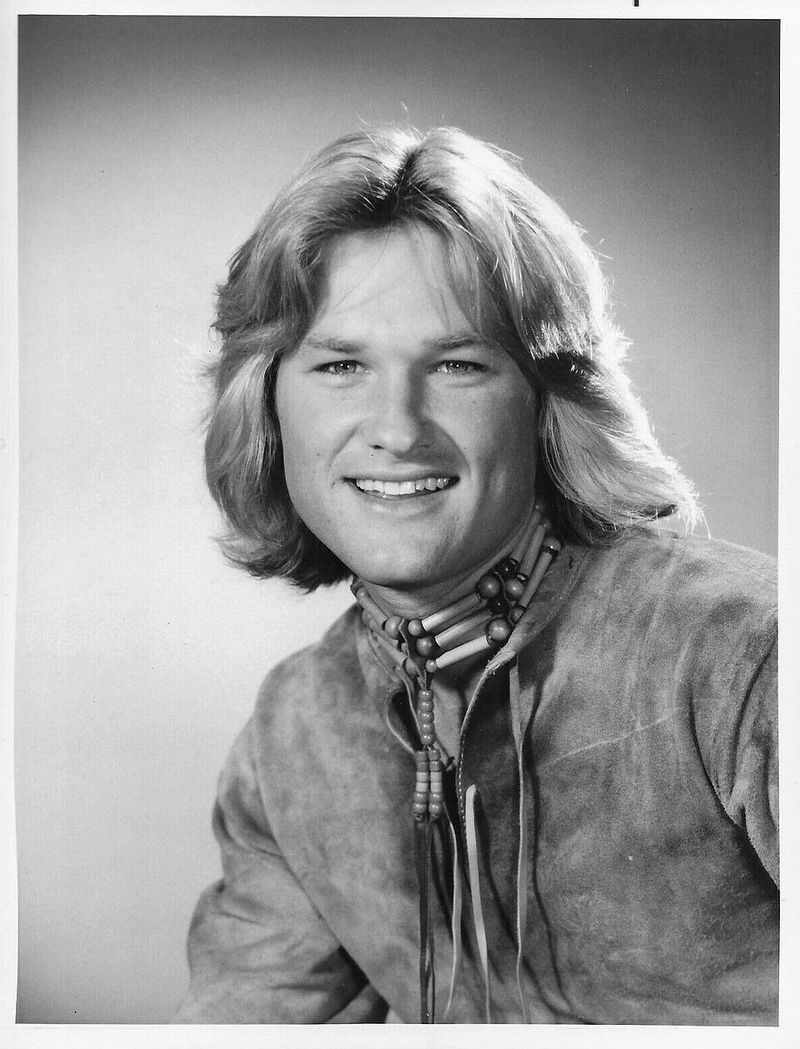
Manhattan becomes a maximum-security prison where the entire city turns into a walled fortress.
John Carpenter’s vision tapped into militarized security thinking and the rhetoric of cities as dangerous zones needing containment.
Kurt Russell’s Snake Plissken navigated a landscape that predicted tough-on-crime politics and urban fear-mongering.
14. RoboCop (1987)

When a corporation buys the police force and packages brutality as entertainment, satire becomes prophecy.
RoboCop predicted privatized public services and media that normalizes violence through slick production values.
Paul Verhoeven’s Detroit showed corporate capture of government functions and news coverage that treats tragedy like content.
15. The Running Man (1987)
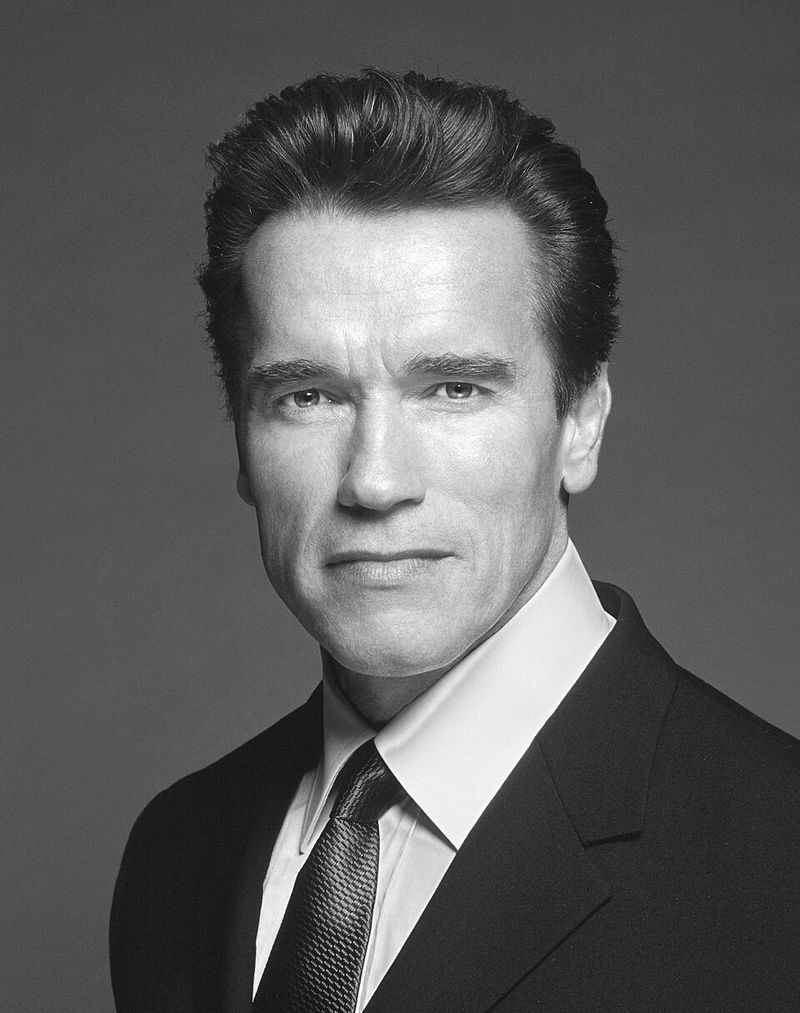
Arnold Schwarzenegger fights for survival on live television where criminals become contestants and execution equals ratings gold.
The Running Man saw reality TV’s dark potential and our appetite for punishment-as-entertainment formats.
Based on a Stephen King story, the film predicted our hunger for live spectacle and shows where humiliation drives viewership.
16. They Live (1988)
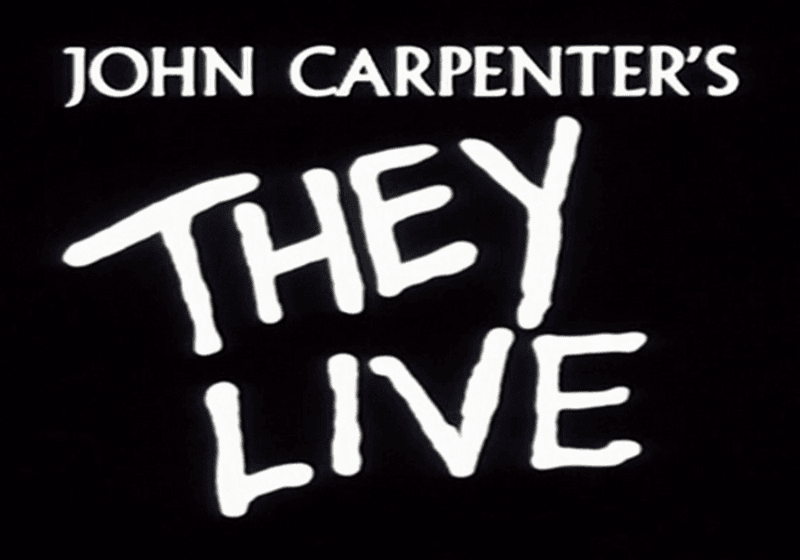
Put on special sunglasses and suddenly every billboard screams subliminal commands to obey and consume.
John Carpenter’s cult classic captured advertising pressure as an invisible force colonizing every surface and thought.
Roddy Piper’s discovery that consumer culture masks something sinister? That metaphor hits different in an age of targeted ads and algorithmic persuasion.
17. Invasion of the Body Snatchers (1956)
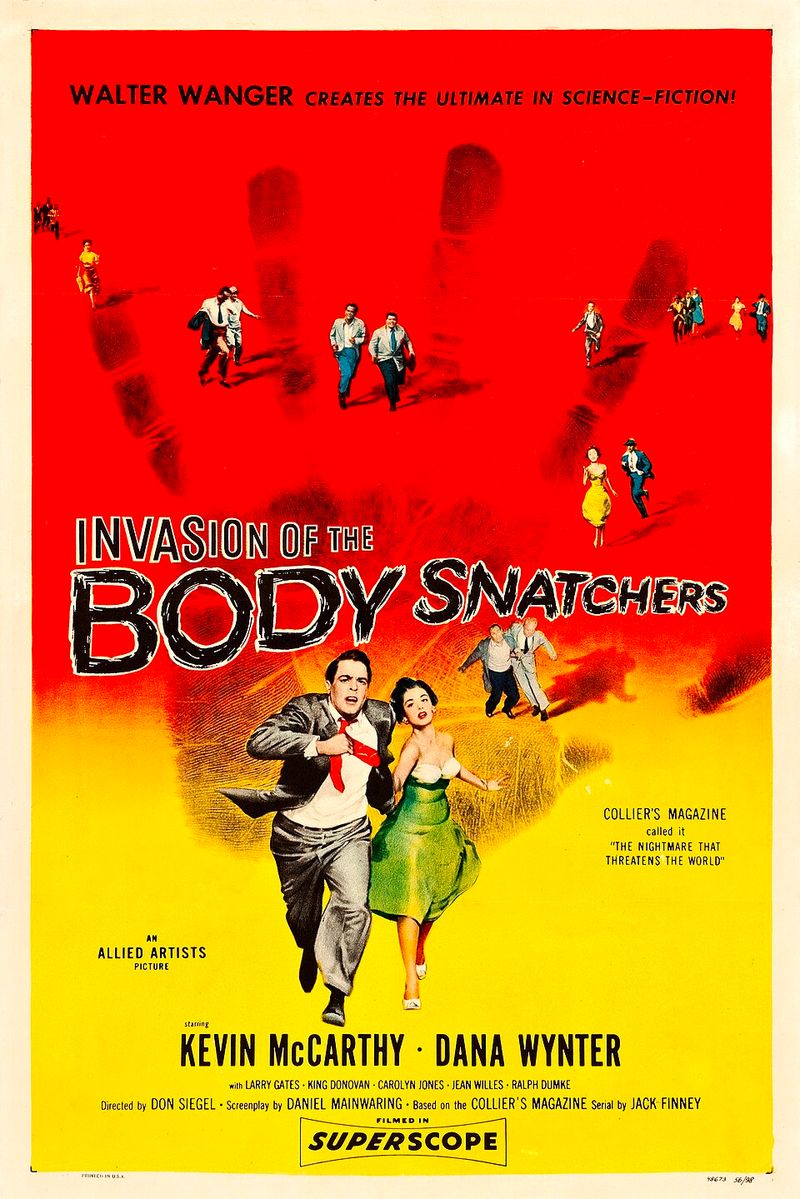
Pods from space replace humans with emotionless duplicates, creating a society of perfect conformity.
The original Body Snatchers tapped into Cold War paranoia but its themes about losing individuality to groupthink remain eternally relevant.
Whether it’s political polarization or social media echo chambers, the fear of everyone around you becoming identical copies still resonates.
18. Planet of the Apes (1968)

Charlton Heston discovers the Statue of Liberty buried in sand and realizes humanity destroyed itself.
Planet of the Apes delivered one of cinema’s most iconic warnings about self-inflicted collapse and the consequences of destructive power.
Beyond the famous twist ending, the film explored nuclear anxiety and environmental destruction that remain urgent today.