15 Old-School Food Brands Still Serving Up Pure Nostalgia
Remember opening your lunchbox as a kid and finding your favorite snack waiting inside?
Some food brands have been around for decades, bringing joy to generation after generation.
Certain classic companies continue making the same treats your grandparents loved, proving that good taste never goes out of style.
1. Hostess
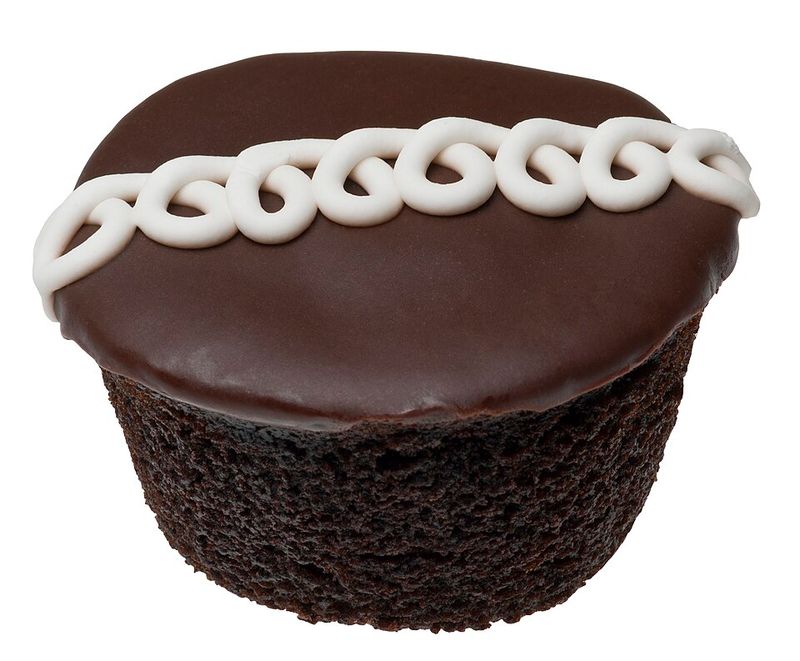
Golden sponge cakes filled with cream have been brightening lunch bags since 1930.
Hostess products became an instant American icon, surviving everything including a brief disappearance that caused nationwide panic buying.
Cupcakes with signature white squiggles and fruit pies remain lunchbox legends.
Kids today still get excited seeing that familiar packaging, just like you probably did years ago.
2. Wonder Bread
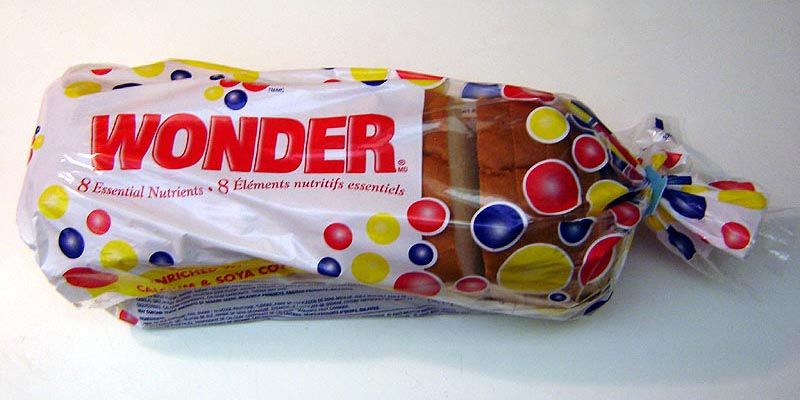
Generations of kids grew up on peanut butter and jelly sandwiches made with those pillowy soft pieces.
Parents trusted the brand that helped build strong bodies twelve ways, according to vintage commercials.
That distinctive packaging still catches your eye in grocery aisles, bringing back childhood memories instantly.
3. Jell-O
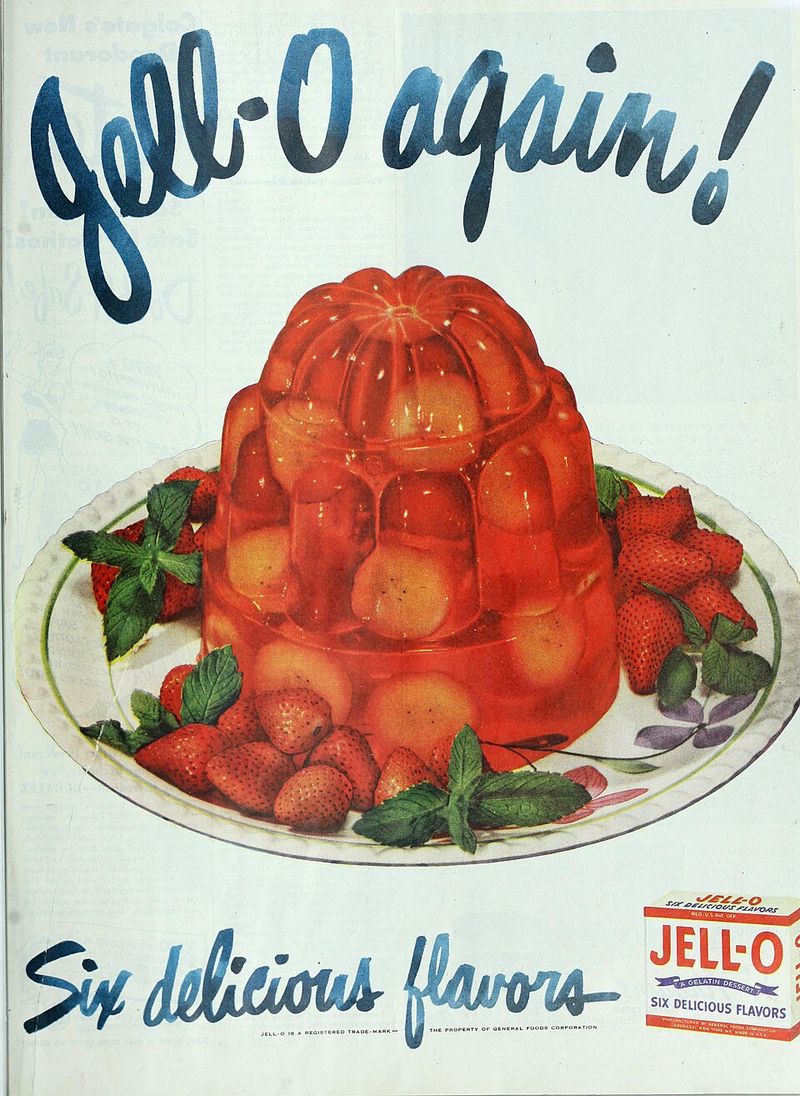
Wiggly, jiggly desserts have been wobbling onto dinner tables for over a century!
Watching colorful gelatin shake on your plate never gets old, no matter how many birthdays you celebrate.
Grandmas everywhere perfected elaborate molded salads that somehow included vegetables.
Pudding cups became the ultimate school lunch trade currency, and strawberry flavor always disappeared first at family gatherings.
4. Heinz
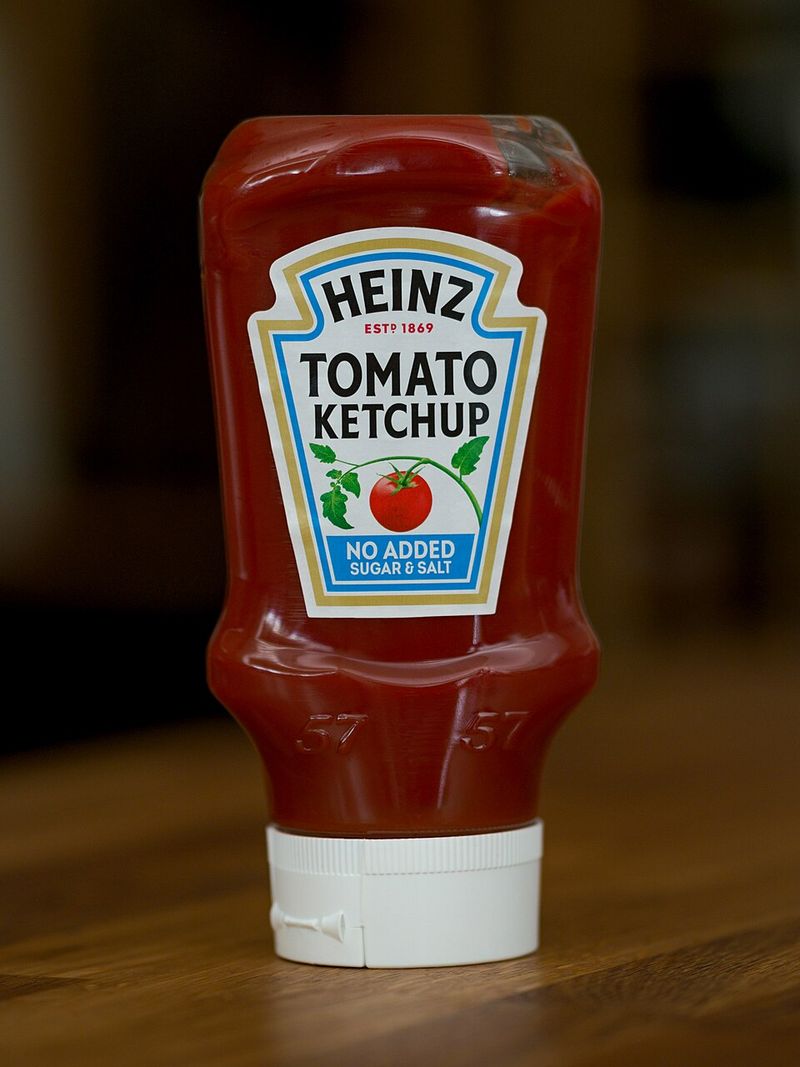
Everyone developed a personal technique for getting ketchup out of glass bottles, whether tapping or shaking.
Burgers became a lot tastier with Heinz around!
That number 57 on the bottle became part of American culture, though the company actually made way more products.
Nothing else tastes quite right on hot dogs at backyard barbecues.
5. Campbell’s Soup
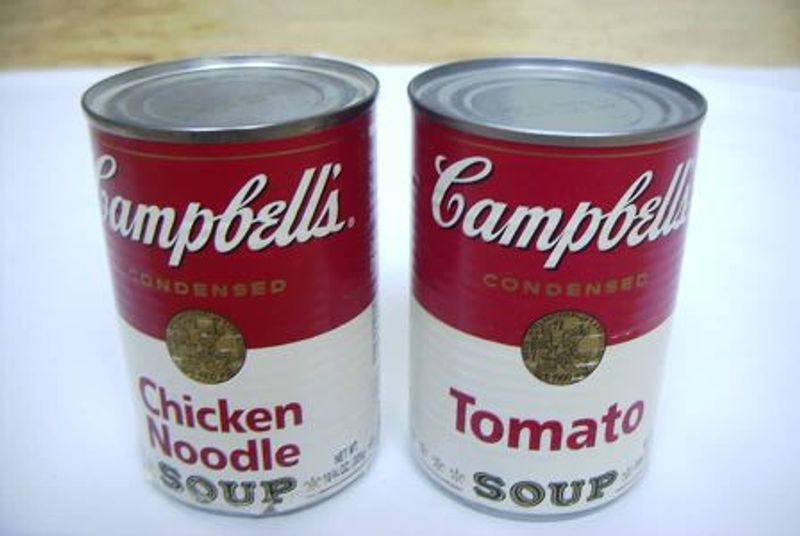
Cans of red and white have warmed chilly days for generations.
Tomato soup paired with grilled cheese became the ultimate comfort food combo that still hits differently when you’re under the weather.
Andy Warhol made the cans famous art, but moms made them family staples.
Chicken noodle soup earned its reputation as liquid medicine, soothing sick kids everywhere.
6. Kraft
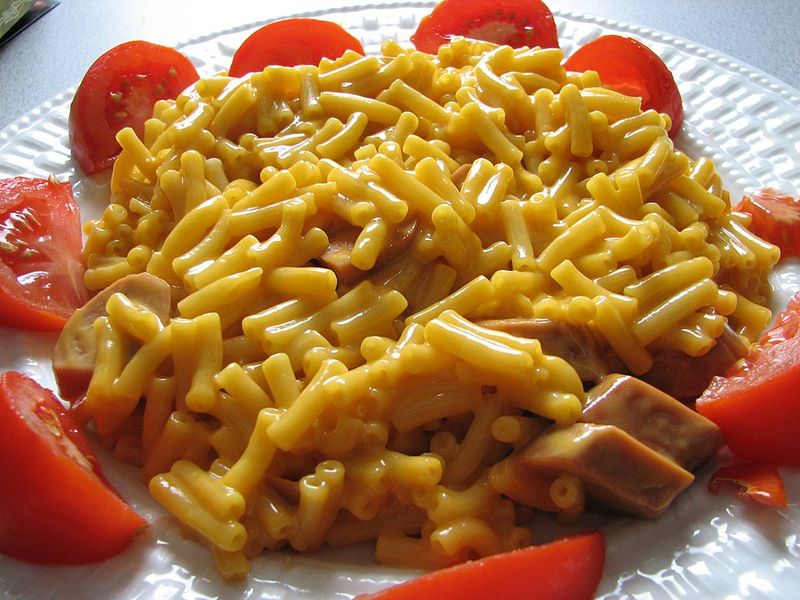
Since 1937, blue boxes of cheesy pasta have saved busy weeknights.
Stirring the orange powder into hot noodles created magic that tasted better than fancy restaurant meals to kid taste buds.
College students and parents alike rely on seven-minute dinners.
Singles wrapped in plastic became lunchtime currency, and nobody could resist sneaking bites straight from the pot.
7. Betty Crocker
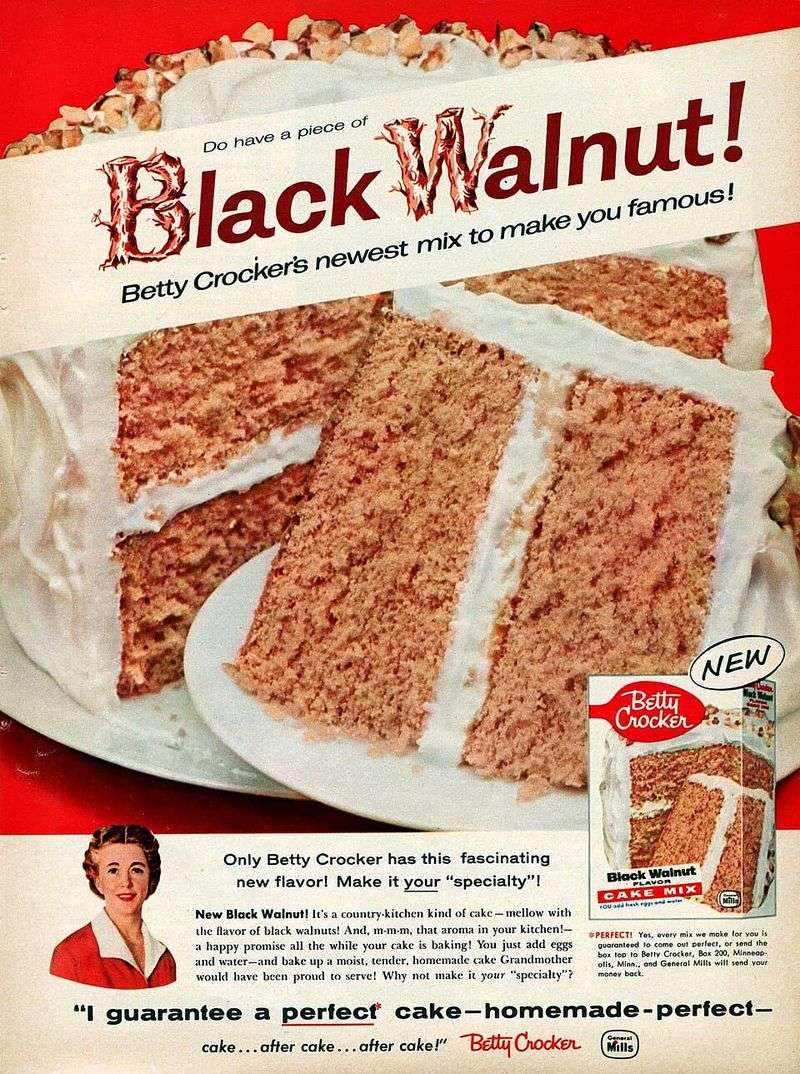
Boxed cake mixes, introduced in 1921, turned anyone into a baker.
Adding eggs and oil to the powder somehow produced birthday cakes that rivaled bakery creations, at least in young minds.
Rainbow chip frosting became legendary among kids who licked beaters clean.
Brownie mixes produced fudgy treats that disappeared before cooling completely, leaving only crumbs as evidence.
8. Breyers
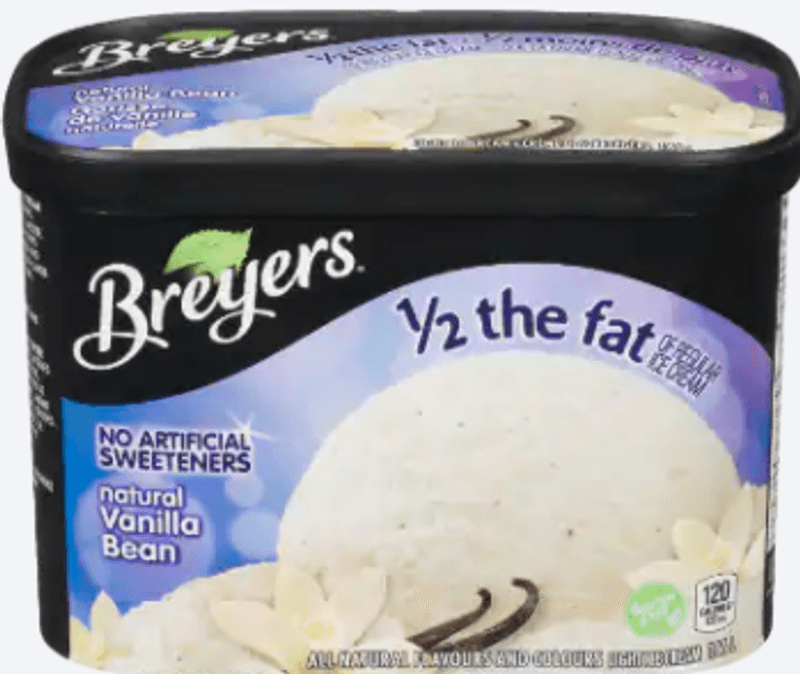
Summer nights meant bowls piled high with vanilla, chocolate, or strawberry, dripping down your hands faster than you could lick.
Simple ingredients made flavors taste pure and real.
Sundaes topped with chocolate syrup became weekend traditions, and cartons never lasted as long as parents hoped once kids discovered them.
9. Hershey’s
Who hasn’t loved breaking off pieces of brown-wrapped chocolate bars since 1900?
Sharing became a lesson in generosity, though keeping the whole bar was tempting.
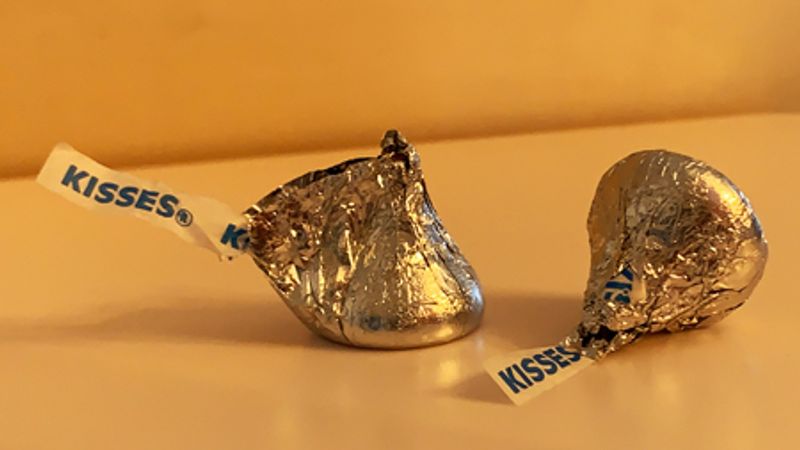
Silver-wrapped Kisses filled candy dishes at grandma’s house.
S’mores around campfires required those specific chocolate squares, and nothing else would do when marshmallows got perfectly toasted golden brown.
10. Ghirardelli
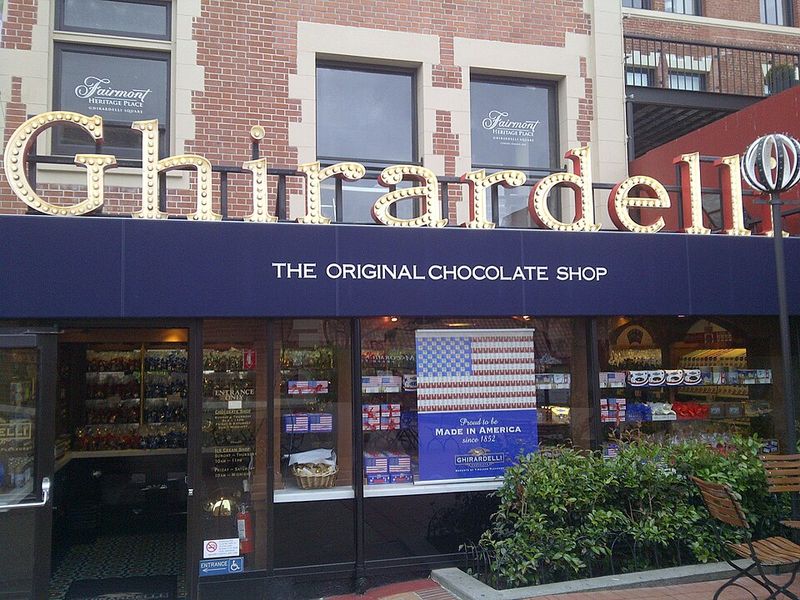
A legendary San Francisco chocolate brand built its reputation on individually wrapped squares that came in elevated flavors.
Even children raiding the kitchen cupboard felt a sense of refinement when unwrapping these foil-covered treats, transforming an ordinary snack into something that seemed decidedly upscale.
Caramel-filled pieces became the gold standard for chocolate lovers.
Hot cocoa mix produced rich drinks that warmed winter nights better than any other brand on grocery shelves.
11. Cheerios
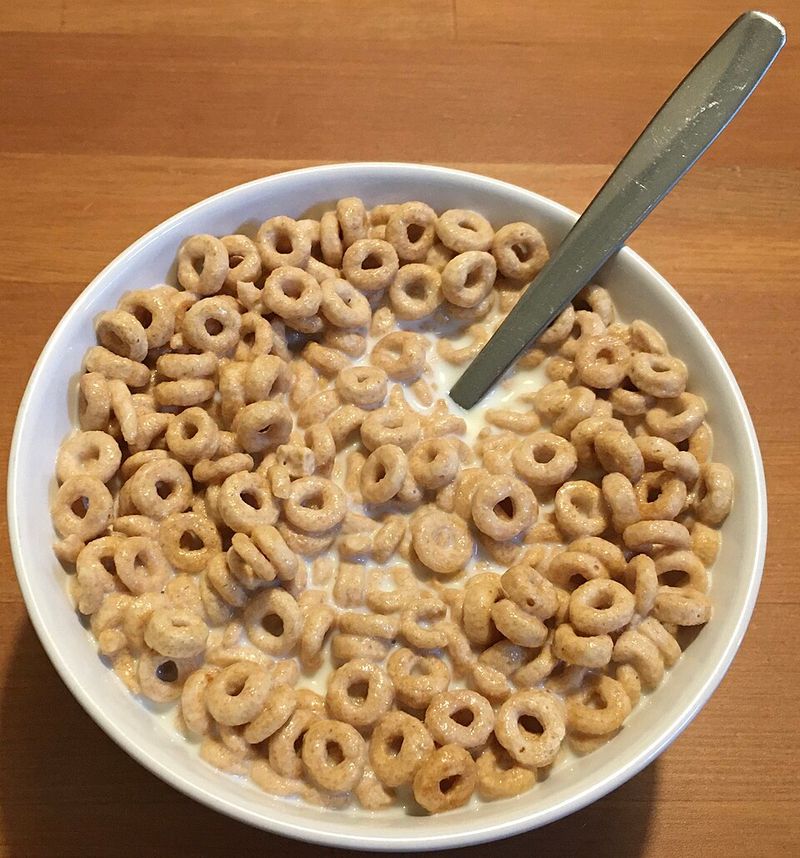
These distinctive ring-shaped oats became a breakfast staple that bridged generations.
Toddlers developed their fine motor skills by picking up the tiny circles one by one, while parents felt good about serving cereal that wasn’t drowning in sweetness or artificial additives.
Honey Nut variety became even more popular than the original.
Stringing cereal into necklaces kept kids entertained on rainy days, though most pieces ended up eaten instead.
12. Planters
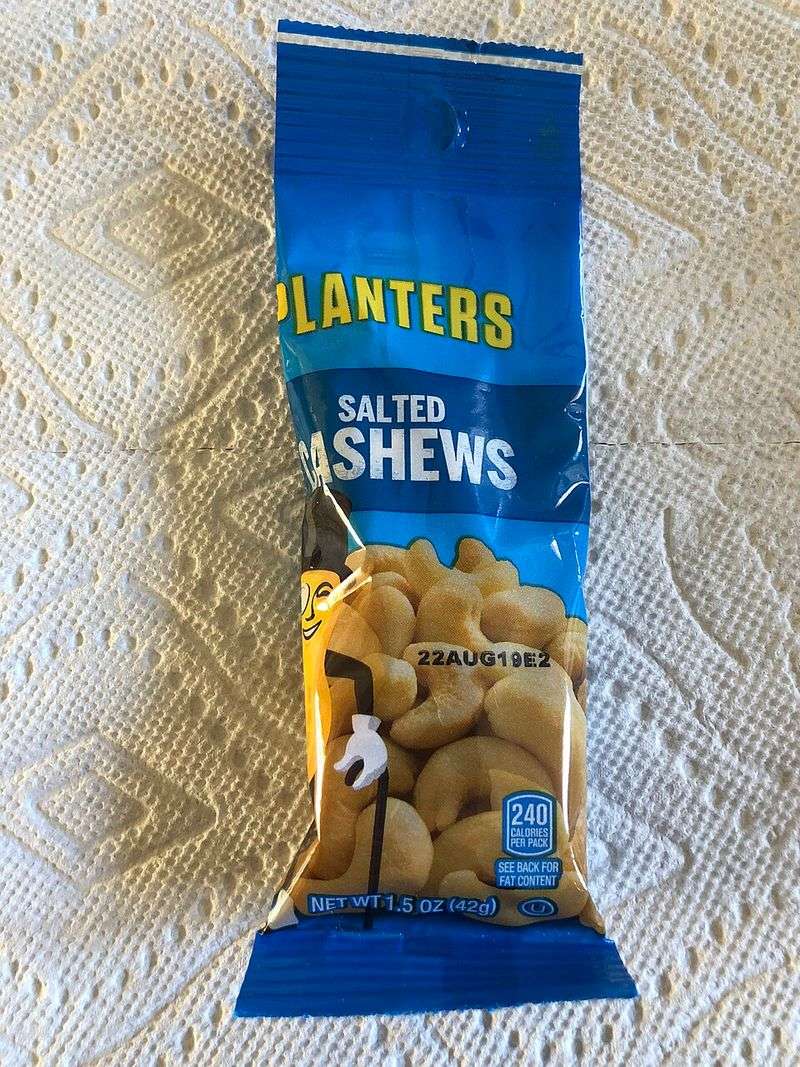
Mr. Peanut with his monocle and cane became one of America’s most recognizable brand icons.
Popping open those cylindrical containers unleashed an unmistakable salty scent that instantly elevated any gathering, from stadium bleachers to cross-country car rides.
Dry roasted and honey roasted varieties satisfied different cravings.
Cashews and mixed nuts elevated snacking to something fancy adults enjoyed during cocktail hours while kids raided the pantry.
13. Tabasco
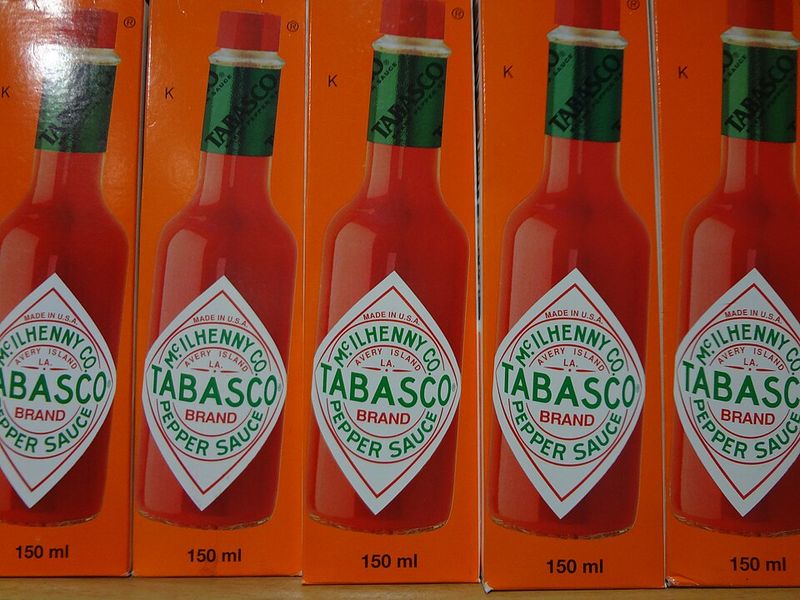
Just a few shakes transformed bland food into mouth-burning adventures that made you reach for water immediately.
Dads everywhere claimed immunity to the heat while sweating.
That distinctive bottle shape became recognizable worldwide, and the pepper sauce aged in oak barrels developed complex flavors beyond simple spiciness.
14. Coca-Cola

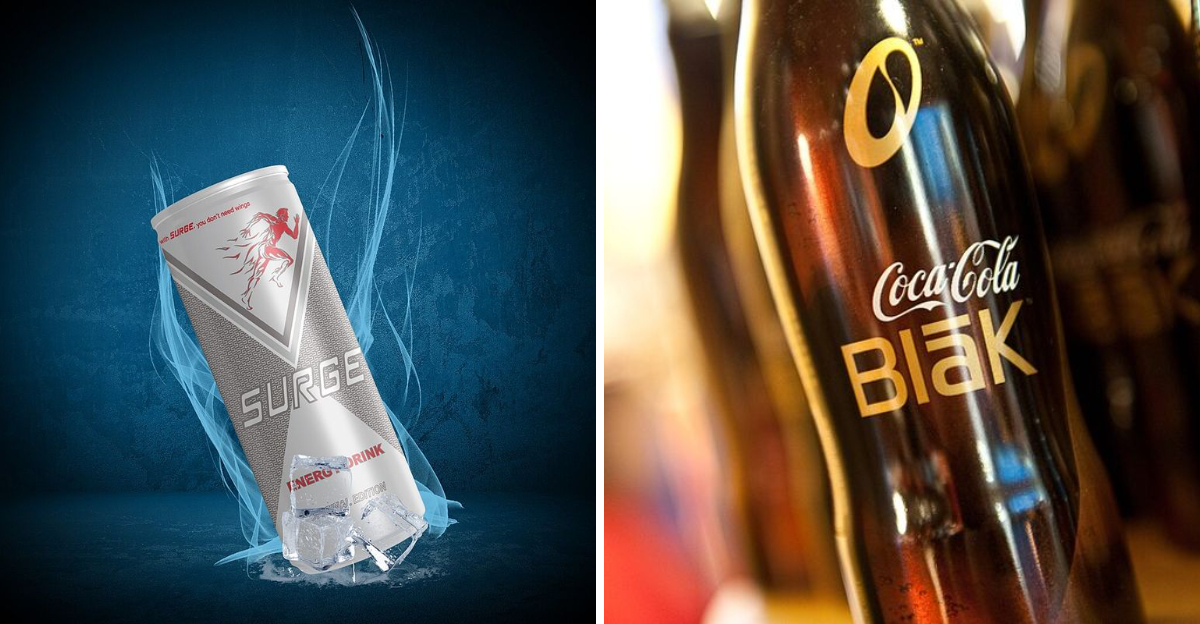
Fizzy brown soda has refreshed people since 1886.
Ice-cold bottles on hot summer days tasted like pure happiness, and that distinctive contoured glass shape fit perfectly in your hand.
Sharing a Coke became a social ritual worldwide.
Vintage vending machines dispensed bottles for nickels, and the secret formula remained one of business’s greatest mysteries, fueling endless speculation.
15. Pepsi
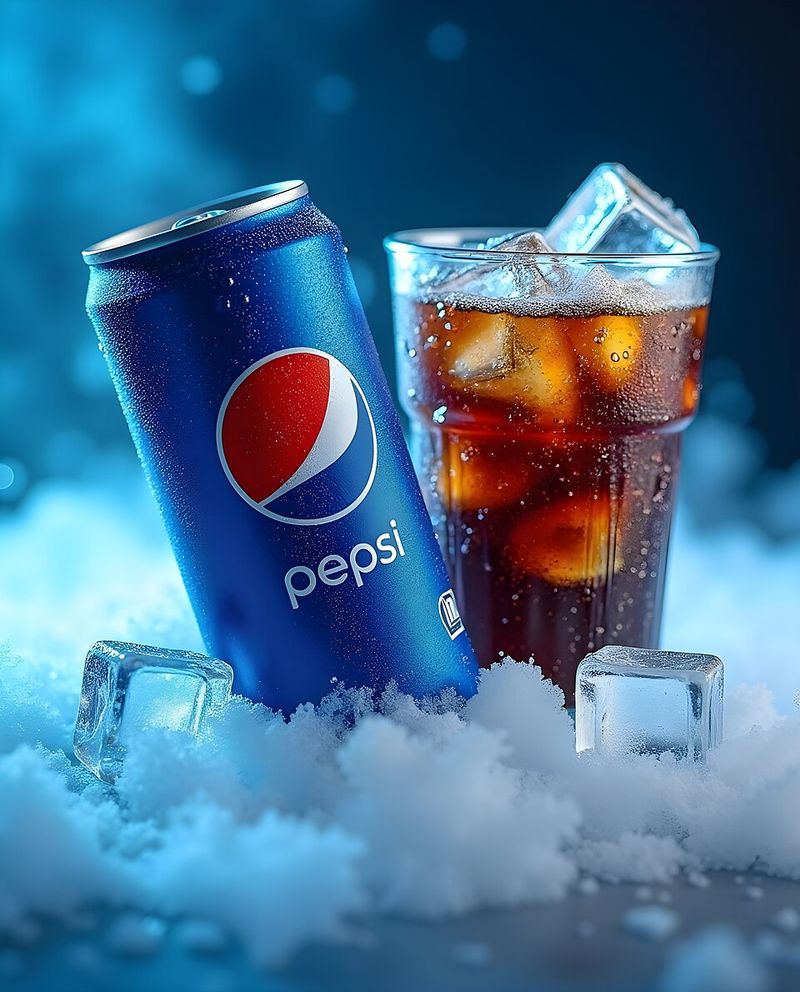
The blue-branded soft drink sparked fierce devotion among its fans, creating one of consumer culture’s most famous rivalries.
School cafeterias became battlegrounds where young enthusiasts debated their preferred cola with an intensity that seemed disproportionate to what was ultimately just carbonated sugar water.
Bigger bottles offered more bang for your buck during the Depression.
Catchy jingles got stuck in everyone’s heads, and blind taste tests became party games that sparked friendly debates lasting hours.