12 Oldest Fashion Houses Still Shaping Style And Standing The Test Of Time
Fashion blends history and bold new ideas in a way few art forms can match. Some fashion houses have been shaping style for more than a century, dressing royalty, rebels, and anyone chasing a signature look.
Each season still lands with energy, proving that true style never fades. How do brands born in the 1800s continue to turn heads, sell out collections, and spark global trends?
The secret lives in fearless creativity, masterful craftsmanship, and a legacy built to last. Every iconic handbag, tailored jacket, and dazzling jewel carries a story shaped over generations.
From quiet beginnings to global stages, these houses built reputations that echo through time. Names that began in small workshops grew into global symbols of taste, power, and identity.
Collections moved from simple essentials to bold statements that shaped entire eras. Runways turned into storytelling stages, where each piece carried intention, detail, and a hint of rebellion.
Step into a world where tradition meets reinvention and every stitch tells a story. Style evolves, but icons stay in motion.
1. Hermes (Founded 1837)
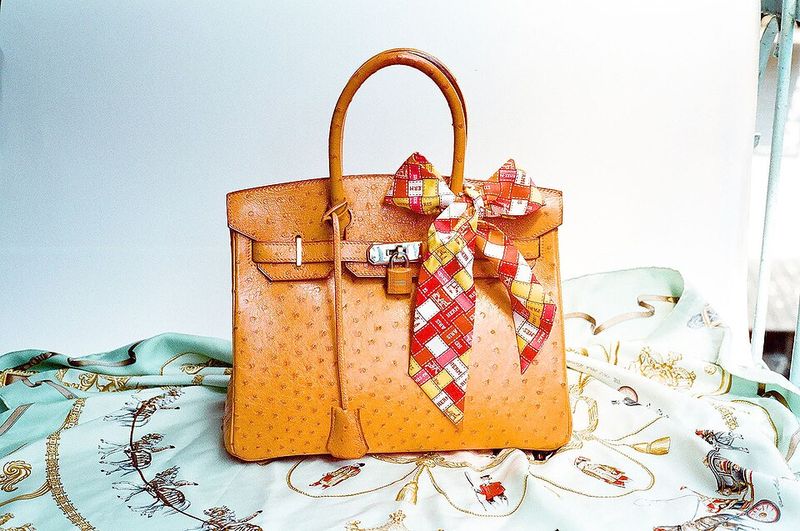
Born in a small Paris harness workshop nearly 200 years ago, Hermes started by making saddles and bridles for horses. Yes, horses!
Founder Thierry Hermes had no idea his leather-stitching skills would one day create some of the most coveted bags on Earth.
Fast forward to now, and the Birkin bag has a waitlist longer than most people’s bucket lists. Crafted by hand, each piece can take over 18 hours to complete.
No shortcuts, no compromises.
Celebrities, royals, and fashion lovers worldwide consider owning a Hermes piece a true life achievement. Luxury does not get more legendary.
2. Cartier (Founded 1847)
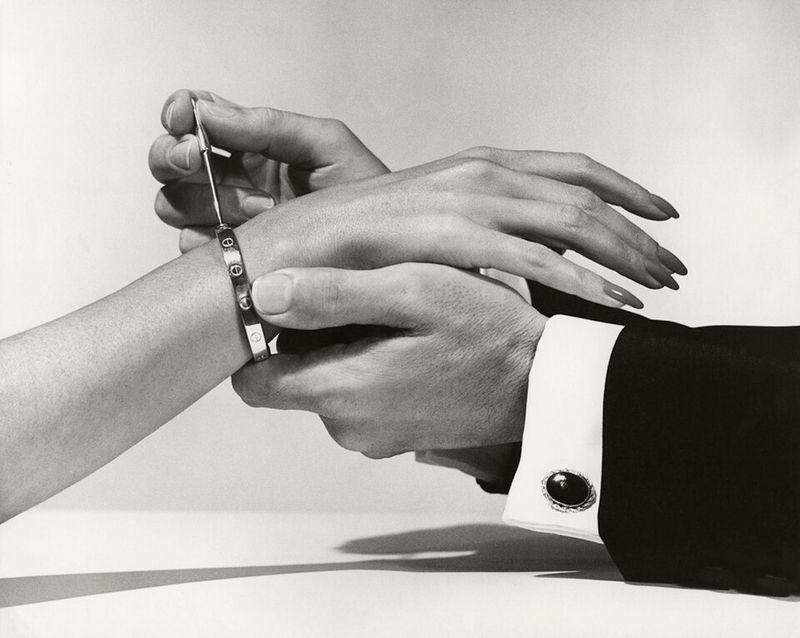
Diamonds on red carpets came much later. Cartier was already redefining fine jewelry.
Founded by Louis-Francois Cartier in Paris, the house quickly earned the nickname “jeweler of kings” after attracting royal clients across Europe.
King Edward VII of England alone called Cartier his official supplier. How cool is it to have a king on your client list?
Iconic creations like the Love bracelet and the Santos watch have become cultural symbols far beyond fashion. Cartier proves that true elegance never needs to shout.
Sometimes a quiet sparkle says everything.
3. Louis Vuitton (Founded 1854)
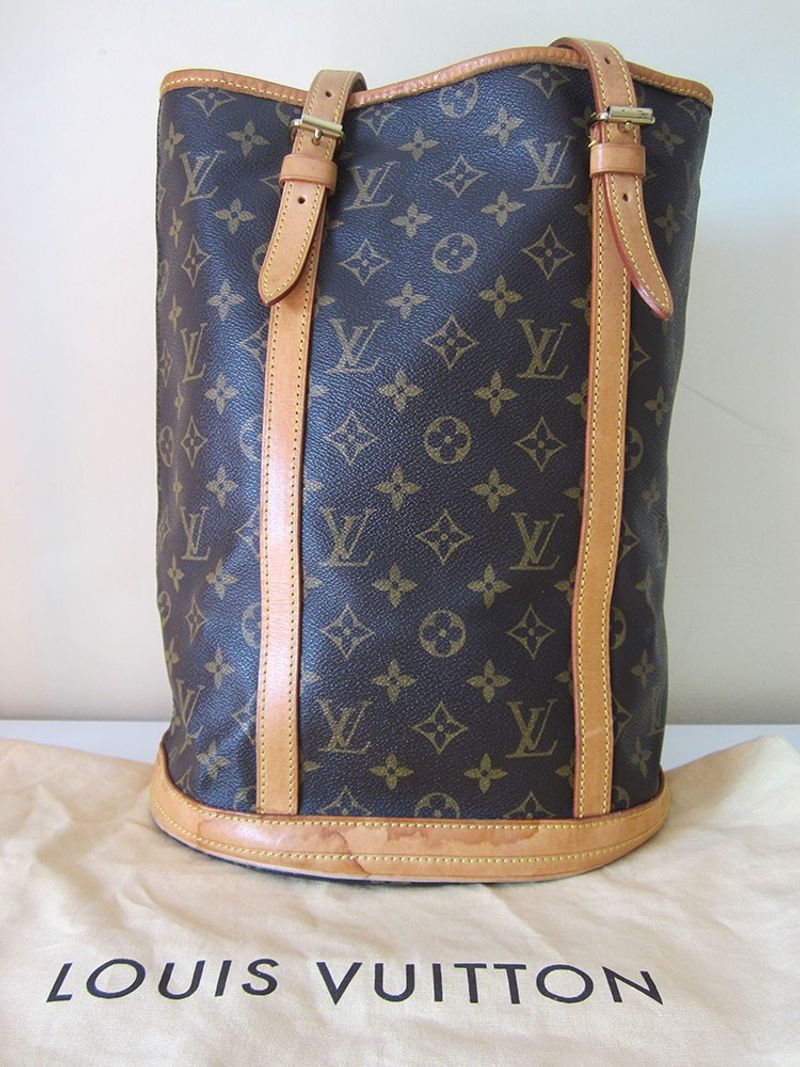
Long before rolling suitcases existed, Louis Vuitton was solving travel problems with flat-topped trunks that could actually stack. Genius, right?
Young Louis arrived in Paris at age 13 with nothing but ambition, and built one of the most recognized brands in human history.
The famous LV monogram was actually created in 1896 to fight counterfeiters. Ironic, considering it is now one of the most copied logos ever.
Runway collections, collaborations, and limited drops keep the house fresh every season. Louis Vuitton has mastered the rare art of being both a history lesson and a hype brand simultaneously.
4. Burberry (Founded 1856)
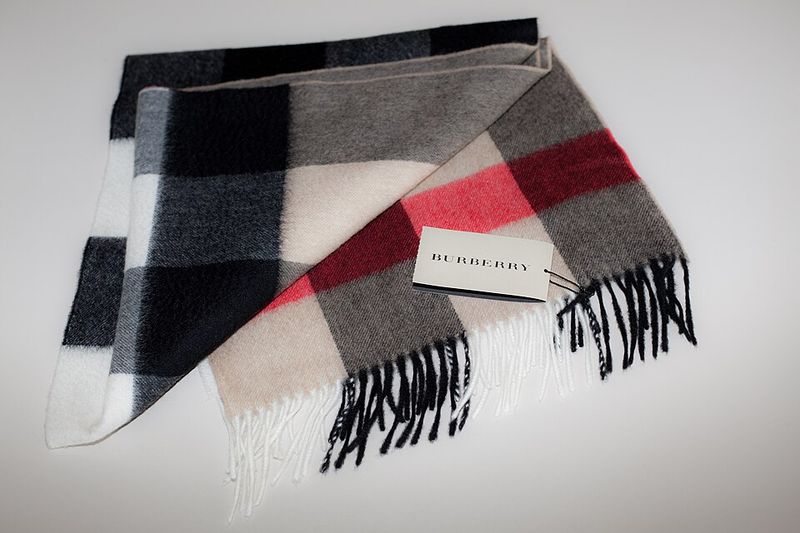
A 21-year-old named Thomas Burberry opened a small outfitters shop in Basingstoke, England, and accidentally invented one of Britain’s most beloved fashion symbols. His creation of gabardine fabric, a breathable yet waterproof material, was a straight-up game changer for outdoor wear.
Explorer Ernest Shackleton and British troops in World War I both wore Burberry trench coats. So yes, the brand has literally survived wars and polar expeditions.
The signature plaid check lining became a global status symbol by the 1990s. Even if you have never worn one, chances are you have spotted it somewhere.
Burberry is everywhere.
5. Loewe (Founded 1846)
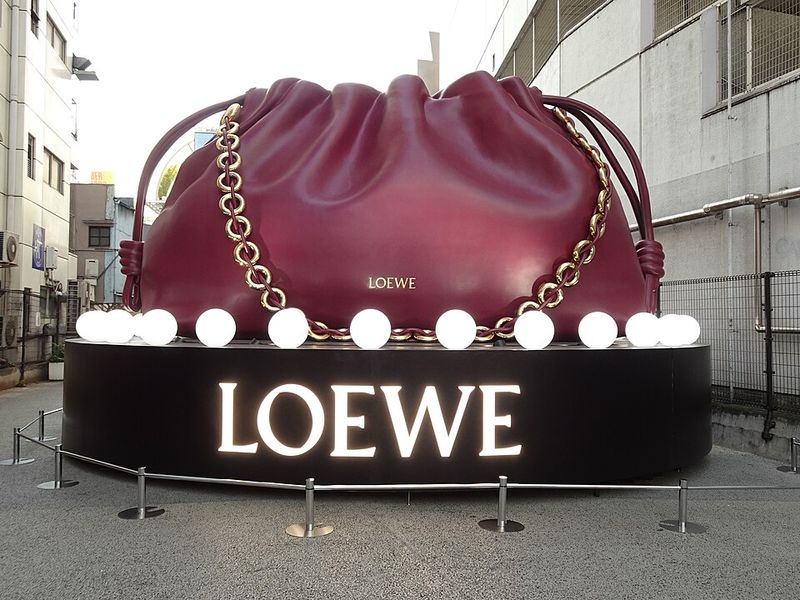
Quietly tucked into Madrid’s fashion history, Loewe holds the title of one of Spain’s oldest luxury brands, and it wears that honor beautifully. A group of leather artisans founded it in 1846, and the craft-first philosophy has never wavered since.
Creative director Jonathan Anderson transformed the house into a critically adored powerhouse, blending avant-garde art with exceptional leather craftsmanship. Puzzle bags became cult favorites almost overnight.
What makes Loewe stand out is how it balances heritage and weirdness in the best possible way. Each collection feels like a museum exhibition you also want to wear.
Art meets wearability perfectly here.
6. Chanel (Founded 1910)

Gabrielle “Coco” Chanel did not just design clothes. She started a quiet revolution.
At a time when women were squeezed into corsets and layers of heavy fabric, Coco introduced jersey knit sportswear, cropped trousers, and the legendary little black dress.
No. 5 perfume, launched in 1921, became the world’s most iconic fragrance. Marilyn Monroe once said it was the only thing she wore to bed.
That quote alone is priceless advertising.
Chanel the brand outlived its founder by decades and continues to set global trends. Few fashion houses carry as much cultural weight, historical significance, and timeless cool.
7. Prada (Founded 1913)
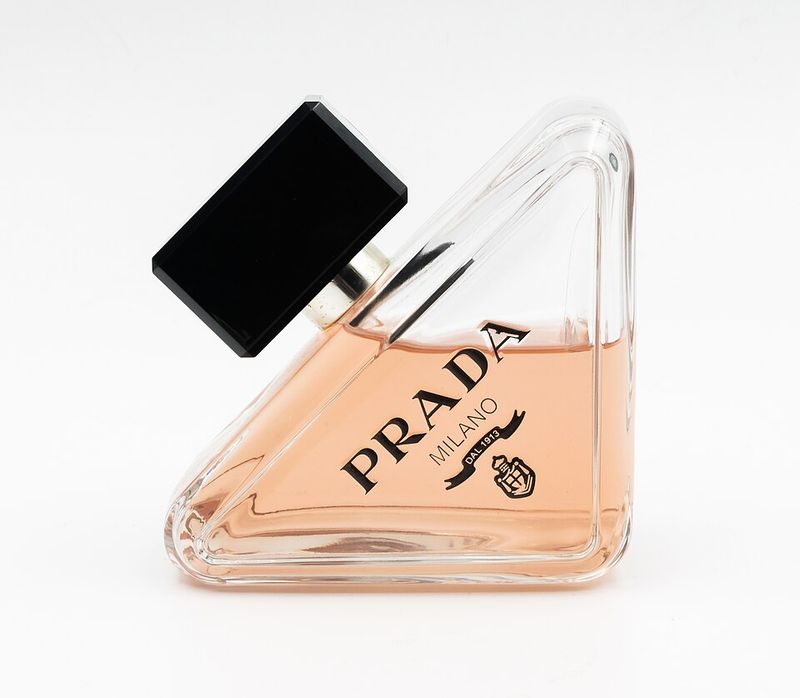
Mario Prada opened a leather goods shop in Milan’s Galleria Vittorio Emanuele II in 1913, and probably had no clue his name would one day title a famous movie. “The Devil Wears Prada” made the brand a pop culture legend all over again in 2006.
Granddaughter Miuccia Prada took over in 1978 and flipped the fashion world upside down by making intellectual, anti-glamour statements runway-worthy. Ugly-chic became a whole aesthetic because of her bold choices.
Nylon backpacks from the 1980s are still bestsellers. How many fashion brands can say a simple backpack became a luxury icon?
Prada can.
8. Gucci (Founded 1921)
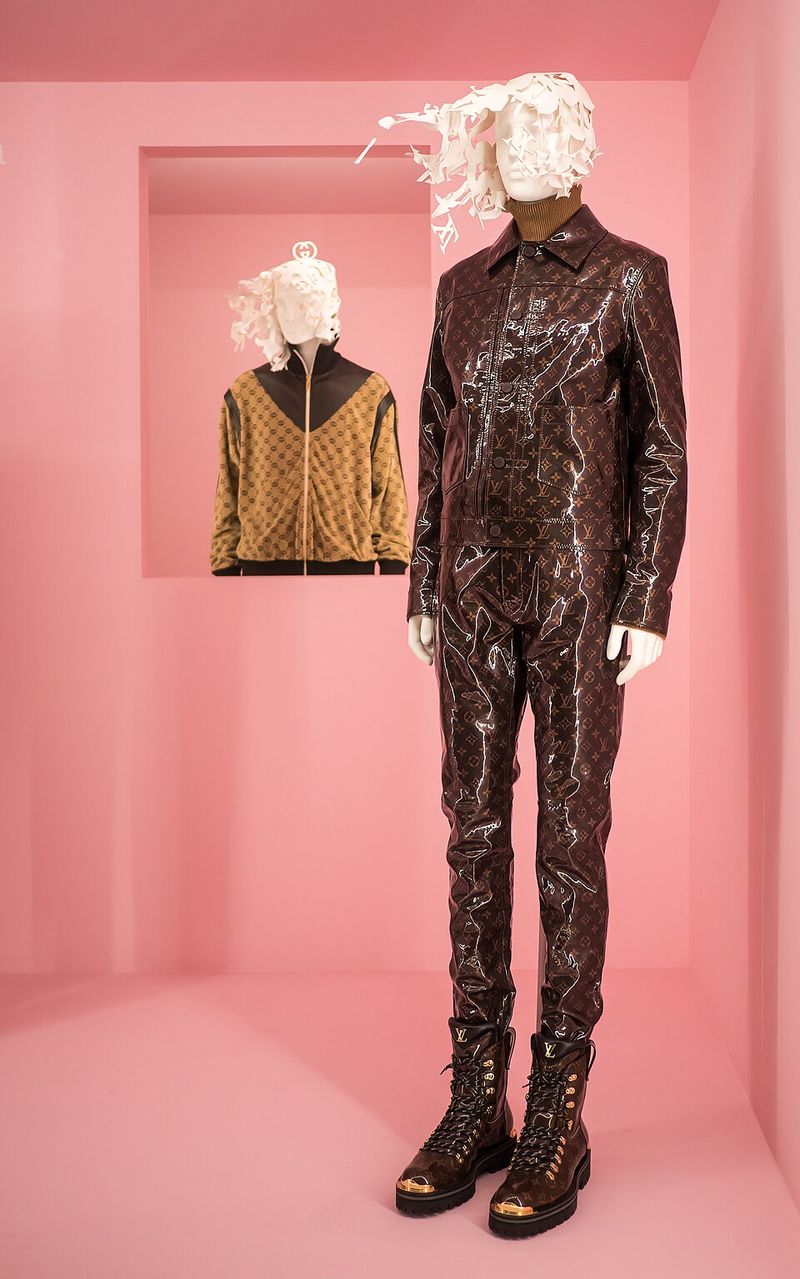
Guccio Gucci founded his small leather goods company in Florence, Italy, inspired by the fine luggage he saw wealthy travelers carrying while working at London’s Savoy Hotel. Ambition sparked by observation is a powerful thing.
The double-G logo and green-red-green stripe became instantly recognizable symbols of Italian luxury. However, the brand hit rock bottom in the 1980s due to family feuds so dramatic, they inspired a Hollywood film.
Creative director Alessandro Michele completely reinvented Gucci after 2015, flooding runways with maximalist, eccentric collections. If fashion had a comeback-of-the-century award, Gucci would win it without breaking a sweat.
9. Fendi (Founded 1925)
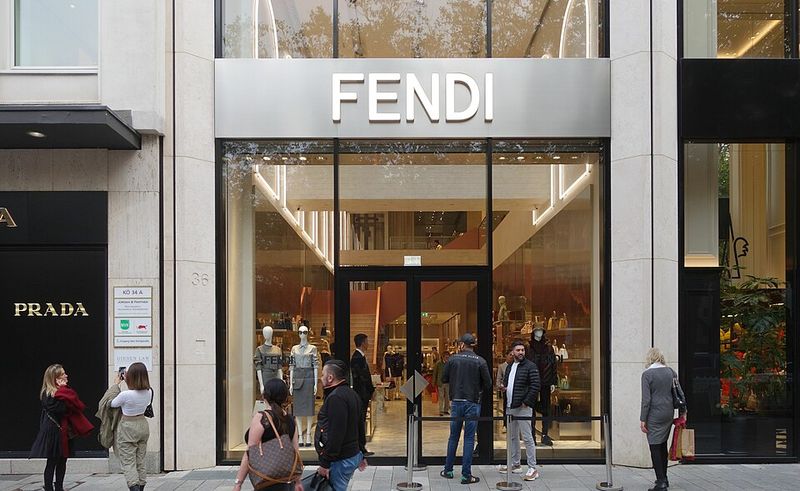
Adele and Edoardo Fendi launched a small fur and leather shop in Rome in 1925, and it became a family affair in the most stylish way possible. All five of the Fendi daughters eventually joined the business, turning it into a multi-generational fashion empire.
Karl Lagerfeld joined as creative director in 1965 and stayed for an extraordinary 54 years. His partnership with Fendi produced some of the most memorable fur innovations in fashion history.
The Baguette bag, launched in 1997, was so popular it practically invented the concept of the “it bag.” Carrie Bradshaw carried one on Sex and the City, sealing its legendary status forever.
10. Salvatore Ferragamo (Founded 1927)
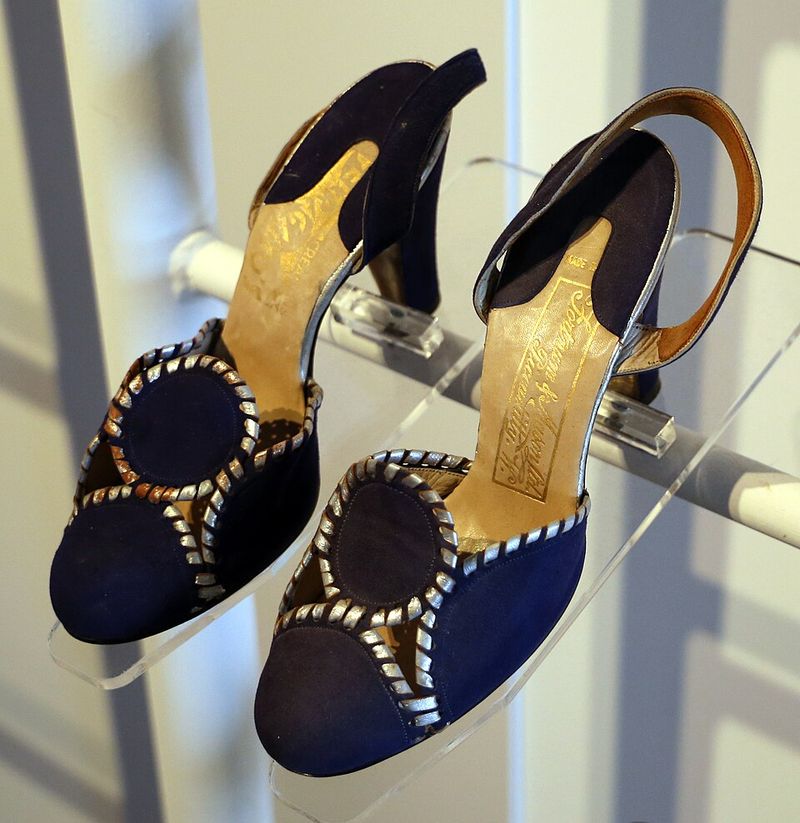
Salvatore Ferragamo moved to Hollywood at age 16 and started making custom shoes for silent film stars. Yes, the man literally shod some of the biggest celebrities before most people had heard of celebrity culture.
He invented the wedge heel and the cork platform during World War II material shortages, proving that creativity thrives under pressure. Marilyn Monroe, Audrey Hepburn, and even the Duke of Windsor were loyal clients.
After Salvatore passed in 1960, his family kept the brand alive and growing beautifully. Rooted in Italian artisanship, every pair of Ferragamo shoes still carries that original Hollywood magic inside.
11. Balenciaga (Founded 1919)

Cristobal Balenciaga opened his first boutique in San Sebastian, Spain, in 1919 and quickly earned a reputation so fierce that even Coco Chanel called him the only true couturier. High praise considering the source.
His architectural approach to clothing created silhouettes that defied gravity and conventional tailoring. Balenciaga treated fabric like a sculptor treats stone, pushing garments far beyond decoration into pure art.
After decades of quieter years, Demna Gvasalia took creative control in 2015 and shocked everyone by making oversized hoodies and chunky sneakers high fashion. Bold, controversial, and impossible to ignore, Balenciaga refuses to play it safe.
12. Christian Dior (Founded 1946)
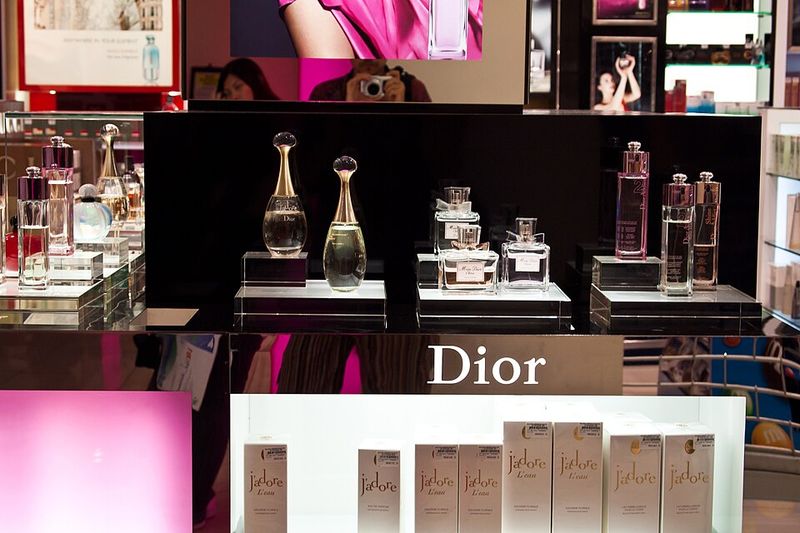
When Christian Dior unveiled his debut collection in February 1947, editor Carmel Snow reportedly gasped and declared, “It’s quite a revolution, dear Christian!” She coined it the New Look, and fashion was never the same again.
Post-war Paris was grey and tired. Dior answered with nipped waists, padded hips, and full skirts that swept the floor in gloriously feminine defiance.
Women lined up around the block just to see it.
Decades of legendary creative directors, including Yves Saint Laurent, Marc Bohan, and Maria Grazia Chiuri, have kept the house electric. Christian Dior remains the gold standard of Parisian haute couture worldwide.