18 On-Screen Animals That Stole The Spotlight And Became Pop Culture Legends
Some animals step into a scene and linger far beyond the final frame. A wagging tail, a sharp roar, or a perfectly timed stare turns a simple moment into a memory that sticks for years.
Audiences respond to that kind of honesty, a presence that feels effortless and real, almost like the camera simply caught something magical without trying. No dialogue required, just a glance, a pause, or a bit of unexpected charm that says more than words ever could.
Across film and television, certain animal performers rise above the rest and become icons in their own right. Posters, collectibles, and fan favorites keep the magic alive long after release, turning screen moments into lasting cultural touchpoints.
Each one brings personality that rivals even the biggest human stars, leaving a mark that never fades and often outshines the humans sharing the frame. Clever companions and unforgettable scene stealers each add their own spark to the lineup.
Curiosity builds with every name, revealing how much impact a single character can carry when heart, timing, and instinct come together on screen. Pick a favorite, cast a vote, and let the ultimate animal showdown begin before the credits even roll.
1. Toto – The Wizard of Oz (1939)
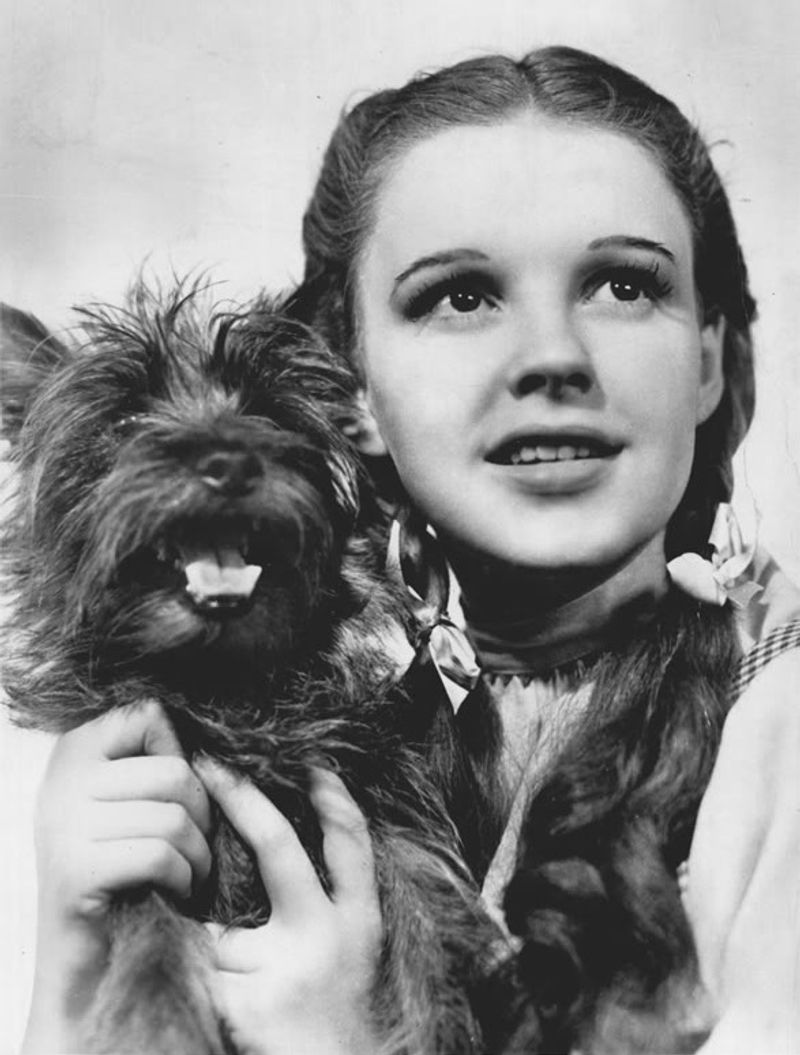
A tiny Cairn Terrier named Terry changed movie history without speaking a single word. Playing Dorothy’s loyal companion Toto in The Wizard of Oz, Terry earned $125 per week on set, which was actually more than many human cast members made at the time.
Toto’s most iconic moment? Pulling back the curtain to expose the Wizard’s big bluff.
Without Toto, Oz might have stayed mysterious forever. Talk about a dog earning every treat.
Terry appeared in 16 films total, but Toto remains the role that made a legend. Small dog, enormous legacy.
2. Rin Tin Tin – Silent Film Era (1920s)
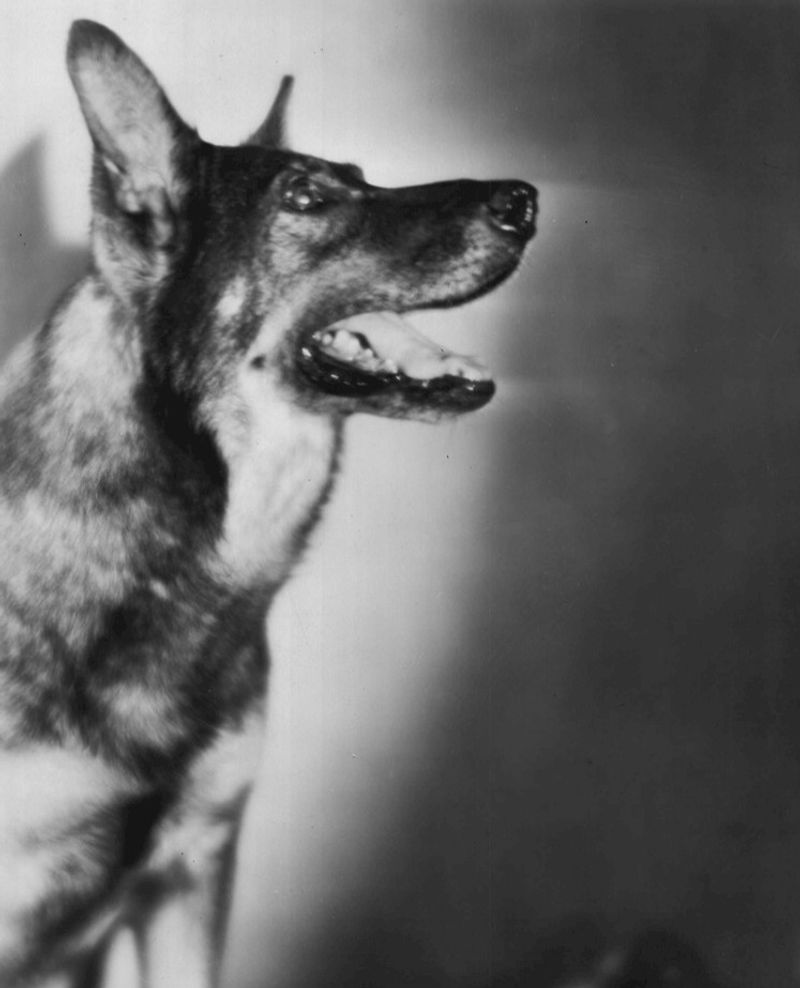
Rescued by an American soldier named Lee Duncan on a World War I battlefield in France, Rin Tin Tin went on to become one of Hollywood’s biggest stars of the 1920s and 1930s. His story sounds like a movie itself, and honestly, it basically was.
Starring in 27 films, Rinty (as fans called him) reportedly saved Warner Bros. studio from financial ruin. A dog literally kept a major Hollywood studio alive.
No pressure, though.
Rin Tin Tin received more fan mail than any human actor of his era, cementing his status as a true cinema pioneer.
3. Lassie – Lassie Come Home (1943) and Beyond
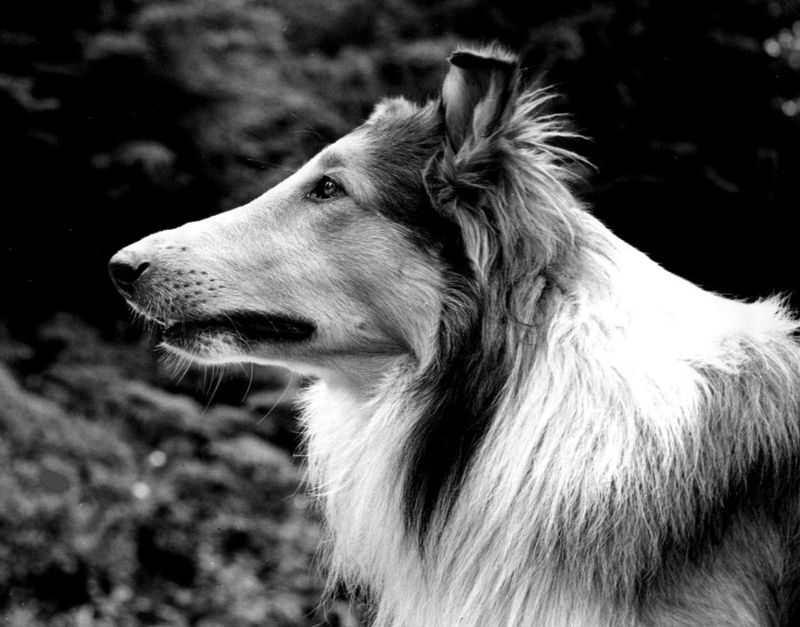
In entertainment, only a couple names carry as much warmth as Lassie. Originally portrayed by a male Rough Collie named Pal, Lassie became the gold standard for on-screen loyalty and courage.
Pal’s descendants continued the role across generations of films and television episodes.
Audiences adored watching Lassie outsmart villains, cross mountains, and always find a way home. If loyalty had a mascot, it would absolutely have a flowing mane and four paws.
Running on TV for 17 seasons between 1954 and 1973, Lassie holds a record for one of the longest-running animal-led shows in television history. A collie for the ages.
4. Keiko – Free Willy (1993)
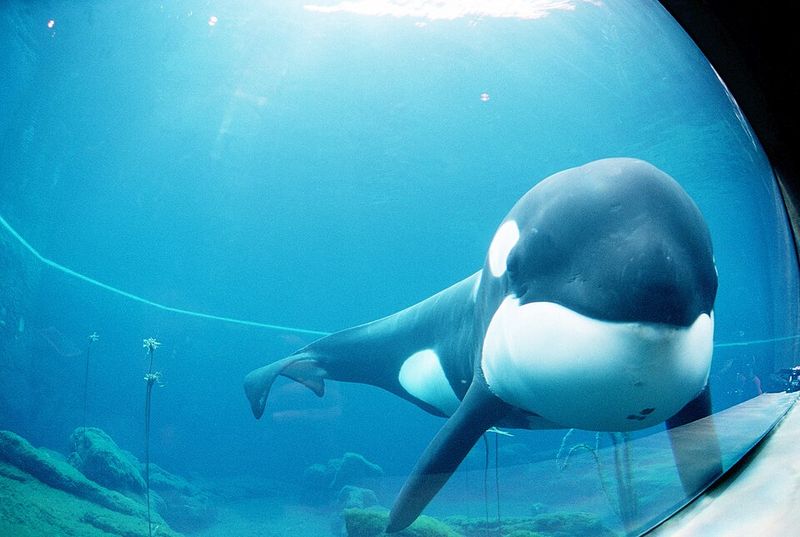
An orca named Keiko played Willy in Free Willy, and the film sparked something far bigger than box office numbers. Captured near Iceland in 1979 and later held in a small Mexican amusement park, Keiko’s real-life situation mirrored the movie’s message so closely that audiences demanded action.
A global campaign raised millions of dollars to rehabilitate Keiko and eventually return him to Icelandic waters. How many movie animals have inspired an actual international rescue mission?
Exactly one.
Keiko passed away in 2003, but his story permanently shifted public conversations around marine animal captivity and animal welfare worldwide.
5. Grumpy Cat – Internet and Film Fame (2012–2019)
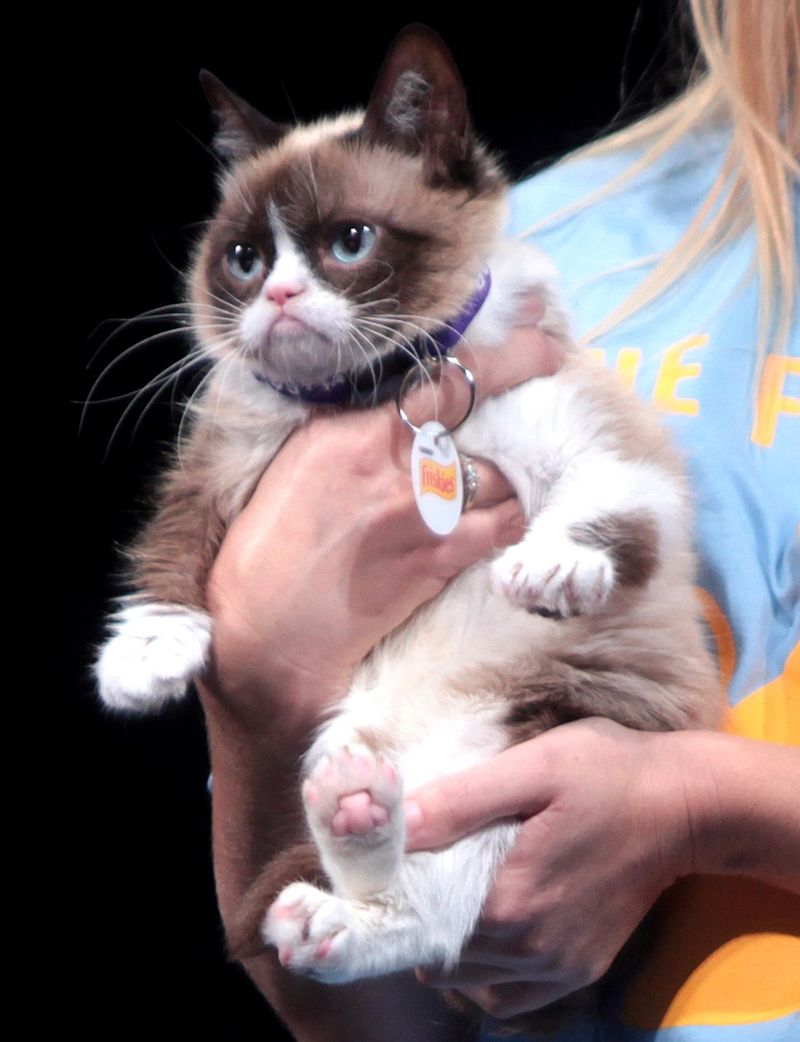
Born Tardar Sauce in 2012, Grumpy Cat became a certified internet legend almost overnight. Her permanently downturned mouth, caused by feline dwarfism and an underbite, gave her a scowl so perfectly dramatic that the internet collectively decided she was their grumpy queen.
Starring in the Lifetime movie Grumpy Cat’s Worst Christmas Ever in 2014, Tardar Sauce proved a cat could absolutely carry a film. Her owner’s book even hit the New York Times bestseller list.
Grumpy Cat merchandise, calendars, and memes generated millions in revenue. Not bad for a cat who looked like she disapproved of everything.
6. Flipper – Flipper (1963) and TV Series
Long before dolphins became social media darlings, Flipper was already a household name. Starring in a 1963 film and a beloved TV series that ran from 1964 to 1967, Flipper was portrayed by multiple trained bottlenose dolphins, most notably a female dolphin named Suzy.
Set in the sunny Florida Keys, the show followed Flipper’s adventures alongside a park ranger’s family. Audiences were completely charmed by a dolphin who seemed smarter than half the human cast, and honestly, that was kind of the point.
Flipper helped inspire a generation’s love for marine life and remains an enduring symbol of ocean-going adventure.
7. Babe – Babe (1995)
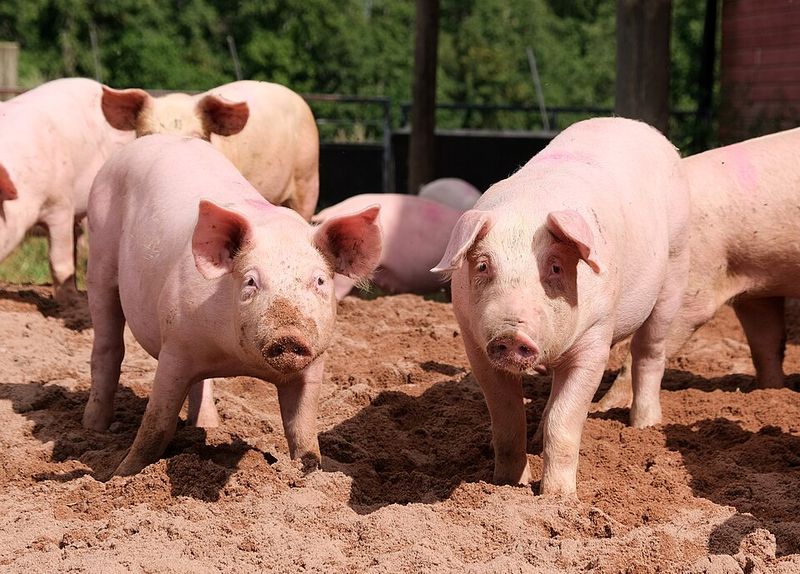
A pig who wanted to herd sheep sounds like a punchline, but Babe turned it into one of the most heartwarming films of the 1990s. Produced using a combination of real animals and animatronic puppets, the movie required over 970 animals during production.
Babe’s gentle determination and refusal to accept limits struck a chord with audiences of all ages. The film earned seven Academy Award nominations, including Best Picture, which remains extraordinary for a movie starring a pig as the lead.
If ever a farm animal deserved a standing ovation, it was Babe. That’ll do, pig.
That’ll do.
8. Simba – The Lion King (1994)
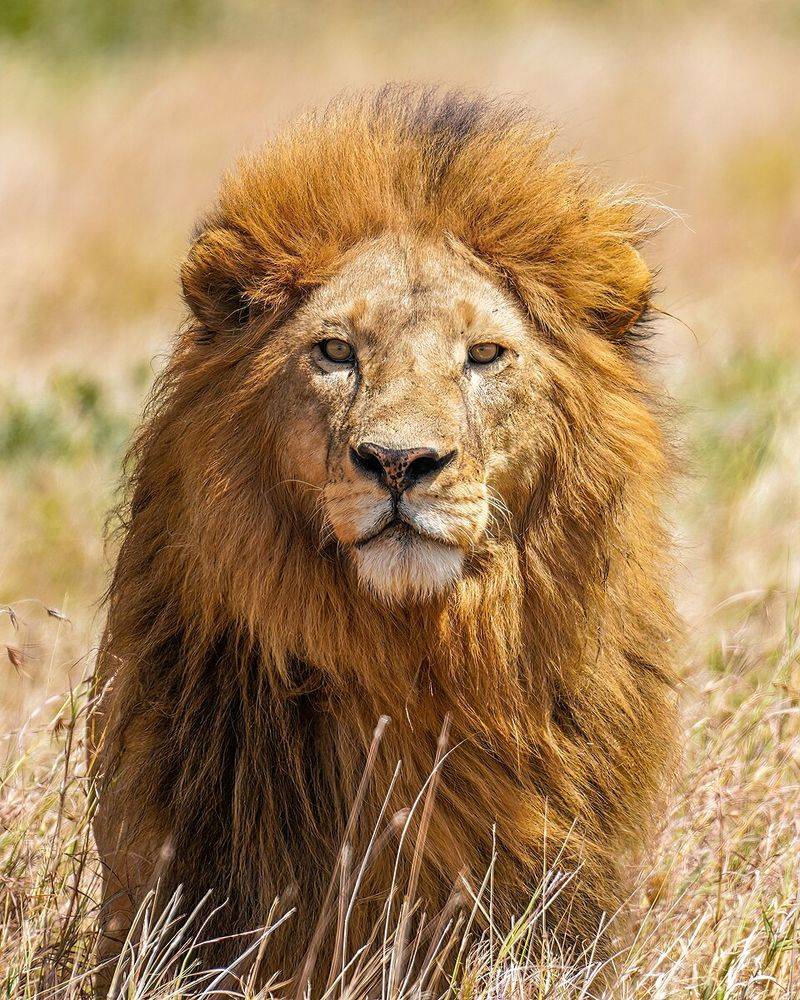
Voiced by a young Jonathan Taylor Thomas and later Matthew Broderick, Simba roared into hearts worldwide in Disney’s The Lion King. Loosely inspired by Shakespeare’s Hamlet, the film gave audiences a lion cub carrying the weight of an entire kingdom on his fuzzy shoulders.
Simba’s journey of grief, self-doubt, and ultimately reclaiming his destiny resonated across cultures. The soundtrack, the animation, the storytelling, all of it hit differently.
Circle of Life, anyone?
The Lion King grossed over $968 million globally in 1994, making Simba one of the most commercially successful animated animals in cinema history.
9. Dumbo – Dumbo (1941)
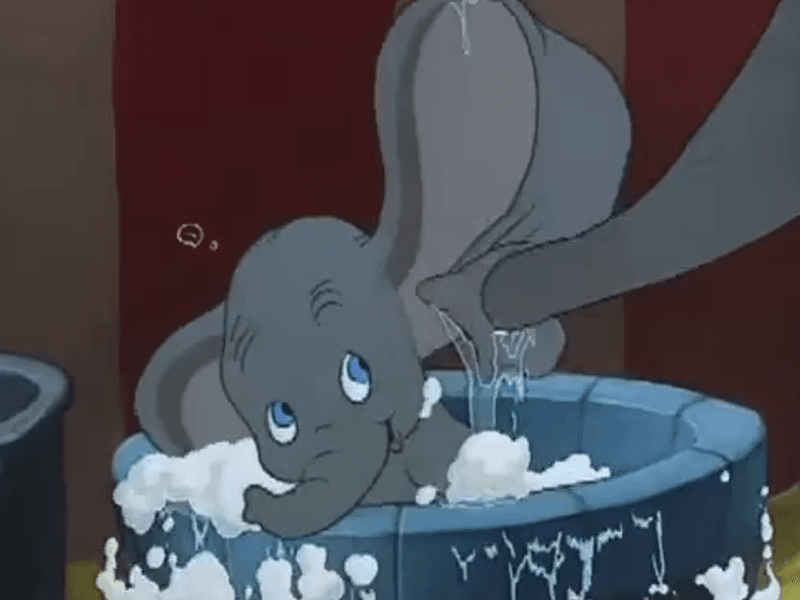
Big ears, bigger heart. Disney’s 1941 animated film Dumbo introduced audiences to a baby elephant mocked for his oversized ears, only to discover those same ears gave him the ability to fly.
Few origin stories in animation land quite as hard emotionally.
Dumbo barely speaks in the film, yet his expressions carry every emotion perfectly. His bond with Timothy Mouse remains one of animation’s most unexpectedly touching friendships.
The film was produced on a tight budget after Fantasia’s financial struggles, yet it became a massive hit. Dumbo proved that sometimes the thing everyone laughs at becomes the greatest strength.
Relatable, honestly.
10. Nemo – Finding Nemo (2003)
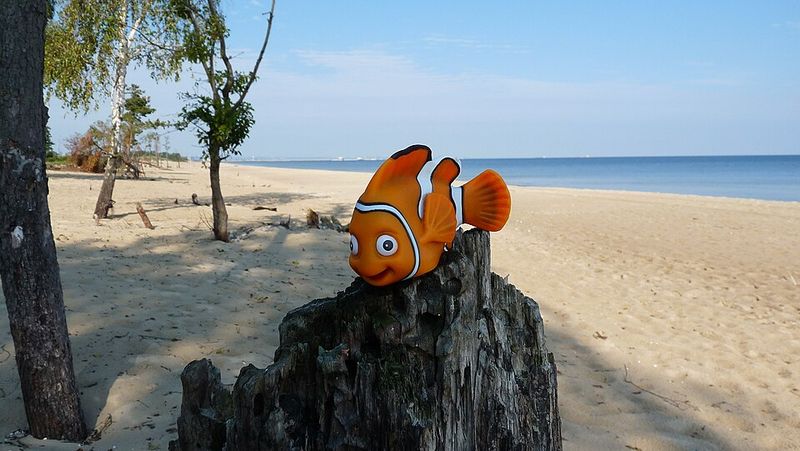
Pixar’s Finding Nemo made clownfish globally famous overnight. Nemo, a small clownfish separated from his overprotective father Marlin, became the face of one of Pixar’s most beloved adventures.
Sales of real clownfish reportedly surged after the film’s release, which was, uh, not exactly the intended message.
Set across the stunning Great Barrier Reef and Sydney Harbour, the film balanced dazzling underwater visuals with surprisingly deep themes about parenthood and letting go.
Earning over $940 million worldwide, Finding Nemo won the Academy Award for Best Animated Feature. Nemo proved a fish could carry an entire emotional journey on his one lucky fin.
11. Hedwig – Harry Potter Series (2001–2011)
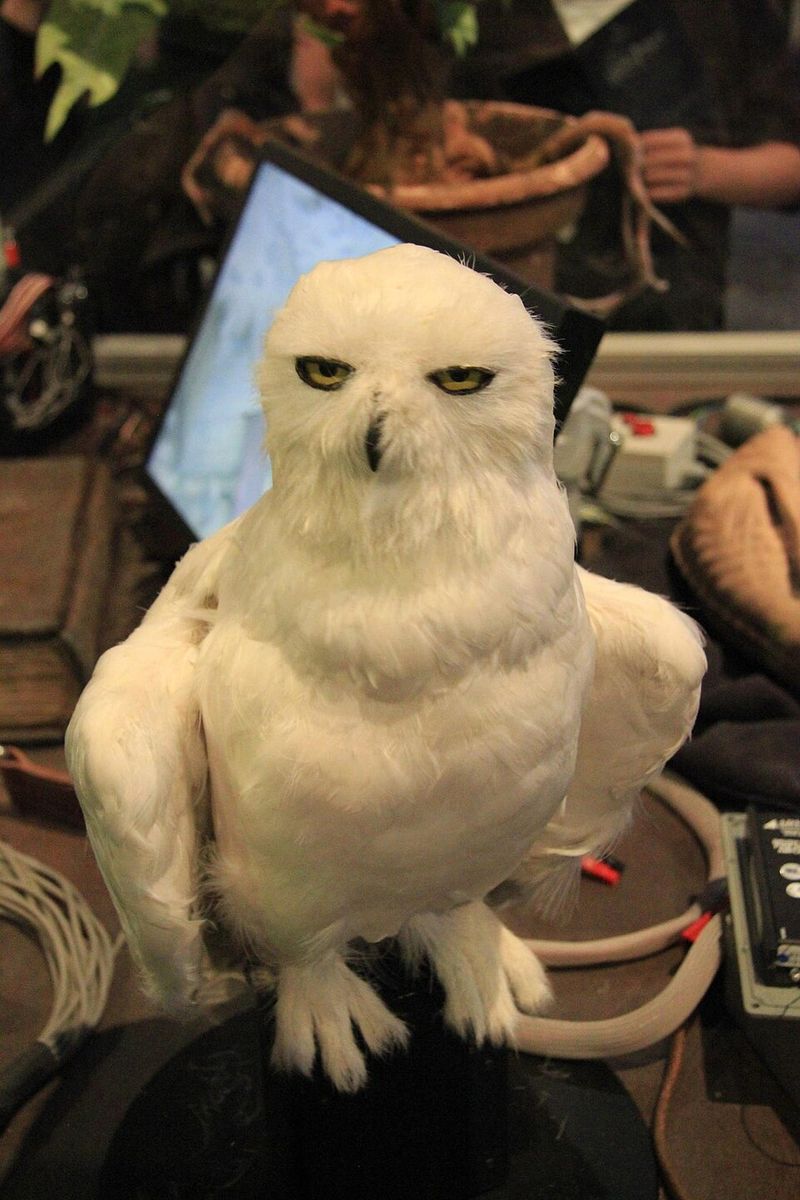
Snowy owls were already stunning creatures, but Hedwig elevated the whole species to legendary status. Harry Potter’s loyal owl companion, portrayed primarily by a male snowy owl named Gizmo, became one of the most emotionally significant animals in modern cinema.
Hedwig was more than a mail carrier. For Harry, Hedwig represented connection, loyalty, and a piece of the magical world that felt entirely his own.
Audiences felt that bond deeply.
Hedwig’s theme, composed by John Williams, is instantly recognizable worldwide. When Hedwig’s fate arrives in the last part of the series, it hits harder than most human character exits.
Truly iconic status achieved.
12. Buck – Call of the Wild (1935 and Beyond)
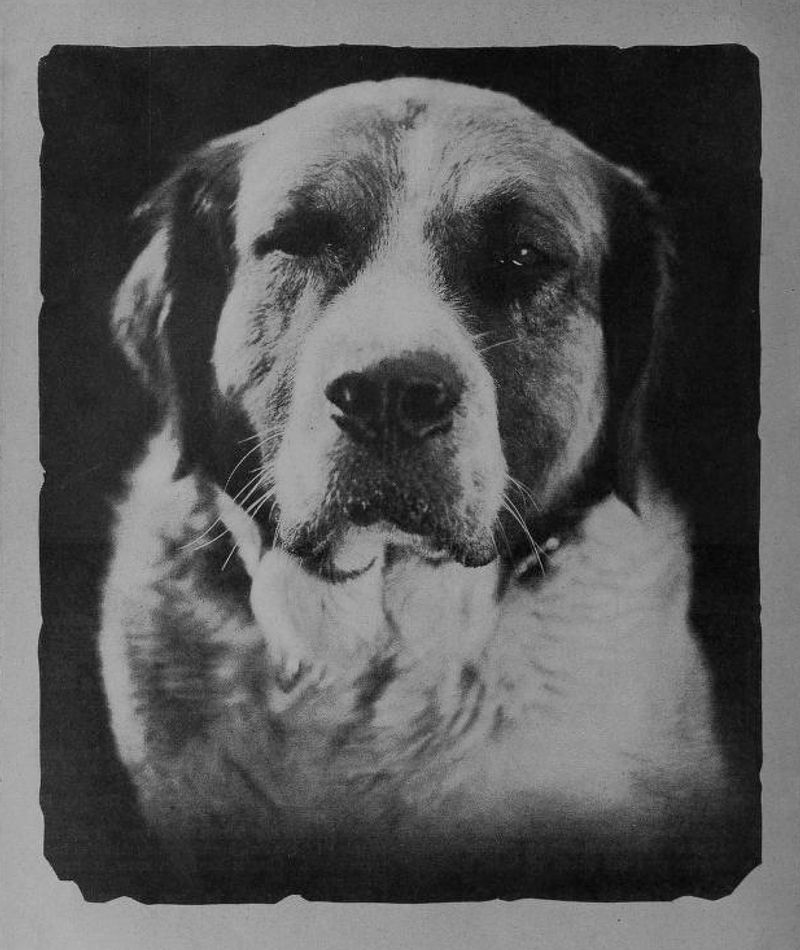
Jack London’s beloved novel brought Buck to life across multiple film adaptations, but the character’s spirit remains consistent: a domesticated dog who discovers his wild instincts in the brutal, breathtaking Alaskan wilderness. Buck’s transformation story struck a primal chord.
In the most recent 2020 adaptation, Buck was portrayed using CGI, which sparked debate among fans. However, every version captures the emotional arc of a dog discovering where he truly belongs.
Buck represents something universal: the tension between comfort and freedom, civilization and wildness. For a dog character, Buck carries philosophical weight that rivals many human literary heroes.
An adventure legend, full stop.
13. King Kong – King Kong (1933 and Remakes)
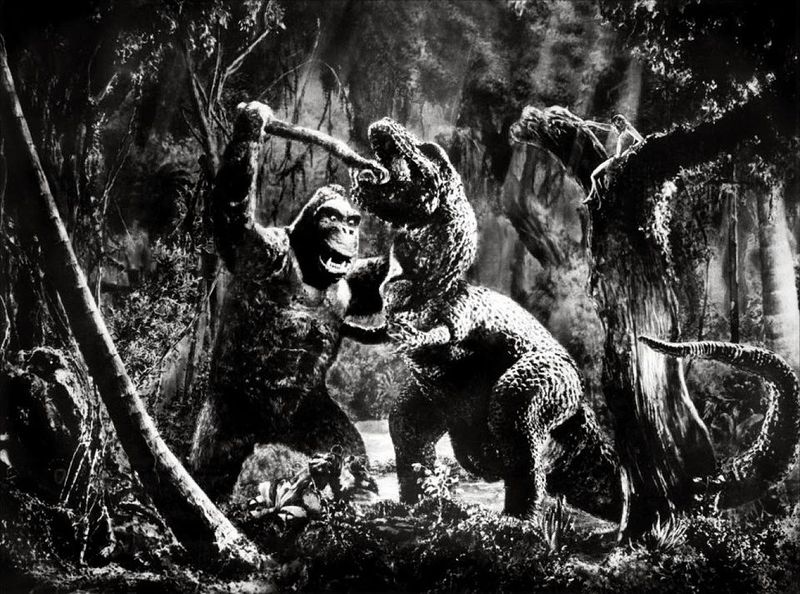
Standing atop the Empire State Building, swatting at planes while clutching a tiny human, King Kong became cinema’s most dramatic misunderstood giant in 1933. The original stop-motion animation was revolutionary for its era, and Kong’s emotional complexity made audiences feel sympathy for a giant ape.
Wild.
Multiple remakes followed, including Peter Jackson’s ambitious 2005 version, but the original Kong holds a permanent spot in pop culture mythology. His roar, his size, his tragic story all contributed to an enduring legend.
Kong proved monster movies could have heart. He was never purely a villain, just a creature wildly out of his element in a city that never sleeps.
14. Bambi – Bambi (1942)
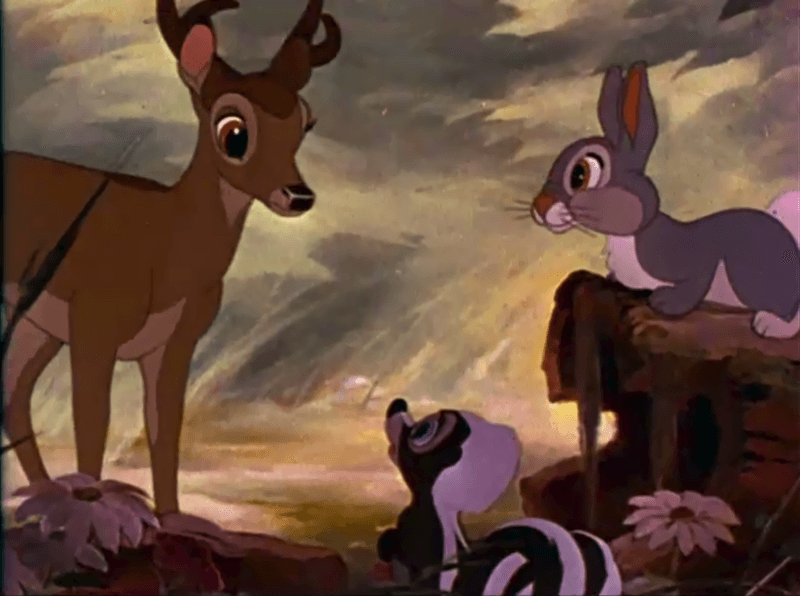
Not many animated moments have caused more childhood tears than a particular scene in Disney’s Bambi. Released in 1942, the film follows a young white-tailed deer navigating the forest and the heartbreaking realities of growing up.
It pulled absolutely no punches.
Disney’s artists spent years studying real deer at the studio to perfect Bambi’s movement and expression. The result was animation so lifelike that audiences forgot they were watching drawings.
Bambi influenced environmental awareness decades before it became a mainstream conversation. Hunters reportedly faced social criticism after the film’s release, a cultural ripple effect no one predicted.
Bambi remains Disney’s most emotionally honest animated film.
15. Paddington – Paddington (2014)
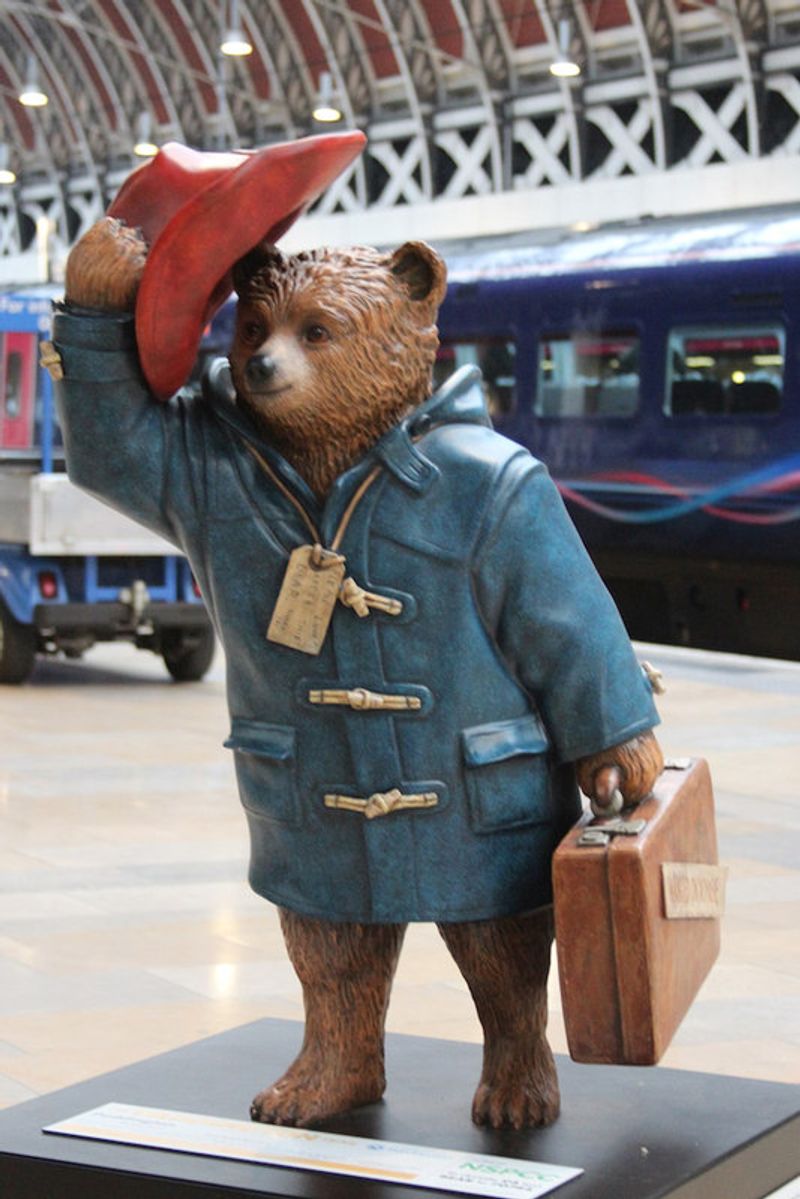
Arriving at London’s Paddington Station with a jar of marmalade and boundless optimism, Paddington Bear charmed audiences in a way few CGI characters ever have. Originally a beloved British children’s book character created by Michael Bond in 1958, Paddington finally got a proper film adaptation in 2014.
What makes Paddington extraordinary is how the films blend humor, warmth, and genuine social commentary about welcoming strangers. A bear navigating London’s chaos became a surprisingly moving metaphor.
Paddington 2 holds a near-perfect score on Rotten Tomatoes, briefly claiming the highest-rated film on the platform. A marmalade-loving bear from Peru achieved what many blockbusters never could.
16. Marley – Marley and Me (2008)

Marketed as a comedy about the world’s worst dog, Marley and Me delivered something far more emotionally devastating than audiences expected. Based on journalist John Grogan’s real memoir, the film follows an energetic, destructive, and absolutely loveable Labrador Retriever through a family’s life journey.
Marley chewed furniture, failed obedience school spectacularly, and caused absolute mayhem at every turn. Audiences laughed constantly, and then cried harder than most drama films ever managed.
Over 22 different Labrador Retrievers portrayed Marley across various life stages during production. The film grossed over $242 million worldwide.
Marley reminded everyone why dogs are called humanity’s best friend.
17. Cheetah – Tarzan Films (1932–1967)
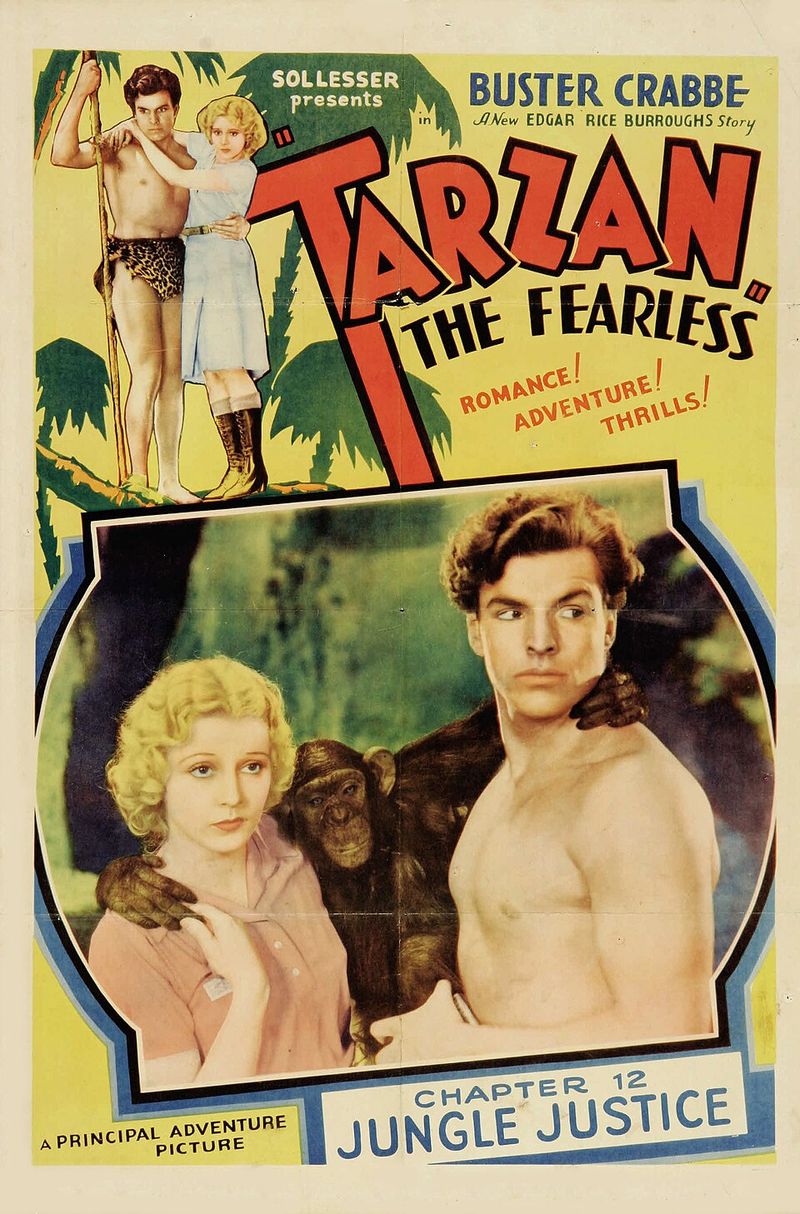
Cheetah the chimpanzee became one of Hollywood’s most recognizable animal sidekicks across the classic Tarzan film series starring Johnny Weissmuller. Appearing in films produced between 1932 and 1967, Cheetah provided comic relief and unexpected emotional depth alongside Tarzan’s jungle adventures.
Multiple chimpanzees portrayed Cheetah over the decades, a common practice for long-running animal roles. The character’s mischievous personality made every scene funnier and livelier.
Cheetah’s legacy sparked ongoing conversations about chimpanzees in entertainment and animal welfare standards. However, within the films themselves, Cheetah remains a joyful, charismatic presence who consistently upstaged even the human leads.
Pure scene-stealing energy.
18. Buddy – Air Bud (1997)
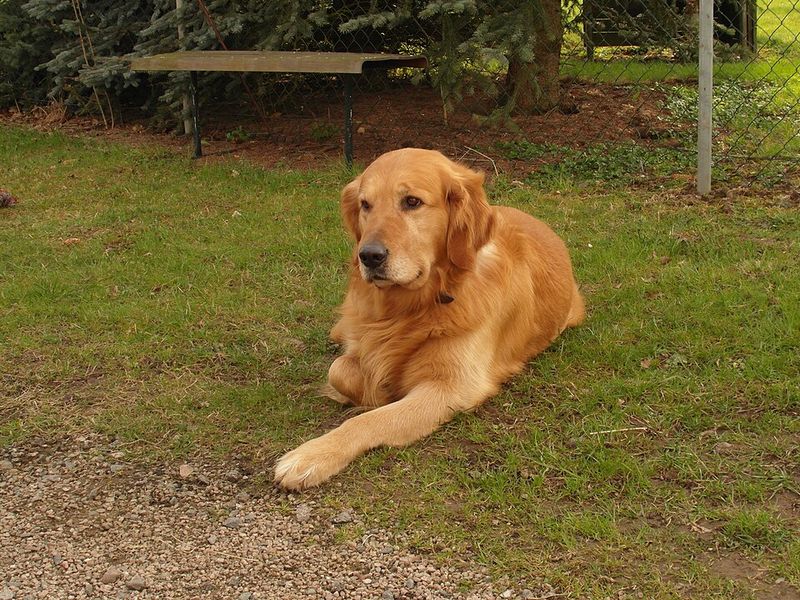
A golden retriever who could actually play basketball sounds completely made up, but Buddy was real. The real-life dog, owned by trainer Kevin DiCicco, genuinely learned to shoot basketballs and became the star of Air Bud in 1997.
No special effects required for the hoops scenes.
Buddy’s athletic talent launched an entire franchise spanning basketball, football, soccer, baseball, and volleyball films. A dog built a multi-sport cinematic universe before cinematic universes were even a marketing term.
Beyond the films, Buddy inspired countless kids to believe that limitations are just suggestions. A golden retriever with a jump shot became one of sports cinema’s most unlikely and loveable legends.