15 Once Popular Slang Terms That Basically Disappeared
Remember when your grandparents dropped phrases that made absolutely zero sense?
Language moves faster than a skateboarder dodging traffic, and slang terms have the lifespan of a mayfly at a rock concert.
What sounded cool in one decade becomes cringeworthy fossil fuel the next, leaving us scratching our heads wondering what on earth people were thinking.
Buckle up for a time-traveling tour through expressions that once ruled the streets but now collect dust in the dictionary graveyard.
1. 23 Skidoo

Picture this: cops chasing folks away from a breezy corner in 1920s New York where ladies’ skirts would fly up. That’s the legendary origin story behind this phrase meaning “get out of here fast!”
Flappers and dapper gents tossed this around like confetti at a speakeasy. It meant skedaddle, scram, or make yourself scarce before trouble found you.
Nowadays? You’d get blank stares if you told someone to 23 skidoo.
2. Bee’s Knees

When something was absolutely spectacular in the Roaring Twenties, people declared it the bee’s knees. Why bee knees specifically?
Nobody really knows, but it stuck like honey on toast.
This phrase joined an entire zoo of similar expressions including the cat’s pajamas and the snake’s hips. Jazz Age folks apparently thought animal body parts were the ultimate compliment factory.
Though it occasionally surfaces in retro-themed conversations, most people today would rather say “awesome” or “fire.” The poor bee’s knees got left behind somewhere around 1935.
3. Sockdollager

This knockout word from the 1800s meant something decisive or a finishing blow. Imagine landing a sockdollager in a debate, ending all arguments with one perfect point.
The term probably mashed together “sock” and “doxology,” creating linguistic magic that packed more punch than a kangaroo with boxing gloves. People used it for anything impressively final or conclusive.
Sadly, sockdollager got knocked out of everyday vocabulary by simpler words.
4. Jalopy
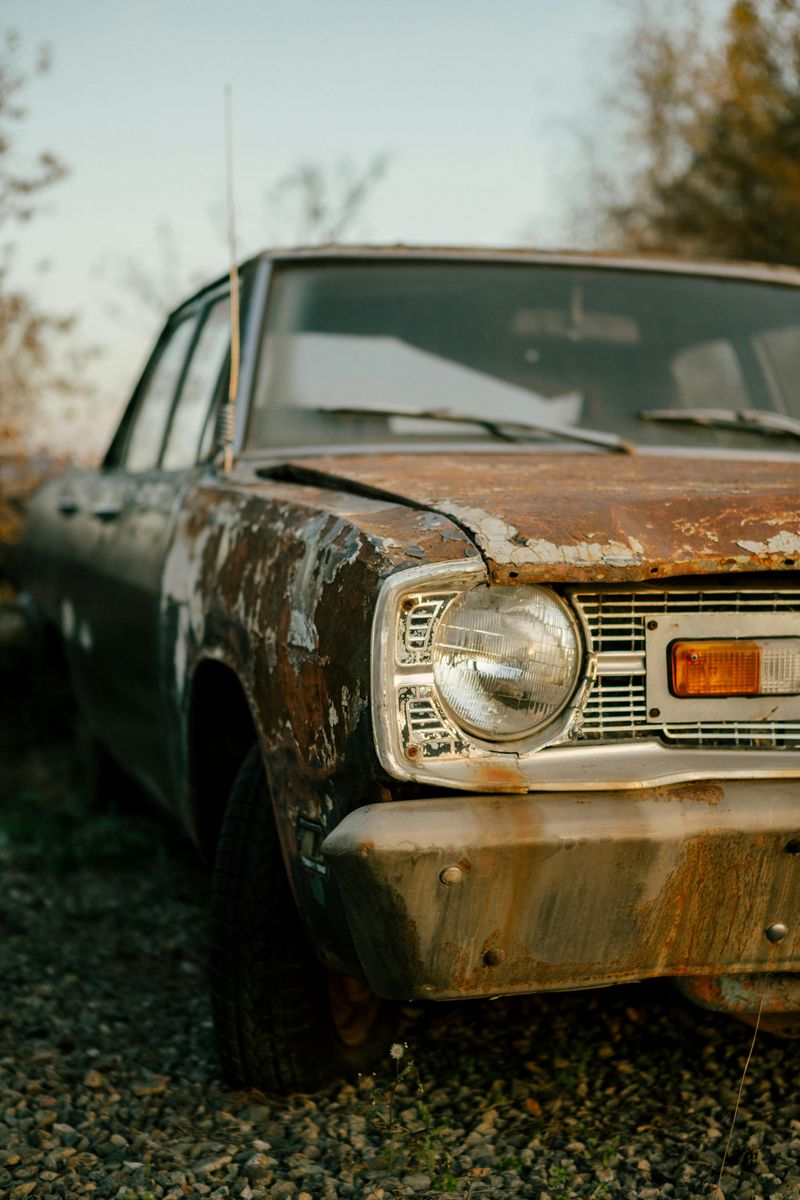
Got a beat-up car held together by duct tape and prayers? Congratulations, you own a jalopy!
This term for clunkers ruled from the 1920s through the 1950s.
Every neighborhood had that one rattletrap jalopy coughing down the street like it had automotive bronchitis.
The word perfectly captured those vehicles that somehow kept running despite all logic and mechanical laws.
5. Hep Cat
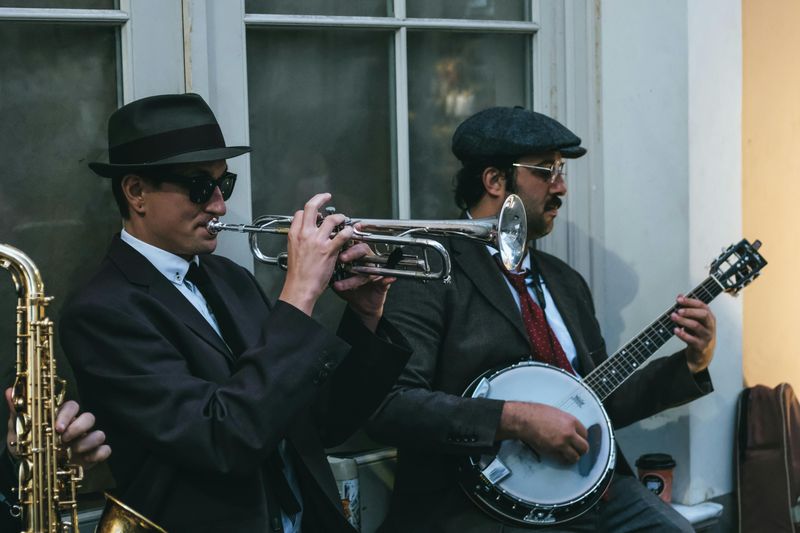
Before hipsters roamed Brooklyn with their artisanal coffee, hep cats prowled jazz clubs in the 1940s. These were the cool kids who understood the scene, the music, and the vibe.
Being hep meant you were in the know, tuned into what mattered. Hep cats could snap their fingers to bebop rhythms and knew all the underground spots before they became mainstream.
The term evolved into “hip” and eventually “hippie,” but hep cat itself became extinct. Modern equivalents like “influencer” just don’t have the same snappy jazz energy.
6. Groovy

Nothing screamed 1960s louder than “groovy,” the ultimate seal of approval from hippies and flower children.
Whether describing music, vibes, or a particularly excellent sandwich, groovy covered all bases.
The word supposedly came from jazz records’ grooves, but it exploded during the Summer of Love. Everything from bell-bottoms to peace rallies earned the groovy stamp of approval.
Most people now associate groovy with costume parties and retro theme nights rather than genuine cool factor.
7. Far Out

When groovy wasn’t enough, the 1960s counterculture reached for “far out” to express mind-blowing amazement. Imagine experiencing something so incredible it launched your brain into orbit.
This phrase captured the era’s fascination with expanding consciousness and exploring new frontiers. Everything boundary-pushing earned the far-out label.
Today it sounds like something your embarrassing uncle says while trying to connect with teenagers.
8. Solid

Way before chemistry class ruined it, “solid” meant reliable, excellent, or trustworthy. A solid friend had your back.
A solid plan would definitely work. Solid jazz was absolutely cooking.
This term cruised through the 1940s and 50s with effortless cool. It conveyed approval without unnecessary dramatics, just straightforward respect and appreciation for quality.
Though we still use solid occasionally, it’s lost its slang superpowers. Nobody responds to concert invitations with “solid!” anymore.
9. Talk to the Hand
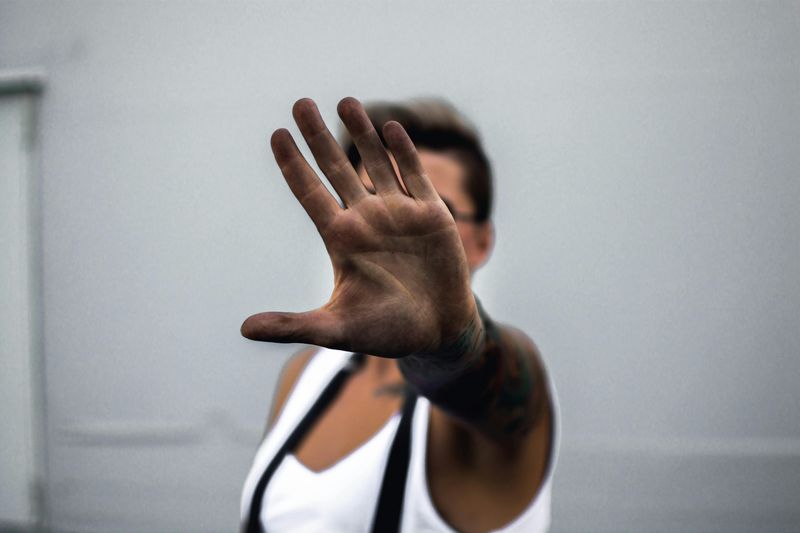
Nothing shut down conversations quite like raising your palm and declaring “talk to the hand!” This sassy 1990s dismissal meant your face refused to listen, so address complaints to the hand instead.
The full phrase continued “because the face ain’t listening,” though most people abbreviated it. Pop culture, especially certain talk shows, spread it like wildfire through schools and offices everywhere.
Thankfully, this rude gesture mostly disappeared with butterfly clips and dial-up internet.
10. All That and a Bag of Chips
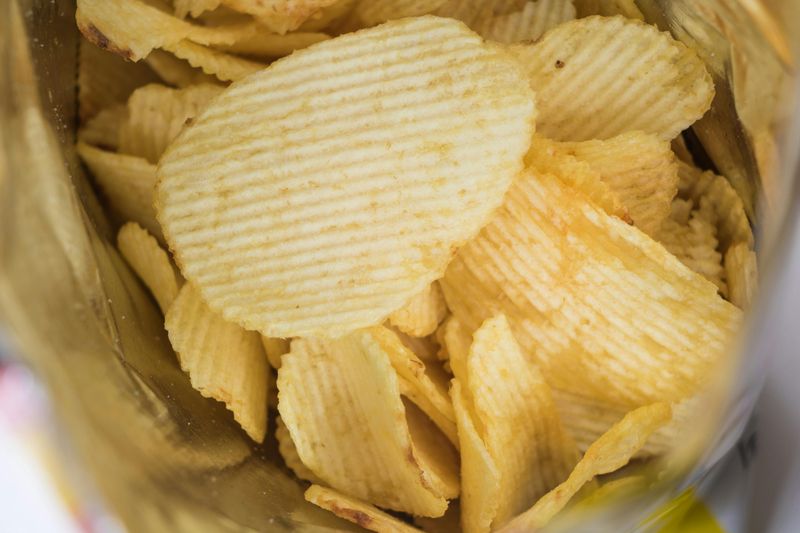
When someone thought they were amazing in the 1990s, they considered themselves “all that and a bag of chips.” Like being awesome wasn’t enough, they came with a delicious salty snack bonus.
This phrase dripped with attitude, usually describing people with inflated egos.
Sometimes it was a compliment, other times pure sarcasm. Context was everything, just like choosing between regular or BBQ chips.
The expression crumbled away as new slang emerged. Now we say someone thinks they’re “it” or use terms like “extra.”
11. What’s the 411?
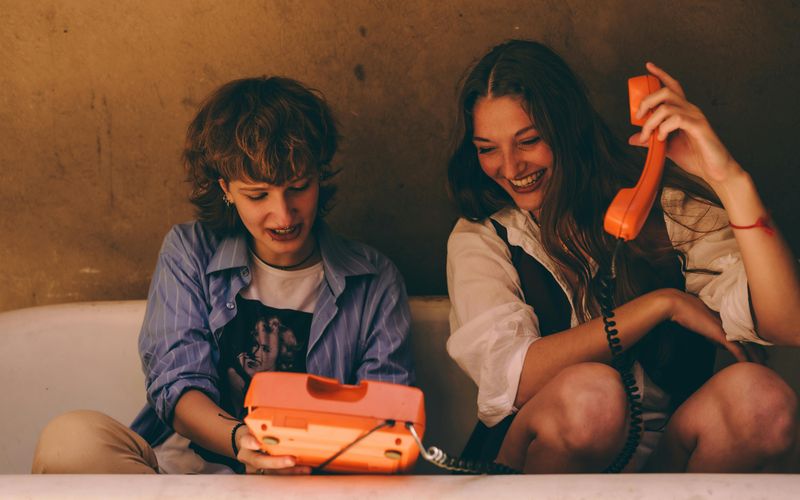
Before Google existed, people asked “What’s the 411?” to get information. The phrase referenced directory assistance’s phone number, turning it into slang for gossip or updates.
Mary J. Blige even named an album after it, cementing the phrase in 1990s pop culture.
Asking for the 411 meant you wanted the full scoop, all the details worth knowing.
Smartphones ended this expression faster than pagers and floppy disks. Why ask someone for the 411 when you can just search it yourself?
12. Right On

Agreement never sounded cooler than “right on” in the 1970s. This phrase meant total solidarity, like verbally high-fiving someone’s entire worldview with two simple words.
Activists, musicians, and everyday folks used it to show support and alignment. Someone shares their opinion? Right on! Suggests getting pizza? Right on! It was verbal shorthand for enthusiastic approval.
Though occasionally resurfacing in ironic contexts, right on mostly retired to vintage TV reruns.
13. Home Skillet
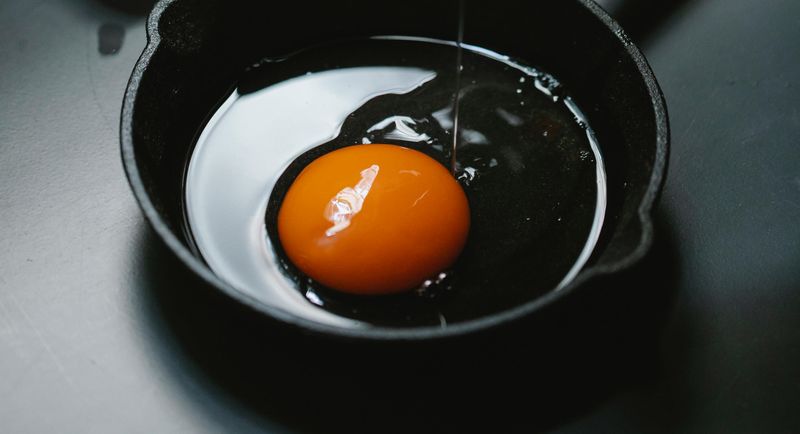
Your best friend in the 1990s might’ve been your “home skillet,” a ridiculous yet endearing term for close buddies.
Why kitchen cookware became friendship terminology remains one of slang’s greatest mysteries.
It evolved from “homeboy” through various iterations including “homeslice” before landing on skillet. Each version added more absurdity while maintaining the same warm meaning of genuine friendship and loyalty.
Today calling someone your home skillet would trigger confused laughter. We’ve returned to simpler terms like “bro” or “bestie,” leaving skillets where they belong in actual kitchens cooking actual food.
14. Crunk

The early 2000s brought “crunk,” meaning crazy-drunk levels of energetic excitement. Southern hip-hop birthed this fusion word that described parties so wild they transcended normal fun into legendary territory.
Lil Jon practically trademarked crunk, yelling it in songs until everyone knew what getting crunk meant. It represented maximum hype, peak energy, the point where parties achieved liftoff into pure chaos.
Gen Z invented their own party vocabulary, and crunk became something millennials awkwardly remember from college.
15. Tubular

Surfers and skateboarders owned this word back in the 1980s, shouting it whenever something was absolutely amazing.
The term came from the hollow tube shape of a perfect wave that riders could cruise through.
MTV made it explode beyond beach towns, and suddenly everyone from mall rats to preppy kids was calling everything tubular. Your new sneakers? Tubular.
By the mid-90s, this word wiped out harder than a beginner on a boogie board.