20 Original Titles That Didn’t Make The Final Cut For Major Films
You might not recognize some of your favorite movies if they had kept their original titles. Early name ideas can be strange, confusing, or surprisingly brilliant before studios settle on what ends up on the poster.
Marketing teams, creative debates, and last-minute inspiration all play a role in the switch.
A different title might have changed movie history more than anyone expected.
Disclaimer: This article is provided for general informational and entertainment purposes and reflects publicly available reporting about film development, working titles, and marketing history as of February, 2026. Production details can vary across sources, and some early titles may refer to drafts, internal code names, or provisional placeholders rather than formal release candidates.
1. Saturday Night Fever Started As The Tribal Rites Of The New Saturday Night
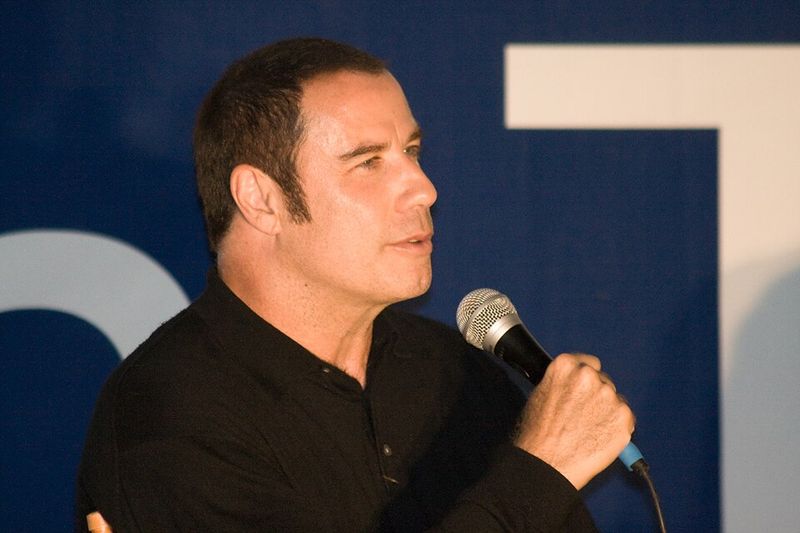
Before disco fever took over pop culture, Saturday Night Fever carried a far longer, more academic sounding working title. Source for that name came from a New York Magazine article that helped inspire the screenplay.
Studio executives later trimmed it down to something punchier and far easier for moviegoers to remember.
Picture inviting friends to see “The Tribal Rites of the New Saturday Night” instead of the sleek title that became linked with the disco era.
Shorter wording ended up making all the difference, turning a clunky phrase into one of film history’s most iconic titles.
2. John Wick Was Almost Called Scorn
Keanu Reeves’ legendary hitman character nearly had a one-word title that sounded more like a horror film. The original “Scorn” certainly captured the protagonist’s dark mood and vengeful mission.
However, naming the movie after its main character created a stronger brand identity.
“John Wick” feels more personal and memorable, turning the assassin into an instant icon. The change helped launch a major franchise that fans recognize immediately by name alone.
3. The Breakfast Club Could Have Been The Lunch Bunch

Five teenagers sitting through Saturday detention might have headlined a movie called “The Lunch Bunch.” Beloved teen classic The Breakfast Club nearly carried a title that sounded more like a cafeteria friend group than a detention day drama.
Switching to “breakfast” better reflected the early morning setting and the unexpected way their lives intersected.
Word “club” also hints at connection and shared identity in a way “bunch” never quite could.
Smart title choice ended up shaping the legacy of a film that defined an entire era of teen storytelling.
4. Scream Originally Went By Scary Movie

Meta horror classic from Wes Craven almost carried the same name later used by a parody franchise.
During production, Scream went by the working title “Scary Movie,” which felt too plain for such a self aware thriller. Switch to a single word delivered a sharper impact, capturing the raw reaction horror fans hope to feel.
Years later, the Wayans Brothers turned “Scary Movie” into the banner for their spoof series, showing how well that title fit broad comedy.
Simple, punchy wording ended up serving the original film far better when the goal was genuine suspense rather than parody.
5. Cloverfield Was Initially Titled Monstrous
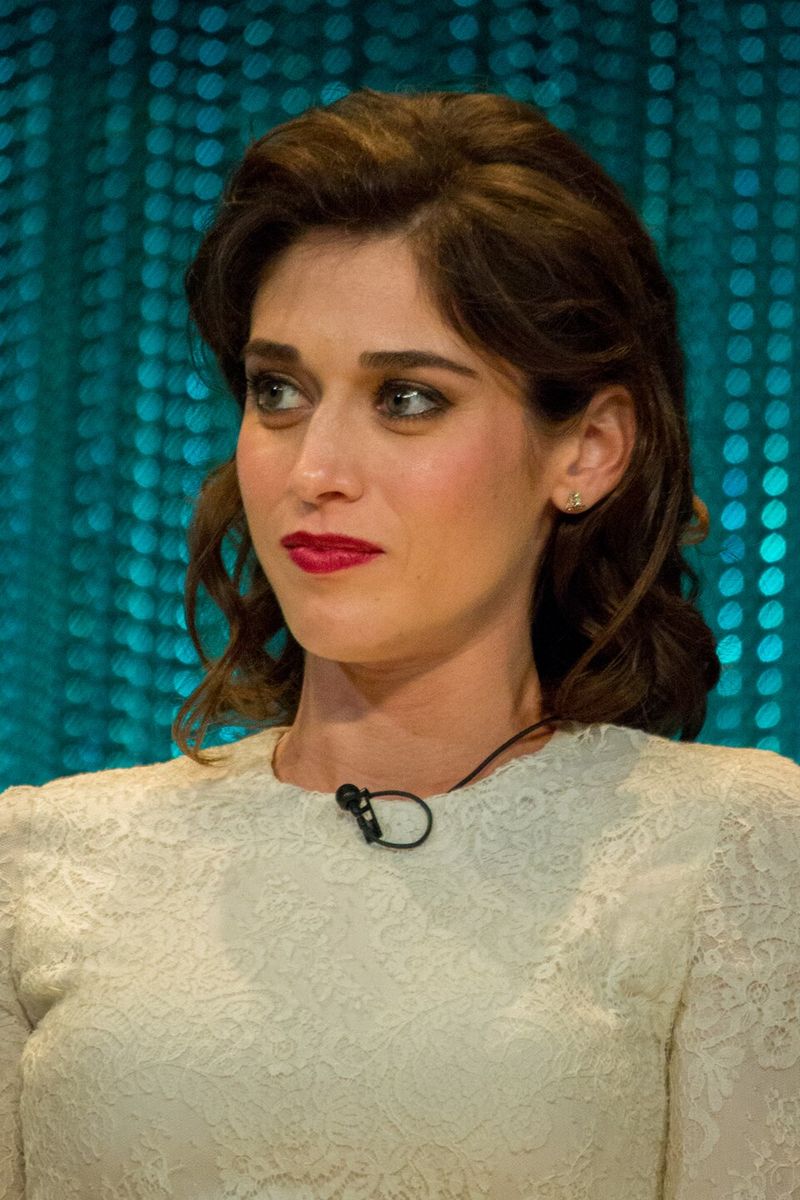
J.J. Abrams’ found-footage monster movie used a mysterious production code name that became its final title.
“Monstrous” would have given away too much about the creature feature’s plot before audiences entered theaters. The cryptic “Cloverfield” sparked curiosity and online speculation for months.
Marketing teams loved how the ambiguous name created buzz without revealing spoilers. This clever title change helped make the film a surprise hit that launched an entire franchise universe.
6. Blade Runner Started As Dangerous Days
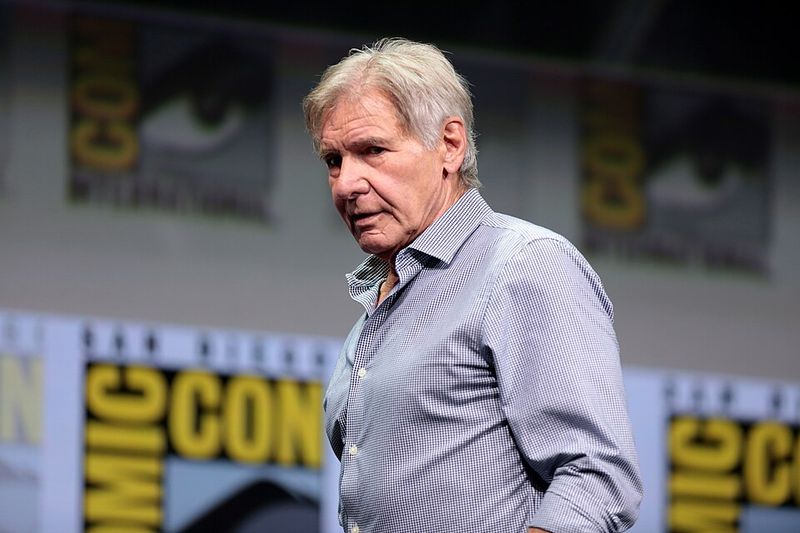
Cyberpunk landmark from Ridley Scott nearly debuted with a title that sounded more like a routine action thriller. Early working name “Dangerous Days” lacked the moody intrigue later captured by Blade Runner.
The title traces back to Alan E. Nourse’s novel The Bladerunner.
William S. Burroughs later wrote a treatment connected to that title, and screenwriter Hampton Fancher suggested using ‘Blade Runner’ in place of earlier working titles like ‘Android’ and ‘Dangerous Days.
Phrase “Blade Runner” hints at both cutting edge technology and the sense of fleeing destiny that shapes the narrative.
Stronger title choice ultimately helped cement the film’s distinct place in science fiction history.
7. Parasite Was Once Called Decalcomania

The film reportedly had the working title ‘Decalcomania,’ an art-technique term associated with surrealist methods. Word “Decalcomania” describes a surrealist technique involving mirrored images, matching the film’s themes of duality and class contrast.
Intellectually clever as it was, that title risked confusing international audiences and limiting mainstream appeal.
Cleaner, punchier choice in Parasite delivered an immediate impact that translated easily across languages.
Simpler name ultimately helped the film reach remarkable global success and dominate major award ceremonies.
8. Some Like It Hot Was Not Tonight, Josephine
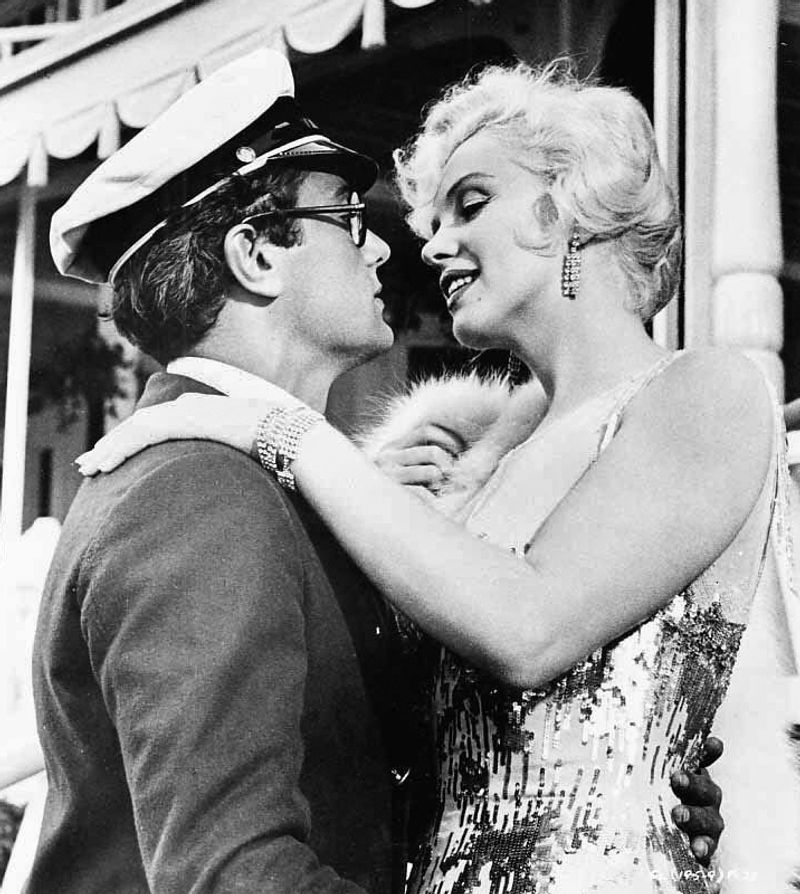
Billy Wilder’s comedy classic about cross-dressing musicians almost had a completely different vibe.
“Not Tonight, Josephine” references Napoleon but doesn’t hint at the film’s jazz-age setting or madcap plot. The phrase “some like it hot” better captures the film’s spicy humor and musical heat.
It also works as a playful double entendre that matched Marilyn Monroe’s iconic performance. This title change helped the film become one of the greatest comedies ever made.
9. Arrival Was Story Of Your Life

Early development of Arrival used the same title as Ted Chiang’s original short story.
Name “Story of Your Life” hints too directly at the emotional turn involving time and memory.
Switch to “Arrival” created a layered meaning, pointing to both the extraterrestrials landing on Earth and the main character’s personal journey.
Shorter wording carries a stronger cinematic punch that feels more inviting to mainstream viewers. Title change helped the thoughtful science fiction drama reach far beyond the usual genre audience.
10. Beetlejuice Could Have Been Scared Sheetless
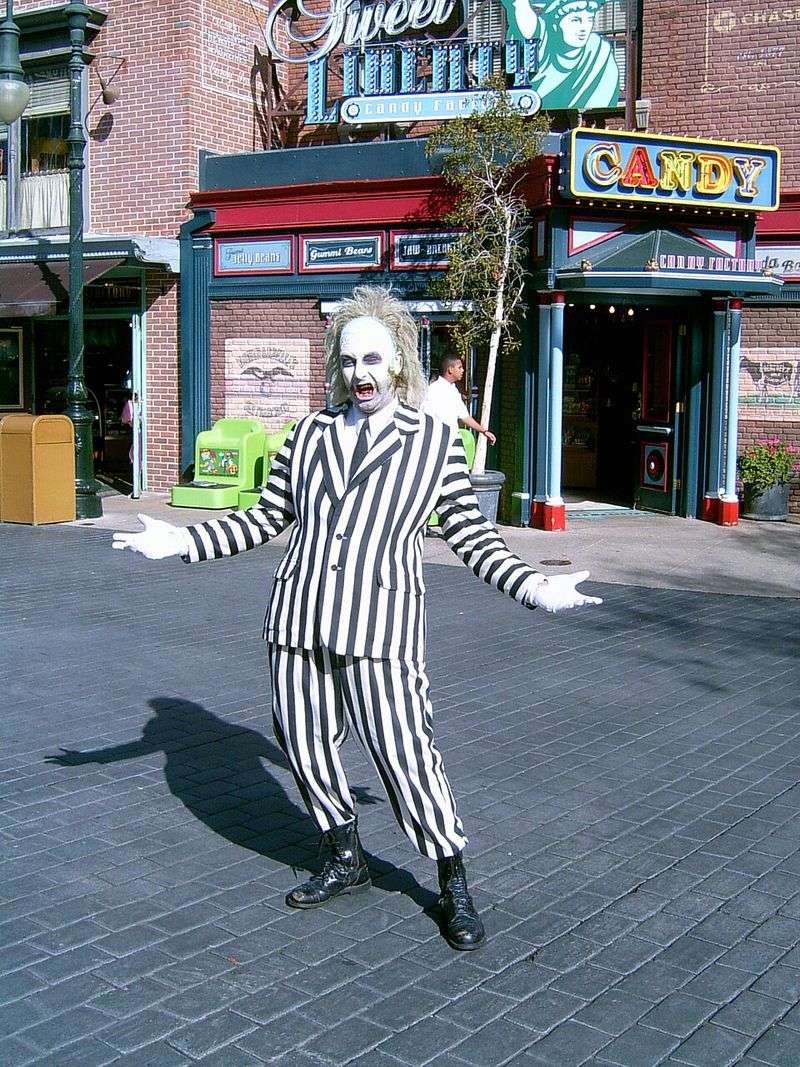
Tim Burton’s ghostly comedy almost had a punny title that was too silly even for this wacky film.
“Scared Sheetless” plays on the classic ghost-in-a-sheet image but sounds more like a Halloween TV special. “Beetlejuice” is memorable, unique, and perfectly captures the character’s bizarre personality.
The made-up name also created intrigue about who or what Beetlejuice actually was before viewers met him. Say it three times, and you’ll agree the final title works much better.
11. Return Of The Jedi Was Revenge Of The Jedi

Closing chapter of the original trilogy from George Lucas once carried a much darker sounding title built around “Revenge.”
Early promotional materials for Return of the Jedi even displayed that name before a late change. Philosophy behind the Jedi ultimately made Lucas reconsider, since seeking revenge clashed with their ideals.
Switch to “Return” better captured Luke’s path toward restoring the Jedi Order and redeeming his father. Collectors later prized those rare “Revenge” posters, turning a last minute decision into a bit of movie marketing history.
12. Alien Was Originally Star Beast
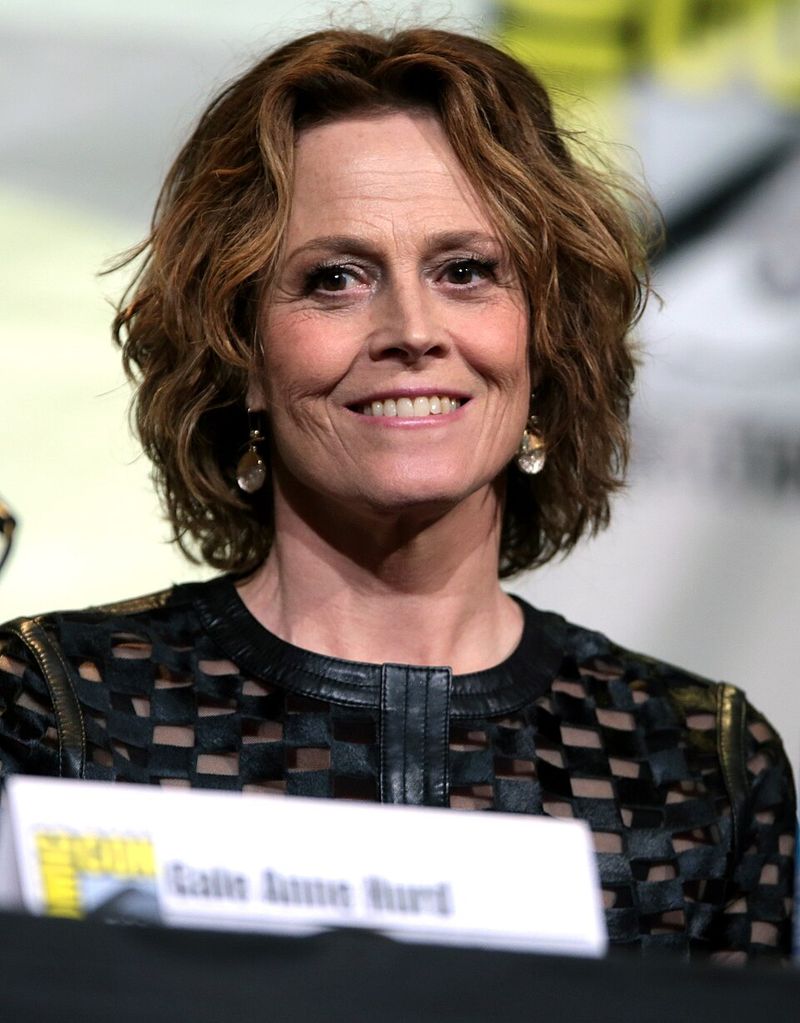
Space horror landmark from Ridley Scott first carried a title that sounded more like a Saturday morning cartoon than a nightmare in deep space. Early name “Star Beast” felt too playful for the terrifying creature feature imagined by screenwriter Dan O’Bannon.
Clean, stark choice in Alien immediately suggests unease and the fear of the unknown.
Single word manages to signal both an extraterrestrial setting and a lurking, unfamiliar threat.
Minimalist title set the tone for claustrophobic dread long before audiences even stepped into the theater.
13. 2001: A Space Odyssey Began As Universe
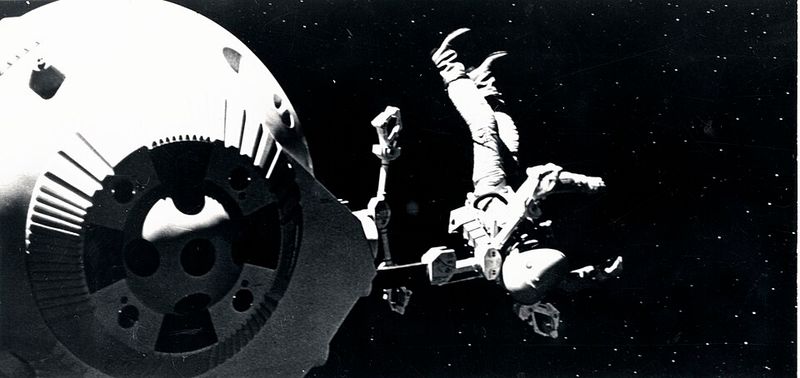
Stanley Kubrick’s philosophical science fiction epic originally had the most generic title imaginable for a space film.
Kubrick and Clarke privately referred to the project as How the Solar System Was Won, and a press release announced Journey Beyond the Stars. Universe was one of several titles considered before 2001: A Space Odyssey was chosen.
Adding the specific year and “odyssey” created a sense of journey and epic scope.
The title suggests both Homer’s classical journey and humanity’s voyage into the cosmic unknown.
This poetic change helped distinguish the film from typical space adventures of the 1960s era.
14. Casablanca Was Everybody Comes To Rick’s
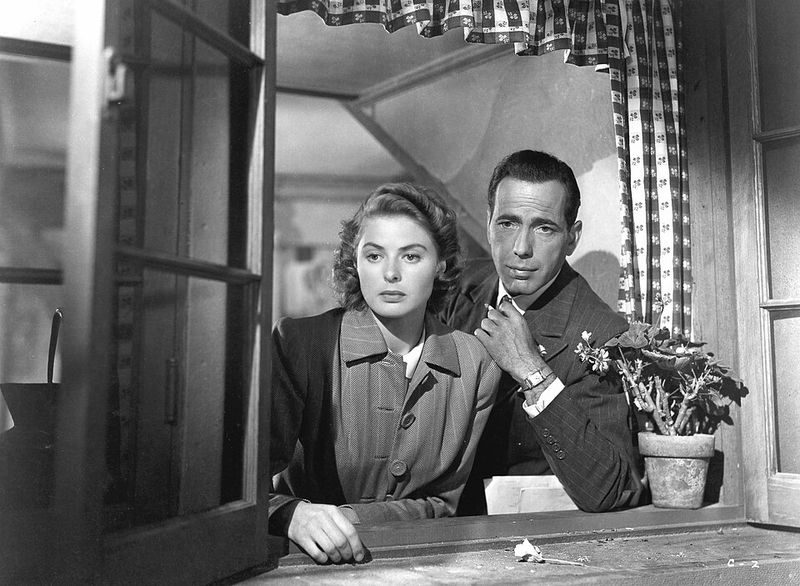
Beloved romance classic from Casablanca nearly carried a title that sounded more like a sitcom episode than a sweeping wartime drama. Original name “Everybody Comes to Rick’s” came from the unproduced stage play that inspired the screenplay.
While that title highlighted the nightclub setting, it missed the exotic allure and mystery of Casablanca itself. Name of the Moroccan city instantly suggests romance, intrigue, and high stakes against a backdrop of global conflict.
Smarter choice in title helped elevate a modest studio picture into one of cinema’s most enduring love stories.
15. Pulp Fiction Started As Black Mask
Nonlinear crime landmark from Quentin Tarantino once carried a working title borrowed from a famous detective magazine. Name “Black Mask” referenced the pulp publication that shaped hard boiled noir storytelling, matching the film’s influences.
Switch to Pulp Fiction better reflected the mix of violence, dark humor, and grindhouse energy on display.
That title also nods to the cheap, sensational magazines that inspired Tarantino’s narrative style.
Stronger, more distinctive wording helped the movie break through and become a defining cultural force in independent cinema.
16. Goodfellas Was Originally Wiseguy

Martin Scorsese’s mob epic kept the title of Nicholas Pileggi’s source book during early production.
Unfortunately, a CBS television series called “Wiseguy” was airing at the same time, creating potential confusion. “Goodfellas” works as ironic commentary on these criminals who consider themselves good guys.
The title’s casual tone matches the film’s insider perspective on organized crime.
This necessary change gave the movie its own identity separate from both the book and the TV show.
17. Stand By Me Was Called The Body
Coming of age favorite from Rob Reiner originally kept the darker short story title by Stephen King during early development. Name “The Body” pointed directly to the boys’ grim discovery, yet it sounded more like a horror film than a heartfelt drama.
Switching to Stand by Me aligned the film with Ben E. King’s 1961 song, which appears on the soundtrack and helped define the movie’s emotional tone.
Warmer wording opened the door for family audiences who might have avoided a movie with a morbid sounding title. Smarter choice ultimately helped the film grow into a beloved classic about childhood bonds and the passage into adulthood.
18. Vertigo Started As From Among The Dead
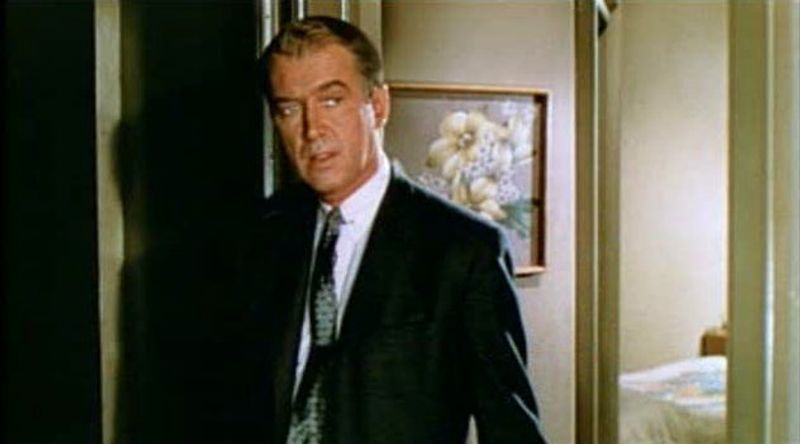
Alfred Hitchcock’s psychological thriller originally bore the title of the French novel it adapted.
“From Among the Dead” sounds more like a zombie movie than a sophisticated mystery about obsession. “Vertigo” perfectly captures the dizzying psychological state of James Stewart’s acrophobic detective.
The single word suggests both physical and emotional disorientation central to the plot.
This streamlined title helped establish the film’s artistic reputation as one of Hitchcock’s masterpieces.
19. Annie Hall Was Originally Anhedonia

Romantic comedy milestone from Woody Allen nearly carried a title that sounded like a term from a psychology textbook. Word “Anhedonia” describes an inability to feel pleasure, mirroring the outlook of the film’s anxious main character.
Studio concerns centered on audiences not recognizing the term or knowing how to pronounce it.
Switch to Annie Hall shifted attention toward Diane Keaton’s lively character rather than the protagonist’s gloomier perspective.
Friendlier title helped make the movie more inviting and played a part in its eventual Best Picture win at the Academy Awards.
20. Star Wars Used The Adventures Of Luke Starkiller

George Lucas’ space opera phenomenon almost centered on a hero with a much more aggressive-sounding last name.
“Luke Starkiller” appeared in early drafts before Lucas softened it to “Skywalker” for the heroic farmboy. The “Adventures of” prefix made the title sound too juvenile for the epic story Lucas envisioned.
Simply calling it “Star Wars” created intrigue and suggested a grand conflict spanning the galaxy. This streamlined approach helped launch the most successful film franchise in cinema history.