8 Oscar-Winning Movies That Have Aged Embarrassingly Poorly
Hollywood loves to celebrate itself, but not every golden statue guarantees a timeless classic.
Some Oscar winners that once dazzled audiences now make us cringe with their outdated ideas, awkward portrayals, or just plain uncomfortable themes.
What seemed groundbreaking decades ago can feel embarrassingly tone-deaf today, proving that even Academy voters aren’t immune to the passage of time.
1. American Beauty (1999)

Ever wondered why a film about midlife crisis and suburban angst feels so creepy now?
Kevin Spacey’s character lusting after a teenage girl was supposed to symbolize existential rebellion or something.
Though critics once praised its daring commentary, modern audiences find the central storyline deeply unsettling.
How did we ever think this was edgy rather than inappropriate?
The plastic bag scene still gets mocked online, proving that pretentious symbolism doesn’t age like fine wine.
2. Out Of Africa (1985)

Sweeping landscapes and romantic music can’t hide colonialism’s ugly reality anymore.
This epic romance glamorized European settlers in Kenya without addressing the actual harm they caused.
If your love story requires ignoring indigenous perspectives entirely, maybe it’s not so romantic after all.
Modern viewers cringe at its Eurocentric nostalgia for a problematic era.
Though visually stunning, the film treats Africa as merely a beautiful backdrop for white people’s adventures.
3. The King’s Speech (2010)
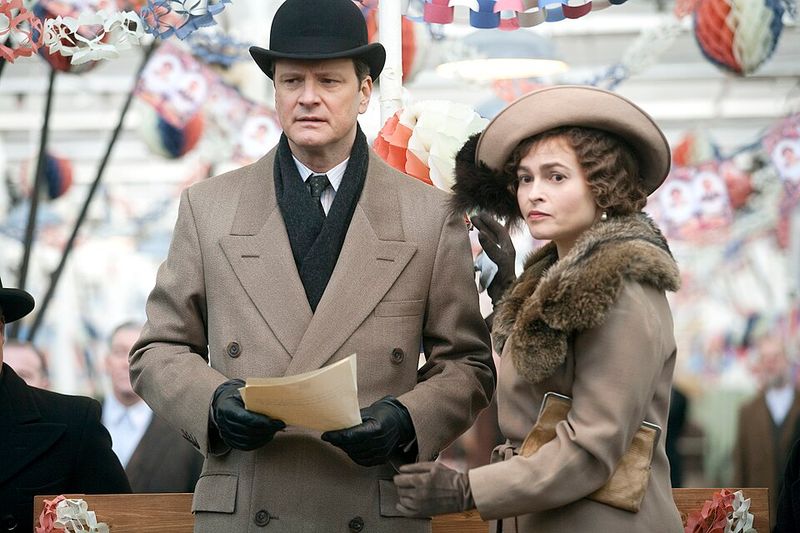
Safe choices rarely make cinematic history, yet here we are.
This polite British drama about royal stuttering beat The Social Network, which actually captured cultural zeitgeist.
How thrilling can watching someone overcome a speech impediment really be?
Where innovation and risk-taking should triumph, the Academy chose comfort food cinema instead.
Though well-acted, it represents everything predictable about Oscar voters’ conservative tastes in the 21st century.
4. Forrest Gump (1994)

What happens when you make mental disability into inspiration porn?
This feel-good fable suggests that ignorance equals bliss and passive acceptance beats critical thinking.
However, its conservative messaging about just going along with life feels increasingly problematic.
Jenny gets punished for her choices while Forrest stumbles into success through sheer luck and compliance.
Many now see it as regressive rather than heartwarming, despite Tom Hanks’ committed performance.
5. Dances With Wolves (1990)
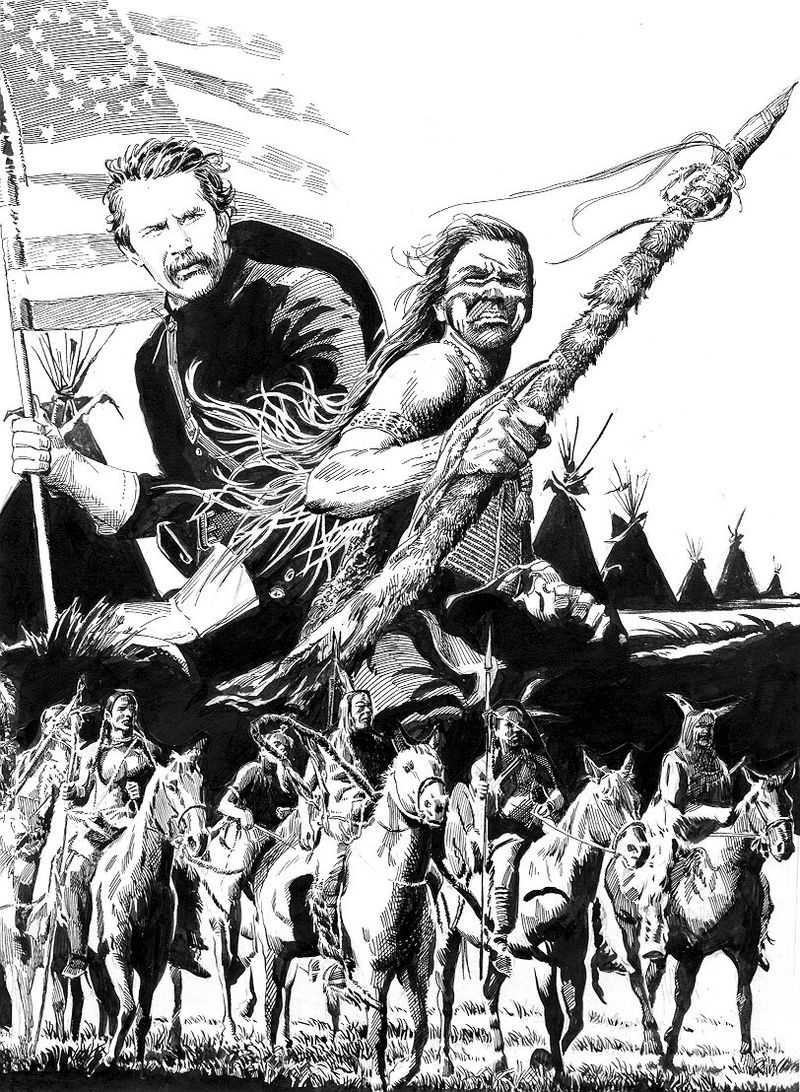
Another white savior learns indigenous wisdom and becomes their hero—yawn.
Kevin Costner’s three-hour epic romanticizes Native American culture while centering a white protagonist’s journey.
Ever wondered why indigenous voices couldn’t tell their own stories without a white interpreter?
Though well-intentioned, it perpetuates the tired trope of white characters being better at everything, even Native culture.
It feels less groundbreaking and more condescending with each passing year.
6. Cimarron (1931)
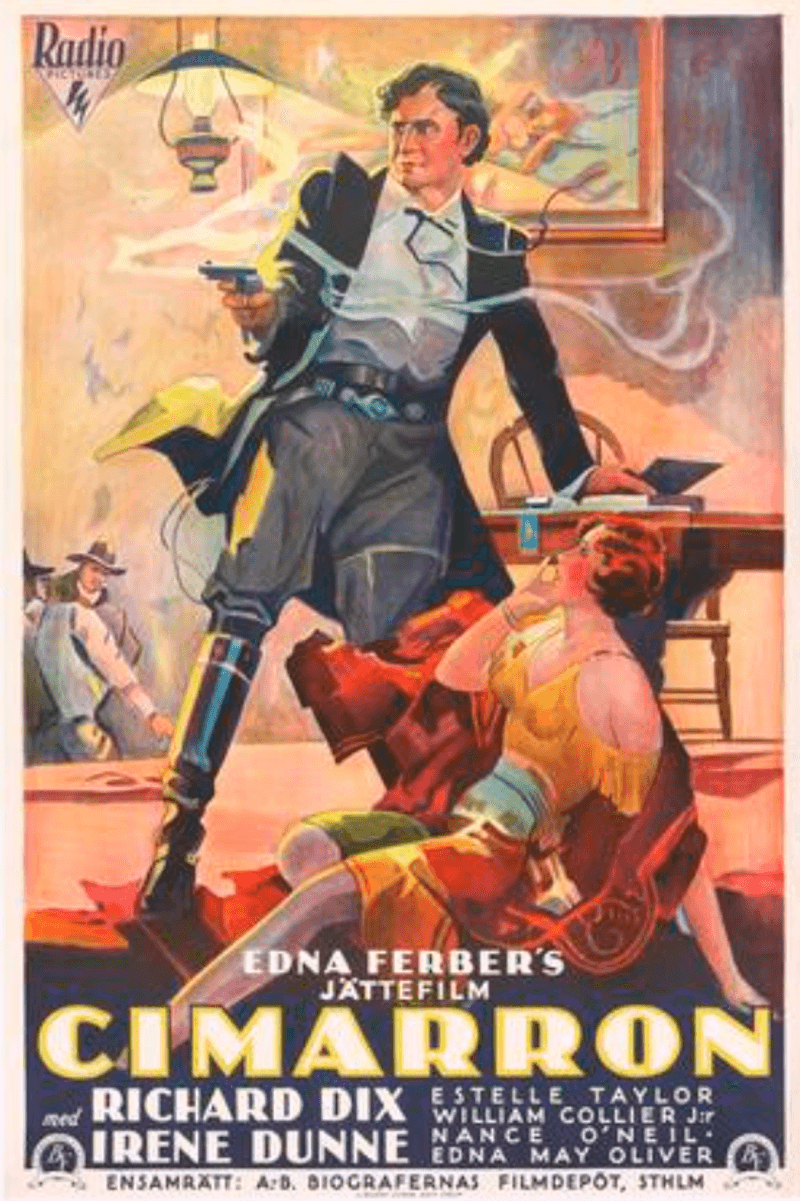
What if I told you one of the earliest Best Picture winners celebrates land theft?
This Western epic glorifies the Oklahoma Land Rush without acknowledging it stole Native American territory.
If your frontier adventure ignores indigenous displacement, you’re not telling the whole story.
Though a technical achievement for its time, its racist attitudes and white-washing of history are indefensible now.
Hence why it’s barely remembered today except as an embarrassing early Oscar choice.
7. The Greatest Show On Earth (1952)
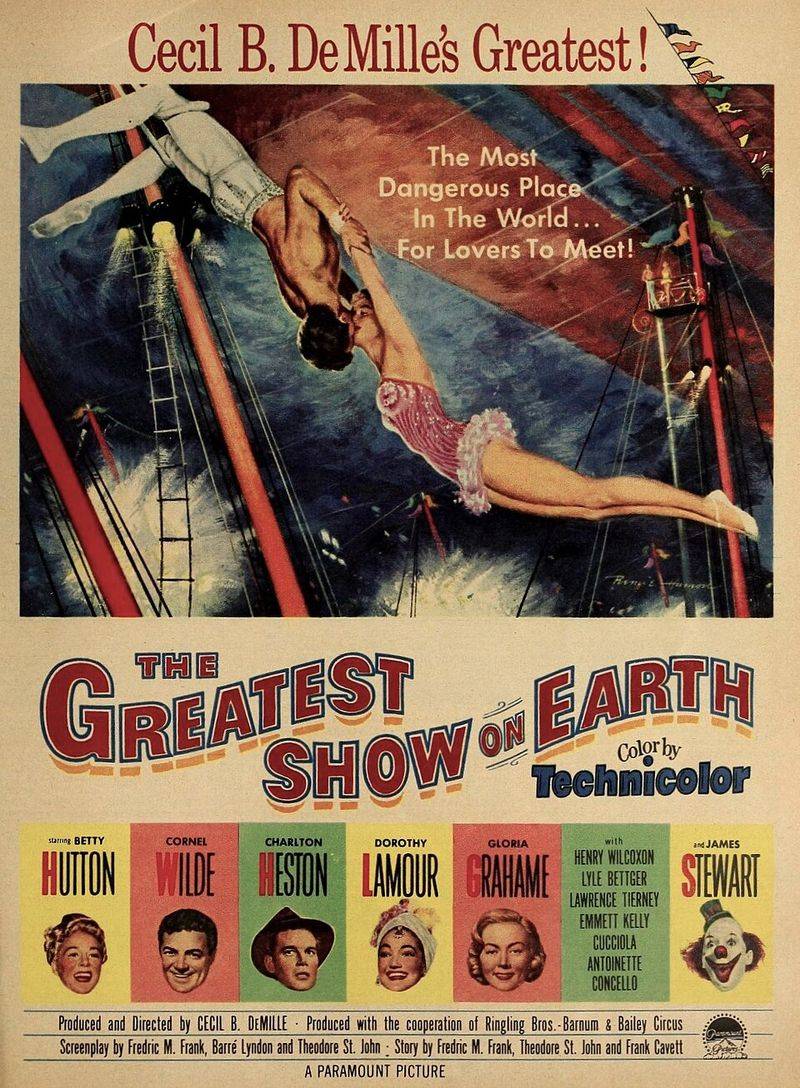
How did a bloated circus spectacle beat Singin’ in the Rain and High Noon?
Cecil B. DeMille’s overlong extravaganza prioritized spectacle over substance, and it shows.
Packed with stars and stunts, but it lacks the emotional depth or cultural significance of its competitors.
Where timeless classics should reign, we got a forgettable melodrama that nobody watches anymore.
Ever wondered if Oscar voters just got dazzled by elephants and trapeze artists instead of actual filmmaking?
8. Around The World In 80 Days (1956)
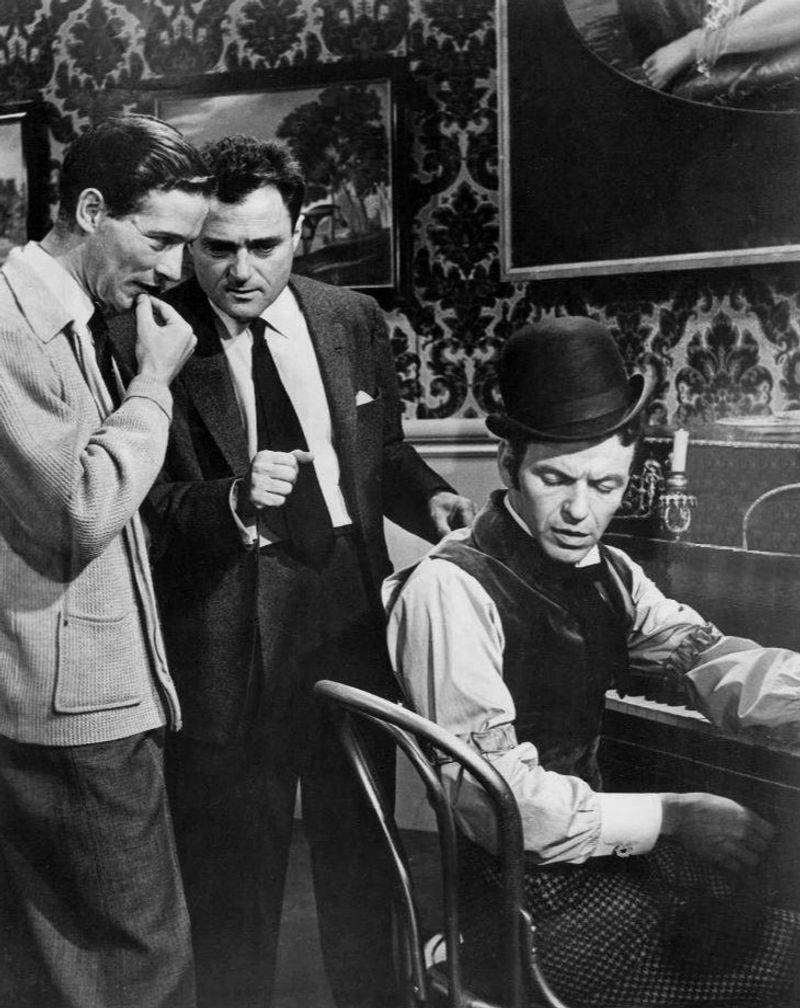
If your adventure movie relies on racist caricatures of non-Western cultures, you’ve got problems.
This bloated travelogue treats the entire world as an exotic playground for white travelers.
However, its portrayal of Asian, African, and Middle Eastern people ranges from condescending to outright offensive.
Though visually ambitious for its era, the stereotypes and colonial attitudes are impossible to ignore now.
Hence why it’s remembered more for beating better films than for any actual artistic merit.