19 Oscar Snubs Fans Still Argue About
Every year, the Oscars hand out golden statues, and every year, someone gets left out who probably shouldn’t have been.
Some of those snubs fade away quietly, but others? They live on forever in movie fan debates, Reddit threads, and “I can’t believe they lost!” conversations.
From legendary directors to unforgettable performances, the Academy has a long history of missing the mark in ways that still sting decades later.
Buckle up, because these are the snubs that refuse to go away.
Disclaimer: This article is intended for general informational and entertainment purposes only. Opinions about Oscar snubs, awards outcomes, and which films or performances were overlooked reflect editorial perspective, and readers may strongly disagree on which omissions still matter most.
1. Do the Right Thing Shut Out of Best Picture and Best Director
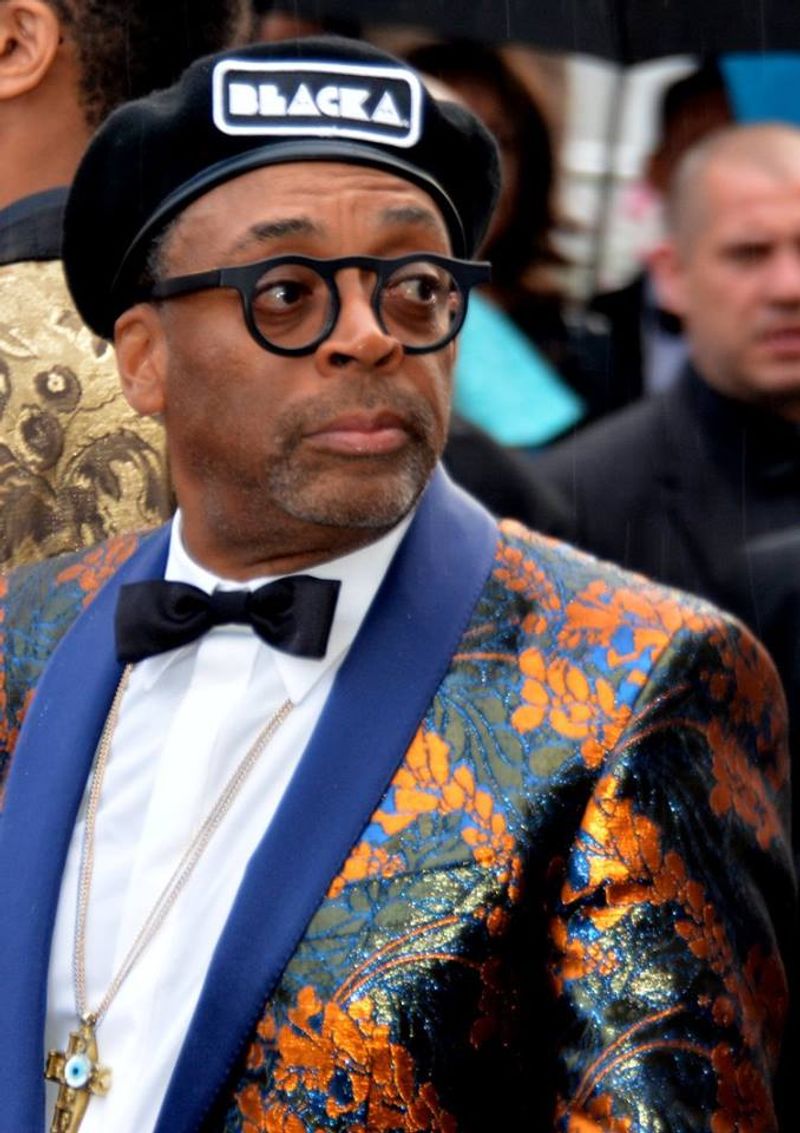
Spike Lee’s 1989 masterpiece practically invented a new language for American cinema, and the Academy basically ghosted it.
No Best Picture nomination. No Best Director nod for Lee. Just… nothing major, despite the film’s raw power and cultural urgency.
How does a movie that defined a generation get sidelined like that? Critics were stunned. Fans were furious.
The film went on to top countless “greatest films ever made” lists anyway, proving the Academy wrong in the loudest possible way.
2. Saving Private Ryan Loses Best Picture to Shakespeare in Love
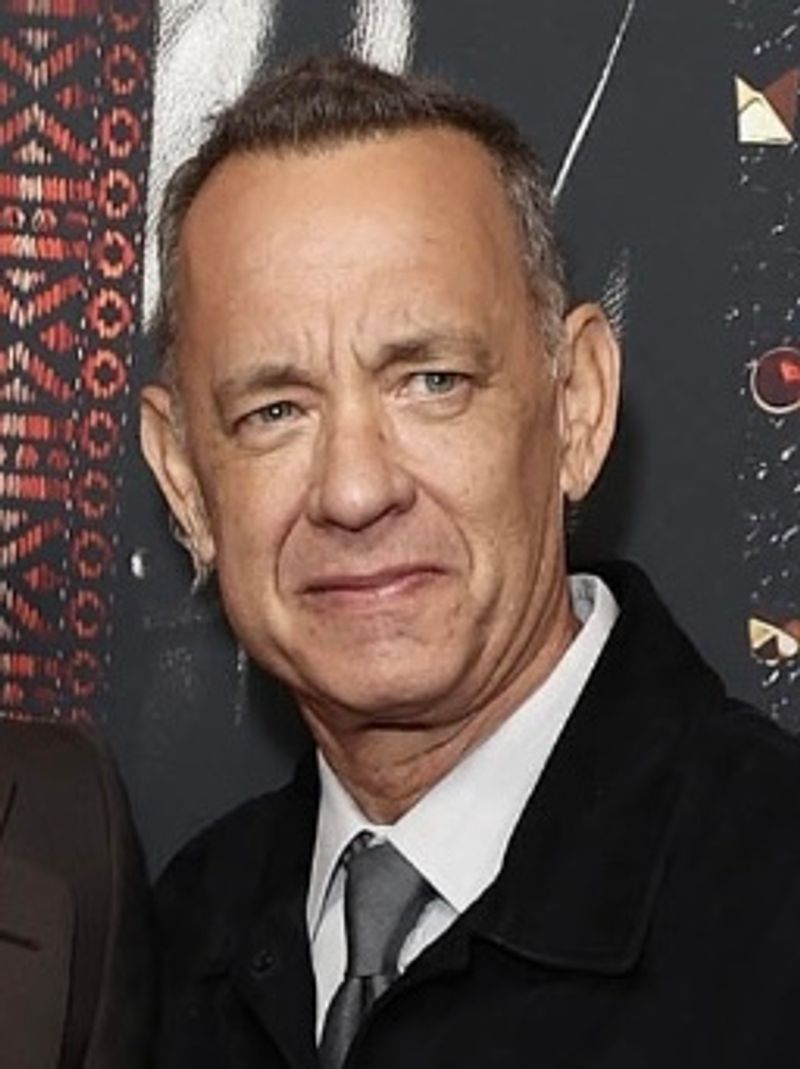
Steven Spielberg’s gut-wrenching war epic opened with one of the most harrowing sequences ever put on film. Audiences were shaken. Critics were floored.
Then Shakespeare in Love walked away with Best Picture at the 1999 Oscars, and the internet basically broke before the internet was even the internet.
Spielberg did win Best Director that night, which made the Best Picture loss feel even stranger.
Shakespeare in Love is a lovely movie, honestly. But this result remains the Oscars’ most reliably controversial cocktail party argument.
3. Brokeback Mountain Loses Best Picture to Crash
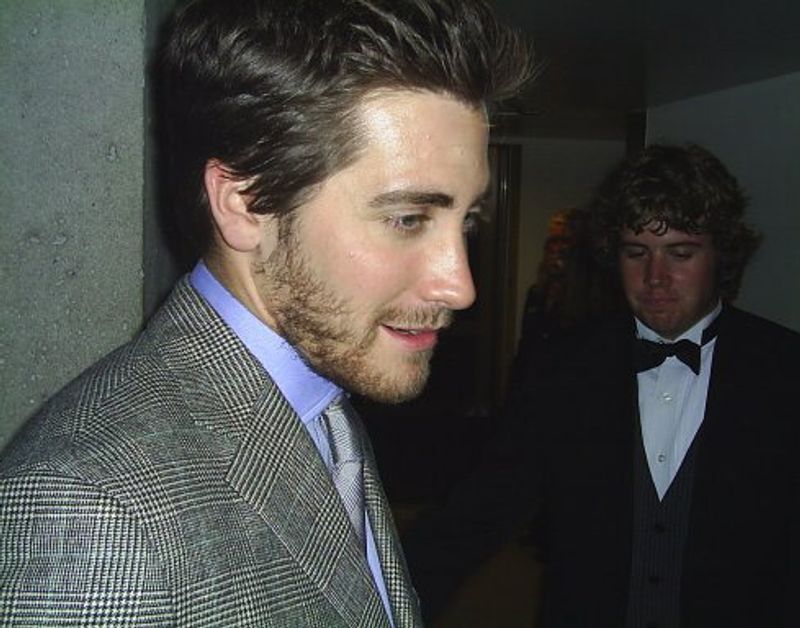
Few Oscar results have aged quite as awkwardly as this one.
Ang Lee’s tender, beautifully crafted love story was the clear frontrunner heading into the 2006 ceremony. Then Crash pulled off one of the biggest upsets in modern Oscar history.
The backlash was immediate and has never really stopped. Many film critics consider Crash a well-meaning but heavy-handed movie, while Brokeback Mountain is now widely regarded as a landmark achievement in American cinema.
Ang Lee did win Best Director that night, adding another layer of confusion to the outcome.
4. Citizen Kane Loses Best Picture to How Green Was My Valley
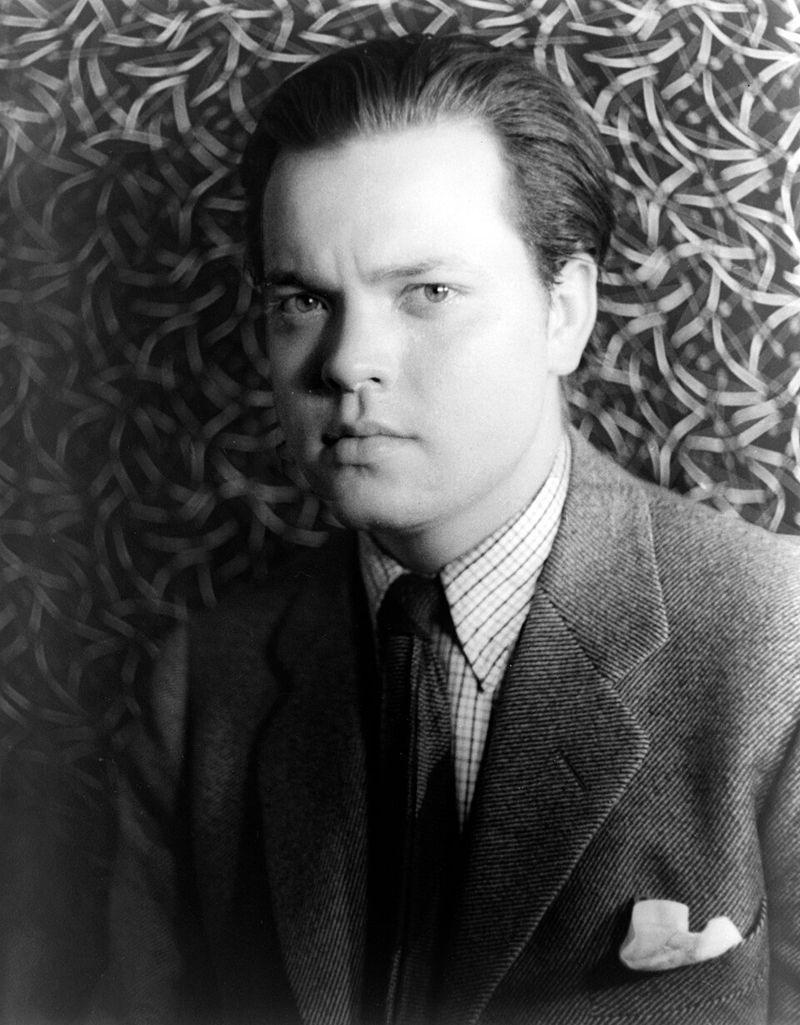
If you have ever taken a film class anywhere on planet Earth, you have heard about this one.
Citizen Kane, widely considered the greatest American film ever made, lost Best Picture at the 1942 Oscars to How Green Was My Valley, a fine but far less revolutionary film.
Orson Welles was just 25 years old when he made Kane. The Academy voters reportedly had complicated feelings about the film’s thinly veiled portrait of newspaper mogul William Randolph Hearst.
This result is basically the gold standard example whenever anyone argues the Oscars get it wrong.
5. Judy Garland Snubbed for The Wizard of Oz
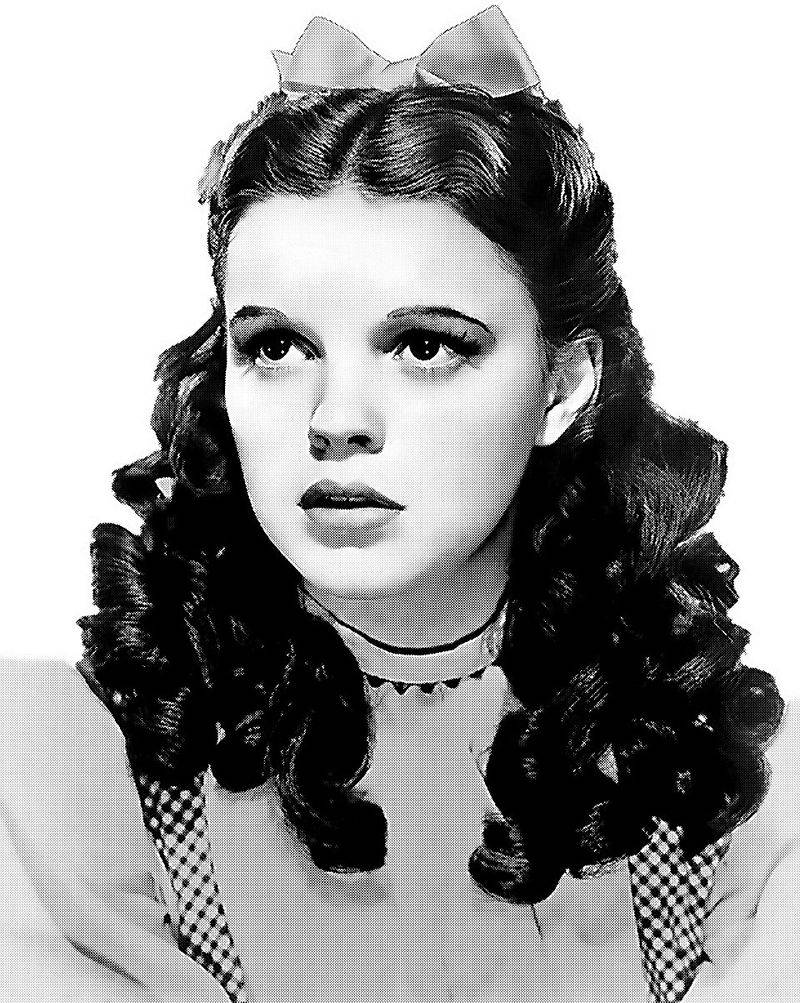
There is no yellow brick road leading to justice here.
Judy Garland delivered one of the most iconic performances in movie history as Dorothy in The Wizard of Oz, yet she received no Best Actress nomination at the 1940 Oscars.
She was given a special Juvenile Award instead, which felt more like a participation trophy than real recognition.
Garland’s snub is frequently cited as proof that the Academy has historically struggled to recognize child and young performers fairly, no matter how extraordinary.
6. Alfred Hitchcock Never Won Best Director
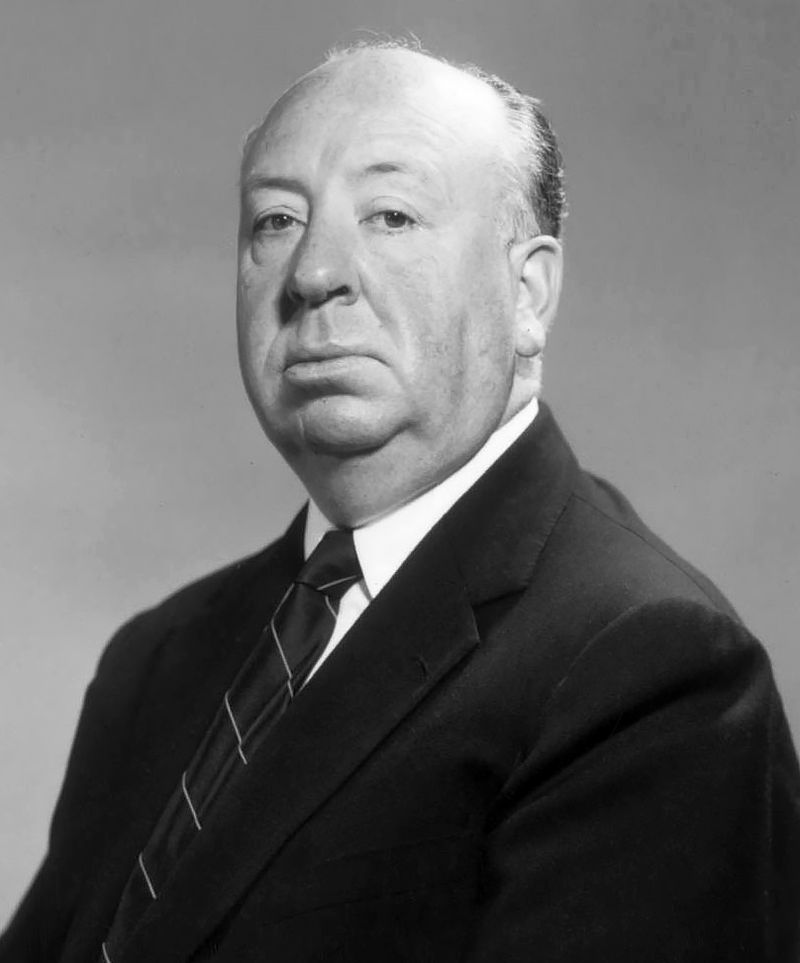
Five nominations. Zero wins. That is Alfred Hitchcock’s Best Director record at the Academy Awards, and film fans have been shaking their heads about it for decades.
The man gave us Psycho, Vertigo, Rear Window, North by Northwest, and The Birds, among many others.
Hitchcock was nominated for Rebecca, Lifeboat, Spellbound, Rear Window, and Psycho. He never took home the golden statue for any of them.
The Academy did give him the Irving G. Thalberg Memorial Award in 1968, which is an honorary recognition, not a competitive win.
7. Glenn Close Still Oscar-less After Eight Nominations
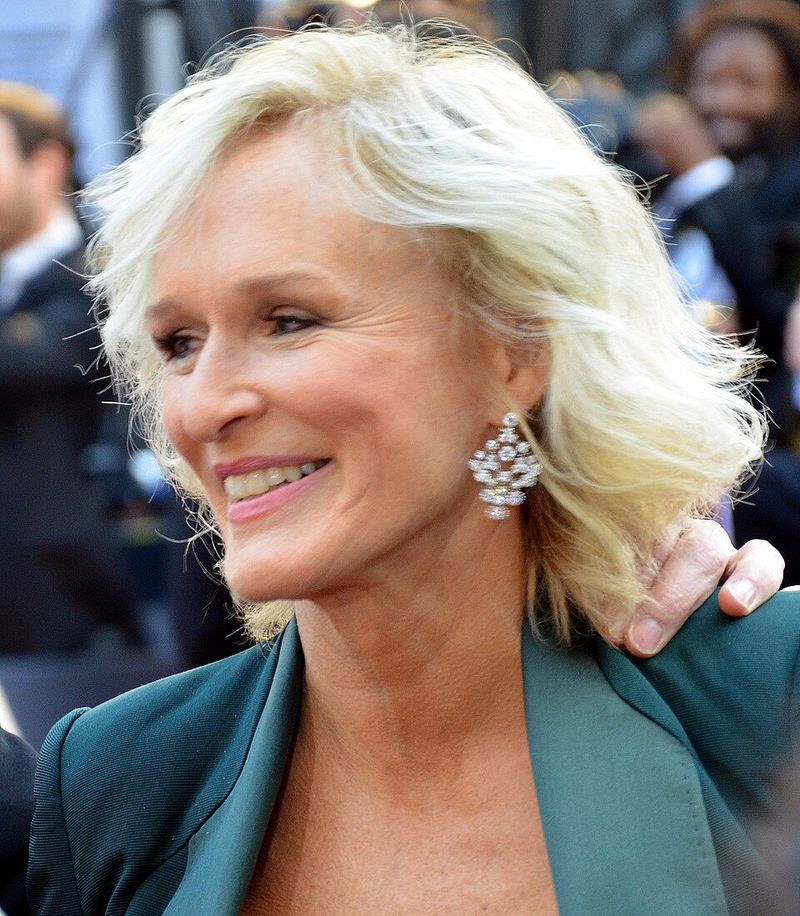
Eight nominations. Eight times going home without the statue.
Glenn Close holds the record for the most Oscar nominations without a win for any actor, and the debate around her winless streak is practically its own sport at this point.
From Fatal Attraction to Dangerous Liaisons to Albert Nobbs to The Wife, Close has delivered performance after celebrated performance.
Her 2019 nomination for The Wife had many convinced her moment had finally arrived. Olivia Colman won for The Favourite instead.
8. Amy Adams Snubbed for Arrival
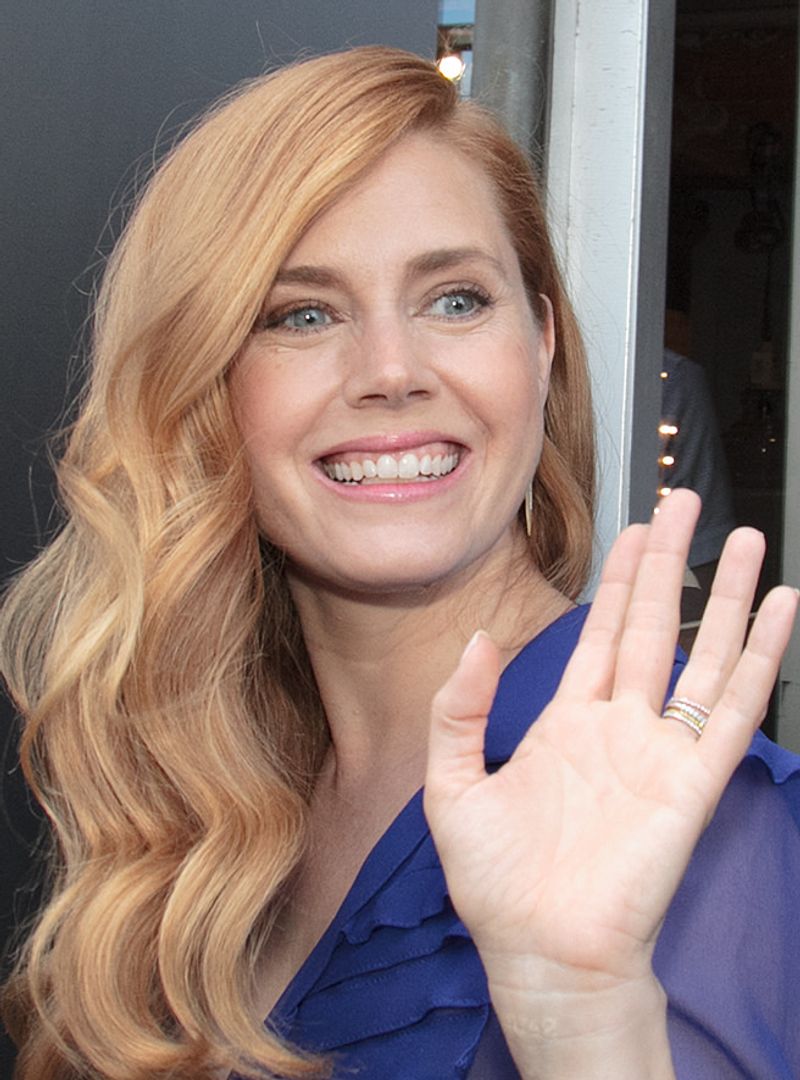
Arrival was one of the most quietly devastating science fiction films in years, and Amy Adams carried the entire emotional weight of it on her shoulders.
Her performance was nuanced, restrained, and utterly heartbreaking by the final act. The Academy did not nominate her for Best Actress.
The film received eight nominations total, including Best Picture and Best Director for Denis Villeneuve. Adams has now received six Oscar nominations across her career without a single win, making her one of the most debated cases in modern awards history.
9. Toni Collette Overlooked for Hereditary
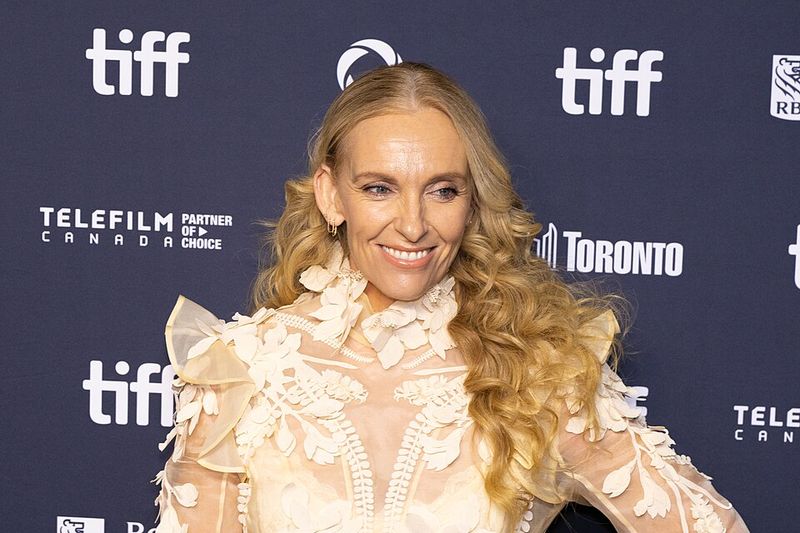
Toni Collette’s performance in Hereditary is the kind of acting that makes your jaw drop and stay there. Her breakdown scene at the dinner table alone should have secured her a nomination.
Instead, the Academy passed entirely, reinforcing what many fans see as a deep institutional bias against horror films.
Hereditary was critically celebrated as one of the best horror films in years. Collette was widely considered a frontrunner by critics and awards watchers before the nominations were announced.
When her name was not called, the outcry was immediate.
10. Lupita Nyong’o Ignored for Us
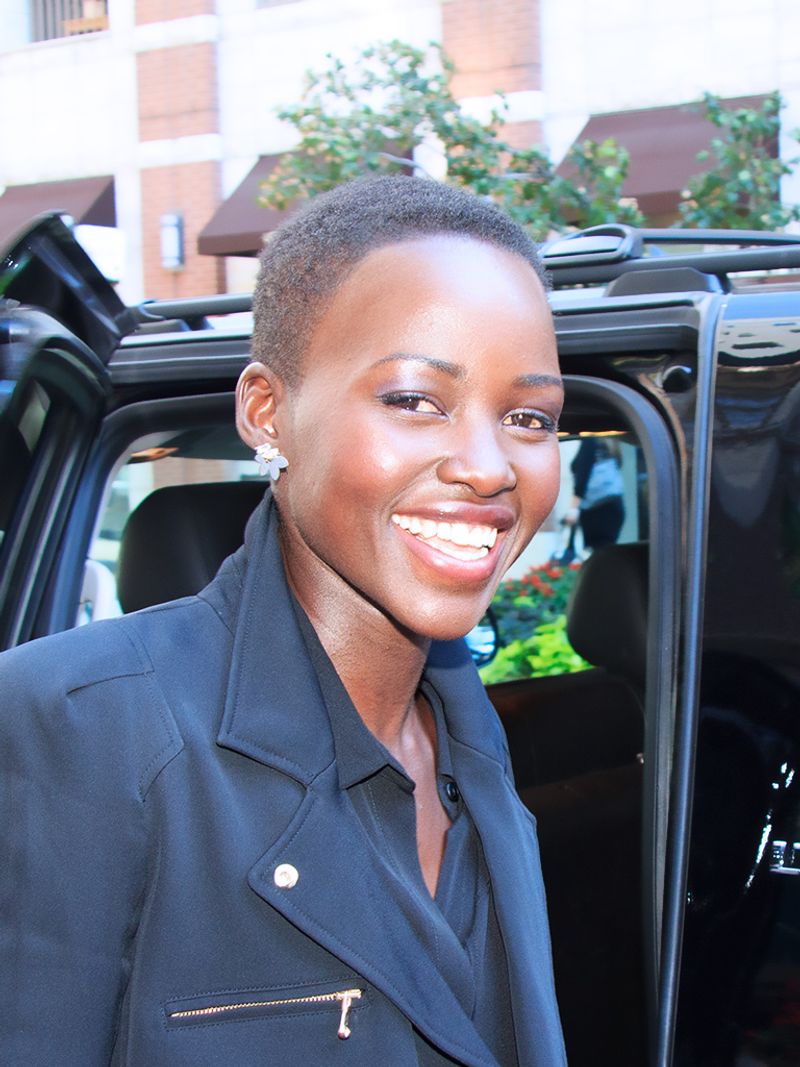
Playing dual roles in a horror film is an extraordinary acting challenge. Lupita Nyong’o did it in Jordan Peele’s Us and delivered two completely distinct, fully realized characters in a single film.
Nyong’o won an Oscar just six years earlier, so the Academy clearly knows who she is.
That made the Us snub feel even more deliberate to fans, especially given how technically demanding her dual performance was.
Peele’s work in the horror and social thriller space continues to be undervalued at the awards level, and Nyong’o’s omission remains a sore point for the genre’s growing fanbase.
11. Margot Robbie Snubbed for Barbie
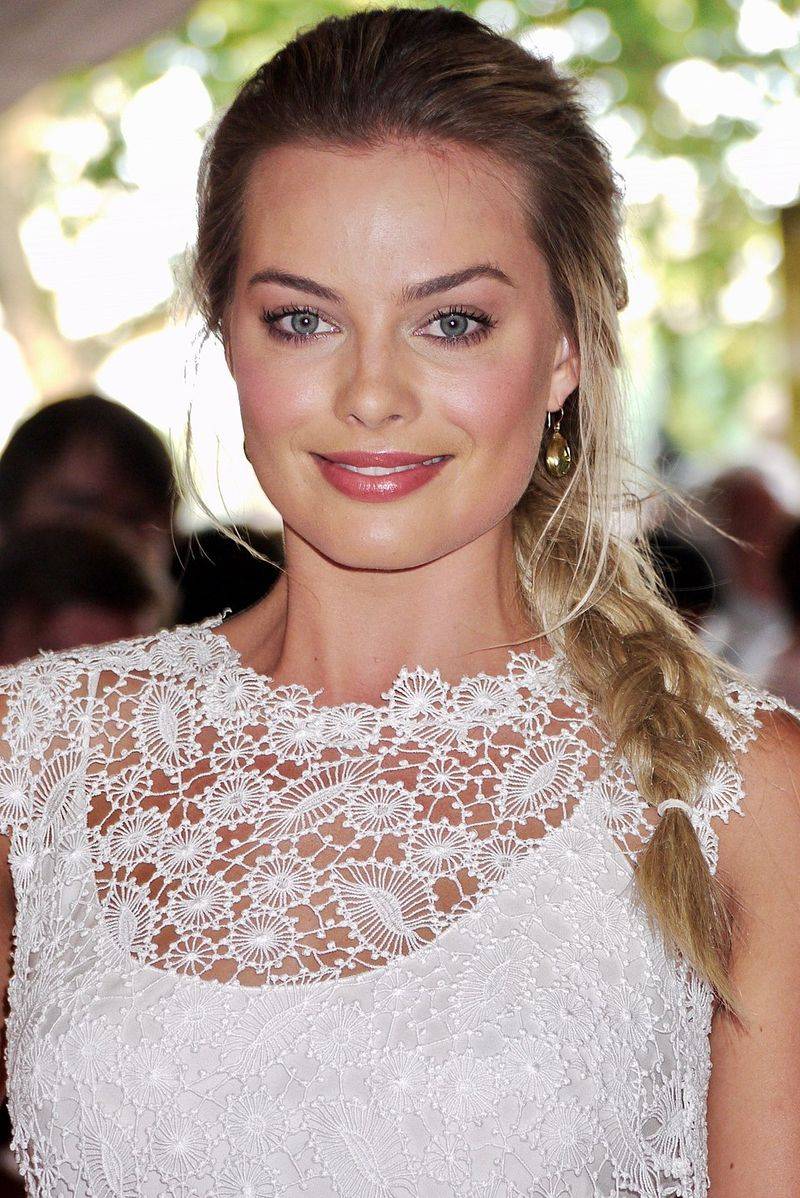
When Barbie became a billion-dollar cultural phenomenon in 2023, everyone assumed Margot Robbie would be celebrating with an Oscar nomination.
She was not nominated for Best Actress, and the internet responded with the energy of a thousand pink convertibles honking at once.
The film received eight nominations, including Best Picture. Ryan Gosling scored a Best Supporting Actor nomination as Ken, which many felt highlighted the imbalance in how the Academy valued the film’s performances.
Robbie had also produced the film, making her exclusion from the acting category feel especially glaring.
12. Sidney Poitier Overlooked for In the Heat of the Night
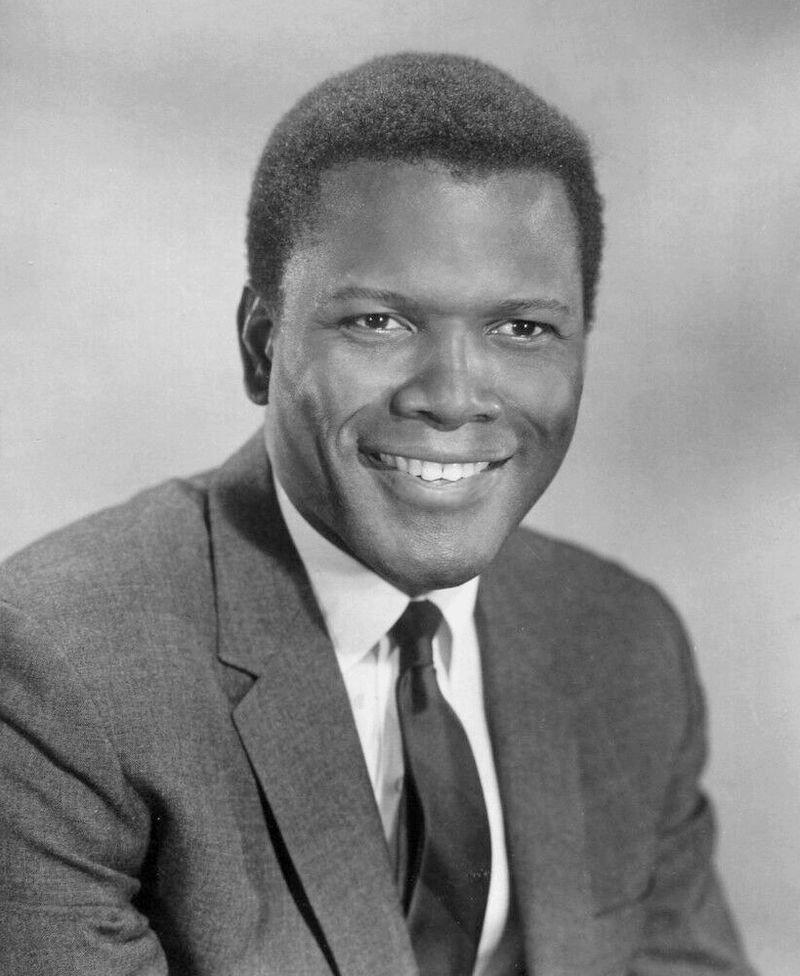
In the Heat of the Night won Best Picture at the 1968 Oscars, yet Sidney Poitier, who delivered one of its most commanding performances as Detective Virgil Tibbs, was not nominated for Best Actor.
The omission landed hard, particularly given the film’s themes and the cultural moment it occupied.
Poitier had won Best Actor in 1964 for Lilies of the Field, becoming the first Black man to win the award. His exclusion from the In the Heat of the Night race felt like a step backward.
Fans still point to this as a clear case where the film was celebrated while its most vital performance was quietly set aside.
13. Audrey Hepburn Not Nominated for My Fair Lady
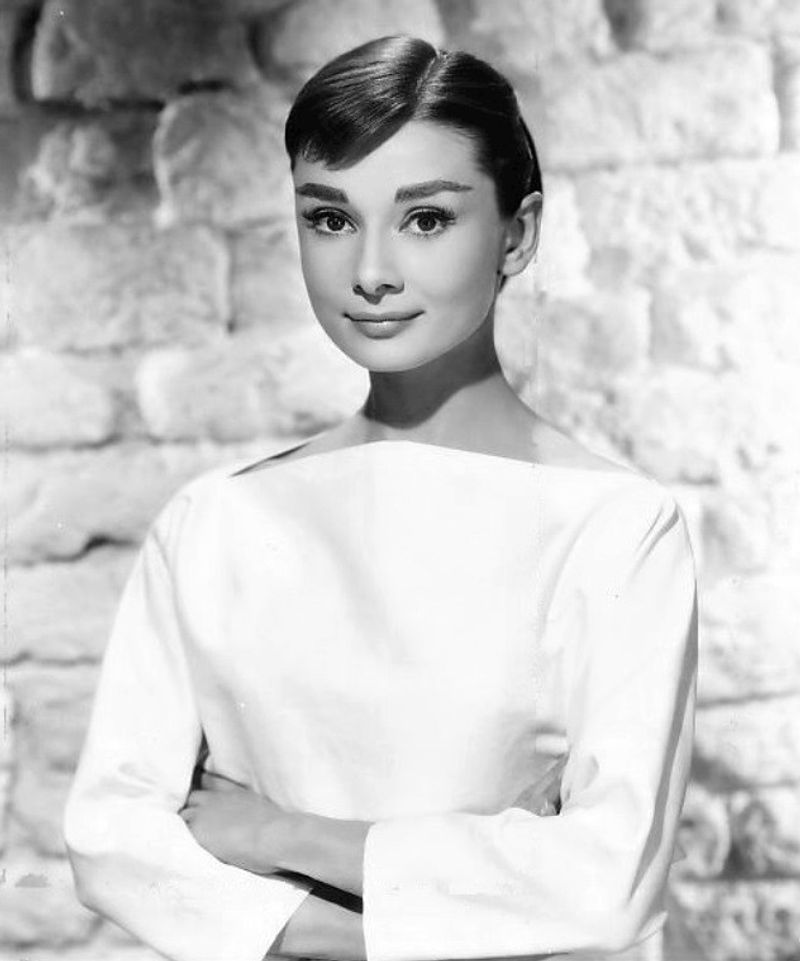
Here is a twist worthy of a plot twist: Audrey Hepburn starred in My Fair Lady, one of 1964’s biggest films, yet received no Best Actress nomination.
The Academy nominated Julie Andrews instead, for Mary Poppins, a film she made largely because she was passed over for the My Fair Lady film role she had originated on Broadway.
Andrews won. Hepburn, the actual star of the Best Picture winner that year, went home without a nomination at all.
The situation had a delicious dramatic irony that Hollywood screenwriters could not have scripted better.
14. Vertigo and Jimmy Stewart Both Ignored
Vertigo is now routinely ranked as one of the greatest films ever made. In 1959, the Academy nominated it for exactly two awards, both technical, and sent it home with nothing.
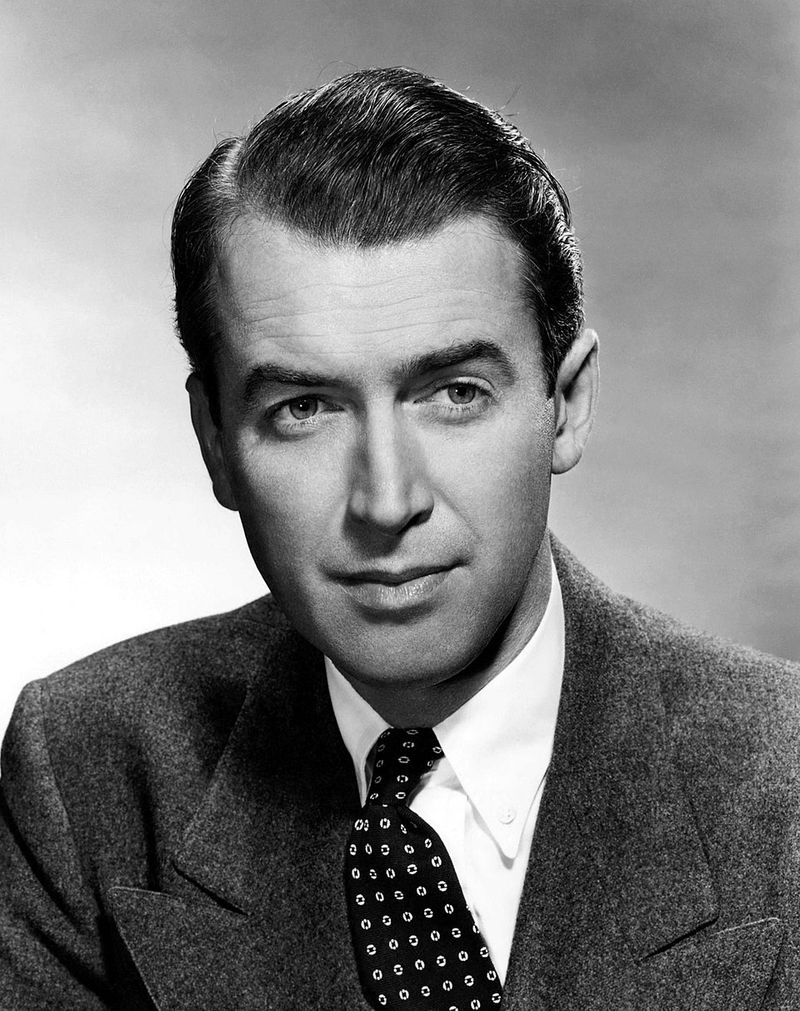
Jimmy Stewart’s deeply unsettling performance as Scottie Ferguson was not nominated for Best Actor.
Stewart was already a Hollywood legend at the time, with one Oscar win and multiple nominations. His work in Vertigo is considered by many critics to be the finest acting of his career.
Both the film and its lead were essentially invisible to Academy voters that year.
15. The Dark Knight Missing Best Picture
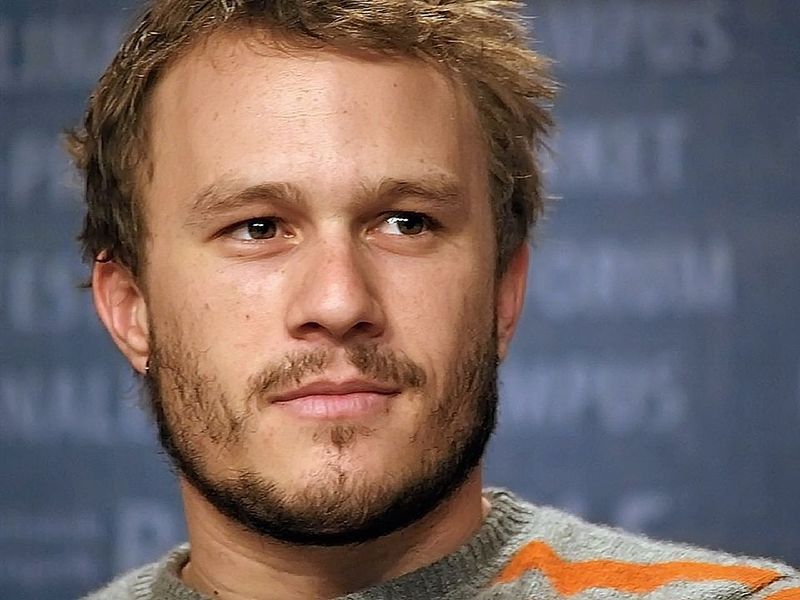
The Dark Knight grossed over a billion dollars, received near-universal critical acclaim, and gave audiences Heath Ledger’s career-defining Joker performance.
Then the Academy announced the Best Picture nominees and it was not among them. Cue the noise.
The backlash was so intense that the Academy actually changed its rules the following year, expanding the Best Picture field from five nominees to up to ten.
That is how much of an impact one snub can have on an entire institution.
Ledger won a posthumous Best Supporting Actor award, which was deeply deserved.
16. 2001: A Space Odyssey Gets Limited Above-the-Line Recognition
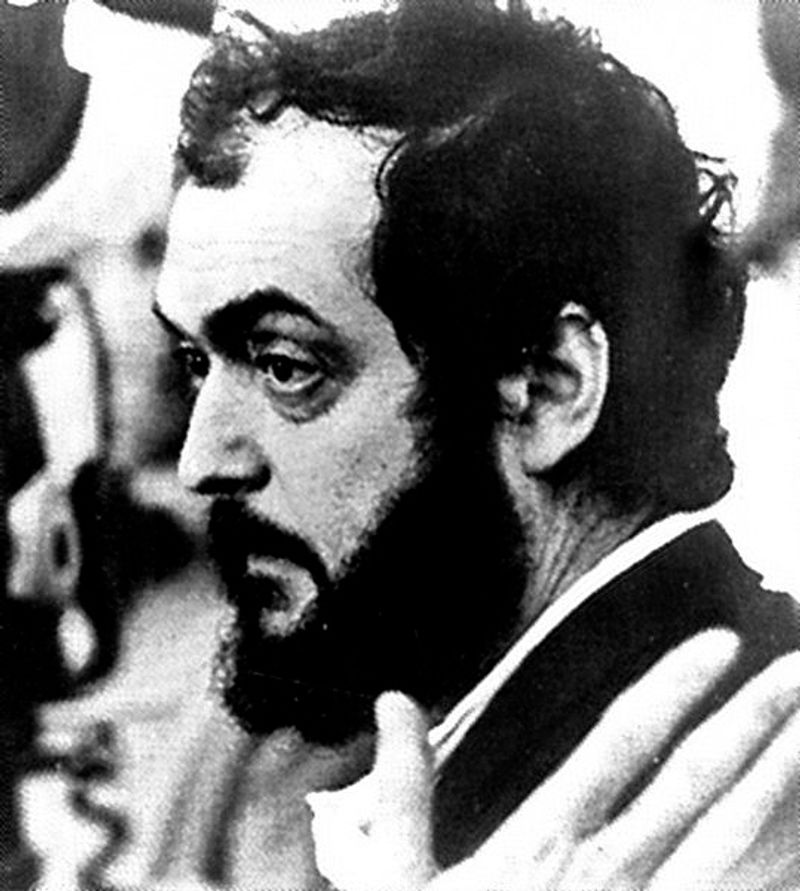
Stanley Kubrick’s 2001: A Space Odyssey changed what movies could do. It redefined science fiction, visual storytelling, and the very idea of cinema as an art form.
At the 1969 Oscars, it won exactly one award, for Special Visual Effects, and Kubrick received no Best Director nomination.
The film was nominated for Best Director, Best Screenplay, and Best Art Direction, but walked away with only the technical prize.
For a movie that influenced virtually every major sci-fi film that followed, the recognition felt embarrassingly thin.
17. Singin’ in the Rain Largely Ignored in Major Categories
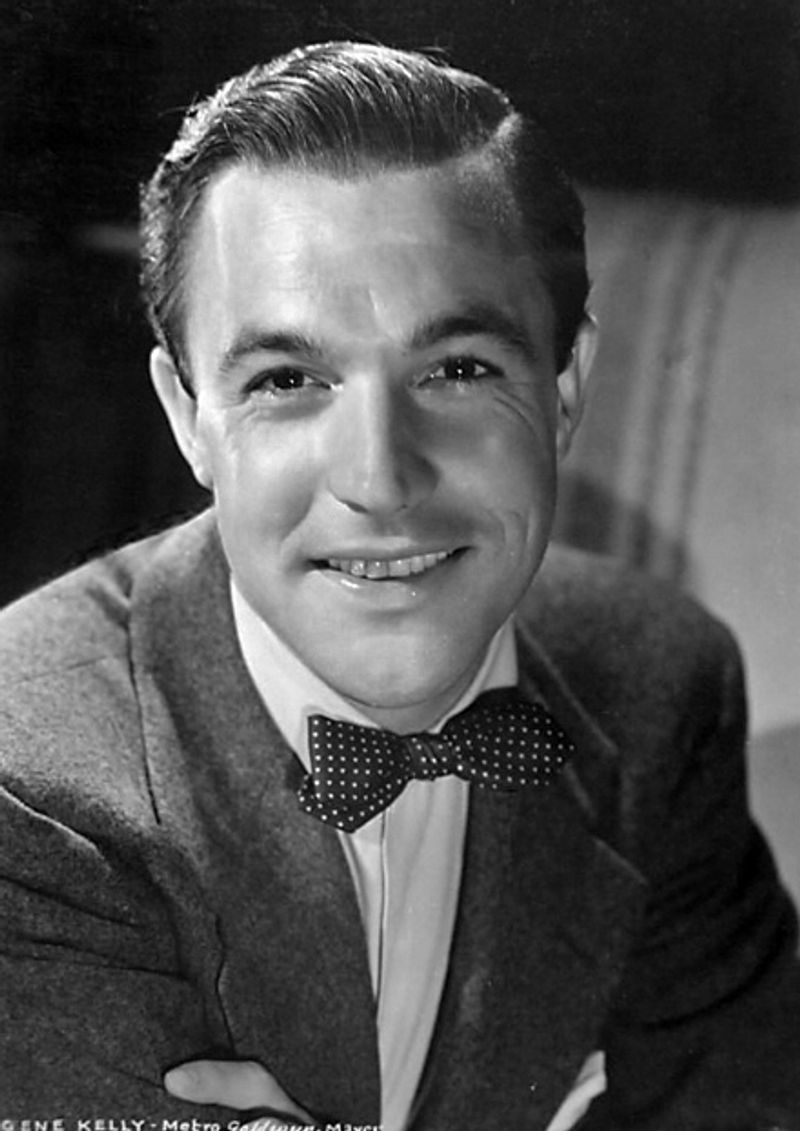
Ask any film historian to name the greatest Hollywood musical ever made and Singin’ in the Rain will appear on almost every list.
At the 1953 Oscars, the film received just two nominations, neither for Best Picture or Best Director, and won nothing. Nothing!
Gene Kelly’s athleticism, the joyful choreography, the satirical script, and the sheer entertainment value should have made it a dominant awards contender. Instead, the Academy essentially shrugged.
18. Goodfellas Loses Best Picture to Dances with Wolves
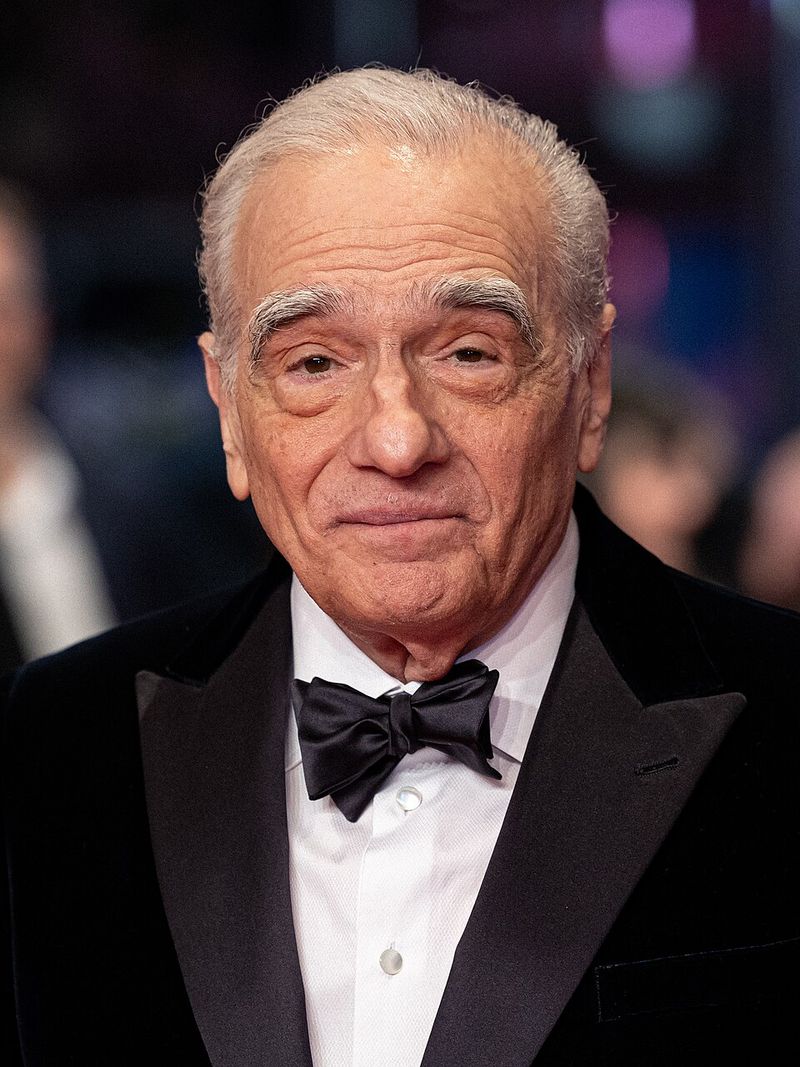
Martin Scorsese’s Goodfellas arrived in 1990 with the force of a freight train. Kinetic, brutal, and brilliantly performed, it felt like a seismic event in American filmmaking.
Then Kevin Costner’s Dances with Wolves took Best Picture at the 1991 Oscars, and the argument started immediately.
Dances with Wolves is an ambitious film with real merit. However, the consensus among critics and filmmakers over the following decades has leaned heavily toward Goodfellas as the more enduring achievement.
Scorsese lost Best Director to Costner as well. He would not win his first Best Director Oscar until 2007 for The Departed.
19. Raging Bull Loses Best Picture to Ordinary People
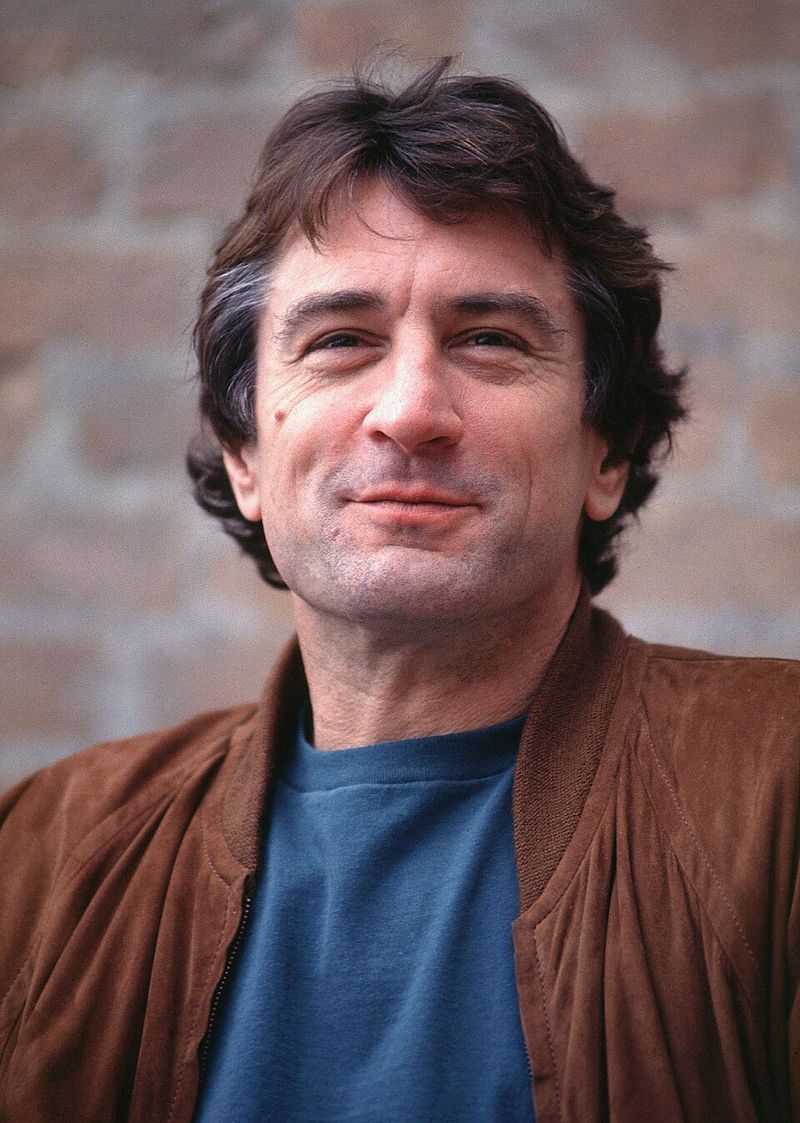
Raging Bull is frequently cited by critics as one of the greatest films ever made.
Robert De Niro’s physical and emotional transformation into boxer Jake LaMotta remains one of cinema’s most committed performances.
Redford also beat Scorsese for Best Director, which stung doubly for fans of the film.
Ordinary People is a thoughtful, well-acted drama, but the gap in ambition and technical achievement between the two films is considerable.
This result comes up every single time someone argues the Academy rewards safe choices over bold ones.