11 Oscar Victories That Didn’t Sit Well With Audiences
Every year, the Oscars spark debates louder than a movie theater full of popcorn crunchers. Some Academy choices leave fans scratching their heads, questioning if they watched the same films.
Shocking upsets and controversial triumphs show golden statuettes awarded to unexpected winners, sparking conversations around the world. Explore 11 Oscar wins that kept audiences talking long after the red carpet faded and see which moments still ignite passionate debates today.
1. Grace Kelly Beats Judy Garland (1954)
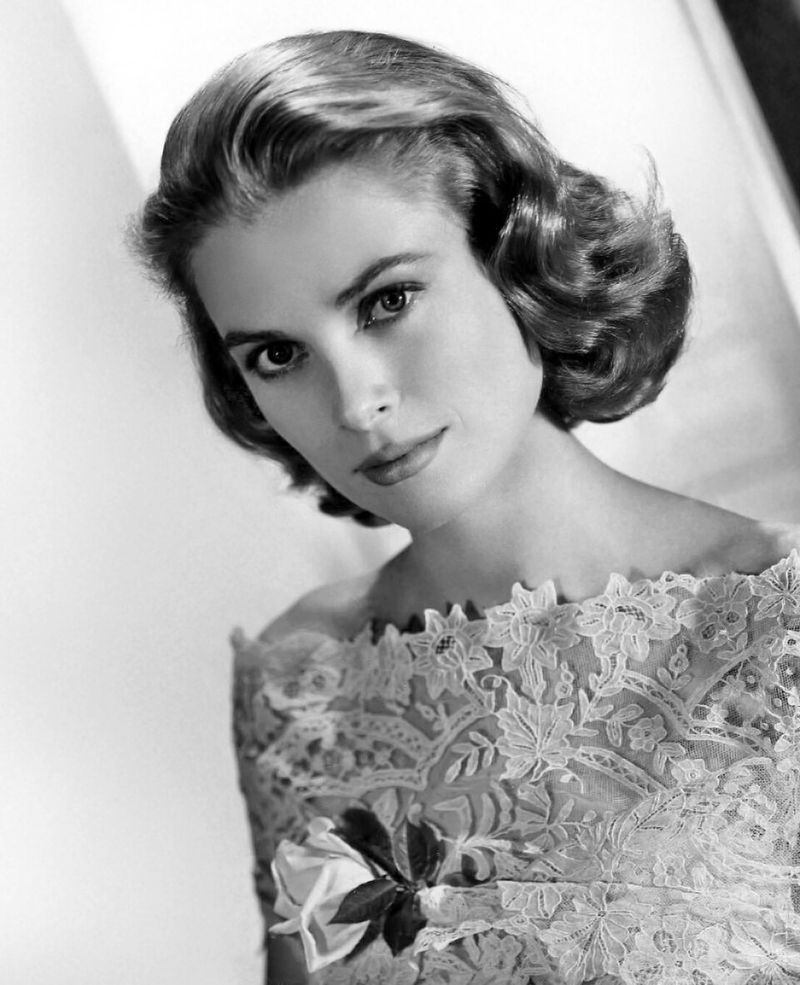
Judy Garland had hospital cameras ready for her acceptance speech. That’s how certain everyone was she’d win for A Star Is Born.
Instead, Grace Kelly took home the gold for The Country Girl, leaving fans completely stunned.
Garland’s raw, emotional performance was widely considered one of the greatest ever put on screen. Kelly’s win felt like the Academy zigged when the whole world expected a zag.
The upset is still talked about as one of Hollywood’s most shocking moments.
2. Sandra Bullock’s Career Oscar (2009)
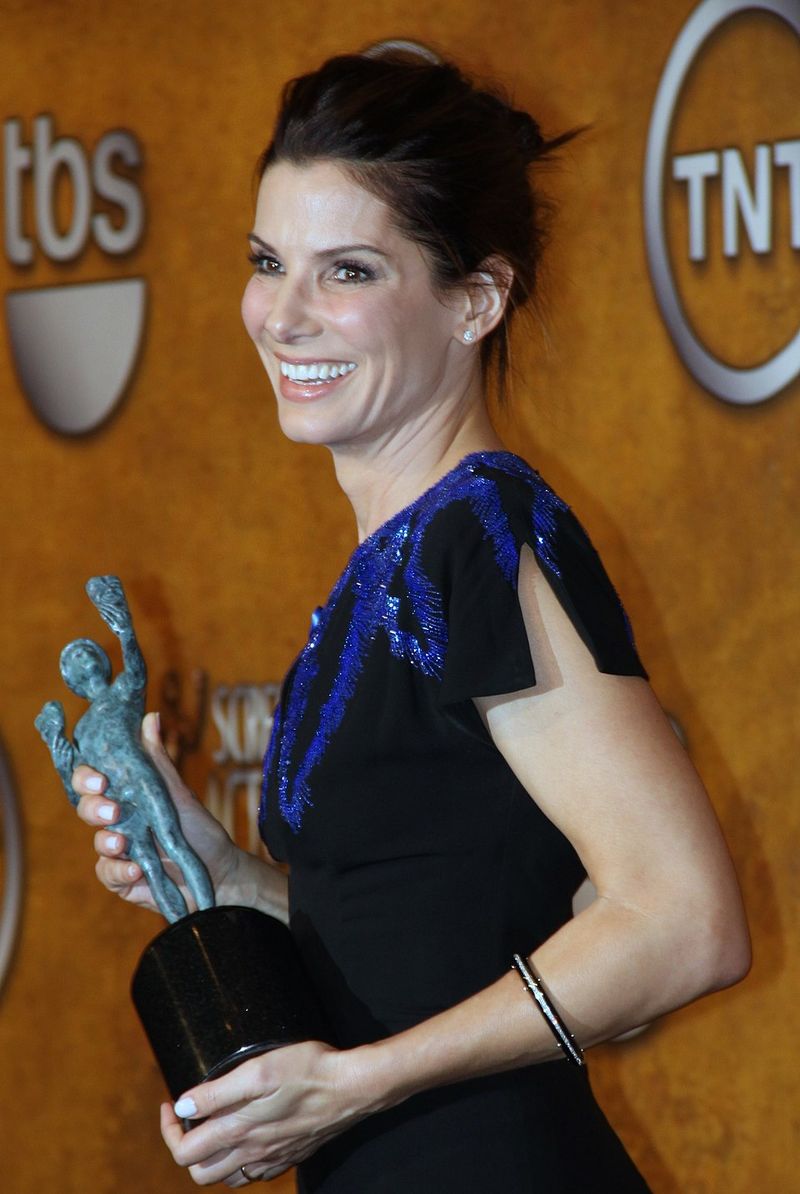
Winning an Oscar should feel like the ultimate celebration of one specific role. However, Sandra Bullock’s Best Actress win for The Blind Side felt to many critics like a long-overdue thank-you card from Hollywood.
Gabourey Sidibe’s heartbreaking turn in Precious and Carey Mulligan’s quiet brilliance in An Education both seemed stronger contenders that year. Audiences weren’t upset at Bullock personally, just puzzled by the Academy’s reasoning.
Sometimes timing matters more than the performance itself.
3. Halle Berry Makes History (2001)
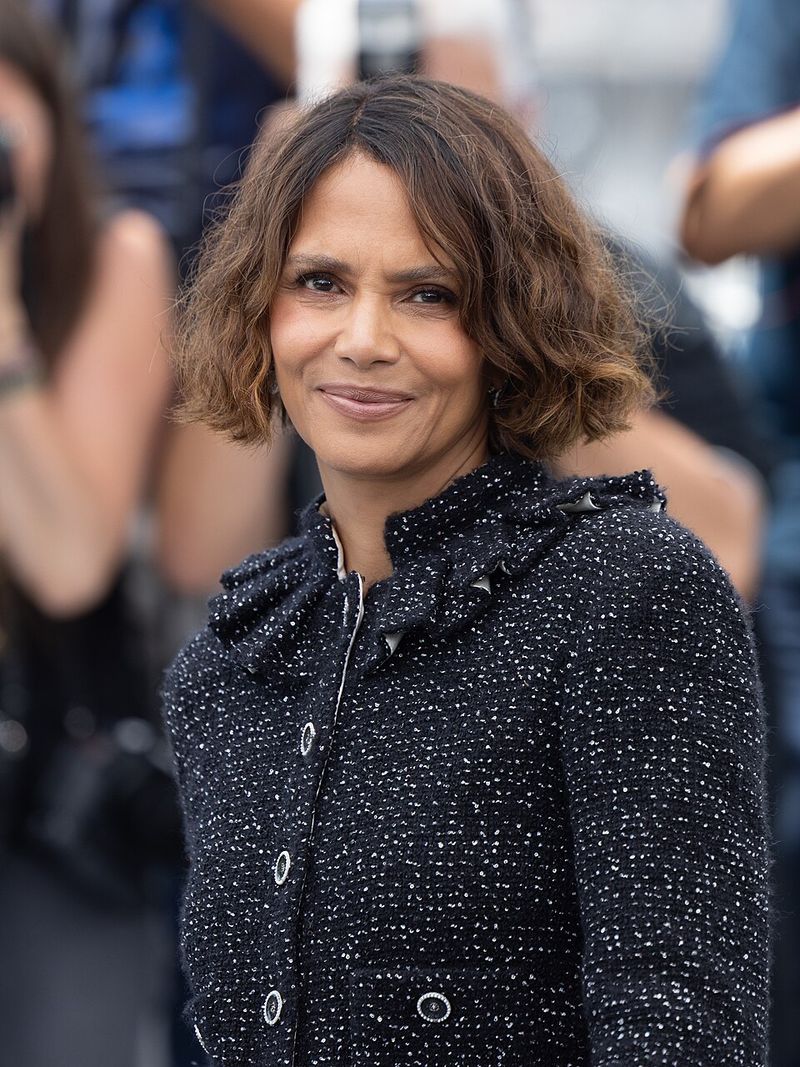
No one can take away the historic weight of Halle Berry becoming the first Black woman to win Best Actress. That moment genuinely mattered, and her tears at the podium were completely real.
Still, some critics quietly questioned whether the Academy was rewarding the performance or the milestone. Berry’s work in Monster’s Ball was powerful, but the debate around motive versus merit lingered for years.
History and controversy sometimes arrive in the same envelope.
4. Michael Caine’s Legacy Award (1999)
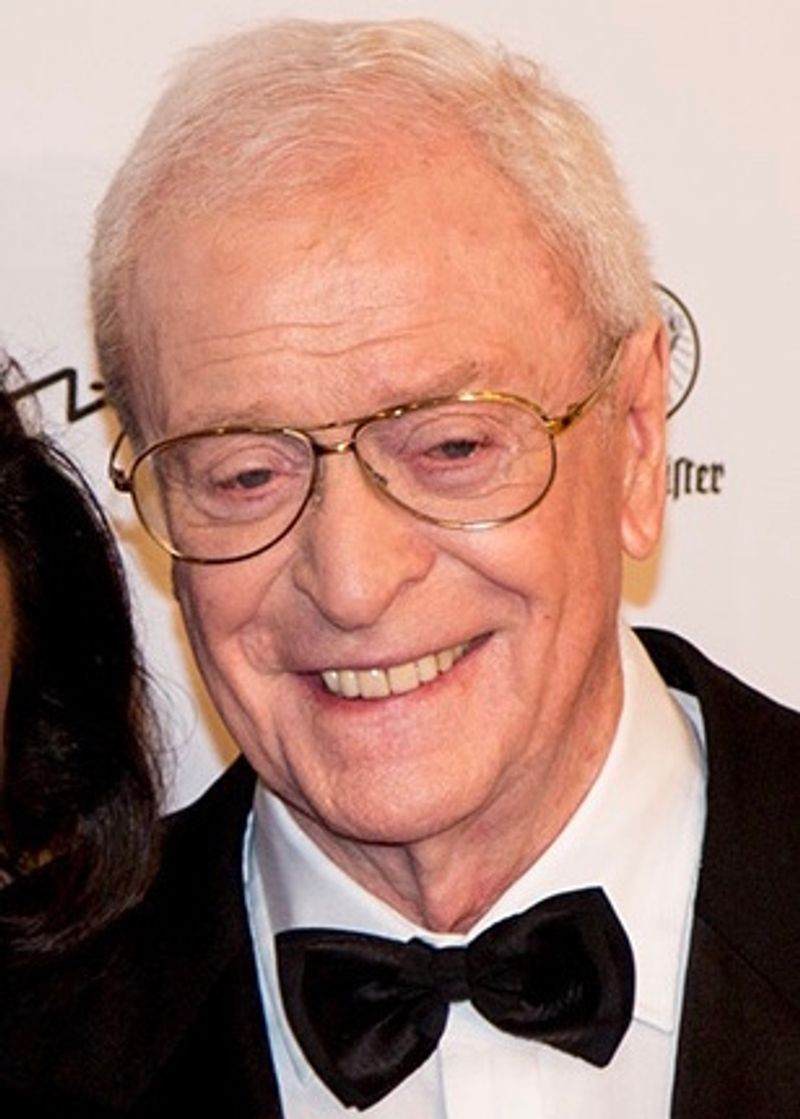
Michael Caine is undeniably one of cinema’s all-time greats, so winning an Oscar feels completely right for him. The problem?
Many felt his role in The Cider House Rules wasn’t exactly his most dazzling work.
Tom Cruise’s intense, career-defining performance in Magnolia was left empty-handed that night, which stung for many film fans. When the Academy gives a win that feels more like a lifetime achievement than a specific reward, eyebrows naturally go up.
5. Al Pacino Finally Gets His Gold (1992)
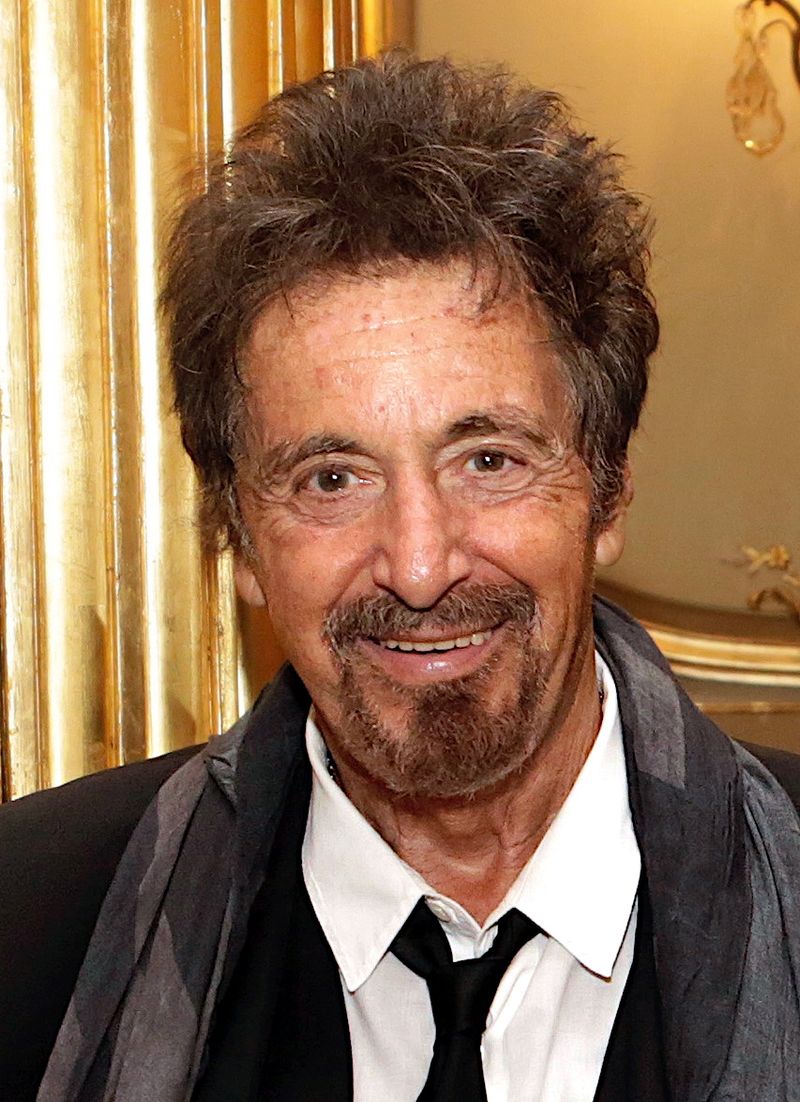
After being nominated multiple times without a win, Al Pacino finally grabbed his Oscar for Scent of a Woman. Audiences cheered, but film critics raised an eyebrow or two.
Denzel Washington’s portrayal of Malcolm X was considered by many to be a towering, once-in-a-generation performance. Pacino’s role, while entertaining, leaned theatrical in a way that felt more Broadway than big-screen brilliance.
The term “makeup Oscar” gets thrown around a lot, and this win inspired plenty of that conversation.
6. Jennifer Lawrence Stuns Everyone (2012)
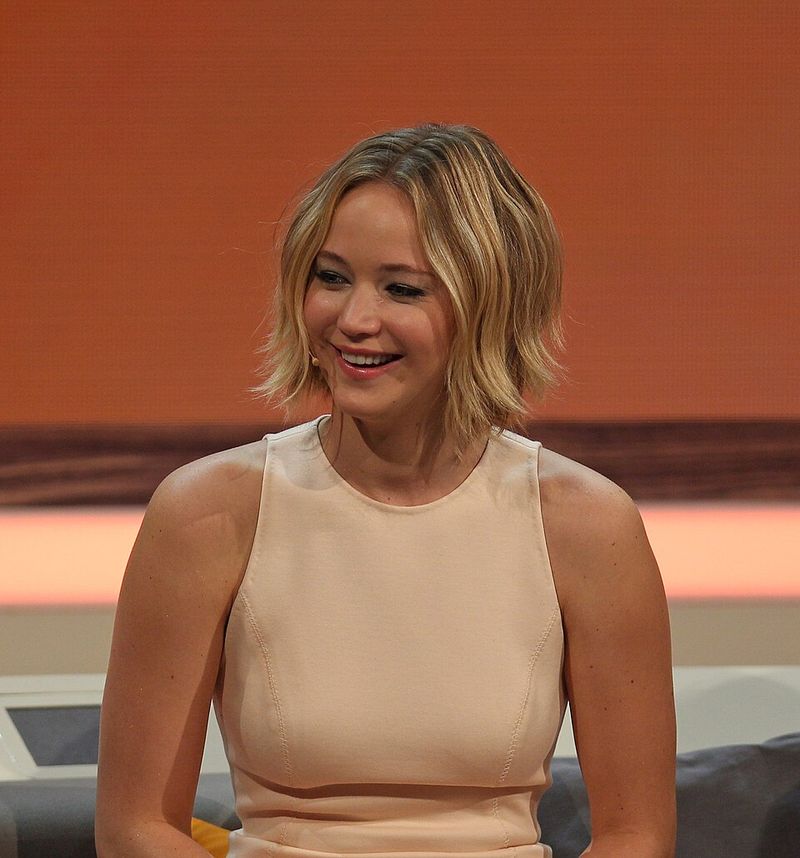
At just 22 years old, Jennifer Lawrence became the second-youngest Best Actress winner ever. That’s genuinely impressive, no argument there.
However, her win for Silver Linings Playbook over Emmanuelle Riva’s devastating performance in Amour left many film lovers puzzled. Riva, at 85, was the oldest Best Actress nominee ever, and her work was considered transcendent.
Some felt Lawrence’s popularity among Academy voters tipped the scales in a way pure merit alone might not have.
7. Marisa Tomei’s Wild Upset (1992)
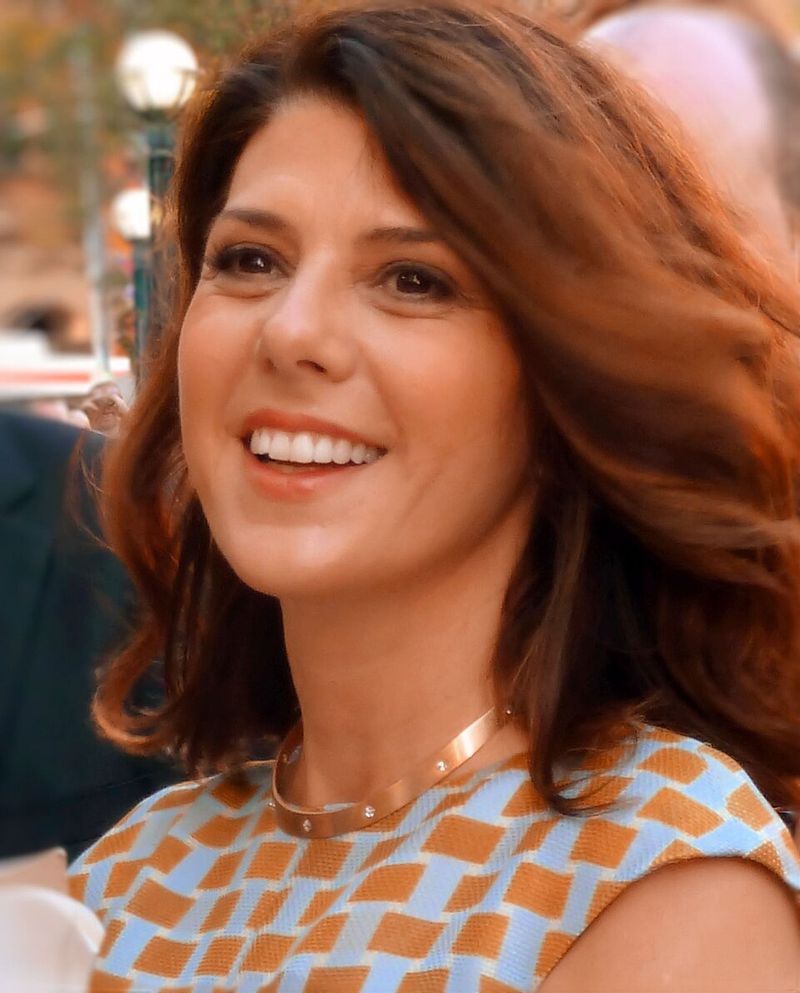
Few Oscar moments sparked as much chaos as Marisa Tomei winning Best Supporting Actress for My Cousin Vinny. A comedy!
A fun, fast-talking, loveable comedy!
Rumors spread so fast that some people genuinely believed the wrong name was accidentally read aloud from the envelope. Those rumors were false, but they stuck around like gum on a movie theater seat.
Dramatic performances from Vanessa Redgrave and Miranda Richardson were widely expected to win, making this one of the biggest upsets in Oscar history.
8. Jean Dujardin Charms the Academy (2011)
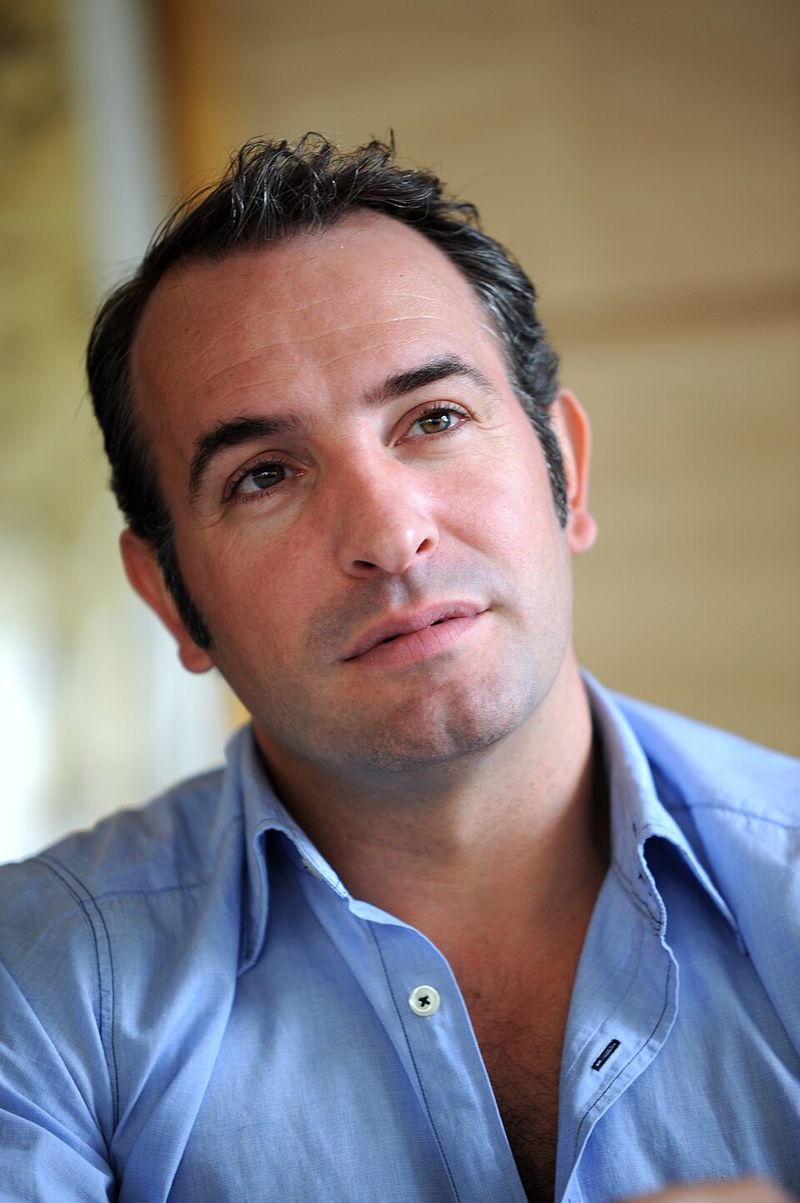
Jean Dujardin winning Best Actor for The Artist was undeniably charming, much like the film itself. Silent, black-and-white, and full of old-Hollywood magic, it swept awards season like a broom with a tuxedo.
Still, Gary Oldman’s deeply layered work in Tinker Tailor Soldier Spy felt more complex to many critics. Novelty can be a powerful force during awards season, and The Artist had novelty in abundance.
Whether that novelty deserved gold over substance remains a spirited debate.
9. Helen Hunt Crosses the TV Divide (1997)
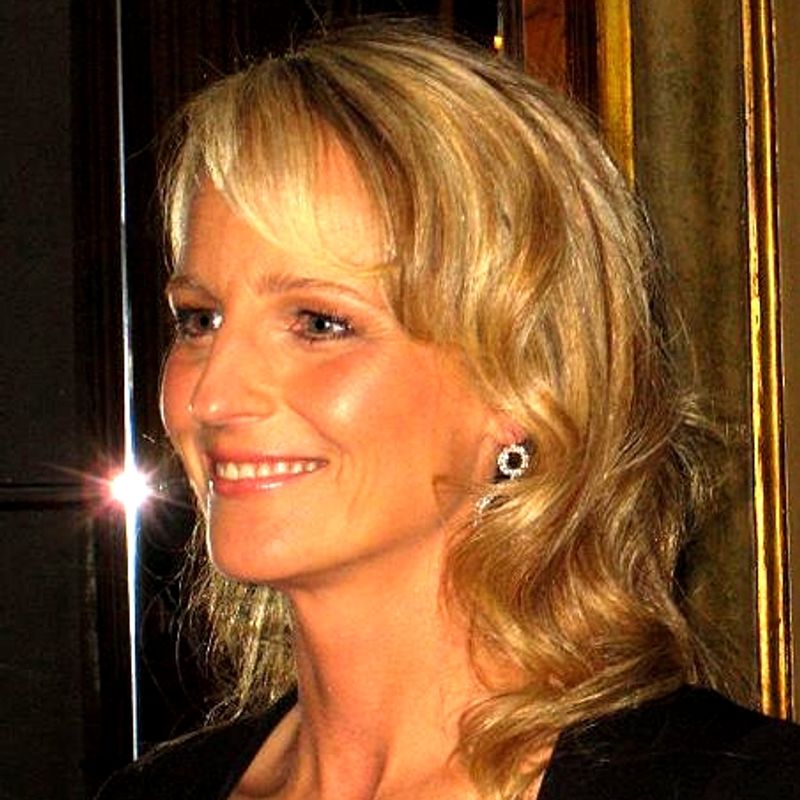
Helen Hunt was beloved by millions as the star of the hit TV show Mad About You. So when she won Best Actress for As Good as It Gets, some felt Hollywood was starstruck by her small-screen fame.
Her performance alongside Jack Nicholson was warm and genuine, no question. Though critics felt her role leaned more sitcom-comfortable than Oscar-worthy, especially compared to Kate Winslet’s stunning work in Titanic that same year.
Television and film have always had a complicated relationship at the Oscars.
10. Jessica Chastain’s Prosthetics Problem (2021)
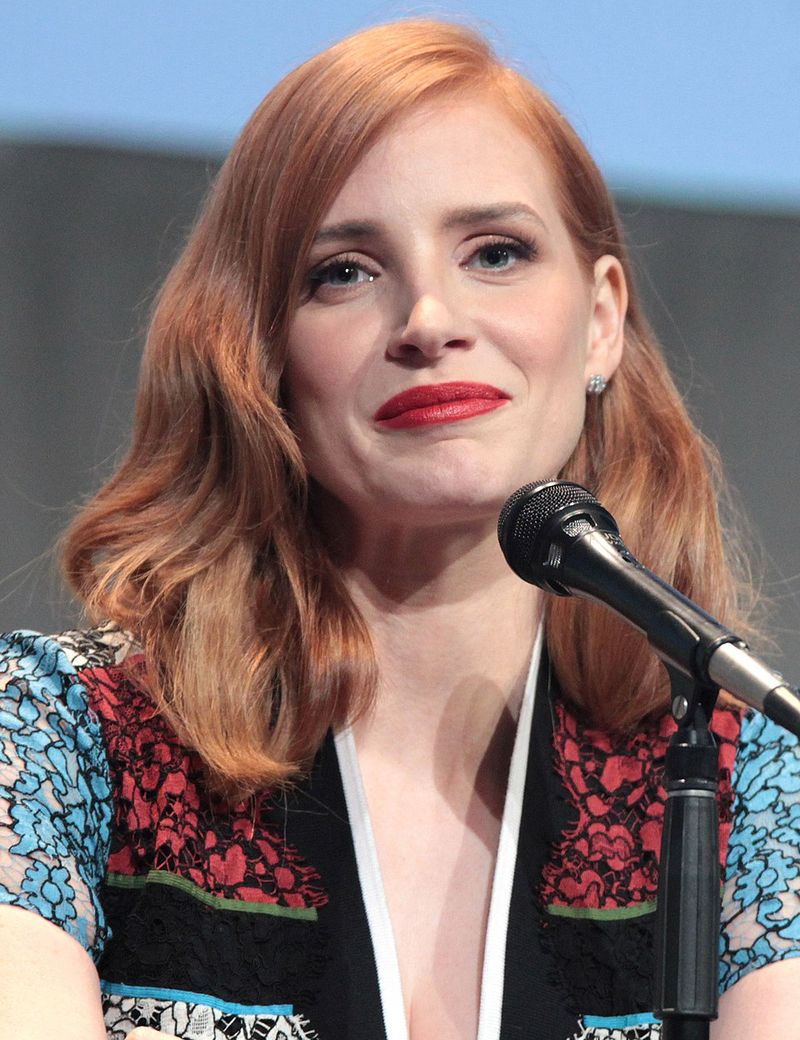
Transforming physically for a role is genuinely hard work, and Jessica Chastain’s portrayal of Tammy Faye Bakker required mountains of prosthetics and makeup. The dedication was obvious and impressive.
Where audiences split was over whether the transformation itself was doing more acting than the actress underneath it. Critics who favored Kristen Stewart’s raw, emotional work in Spencer felt the Academy rewarded spectacle over subtlety.
Sometimes the makeup chair gets more credit than it should, and fans noticed.
11. Laura Dern Wins for Marriage Story (2019)
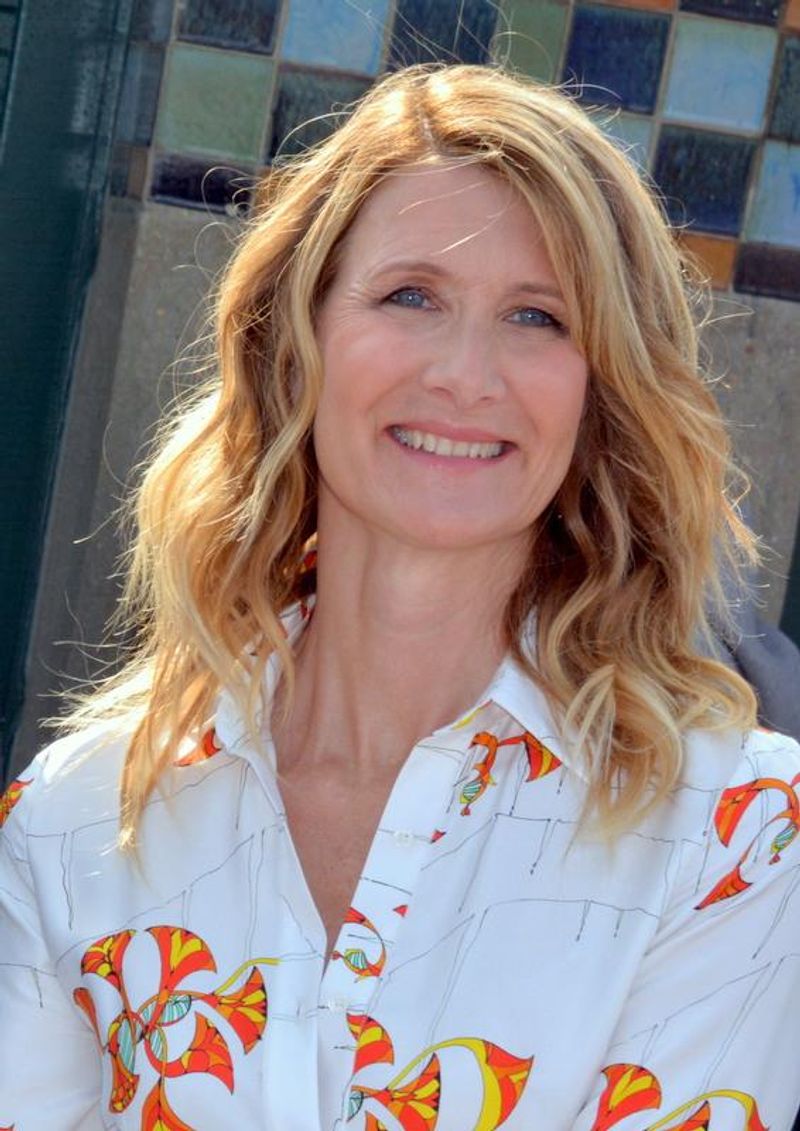
Laura Dern is a genuinely talented actress with decades of unforgettable work. Her role as a sharp divorce lawyer in Marriage Story was fun, confident, and scene-stealing in all the right ways.
Critics who pushed back felt the character was more of a flashy cameo than a fully developed performance. Comparisons to her Big Little Lies persona made it feel familiar rather than fresh.
Scarlett Johansson and Florence Pugh both had emotionally richer supporting turns that year, according to many fans.