9 Overlooked Rock Albums From The Landmark Year 1969
Rock music exploded in 1969 with legendary albums that changed everything.
While everyone knows about Abbey Road and Led Zeppelin II, dozens of incredible records slipped through the cracks that year.
These hidden treasures showcase the wild creativity and boundary-pushing spirit that made 1969 such a magical time for music.
Disclaimer: The selections and descriptions are editorial in nature and are not intended to represent a definitive or exhaustive assessment of music history.
1. Blind Faith – Blind Faith
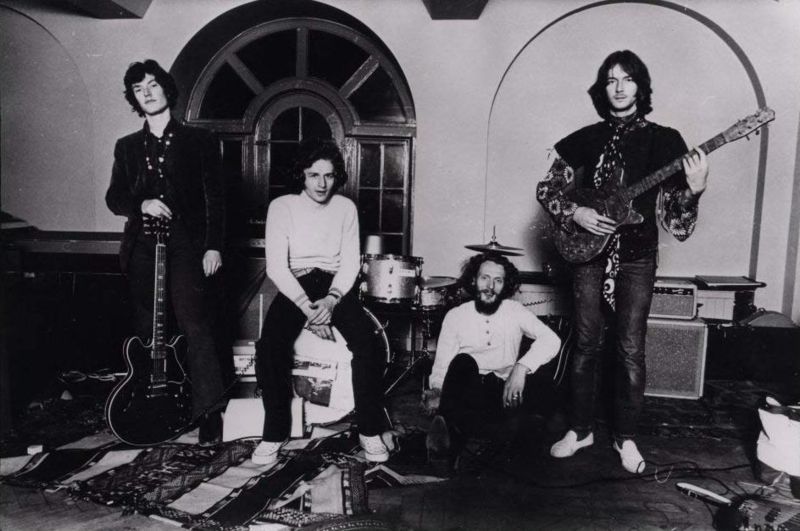
Eric Clapton and Steve Winwood teamed up to create a supergroup that burned bright but brief.
Their self-titled album mixed blues, rock, and soul into something completely fresh.
Songs like “Can’t Find My Way Home” showcase delicate acoustic beauty while “Presence of the Lord” brings gospel-tinged power.
Though the band only lasted one album, their influence echoed through decades of rock collaborations.
Maybe short-lived projects sometimes produce the most honest and urgent music.
2. Nick Drake – Five Leaves Left

A quiet English singer-songwriter crafted melancholy folk masterpieces in his bedroom and studio.
Drake’s debut album features lush string arrangements wrapped around his fingerpicked guitar and whispered vocals.
Tracks like “River Man” and “Way to Blue” feel like autumn evenings and rainy mornings captured in sound.
Sadly, almost nobody bought the album when it first came out.
Decades later, his gentle genius finally found the audience it always deserved.
3. Genesis – From Genesis To Revelation
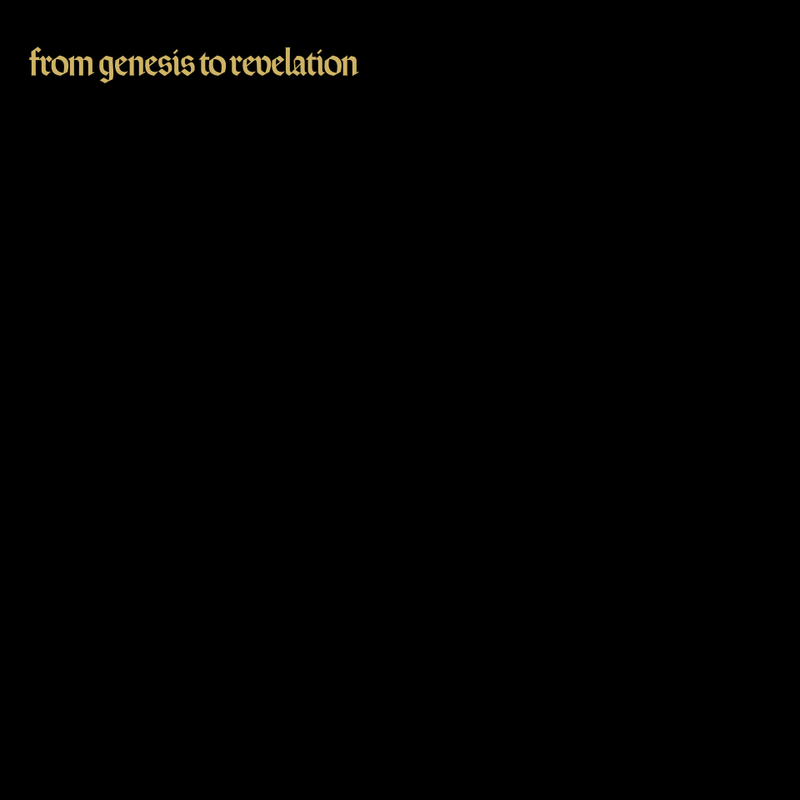
Before they became prog-rock giants, Genesis started as starry-eyed teenagers writing pop songs with orchestral flourishes.
Their debut album sounds nothing like the later Peter Gabriel theatrical epics or Phil Collins hits.
Instead, you’ll hear innocent melodies and strings that recall the Beatles’ more whimsical moments.
The album flopped commercially, but it planted seeds for one of rock’s most ambitious careers.
Sometimes humble beginnings make the later triumphs even sweeter.
4. The Kinks – Arthur (Or The Decline And Fall Of The British Empire)
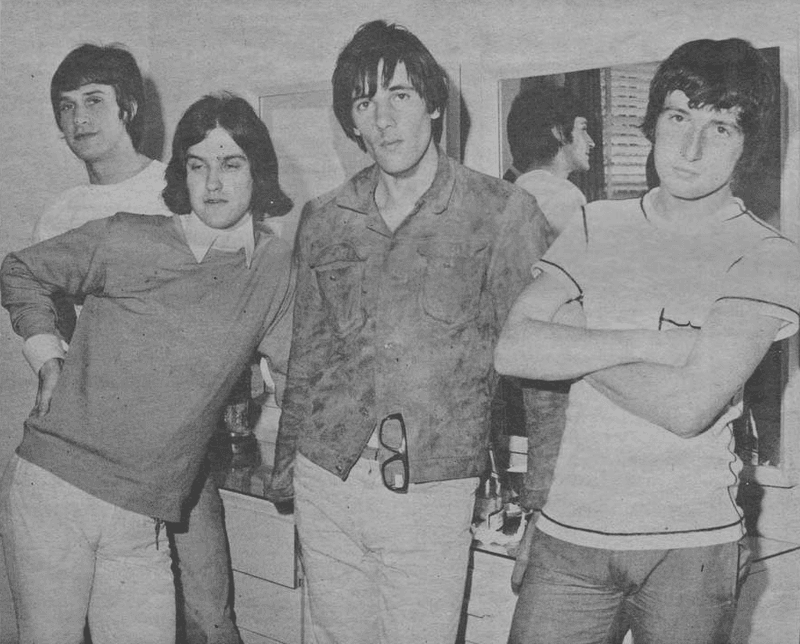
Ray Davies wrote a rock opera about working-class British life that nobody asked for but everyone needed.
Arthur tells the story of ordinary people struggling with change, nostalgia, and lost dreams.
Songs like “Victoria” and “Shangri-La” blend catchy hooks with biting social commentary.
While The Who’s Tommy grabbed all the headlines that year, Arthur offered something more personal and real.
Ultimately, the best stories come from observing everyday heartbreak and hope.
5. Bee Gees – Odessa
Long before disco fever, the Bee Gees created sweeping baroque pop that sounds like a symphony orchestra crashed into a rock band.
Odessa is a double album packed with orchestral drama, layered harmonies, and ambitious storytelling.
The title track alone stretches over seven minutes of cinematic grandeur.
Critics loved it, but radio stations didn’t know what to do with such complex material.
Honestly, this album proves the brothers Gibb were musical geniuses long before Saturday Night Fever.
6. Yes – Yes
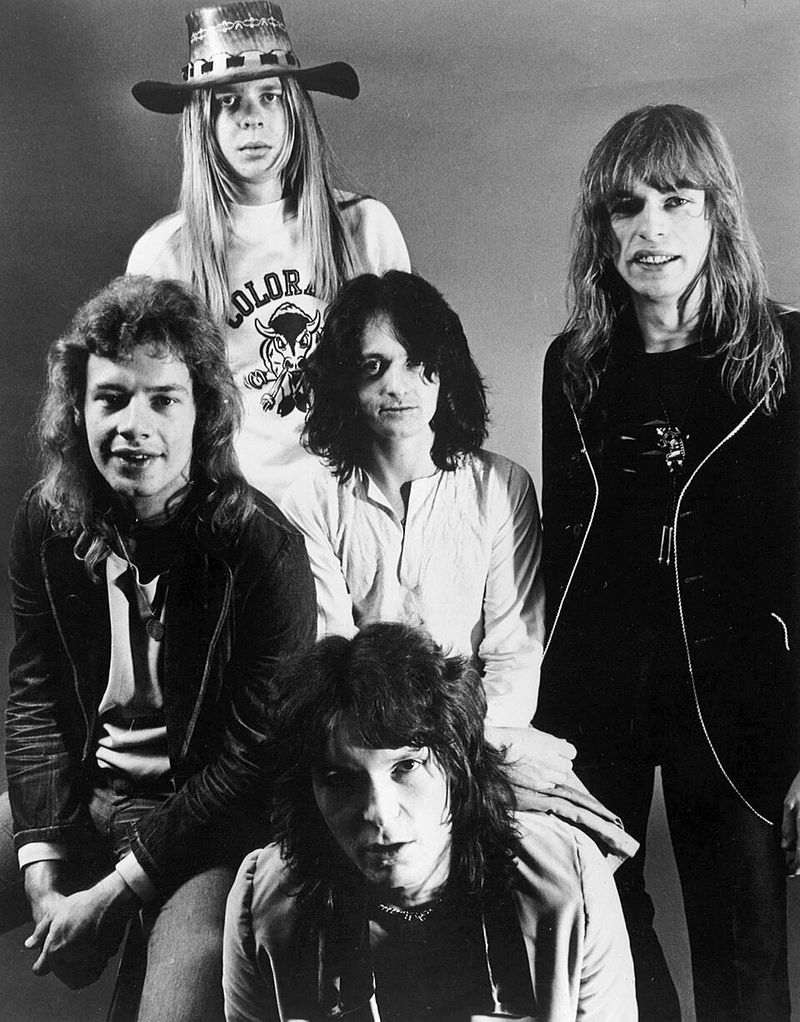
Five British musicians decided that rock songs could stretch, twist, and explore like jazz improvisations.
Their debut album features Jon Anderson’s angelic vocals floating over complex instrumental passages.
Covers of Beatles and Byrds songs get transformed into something completely unexpected and adventurous.
While later Yes albums became more famous, this first record captures their raw excitement and exploratory spirit.
Perhaps every legendary journey begins with curious musicians just trying weird ideas in the studio.
7. Fairport Convention – Unhalfbricking
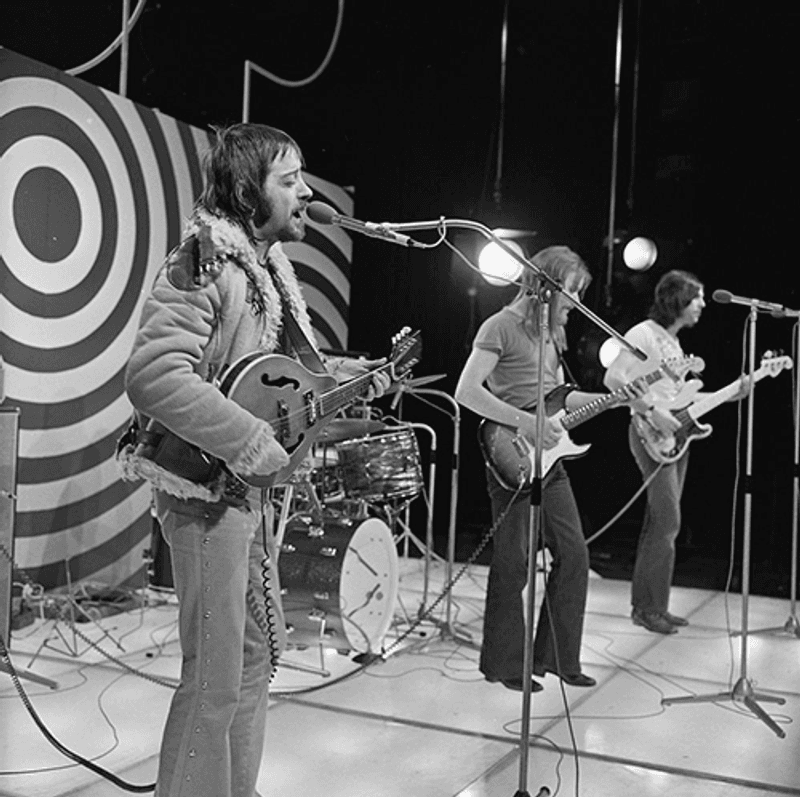
Traditional British folk music got plugged into electric guitars and suddenly sounded urgent and modern.
Unhalfbricking features Sandy Denny’s stunning voice alongside electrified versions of ancient ballads.
The album also includes a Bob Dylan cover that somehow sounds more British than American.
This record basically invented the entire genre of British folk-rock overnight.
Surprisingly, blending centuries-old songs with rock instruments created something that felt completely fresh and timeless simultaneously.
8. The Pretty Things – S.F. Sorrow

A full year before Tommy, The Pretty Things created rock’s first true concept album about a character’s life from birth to death.
S.F. Sorrow tells a dark, psychedelic story with crunchy guitars and swirling keyboards.
Each song flows into the next, building a complete narrative arc rarely attempted in rock music.
Despite its groundbreaking ambition, the album barely sold and the band remained cult favorites.
Really, being first doesn’t always mean being remembered most.
9. Kevin Ayers – Joy Of A Toy
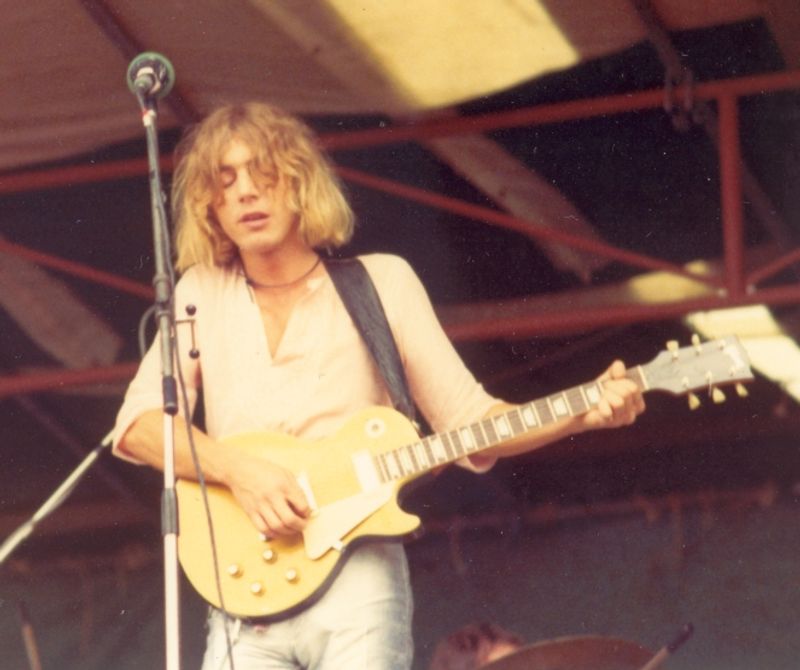
After leaving the experimental band Soft Machine, Ayers made a solo album that sounds like a whimsical daydream.
Joy of a Toy mixes jazzy basslines, quirky lyrics, and laid-back melodies that feel like lazy summer afternoons.
His voice carries a charming British accent and a sense of humor that makes even sad songs feel somehow optimistic.
The album influenced countless indie and alternative artists who valued personality over perfection.
Naturally, the best music often comes from artists brave enough to sound delightfully strange.