10 Overlooked Thriller Movies That Deserve A Rediscovery
Modern movie chatter often skips over older thrillers, even though many deliver sharper suspense and smarter twists, plus performances that still hit hard today.
Rediscovering these overlooked gems brings noir mysteries and edge-of-your-seat tension back into the spotlight, proving great thrills never go out of style.
Note: This list is an editorial selection based on widely documented film summaries and historical reception; availability, restorations, and rights status can change, so viewers should confirm the current release source and presentation details before watching.
1. Detour (1945)
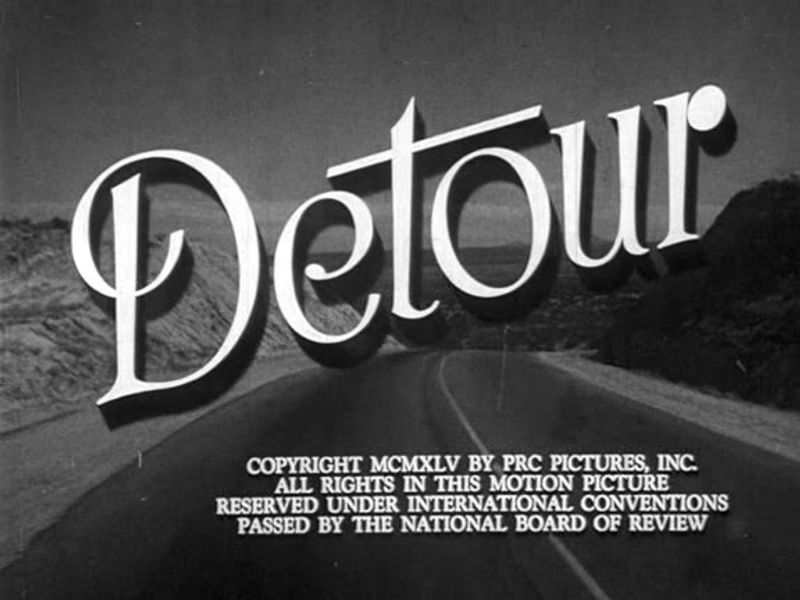
Fate takes a dark turn when a hitchhiker finds himself tangled in a web of bad luck and worse choices.
Shot on a shoestring budget, this noir masterpiece proves that atmosphere and tension don’t require big studio money.
Tom Neal plays a piano player whose cross-country journey spirals into nightmare territory after a chance encounter.
The film runs just over an hour, making it perfect for a weeknight watch when you crave suspense without a huge time commitment.
Despite its low-budget origins, the psychological intensity and moral ambiguity feel strikingly modern.
2. D.O.A. (1950)
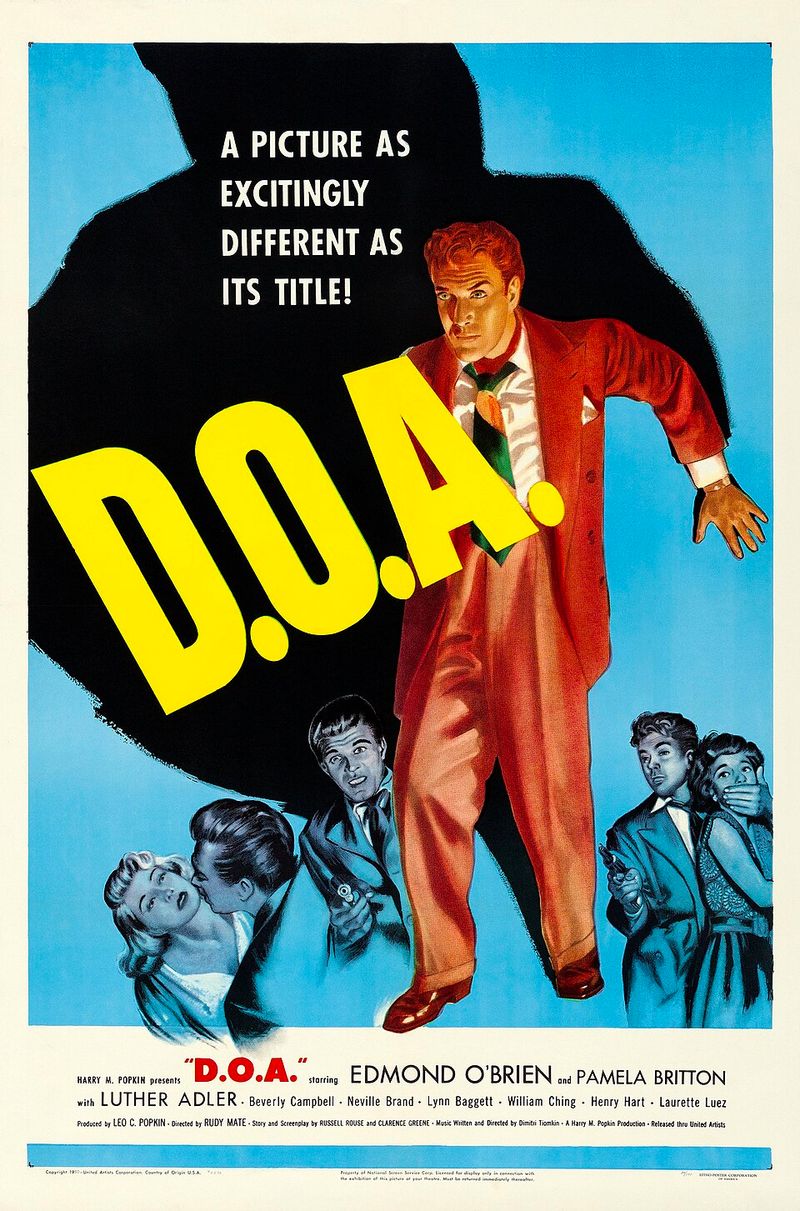
Starting a story at the front desk of a police station to report your own murder is one of the most brilliant hooks in cinema history.
Edmond O’Brien plays a man who has been fatally poisoned and possesses only a few days to track down his own killer.
Because the clock is constantly ticking, the film maintains a level of urgency that makes every single lead feel life-or-death.
Existential dread and gritty detective tropes collide here, creating a blueprint that inspired noir filmmakers for decades.
Racing against inevitable mortality is a timeless premise, made even better by the dark twists hidden in the script.
3. Suddenly (1954)
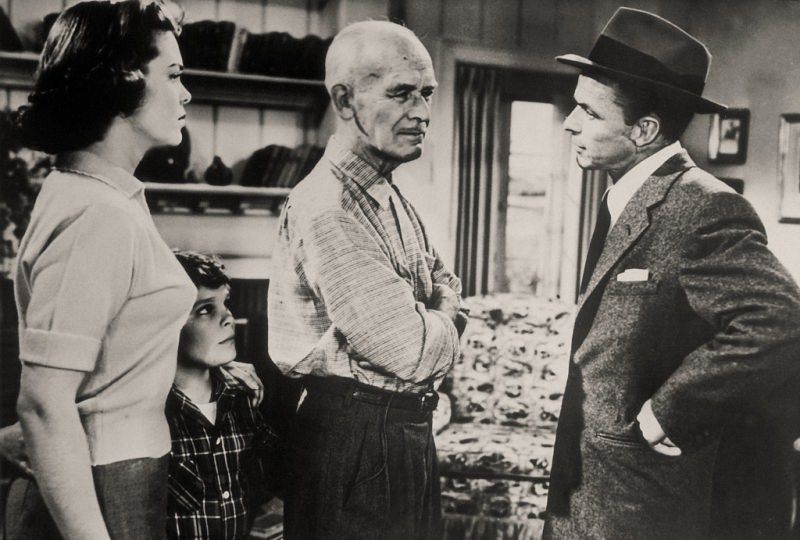
Frank Sinatra trades his smooth crooner image for a chilling role as a cold-blooded assassin plotting to kill the President.
Most of the film is confined to a single house overlooking the train stop, turning the setting into a pressure-cooker.
Sinatra’s performance showcases a menacing side rarely seen in his career, proving his dramatic range extended far beyond romantic roles.
Tension builds methodically as the clock ticks toward the assassination attempt, keeping viewers glued to every moment.
Small-town America becomes a pressure cooker of suspense in this tight, effective thriller.
4. The Stranger (1946)
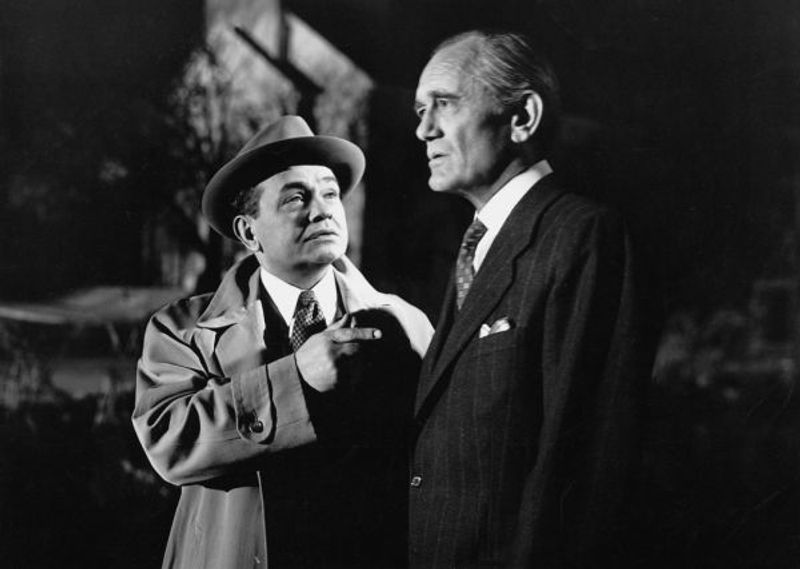
Directed by and starring Orson Welles, this gripping tale features a Nazi fugitive hiding in a Connecticut town, pursued by a war-crimes investigator.
Determined investigator Edward G.
Robinson tracks the fugitive, while Welles portrays the charming schoolteacher concealing a monstrous past.
Precision reminiscent of Hitchcock drives the cat-and-mouse game toward a climactic confrontation atop a massive clock tower.
Genuine suspense and moral weight ground this thriller, even though it is often overshadowed by other masterworks in the Welles catalog.
Exploring how evil can wear a respectable mask ensures the central theme remains disturbingly relevant today.
5. Charade (1963)
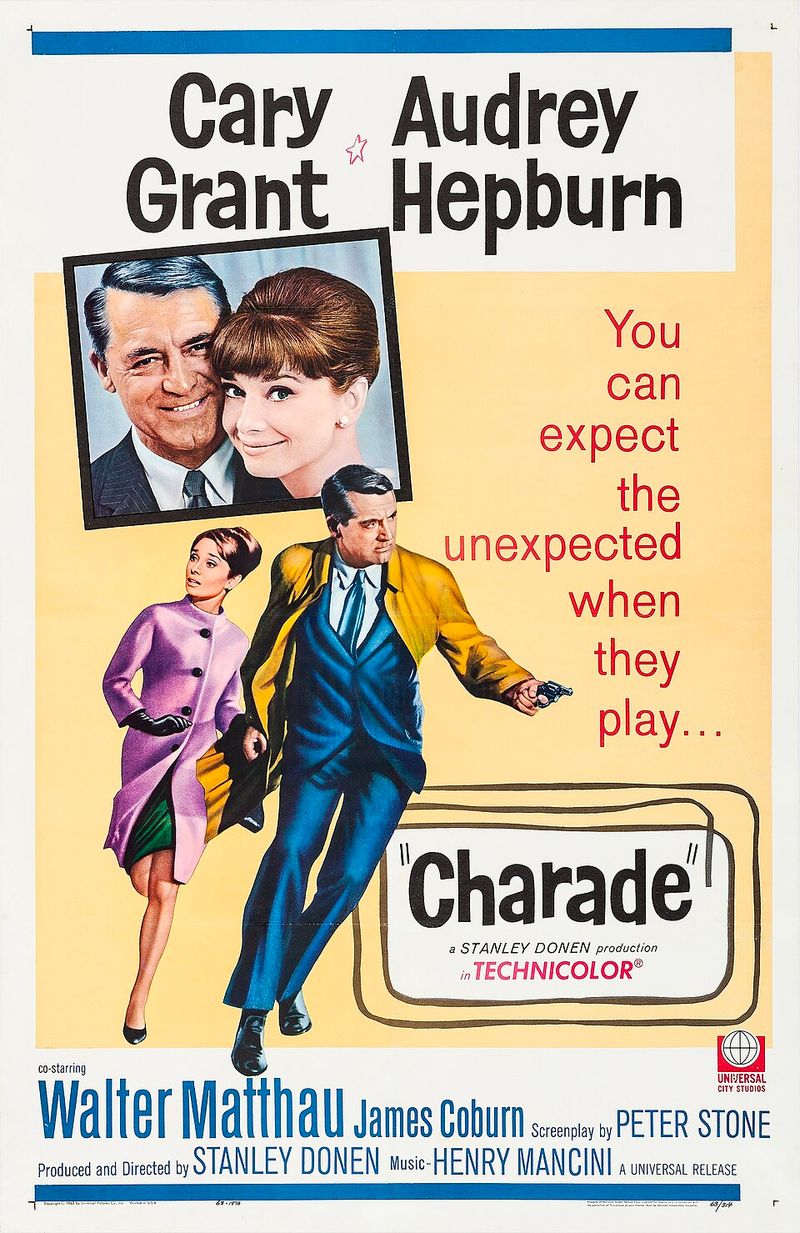
Audrey Hepburn and Cary Grant spark chemistry in this stylish blend of romance, comedy, and edge-of-your-seat mystery set in Paris.
After her husband’s murder, Hepburn’s character finds herself pursued by dangerous men searching for stolen money while unsure whom to trust.
Grant plays a charming stranger who may be helper or villain – the uncertainty keeps viewers guessing throughout.
Often called the best Hitchcock film Hitchcock never made, it balances glamour with genuine thrills.
The witty dialogue and gorgeous locations make this perfect for date night with a twist of danger.
6. Too Late For Tears (1949)

Accidentally stumbling upon a suitcase filled with cash transforms an ordinary housewife into a ruthless schemer driven by pure greed.
Lizabeth Scott delivers a fierce performance as a woman willing to lie and protect the fortune she believes will fix her life.
While typical noir often depicts men leading women into trouble, this story features a femme fatale who serves as the primary engine for the moral descent.
Cynical views of the American Dream gone toxic give the film a surprisingly contemporary edge.
Spiraling deeper into a life of crime makes for an uncomfortable yet compelling experience that holds the viewer’s attention until the end.
7. The Most Dangerous Game (1932)
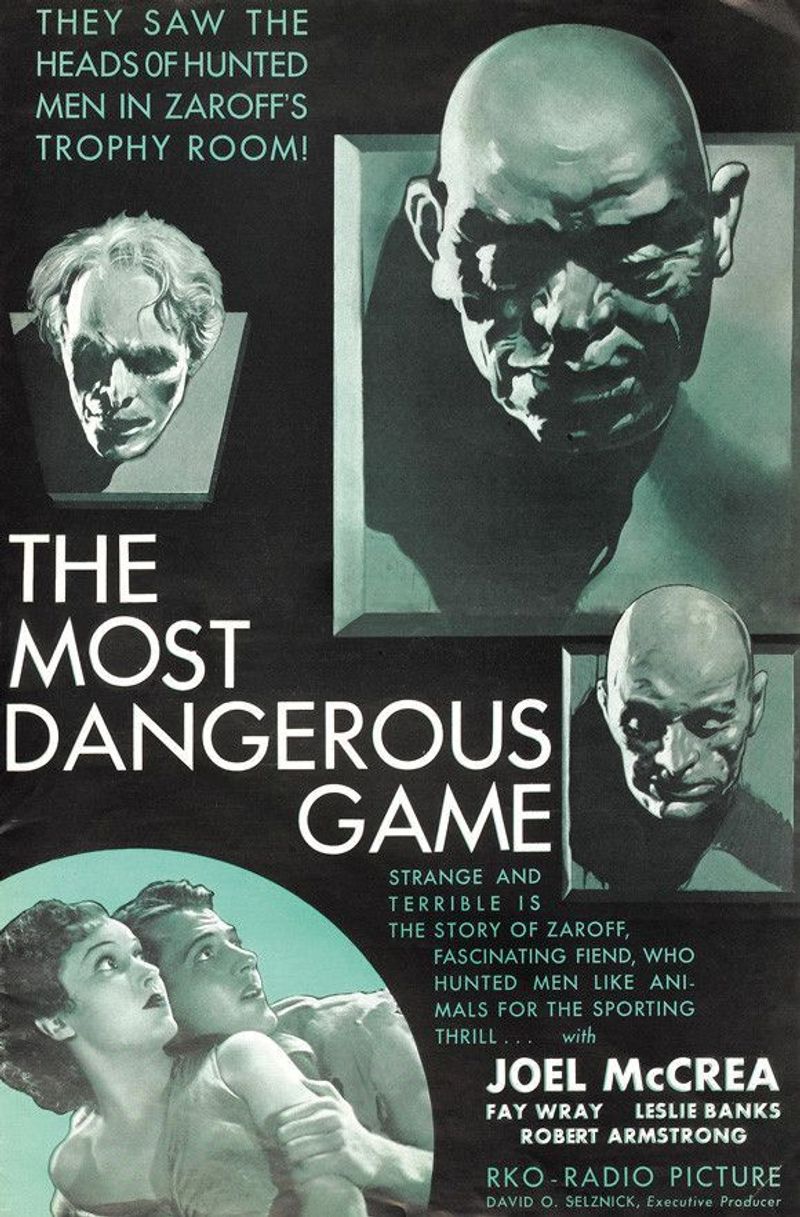
Shipwreck survivors discover their host’s island paradise hides a horrifying secret – he hunts humans for sport.
This early thriller introduced the concept that countless stories have borrowed since, but the original still packs a punch.
Shot on jungle sets later used for King Kong (1933), it wrings tension out of a lean, fast survival premise.
Running just over an hour, the film wastes no time getting to the terrifying hunt through shadowy forests.
Despite being over ninety years old, the core concept remains genuinely unsettling and influential.
8. He Walked By Night (1948)
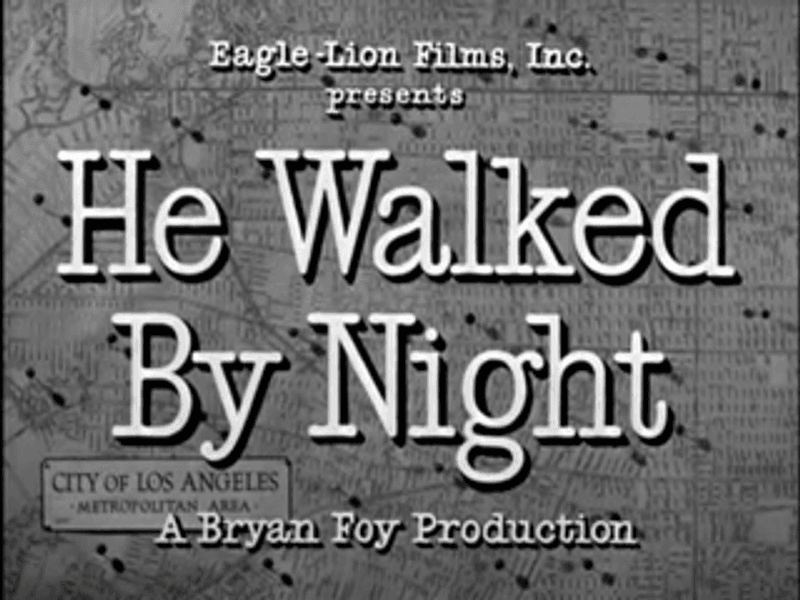
Based on true events, this docudrama-style thriller follows police using early forensic science to track a brilliant, elusive killer of a police officer.
Richard Basehart plays the cold, methodical criminal who uses the Los Angeles sewer system to evade capture.
The film’s semi-documentary tone helped inspire Jack Webb’s Dragnet, developed after he met the film’s police technical adviser during production.
Cinematographer John Alton’s shadowy visuals create an atmosphere of urban menace that still looks stunning today.
The final chase through the storm drains remains one of noir’s most memorable sequences.
9. Hollow Triumph (1948)
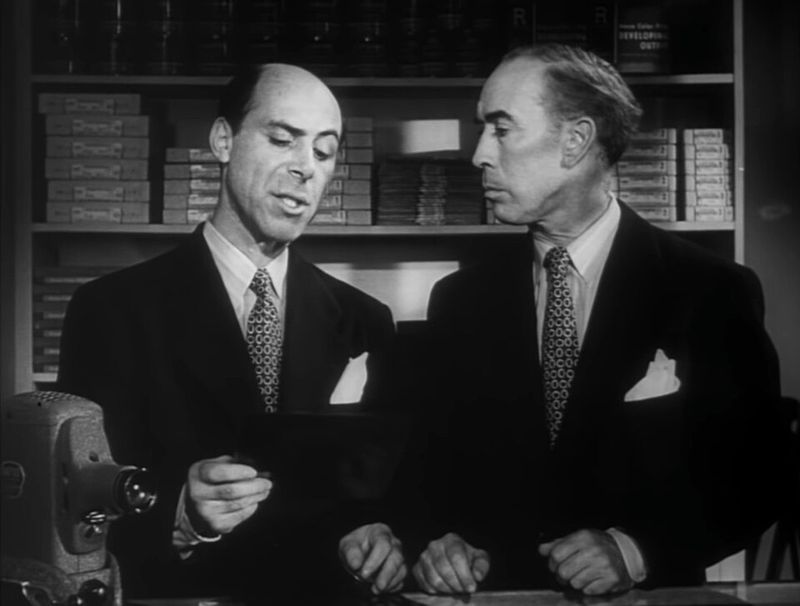
Assuming the identity of a psychiatrist who happens to be his exact double seems like the perfect escape for a desperate criminal, yet the plan spiraling out of control is inevitable.
Identity, fate, and the impossibility of outrunning a checkered past define this psychological noir featuring Paul Henreid in both lead roles.
Small, overlooked details begin unraveling the deception in unexpected ways just as the impersonation appears flawless.
Genuine psychological depth elevates this exploration of mistaken identity, despite it being less famous than other films of the era.
Running from one’s problems frequently leads to an even darker destination than the one left behind.
10. Kansas City Confidential (1952)
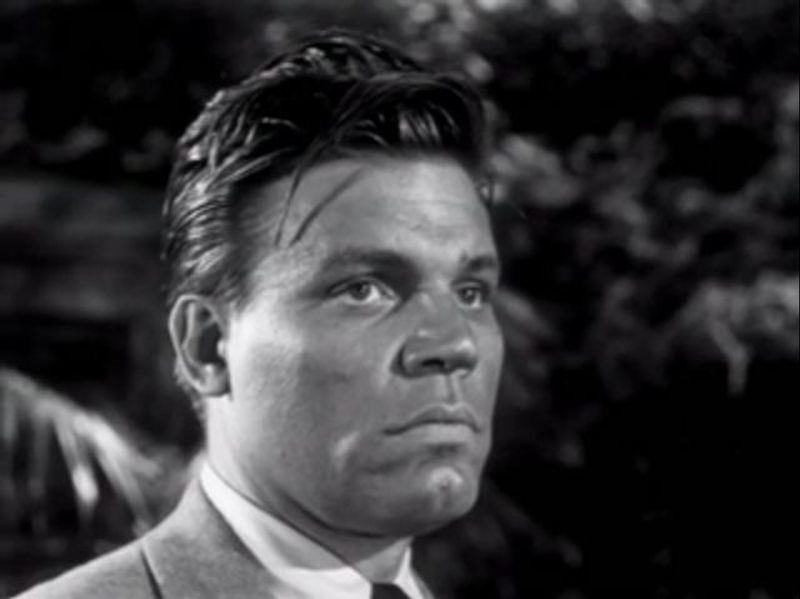
An ex-con sets out to find the real masked robbers and clear his name after being wrongly accused of masterminding an armored-car robbery.
Because the criminals wore masks during the crime to remain anonymous even to each other, the hero is able to cleverly infiltrate the gang.
Years before becoming a spaghetti western icon, Lee Van Cleef appears in an early role that highlights the film’s sharp casting.
Countless heist movies followed the lead of this gritty atmosphere and revenge-driven plot.
Satisfaction comes from seeing justice and vengeance blur together as the truth finally emerges.