16 Overlooked Westerns That Earned A Place Among The Greats
Westerns have never been short on dust and giant reputations. A few titles get talked about so often they practically own the whole horizon, while quieter films sit just off to the side.
An overlooked western can hit with the same sweep and hard-earned drama as any famous giant, but without dragging a parade of hype behind it.
One sharp performance, a morally messy showdown, and a landscape big enough to humble everybody in it, and suddenly a movie most people skipped starts looking a lot closer to greatness.
There is something especially satisfying about that kind of discovery.
Disclaimer: This article is intended for general informational and entertainment purposes only. Selections and evaluations of overlooked westerns reflect editorial opinion, and individual viewers may disagree on which films deserve greater recognition.
1. The Ox-Bow Incident (1943)
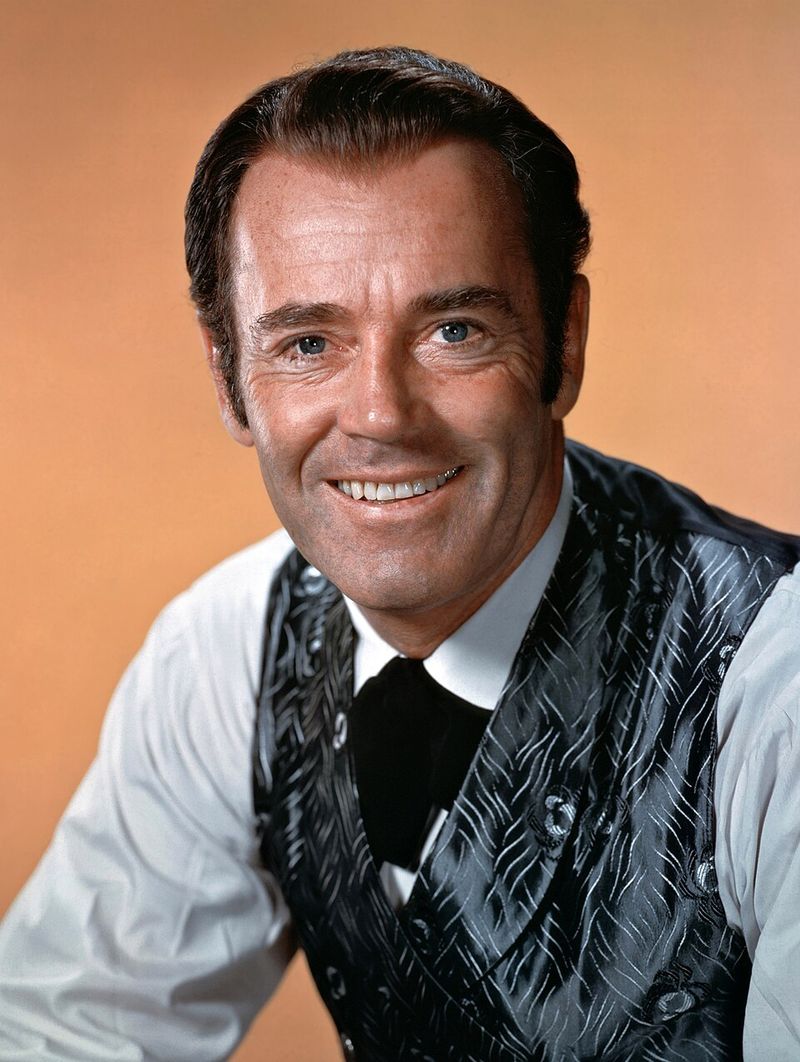
Few films hit as hard as this one. Released in 1943, this black-and-white masterpiece starring Henry Fonda tackles mob justice with a gut punch that still lands today.
A group of cowboys forms a vigilante posse, convinced they have found those responsible for a local rancher’s passing. What follows is a moral free-fall that feels ripped from tomorrow’s headlines.
Henry Fonda is quietly devastating, watching events spiral out of control. Director William Wellman never lets the audience off the hook.
If you have ever wondered how good people do terrible things, this 75-minute film answers that question with brutal honesty.
2. Yellow Sky (1948)
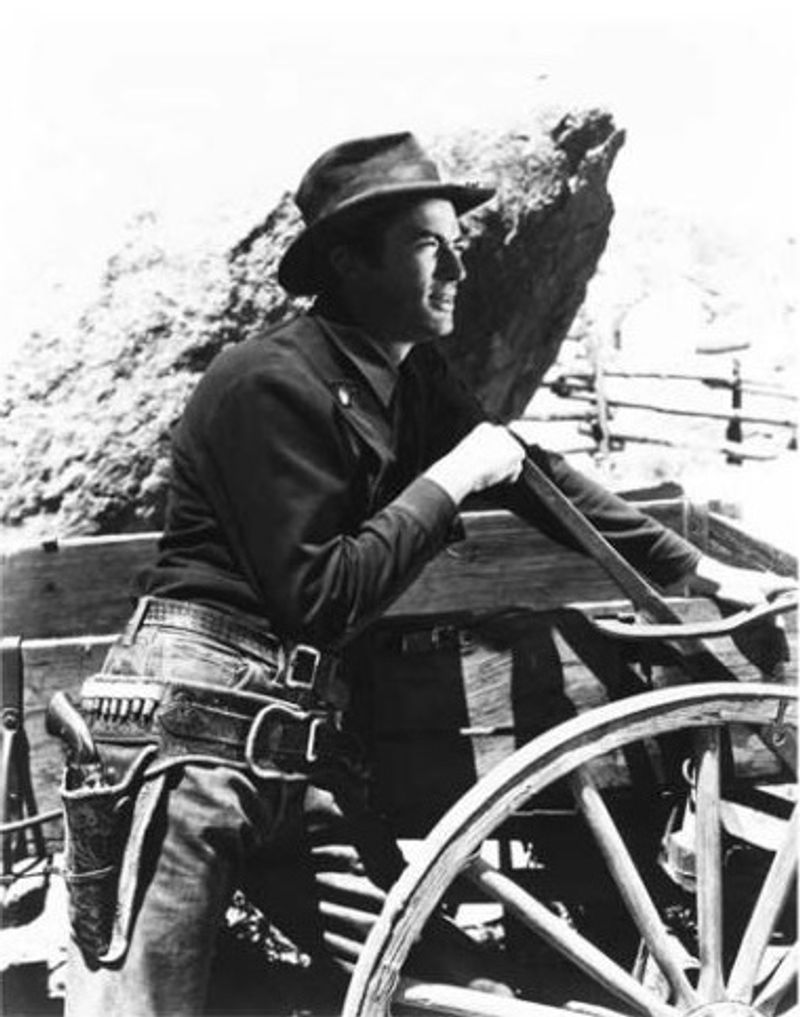
Imagine a Shakespearean showdown baked under a blazing desert sun, and you are halfway to understanding Yellow Sky.
Gregory Peck leads a band of bank robbers who stumble into a ghost town occupied by only an old man and his tough-as-nails granddaughter. The salt flats surrounding them become a pressure cooker of greed, loyalty, and survival.
Director William Wellman, who also helmed The Ox-Bow Incident, proves he had a serious gift for morally charged Westerns.
Where most films of this era played it safe, Yellow Sky pushed every boundary it could find.
3. Pursued (1947)
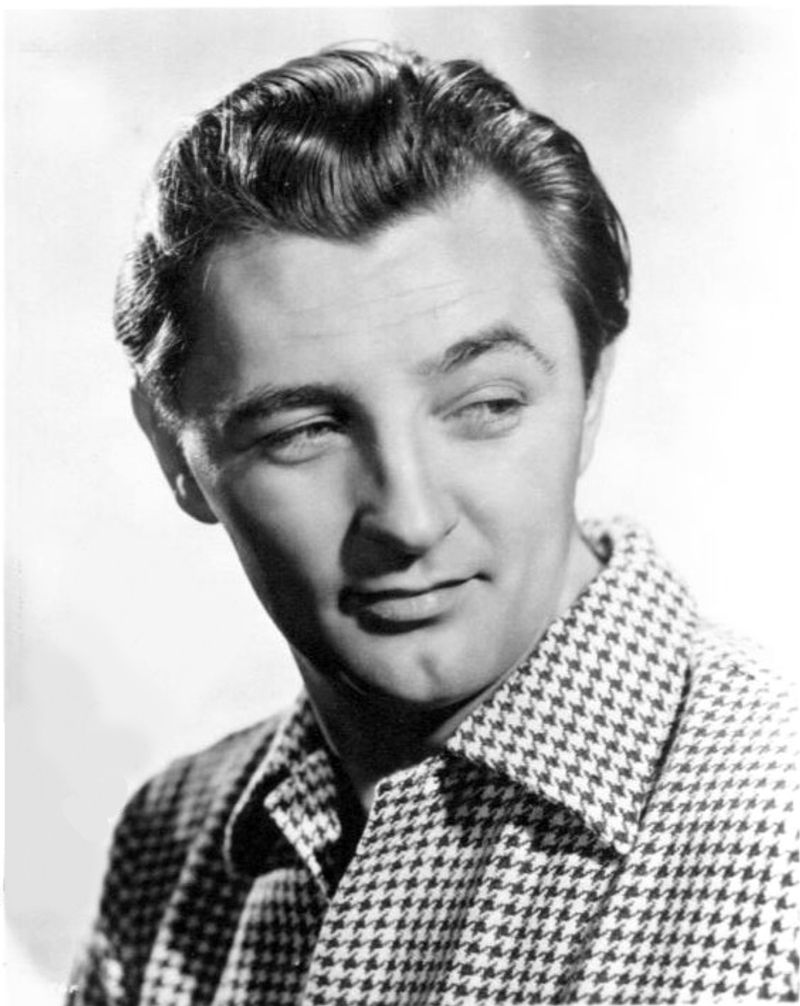
What happens when a Western gets tangled up in Freudian psychology and film noir? You get Pursued, one of the strangest and most fascinating films ever to wear spurs.
Robert Mitchum plays a man haunted by fragmented childhood memories that seem connected to a family vendetta. Director Raoul Walsh wraps the whole thing in gorgeous shadows.
Mitchum is perfectly cast as a man who cannot outrun his own past, which is saying something for a guy who spent most movies outrunning everyone else.
4. Man of the West (1958)
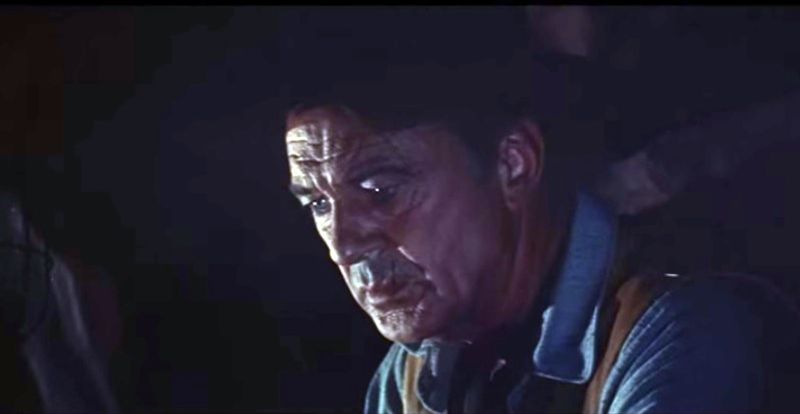
Gary Cooper was already a Western legend by 1958, but Man of the West gave him something most of his earlier roles never did: genuine darkness.
Cooper plays Link Jones, a reformed outlaw forced to reconnect with the brutal gang he thought he had left behind forever. Director Anthony Mann turns the familiar redemption story inside out.
This film was considered too violent and morally uncomfortable for its time, which is exactly why it feels so modern now.
Think of it as the Western equivalent of a superhero returning to their villain origins, except far grittier and with better cinematography.
5. Ride Lonesome (1959)
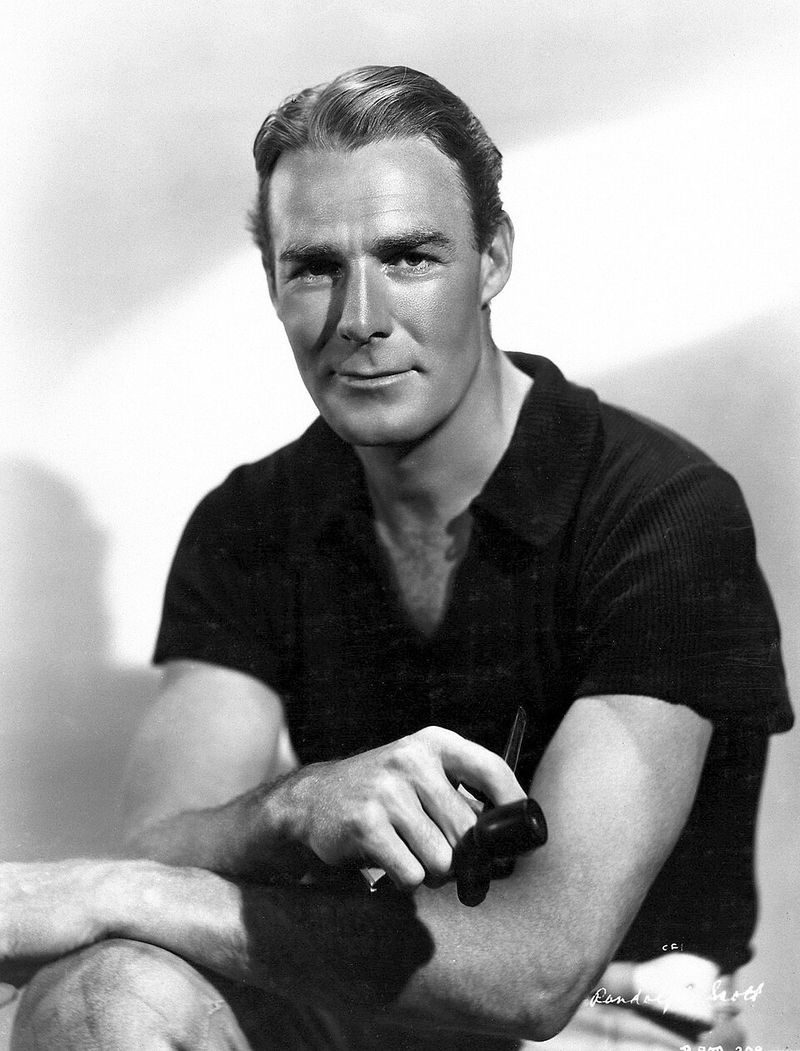
Budd Boetticher and Randolph Scott made seven Westerns together, and every single one is worth watching. Ride Lonesome might be the crown jewel of the bunch.
Scott plays a bounty hunter whose mission to bring in the villain is actually a carefully constructed trap built around a painful personal tragedy.
The whole film runs just 73 minutes but packs in more emotional weight than films three times its length.
Boetticher had a genius for using wide open landscapes to reflect inner conflict. The scenery feels alive, almost threatening.
6. The Tall T (1957)
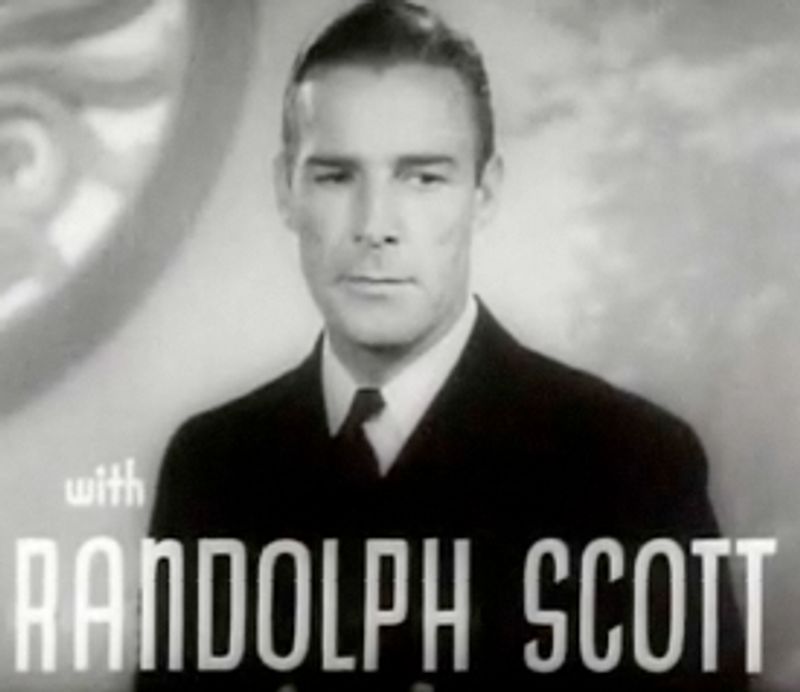
Another Boetticher and Scott collaboration, and another lean, mean masterpiece. The Tall T opens with a surprisingly relaxed, almost playful tone before suddenly snapping into something much more dangerous.
A stagecoach is hijacked, and Randolph Scott’s Pat Brennan finds himself in a standoff with a trio of outlaws led by the quietly menacing Richard Boone.
Boone steals every scene he is in, creating a villain who is genuinely intelligent and almost sympathetic, which makes him twice as terrifying.
Based on an Elmore Leonard story, the sharp dialogue crackles with wit and tension.
7. Seven Men from Now (1956)
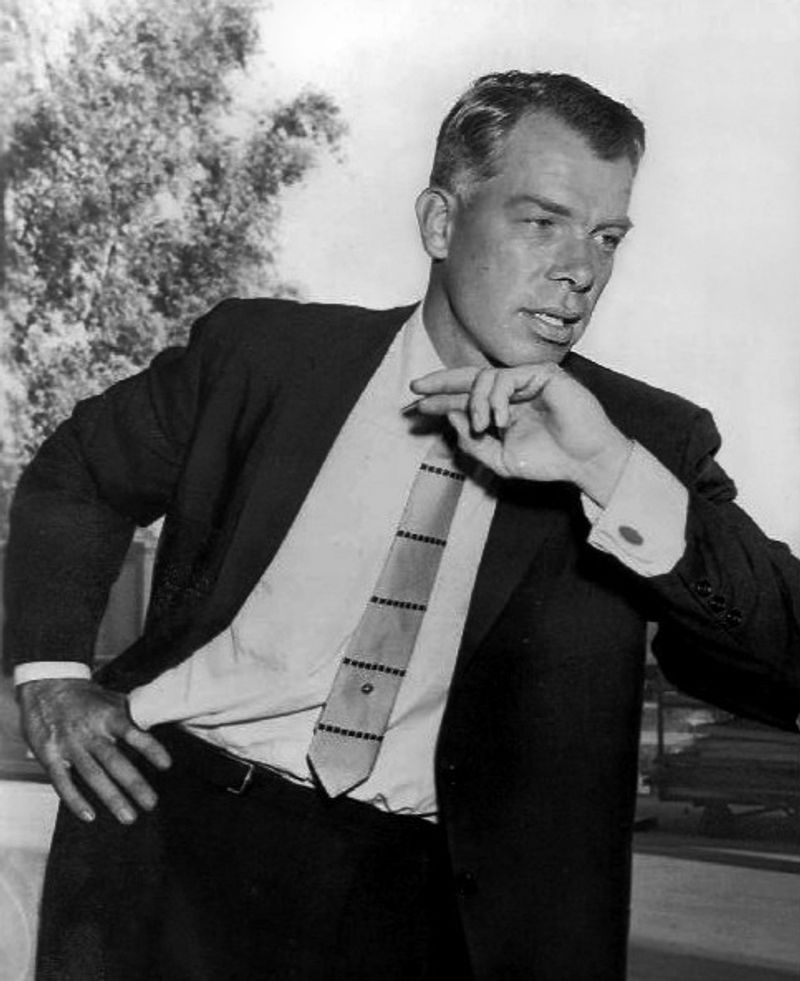
Here is a trivia nugget worth sharing: Seven Men from Now was the film that launched the legendary Boetticher-Scott partnership and was written by a young Burt Kennedy.
Randolph Scott plays a former sheriff hunting the seven men responsible for his wife’s murder, and the quiet fury he brings to the role is something to behold.
Lee Marvin shows up as a charming, dangerous antagonist who nearly walks away with the whole film. The story is simple on the surface but emotionally layered underneath.
However, what really sets it apart is the way it handles grief without ever becoming sentimental. Tough, elegant, and deeply satisfying from start to finish.
8. The Gunfighter (1950)
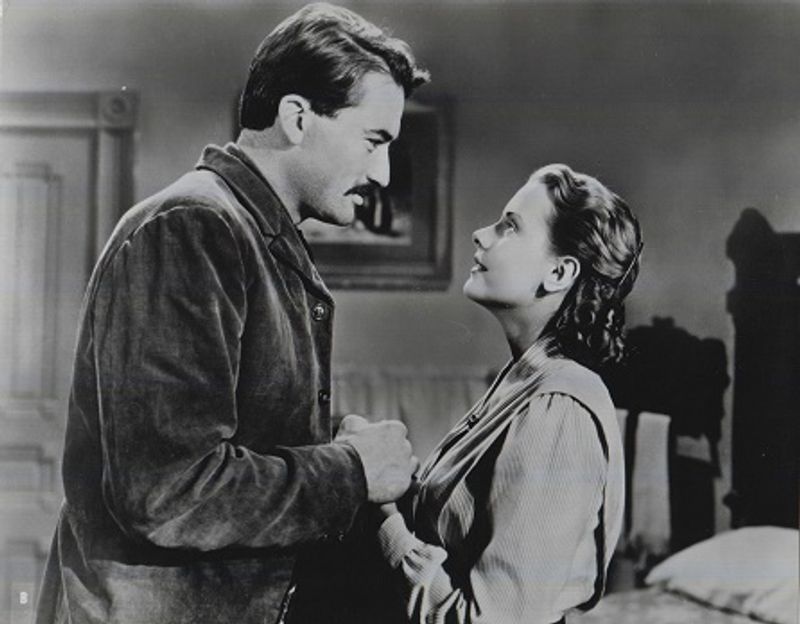
Fame is a trap, and no Western captures that idea better than The Gunfighter.
Gregory Peck plays Jimmy Ringo, the fastest gun alive, who cannot walk into a single town without some young hothead trying to make his reputation by taking him down.
The whole film is built around one exhausted man trying to reconnect with his past before his luck finally runs out.
Shot mostly inside a single saloon, the film feels almost like a stage play in the best possible way. Peck is heartbreaking in the role.
The mustache he grew for it reportedly caused a studio panic, which is a fun piece of Hollywood history.
9. Will Penny (1967)
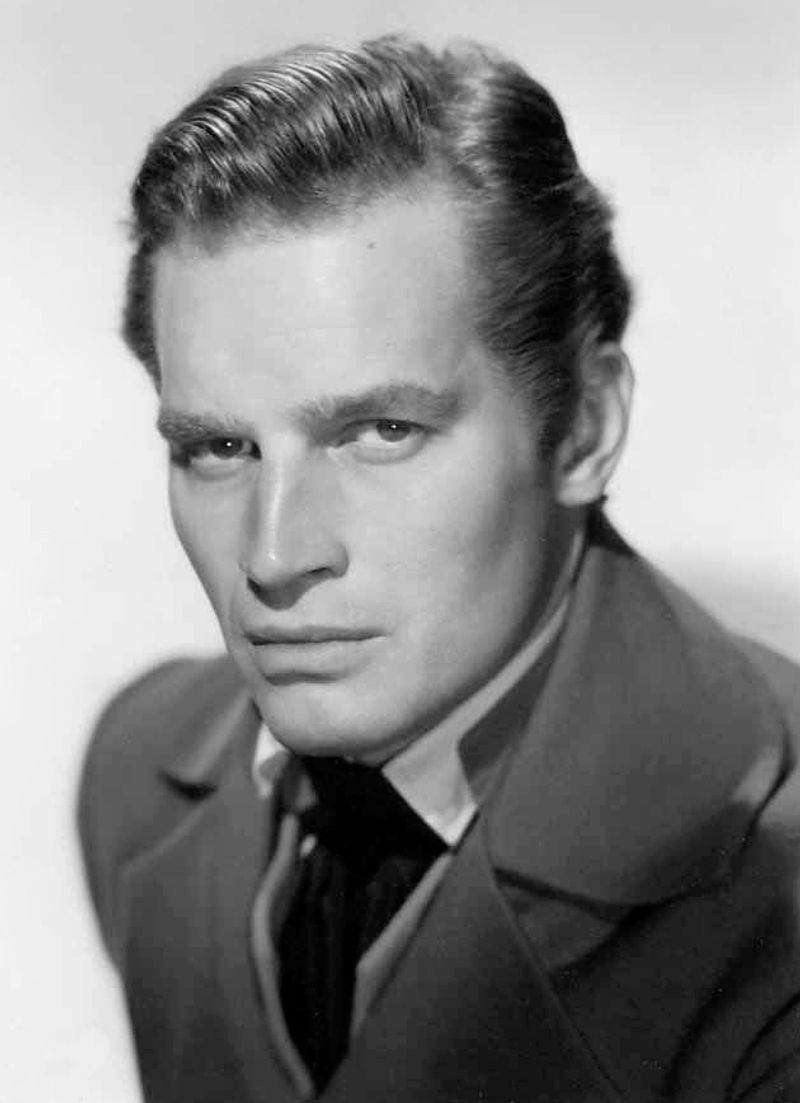
Charlton Heston called Will Penny the best film he ever made, which is a bold statement from a man who parted the Red Sea on screen.
Heston plays an illiterate aging cowhand who stumbles into a winter cabin already occupied by a young widow and her son. What starts as a survival story quietly becomes something far more tender.
Director Tom Gries keeps everything grounded and honest, refusing to let the film become a standard shoot-em-up.
The villain, played by Donald Pleasence, is genuinely unsettling. Though it arrived during a decade packed with iconic Westerns, Will Penny got lost in the shuffle.
10. The Professionals (1966)
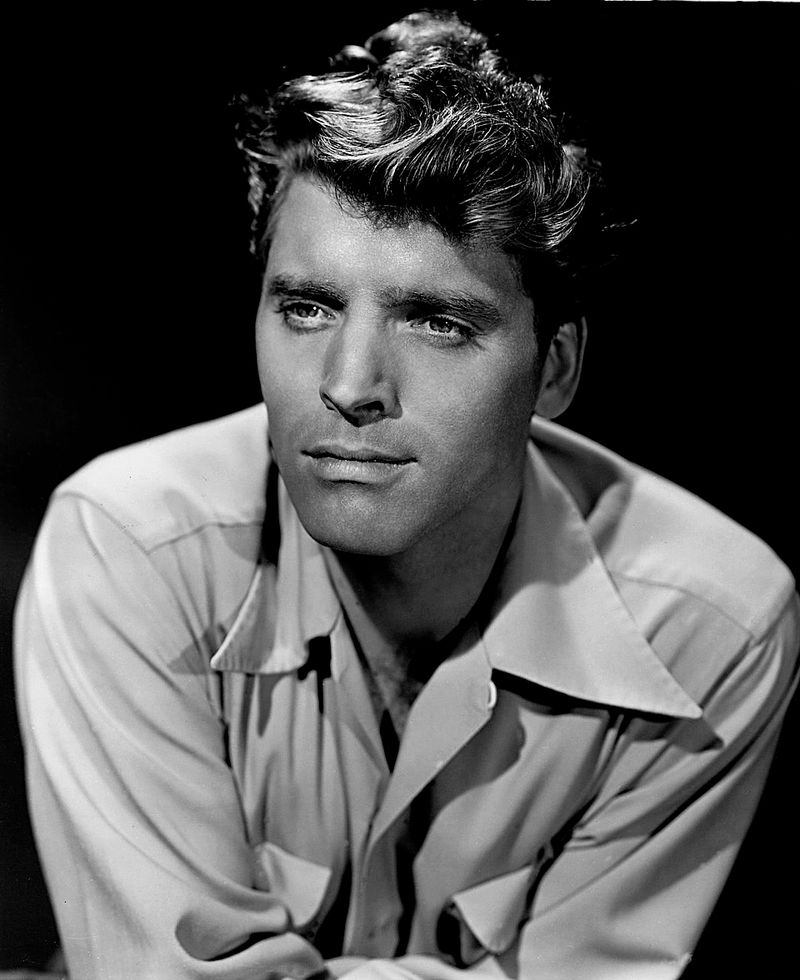
Four specialists. One dangerous mission. Infinite coolness. The Professionals assembles Burt Lancaster, Lee Marvin, Robert Ryan, and Woody Strode as a team hired to rescue a wealthy man’s kidnapped wife.
Director Richard Brooks stages the action with precision and style that still looks spectacular today.
However, the film’s real genius is in its final twist, which flips everything you thought you understood about who the heroes and villains actually are.
Lancaster and Marvin have the kind of effortless screen chemistry that modern blockbusters spend hundreds of millions of dollars trying to manufacture.
11. The Shooting (1966)
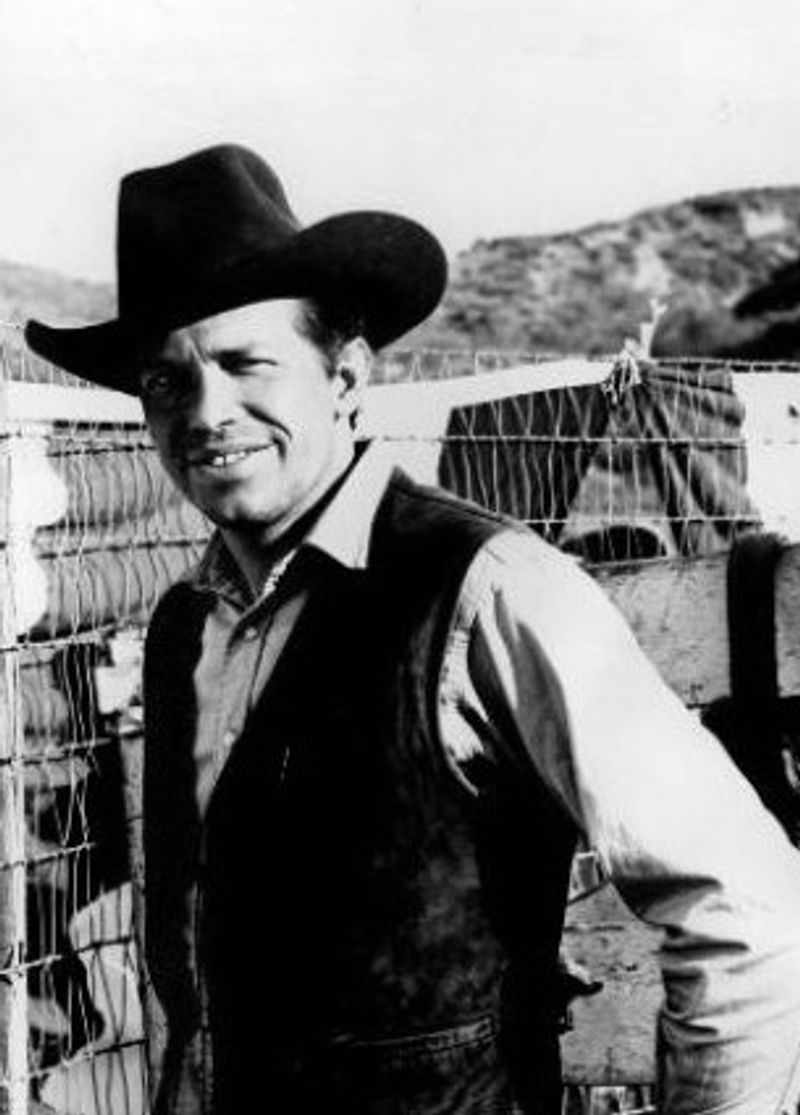
The Shooting is the Western that forgot to follow the Western rulebook, and the result is one of the most hypnotic films the genre ever produced.
Shot on a shoestring budget in the Utah desert alongside Ride in the Whirlwind, it stars Warren Oates and a young Jack Nicholson in a mysterious pursuit across a sun-bleached wasteland.
Nobody ever quite explains who is chasing whom or why, and that deliberate ambiguity is the whole point. If you have ever seen an art-house film and thought, this needs more horses, congratulations, this is your film.
12. McCabe and Mrs. Miller (1971)
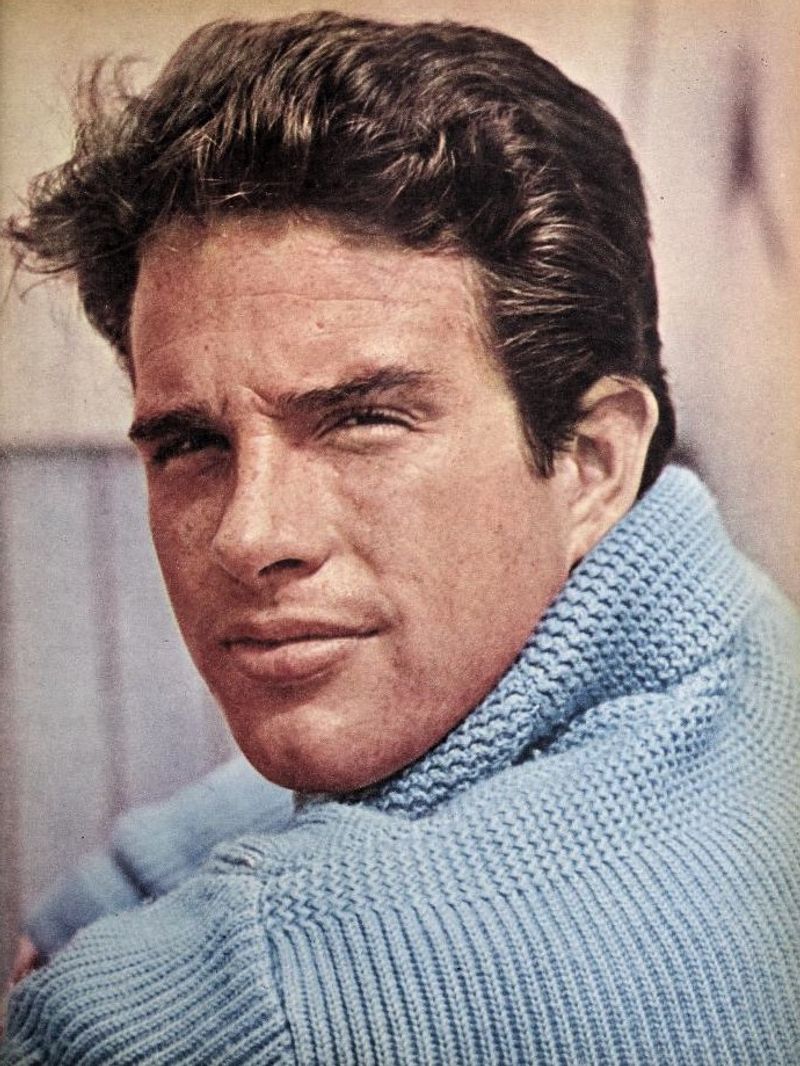
If you took a Western and dipped it in melancholy, mud, and Leonard Cohen songs, the result would be McCabe and Mrs. Miller.
Warren Beatty plays a bumbling entrepreneur who builds a brothel in a rainy Pacific Northwest mining town, partnering with the sharp and pragmatic Mrs. Miller played by Julie Christie.
Altman strips away all the romantic mythology of the frontier and replaces it with cold and brutal reality.
Christie received an Oscar nomination that was absolutely deserved.
13. Open Range (2003)
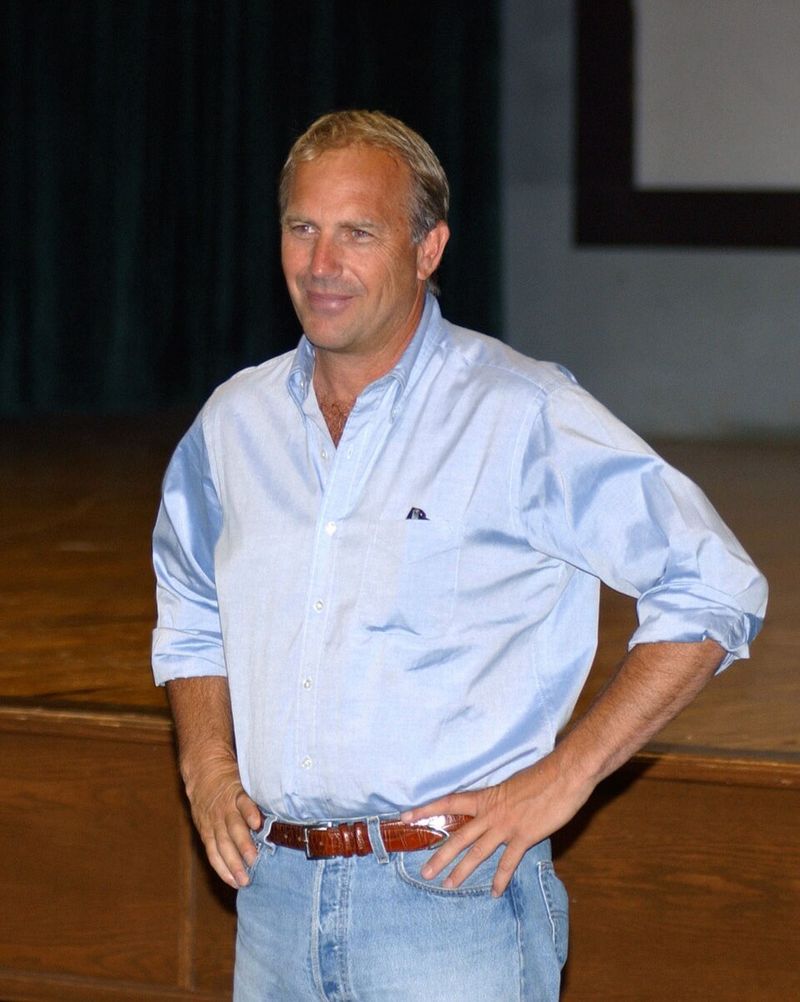
Kevin Costner directed and starred in Open Range, and the result is a film that feels like a love letter to classic Westerns while standing completely on its own two boots.
Costner and Robert Duvall play free-range cattlemen whose peaceful life is shattered by a corrupt rancher who controls an entire town. The buildup to the climactic shootout is slow and utterly gripping.
That final gunfight is widely considered one of the best staged in modern Western history, and for good reason.
14. Appaloosa (2008)
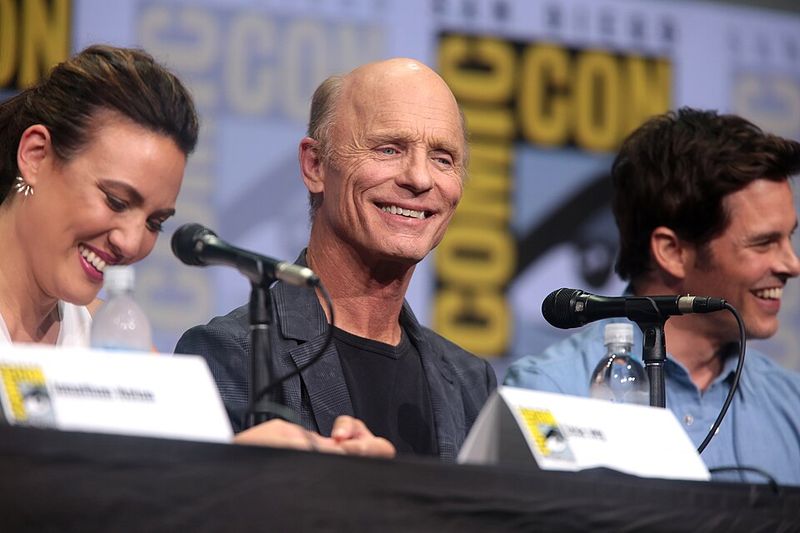
Ed Harris directed, co-wrote, and starred in Appaloosa, which is either impressive dedication or the clearest sign of a man who really loves Westerns. Probably both.
Harris and Viggo Mortensen play hired lawmen brought in to tame a lawless New Mexico town ruled by a powerful rancher played by Jeremy Irons at his most deliciously threatening.
What separates Appaloosa from a standard shoot-em-up is the friendship at its center. Harris and Mortensen have an easy chemistry that feels genuinely lived-in.
Though critics were divided, audiences who found it tended to love it deeply.
15. Lone Star (1996)
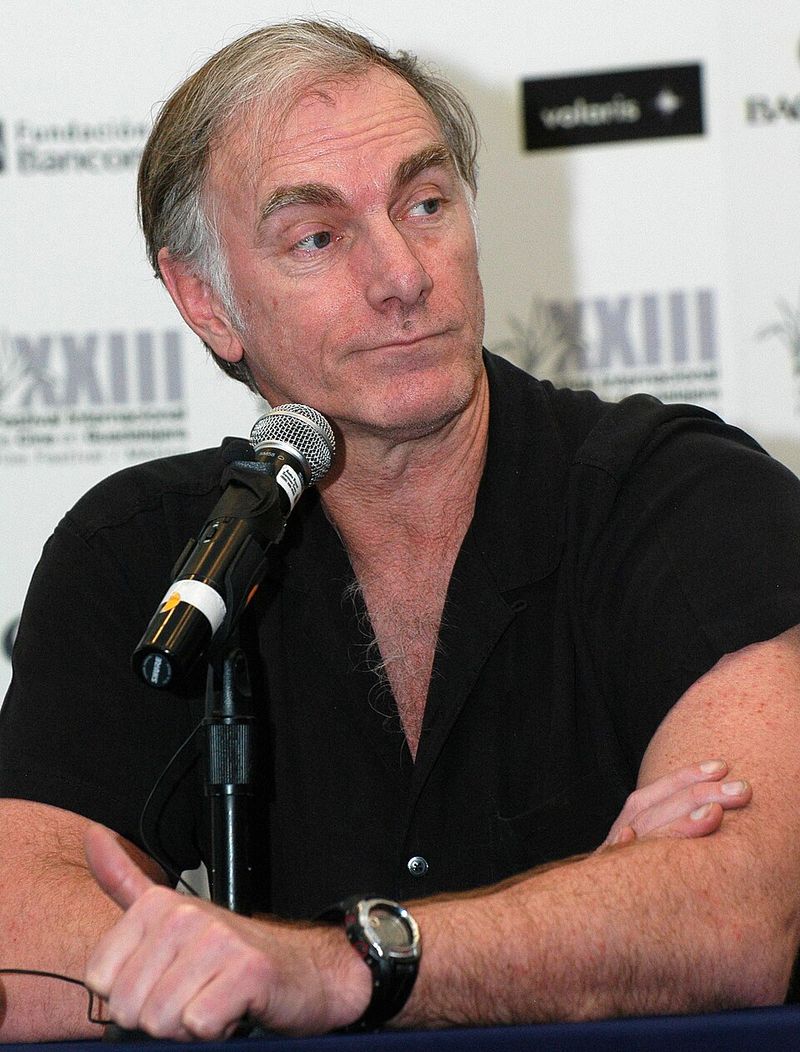
Less like a traditional Western and more like an archaeological dig through decades of secrets and buried history, Lone Star was written and directed by John Sayles.
A skeleton turns up in the Texas desert near a border town, and Sheriff Sam Deeds, played by Chris Cooper, begins unraveling a mystery that points straight at his legendary late father.
The film weaves together multiple storylines spanning different generations and communities with remarkable elegance.
How Sayles manages to keep every thread clear and emotionally resonant is genuinely impressive.
16. The Proposition (2005)
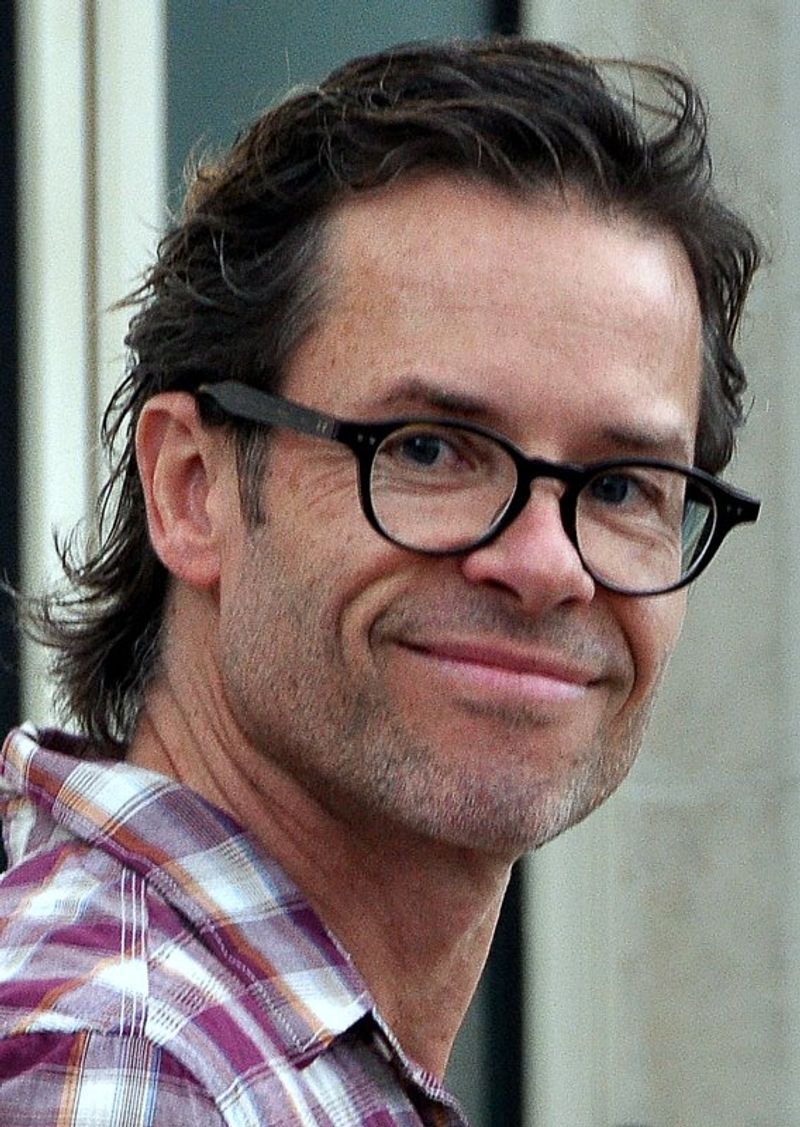
Australia’s answer to the spaghetti Western, The Proposition is one of the most visually stunning and morally complex films the genre has ever produced.
Written by musician Nick Cave and directed by John Hillcoat, it follows a captured outlaw given a terrible choice: to take down his own older brother or watch his younger brother hang.
Guy Pearce is magnetic in the lead role, and Ray Winstone delivers a career-best performance as the conflicted lawman pulling the strings. The violence is brutal and purposeful, never gratuitous.