15 Patriotic Films That Shaped American Identity On Screen
Stories about a nation rarely begin with speeches or grand declarations.
More often, they emerge through characters facing impossible choices, wrestling with loyalty, and trying to understand what belonging truly means.
Film has long served as a mirror for America’s evolving identity, reflecting moments of pride alongside periods of uncertainty and debate.
Audiences return to certain movies not just for entertainment, but for the feeling that something familiar is being examined through a new lens.
Over time, those cinematic moments shape collective memory, influencing how history is remembered and how ideals are imagined.
Disclaimer:
1. Mr. Smith Goes to Washington (1939)
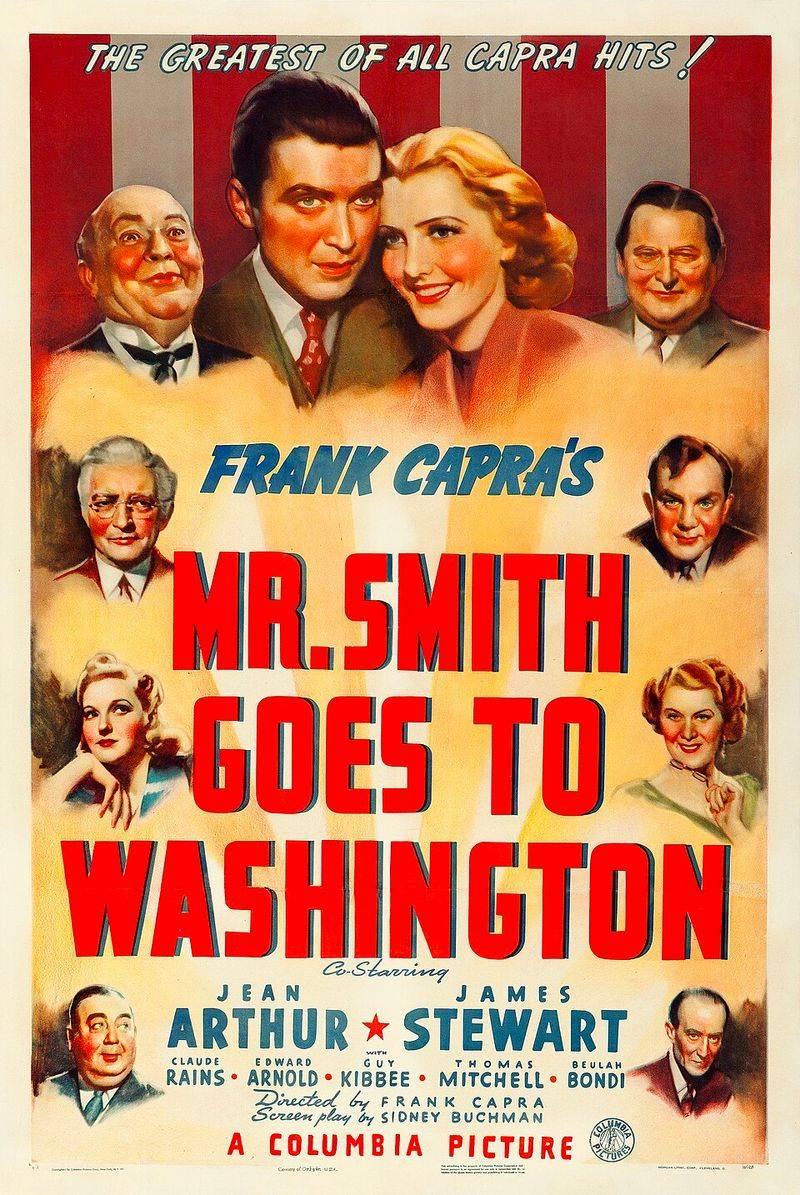
Corruption meets idealism head-on when a small-town guy lands in the Senate.
James Stewart’s character discovers that politics isn’t always pretty, but one person with courage can still make waves.
Frank Capra turned civics class into edge-of-your-seat drama.
Every filibuster scene crackles with tension, proving that democracy isn’t just about voting; it’s about fighting for what’s right even when powerful people want you to sit down and shut up.
2. Dr. Strangelove (1964)
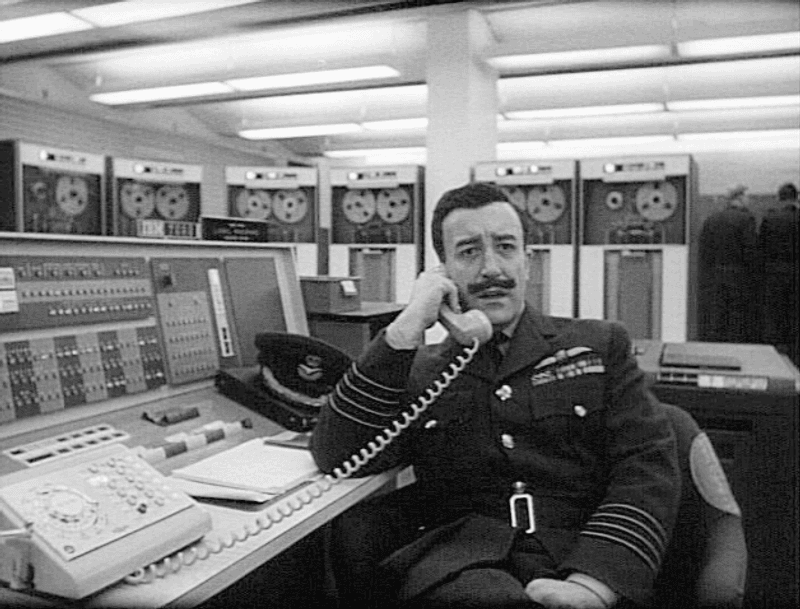
Stanley Kubrick asked: What if annihilation was run by someone who knows nothing?
This savage satire made audiences laugh at the unthinkable, exposing how bureaucracy and ego could literally end the world.
Peter Sellers played three roles, each more absurd than the last.
The film’s dark humor influenced how Americans viewed military power, replacing blind trust with healthy skepticism about the folks with their fingers on the button.
3. Young Mr. Lincoln (1939)
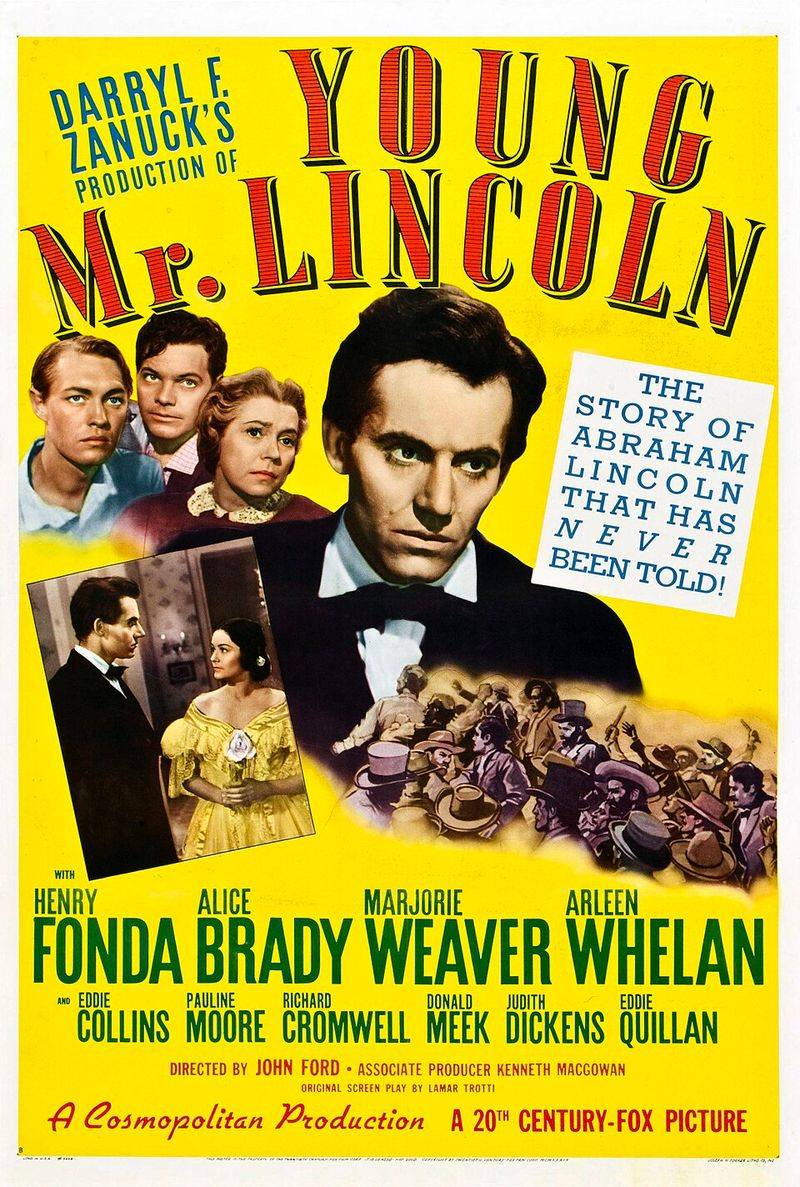
Before the beard and the presidency came a lanky lawyer figuring out justice one case at a time.
This film showed America that heroes aren’t born fully formed; they grow through hard choices and moral wrestling matches.
John Ford crafted a myth that felt real.
Watching Lincoln defend the innocent while battling his own doubts created a template for American leadership that Hollywood would copy for decades.
4. Easy Rider (1969)
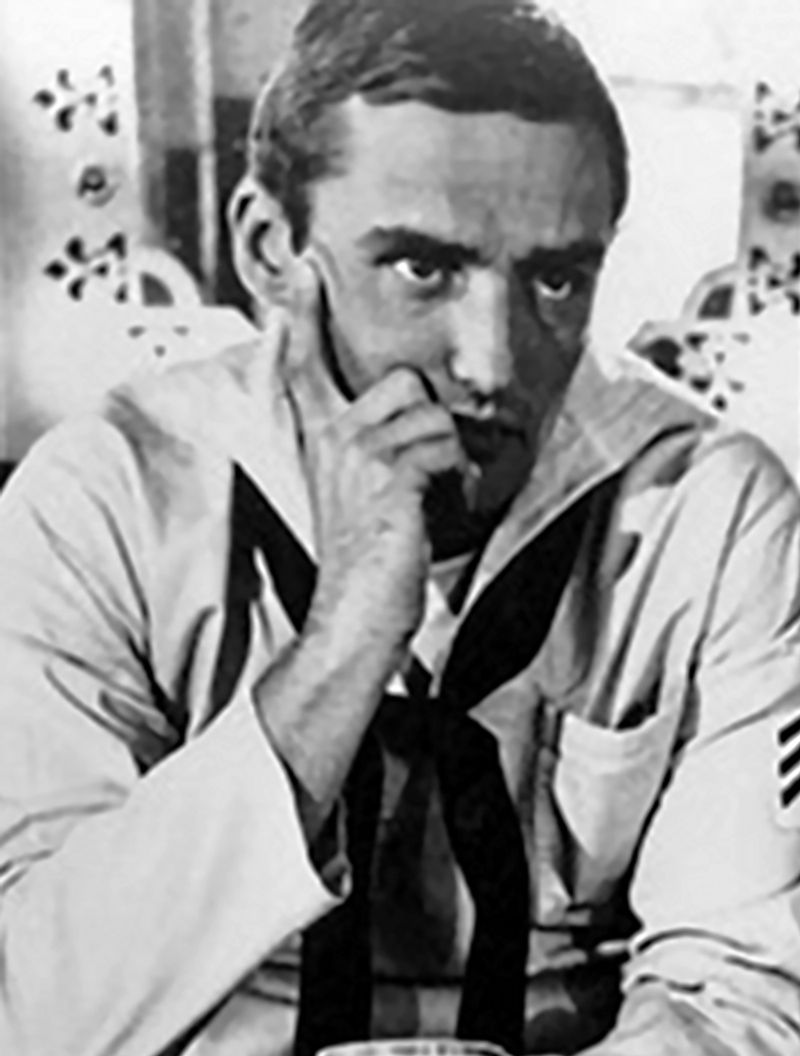
Two bikers chase freedom across America and discover the country doesn’t always welcome wanderers.
Dennis Hopper and Peter Fonda captured the moment when the freedom myth crashed into violent reality, changing road movies forever.
The film’s tragic ending hit like a gut punch.
Instead of celebrating the open road, it questioned whether American freedom was just a pretty lie told to people who looked and thought the right way.
5. Yankee Doodle Dandy (1942)
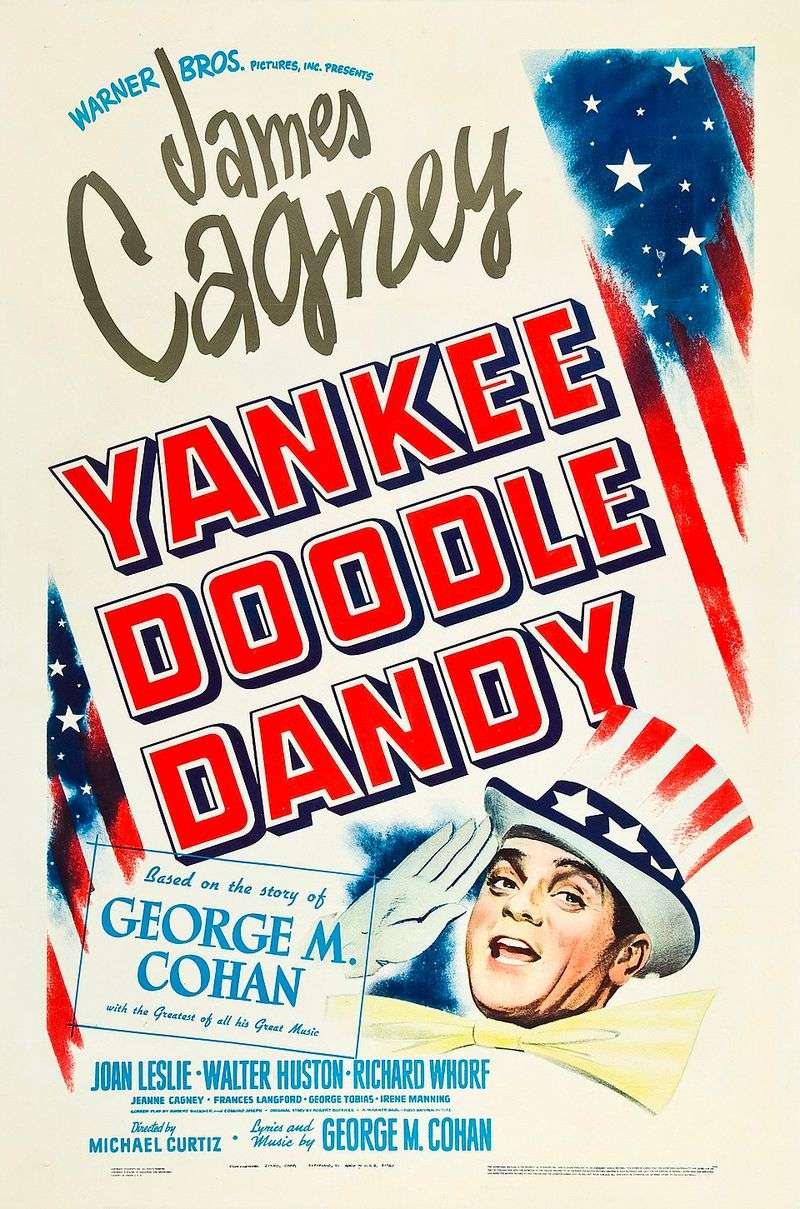
James Cagney tap-danced his way through George M. Cohan’s life story, turning showbiz into pure flag-waving joy.
Released during World War II, this musical reminded audiences that American spirit could be loud, proud, and absolutely entertaining.
Songs became weapons of morale. Every number celebrated the country’s energy and optimism, packaging patriotism as something you could sing along to rather than just salute.
6. Patton (1970)
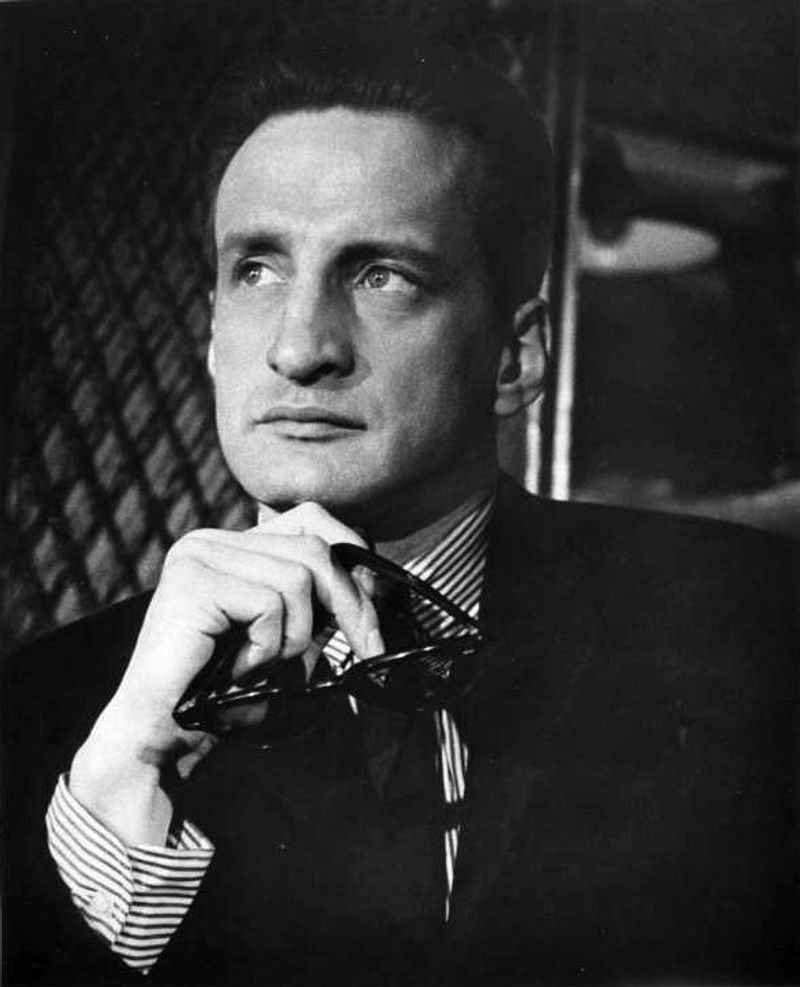
A brilliant yet famously headstrong general strides through World War II with confidence and battlefield success, even as clashes with authority complicate his legacy, a role brought to life by George C. Scott.
That opening speech in front of a giant flag became instantly iconic, showing military leadership as both inspiring and deeply complicated.
Franklin J. Schaffner refused to make Patton purely heroic or villainous.
This nuanced portrait influenced every war film that followed, highlighting how Americans could handle leaders who were effective and problematic at the same time.
7. The Best Years of Our Lives (1946)
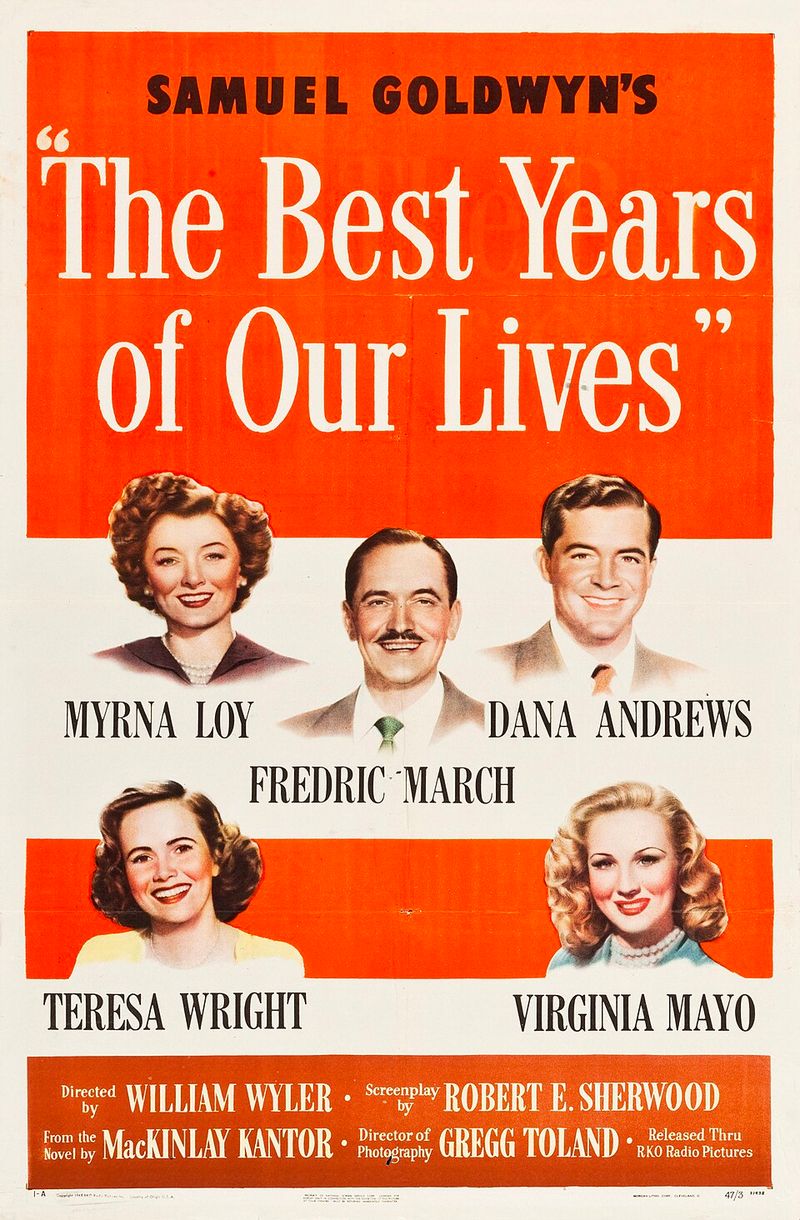
Three veterans come home and discover that winning the war was easier than fitting back into normal life.
This groundbreaking film refused to sugarcoat the struggle, showing Americans that supporting troops meant understanding their invisible wounds too.
Director William Wyler hired an actual veteran who’d lost his hands in combat.
That authenticity made the homecoming feel brutally real, changing how the country thought about post-war adjustment forever.
8. Casablanca (1942)
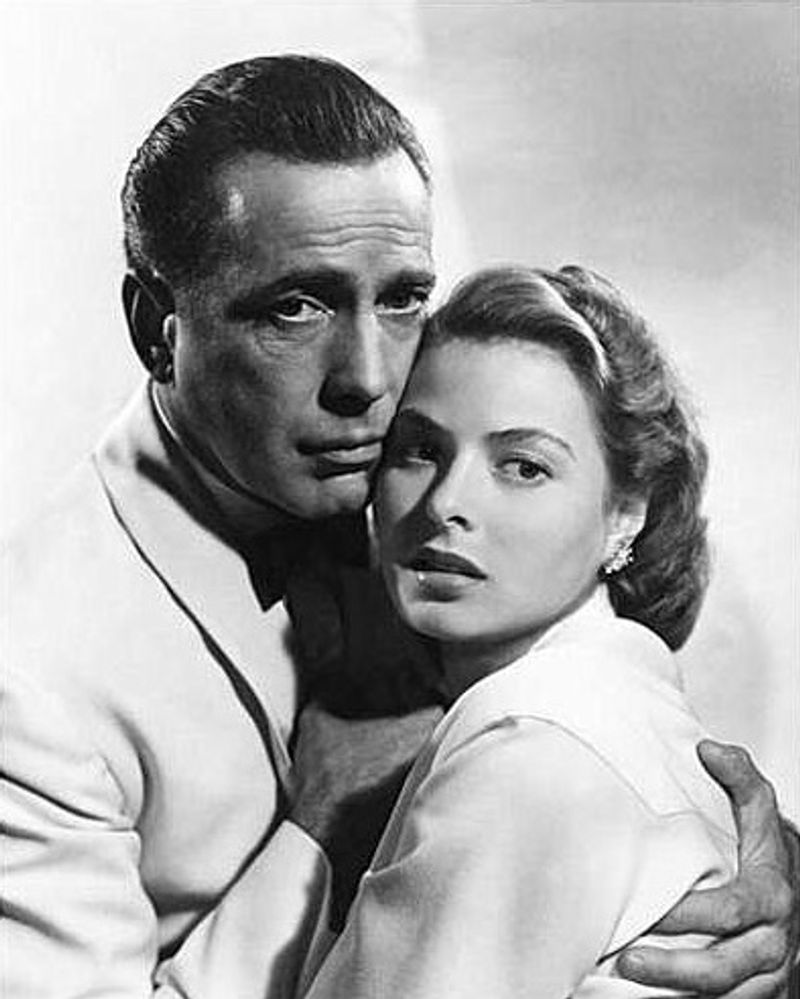
Rick’s Cafe became the crossroads where romance crashed into duty.
Humphrey Bogart’s character had to choose between personal happiness and helping the resistance, showing that wartime sacrifice could look like letting go of love.
However, this wasn’t just about broken hearts.
The film framed American involvement in World War II as a personal choice rather than political obligation, making global conflict feel intimate and morally clear.
9. It’s a Wonderful Life (1946)
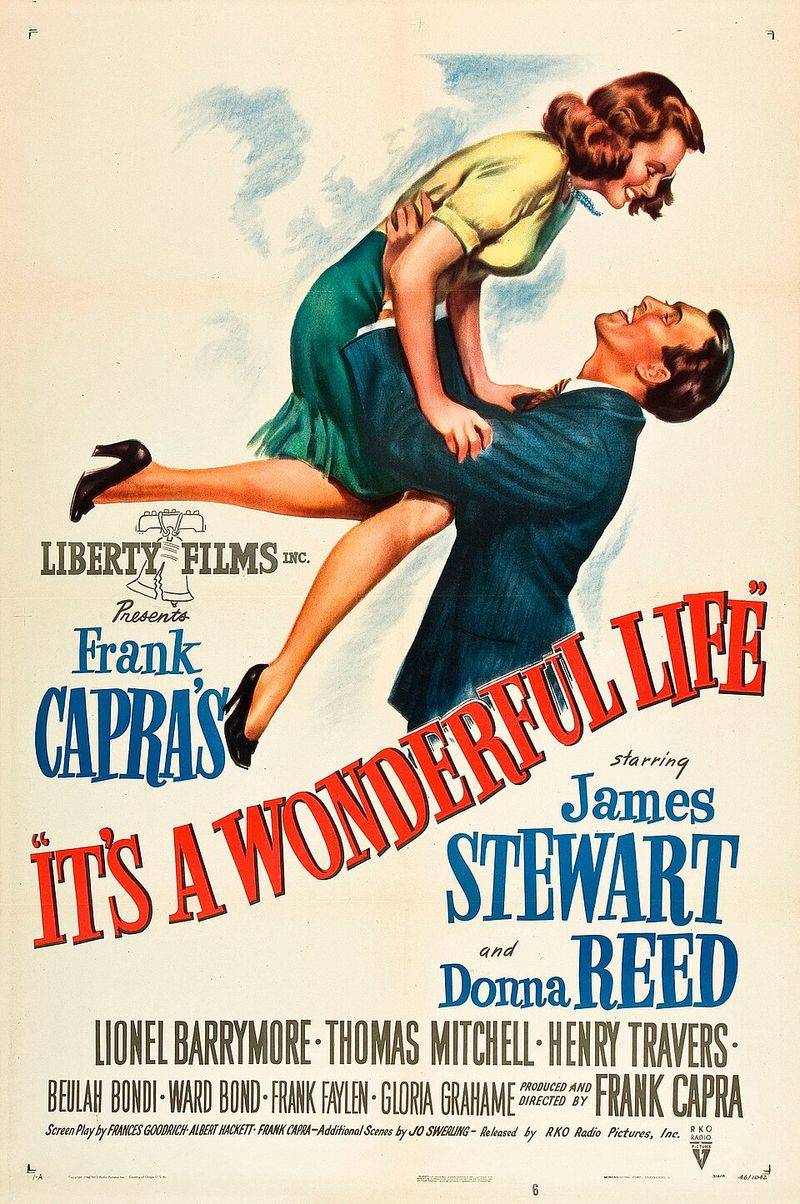
George Bailey almost throws it all away before discovering his small-town life mattered more than he ever imagined.
Frank Capra made community feel like the most important thing an American could build, one kindness at a time.
Though it flopped initially, this film became a holiday tradition that taught generations about the value of ordinary goodness.
Every rewatch reminds us that heroes don’t need capes when they’ve got neighbors.
10. Born on the Fourth of July (1989)

A young soldier heads to Vietnam filled with conviction and belief, only to return home paralyzed and forced to confront painful questions about war, patriotism, and the ideals he once trusted, a journey portrayed through Ron Kovic’s story.
Oliver Stone refused to make this a feel-good war story, showing how loyalty to country could destroy the people who gave the most.
Tom Cruise’s raw performance forced audiences to confront uncomfortable truths.
The film argued that real patriotism sometimes means demanding your country do better, even when that makes everyone uncomfortable.
11. 12 Angry Men (1957)
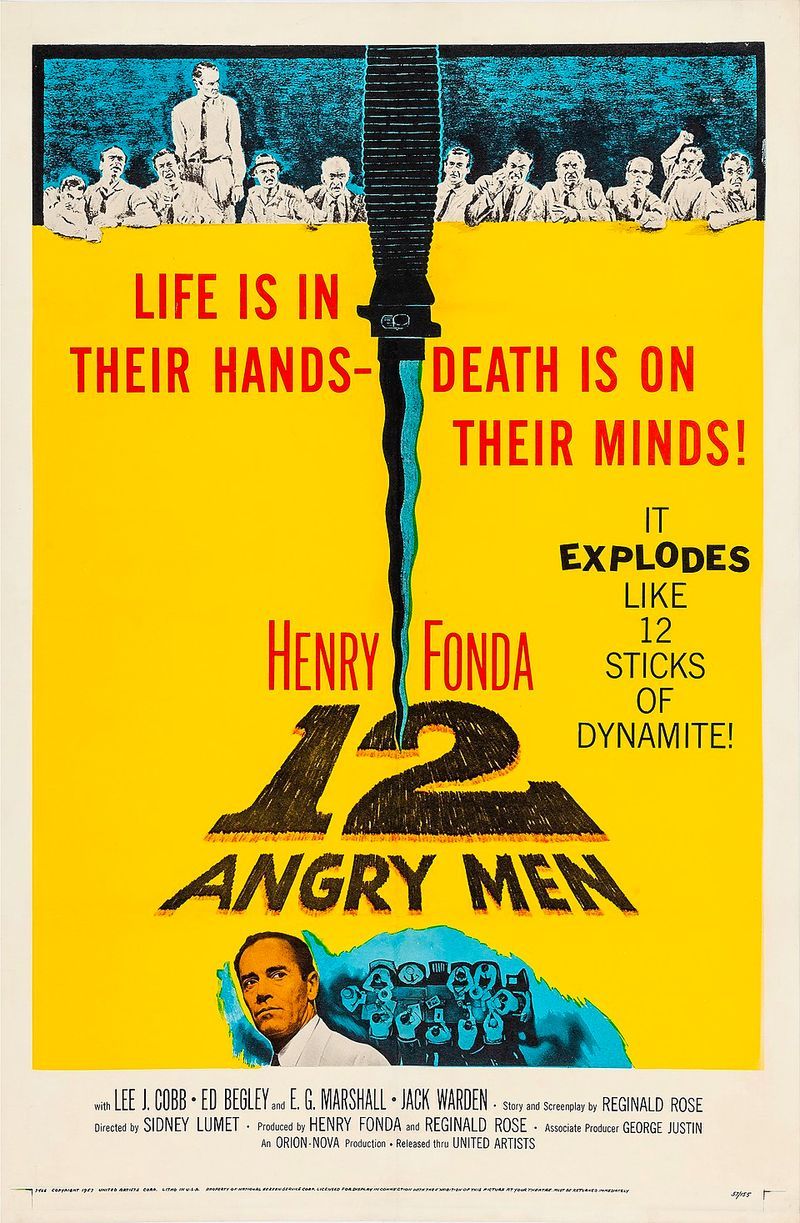
One juror refuses to rubber-stamp a guilty verdict, forcing eleven others to actually think about the evidence.
Lumet trapped the entire story in a single sweaty room, showing that democracy’s real work happens in uncomfortable conversations.
The film turned jury duty from a boring obligation into a masterclass on skepticism, patience, and why every voice deserves to be heard before lives get destroyed.
12. Saving Private Ryan (1998)
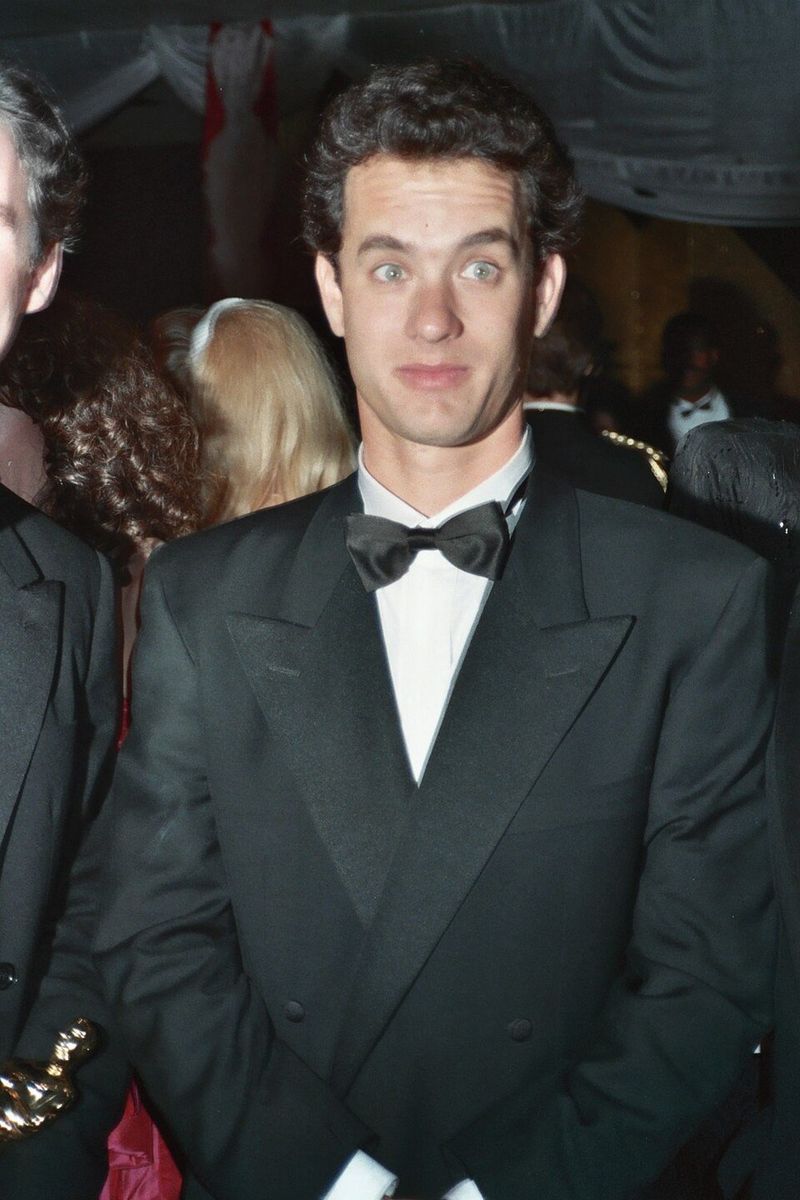
War cinema shifted dramatically after an opening sequence portrayed a beach landing with unprecedented intensity, with Steven Spielberg redefining how combat realism could be depicted on screen.
Those first twenty-seven minutes felt like getting punched in the gut repeatedly, showing World War II without Hollywood glamour.
Tom Hanks led a squad searching for one soldier.
The mission questioned the cost of individual lives during mass conflict, making audiences wrestle with sacrifice, duty, and whether any war could truly be “good.”
13. Rocky (1976)
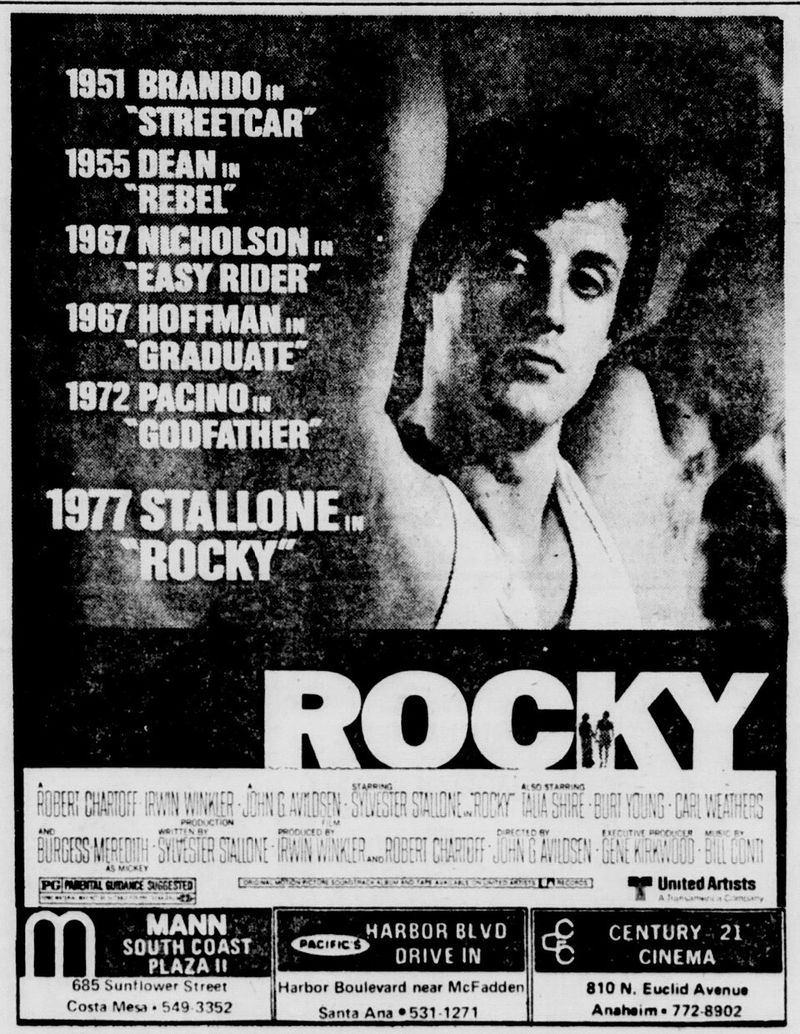
A small-time boxer gets one chance at the heavyweight title and decides going the distance matters more than winning.
Sylvester Stallone wrote himself into film history, creating an underdog story that felt like America’s own scrappy comeback narrative.
Those iconic training montages turned hard work into poetry.
Rocky didn’t need to be the best; he just needed to prove he belonged, selling the idea that dignity and effort counted as much as victory.
14. The Right Stuff (1983)
Test pilots push experimental aircraft past the sound barrier, then race to orbit during the Cold War.
Philip Kaufman captured the swagger and danger of the space program, turning astronauts into modern cowboys riding rockets instead of horses.
Sam Shepard and Ed Harris led a cast that made risk-taking look like the most American thing possible.
The film celebrated competence and bravery while acknowledging that national confidence sometimes required people willing to strap themselves to explosives.
15. Remember the Titans (2000)
A newly integrated Virginia high school football team fights racism while learning to play together.
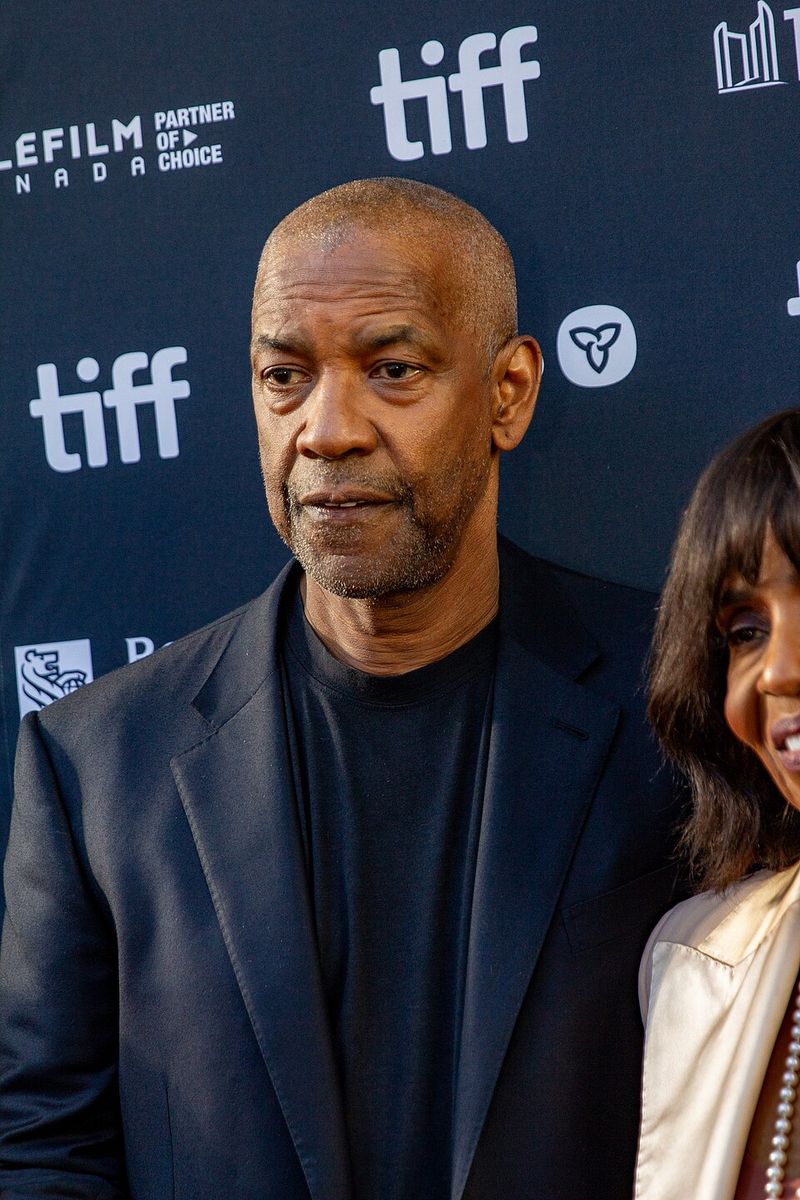
Denzel Washington coached them through hate and fear, showing how sports could be a laboratory for social change when people committed to something bigger than themselves.
Based on true events, the film showed progress as messy and hard-won.
Touchdowns mattered less than the friendships formed across racial lines, packaging civil rights history as an underdog sports story everyone could root for.