Performances That Had A Lasting Negative Impact On These Artists
Some performances feel like career highlights in the moment, then linger for all the wrong reasons.
A rough live set, a poorly timed awards-show appearance, a role that clashes with a performer’s image, or a creative swing that lands awkwardly can ripple far beyond the stage lights.
Public opinion hardens fast, headlines flatten nuance, and an artist can end up carrying one misstep longer than any hit single.
Sometimes the fallout is commercial, with sales and bookings slipping. Sometimes it is personal, changing confidence, relationships, or the willingness to take risks again.
Disclaimer: Details referenced in this article are based on publicly available reporting, interviews, and documented broadcasts, and perspectives on these moments can vary.
1. Ashlee Simpson — Saturday Night Live (2004)
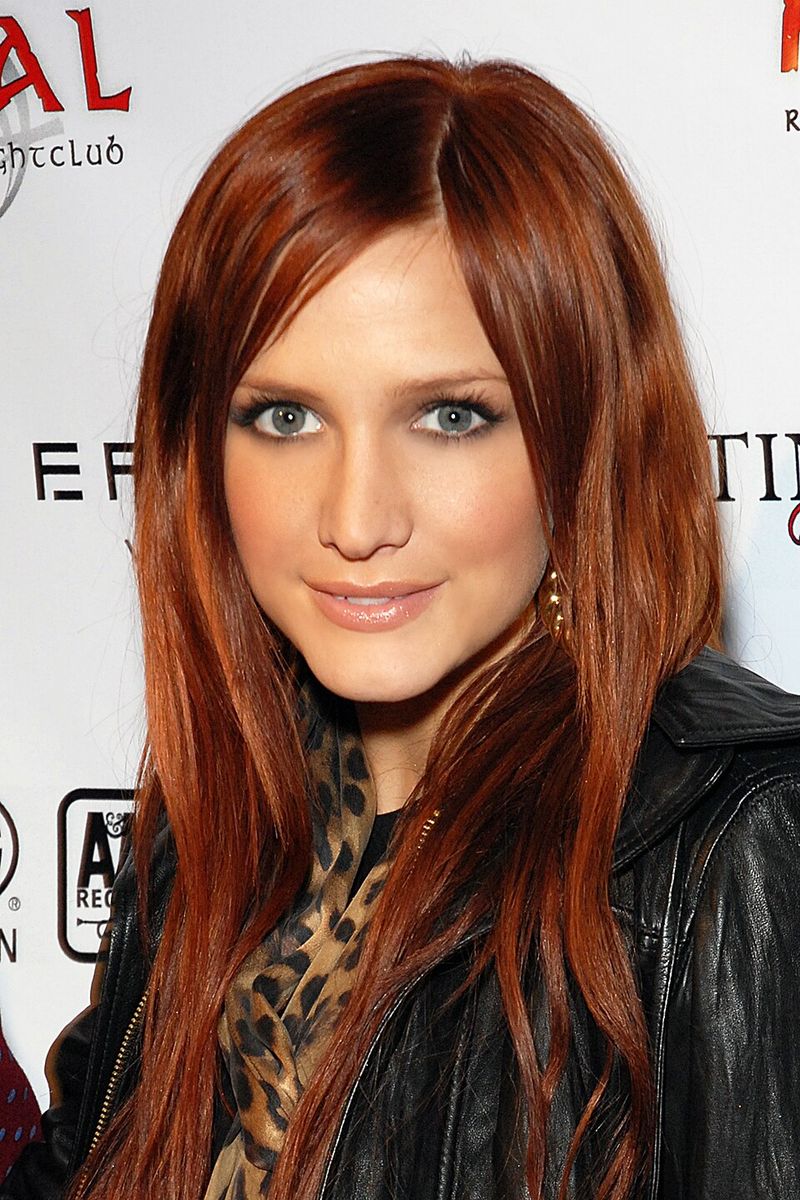
A backing track started playing the wrong song, and suddenly everyone knew the secret. Simpson tried to play it off with an awkward jig, but the damage was instant.
Critics pounced, fans felt betrayed, and the lip-sync scandal became her defining moment.
Radio stations questioned her authenticity, and her credibility as a live performer took a nosedive that required years of rebuilding trust and proving she could actually deliver vocals without technological assistance.
2. Milli Vanilli — Live Performances Amid Lip-Sync Revelations (Late 1980s–1990)
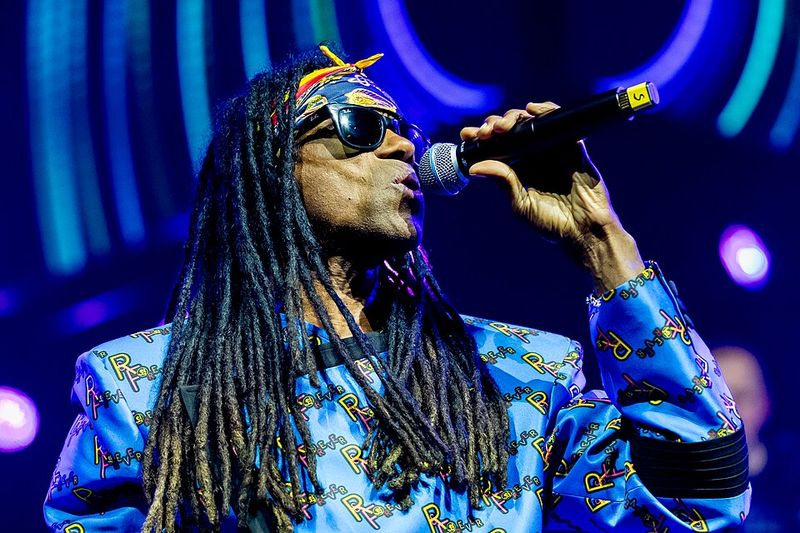
When a backing track skipped during a live MTV performance, the truth started unraveling faster than their chart success.
Rob and Fab hadn’t sung a single note on their records, and once that became undeniable, the whole empire crumbled.
Their Grammy was revoked, contracts vanished, and the name Milli Vanilli became shorthand for fraud.
3. Sinéad O’Connor — Saturday Night Live (1992)
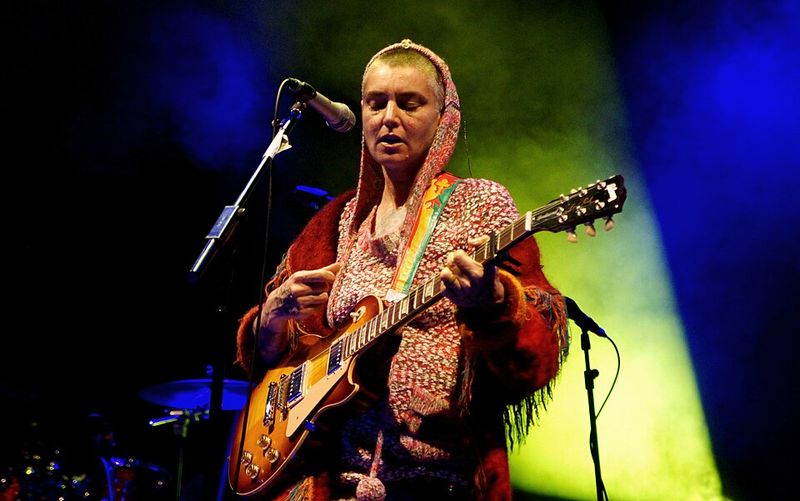
Ripping up a photo of Pope John Paul II on live television wasn’t just controversial – it was career-altering.
The backlash was immediate and ferocious, with radio stations blacklisting her music and venues canceling bookings.
Though she stood by her protest against abuse in the Catholic Church, the industry punished her severely.
Concert crowds booed, collaborations dried up, and her commercial viability evaporated overnight, turning a powerful artist into someone many considered too risky to support publicly for years afterward.
4. Janet Jackson — Super Bowl Halftime Show (2004)
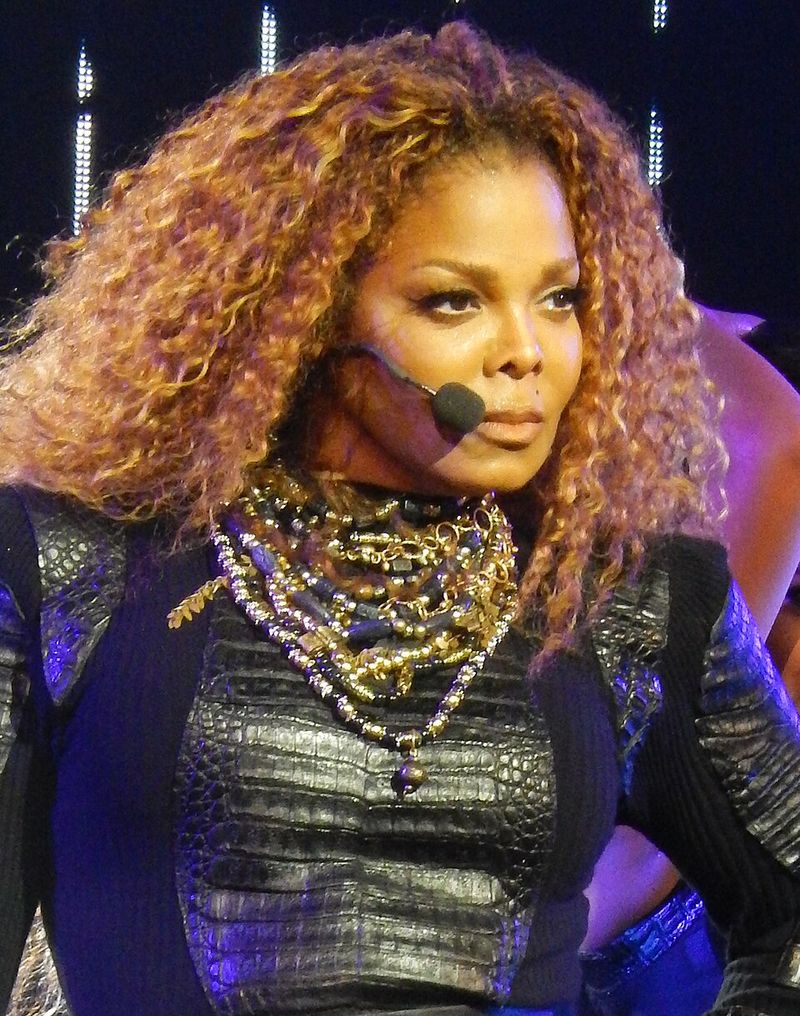
A half-second wardrobe malfunction during the biggest televised event in America sparked a cultural firestorm.
While Justin Timberlake’s career sailed forward, Jackson faced blacklisting from radio, MTV bans, and Grammy disinvitations.
The FCC fined CBS massively, and somehow Jackson shouldered most of the blame and consequences.
Her album promotion got derailed, tour optics suffered, and the incident became a case study in how differently male and female performers get treated when controversy strikes during a collaborative moment.
5. Fergie — NBA All-Star Game National Anthem (2018)
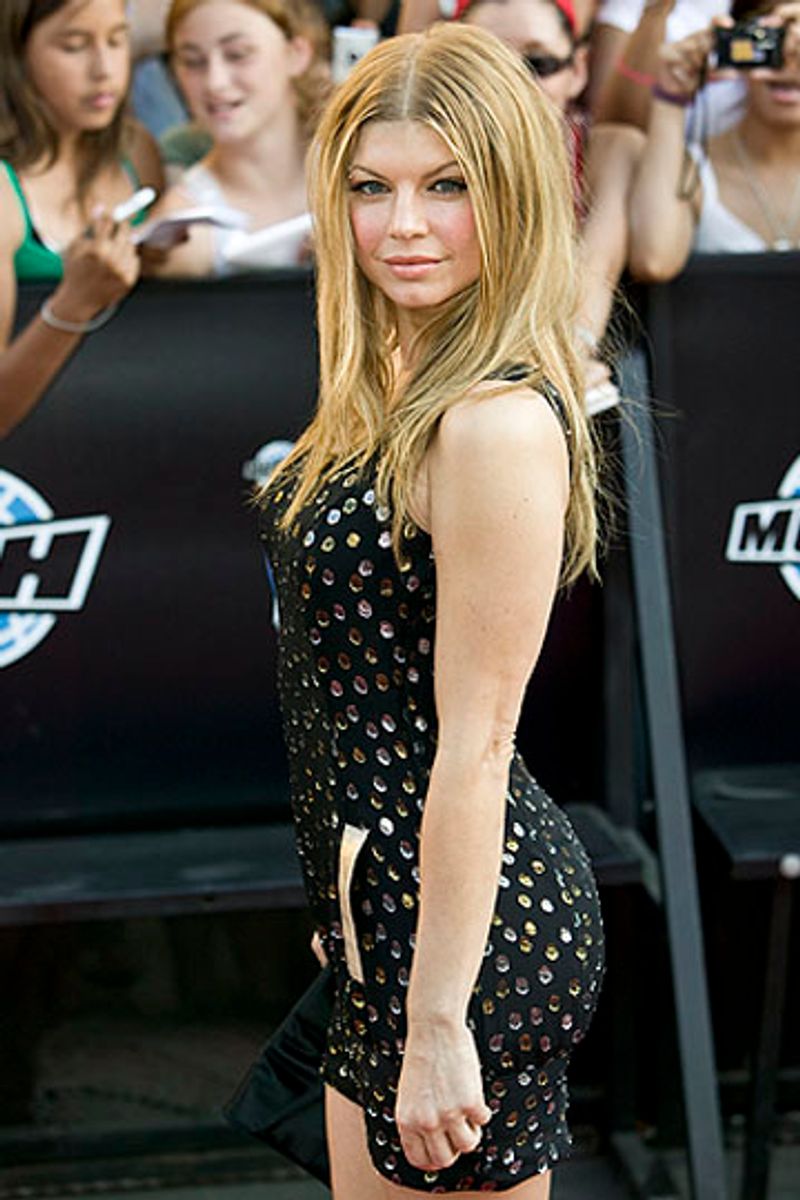
Slowing down the national anthem and adding jazzy flourishes seemed artistic in theory. In execution, it became instant meme material as players visibly tried not to laugh.
Social media erupted with mockery, and the performance went viral for all the wrong reasons.
Though Fergie apologized, the clip haunted her public image, overshadowing her musical accomplishments and becoming the go-to reference whenever unconventional anthem performances get discussed.
6. Iggy Azalea — Saturday Night Live (2014)
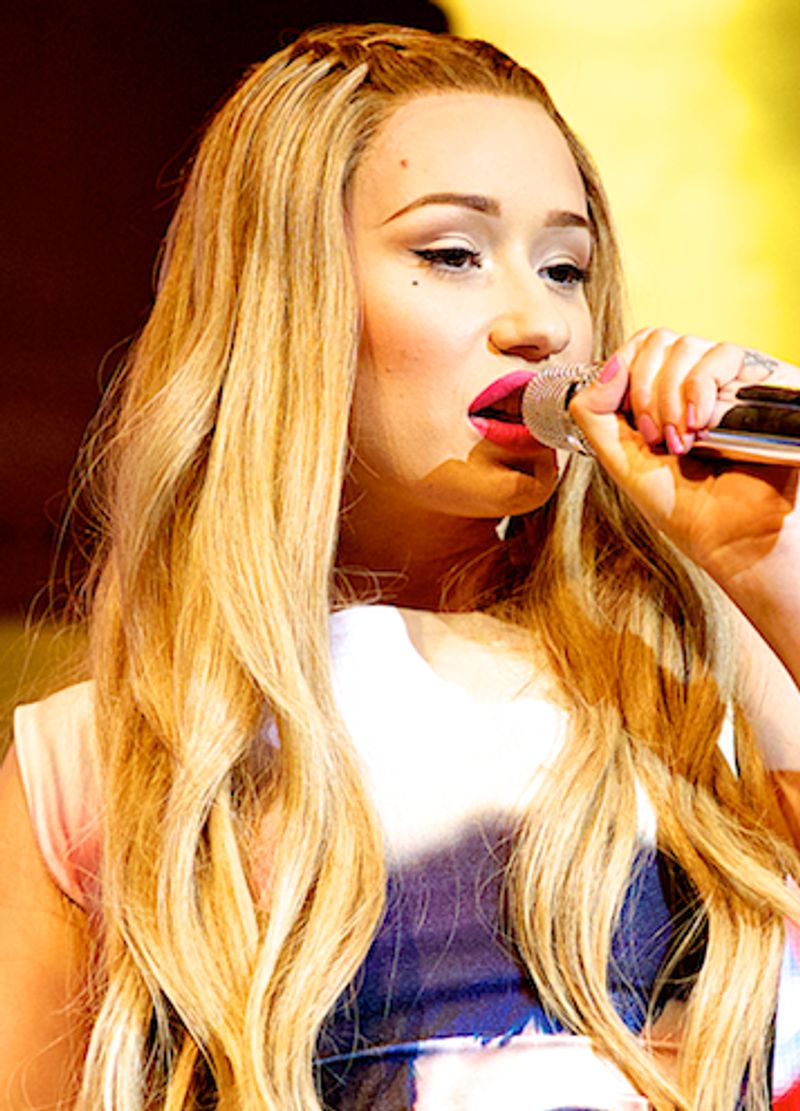
Arriving at mainstream peak visibility, this SNL appearance was supposed to cement legitimacy. Instead, shaky live vocals reinforced every criticism about her authenticity and ability.
Critics who’d questioned whether she could deliver without studio polish found ammunition, and the performance became exhibit A in ongoing debates about her credibility.
Coming during an already contentious period of backlash, the televised struggle amplified doubts rather than silencing them.
7. Britney Spears — MTV VMAs “Gimme More” (2007)
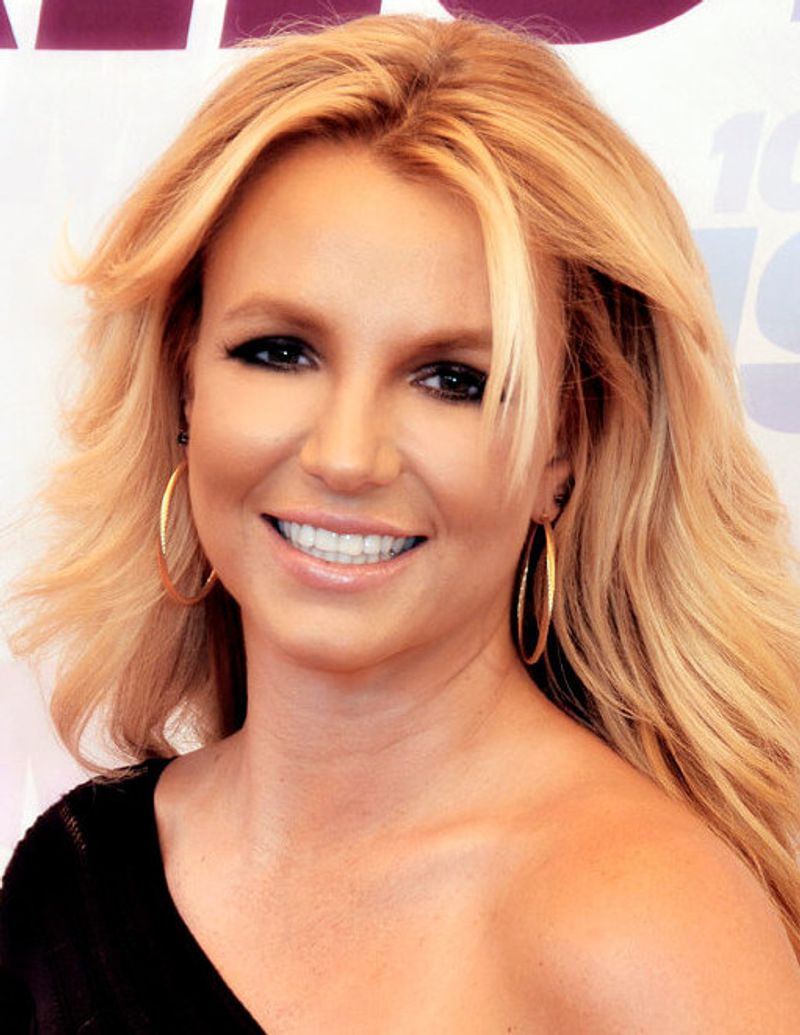
What should have been a triumphant comeback became a tabloid feeding frenzy.
Spears appeared disengaged, her movements sluggish, and the performance lacked the polish fans expected from a pop icon.
Media coverage focused less on the music and more on her mental state, fueling invasive narratives about her struggles.
The performance became symbolic of her difficulties during that period, overshadowing the actual song and contributing to the public spectacle that surrounded her life.
8. Lana Del Rey — Saturday Night Live (2012)
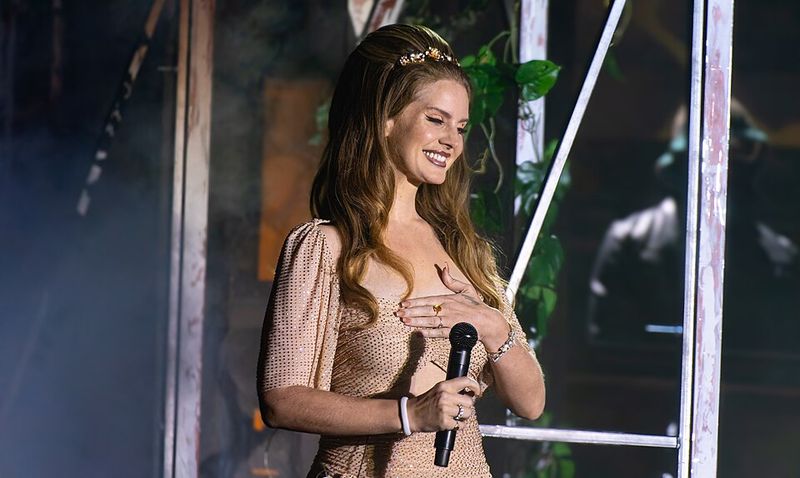
Breaking through with viral success, this SNL debut was supposed to introduce her to mainstream America.
Instead, nerves showed, vocals wavered, and critics questioned whether the mysterious persona could translate to live settings.
The “can she actually sing?” narrative took root immediately, with think pieces dissecting every flat note.
Though her career ultimately thrived, that performance created doubt that lingered through subsequent tours and required consistent live excellence to overcome.
9. Justin Bieber — Various Televised Performances (Early 2010s)
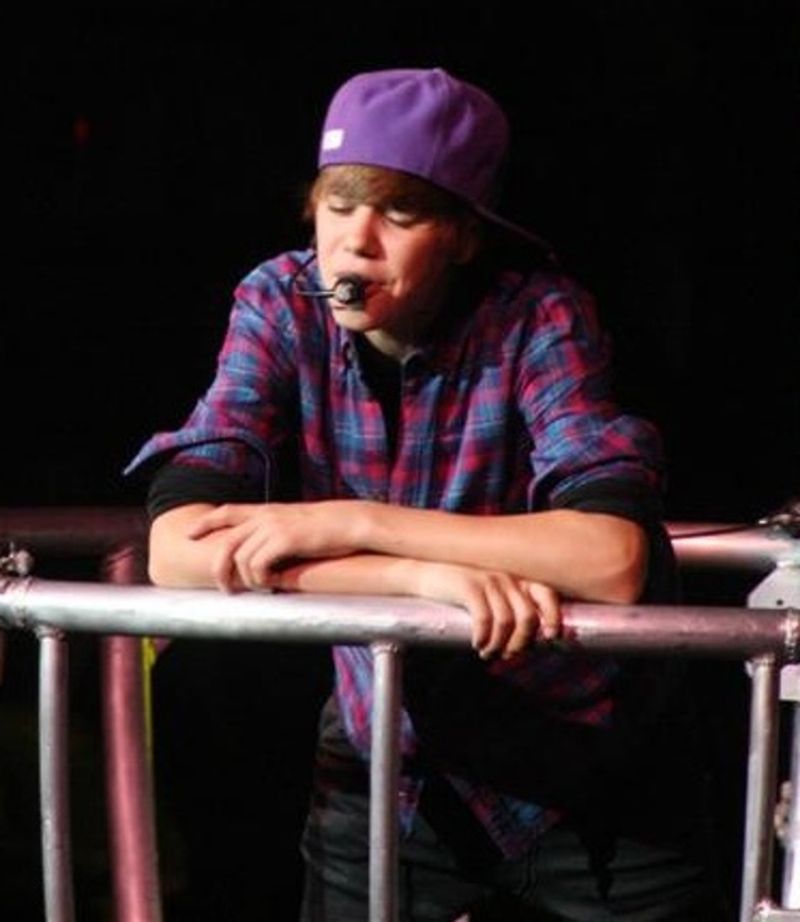
During his transition from teen sensation to adult artist, several rough televised moments amplified the “overhyped” narrative.
Voice cracks, missed notes, and occasionally flat performances gave ammunition to critics already skeptical of his massive popularity.
These struggles became compilation fodder online, feeding the perception that his success was manufactured rather than earned.