15 Performances That Trace Robert De Niro’s Career Arc
Some actors play characters. Robert De Niro moves in, changes the furniture, and dares you to notice.
Fifteen performances chart the evolution of that fearless streak, and by the end you might start wondering if De Niro ever clocks out or if the rest of us are just living in one of his rehearsals.
1. Raging Bull (1980) – Jake LaMotta
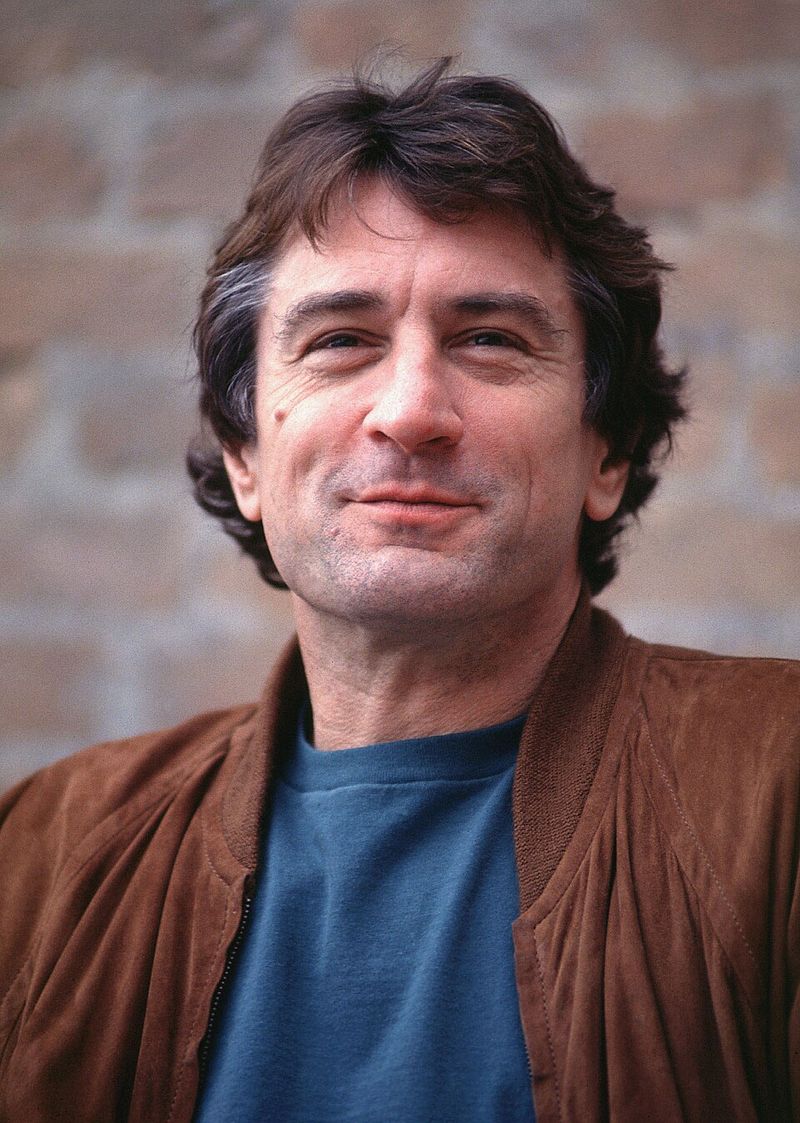
De Niro gained about 60 pounds to play the older Jake LaMotta. That physical transformation entered industry lore, establishing a benchmark for immersive preparation that actors still reference today.
An Academy Award followed, confirming that raw vulnerability could coexist with brutal masculinity on screen.
Each punch landed with emotional force that extended far beyond the boxing ring. Witnessing LaMotta’s unraveling becomes an uncomfortably intimate experience, akin to observing a private collapse through a cracked door.
2. Taxi Driver (1976) – Travis Bickle

Urban alienation found its most haunting emblem in Travis Bickle, a figure who continues to linger in popular culture decades later. Gaunt features and a hollow stare conveyed loneliness at its most volatile under De Niro’s disciplined control.
Cinema still circles back to that mirror scene as one of its most quoted depictions of masculine delusion.
Sympathy and revulsion remain in constant tension, compelling viewers to confront their own capacity for emotional distance. Relentless focus defines the experience, with Scorsese’s camera refusing to blink and the performance matching that intensity beat for beat.
3. The Godfather Part II (1974) – Vito Corleone
Stepping into Marlon Brando’s shadow required courage most actors wouldn’t attempt. De Niro didn’t imitate; he excavated the younger man inside the iconic character, revealing how power and gentleness once coexisted.
His Academy Award for Best Supporting Actor validated the risk.
Speaking Italian throughout much of the film, he made audiences believe in Vito’s journey from immigrant to empire builder. The warmth in his eyes contrasts sharply with the cold calculations his character must make.
4. Goodfellas (1990) – Jimmy Conway

Operating along the margins of Goodfellas, Jimmy Conway still anchors every scene through controlled menace. Restraint becomes more unnerving than any explosive outburst, particularly as paranoia begins tightening its hold.
Subtle glances reveal calculations unfolding in real time, weighing loyalty against survival with chilling precision. Soft-spoken authority underscores the idea that true danger rarely needs to shout.
Silence carries much of the power here, and De Niro uses it to devastating effect.
5. Heat (1995) – Neil McCauley

Neil McCauley lives by a code: never get attached to anything you can’t walk away from in thirty seconds.
De Niro embodies that philosophy with icy precision, creating a criminal so disciplined he becomes almost monastic.
The famous coffee shop scene with Al Pacino crackles because both actors understand the power of stillness. McCauley’s tragedy lies in discovering that even the most controlled life can unravel when genuine connection appears.
De Niro makes loneliness look like strength until it becomes a prison.
6. Casino (1995) – Sam “Ace” Rothstein

Obsession drives Ace Rothstein as he runs a Las Vegas gaming operation with meticulous precision, tracking everything from margins to minutes. Under De Niro’s control, strength slowly transforms into vulnerability once love complicates the equation.
Chemistry with Sharon Stone ignites with intensity before collapsing in spectacular fashion.
Narration pulls viewers into a world governed by numbers and control that prove powerless against human chaos.
Watching a carefully constructed empire unravel feels like witnessing a slow-motion collision no one can stop.
7. The Untouchables (1987) – Al Capone

Theatrical menace defines Capone here, stretching from the notorious baseball bat scene to the authority conveyed by every tailored suit.
Showmanship blends with authentic threat as De Niro reveals how public bravado can conceal brutal reality.
Weight gain and carefully applied prosthetics supported the transformation, disappearing beneath a layer of confident swagger. Downfall arrives through tax evasion, and the unraveling carries a faintly Shakespearean air, like a king undone by paperwork.
Humanity lingers beneath the legend, and that reminder makes the figure feel even more unsettling.
8. Once Upon A Time In America (1984) – David “Noodles” Aaronson
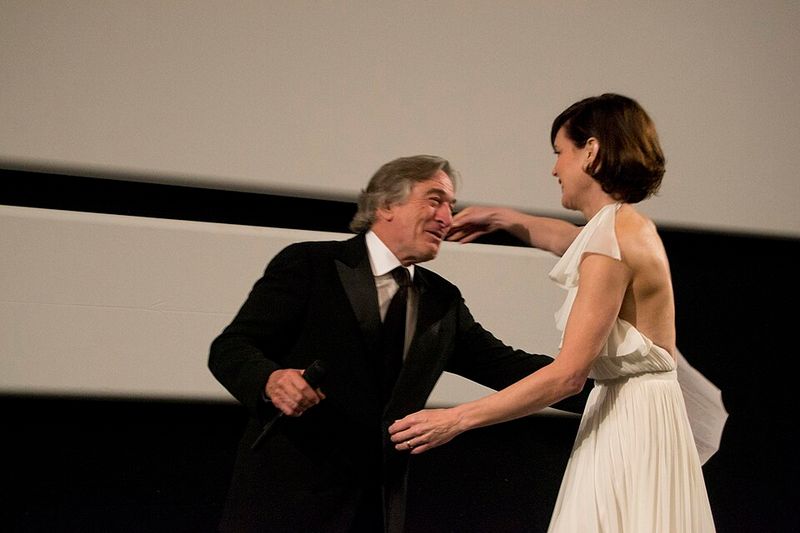
Spanning decades, De Niro’s Noodles ages before our eyes, carrying regret like a physical weight. Sergio Leone’s epic gave him space to explore how choices echo across lifetimes, shaping men into ghosts of their younger selves.
The performance requires playing both idealistic youth and broken elder.
De Niro navigates this temporal maze with heartbreaking grace, showing how memory distorts and preserves simultaneously. Noodles’ final revelation lands with devastating impact because we’ve watched every step of his journey.
9. Mean Streets (1973) – Johnny Boy Civello
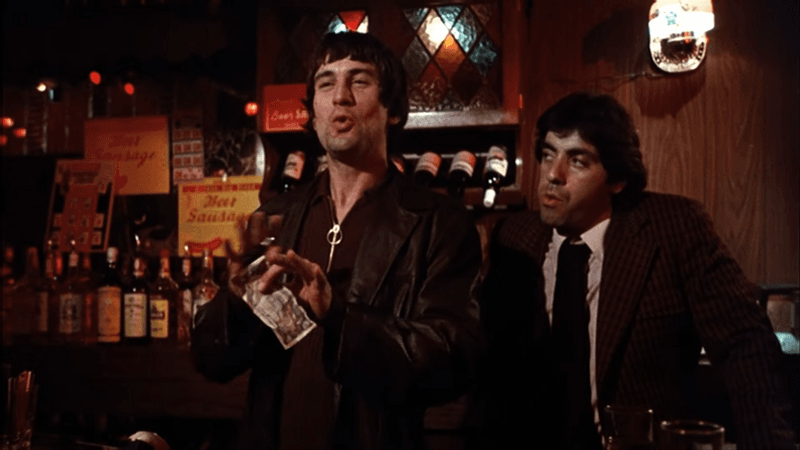
Manic energy and reckless choices burst from Johnny Boy like a firecracker with a dangerously short fuse.
Early collaboration with Scorsese highlighted De Niro’s gift for controlled chaos, portraying men who seem driven to sabotage themselves.
Genuine fraternal frustration sparks in his scenes with Harvey Keitel, giving the tension an authentic edge.
Arrival of a formidable talent became impossible to ignore, as the performance signaled an actor capable of turning self-destruction into something almost poetic. Inevitable downfall lands with real sting because empathy lingers for that messy, magnetic presence.
10. A Bronx Tale (1993) – Lorenzo Anello

Lorenzo represents De Niro’s own directorial debut, playing a hardworking bus driver fighting for his son’s soul. The performance radiates quiet dignity, showing fatherhood as daily acts of love rather than grand gestures.
His scenes with young Lillo Brancato pulse with authentic paternal concern.
De Niro chose restraint over fireworks, proving he could command attention without violence or volatility. Lorenzo’s struggle against neighborhood corruption feels deeply personal, a father’s worst fear made visible.
11. Bang The Drum Slowly (1973) – Bruce Pearson
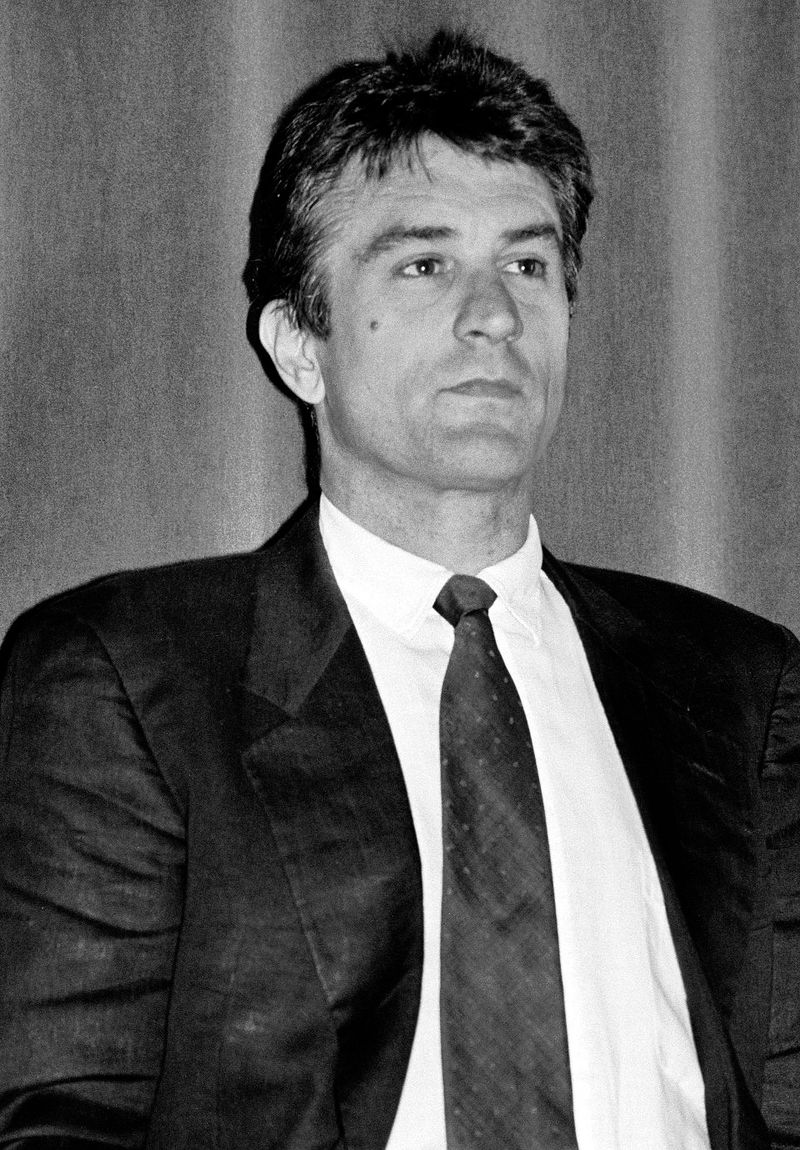
Terminal illness shadows Bruce Pearson, a socially awkward, emotionally unguarded catcher who revealed De Niro’s range before his name carried wide recognition. Sentimentality never takes over, yet heartbreak settles in as dignity persists through decline.
Without condescension, De Niro portrays Bruce’s vulnerabilities and uncovers humanity in each awkward gesture.
Early proof emerged that he could vanish into characters far removed from his own experience. Critical attention followed, and the young actor from New York found himself in the spotlight for all the right reasons.
12. Midnight Run (1988) – Jack Walsh
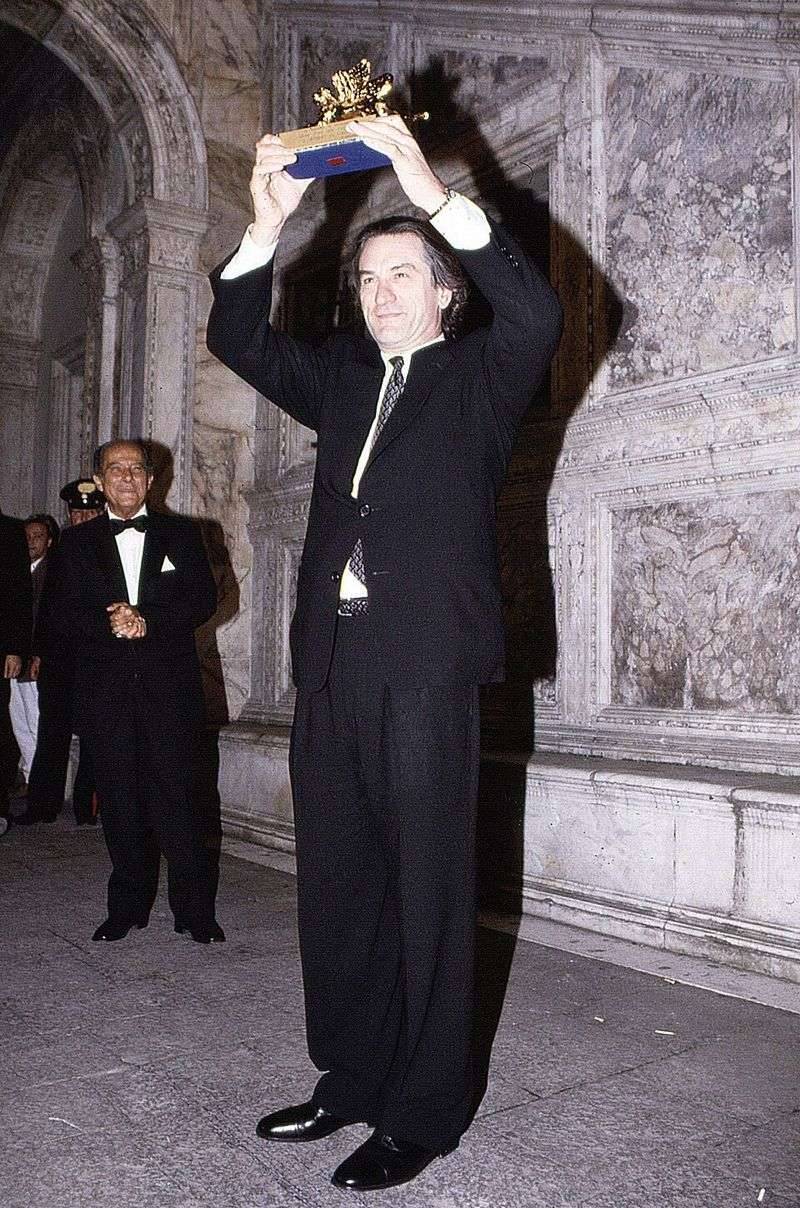
Comedy found a natural outlet in Jack Walsh, proving De Niro could shift tones without losing the intensity that defined his dramatic work.
Opposites collided when his gruff bounty hunter met Charles Grodin’s anxious accountant, and personality friction generated effortless sparks.
Balance between action and humor gives the film a lightness that never undermines momentum. Unexpected comic timing surfaces throughout, as sharp-tongued outbursts land with rhythm that borders on musical.
Gradual warmth toward his captive unfolds so subtly that the emotional impact sneaks up in the final moments.
13. Meet The Parents (2000) – Jack Byrnes
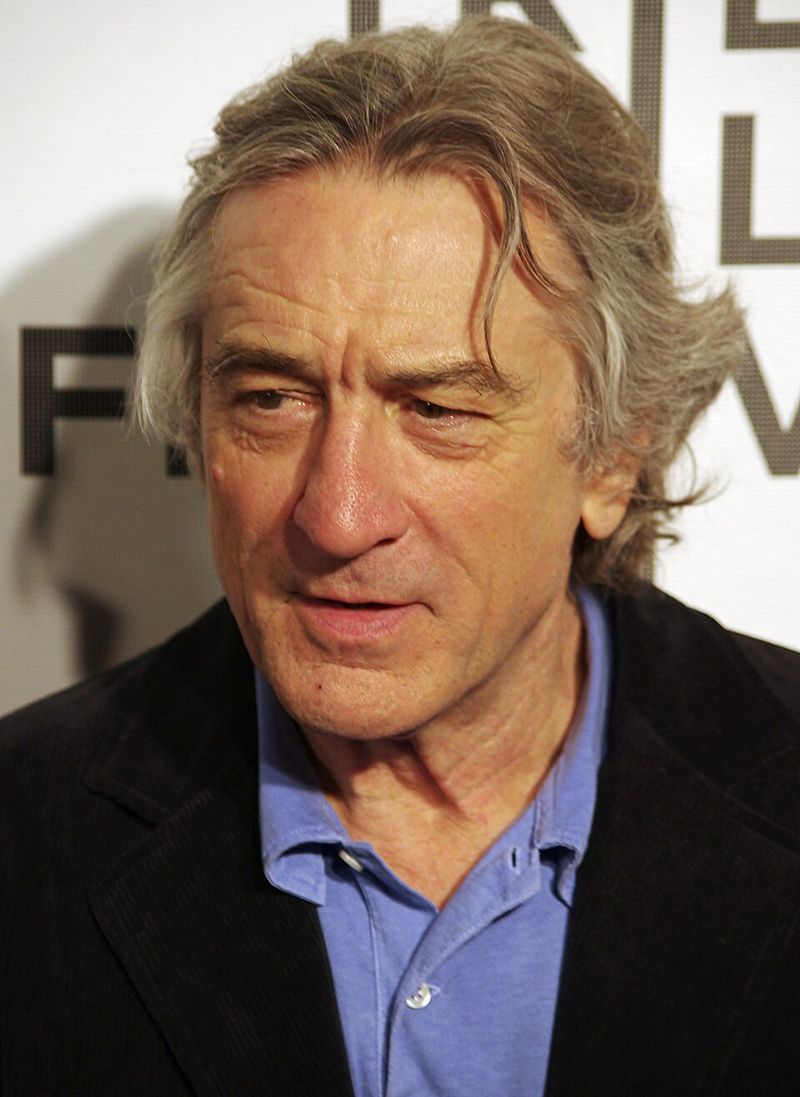
Jack Byrnes weaponizes politeness, turning dinner conversation into psychological warfare with a smile.
De Niro’s comedic instincts shine as the ex-CIA agent who terrorizes Ben Stiller through sheer presence.
The performance works because he plays it completely straight, never winking at the camera or acknowledging the absurdity. Byrnes’ suspicion feels genuinely threatening despite the farcical situations, proof that De Niro’s intensity translates perfectly to comedy.
Audiences discovered he could make them laugh as hard as he once made them flinch.
14. Silver Linings Playbook (2012) – Pat Solitano Sr.
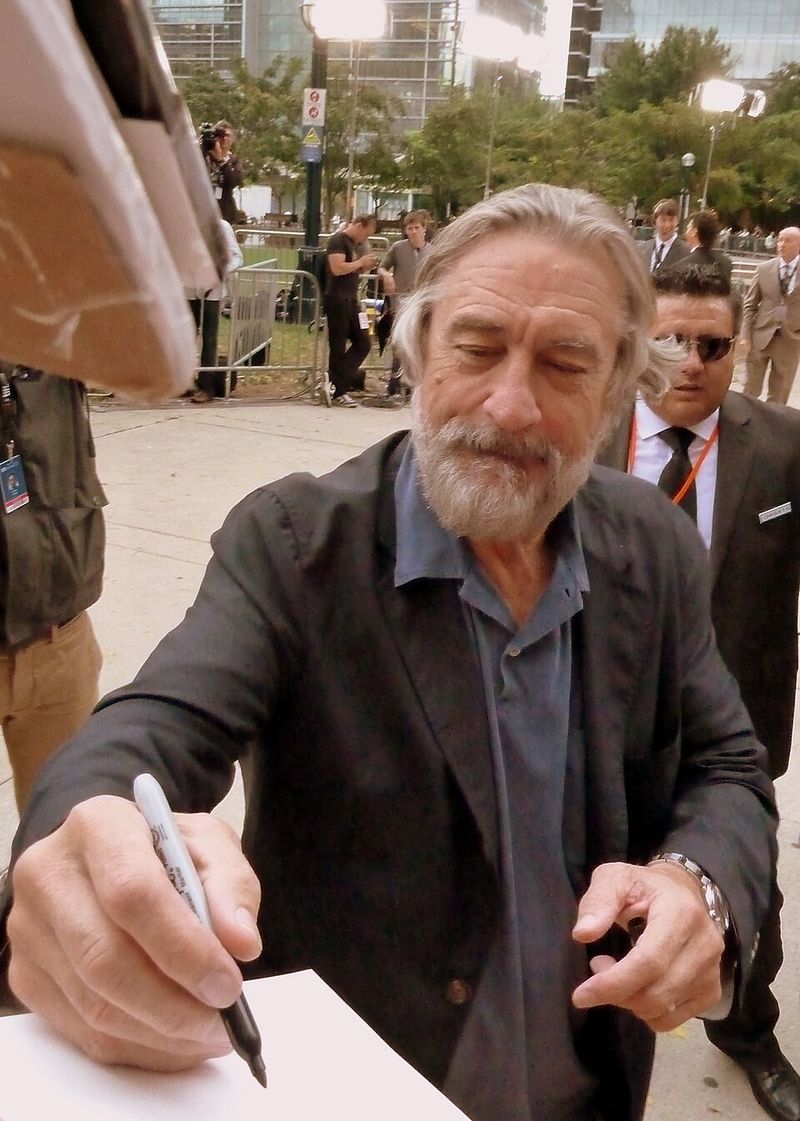
Obsessive rituals surround every Philadelphia Eagles game for Pat Senior, who convinces himself his actions influence the outcome.
Mental health struggles surface through superstition, and De Niro balances humor with heartbreak in equal measure.
Friction ignites in his scenes with Bradley Cooper, carrying the distinct tension that only fathers and sons can produce.
An Academy Award nomination followed, signaling that decades into his career he could still surprise audiences. Vulnerability takes center stage in the final dance competition, where fear loosens its grip at last.
15. The Irishman (2019) – Frank Sheeran

Frank Sheeran sits alone in a nursing home, haunted by ghosts only he can see.
De Niro’s final collaboration with Scorsese became a meditation on mortality, regret, and the emptiness of violent lives. Digital de-aging allowed him to play decades of Sheeran’s life, but the oldest scenes carry the most weight.
His stillness speaks louder than any monologue could, capturing what remains when everything else falls away. The performance feels like De Niro examining his own legacy, asking what endures beyond the roles we play.
Disclaimer: This article discusses film performances and summarizes publicly known production details and award recognition. Details can vary across releases, interviews, and archival sources, so readers should treat minor production anecdotes as informational rather than definitive unless independently verified.