20 Period Love Stories Like Wuthering Heights That Need A Screen Version
Some love stories refuse to behave politely. They ache, linger, and haunt long after the final page closes, leaving readers wondering why no filmmaker has yet brought their passion to life.
Anyone who has felt the wild pull of Wuthering Heights knows romance can be messy, obsessive, and unforgettable in ways that polished fairy tales rarely capture.
Literary history is filled with sweeping relationships shaped by longing glances, social barriers, and emotions powerful enough to reshape entire lives.
Many of those stories remain quietly waiting in the wings, rich with atmosphere, dramatic tension, and cinematic potential just begging for a modern audience.
Consider this a curtain rising on romances still waiting for their grand cinematic entrance.
Disclaimer: This article reflects editorial opinion and highlights period romances the editor believes would make compelling screen adaptations; selections are subjective and intended for entertainment and discussion purposes only.
1. Jane Eyre by Charlotte Brontë
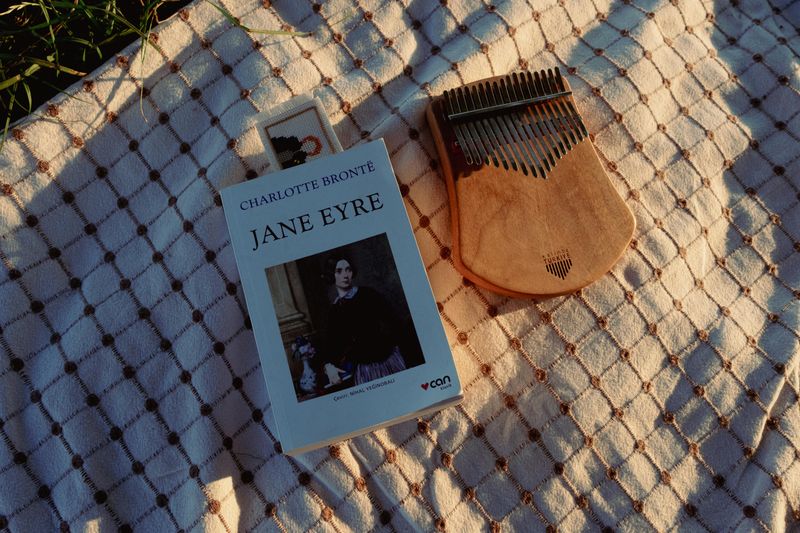
Brooding estate, bruised hearts, and a love story that keeps tripping over secrets and pride.
Jane and Rochester’s connection crackles with intensity, but every time they get close, another skeleton tumbles out of the attic – literally.
Though adaptations exist, none fully capture the book’s feverish inner monologue.
Imagine a version that leans into the psychological tension, where every glance holds a paragraph’s worth of unspoken longing.
Plus, Bertha deserves better than being the scary lady upstairs.
2. The Tenant of Wildfell Hall by Anne Brontë
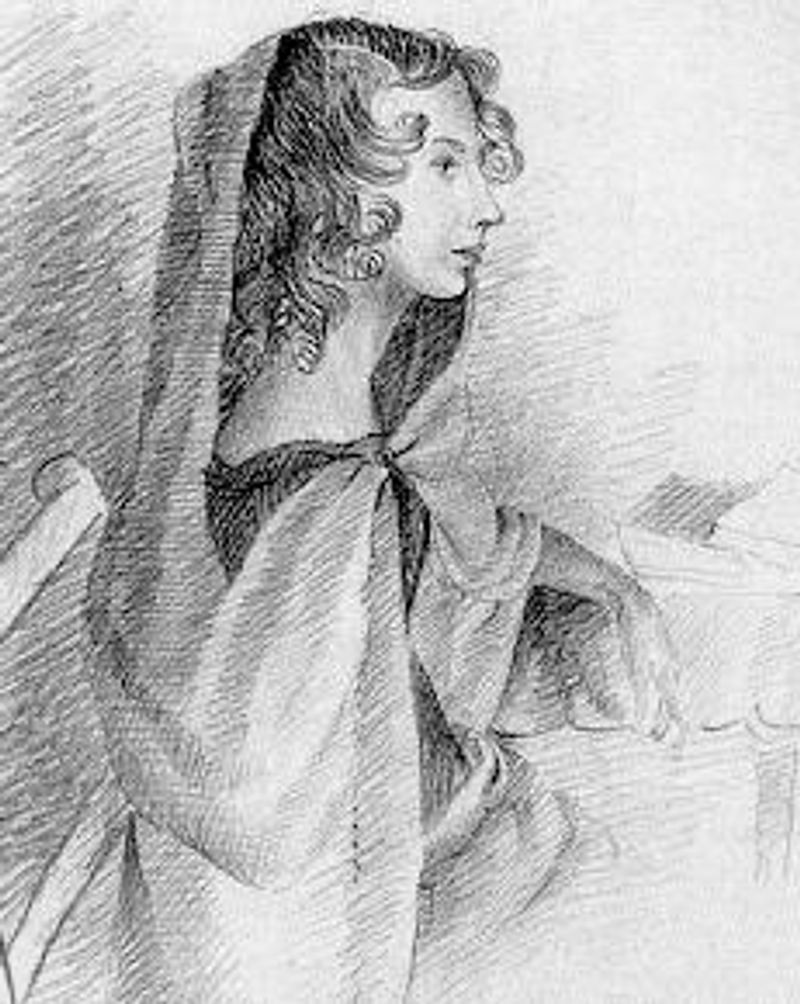
Helen Graham shows up in a small community with a child and zero explanations, which naturally makes everyone lose their minds.
Her slow-burn connection with Gilbert Markham unfolds alongside flashbacks that reveal a marriage gone terrifyingly wrong.
This isn’t your typical period romance – it’s a survival story wrapped in propriety.
Think Fleabag meets Victorian England, minus the wine bar.
3. Villette by Charlotte Brontë
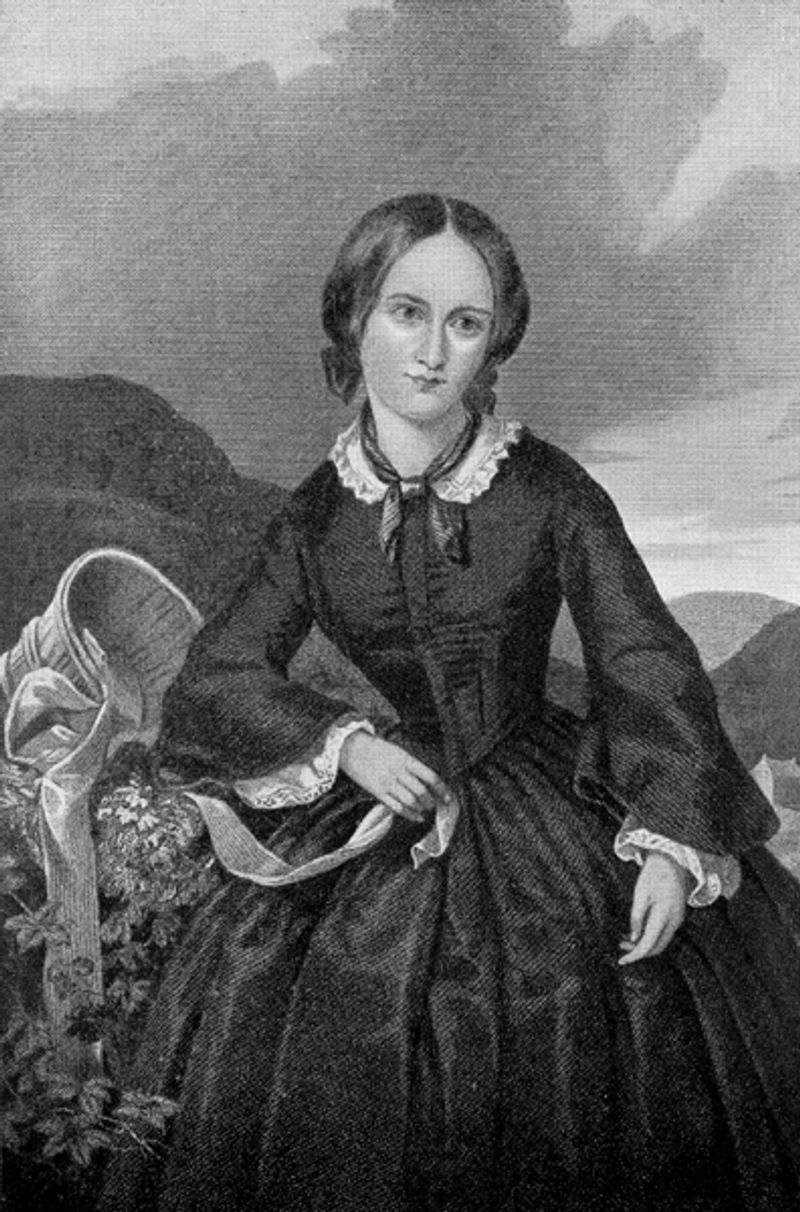
Slow-burn longing and the kind of emotional weather that turns quiet scenes electric.
Lucy Snowe navigates life as a teacher in Belgium while wrestling with feelings she barely admits to herself.
Her relationship with Monsieur Paul Emanuel builds through arguments, misunderstandings, and moments of startling tenderness.
The ending? Ambiguous enough to fuel debate for decades.
A screen version could lean into the unreliable narration and make viewers question everything they just watched.
4. The Woman in White by Wilkie Collins
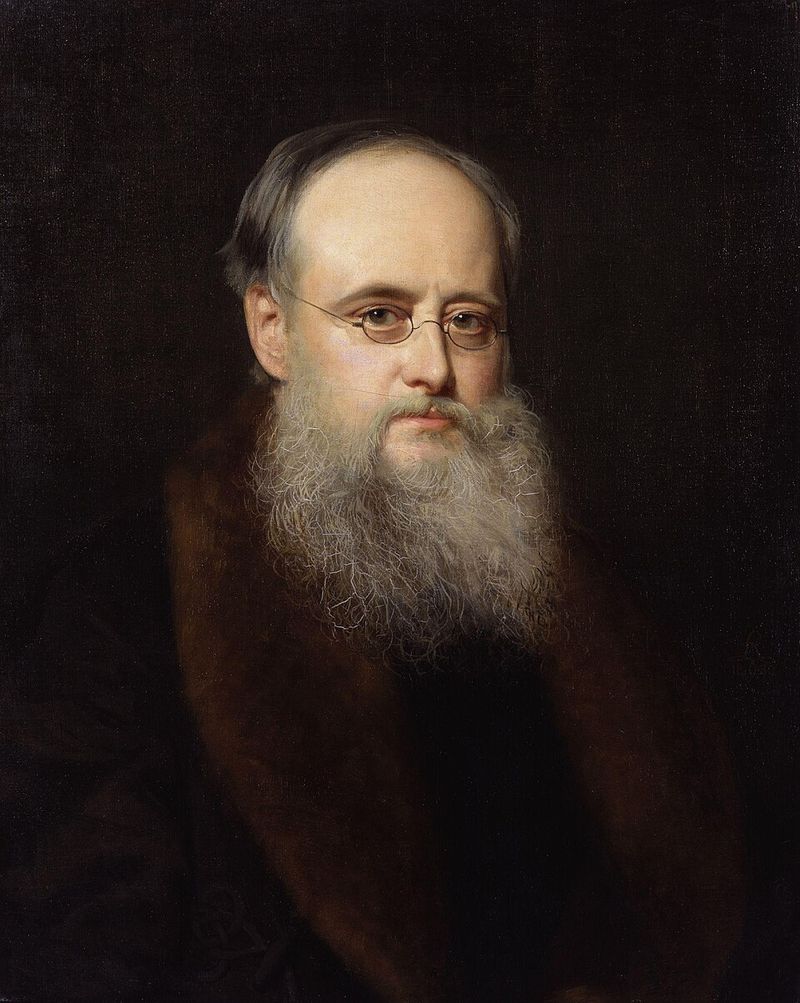
Romance winds through questions of identity, dangerous fixation, and a conspiracy that refuses to remain quietly hidden.
Feelings grow between Walter Hartright and Laura Fairlie, yet plans unravel when she is pushed into a marriage with a man driven by money and manipulation.
Mistaken identities, time spent in an asylum, and layers of deception quickly complicate every relationship involved. Unexpected turns stack one after another, sending the narrative twisting in ever more surprising directions.
Basically, it’s a Victorian thriller that happens to have a love story – or maybe vice versa.
5. Lady Susan by Jane Austen
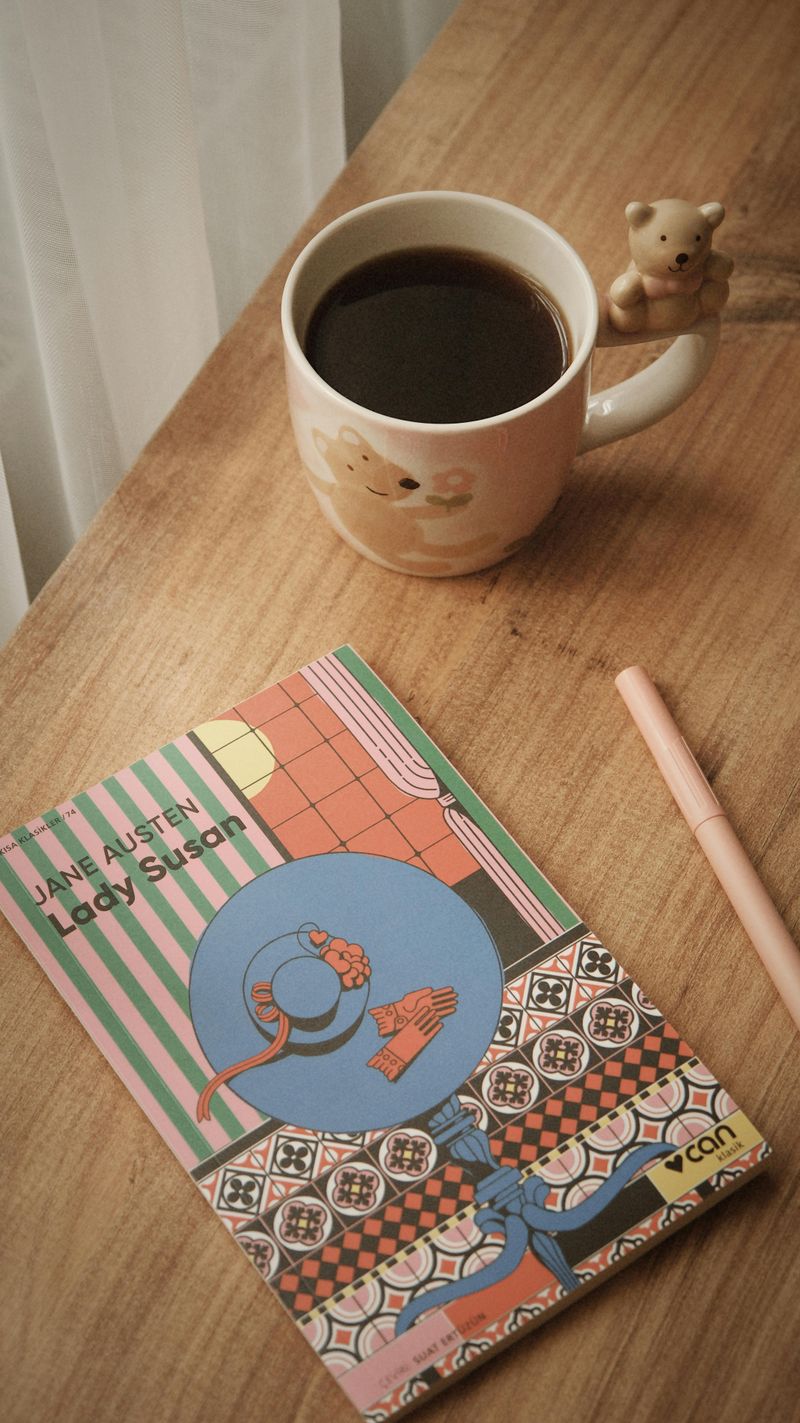
A sharper, darker romantic chess match – social manipulation with a smile and a dagger in the sleeve.
Lady Susan Vernon plays every person in her orbit like a fiddle, juggling suitors, daughters, and reputations with zero remorse.
Austen wrote this early, and it shows – the humor’s darker, the heroine’s more ruthless. Love is just another tool in Susan’s arsenal.
Its modern comparison could be House of Cards but with better bonnets and significantly more wit.
6. Lady Audley’s Secret by Mary Elizabeth Braddon
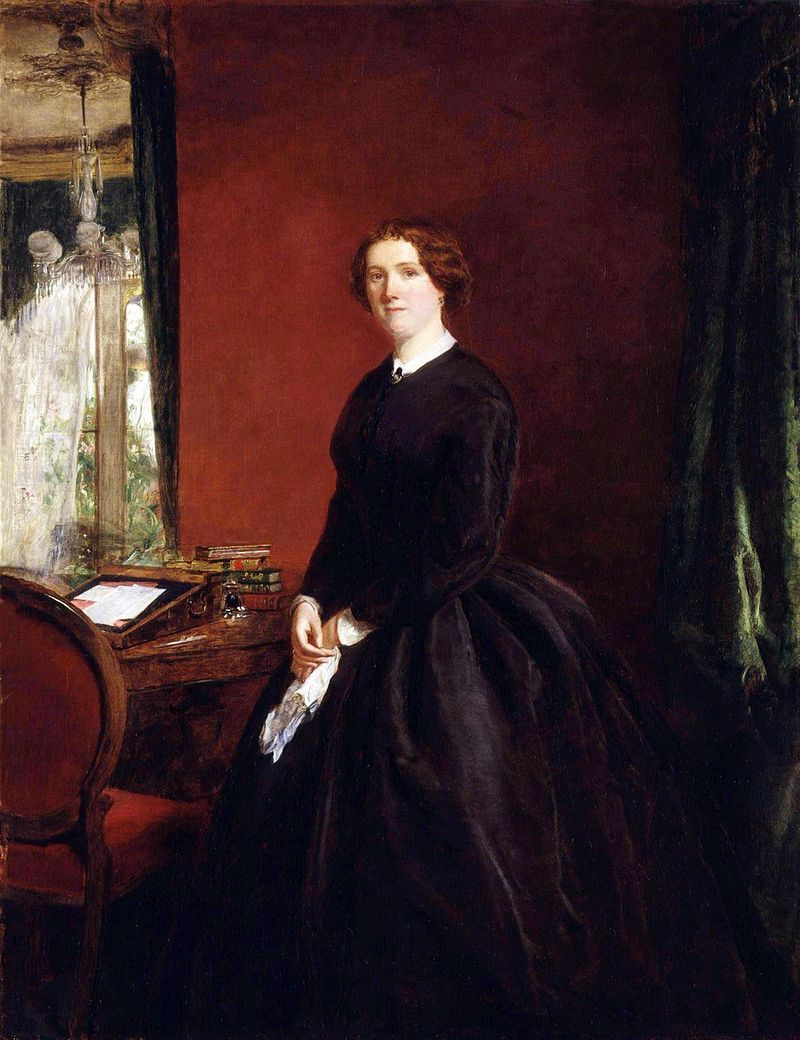
Everything looks perfectly respectable on the surface, the kind of marriage and social life Victorian society loved to admire without asking too many questions.
Beneath that polished image sits a carefully constructed identity, and the truth behind it is far less innocent than anyone suspects.
Lady Audley thrives on appearances, using charm and beauty as a shield while keeping major secrets firmly out of sight.
A sudden disappearance sparks quiet concern that gradually turns into full-blown suspicion, pushing romance into the background as hidden motives begin to surface.
7. East Lynne by Ellen Wood
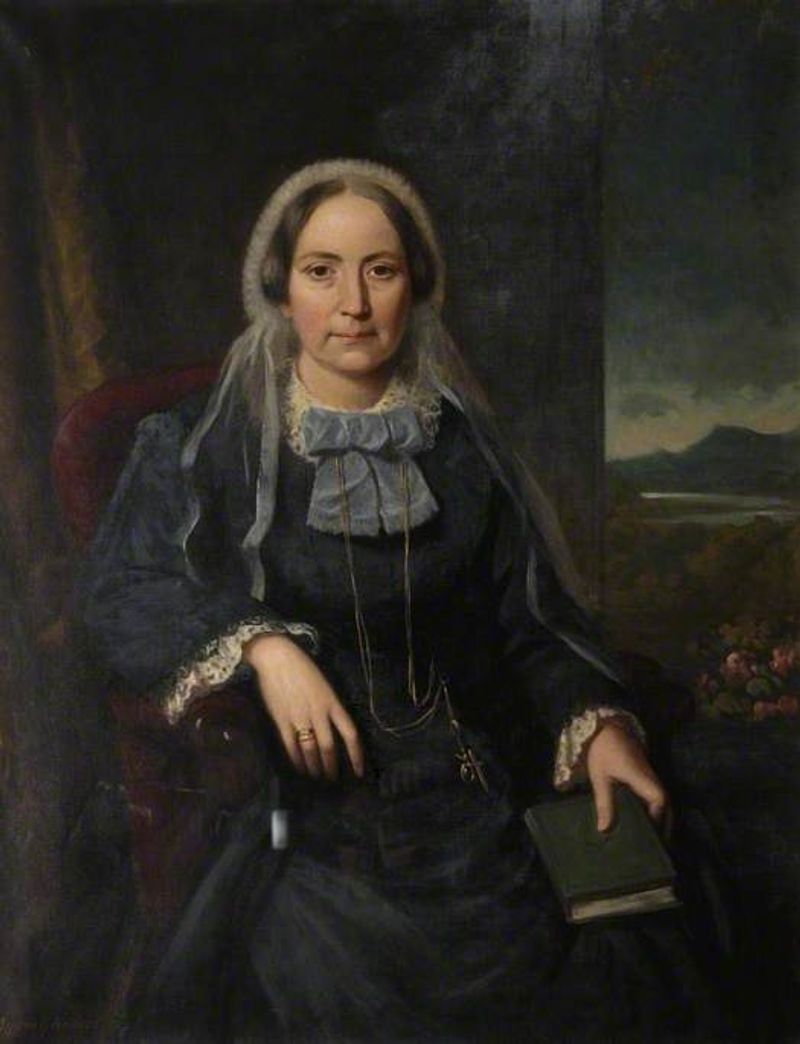
Melodrama done seriously: heartbreak, consequence, and love that curdles into legend-level regret.
Isabel Vane makes one catastrophic decision and spends the rest of the novel paying for it in increasingly tragic ways.
Her marriage, her reputation, and her health all crumble while the man she left behind moves on.
It’s brutal, emotional, and surprisingly modern in how it handles female agency and societal judgment.
Pass the tissues and prepare for some serious Victorian-era feelings.
8. Cousin Phillis by Elizabeth Gaskell

A quiet countryside life unfolds with careful manners and restrained emotions, where even small changes feel significant.
Growing up sheltered yet intellectually curious leaves one young woman unprepared for the emotional upheaval brought by her cousin’s charming friend.
What begins as harmless admiration slowly deepens into something far more vulnerable, only to fracture once reality intrudes and expectations collide with truth.
Only thing left to say is keep the tissues close to you before starting this one.
9. Rebecca by Daphne du Maurier

Gothic romance with a jealous house, a larger-than-life absence, and a relationship built on unease.
The unnamed narrator marries Maxim de Winter and moves to Manderley, where the ghost of his first wife dominates every room.
What starts as insecurity spirals into something far darker. Du Maurier weaves suspense and romance so tightly they become indistinguishable.
Multiple adaptations exist, but the 2020 Netflix version proves there’s still room for fresh interpretations that lean into the psychological horror elements.
10. Mary Barton by Elizabeth Gaskell
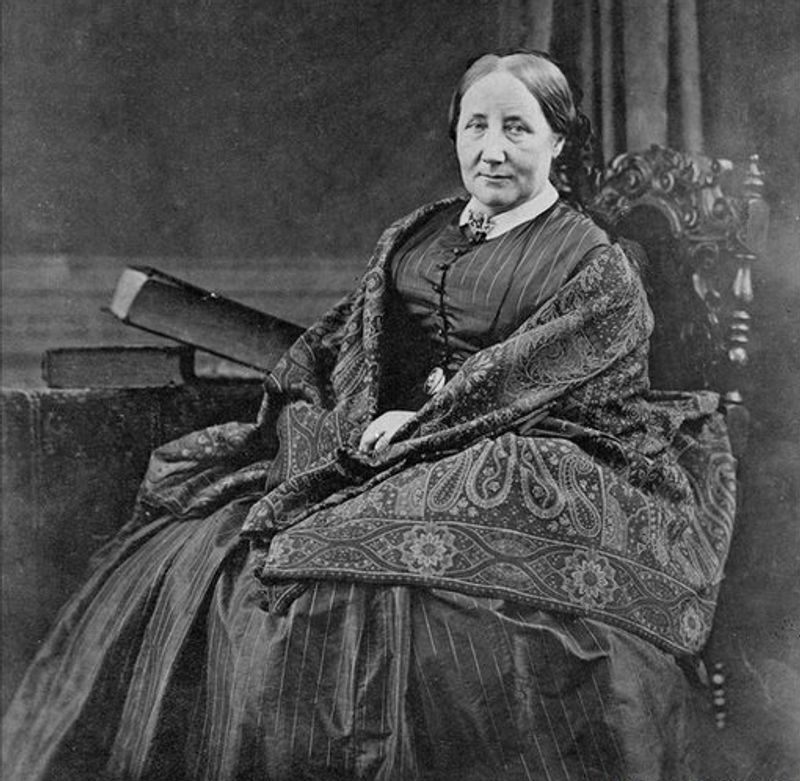
Working-class romance under pressure, where love has to compete with grief, politics, and survival.
Mary Barton navigates factory life, family tragedy, and two very different suitors while Manchester burns with labor unrest.
Her choice between security and genuine connection plays out against strikes, crimes, and moral dilemmas.
Gaskell doesn’t sugarcoat the stakes – love matters, but so does eating.
Think Downton Abbey if everyone actually worked for a living.
11. The Italian by Ann Radcliffe
Danger presses in from every direction as a romance struggles to survive within a world built on control, secrecy, and looming threats.
Love grows between Vincentio and Ellena while powerful forces attempt to separate them, surrounding their story with hidden agendas, religious intrigue, and settings that seem designed for dramatic showdowns.
A mysterious monk quickly dominates the narrative, turning every appearance into a moment charged with tension and unease.
The experience feels like a high-stakes conspiracy thriller filtered through gothic atmosphere.
12. The Mysteries of Udolpho by Ann Radcliffe

A romance wrapped in dread and atmosphere, with castles, fear, and devotion tested at every corner.
Emily St. Aubert gets dragged to a creepy Italian fortress where her aunt’s new husband might be a villain..
Meanwhile, she’s separated from the man she loves and surrounded by locked doors and unexplained noises.
Radcliffe invented half the Gothic romance playbook here. Every modern haunted house story owes this book a royalty check.
13. Persuasion by Jane Austen
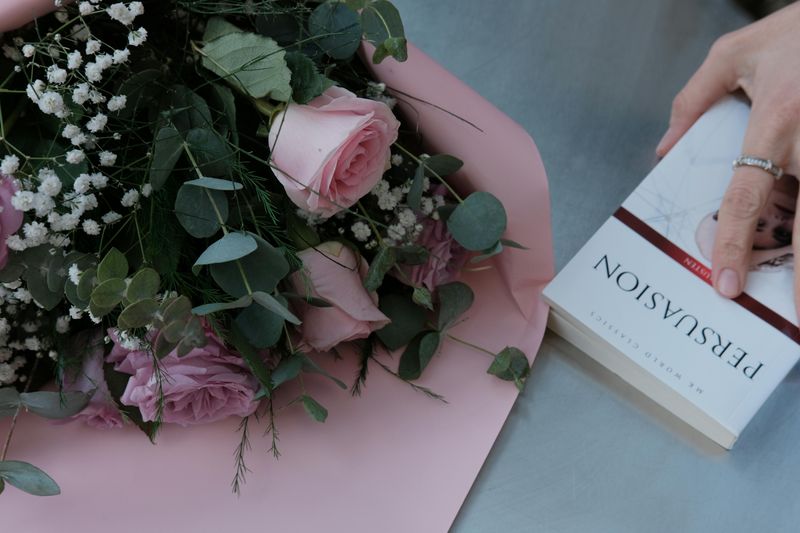
Second chances, quiet devastation, and a love story that hits harder because it whispers instead of shouting.
Anne Elliot let Captain Wentworth go years ago, and they’ve both been quietly miserable ever since. When they’re thrown back together, every conversation carries the weight of lost time.
Austen’s most mature romance explores regret, growth, and whether people really change.
It’s the literary equivalent of that moment when your ex walks back into your life and suddenly you can’t breathe.
14. Belinda by Maria Edgeworth
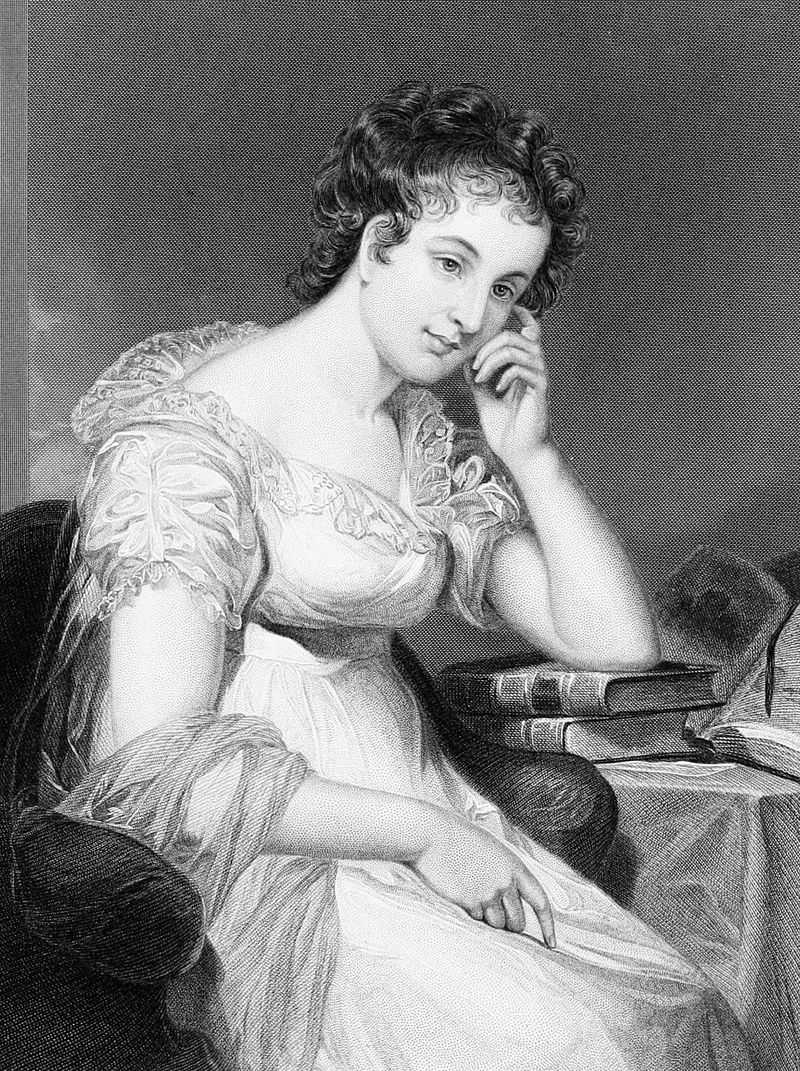
London society runs on opinions, expectations, and endless advice, leaving one young woman trying to protect her own feelings while everyone else attempts to plan her future.
Navigating social visits, potential suitors, and whispered scandal turns Belinda Portman’s season into a careful balancing act between personal happiness and public approval.
Edgeworth treats romance with surprising realism, allowing the heroine to question whether desire and duty can ever comfortably align.
Realizing what the heart actually wants, however, proves far more complicated than following society’s script, especially when outside voices grow louder with every decision.
15. Evelina by Frances Burney
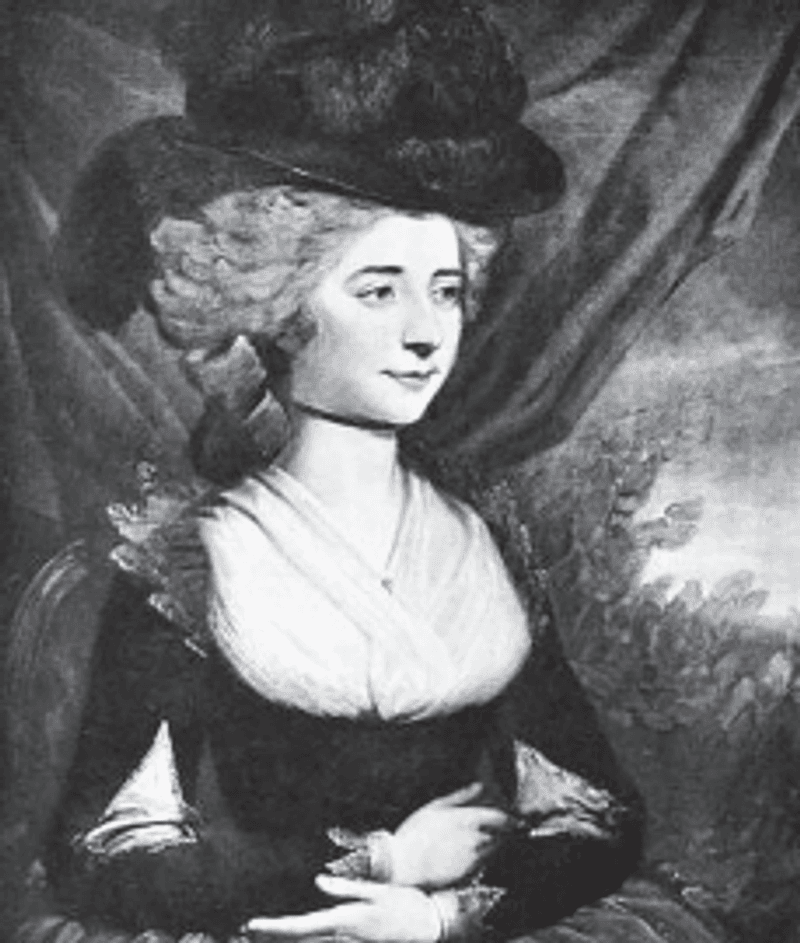
A coming-of-age love story with social peril baked in – think awkward encounters, misunderstandings, and real tenderness.
Evelina enters London society with zero training and immediately steps on every social landmine available – yikes.
Her romance with Lord Orville develops through a series of mortifying incidents that feel painfully relatable.
Burney writes social anxiety like she invented it. Basically, it’s the 18th-century equivalent of texting the wrong person and then having to see them at dinner.
16. Daniel Deronda by George Eliot
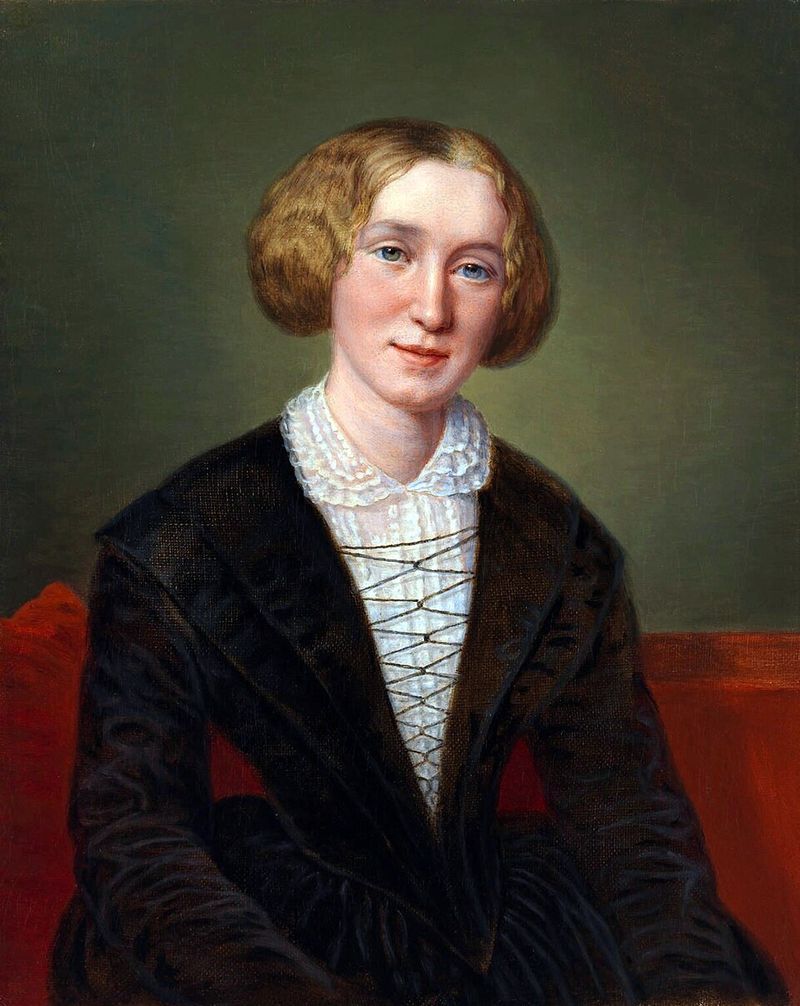
Love carries real consequences in a story where identity, responsibility, and personal growth matter as much as romance itself.
A troubled young woman seeks stability after a disastrous marriage, while the man who helps her begins confronting revelations about his own heritage and purpose.
Parallel storylines unfold through debates about duty, desire, and the obligations people carry toward both themselves and their communities.
What emerges feels less like a traditional swoon-worthy romance and more like a thoughtful exploration of connection, asking readers to reflect long after the final page.
17. Sense and Sensibility by Jane Austen
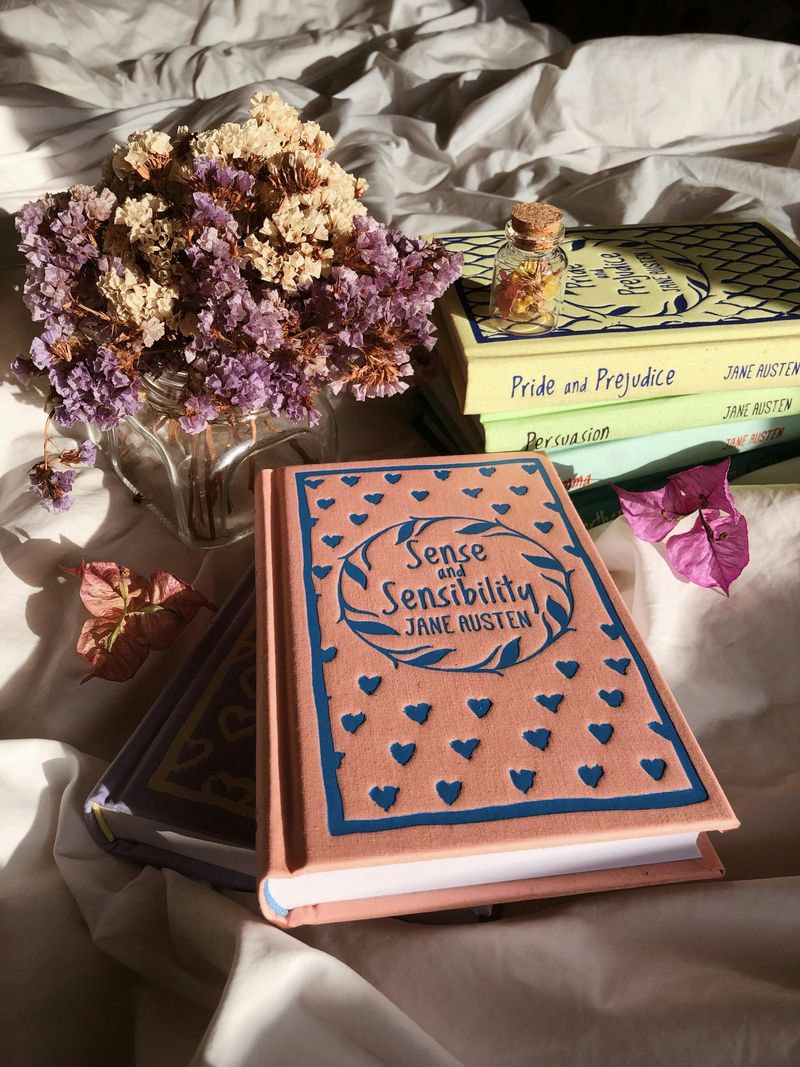
Love unfolds here less as a fairy tale and more as an emotional endurance test, shaped by restraint, longing, and the gradual understanding that affection often comes with sacrifice.
Two sisters respond to heartbreak in completely different ways, one guarding every feeling behind composure while the other expresses emotion openly and without filter.
Neither path offers protection from disappointment, only different versions of it.
Adaptations return to the story again and again, each trying to capture that particular tension where polite society feels almost suffocating and every emotional risk carries lasting consequences.
18. The Mill on the Floss by George Eliot
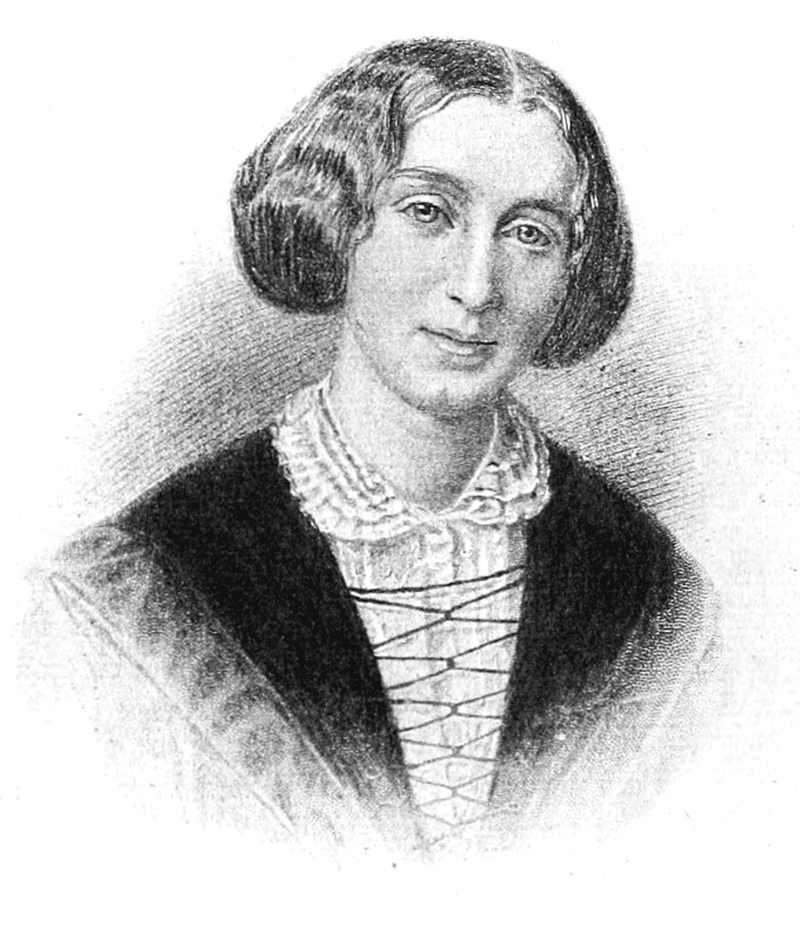
Emotion runs high in a story where love and loyalty constantly clash with family expectations, leaving every decision charged with consequence.
Life within a close-knit community magnifies personal choices, turning private feelings into public struggles that refuse to stay contained.
Maggie Tulliver finds herself torn between deep emotional connection and the pressure to meet moral standards set by those around her.
The conclusion lands with overwhelming emotional force, gathering regret, love, and inevitability into a final moment that feels impossible to shake.
19. The Scarlet Letter by Nathaniel Hawthorne
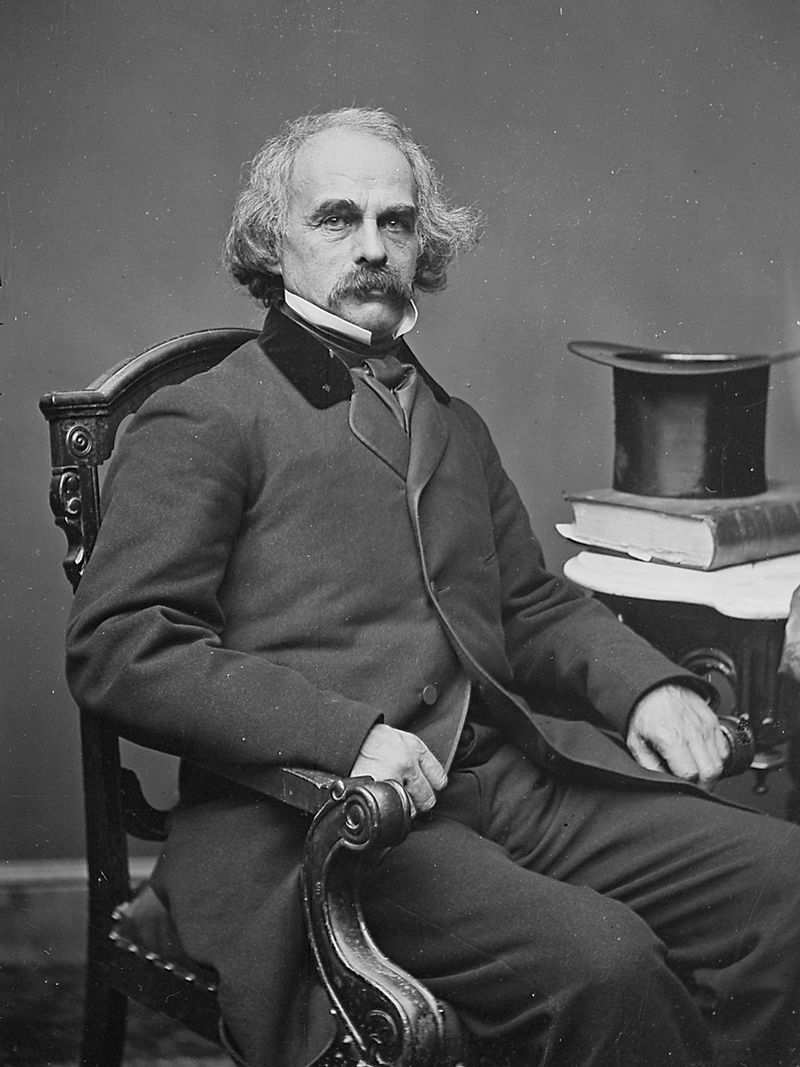
Desire collides with rigid morality in a story where love carries a permanent mark and secrecy becomes its own form of punishment.
Public judgment defines daily life, forcing one woman to wear the evidence of her transgression openly while the man who shares her guilt maintains a carefully protected reputation.
Hawthorne leans into psychological tension rather than spectacle, tracing how shame and repression can unravel a person from within.
Attempts to modernize the tale surface regularly, yet the stark Puritan setting remains essential to its power.
20. The Age of Innocence by Edith Wharton
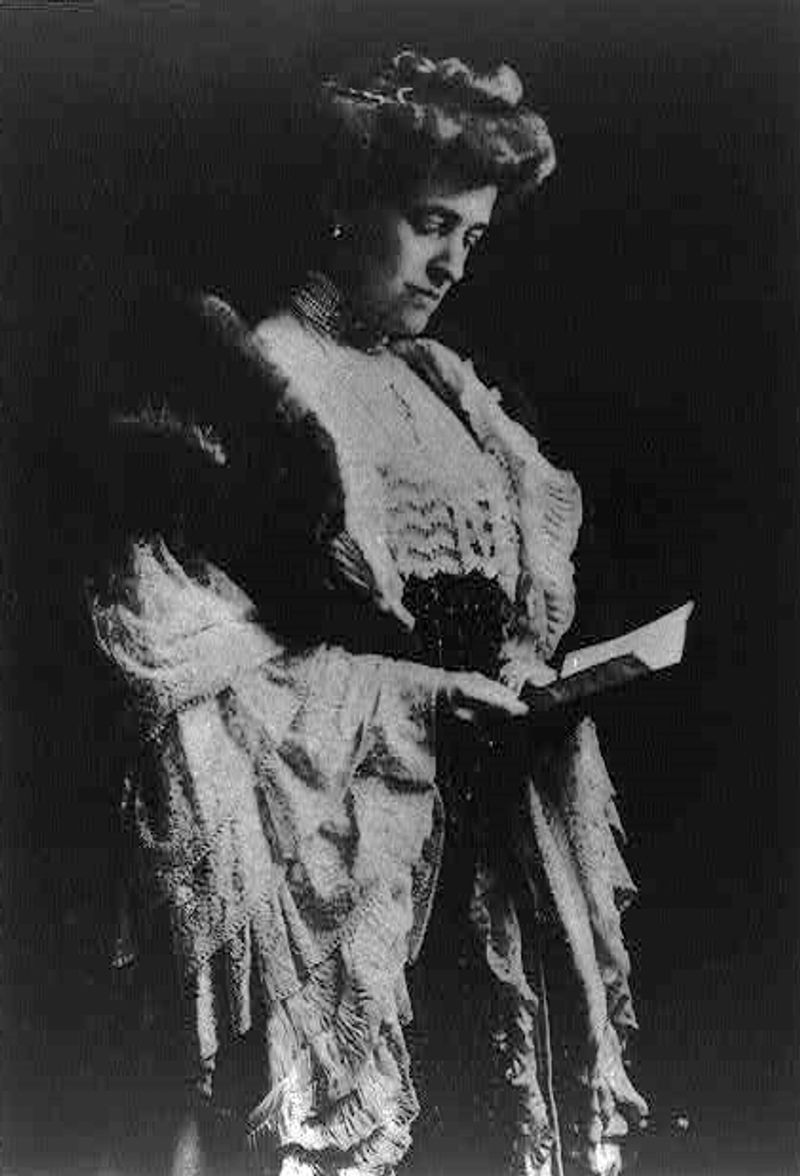
Polite society moves like a carefully choreographed performance, where every gesture carries meaning and desire must hide behind impeccable manners.
Engagement promises stability, yet unexpected attraction complicates everything once an unconventional newcomer disrupts the social order and exposes how fragile those rules really are.
Longing unfolds through subtle signals rather than grand declarations, expressed in glances across rooms, symbolic gifts, and seating arrangements planned with almost strategic precision.
The celebrated 1993 film adaptation captured much of that tension, yet another interpretation could lean even further into the emotional pressure of Gilded Age conventions.