15 Pianists Often Considered Among The Most Influential
Ohhh, piano is pure chaos in fancy clothes. One note goes plink, next note goes full emotional jellyfish sting.
These legends did not just play the keys. They made them wobble, sparkle, and panic with style.
1. Franz Liszt
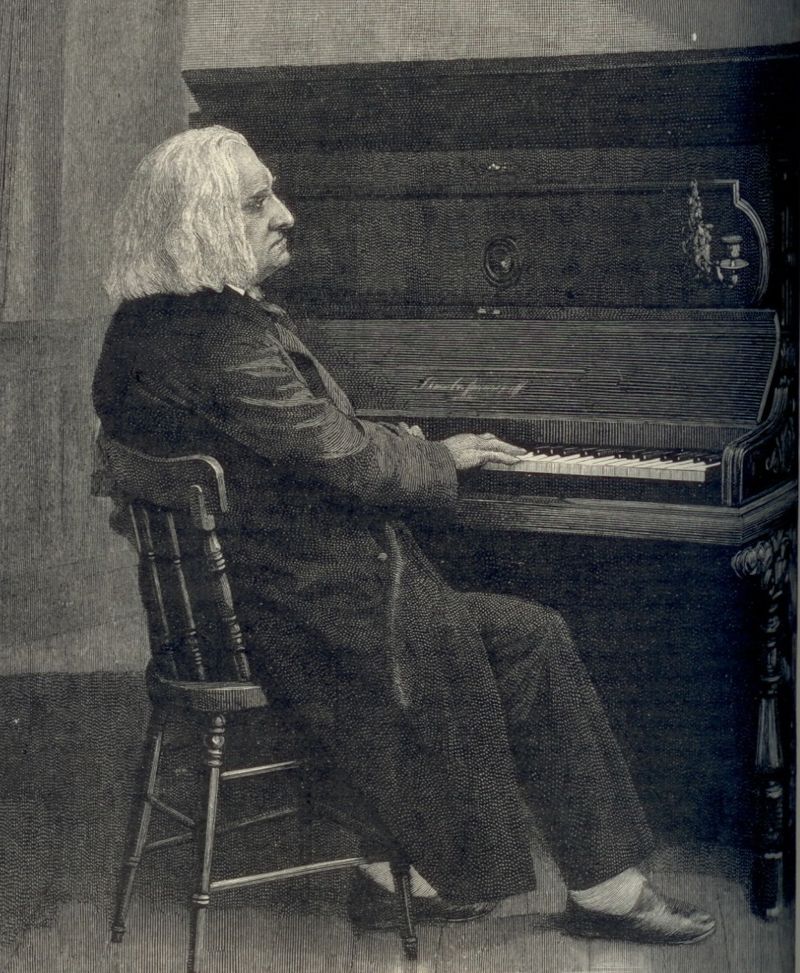
Long before pop stars sent crowds into hysteria, Franz Liszt was already causing that exact kind of reaction at the piano.
Newspapers even coined the term “Lisztomania” to describe the frenzy surrounding his appearances. He also helped establish the solo piano recital, turning one performer and one instrument into an event large enough to fill the room completely.
Technical brilliance was only part of the story.
Showmanship, ambition, and sheer force of personality made him the template for the virtuoso performer.
2. Frédéric Chopin
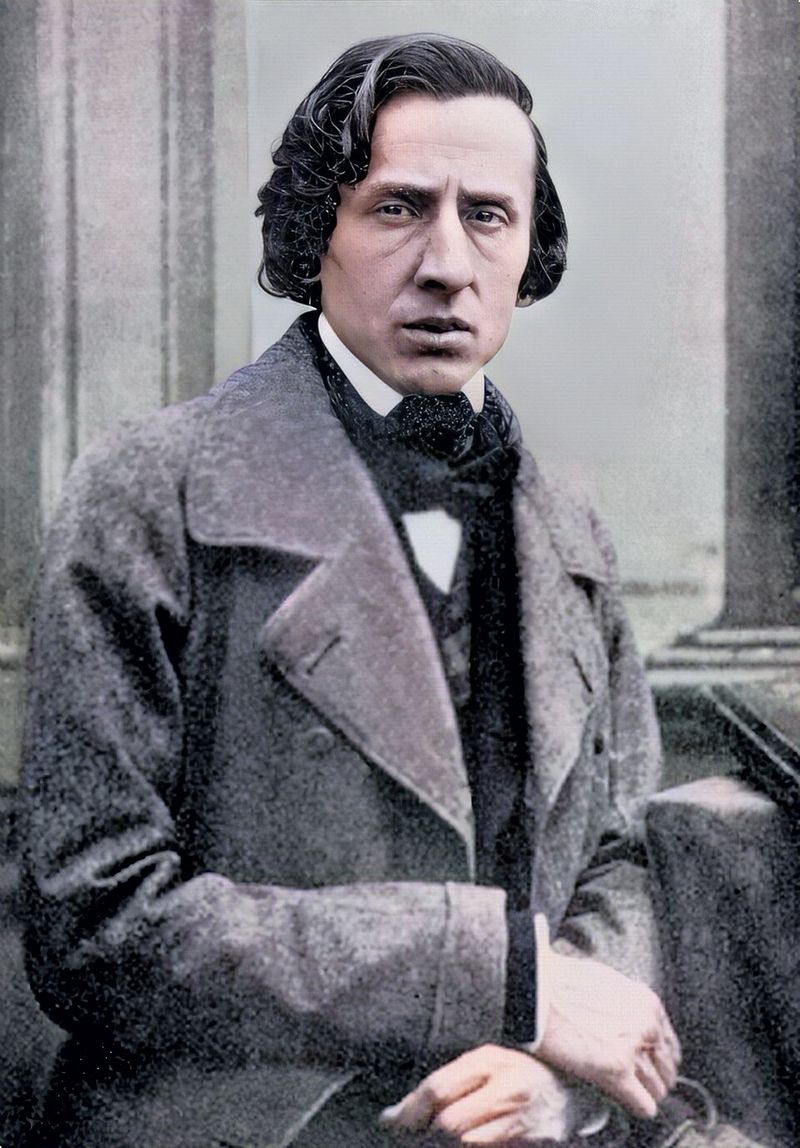
Very few composers made the piano sound as inward, delicate, and deeply personal as Frédéric Chopin.
Born in Poland in 1810 and later based largely in Paris, he wrote music that often feels almost confessional, as though the listener has wandered into someone’s private thoughts.
Large public concerts never suited him much, and he preferred the intimacy of salons where nuance could fully bloom. Generations of pianists still return to Chopin for lessons in touch, phrasing, and emotional control.
The music feels intimate without ever losing its depth.
3. Clara Schumann
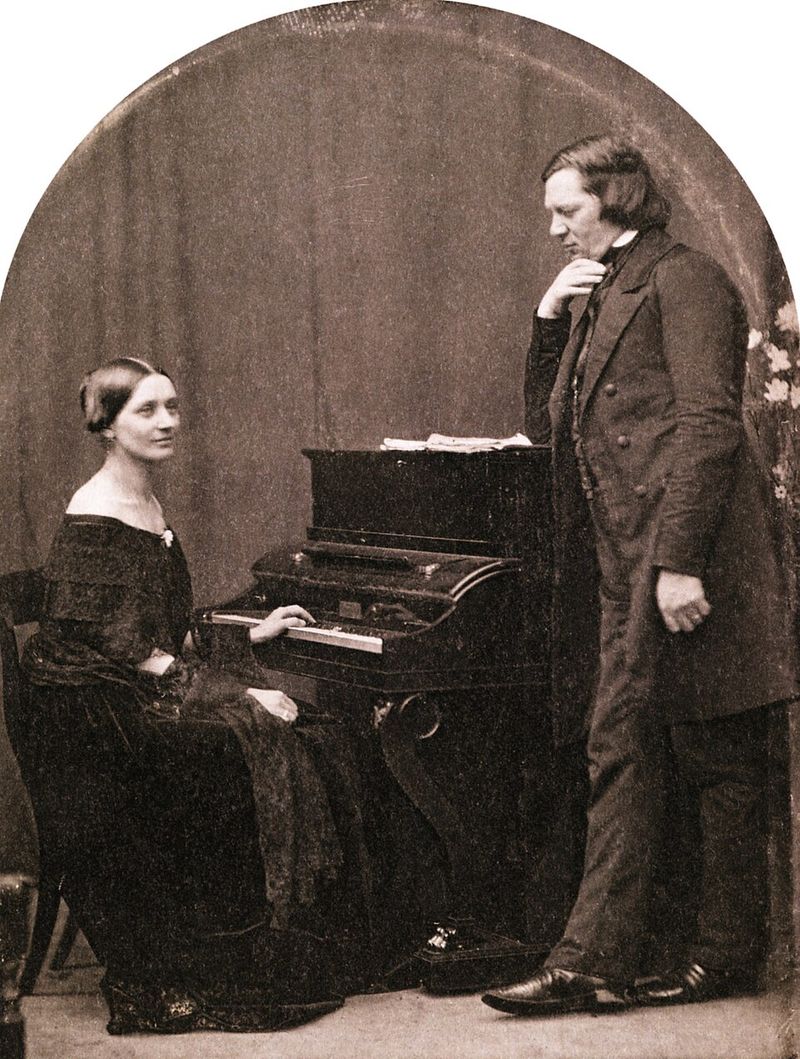
During an era that placed heavy limits on women’s public artistic lives, Clara Schumann built a commanding life on Europe’s concert stages.
Child prodigy status arrived early, but longevity made the deeper point. More than sixty years of performing helped establish a model of seriousness, depth, and artistic conviction that still shapes pianists today.
Flash was never the center of that legacy.
Emotional truth and interpretive intelligence carried far more weight.
4. Sergei Rachmaninoff
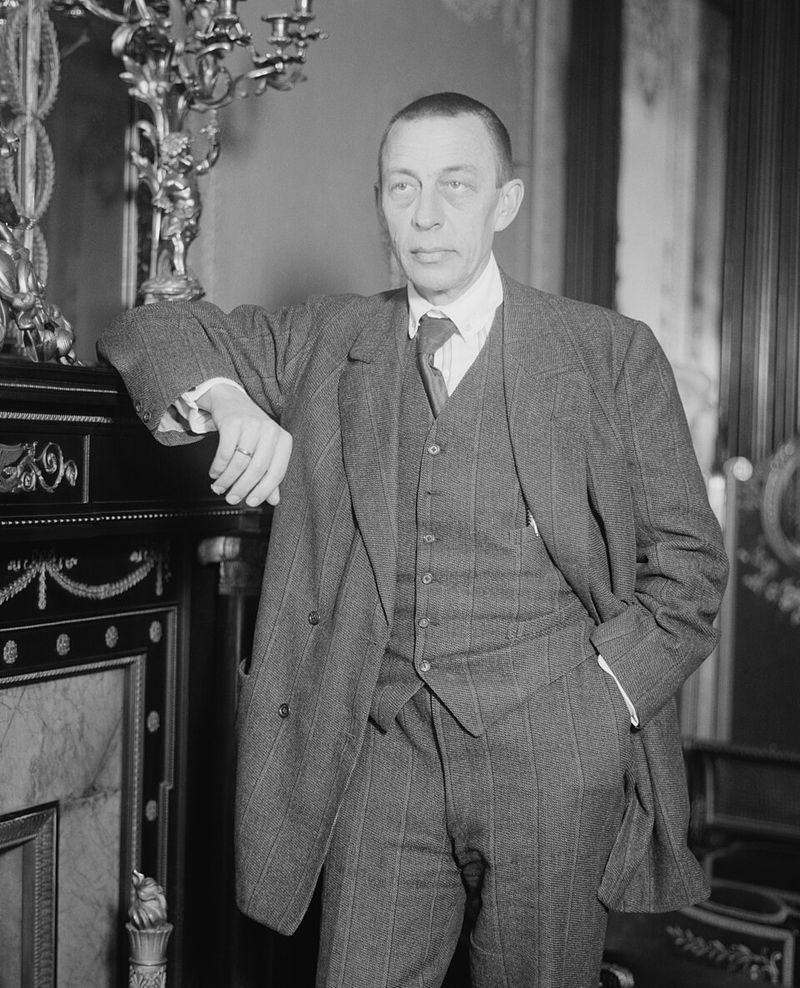
Power and ache sit side by side in the music of Sergei Rachmaninoff. Legend always returns to those enormous hands, famous for spanning twelve keys, yet the lasting fascination comes from something more musical than physical.
Works and recordings alike combine thunderous force with a lyric tenderness that remains instantly recognizable.
Students still treat those performances like benchmark material. Few artists have sounded so massive and so vulnerable at once.
5. Arthur Rubinstein
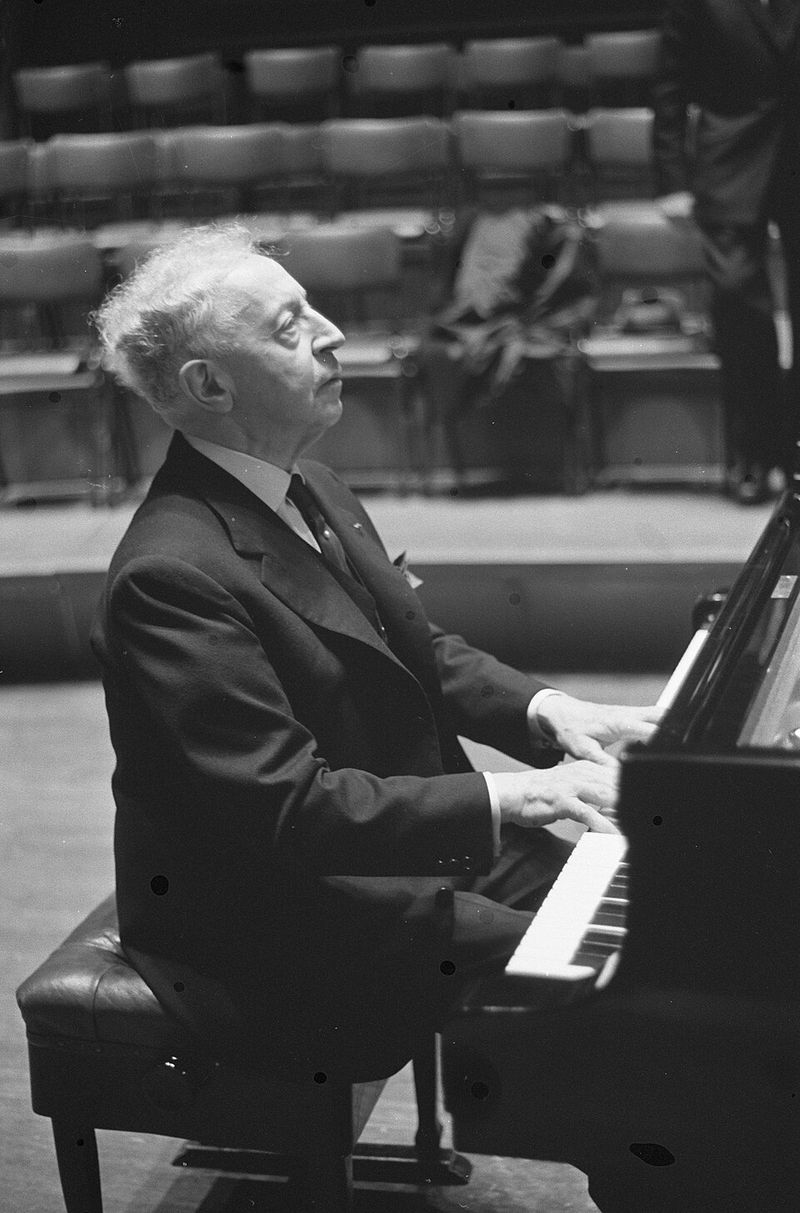
Admiration came easily to Arthur Rubinstein, but affection came even easier.
Chopin interpretations in particular remain beloved for warmth, spontaneity, and a deeply human quality that many listeners still treat as a gold standard. Concert life stretched well into later years, proving that mature musicianship can deepen rather than dim.
Stories about minimal practicing only add another layer to the myth. The sound itself stayed generous, elegant, and alive.
6. Vladimir Horowitz
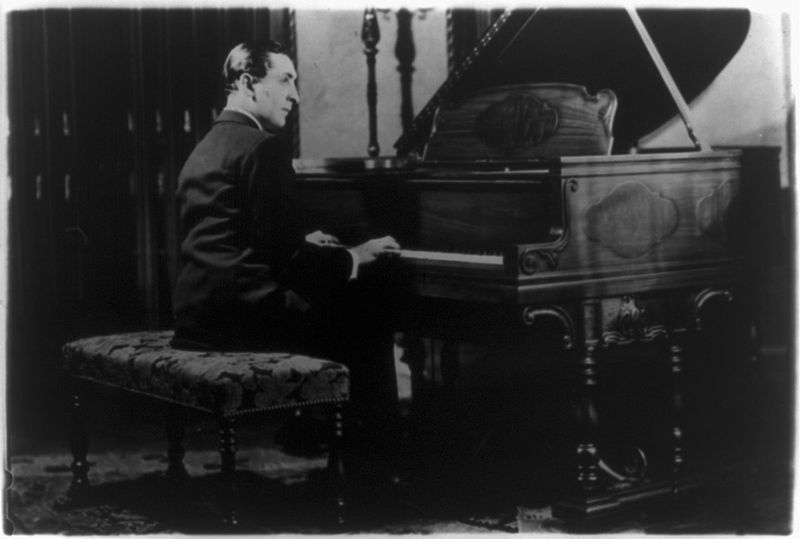
Intensity seemed to flicker under every note Vladimir Horowitz played.
Precision could feel almost unnerving, but nothing landed as cold or overcontrolled. Instead, each performance carried the thrill that something unpredictable might erupt at any second.
A return to the stage in 1965 after a twelve-year absence became legendary for exactly that reason. Comebacks rarely arrive with so much voltage.
Horowitz made the piano feel thrillingly unpredictable.
7. Glenn Gould
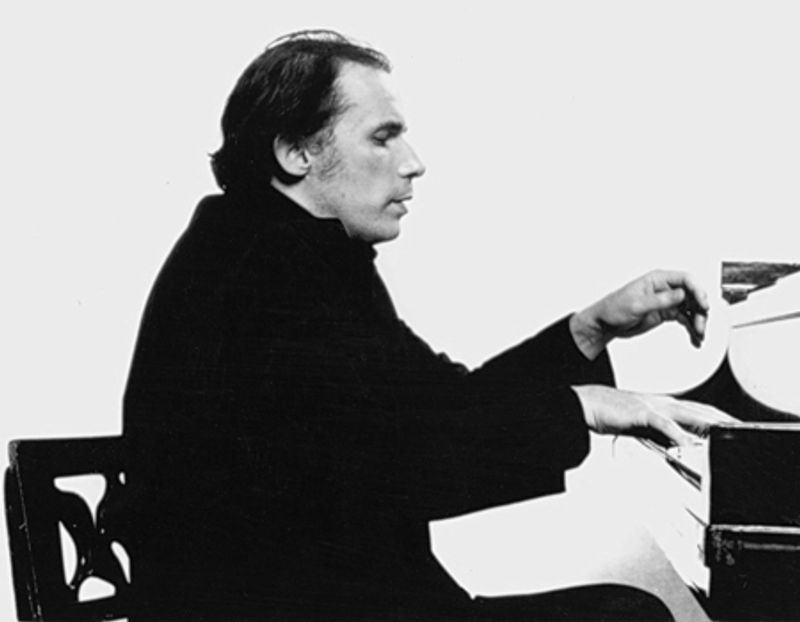
Glenn Gould hummed audibly while playing, and somehow that made everything better.
The Canadian pianist recorded Bach’s Goldberg Variations twice, once at age 22 and again just before his death at 50, bookending a career that redefined how we hear Baroque music entirely. Gould quit live performing at 31, preferring the recording studio to concert halls.
Eccentric? Absolutely. Genius? Without question. The two often travel together.
8. Martha Argerich
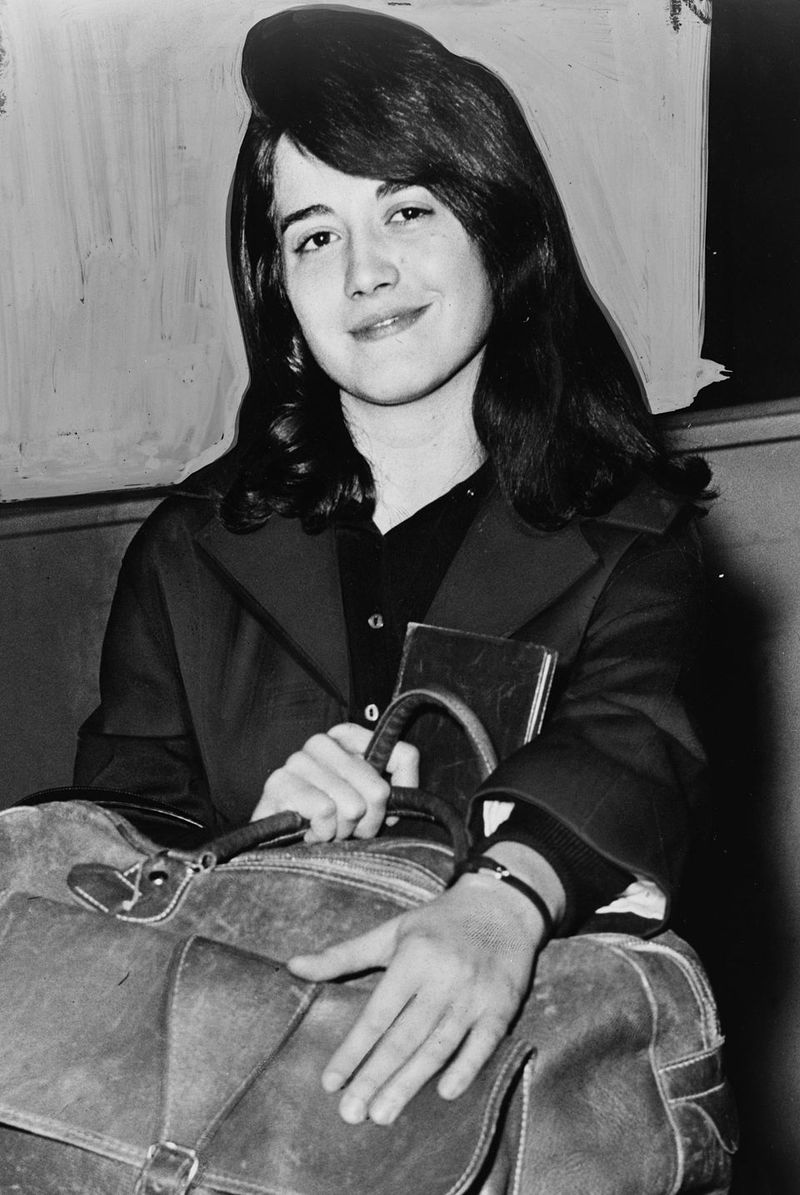
Electricity follows Martha Argerich into nearly every conversation about modern pianism.
International recognition surged after victory at the 1965 Chopin Competition, yet competition glory alone cannot explain the lasting hold of those performances.
Recordings of Prokofiev, Ravel, and others still get treated as reference points by critics, musicians, and devoted listeners.
Energy never feels merely decorative in that playing. Even the most controlled passages seem to spark at the edges.
9. Duke Ellington
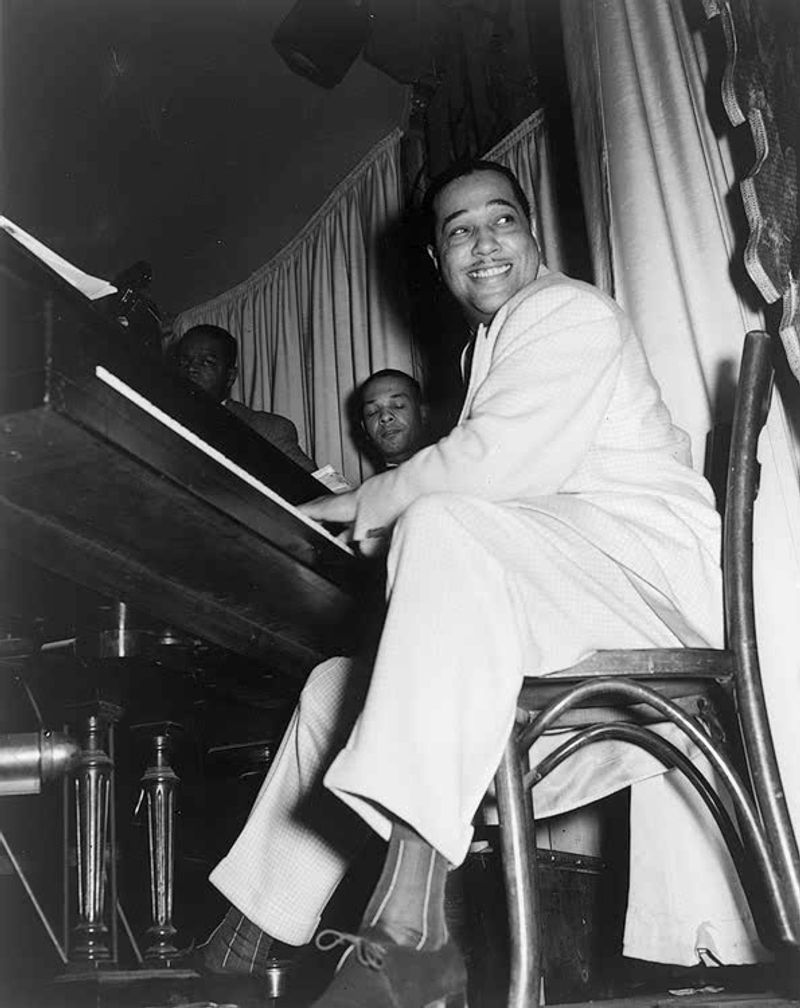
Duke Ellington wore elegance like a second skin, and his piano playing matched every stitch of it.
Beyond composing over a thousand pieces, Ellington used the piano as an orchestral tool, voicing chords that hinted at entire big-band arrangements. Songs like “Mood Indigo” prove that jazz sophistication and emotional warmth are not opposites.
He helped redefine what American music could sound like. Suit, piano, genius: the whole package.
10. Thelonious Monk
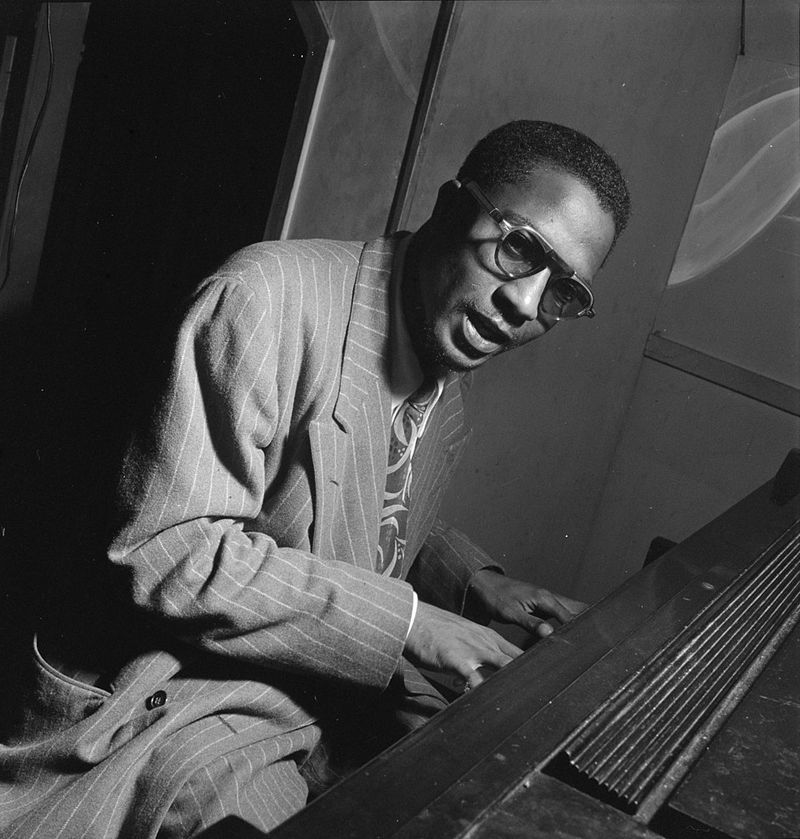
Nothing in jazz sounds quite like Thelonious Monk, which explains the lasting influence.
Angular melodies, off-center accents, and dissonance that once confused critics eventually became central to the understanding of modern jazz originality. Standards such as “Round Midnight” remain fixed in the repertoire because that voice was too singular to fade.
Conviction holds every phrase together.
Even apparent collisions arrive with unmistakable purpose.
11. Art Tatum
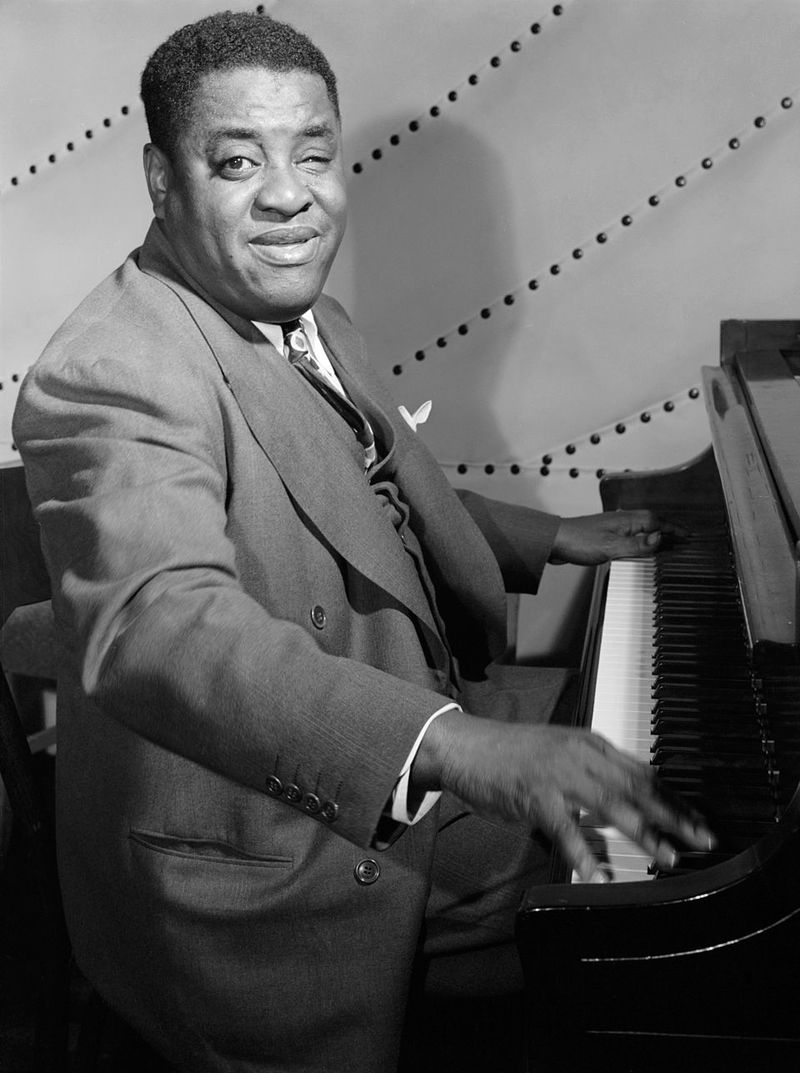
Astonishment is still the most natural response to Art Tatum.
Despite being legally blind, Tatum expanded the piano’s possibilities with such overwhelming technical command and harmonic imagination that other players often sounded dazed when speaking about him. Jam-session stories and famous tributes survive because the recordings make them easy to believe.
Improvisation became something almost superhuman in those hands.
Very few musicians have inspired that level of awe across generations.
12. Bill Evans
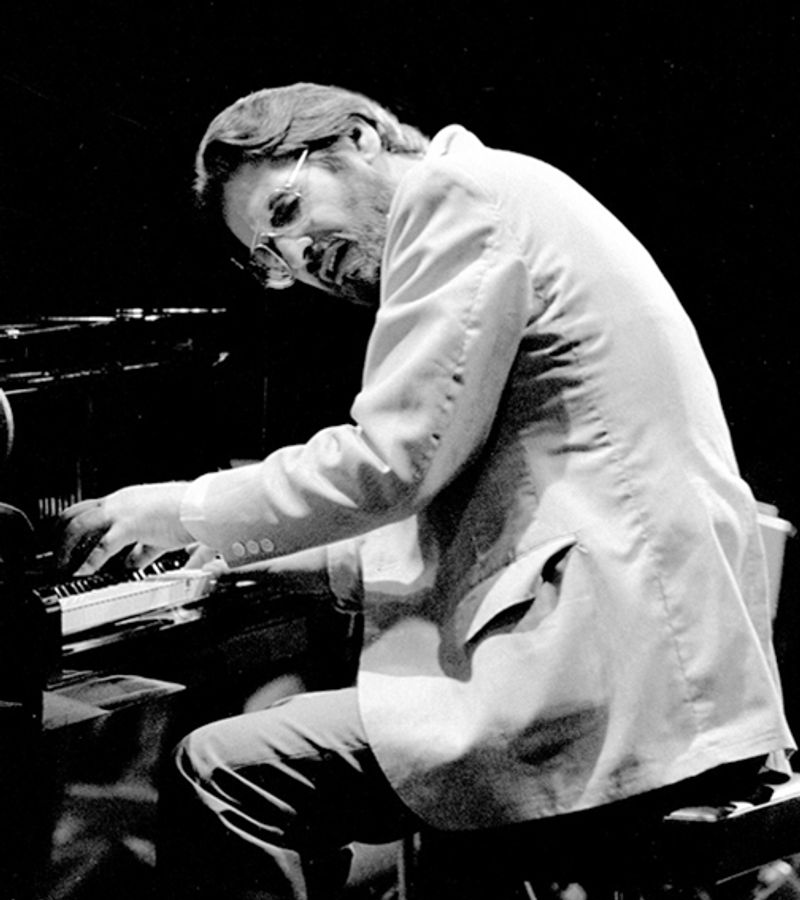
Quietness became a form of strength in Bill Evans’s music. Work on Kind of Blue helped reshape the harmonic language of jazz, while trio recordings introduced a more conversational relationship between piano, bass, and drums.
Space itself carried meaning there, giving silence and restraint unusual emotional weight.
Modern jazz still absorbs lessons from that approach. Gentleness, in this case, changed everything around it.
13. Herbie Hancock
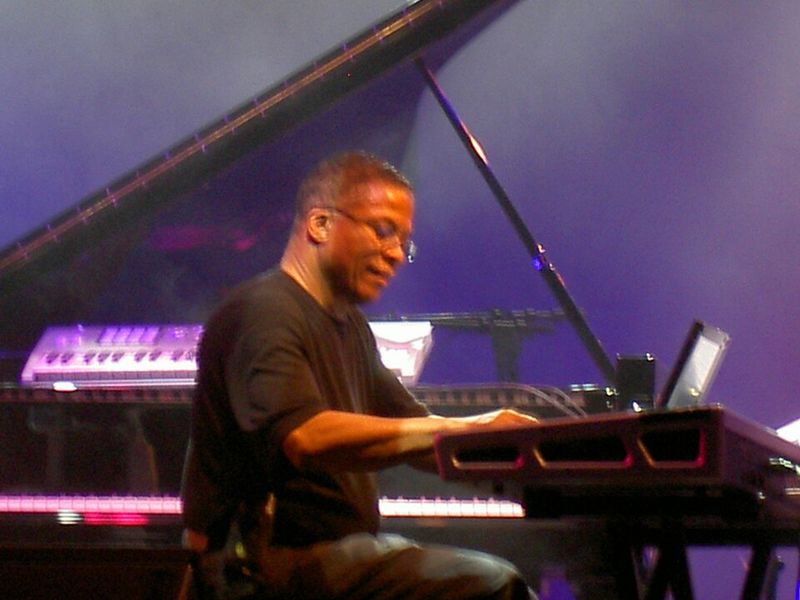
Restless curiosity has defined Herbie Hancock for decades.
Acoustic jazz, funk, fusion, and electronic experimentation all became part of a career that never lost its musical center.
His early embrace of synthesizers and new technology helped open doors that later jazz musicians and producers would walk through with ease.
Reinvention never weakened the identity. Instead, constant exploration became the identity.
14. Cecil Taylor
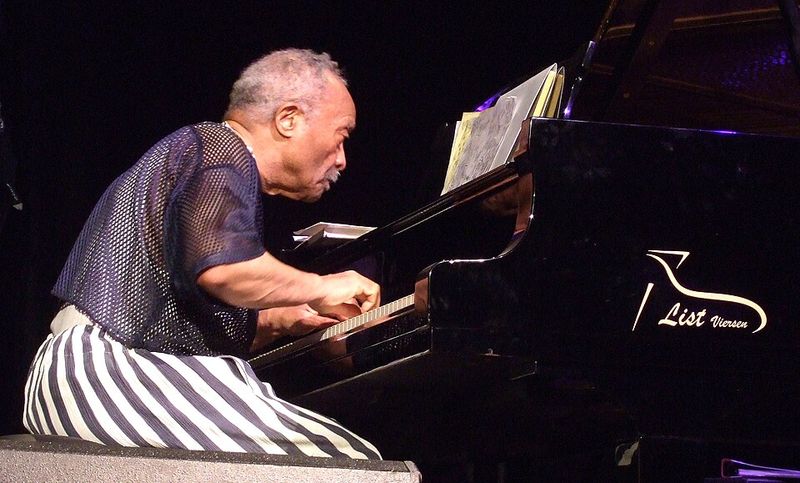
For Cecil Taylor, melody was never the only point.
Describing the piano as eighty-eight tuned drums made perfect sense once the performances began. Free jazz found one of its boldest architects in Taylor, whose approach broke apart conventional harmony and structure in favor of something rhythmically intense and emotionally unguarded.
Passive listening was never an option. Full attention was the price of entry.
15. Keith Jarrett
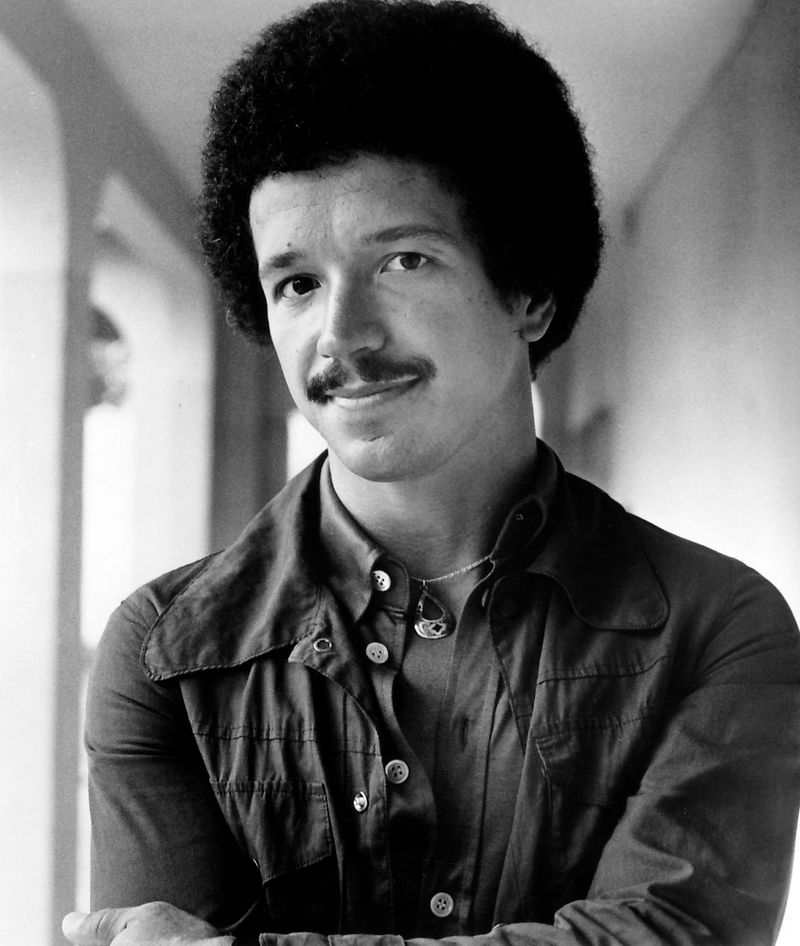
The Koln Concert happened because of a broken piano, a teenage promoter, and sheer stubborn brilliance.
Keith Jarrett improvised an entire solo concert in 1975 on a faulty instrument, producing an album that became the best-selling solo piano record in history. Known for both classical recordings and jazz improvisation, Jarrett moved between musical worlds with unusual ease.
The recording still sounds spontaneous, even though it rested on decades of skill and preparation.
Note: This music feature reflects a subjective editorial selection of pianists who are often discussed as especially influential because of their artistry, historical impact, and lasting reach across performance and interpretation.