Pink Floyd’s 15 Studio Albums, Ranked Worst To Best
Few bands invite as much passionate debate as Pink Floyd.
Their studio albums trace a journey through experimentation, ambition, tension, and moments of absolute brilliance, with each era carrying its own sound and philosophy.
Some records challenge listeners, others welcome them in with clarity and emotion, but none feel accidental.
Every fan brings a different perspective, which is exactly what makes the discussion so enduring.
This ranking looks at the full catalog, starting with the most divisive entries and building toward the albums that define Pink Floyd at their very best.
Disclaimer: All rankings and assessments are based on opinion, listening experience, and cultural interpretation rather than any objective or absolute measure of musical quality.
15. More (1969)
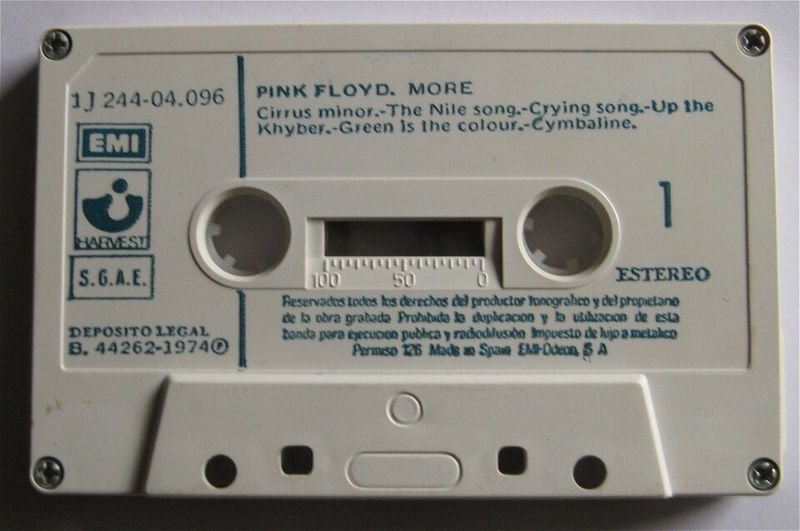
Serving as a soundtrack to an obscure French film, this record feels like background music searching for a foreground.
Sure, tracks like “Cymbaline” hint at greatness, but most songs feel incomplete, like sketches rather than finished paintings.
The band themselves rarely performed these pieces live, which tells you something.
However, it does capture a raw, experimental moment before they found their footing.
14. Ummagumma (1969)

Split between live performances and bizarre solo experiments, this double album swings wildly between brilliant and bewildering.
The live disc showcases their improvisational chops beautifully.
But then the studio side hits you with Roger Waters banging on a piano and Nick Mason creating sound collages that test your patience.
Each band member got their own space to create, which sounds democratic but results in chaos.
13. The Endless River (2014)

Mostly instrumental and built from leftover session tapes, this tribute to keyboardist Richard Wright feels more like an extended goodbye than a proper album.
Beautiful ambient soundscapes wash over you like waves, but without lyrics, something feels missing.
It works perfectly as background music for studying or stargazing.
Though heartfelt and sincere, it lacks the punch that made Floyd legendary.
12. A Momentary Lapse of Reason (1987)
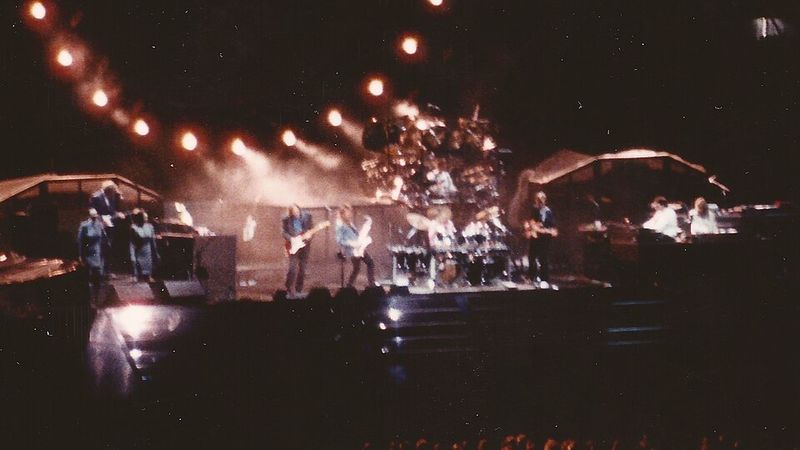
After Roger Waters left, David Gilmour took the wheel and steered toward slick 1980s production.
Polished guitar solos shine throughout, especially on “Sorrow,” but the conceptual depth feels diluted.
Critics called it Pink Floyd lite, and honestly, they weren’t entirely wrong.
Still, it brought the band back to massive stadium tours and introduced Floyd to a new generation.
11. Obscured by Clouds (1972)
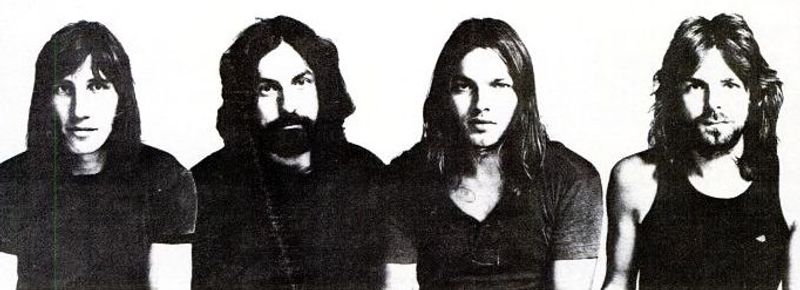
Another soundtrack effort, this time for a French film called La Vallée, it blends atmospheric textures with straightforward rock.
Tracks like “Childhood’s End” hint at the sophistication coming on their next record.
However, as a whole, it feels like a warm-up rather than a main event.
Recording took only two weeks, and that hurried pace shows.
Think of it as a tasty appetizer before the feast arrives.
10. Atom Heart Mother (1970)
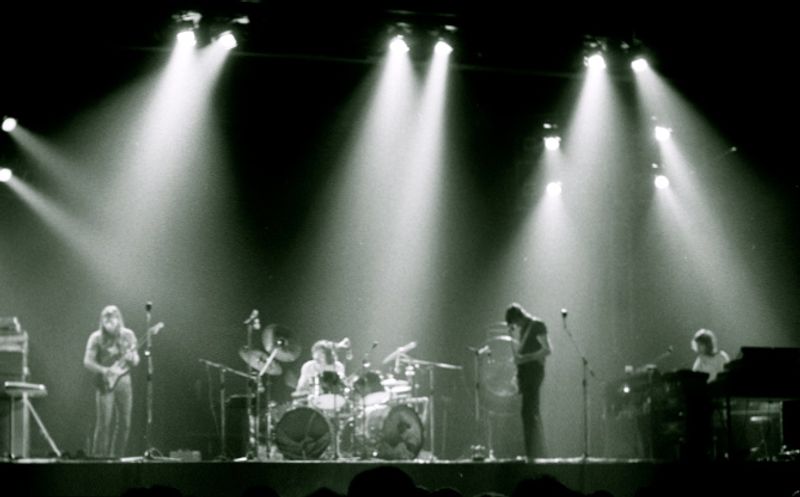
derivative work: Mr. Frank (talk), licensed under CC BY 3.0. Via Wikimedia Commons.
That iconic cow on the cover became more famous than the music inside, which tells you something.
The title track attempts to blend rock with full orchestral arrangements, creating something ambitious yet uneven.
Roger Waters later called it a load of rubbish, which seems harsh but understandable.
Despite its flaws, the album showed Pink Floyd wasn’t afraid to take massive creative risks.
9. The Final Cut (1983)
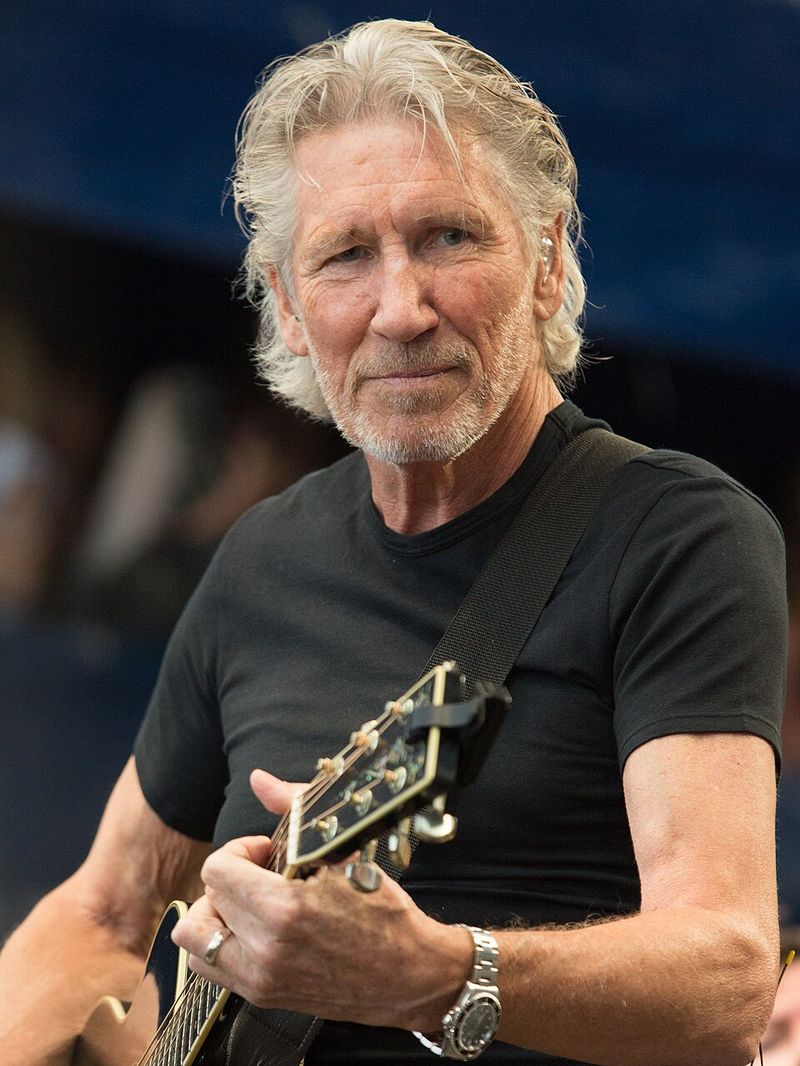
Basically a Roger Waters solo album disguised as Pink Floyd, this politically charged record tackles war, loss, and disillusionment.
Emotional and raw, it features some of Waters’ most personal lyrics.
Yet without the band’s usual collaborative magic, it feels incomplete, like hearing only one side of a conversation.
The production sounds darker and more stripped-down than previous efforts.
8. A Saucerful of Secrets (1968)
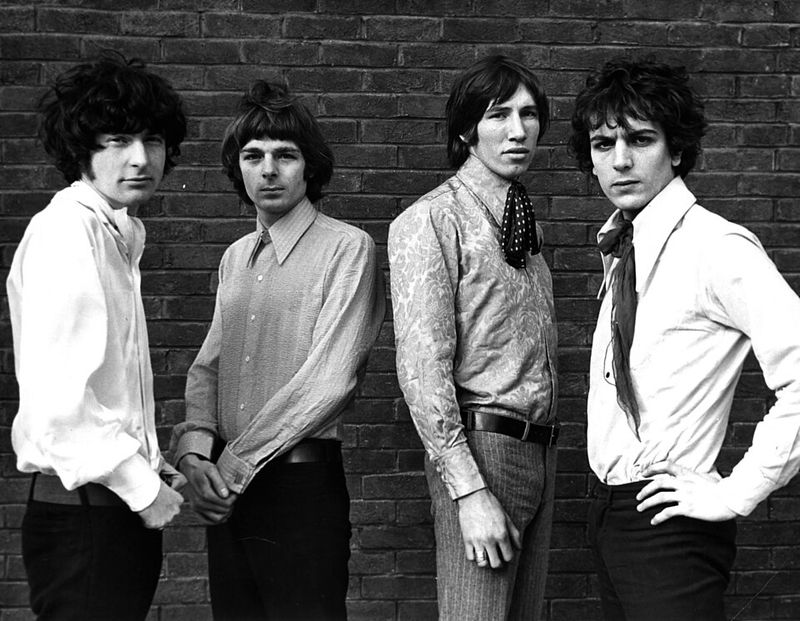
Syd Barrett’s final appearance on a Floyd record marks this transitional album with bittersweet significance.
David Gilmour stepped in to help finish it, creating a bridge between eras.
Experimental tracks like the title piece showcase their willingness to push boundaries and ignore conventional song structures.
Though uneven, it laid essential groundwork for everything that followed.
7. The Piper at the Gates of Dawn (1967)
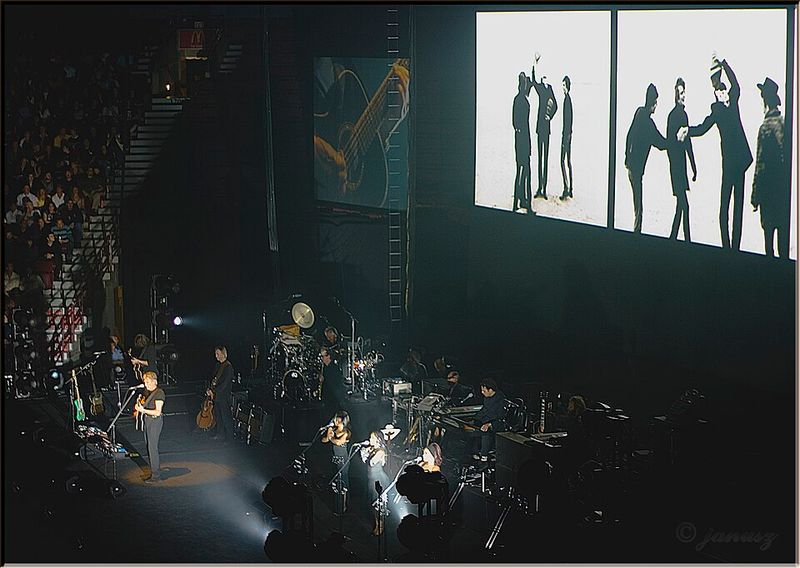
Syd Barrett’s whimsical genius explodes across this debut like fireworks in your brain.
Psychedelic fairy tales meet space rock, creating something utterly unique for 1967.
Tracks like “Astronomy Domine” and “Interstellar Overdrive” sound like transmissions from another dimension.
Barrett’s mental health struggles would soon derail his career, making this album both a triumph and a tragedy.
Capture lightning in a bottle once, and you’ve achieved something magical.
6. The Division Bell (1994)
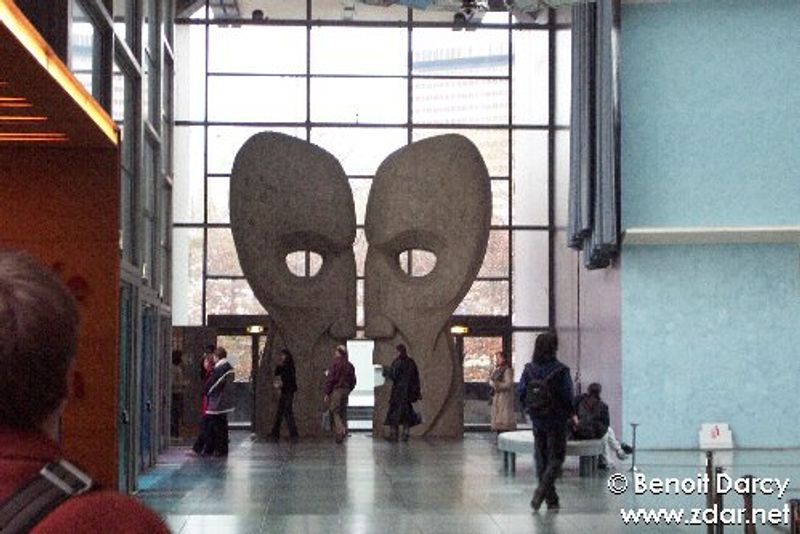
Two decades after their golden era, Pink Floyd proved they could still craft emotionally resonant music.
“High Hopes” delivers one of Gilmour’s most soaring guitar solos, while the whole album explores themes of communication and connection.
More cohesive than their previous post-Waters effort, it feels mature and reflective rather than trying to recapture past glory.
Critics were surprisingly kind, and fans embraced it warmly.
Aging gracefully in rock music is rarer than you’d think.
5. Meddle (1971)
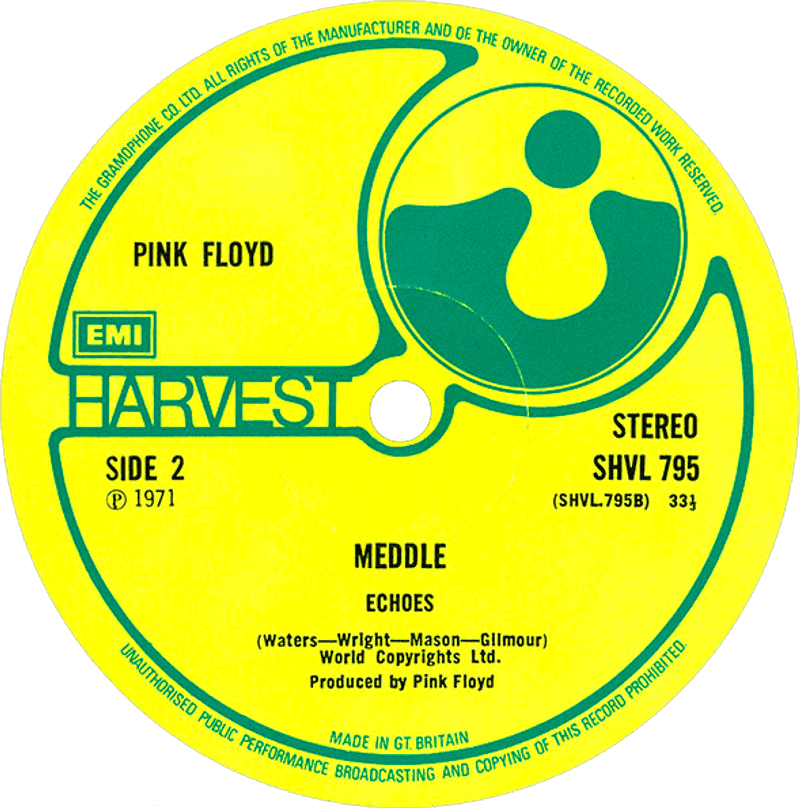
Bridging their experimental early phase with progressive mastery, Meddle features the epic twenty-three-minute track “Echoes.”
That song alone justifies the album’s existence, building from whispers to cosmic crescendos.
The rest of the record mixes playful moments with atmospheric soundscapes.
You can hear them discovering the formula that would define their next three masterpieces.
4. The Wall (1979)
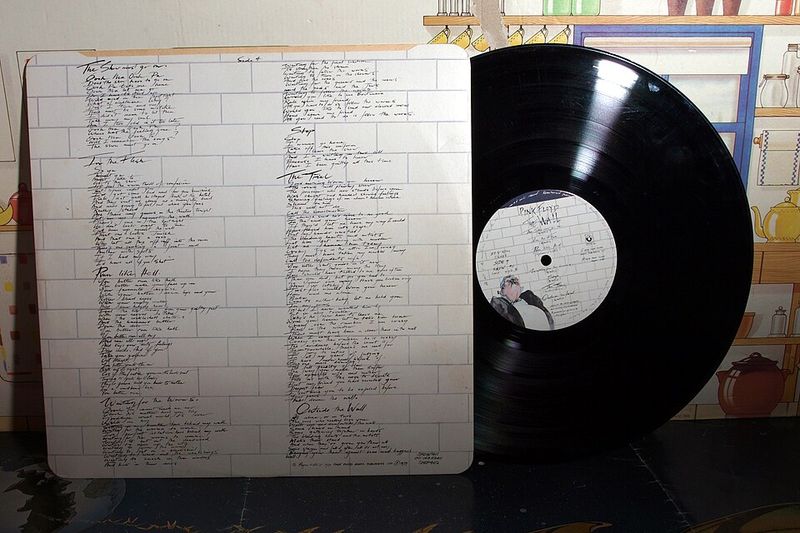
This rock opera about isolation and mental breakdown became a cultural phenomenon, spawning a movie and countless theatrical productions.
“Comfortably Numb” features one of rock’s most iconic guitar solos, period.
However, the double album’s length and Roger Waters’ dominating vision sometimes overshadow the music itself.
Theatrical and ambitious, it pushed concept albums to their absolute limit.
3. Animals (1977)
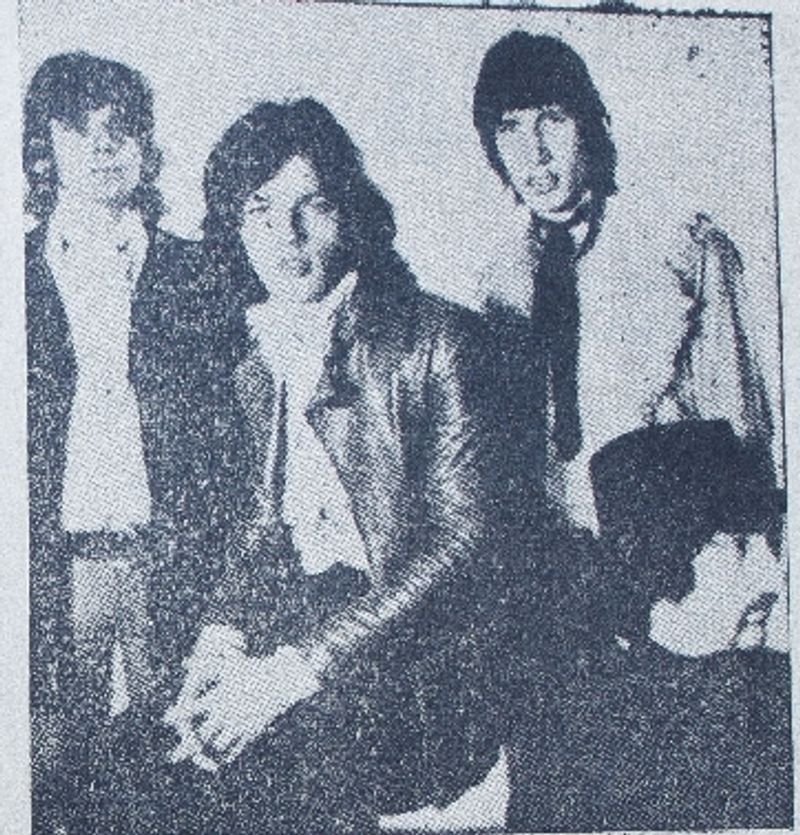
Inspired by George Orwell’s Animal Farm, this scathing social critique divides humanity into pigs, dogs, and sheep.
Three epic tracks dominate the album, each exceeding ten minutes of blistering commentary on class and power.
Darker and angrier than their other work, it strips away prettiness to expose raw frustration.
That inflatable pig floating over Battersea Power Station became an unforgettable image.
Sometimes anger channeled into art creates something unforgettable.
2. Wish You Were Here (1975)
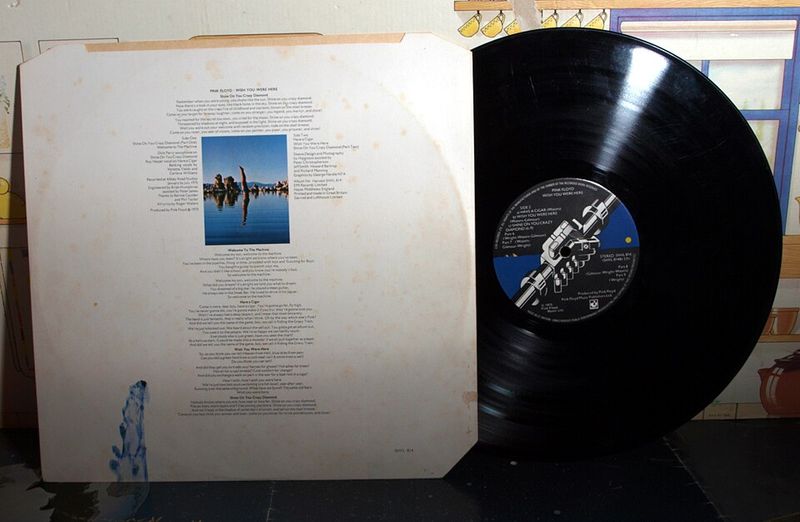
A heartbreaking tribute to Syd Barrett, this album explores absence, loss, and the music industry’s soul-crushing machinery.
“Shine On You Crazy Diamond” bookends the record with haunting beauty, while the title track became one of rock’s most beloved songs.
During recording, Barrett himself visited the studio, unrecognized and transformed by mental illness.
That moment adds unbearable poignancy to every note.
1. The Dark Side of the Moon (1973)
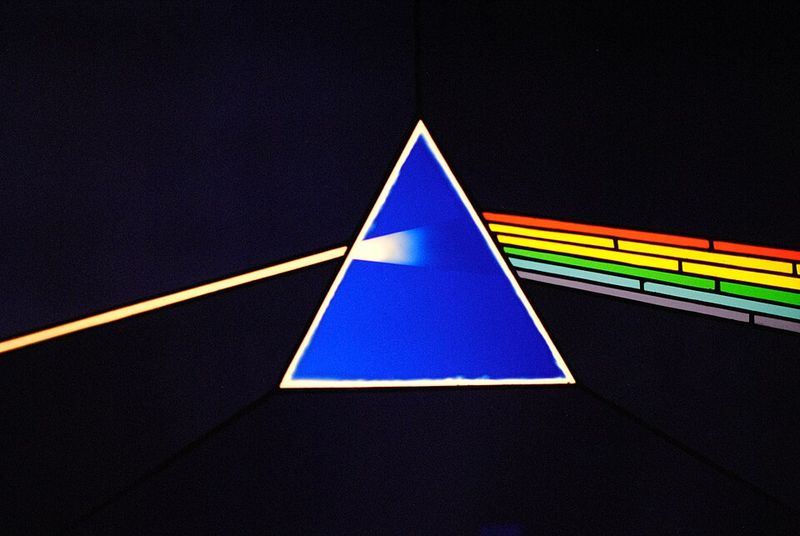
Exploring time, death, madness, and the human condition, this masterpiece spent over fourteen years on the Billboard charts.
Every element works in perfect harmony, from the heartbeat opening to the final Eclipse.
Innovative studio techniques and philosophical depth combined with accessible melodies to create something truly timeless.
That prism cover became one of music’s most recognizable images ever.