Subtle Details in Pixar’s Up That Stand Out More With Age
When Up first floated into theaters, most of us were busy wiping our eyes during that opening montage.
But here’s the thing: rewatching this movie as an adult feels like discovering a completely different film hiding inside the one you thought you knew.
All those moments that seemed like simple storytelling choices suddenly carry weight you didn’t notice before.
Turns out, Pixar wasn’t just making a kids’ movie about a flying house and talking dogs, they were crafting something that grows up right alongside you.
The Opening Montage Hits Differently Now
Remember when those four minutes felt sad but distant? Yeah, that changes fast.
Once you’ve lived through a few “we’ll do it next year” moments yourself, watching Carl and Ellie’s life unfold becomes almost unbearable in the best way.
Every missed trip and postponed dream suddenly feels personal. The montage doesn’t just show time passing, it shows how life happens while you’re busy making other plans.
That’s the stuff nobody warns you about when you’re young.
Carl’s Daily Routines Stop Looking Quirky
At first glance, Carl’s rigid schedule seems like a grumpy-old-man joke. But give it a few years and some life experience, and suddenly those routines look like lifelines.
When your world gets too quiet, structure becomes the thing that keeps you moving forward.
His repetitive habits aren’t about being stubborn. They’re about creating predictability when everything else feels uncertain or empty.
It’s a survival strategy dressed up as stubbornness.
Adults who’ve faced loss recognize this immediately. Sometimes doing the same thing every day is how you remember who you used to be.
Ellie’s Scrapbook Becomes A Philosophy Lesson
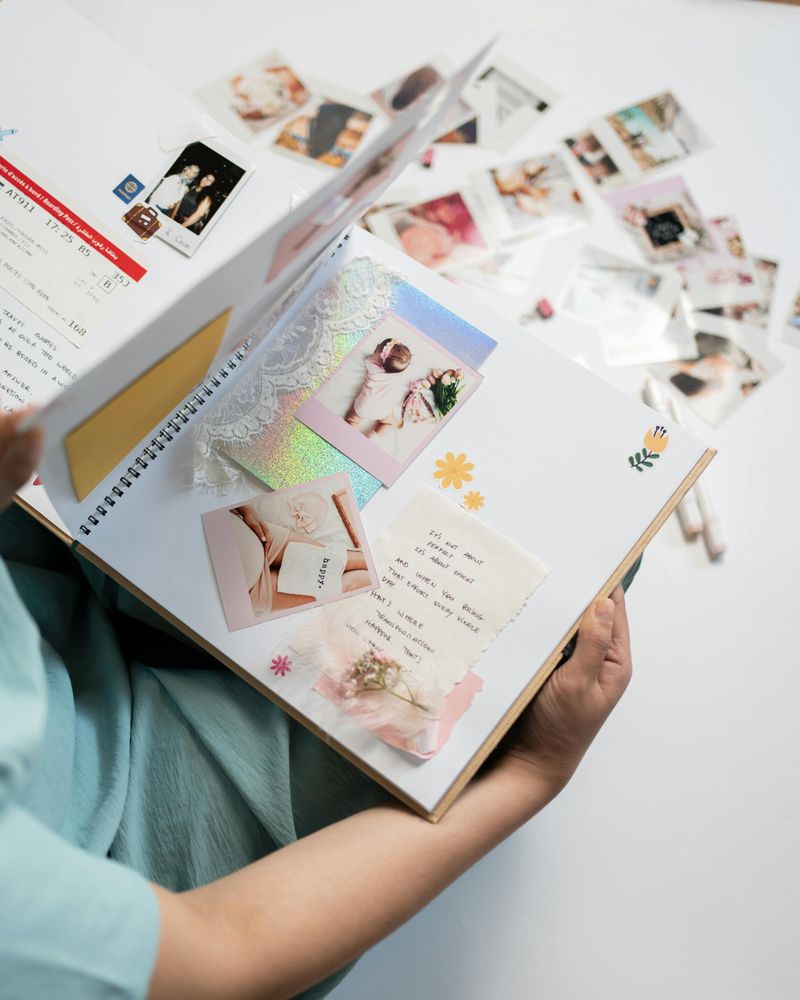
Young viewers see a scrapbook. Older viewers see a masterclass in finding meaning when plans fall apart.
Ellie’s book proves that adventure isn’t always about stamps in a passport or exotic locations.
Sometimes adventure means choosing joy in ordinary moments, even when life doesn’t match your vision board. The scrapbook teaches that meaning doesn’t require perfection, just presence and intention.
That realization? It’s the kind of thing that sneaks up on you around your third or fourth rewatch, usually right when you need to hear it most.
Carl Clinging To The House Makes Painful Sense

Sure, the floating house is visually spectacular. But the real story is Carl white-knuckling a building because it represents a time when life felt manageable and certain.
Letting go of physical objects when they’re tied to people you loved? That’s harder than any action sequence Pixar could animate.
Carl’s obsession reads less like a plot device and more like grief in architectural form. Adults get it.
Sometimes holding onto stuff is the only way to hold onto someone.
Russell’s Talking Isn’t Just Comic Relief
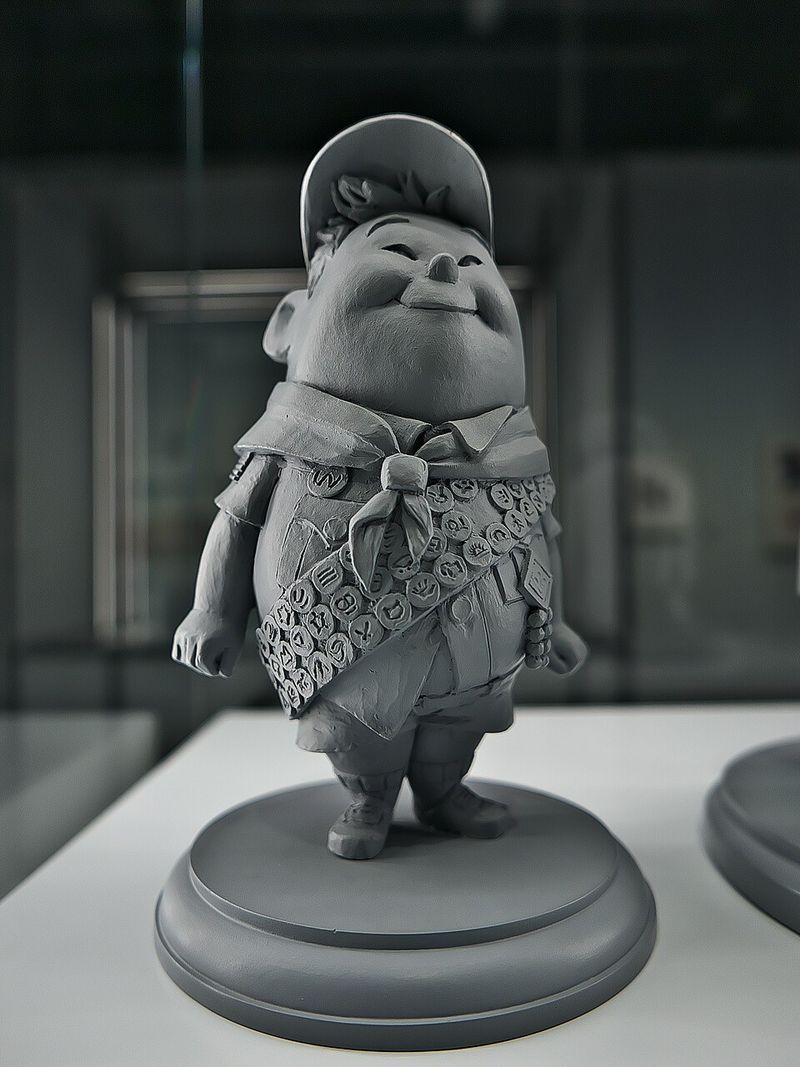
First watch? Russell seems like a chatty kid providing laughs.
Tenth watch? He’s a lonely child working overtime to be noticed by literally anyone who’ll listen. That nonstop talking isn’t annoying, it’s a strategy.
Kids who feel invisible learn to fill silence with words, hoping someone will finally pay attention.
Russell’s monologues are less about being hyper and more about desperation dressed up as enthusiasm.
Once you spot it, you can’t unsee it. Every rambling story becomes a tiny plea for connection.
The Assistant Wilderness Explorer Badge Obsession

On the surface, Russell just wants to complete his badge collection. Dig deeper and it’s obvious: he’s trying to earn his dad’s attention one merit badge at a time.
The “Assisting the Elderly” badge is a Hail Mary disguised as a checklist item.
That obsession with achievement becomes heartbreaking when you realize it’s about proving he’s worth showing up for, worth being proud of.
Any adult who’s chased external validation hoping it’ll fix an internal wound? Yeah, this one stings.
Broad Humor, But Emotional Beats For Grown-Ups

The talking dogs and slapstick gags keep kids entertained, but the real emotional heavy lifting? That’s aimed squarely at adults.
Pixar’s genius is layering a family film with themes only life experience can fully unlock.
The humor is accessible, but the loneliness, regret, and redemption arcs require a few decades of living to truly appreciate. It’s a movie that works on multiple levels simultaneously.
Rewatching reveals how much of the story is quietly written for the parents in the room, not just the kids.
Carl Learning To Accept Help Is Relatable
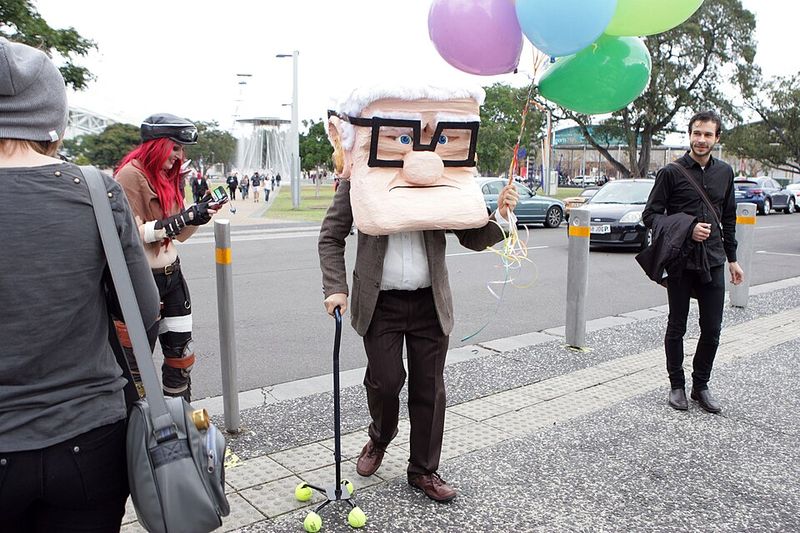
Character growth sounds like a writing class term until you’re the one struggling to let people in. Carl’s journey from isolated to interdependent mirrors a real-life hurdle plenty of adults face daily.
Accepting help means admitting you can’t do everything alone, and that’s terrifying when you’ve built your identity around self-sufficiency. Carl’s resistance is self-protection.
Watching him soften feels less like a plot arc and more like watching someone finally exhale after holding their breath for years.
Carl Judging Russell Early On Stings
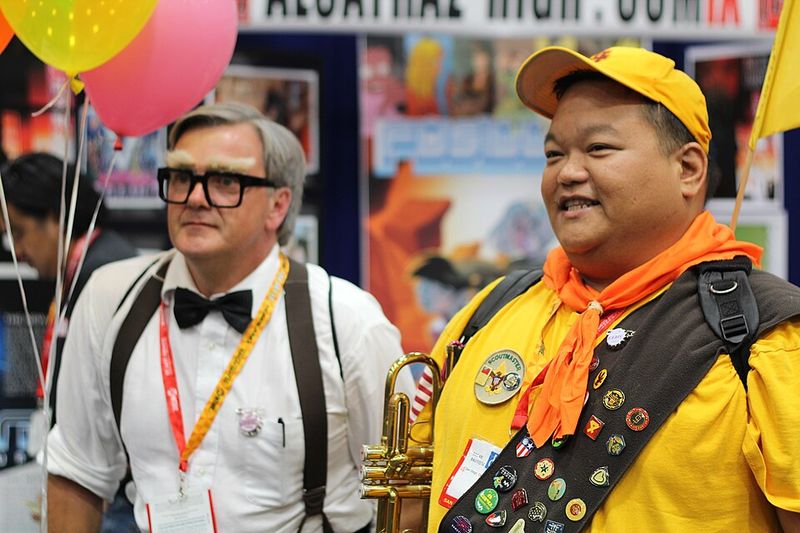
Carl dismisses Russell as a nuisance before bothering to understand him. Sound familiar?
Adults do this constantly, misreading kids who are lonely or struggling as simply annoying or needy.
The movie doesn’t excuse Carl’s initial coldness, but it does show how easy it is to mistake a cry for help as an inconvenience.
Rewatching makes Carl’s early judgment uncomfortable because it forces you to wonder how many Russells you’ve dismissed in your own life.
The Ending Is a Gentle Pivot, Not a Victory Lap

There’s no triumphant fanfare or massive celebration. The ending is Carl showing up for Russell’s badge ceremony, quietly becoming the stable adult Russell needed all along.
It’s gentle, understated, and perfect.
Victory isn’t about conquering Paradise Falls or defeating Muntz. It’s about choosing to be present for the people in front of you, even when it’s inconvenient or uncomfortable.
Adults recognize this as the most realistic and satisfying ending Pixar could’ve given us, because real life rarely ends with fireworks.