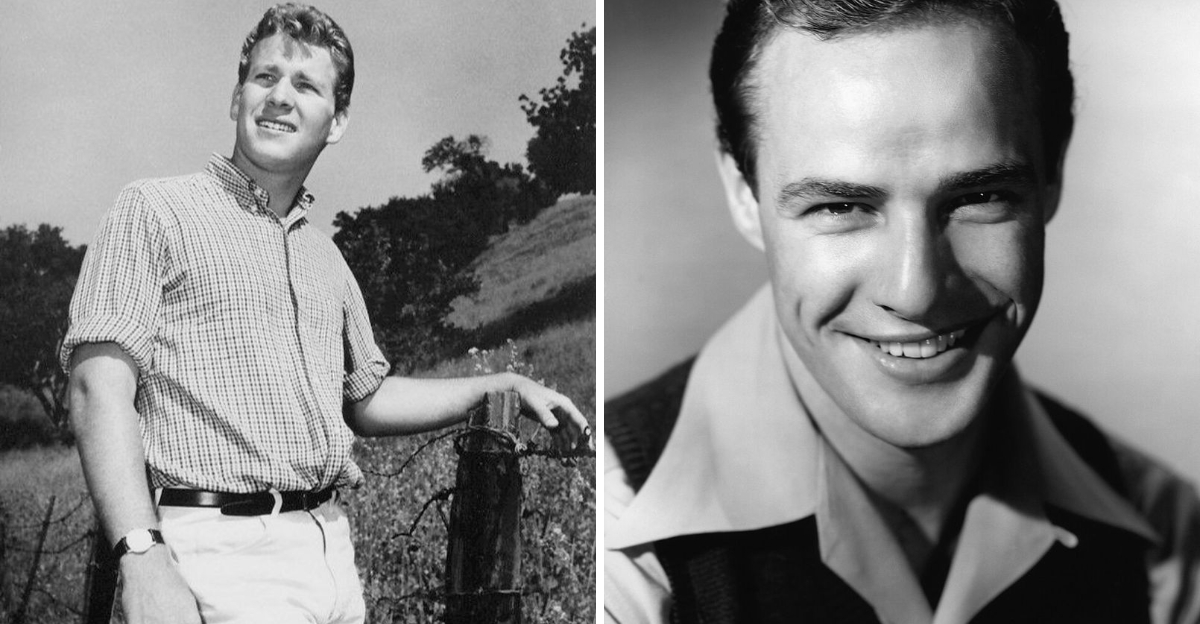
8 Legendary Places From Elvis Presley’s On-Screen Adventures
Elvis Presley was more than a music legend. Long before streaming made everyone a film critic, the King of Rock ’n’ Roll lit up movie screens across America.
Between 1956 and 1969, he starred in 31 films, each filled with unforgettable scenery and larger-than-life charm. Many of the backdrops are real locations you can actually visit, walk through, and experience firsthand.
Imagine standing where Elvis once stood, guitar in hand, hair perfectly swooped, feeling the energy of a cinematic moment frozen in time. Fans have chased these spots for decades, exploring theaters, towns, and studios that became part of his on-screen legacy.
Each location tells a story about a film, an era, and a performer who changed entertainment forever. Plan a visit to these iconic sites, snap a photo, and soak in a piece of Elvis history: because seeing the King in action, even decades later, is an experience no fan should miss.
1. Hanauma Bay, Oahu, Hawaii
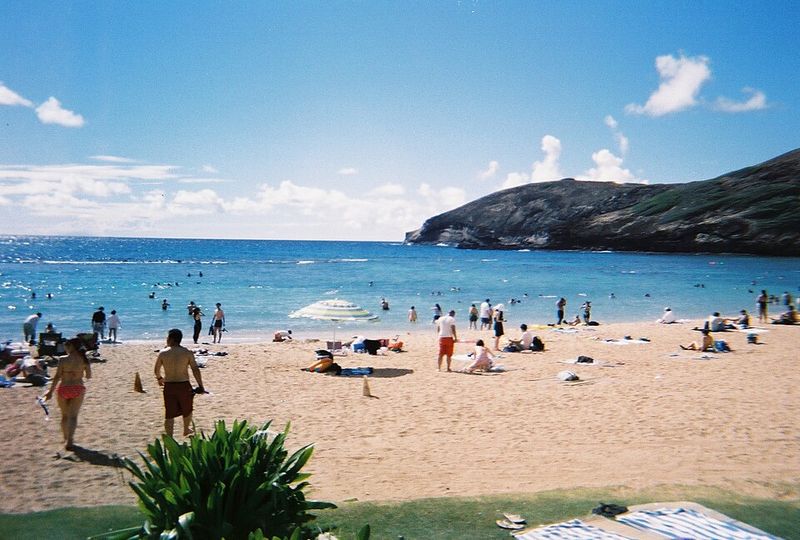
Beach scenes in cinema history rarely hit as hard as those filmed at Hanauma Bay for Blue Hawaii (1961). Crystal-clear water, powdery sand, and a natural volcanic crater framing it all made it easy to see why Elvis looked so at home there.
Snorkelers still flock to Hanauma Bay because the marine life is absolutely spectacular. Colorful fish dart around coral reefs like tiny living rainbows.
It is one of the most protected marine areas in Hawaii.
Visitors must watch an educational video before entering, which keeps the ecosystem safe. Arrive early because daily visitor numbers are capped to protect the reef.
2. Diamond Head, Oahu, Hawaii
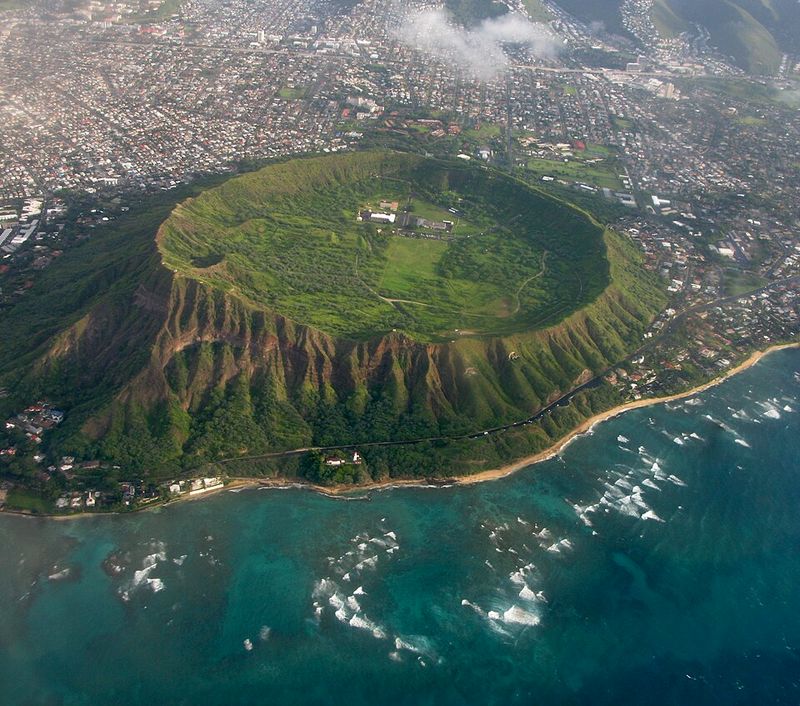
An extinct volcanic crater rising 760 feet above sea level, Diamond Head is one of Hawaii’s most recognizable landmarks. Elvis was photographed here holding a ukulele during the production of Blue Hawaii (1961), creating one of his most iconic images ever captured on film.
Hiking to the summit rewards visitors with sweeping panoramic views of Honolulu, Waikiki Beach, and the vast Pacific Ocean stretching endlessly ahead. The trail is about 1.6 miles round trip and suitable for most fitness levels.
Sunrise hikes here are especially magical. Early morning light paints the crater walls gold, making every photo look professionally edited.
3. Tantalus Lookout, Oahu, Hawaii
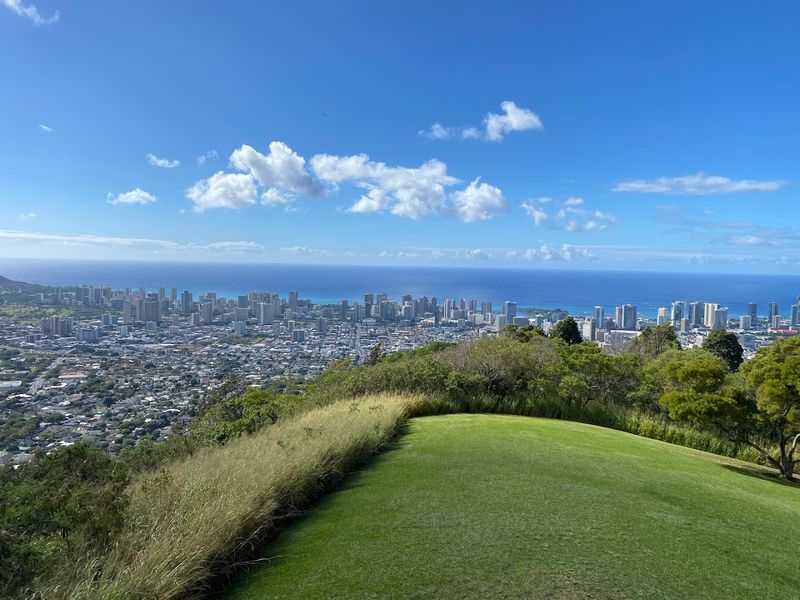
Perched high above Honolulu, Tantalus Lookout delivers one of the most breathtaking skyline views in all of Hawaii. Spotted in Blue Hawaii (1961), the overlook frames both the glittering Waikiki skyline and the unmistakable silhouette of Diamond Head simultaneously.
Locals love visiting at sunset when the city below begins to glow like a field of fireflies. Tourists often drive the winding Tantalus Road, stopping at multiple overlooks along the scenic route.
No entrance fee is required, making it a budget-friendly adventure. Bring a light jacket because the elevation makes evenings noticeably cooler than the beaches below.
4. Polynesian Cultural Center, Oahu, Hawaii
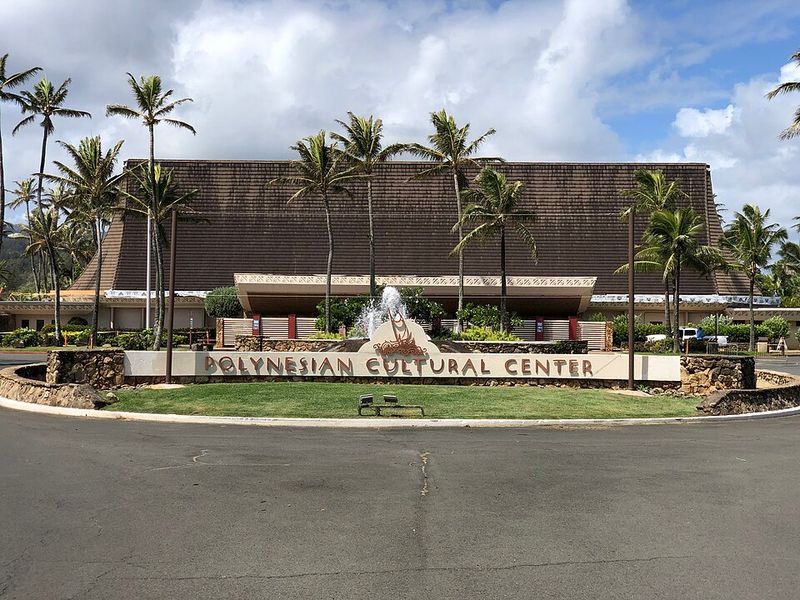
Stretching across 42 acres in Laie, the Polynesian Cultural Center is essentially a living, breathing celebration of Pacific Island heritage. Elvis fans recognize it instantly as a key backdrop in Paradise, Hawaiian Style (1966), where the King soaked up all that island energy on screen.
Six authentic village replicas represent Hawaii, Samoa, Aotearoa, Fiji, Tahiti, and Tonga. Visitors can try traditional crafts, watch mesmerizing performances, and even learn a few dance moves.
Evening luau shows here are absolutely legendary. Fire performers, harmonious chanting, and incredible food combine to create a cultural experience unlike anything else in the Pacific region.
5. Little Church of the West, Las Vegas, Nevada
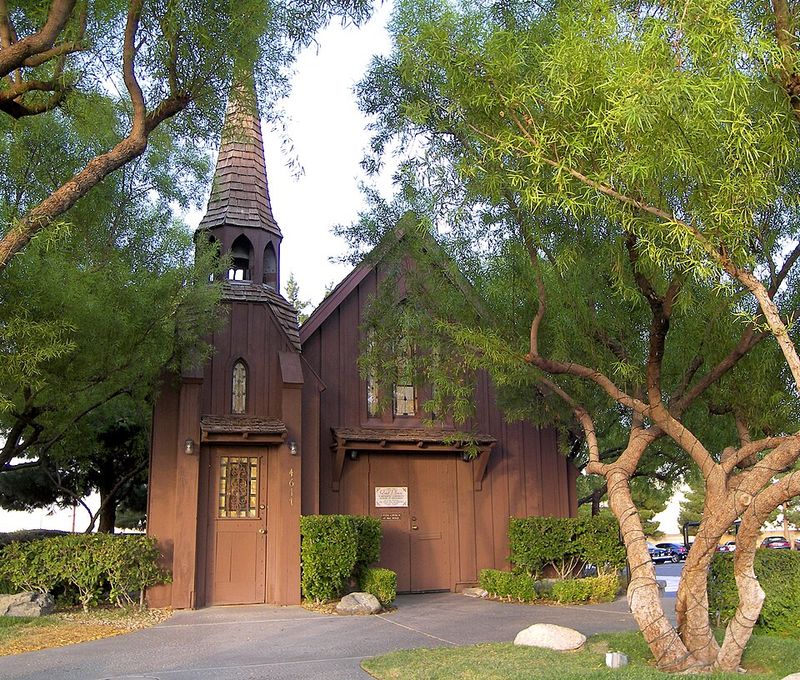
Charming, compact, and absolutely dripping in Old Vegas nostalgia, the Little Church of the West holds a special cinematic legacy. It served as the wedding chapel in Viva Las Vegas (1964), where Elvis and Ann-Margret exchanged screen vows in one of the film’s most memorable scenes.
Built in 1942, it is officially the oldest surviving building still standing on the Las Vegas Strip. Real couples have been tying the knot here for over eight decades, so the romance factor is very much real.
It was relocated twice to preserve it as the Strip expanded around it. A visit here feels like stepping into a genuine Hollywood time capsule.
6. Flamingo Hotel, Las Vegas, Nevada
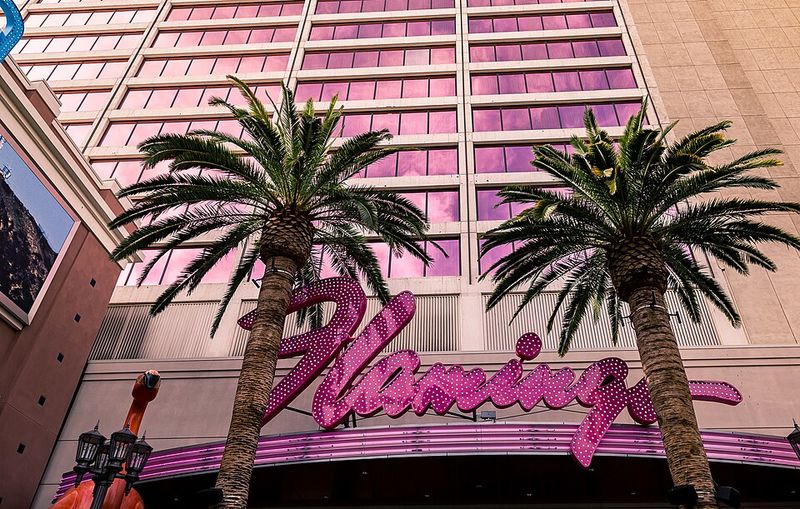
Glamorous, glitzy, and forever tied to Las Vegas mythology, the Flamingo Hotel earned its movie moment in Viva Las Vegas (1964). A famous swimming pool scene was filmed here, perfectly capturing the sun-soaked, carefree energy of 1960s Las Vegas at its absolute peak.
The original Flamingo structure was demolished in 1993, but the current hotel carries on the legacy. Its neon-lit exterior and legendary name still draw millions of visitors every single year.
Bugsy Siegel opened the original Flamingo back in 1946, making it one of the Strip’s founding establishments. Walking through its doors feels like flipping through a very stylish chapter of American pop culture history.
7. Cottonwood Hotel, Cottonwood, Arizona
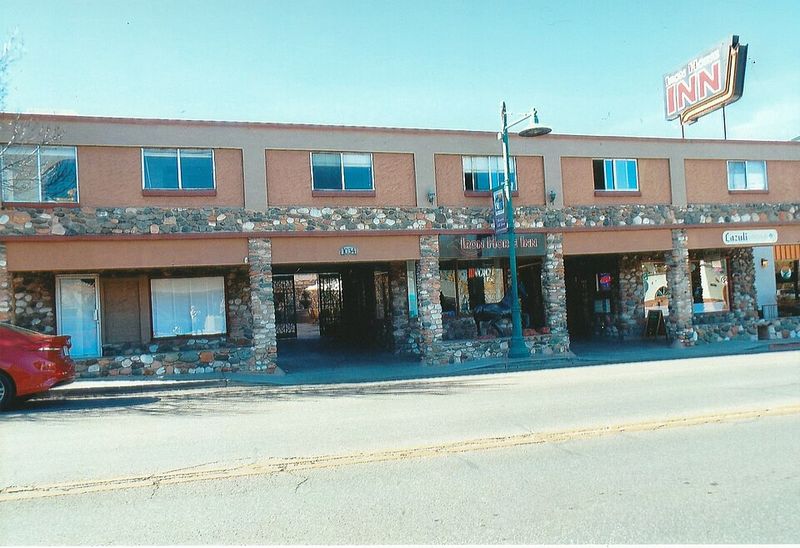
Tucked into the charming town of Cottonwood, Arizona, the historic Cottonwood Hotel earned a brief but memorable cameo in Stay Away, Joe (1968). A western wear store operating out of the building appears in the background of one scene, adding authentic frontier flavor to the film.
Elvis reportedly visited the shop himself and purchased western wear during production, which is exactly the kind of trivia that makes a location feel legendary. Imagine the King browsing cowboy boots in a small Arizona town!
Old Town Cottonwood has since become a popular destination for wine tasting and antique shopping. History and charm are packed into every block of its walkable main street corridor.
8. Graceland, Memphis, Tennessee
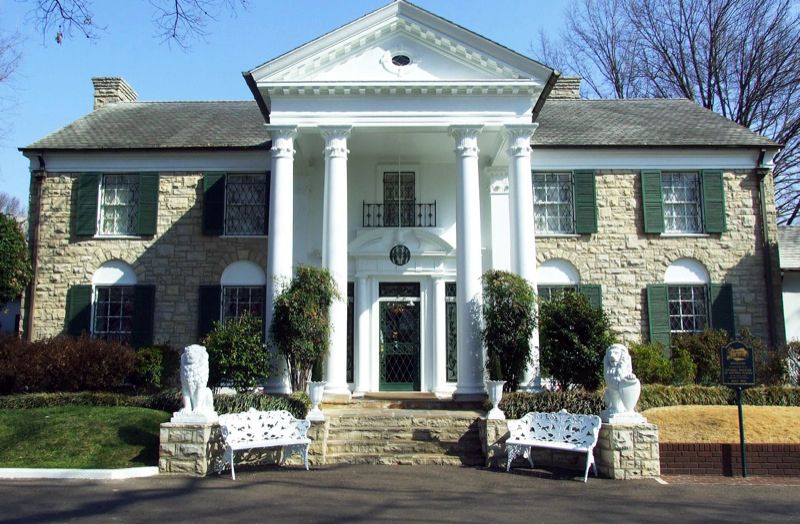
No journey through Elvis’s legendary world is complete without a stop at Graceland. While it served as his personal residence rather than a film set, Graceland was the headquarters of everything Elvis built, including the career that sent him to Hawaii, Las Vegas, and beyond.
Opened to the public in 1982, Graceland attracts over 600,000 visitors annually, making it one of the most visited private homes in the entire United States. The famous Jungle Room, trophy building, and meditation garden are all open for touring.
Standing at Elvis’s grave in the meditation garden is genuinely moving. Fans leave flowers, letters, and mementos daily, proving the King’s connection never fades.