Actors Who Played LGBTQ+ Icons But Stayed Quiet In Public Afterward
Hollywood loves a transformative performance, especially when actors step into the shoes of LGBTQ+ icons and deliver award-winning magic.
But what happens after the cameras stop rolling and the press tours wind down?
Some performers choose a different path, one that prioritizes artistic work over constant public commentary.
They’ve given unforgettable performances that moved audiences worldwide, yet they maintain boundaries about how much they discuss identity politics or community representation.
Their approach sparks important questions about what we expect from artists who tell these powerful stories.
1. Cate Blanchett in Carol
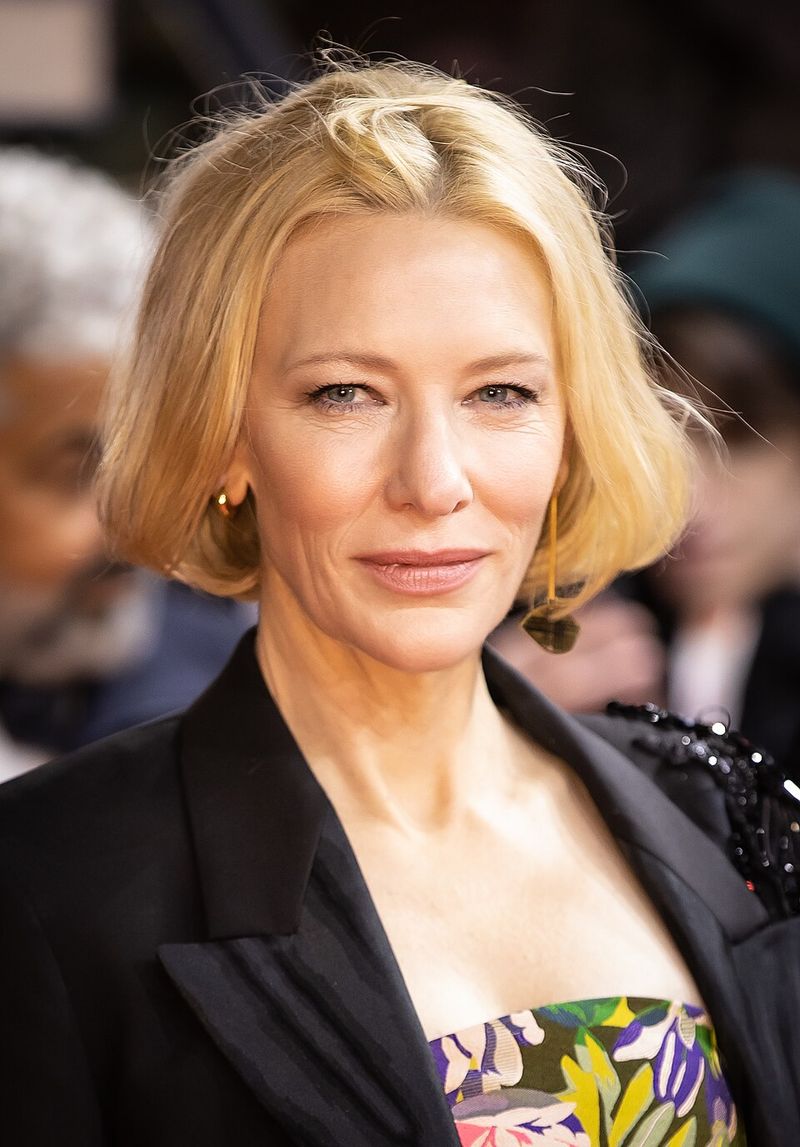
Winning hearts as the refined Carol Aird changed how audiences saw queer romance on screen.
Blanchett delivered a masterclass in restrained longing, making every glance and gesture count in Todd Haynes’ stunning period piece.
Yet she’s consistently pushed back on expectations that actors must become permanent spokespeople.
Her stance? Sexuality belongs in the private realm, and the constant demand for public discussion feels exhausting rather than productive.
“Who cares” became her signature response when pressed about labels.
She believes the work itself should speak volumes, not endless interviews dissecting personal viewpoints or identity categories.
2. Hunter Schafer in Euphoria
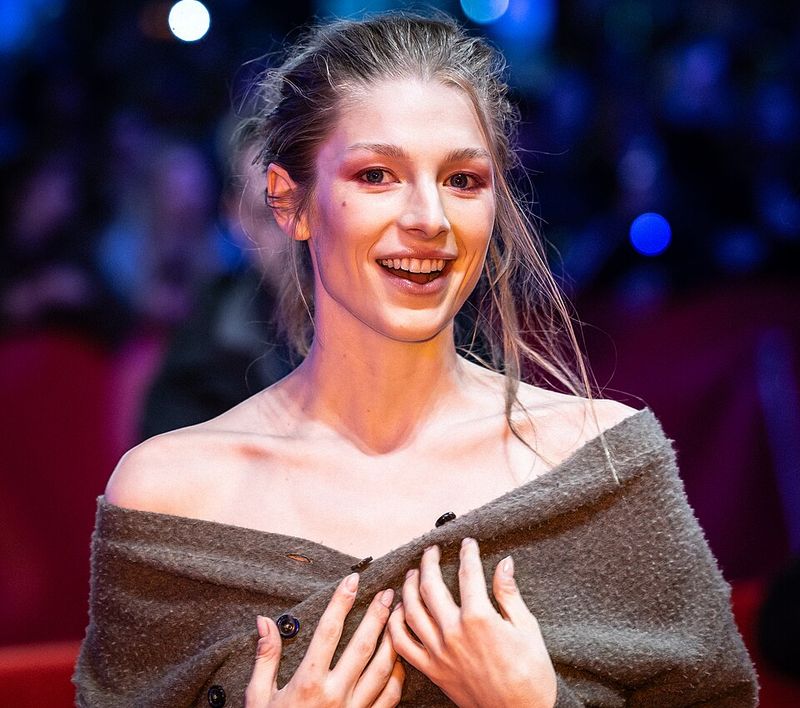
Jules Vaughn became one of television’s most beloved trans characters, brought to life with raw vulnerability and electric energy.
Schafer’s performance resonated deeply with young viewers searching for authentic representation in mainstream media.
However, she’s openly discussed feeling pressured to become a constant activist voice.
Making trans identity the centerpiece of every conversation wasn’t her goal when pursuing acting as a creative outlet and career.
She’s intentionally chosen not to talk about it all the time.
Her approach centers on being a multifaceted artist first, refusing to let one aspect define her entire public persona or professional trajectory.
3. Rami Malek in Bohemian Rhapsody
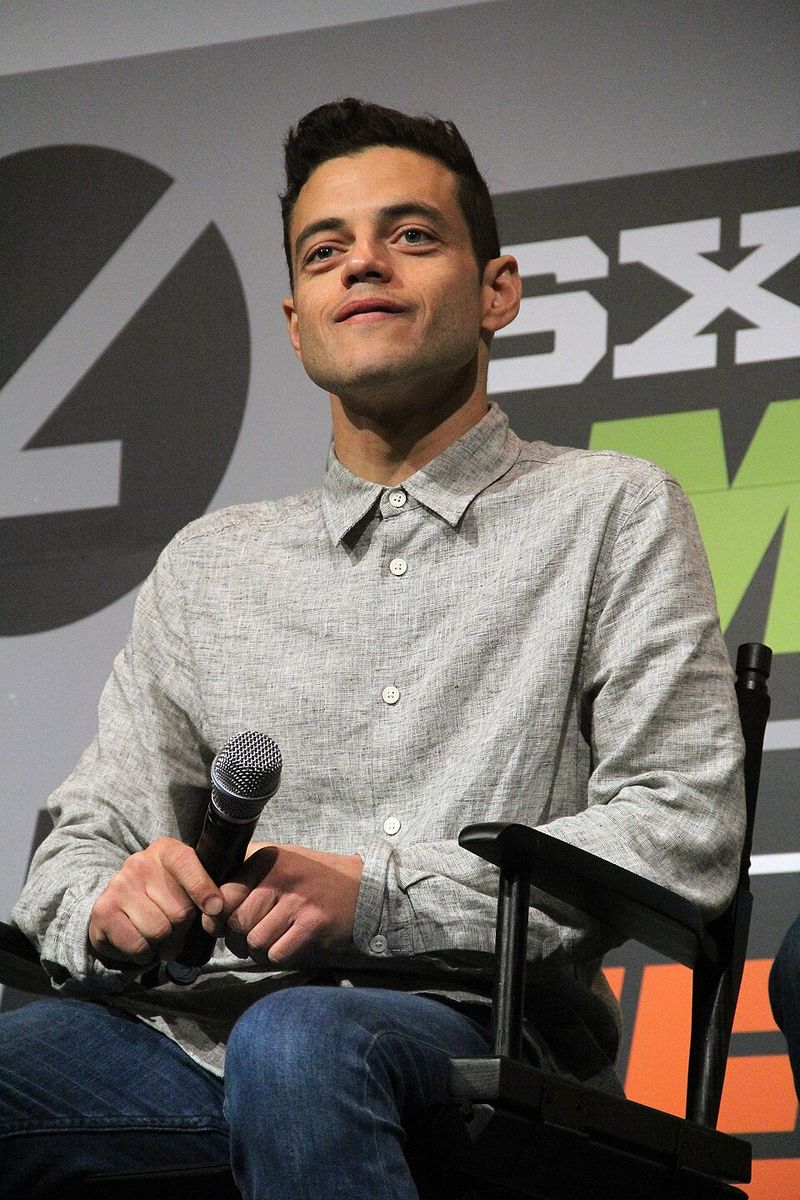
Channeling Freddie Mercury earned Malek an Oscar and cemented his place in cinematic history.
His physical transformation and vocal commitment brought the legendary Queen frontman back to life for a new generation of fans.
Throughout the press tour, he emphasized treating Mercury as a complete human being beyond labels.
Rather than leaning into icon or spokesperson framing, Malek consistently steered conversations back toward performance craft and character complexity.
The focus remained on honoring a musical genius rather than making the role a platform for broader political or social commentary about identity.
4. Heath Ledger in Brokeback Mountain
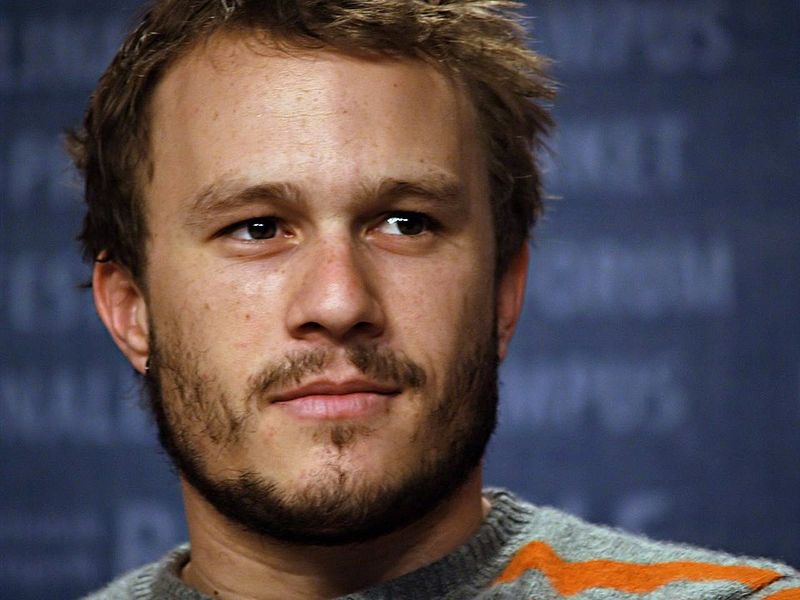
This heartbreaking portrayal showed a man trapped by circumstance, fear, and the unforgiving landscape of rural Wyoming.
Ledger’s understated performance made every moment of longing and loss feel devastatingly real and deeply human.
He consistently focused on universal themes of love and tragedy rather than specific political advocacy.
The story’s power came from its emotional truth, not from serving as a vehicle for activist messaging or community representation.
Ledger saw the film as exploring human connection in its rawest form.
5. Jake Gyllenhaal in Brokeback Mountain
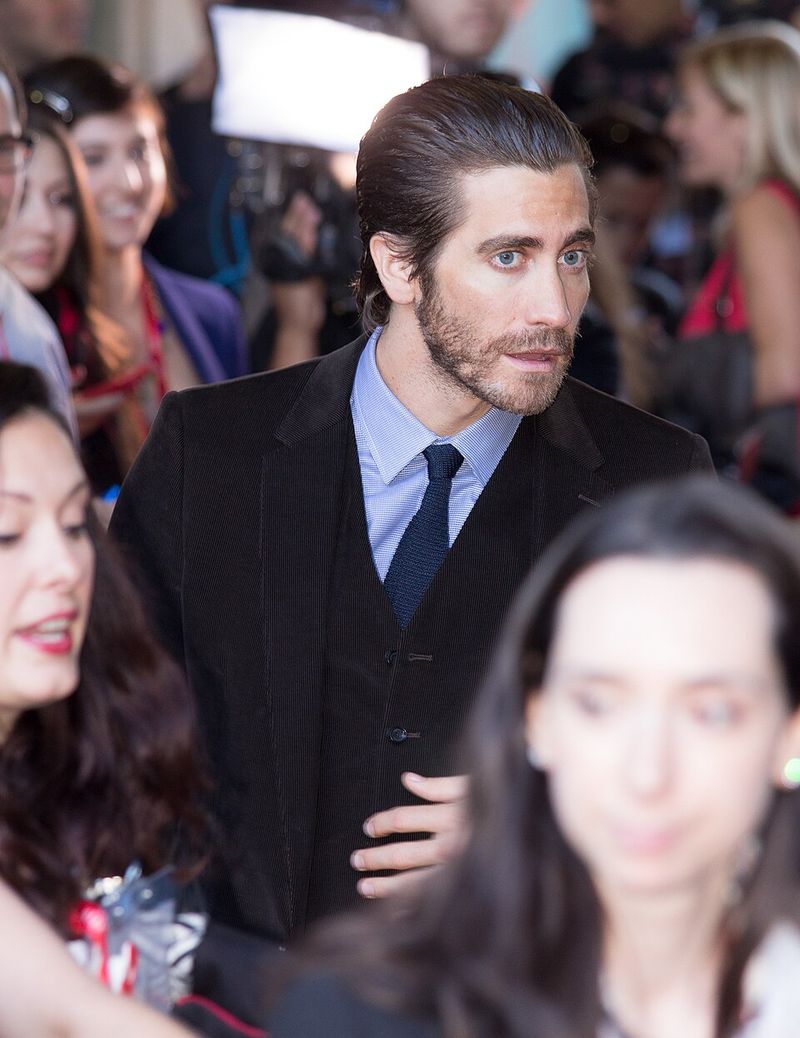
Jack Twist dreamed of a life lived openly with the person he loved, making Gyllenhaal’s performance achingly hopeful despite the tragic circumstances.
His portrayal balanced optimism with the painful reality of 1960s and 70s America.
Gyllenhaal viewed the project as significant cinema about human connection rather than activism.
The distinction mattered to him, separating artistic achievement from expectations of becoming a public advocate or movement spokesperson.
His perspective emphasized storytelling’s power to create empathy without explicit messaging.