7 Pop Stars Who Rely On Autotune To Hit The Notes
Not every voice heard on the radio matches how it sounds in real life. Behind the polished, pitch-perfect tracks of many pop stars, Auto-Tune plays a major role.
This software corrects vocal pitches, smoothing out imperfections and creating a flawless sound in recordings. Some artists use it subtly, adding just a touch to enhance their natural voice, while others apply it heavily, turning it almost into an instrument of its own.
Over the years, Auto-Tune has influenced the sound of pop, hip-hop, and R&B, shaping the way music is produced and heard by millions. Fans often don’t realize how much it contributes to the final track, blending seamlessly into the performance.
Many chart-topping stars rely on this tool to hit notes perfectly and maintain consistency across albums and live performances. Auto-Tune has become a defining feature of modern music, balancing artistry with technical precision in ways that continue to evolve.
1. T-Pain
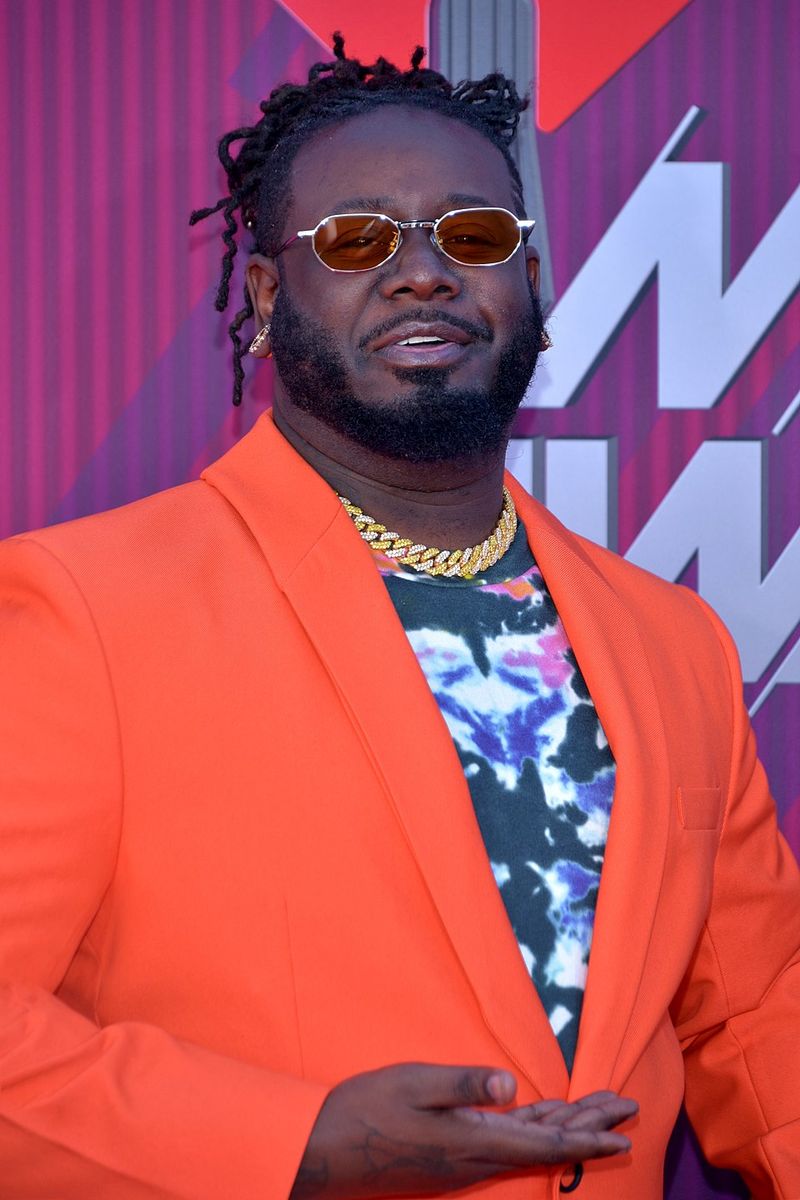
Long before Auto-Tune became a studio staple, one artist turned it into a full-blown superpower. Faheem Rasheed Najm, better known as T-Pain, practically made pitch correction his musical identity.
Around 2005, his debut single “I’m Sprung” launched a career built on robotic, melodic vocal effects.
Critics rolled their eyes, but fans could not stop singing along. Songs like “Buy U a Drank” dominated charts and proved Auto-Tune was not just a fix.
It was a creative choice. T-Pain even coined the phrase “I Am T-Pain” for a popular iPhone app that let everyday people sound just like him.
2. Kanye West
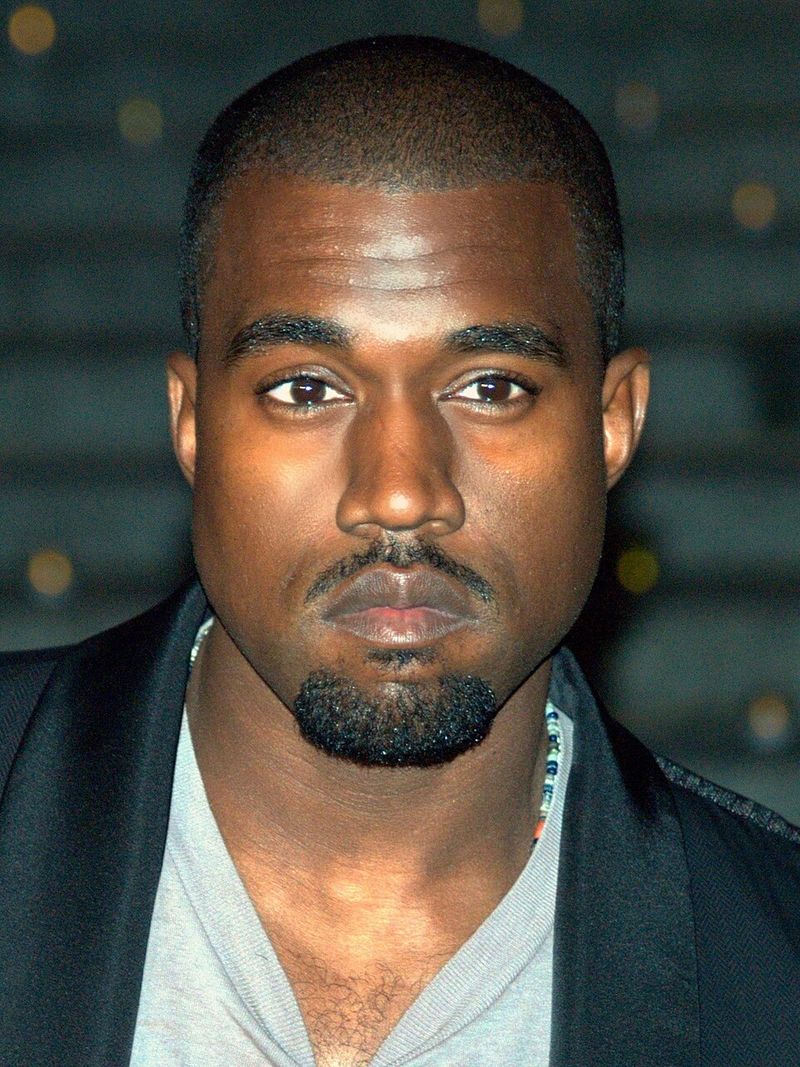
Not many albums in hip-hop history hit as hard emotionally as “808s and Heartbreak,” released in 2008. Kanye West recorded the entire project using Auto-Tune as a lead vocal instrument, not just a correction tool.
At the time, critics called it risky. History proved it was revolutionary.
Heartbreak, loss, and raw vulnerability poured through every heavily processed note. Auto-Tune gave West a way to sing without technically being a trained singer, and somehow, it worked perfectly.
The album directly influenced artists like Drake, Kid Cudi, and Post Malone. Honestly, modern music owes a huge debt to one very bold creative gamble.
3. Kesha
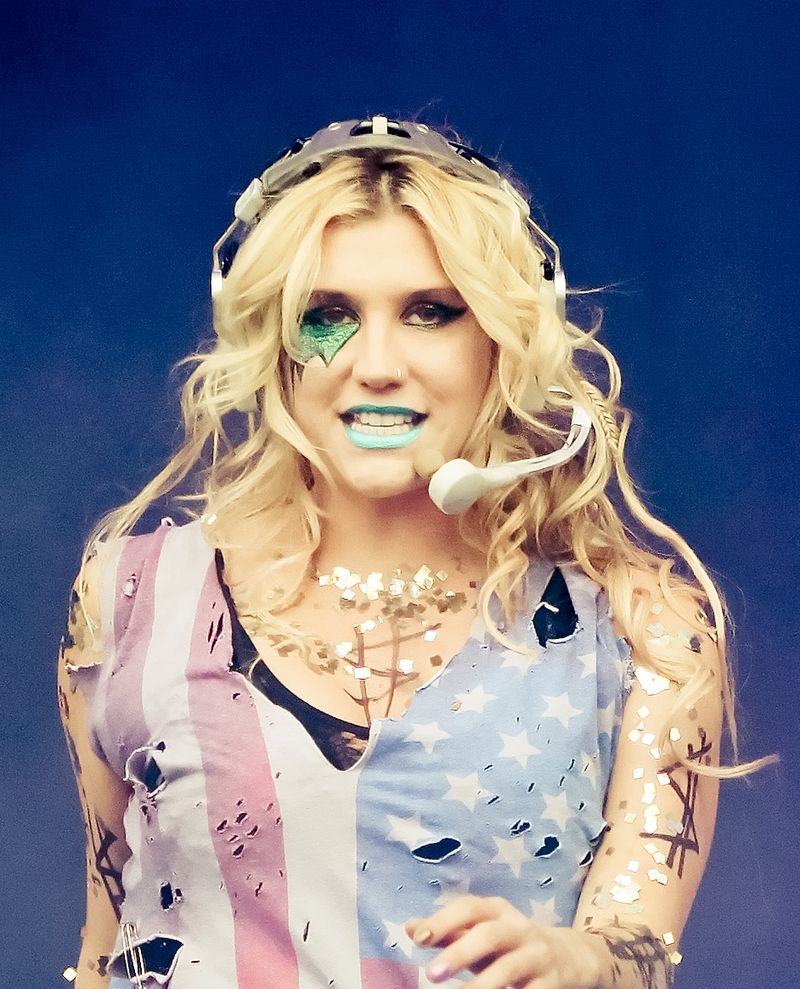
Can you name any other pop anthem that hits harder at a school dance than “Tik Tok,”? Stil, Auto-Tune deserves some of the credit.
Kesha burst onto the scene in 2010 using pitch correction to create a carefree, almost speak-sing vocal style that felt totally unique. It was loud, chaotic, and completely unforgettable.
Over time, Kesha proved she could absolutely sing without studio assistance. Her raw, emotional performances after her legal battles showed real vocal strength.
The Auto-Tuned version of Kesha helped launch one of pop music’s most instantly recognizable voices. Sometimes a little digital sparkle is exactly the right outfit for a debut.
4. Lil Wayne
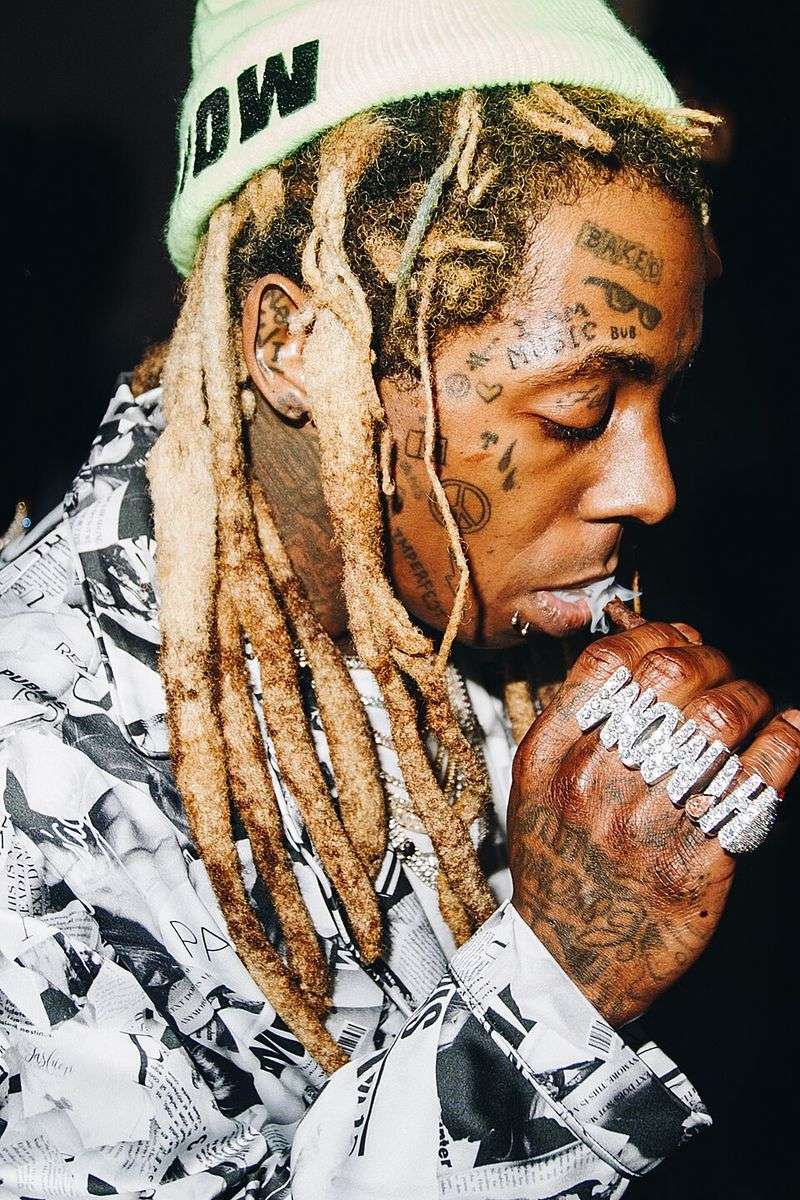
Most rappers rap. Lil Wayne decided he also wanted to sing, and Auto-Tune handed him the keys.
After his 2008 mixtape “No Ceilings” era, Wayne leaned heavily into pitch-corrected vocals that blurred the line between rapping and melodic singing. The result sounded like nothing else on the radio.
His album “Rebirth” in 2010 went full rock-meets-Auto-Tune mode, confusing plenty of fans but impressing producers worldwide. Wayne never apologized for experimenting.
Auto-Tune let him stretch beyond traditional rap boundaries, turning his voice into something closer to a synthesizer. If music has a rule book, Lil Wayne clearly lost his copy years ago.
5. Britney Spears
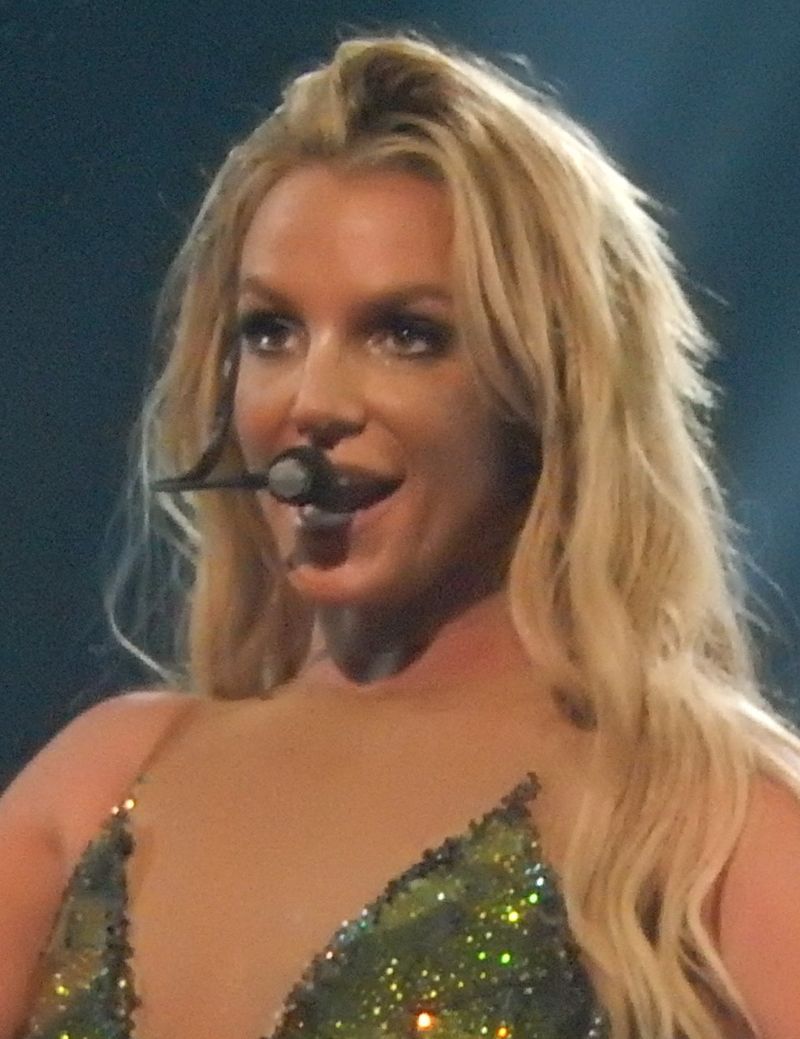
“Toxic” still sounds like the future even though it came out in 2003. Britney Spears has used Auto-Tune across much of her studio catalog, and it fits her bubblegum-meets-futuristic pop sound like a glove.
Her producers used pitch correction not just to fix notes but to build a signature sonic texture.
Spears was never marketed primarily as a powerhouse vocalist. Her strength was performance, energy, and cultural impact.
Auto-Tune helped her recordings match the polished, larger-than-life image she projected on stage. Few artists in pop history have sold as many records while relying so openly on studio technology to carry the melody.
6. Justin Bieber
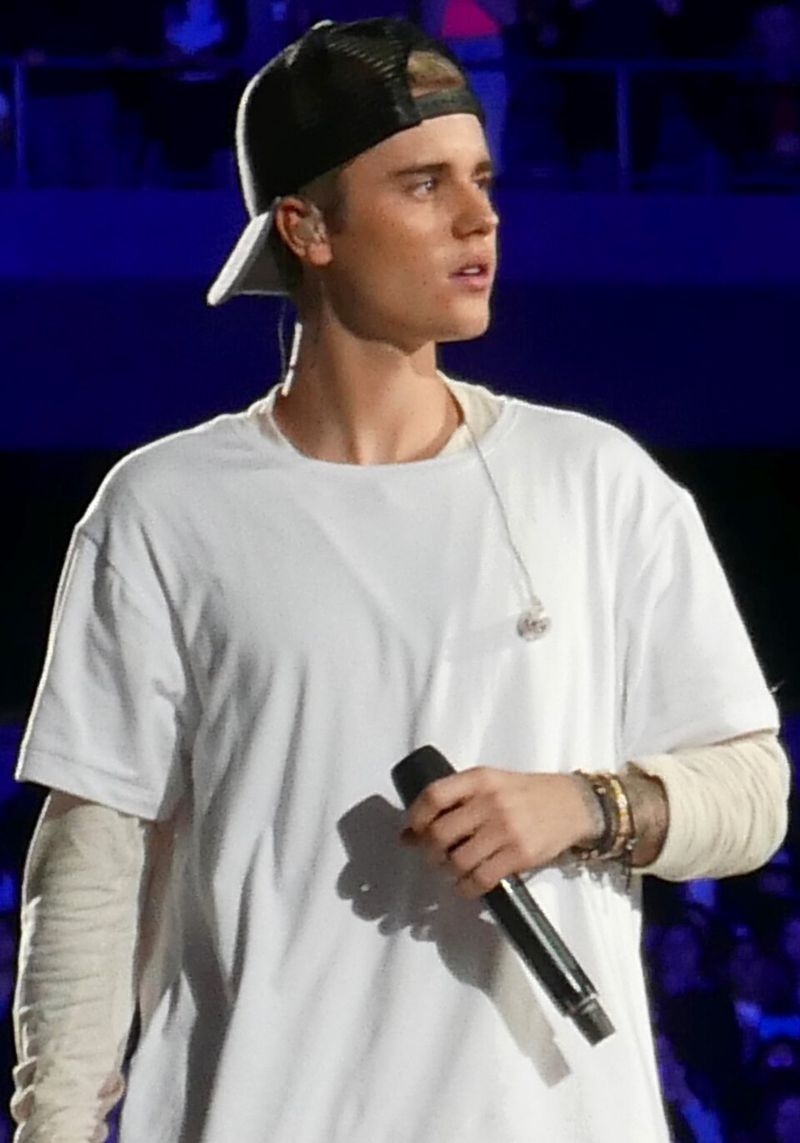
Starting a music career at age 13 means growing up in public, voice cracks and all. Justin Bieber leaned on Auto-Tune during his early recording years to keep his youthful vocals sounding polished on tracks like “Baby” and “Boyfriend.” Studio magic helped bridge the gap between a kid’s voice and a pop superstar’s sound.
As Bieber matured, his natural vocal ability became much more obvious in acoustic covers and stripped-back live sessions. Still, Auto-Tune remained a regular guest in his studio productions.
His 2015 comeback album “Purpose” blended processed and natural vocals smoothly, showing exactly how the tool works best: as a creative partner, not a crutch.
7. Lady Gaga
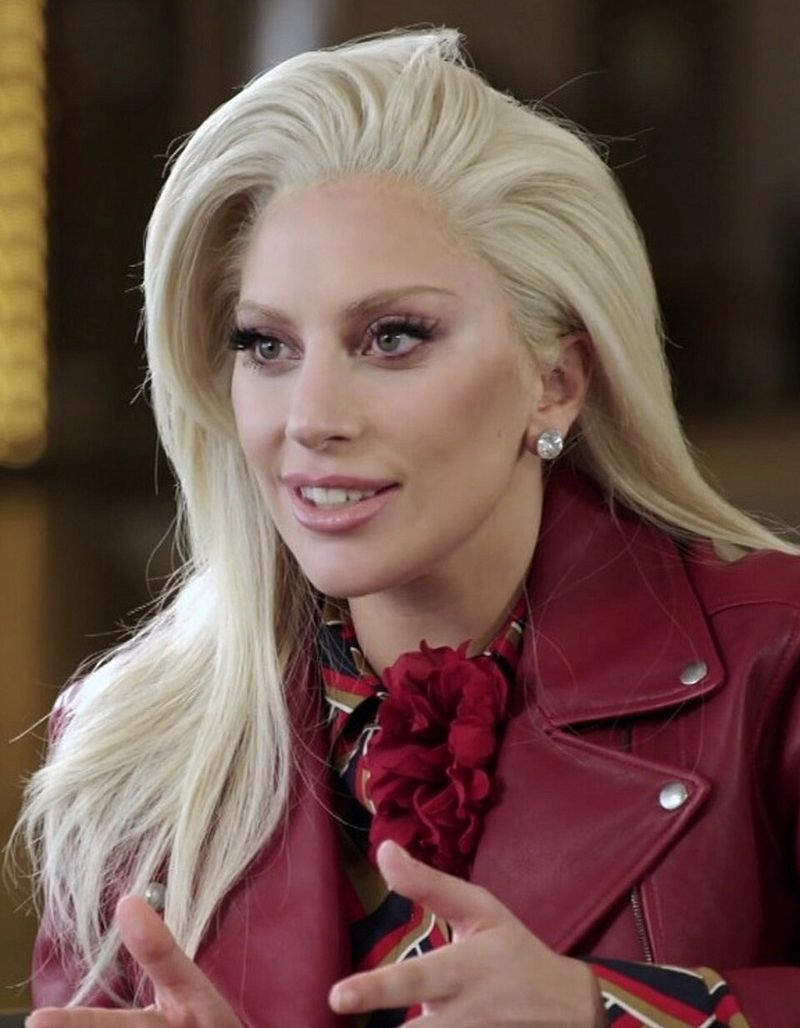
Here is a fun twist: Lady Gaga is genuinely one of pop music’s strongest vocalists, yet Auto-Tune still shows up in her studio recordings. Early hits like “Just Dance” and “Poker Face” feature noticeable pitch correction layered over a voice that honestly did not need fixing.
Go figure!
Gaga has always treated her music like performance art, and Auto-Tune became part of the sonic costume. Her jazz collaborations alongside Tony Bennett, however, stripped everything digital away and revealed jaw-dropping natural talent.
Somehow, knowing she can sing brilliantly without help makes the Auto-Tuned pop tracks even more interesting. It was always an artistic choice, never a necessity.