12 Pop Stars Whose Rise Sparked ‘Industry Plant’ Debates Online
Fame hits fast and suddenly the internet puts on a detective hat. One viral song later and everyone is asking if it’s pure luck or a very well-funded “coincidence.”
That is where the ‘industry plant’ debate shows up, turning rising stars into full-blown online investigations about backing, timing, and visibility.
1. Billie Eilish
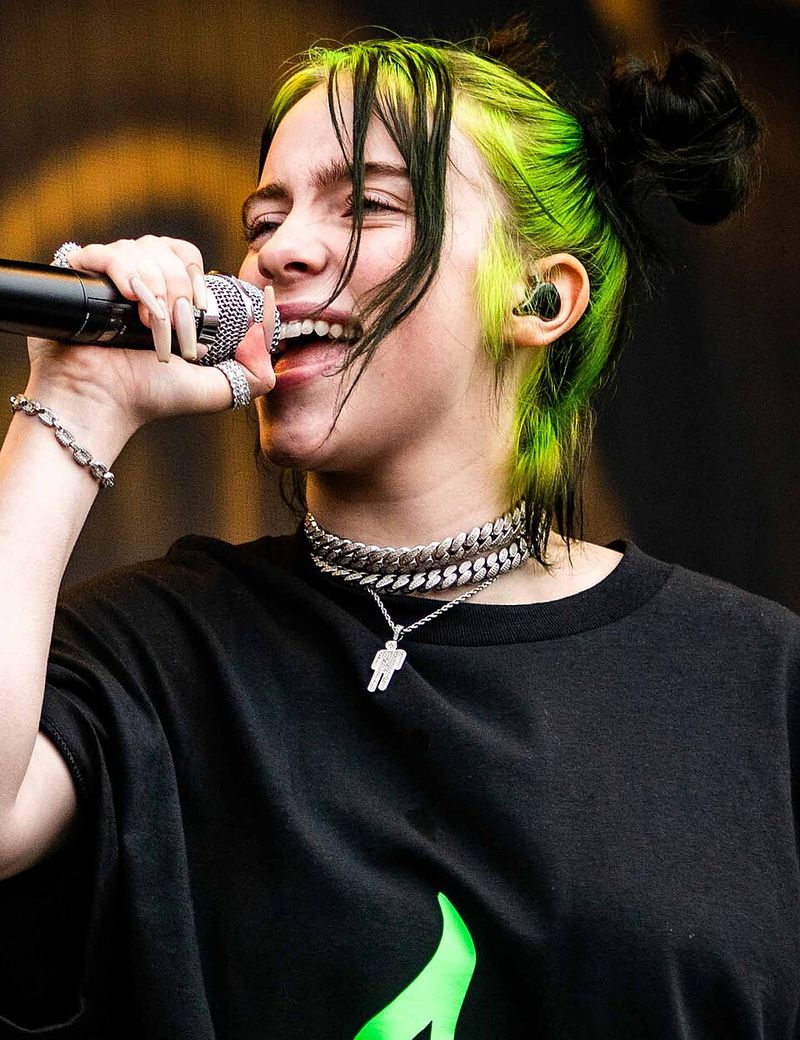
Billie Eilish’s ‘Ocean Eyes’ upload to SoundCloud helped put her on the map almost overnight while she was still in her early teens.
Conversation quickly followed, with some pointing to her collaboration with Finneas and the track’s unusually polished early presentation as signs that her rise was not being read as purely accidental. Others saw a moment where raw talent met the right timing, without needing a larger push behind it.
Debate around the idea of an “industry plant” kept circling back to her rise, turning it into a reference point for what “organic” success even means now.
2. Clairo
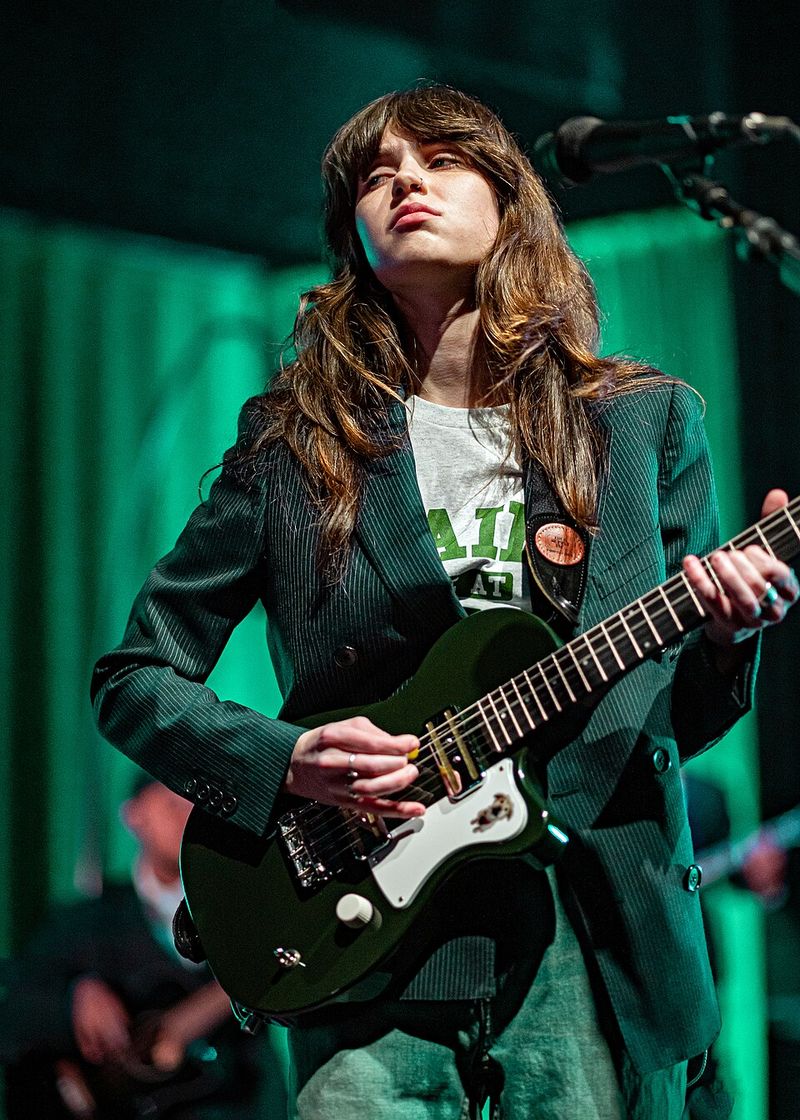
Lo-fi bedroom pop filmed in a setting that felt like a cozy Saturday morning routine pushed Clairo into the spotlight almost overnight.
Skeptics quickly pointed to her father Geoff Cottrill’s background as a marketing executive, which made the ‘accidental fame’ narrative look more complicated to some online critics.
Supporters pushed back, arguing the music itself felt sincere and genuinely heartfelt. Planted or purely lucky, the entire conversation became fuel, showing how strong songs can carry their own momentum.
3. Olivia Rodrigo
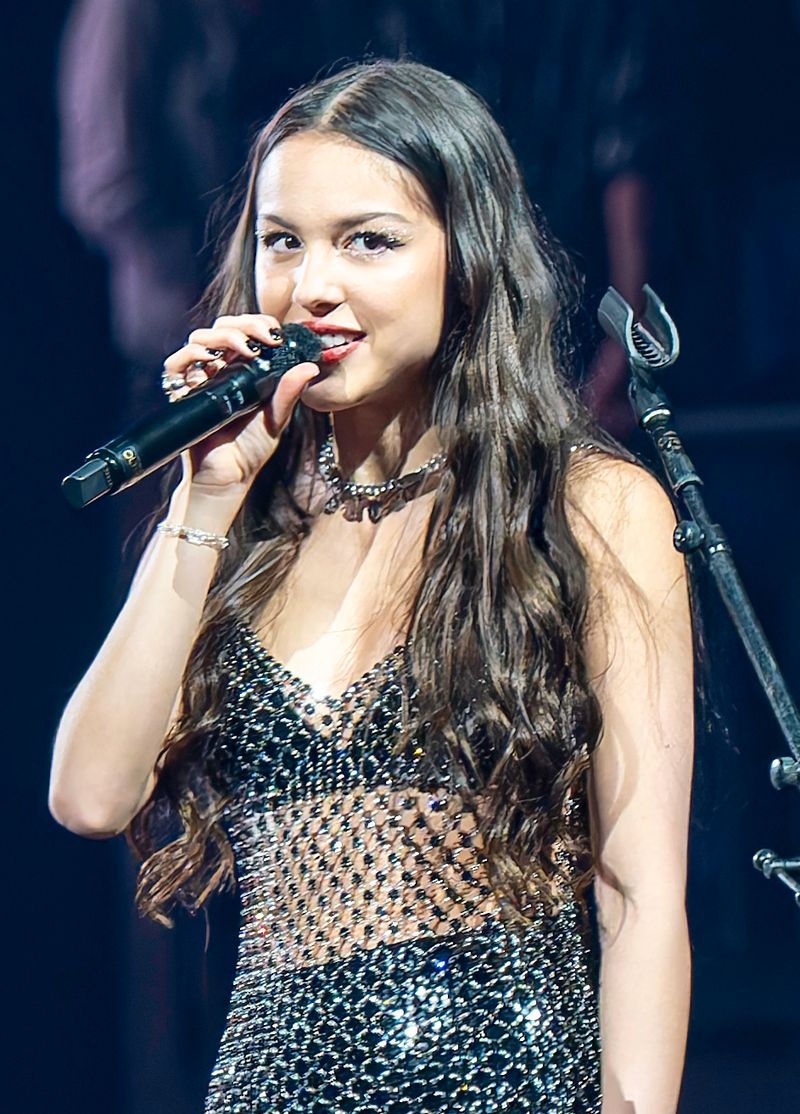
Release of ‘drivers license’ by Olivia Rodrigo sent streaming numbers soaring so quickly that even casual listeners felt the buzz almost instantly.
Critics pointed to her background with Disney Channel and existing industry connections as a starting point few emerging artists have.
Fans pushed back, arguing no amount of backing can manufacture a chorus that hits that hard across an entire generation. Somewhere between those views sits the reason the song resonated so widely.
4. Gayle
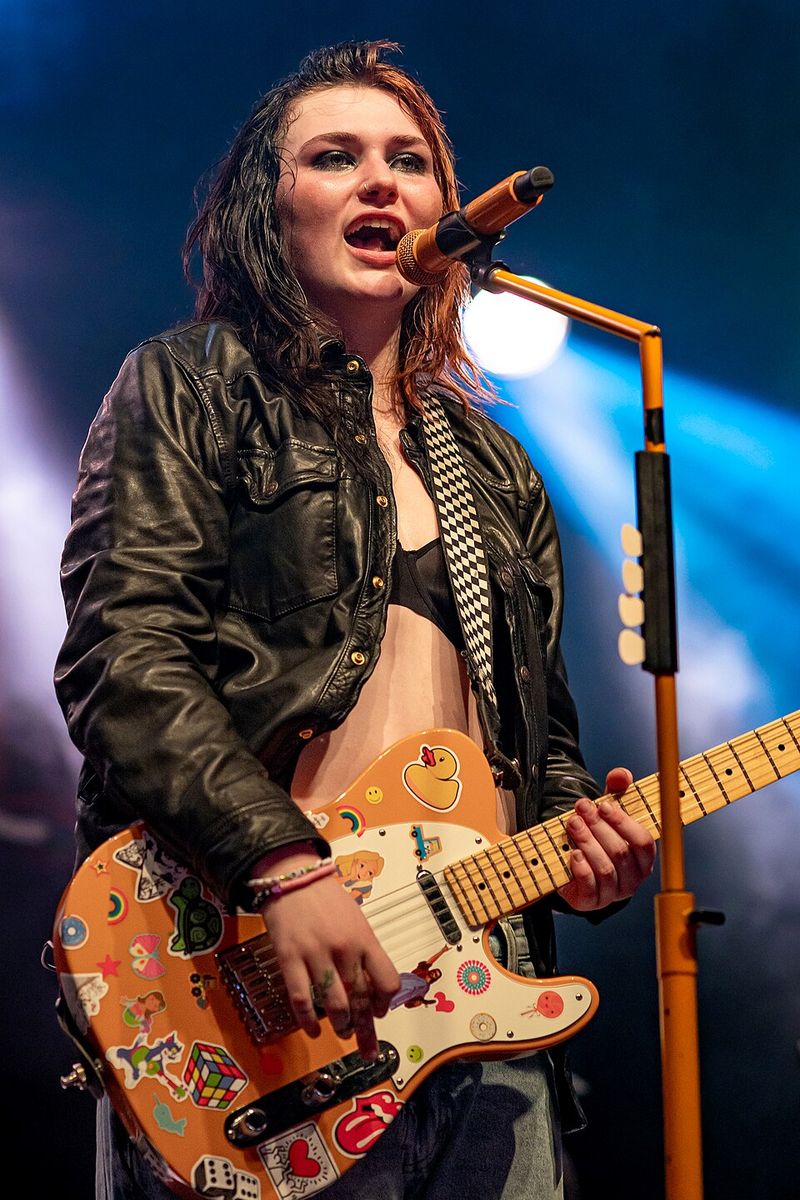
Catchy and impossible to ignore, “abcdefu” landed like an earworm that refused to leave, and questions started rolling in almost as quickly as the streams. Because GAYLE had already signed with Atlantic/Arthouse before ‘abcdefu’ took off, some fans questioned how grassroots the rollout really was.
Polished production and perfectly timed momentum added to the skepticism, making the rise feel almost too smooth.
Even so, a song that sticks in your head during a busy commute has clearly done something right, with or without label backing.
5. Chappell Roan
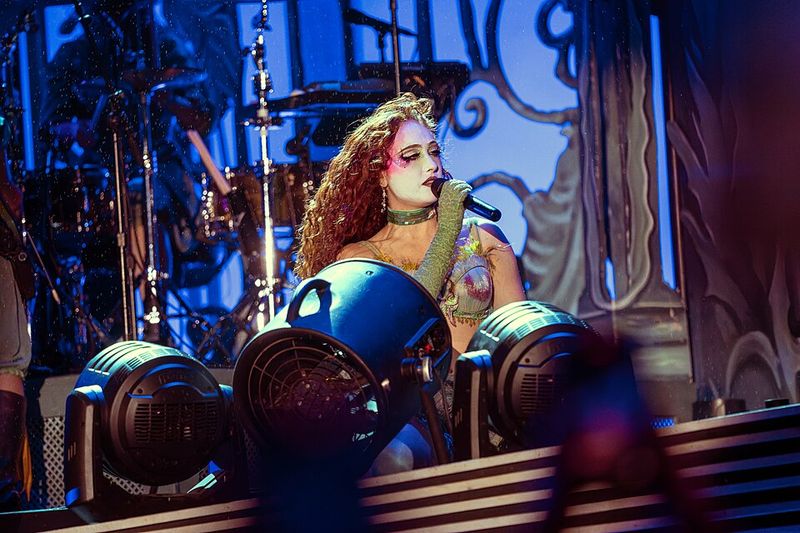
Few recent pop breakthroughs felt as theatrical and fully formed as Chappell Roan’s, which led some online observers to question how suddenly the wider audience had caught up.
The elaborate costumes, the camp aesthetic, and the polished debut album led some listeners to wonder whether a genuinely independent artist could pull all of that off alone. Her supporters pointed to years of grinding in near-obscurity before any spotlight found her.
Getting famous slowly and then suddenly is basically the plot of every great pop origin story ever told.
6. Sabrina Carpenter
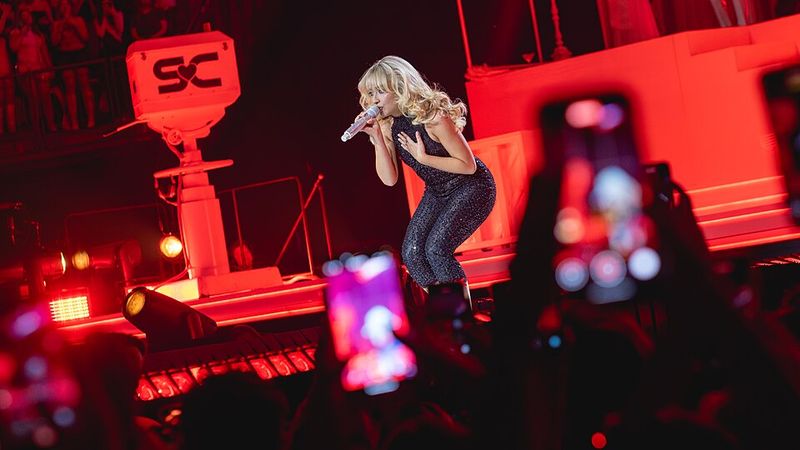
Saturday mornings have shifted, and playlists now loop the latest from Sabrina Carpenter in households that used to run on cartoons.
Online conversation often circles back to her Disney Channel start and Hollywood Records era, using that visible entertainment-industry background as fuel for the argument. Years of writing, touring smaller venues, and sharpening a distinct comedic voice tend to get overlooked in that narrative.
Work behind the scenes built a style that feels personal in a way no boardroom could manufacture.
7. Tate McRae
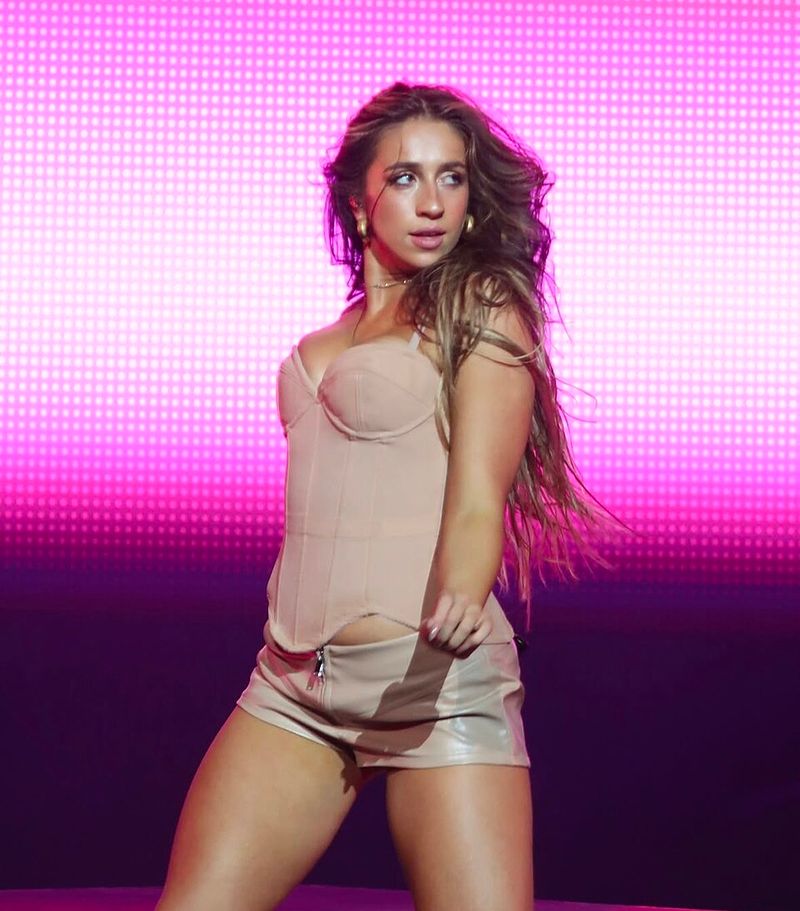
Viral dance videos, a reality TV appearance on “So You Think You Can Dance,” and a record deal by her mid-teens give Tate McRae’s biography the feel of a highlight reel set to autopilot.
Online forums raised questions about whether her rise was carefully engineered rather than purely earned, especially with how neatly each milestone seemed to connect. Turning a childhood talent show audition into sold-out arenas can read like a fairy tale or a lesson in long-term industry strategy, depending on perspective.
8. H.E.R.
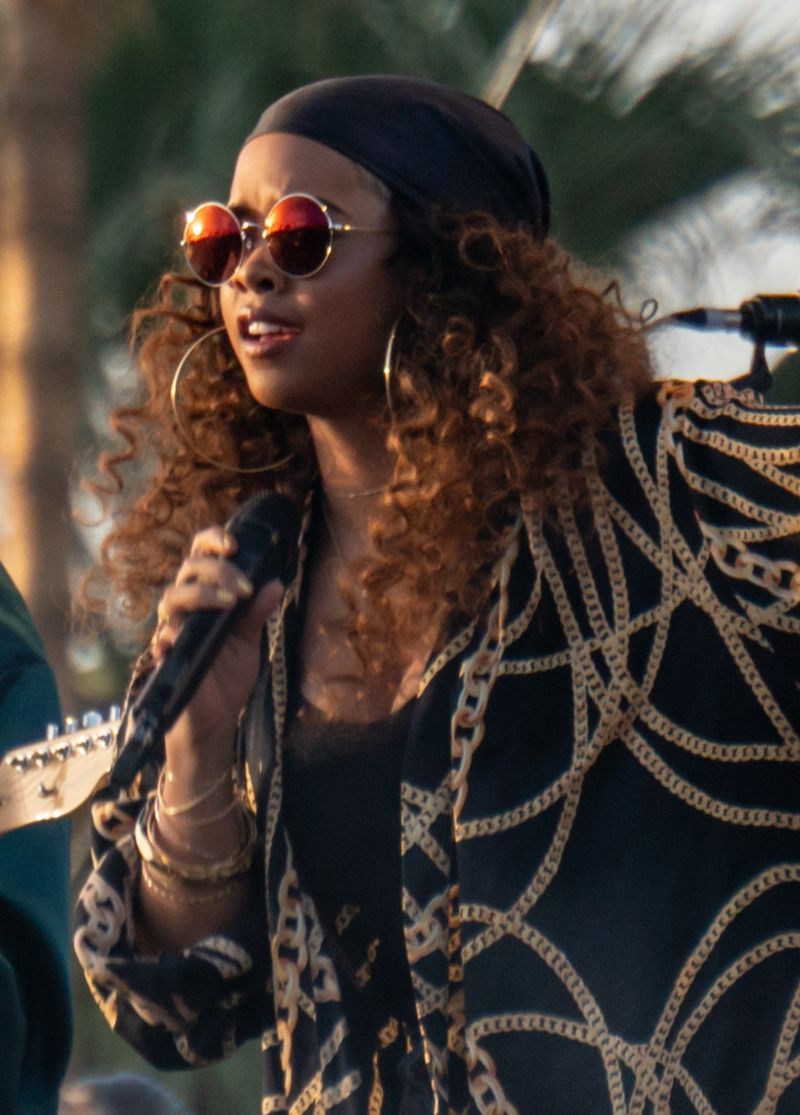
Deliberate mystery defined the early rollout of H.E.R., with anonymity and major-label infrastructure both shaping how listeners encountered the project.
Some listeners read the anonymity as a calculated label move tied to RCA Records, framing it as strategy rather than pure artistic choice.
Others embraced the approach as a shift back toward music-first attention, where the sound carried more weight than celebrity. Quiet evening energy fits her vocals perfectly, the kind that stays untouched no matter how the debate unfolds.
9. Bebe Rexha
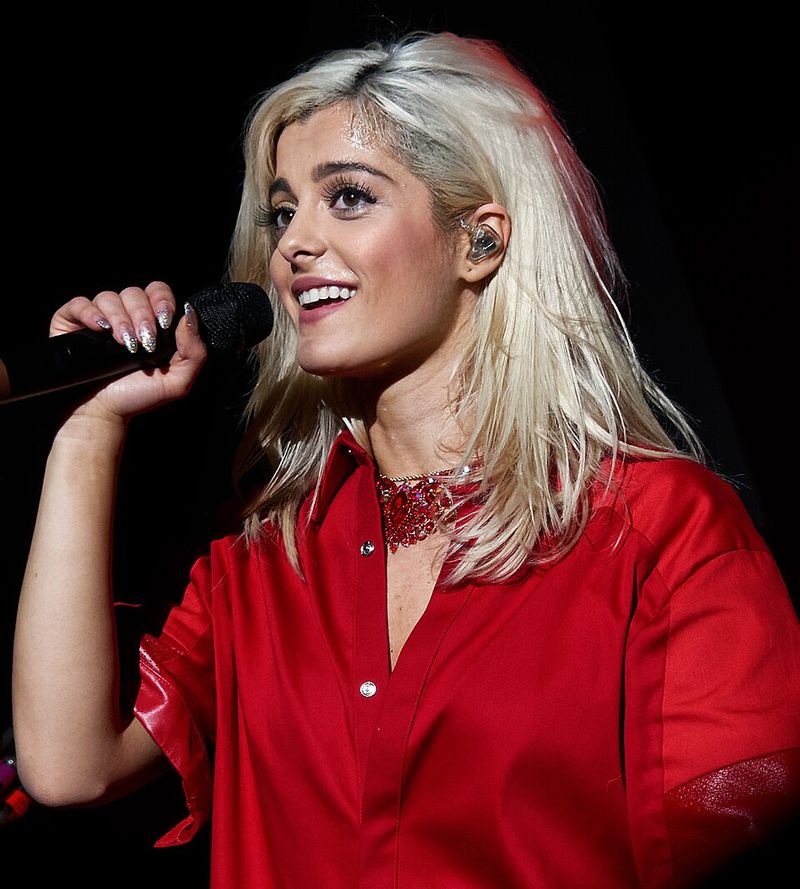
Long before her name was on any marquee, Bebe Rexha had already built industry credibility by writing for other artists, including co-writing Eminem and Rihanna’s ‘The Monster.’
Some argued that her songwriter connections made her solo launch feel less like a discovery and more like a planned product rollout.
Knowing the industry from the inside out before stepping into the spotlight is either cheating or just incredibly smart, and the answer probably depends on which side of the velvet rope you are standing on.
10. Lizzo
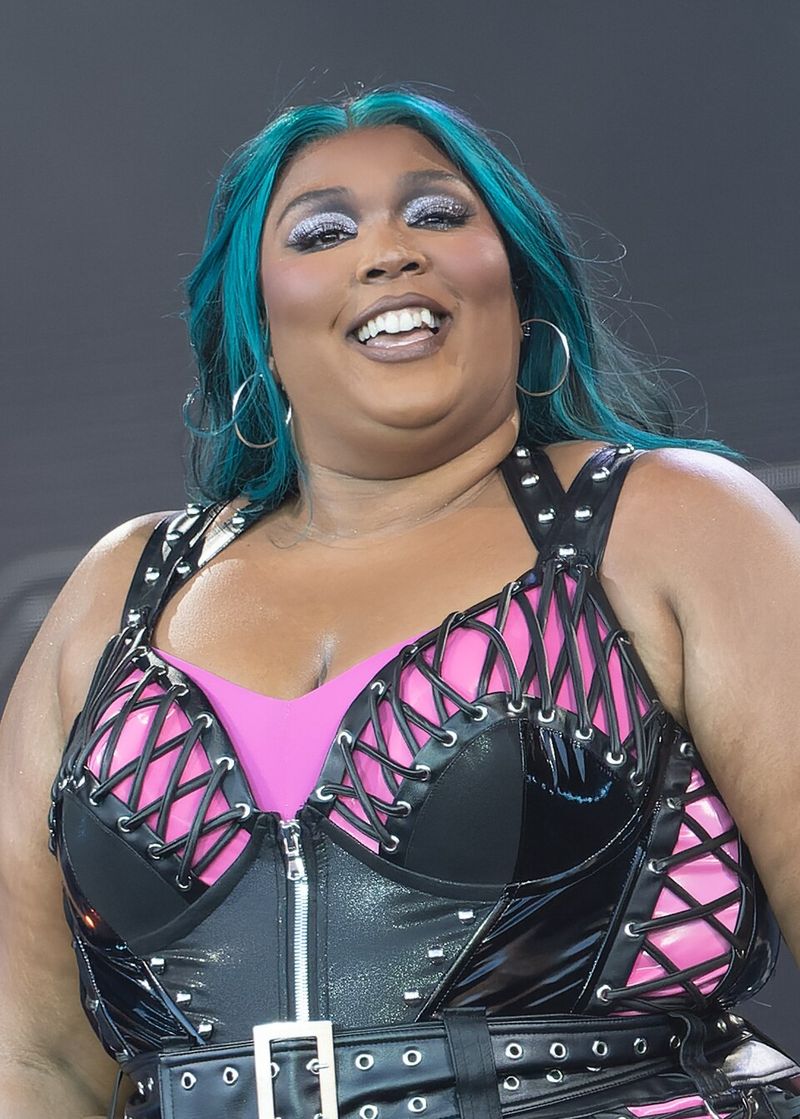
Flute solos, body-positive anthems, and a personality big enough to fill a stadium made Lizzo feel like she arrived fully formed, which sparked some skepticism.
Years of independent releases before her major-label breakthrough told a very different story, even as parts of the internet claimed her breakthrough looked too tidy to be accidental.
Framing it as overnight success overlooked nearly a decade of steady, hard work behind the scenes. Sometimes the algorithm simply catches up to someone who was already great long before any playlist editor noticed.
11. Phoebe Bridgers
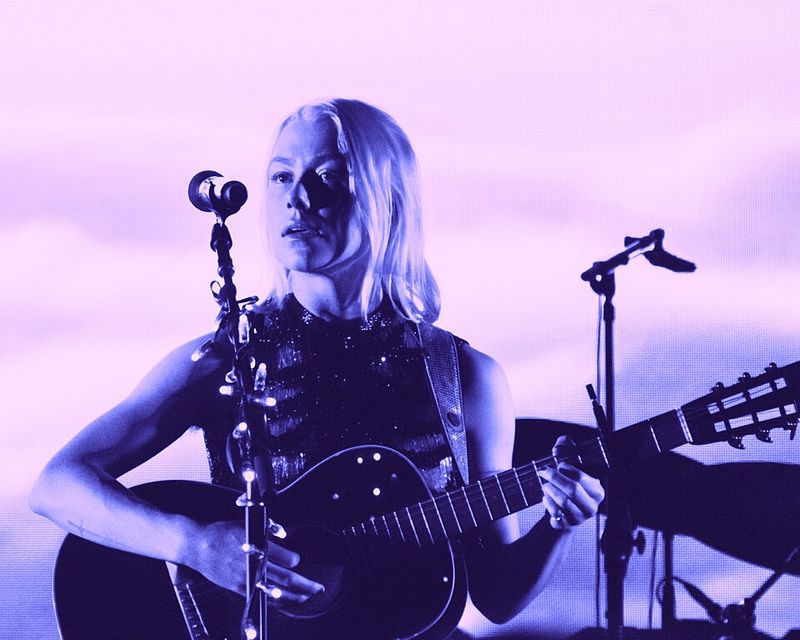
Indie credibility and a skeleton onesie became Phoebe Bridgers’s calling card, but her fast rise still caught some fans off guard and prompted questions.
Online discussions pointed to early co-signs from established artists and a comparatively fast path to wider indie recognition. Her defenders noted years of small-venue gigs and self-funded recordings.
Getting championed by the right people at the right time is either luck, talent, or a little of both wrapped in a very cool Halloween costume.
12. Lana Del Rey
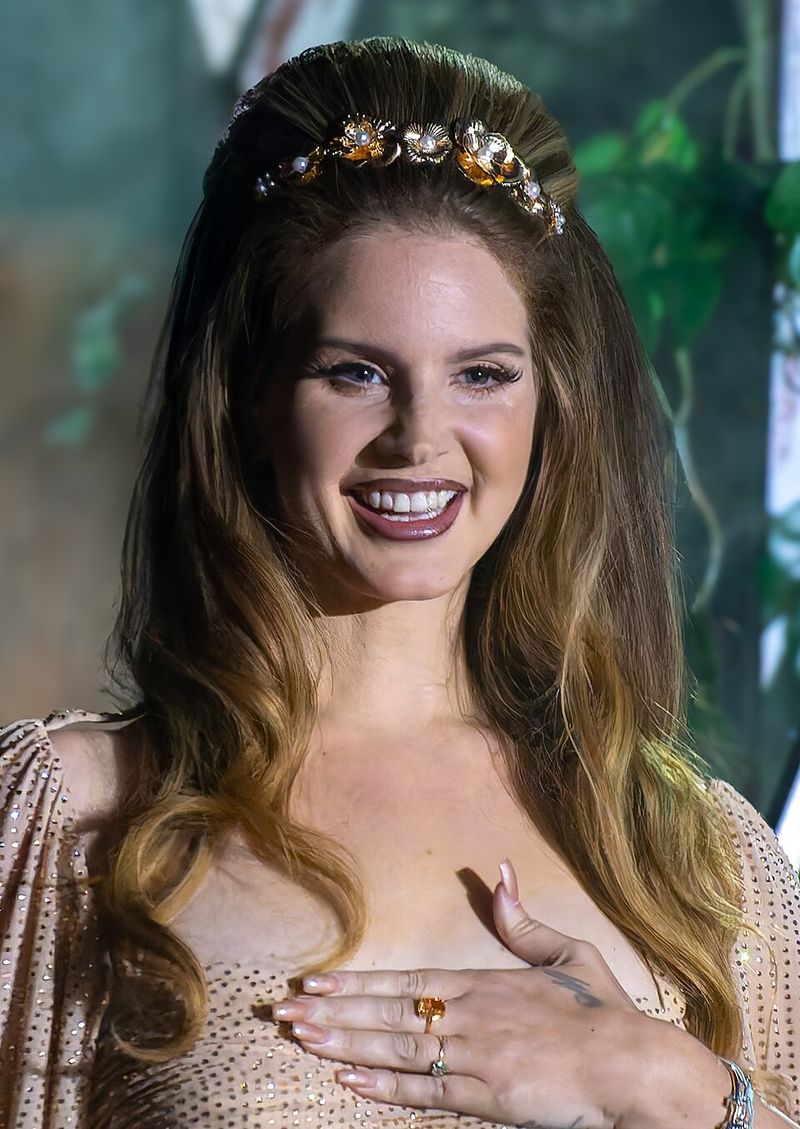
Lana Del Rey’s early image arrived so cinematic and polished that critics quickly started asking how much of it reflected reinvention, strategy, and label support. Resurfaced material from her earlier work under a different name added fuel to the discussion, pointing to the possibility of a deliberate reinvention rather than a fully organic rise.
Debate kept circling, yet the music itself held steady through every wave of commentary.
Sunglasses on, bag by the door, and her songs still playing anyway, which says more than any argument ever could.
Note: This article is intended for general informational and entertainment purposes and reflects an editorial overview of public online debate surrounding the term “industry plant” in pop music.
The label is subjective, often disputed, and not a factual classification, so the examples here should be understood as discussions about rollout, visibility, and perceived industry support rather than definitive judgments about any artist’s legitimacy.