15 Popular Songs From 1965 That Didn’t Age The Same Way
In 1965, the airwaves were packed with songs everyone knew by heart, but time has a funny way of changing how music feels.
Hits that once sounded bold and exciting can now come across a little dated, overly sincere, or simply shaped by a very different era. Shifting culture, evolving relationships, and changing musical tastes have given some chart-toppers a whole new vibe decades later.
Listening today isn’t just nostalgia, it’s a reminder that even the biggest hits don’t always age the same way.
1. Wooly Bully – Sam The Sham & The Pharaohs
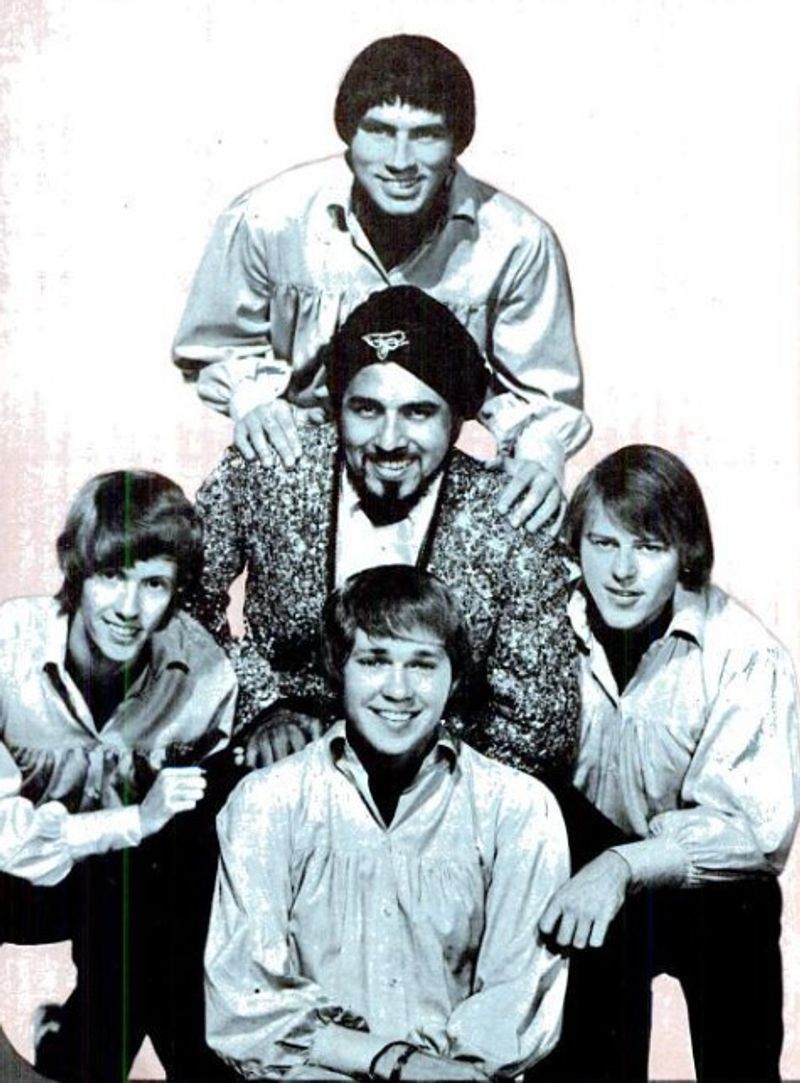
Crowded basement party energy takes over as everyone twists to a sound that feels like organized chaos set to a beat.
Sam the Sham and the Pharaohs turned nonsense lyrics and punchy organ riffs into a huge 1965 hit that felt thrillingly wild. Novelty energy drives the entire track, the kind that makes perfect sense at seventeen while soda cups keep refilling.
Years later, that same infectious goofiness plays more like a time capsule waiting to be carefully opened.
Fun survives in a nostalgic “remember when” way, even if the joke no longer lands with quite the same punch.
2. I Can’t Help Myself (Sugar Pie, Honey Bunch) – Four Tops
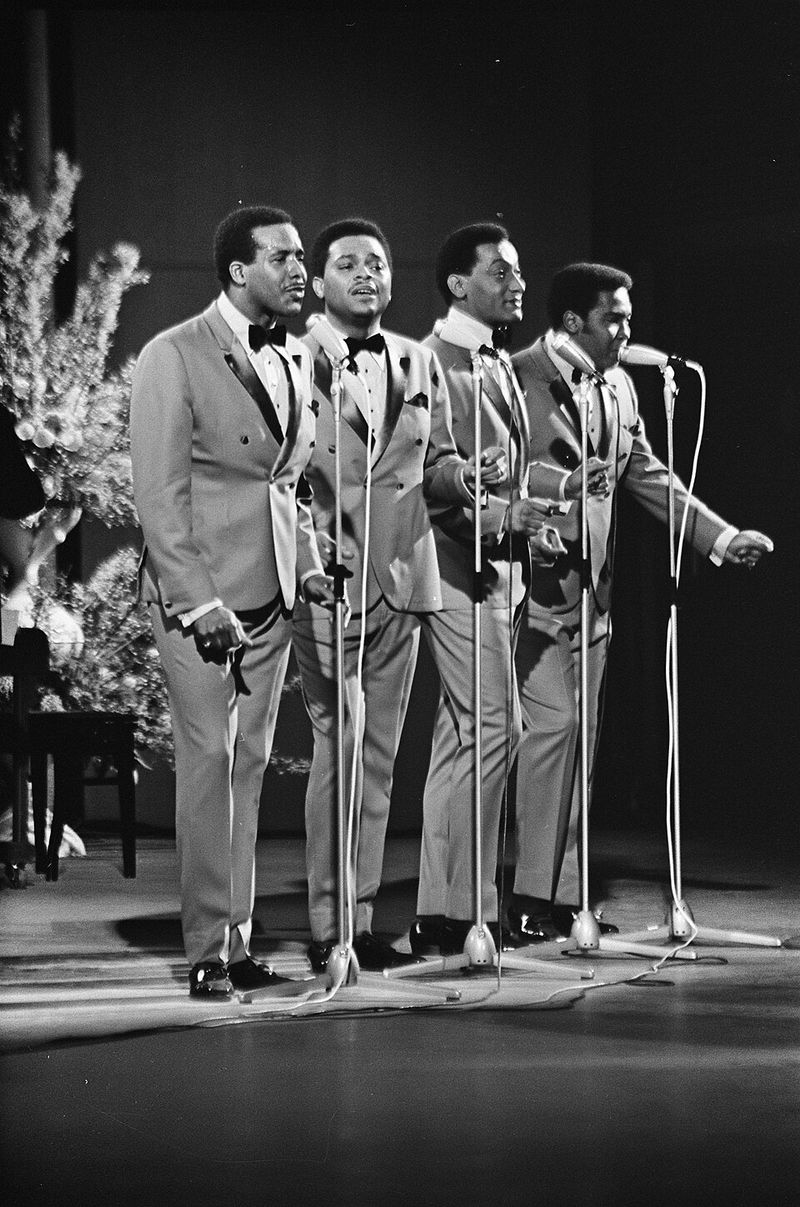
The Four Tops delivered one of Motown’s sweetest earworms, a song so catchy it still shows up at weddings and grocery stores. Sugar pie, honey bunch, and all those terms of endearment feel like pure confection wrapped in a perfect melody.
But listen closely to the lyrics and you’ll catch a thread of possessiveness that reads differently now.
The narrator can’t let go, can’t stop calling, can’t accept boundaries. What once sounded like devotion now carries a slightly clingy undertone that modern ears pick up on faster than a ringing phone at midnight.
3. (I Can’t Get No) Satisfaction – The Rolling Stones
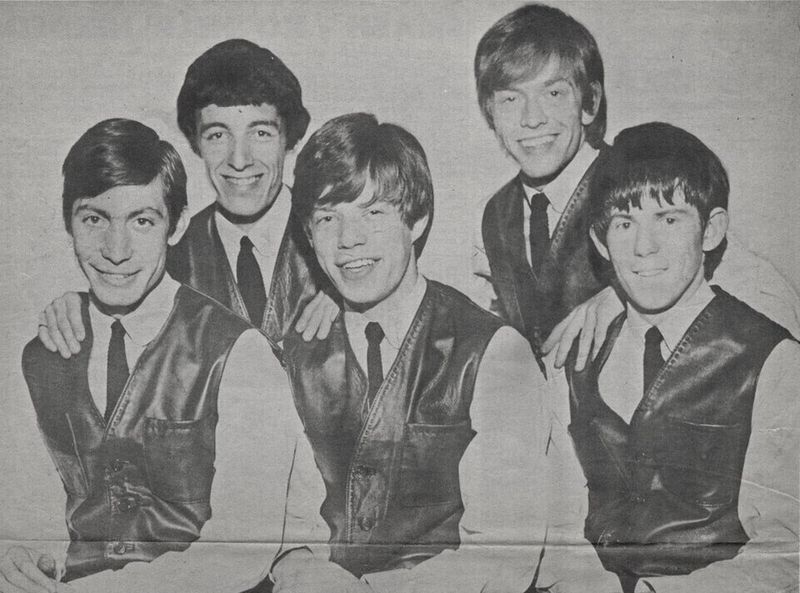
Snarling vocals and an unmistakable guitar riff still carry undeniable attitude. Raw frustration pulses through the performance, delivering a rebellious swipe at anything bland or overly corporate.
Specific complaints woven into the verses now sound strangely quaint.
Cigarette commercials and radio static lose impact in an era dominated by algorithm-driven feeds and hyper-targeted advertising that already knows your shoe size.
Underlying anger remains relatable, even as the original targets feel like relics from a simpler age of irritation.
4. You Were On My Mind – We Five
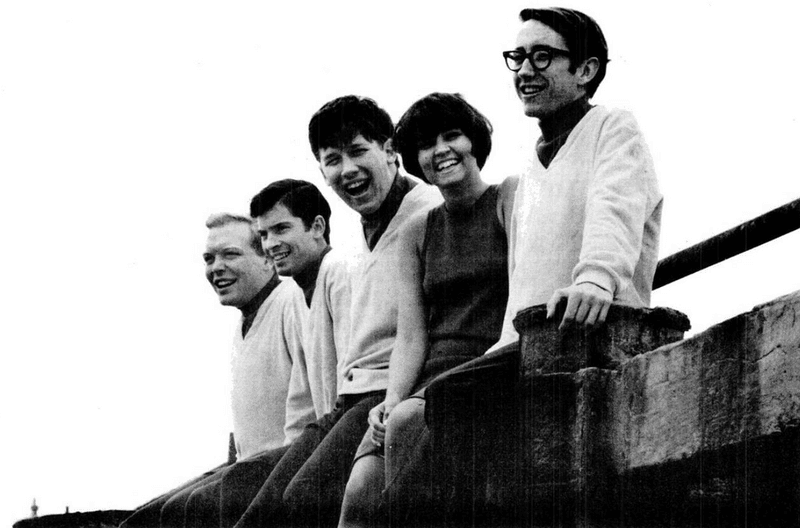
Folk-pop sincerity reached the radio when We Five delivered a confession carried by layered harmonies.
Earnest emotion defines the entire performance, capturing a level of honesty that felt brave and vulnerable as a 1965 chart fixture. Every word lands with the weight of someone who truly means it, leaving no room for irony.
Today, that same openness can feel almost too sincere for comfort.
Modern listeners raised on layers of self-awareness may find themselves squirming slightly at a song that places its wide-open heart fully on display.
5. You’ve Lost That Lovin’ Feelin’ – The Righteous Brothers
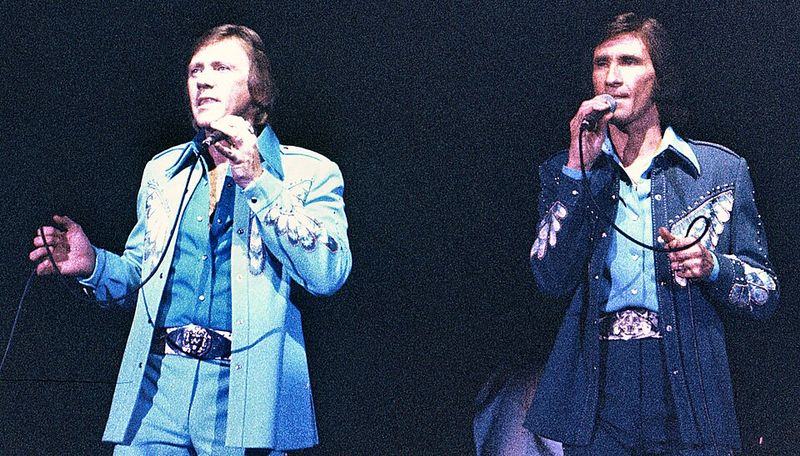
The Righteous Brothers turned heartbreak into high drama, complete with orchestral swells and voices that could shake the rafters.
Every note drips with melodrama, the kind that made audiences swoon and reach for tissues. It’s a production number disguised as a love song, and it knows exactly what it’s doing.
Today, that same theatrical intensity can feel wonderfully over the top, like watching a soap opera scene you can’t look away from. Some listeners embrace the camp; others just hear it as wonderfully, gloriously extra in ways that feel both timeless and very much of its moment.
6. Downtown – Petula Clark
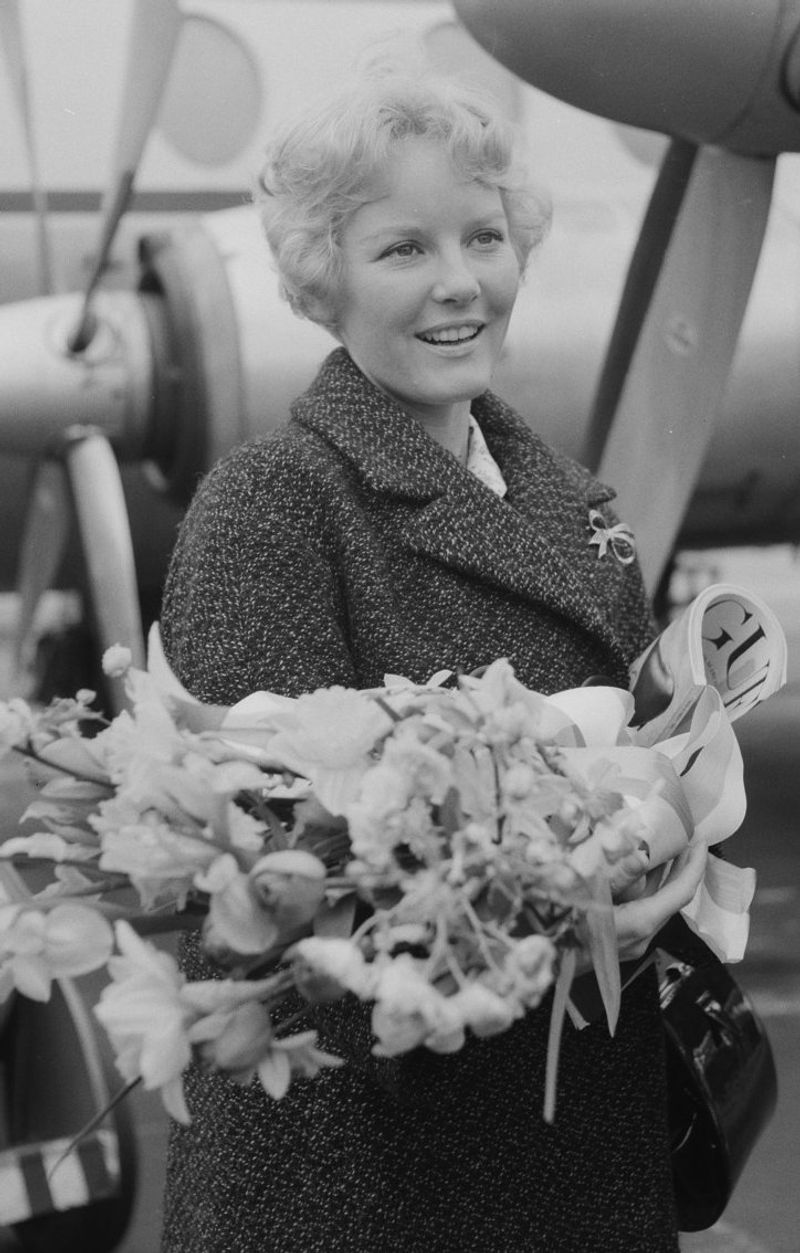
City life becomes a cure for the blues as Petula Clark sings about bright lights and busy streets solving whatever troubles follow you. Optimism bubbles through every note, presenting downtown as a magical fix for loneliness and worry where hopping on a bus makes everything better.
Decades later, that cheerful city-as-solution message feels charmingly naive, especially to anyone who has spent forty minutes circling for parking or dodging mystery puddles along a sidewalk.
Delight remains undeniable, even if the premise now carries a quaint sweetness that no longer matches modern urban reality.
7. Help! – The Beatles
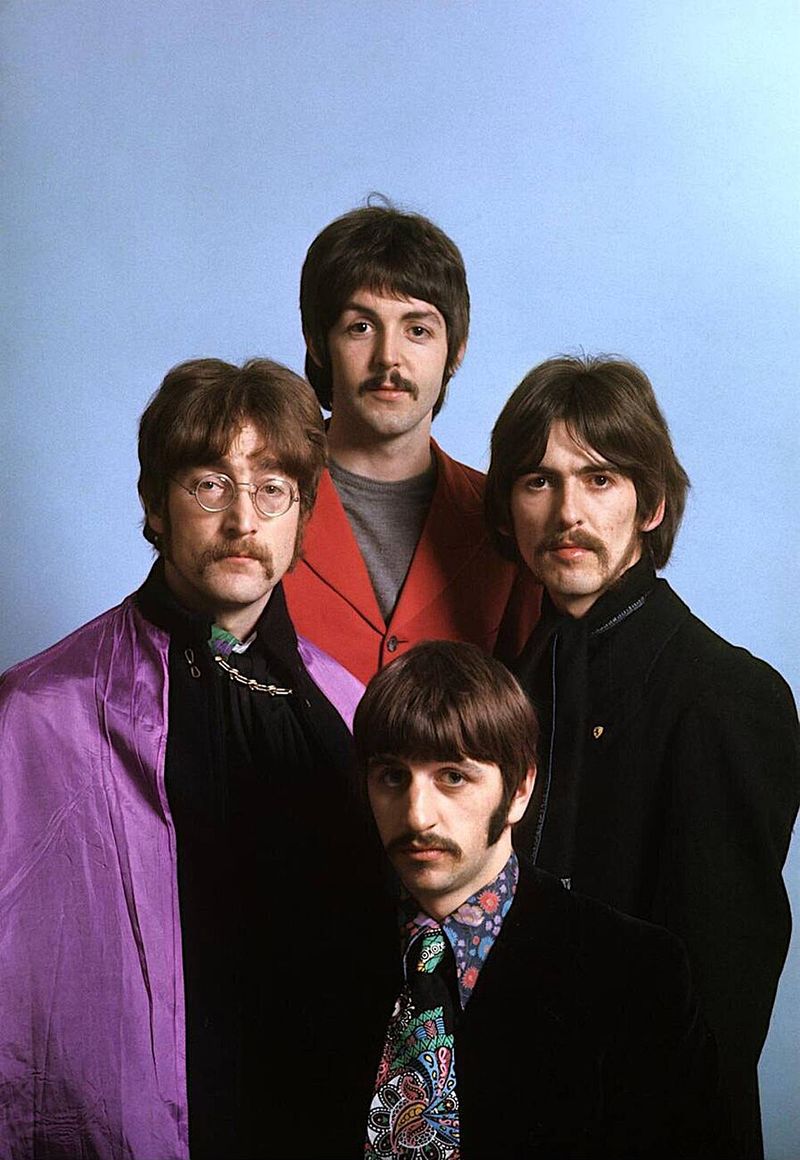
Bright, bouncy arrangement carried what was actually a genuine cry for help beneath the surface.
John Lennon later described the song as a genuine personal plea – essentially a ‘cry for help.’ Upbeat tempo and cheerful harmonies cleverly mask a vulnerable confession about feeling overwhelmed and lost.
Listening today, the contrast between sunny sound and darker words stands out clearly, like realizing the joke always carried a serious punchline that went unnoticed while everyone kept dancing.
8. Can’t You Hear My Heartbeat – Herman’s Hermits
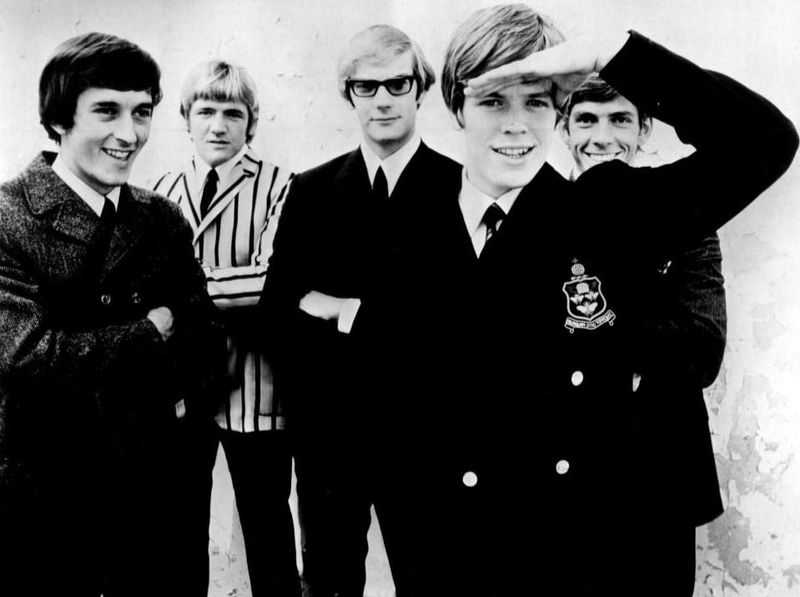
Sweet, unthreatening pop became Herman’s Hermits’ specialty, appealing equally to tolerant parents and swooning teenagers.
Earnest longing drives the track deep into “please notice me, please like me back” territory, a tone that felt completely natural as a huge 1965 hit. Every line reaches outward for approval, laying emotions bare like a puppy rolling over for a belly rub.
Modern listeners may find that eager-to-please energy a little overwhelming, closer to the musical equivalent of sending “you up?” seventeen times in a row.
Vintage charm keeps it endearing, even as its approach to expressing interest now feels unmistakably dated.
9. Crying In The Chapel – Elvis Presley
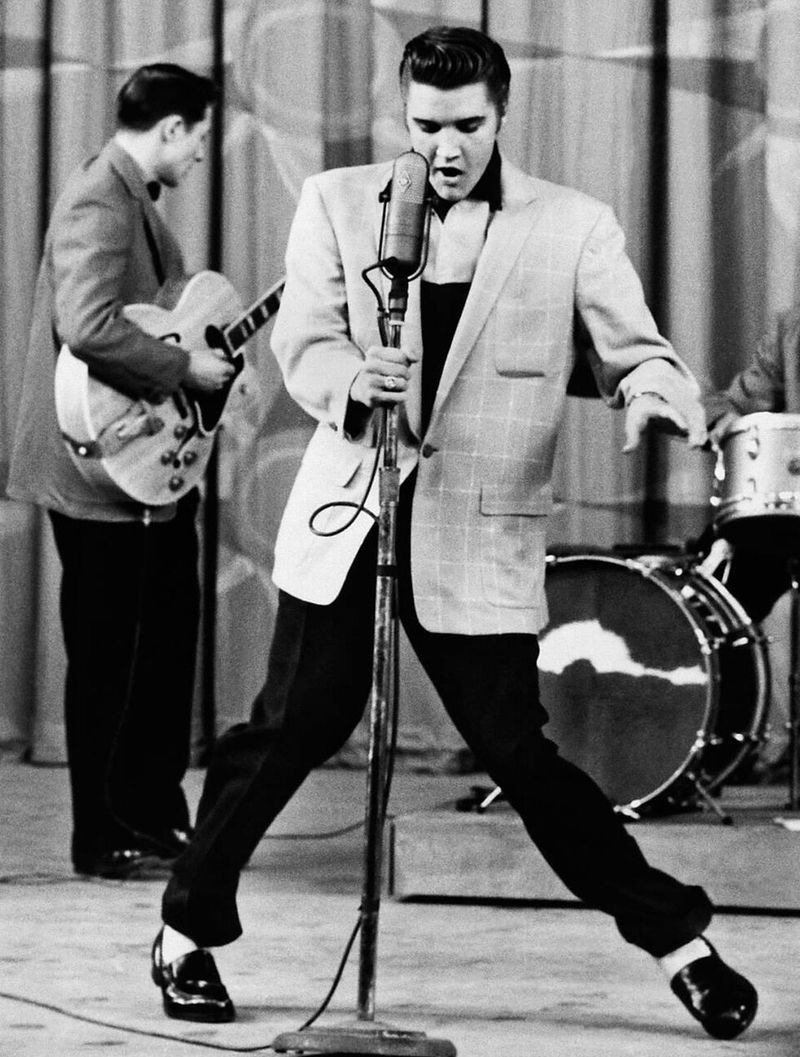
Elvis brought his signature voice to a gospel-tinged ballad that sat comfortably in the mainstream pop charts of 1965.
The whole production feels reverent and sincere, a devotional moment packaged for radio play. Back then, blending spiritual themes with pop wasn’t unusual; it was just part of the musical landscape, another flavor on the dial.
Today, that same crossover approach feels less common in the pop mainstream, making the song land as a charming artifact from when genres mixed more freely. The sincerity’s still there, but the context has shifted enough to make it feel distinctly retro.
10. My Girl – The Temptations
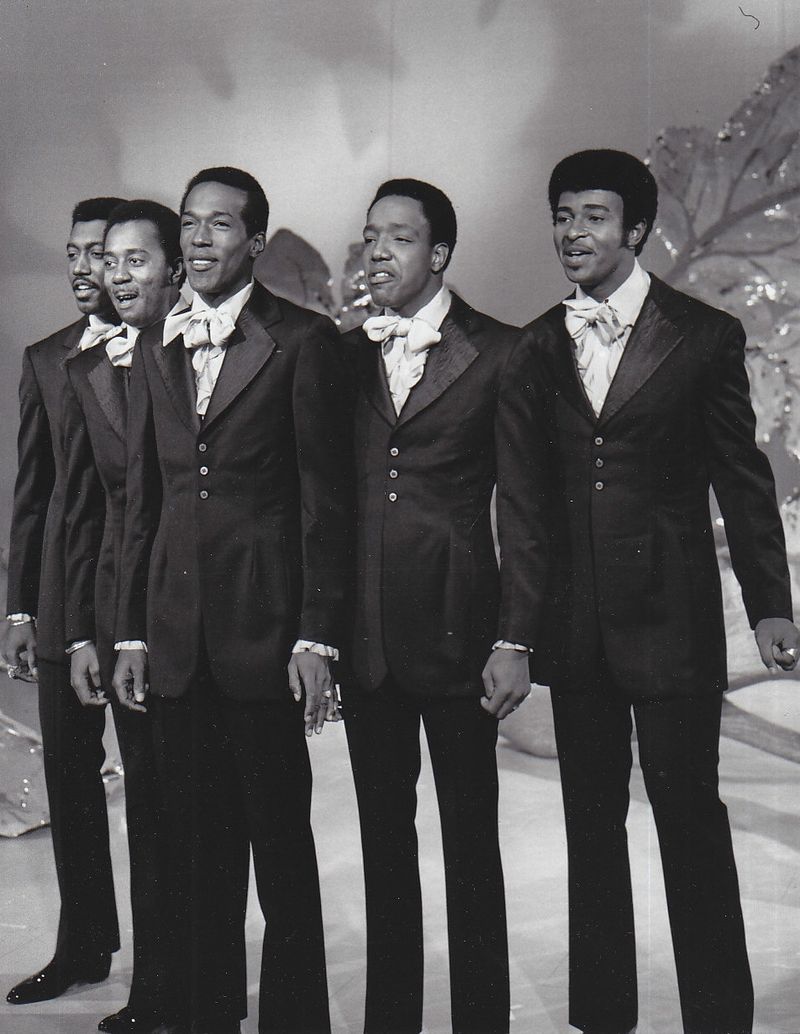
Motown magic shines through as the Temptations deliver one of the label’s most enduring love songs, still played at nearly every romantic occasion imaginable.
Timeless melody, flawless vocals, and warm sentiment combine to create a sound gentle enough to melt butter. Lyrics lean into a highly idealized, almost fairy-tale vision of romance rooted firmly in 1960s sensibilities.
Sunshine on a cloudy day becomes the defining image, portraying a perfect angel who makes everything better simply by existing.
Modern perspectives tend to read that devotion differently, recognizing that real relationships involve flawed people, bad moods, and days when nobody serves as anyone’s sunshine.
11. Help Me, Rhonda – The Beach Boys
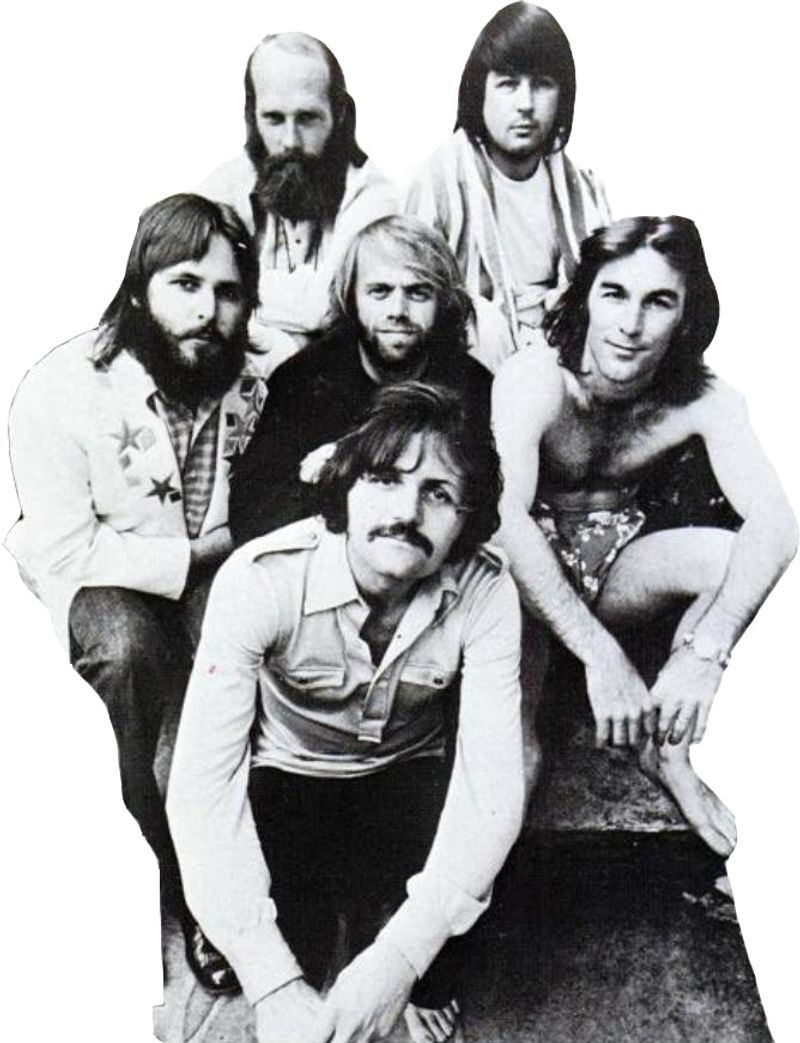
Signature Beach Boys harmonies carry a breakup recovery plan that feels almost disarmingly simple. Heartbroken narrator loses a girl and immediately searches for someone new to ease the sting.
Rhonda exists mainly as the rebound, a replacement meant to distract from lingering heartbreak. Catchy problem-solving that sounded harmless in 1965 now reads more bluntly as using one person to forget another.
Bouncy energy still charms listeners, even as the message about treating people like emotional bandages feels less graceful with time than those harmonies themselves.
12. King Of The Road – Roger Miller
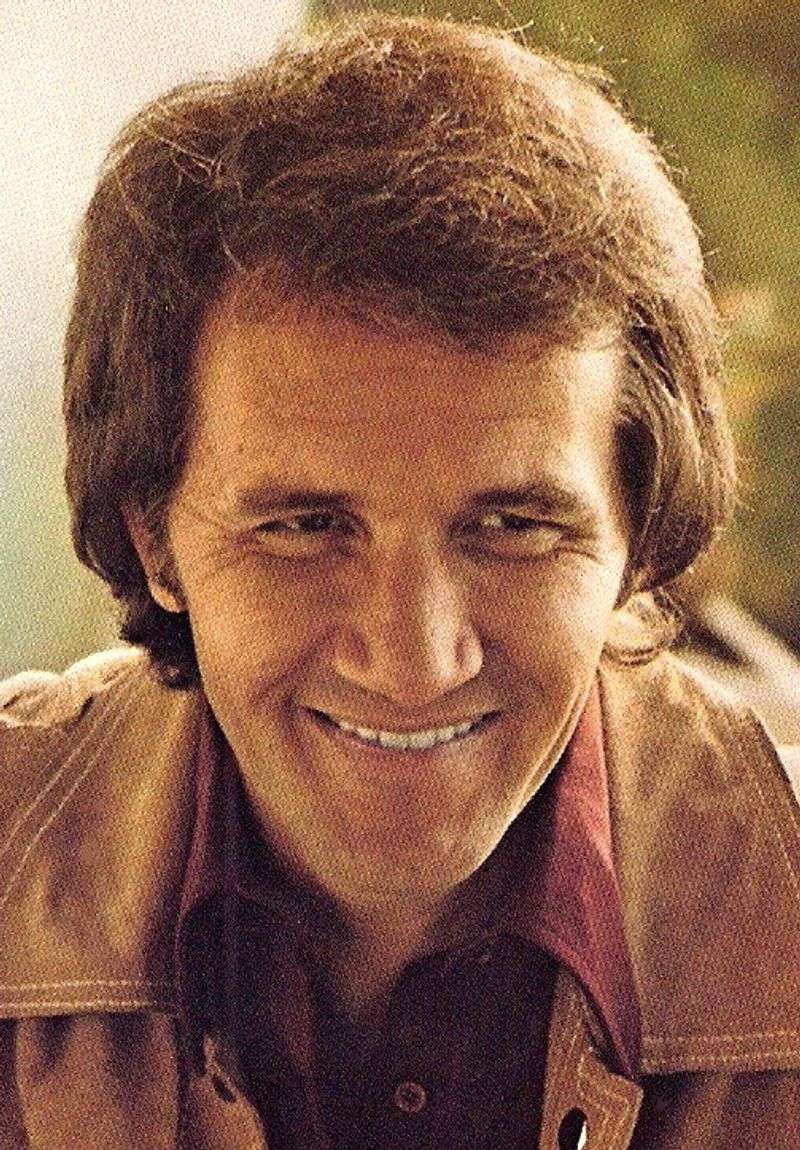
Roger Miller sang about the drifter life with such charm and wit that he made poverty sound like freedom.
The whole song romanticizes having nothing, owning nothing, and just rolling from town to town without responsibilities or ties. As a 1965 chart fixture, that hobo fantasy had a certain appeal, a rejection of suburban conformity that felt rebellious and poetic.
Today, the reality of homelessness and economic insecurity makes the song’s cheerful take on being broke feel uncomfortably naive to some listeners, while others still hear it as harmless nostalgia for a simpler, imagined past.
13. Hold Me, Thrill Me, Kiss Me – Mel Carter
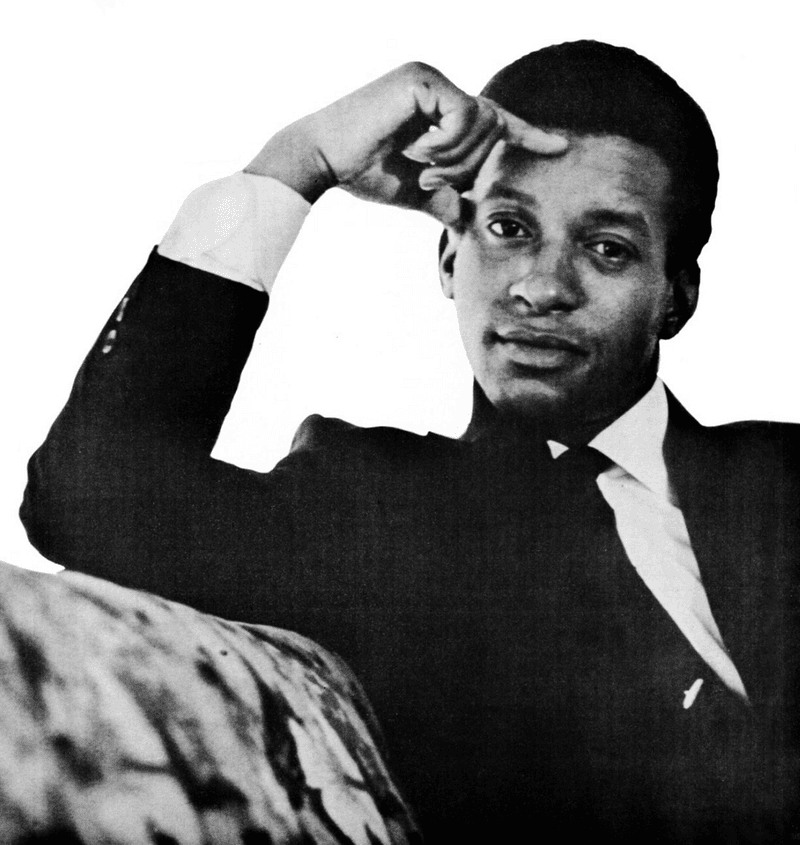
Romantic intensity takes center stage as Mel Carter delivers a ballad that refuses to hold back in the swoon department.
Longing pours from every word while each note stretches toward maximum emotional impact, creating full-throttle romance with no subtlety and absolutely no chill.
Modern listeners may hear that unrestrained passion as wonderfully theatrical or simply overwhelming, depending on their tolerance for big feelings delivered at full volume. Unapologetic intensity defines the experience, leaving the song somewhere between a guilty pleasure and an endurance test, sometimes both at once.
14. Shotgun – Jr. Walker & The All Stars
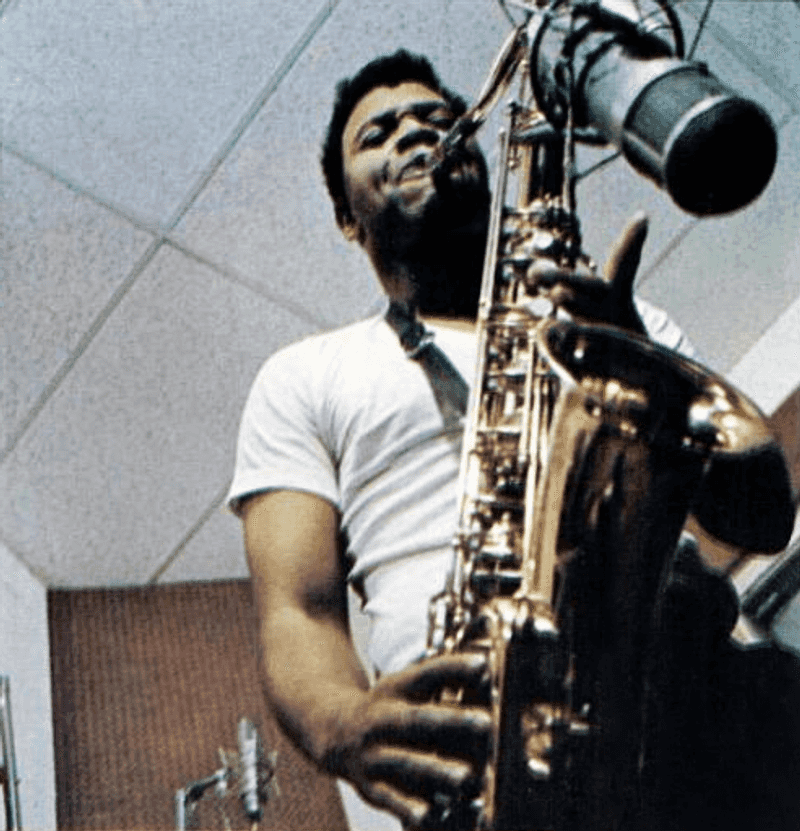
Explosive saxophone riffs drive a dance-floor command powered by pure kinetic energy.
Straightforward momentum shapes the track, delivering a clear instruction to get up and dance without hesitation. Subtlety and complexity never enter the equation, since the song exists simply to move feet and succeeds with cheerful efficiency.
Listening today, that direct approach feels like a perfect time capsule from an era when dance songs needed no deeper meaning or production tricks to justify their joy.
15. I Got You Babe – Sonny & Cher
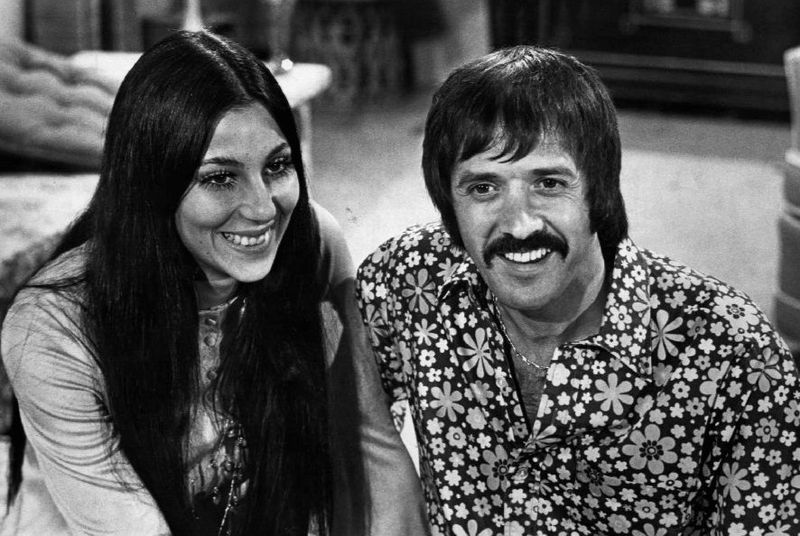
Sonny and Cher sang about young love conquering all obstacles with a simplicity that felt revolutionary in its directness.
The whole message boils down to “we have each other, so nothing else matters,” delivered with complete sincerity and zero doubt. Bills, problems, critics, none of it can touch them because love is the ultimate shield.
Post-pandemic, post-everything-that’s-happened-since, that breezy confidence in love-as-solution lands differently. The sweetness remains, but the “we’ll be fine no matter what” optimism feels like it belongs to a more innocent time when problems seemed smaller and love felt like enough armor against the world.
Note: Information reflects widely available reporting and commonly cited chart/history references as of February 23, 2026, and is intended for general informational and entertainment purposes – not legal, financial, or professional advice.
Cultural interpretations of lyrics and what “aged well” are subjective, and release dates vs. peak popularity can vary by source and chart methodology.