20 Popular Songs That Did Not Come From The Band’s Main Writer
Ever assume every hit song comes from the band’s biggest star?
Think again!
Some of the most famous tracks in rock, pop, and soul history were actually written by the quieter members, outside collaborators, or even rival artists.
Get ready to discover twenty chart-toppers that surprised everyone with their true origins.
1. Beth – Kiss
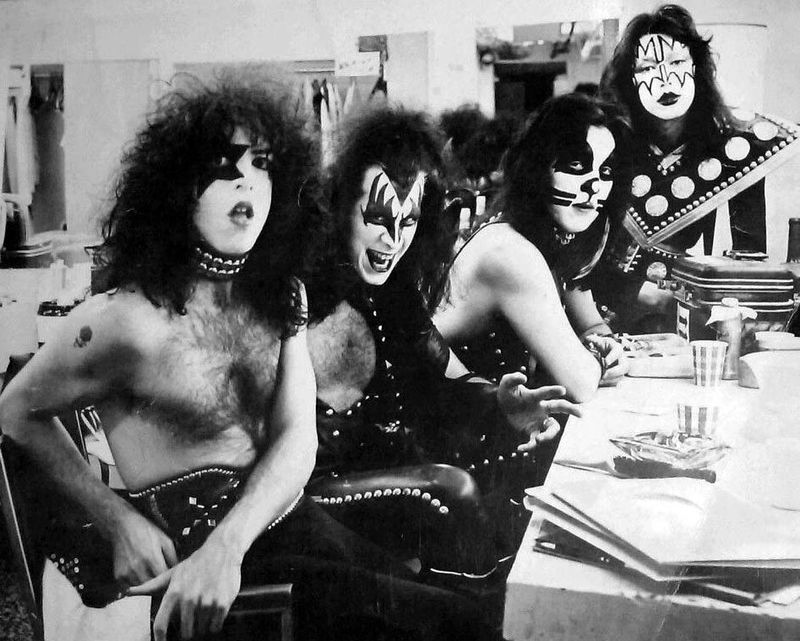
Peter Criss, the Catman drummer, co-wrote this tender ballad with Stan Penridge, shocking fans who expected fire-breathing anthems from Gene Simmons or Paul Stanley.
Released in 1976, it became Kiss’s highest-charting single in the United States, reaching number seven on the Billboard Hot 100.
The acoustic simplicity proved that even a hard rock band could deliver heartfelt emotion when the right voice stepped forward.
2. Someday Never Comes – Creedence Clearwater Revival
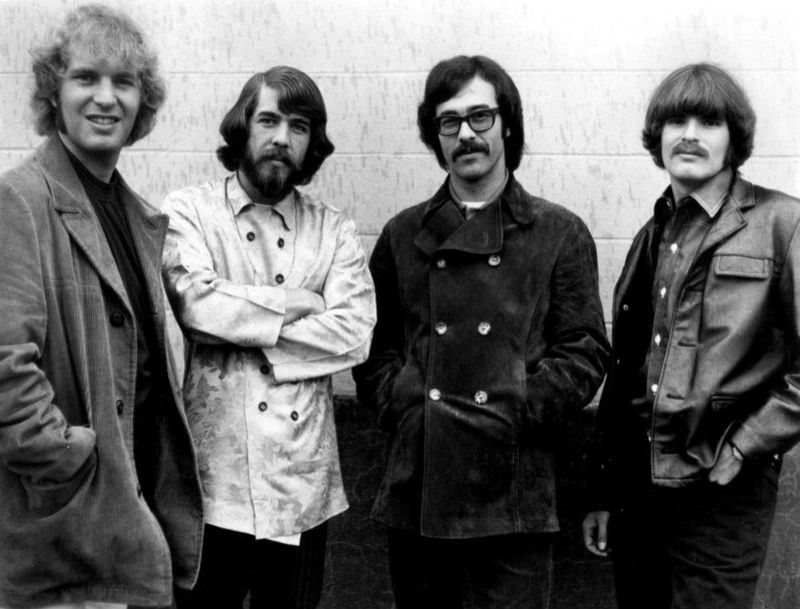
Tom Fogerty, older brother of frontman John, penned this melancholic track about broken promises and fatherhood struggles.
While John dominated the songwriting credits throughout CCR’s career, Tom’s contribution here stands as a poignant reminder of sibling talent.
The song appeared on their final studio album, Mardi Gras, in 1972, marking the end of an era for the band.
3. Don’t Stop Believin’ – Journey
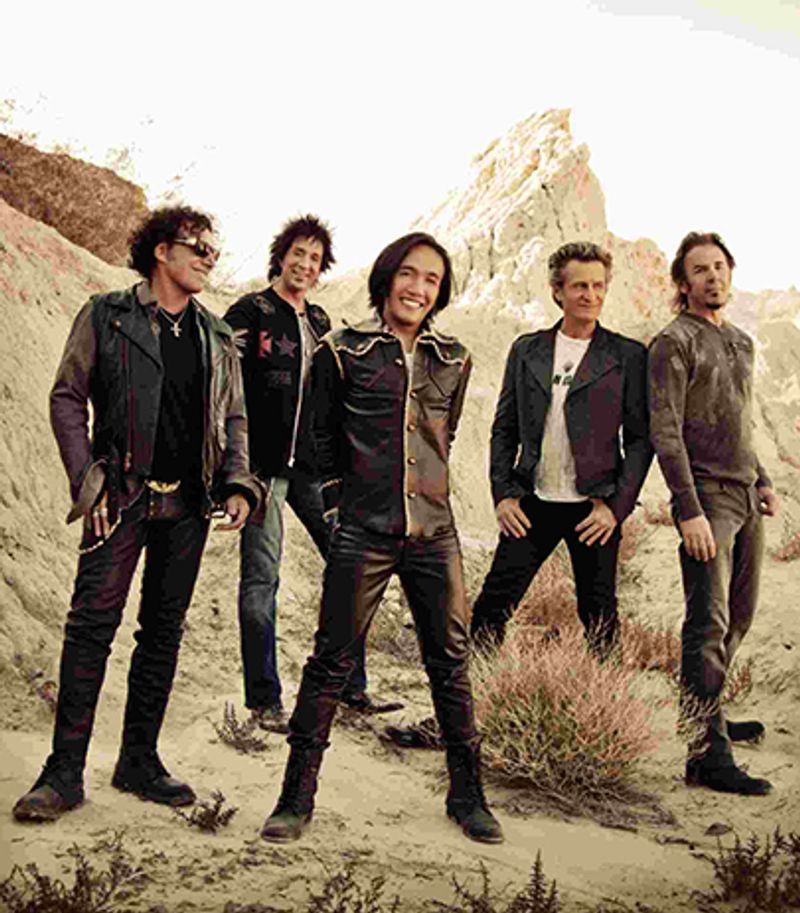
Jonathan Cain brought the unforgettable chorus to life, inspired by his father’s advice to keep believing during tough times.
Though Steve Perry’s voice made it iconic, Cain’s keyboard riff and lyrical hook transformed the song into a stadium anthem.
Released in 1981, it became a cultural phenomenon, resurfacing decades later in movies, TV shows, and karaoke bars worldwide.
4. Sister Christian – Night Ranger
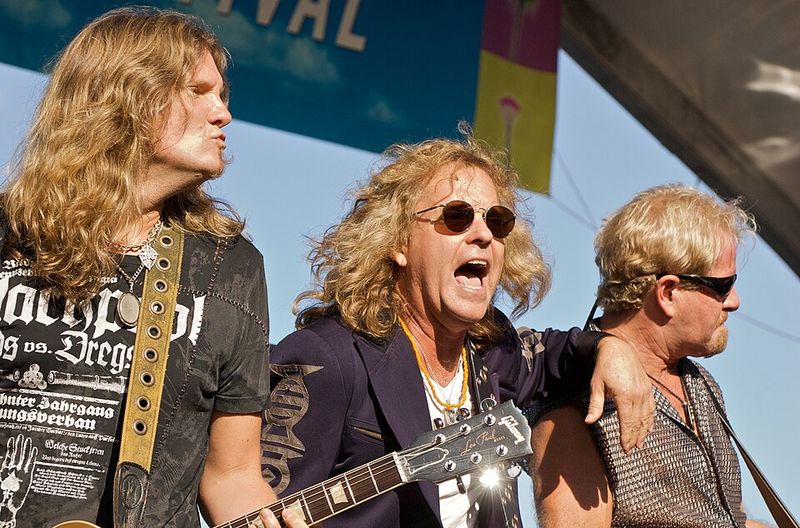
Drummer Kelly Keagy wrote this power ballad about his younger sister growing up too fast, not guitarist Jack Blades as many assumed.
The song’s driving beat and soaring vocals propelled Night Ranger into MTV rotation and mainstream success in 1984.
Fun fact: Keagy also sang lead vocals on the track, proving drummers can steal the spotlight too!
5. Tuesday’s Gone – Lynyrd Skynyrd
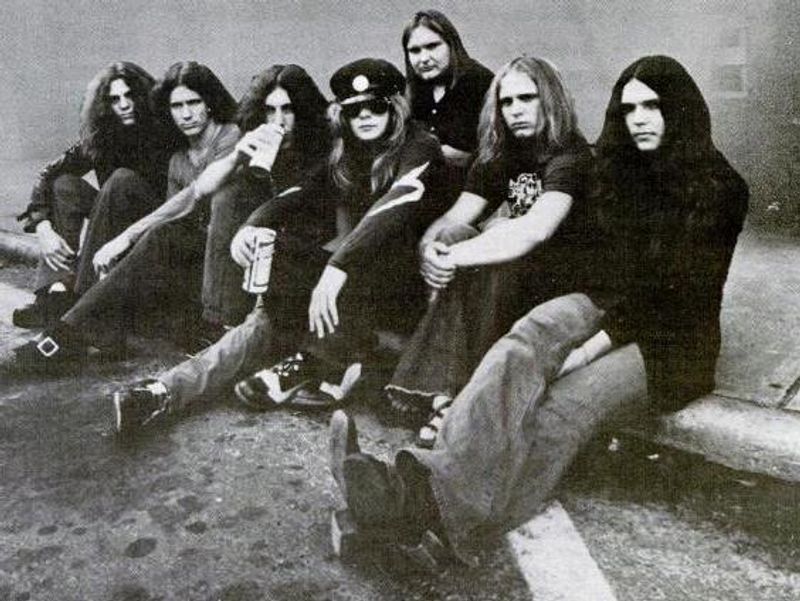
Allen Collins co-wrote this epic Southern rock ballad, contributing heavily to the haunting guitar melodies and lyrical depth.
Though Ronnie Van Zant often received primary credit, Collins’s fingerprints are all over the emotional slide guitar and wistful tone.
The song became a fan favorite, showcasing the band’s softer side beyond their hard-driving anthems like Free Bird.
6. The Chain – Fleetwood Mac
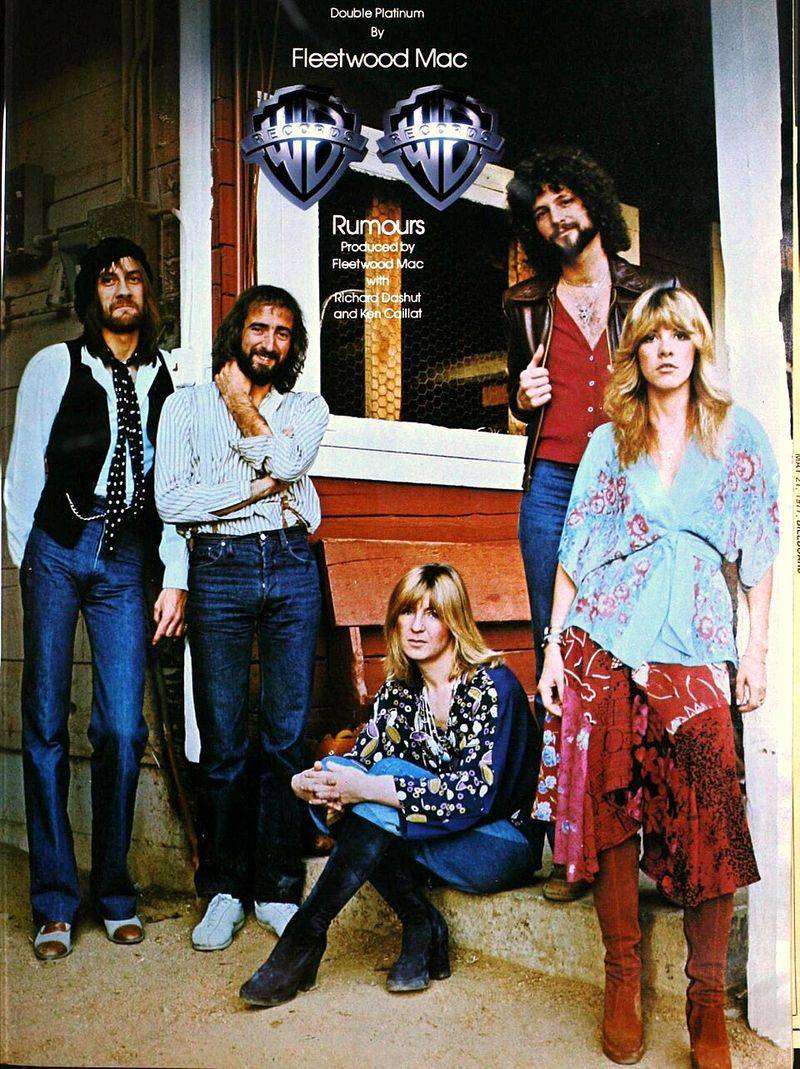
This is the only song on Rumours credited to the entire band, born from piecing together different musical fragments during a turbulent recording process.
Neither Lindsey Buckingham nor Stevie Nicks could claim sole ownership, making it a true group effort.
The thunderous bass line became legendary, later used as the theme for BBC’s Formula One coverage for decades.
7. Learning to Fly – Pink Floyd
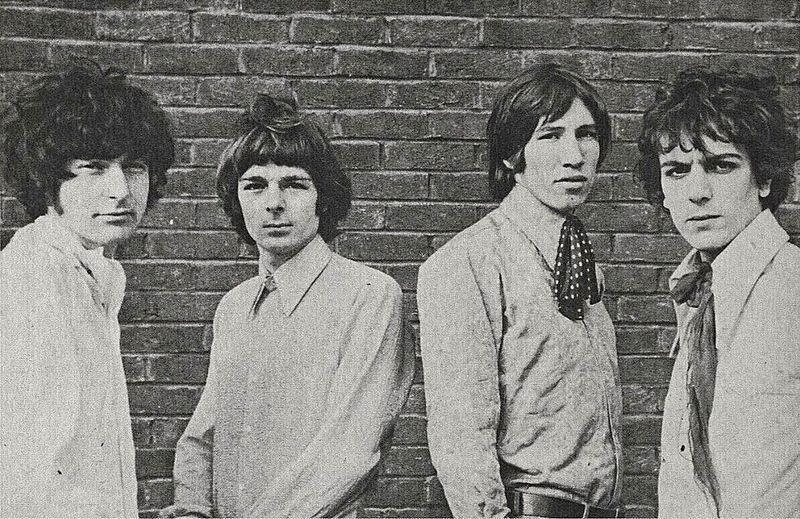
Drummer Nick Mason and writer Tom Fuller crafted the lyrics, while David Gilmour shaped the music into a soaring anthem about aviation dreams.
The song appeared on A Momentary Lapse of Reason in 1987, marking Pink Floyd’s post-Roger Waters era.
Its uplifting melody contrasted sharply with the band’s typically darker, more introspective material, offering fans a refreshing sonic shift.
8. In the End – Linkin Park

Mike Shinoda led the songwriting charge, blending hip-hop beats with rock guitars to create this nu-metal masterpiece.
Though Chester Bennington’s voice defined the song’s emotional power, Shinoda’s vision and production genius drove its creation.
Released in 2001, it became Linkin Park’s signature track, earning billions of streams and cementing their legacy in rock history.
9. Something – The Beatles
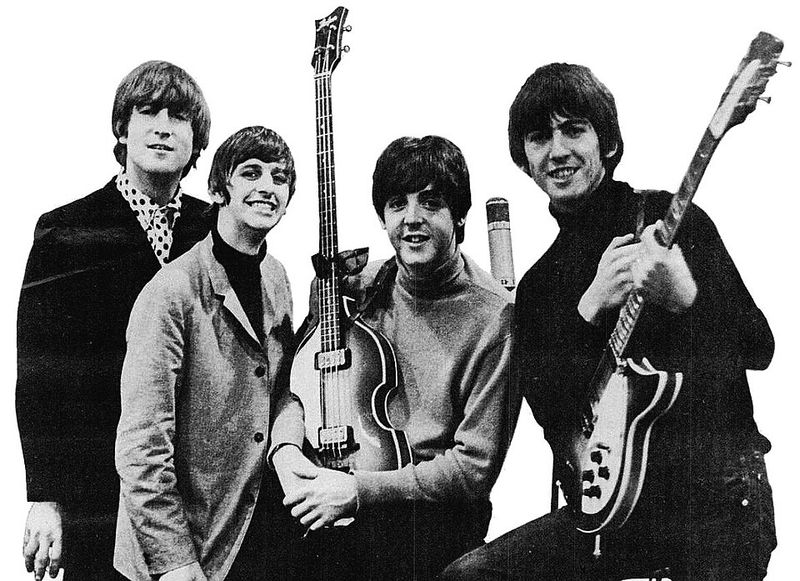
George Harrison wrote this love song, breaking free from the Lennon-McCartney shadow to deliver one of the band’s most beautiful tracks.
Frank Sinatra once called it the greatest love song ever written, high praise from Ol’ Blue Eyes himself!
Appearing on Abbey Road in 1969, it proved Harrison’s songwriting could rival his more famous bandmates any day of the week.
10. Octopus’s Garden – The Beatles
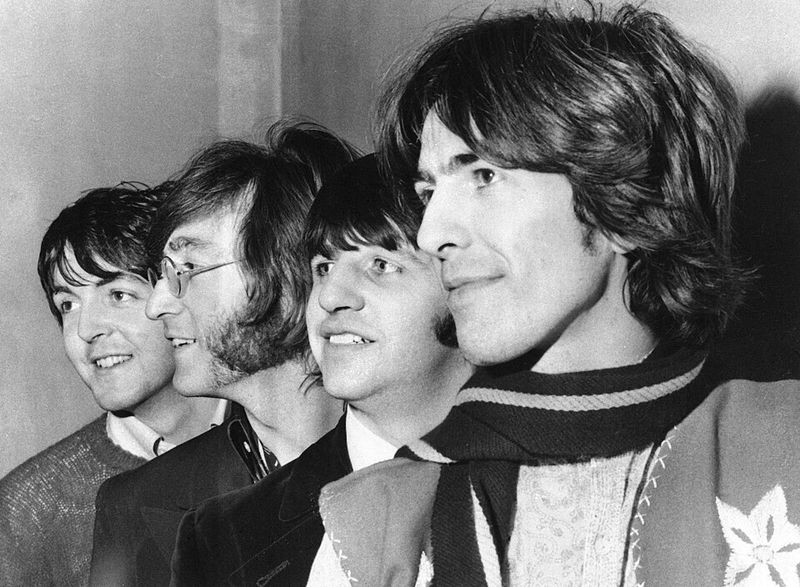
Ringo Starr penned this whimsical underwater fantasy after learning that octopuses collect shiny objects to decorate their homes.
The song’s playful tone and simple melody made it a fan favorite, especially among younger listeners.
Released on Abbey Road in 1969, it showcased Ringo’s unique charm and proved even the drummer could write a Beatles classic.
11. Have a Cigar – Pink Floyd
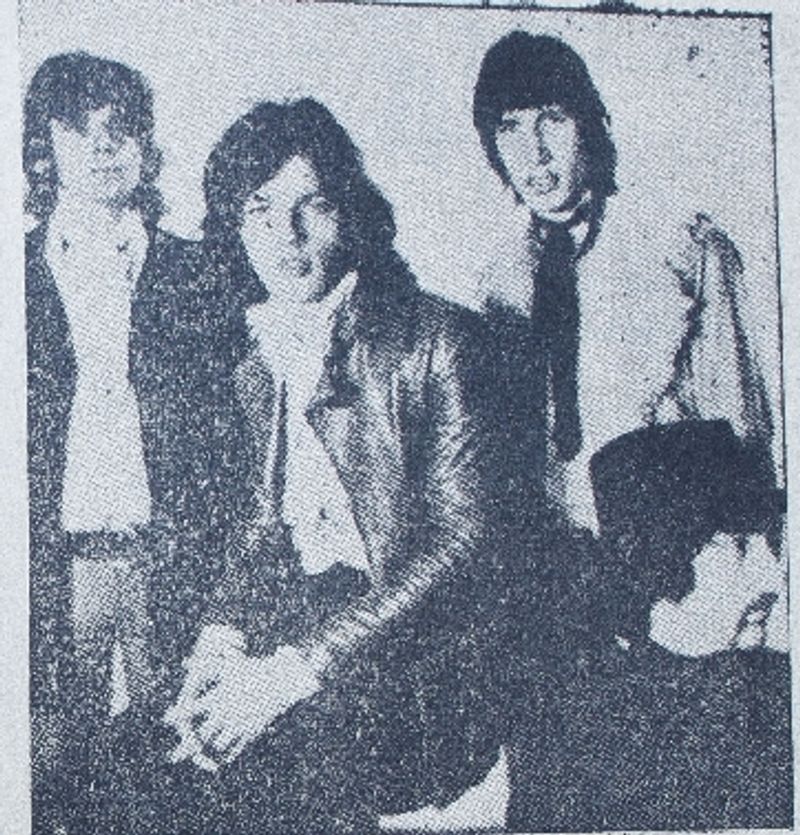
Roger Waters wrote this scathing critique of the music industry, but guest vocalist Roy Harper sang it instead of the band’s usual voices.
The decision came because neither Waters nor Gilmour felt comfortable delivering the sarcastic, industry-mocking lyrics themselves.
Appearing on Wish You Were Here in 1975, it remains a fan favorite for its biting commentary and unforgettable groove.
12. Babe – Styx
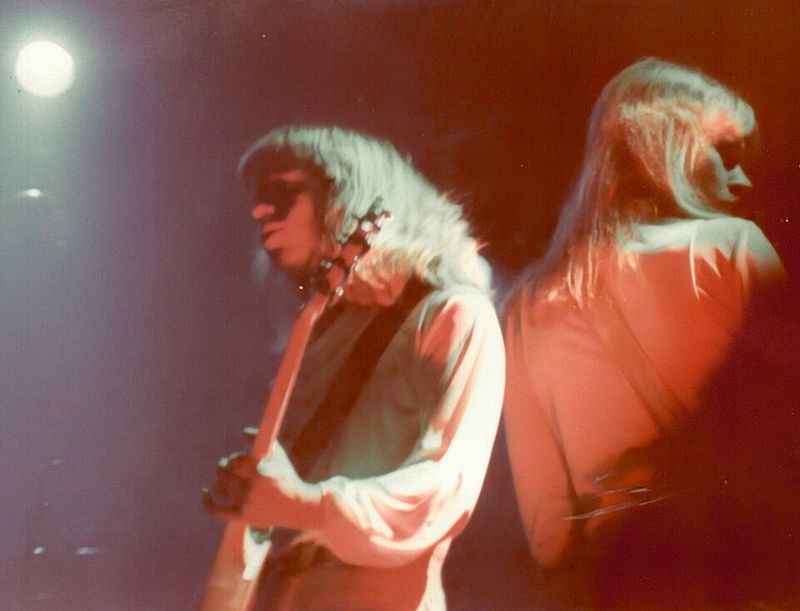
Dennis DeYoung wrote this power ballad as a heartfelt message to his wife, not guitarists Tommy Shaw or James Young.
Released in 1979, it became Styx’s first and only number-one hit on the Billboard Hot 100.
The song’s lush orchestration and emotional delivery proved DeYoung’s knack for crafting radio-friendly hits that tugged at heartstrings everywhere.
13. Turn the Page – Metallica
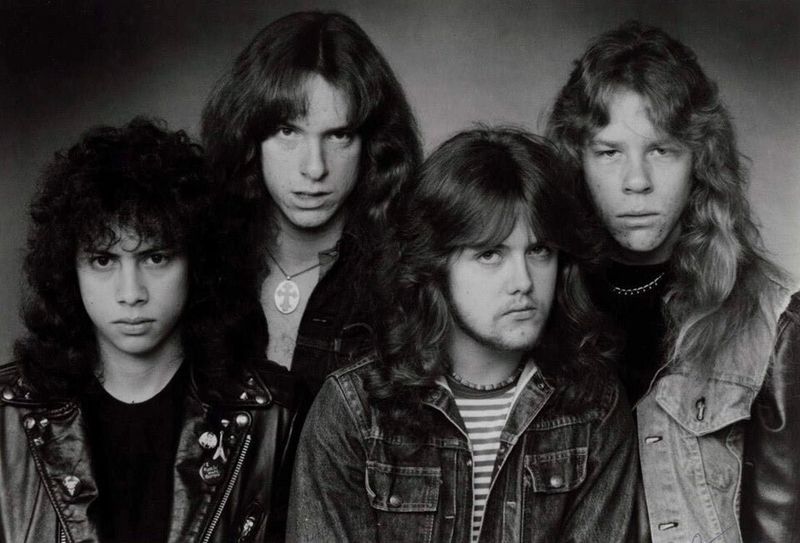
Bob Seger originally wrote and recorded this road-weary anthem in 1973, long before Metallica’s heavy metal cover in 1998.
James Hetfield and Lars Ulrich didn’t pen a single note, but their version introduced the song to a whole new generation.
Metallica’s thunderous interpretation became a rock radio staple, proving that great songs transcend genre boundaries when done right.
14. Manic Monday – The Bangles
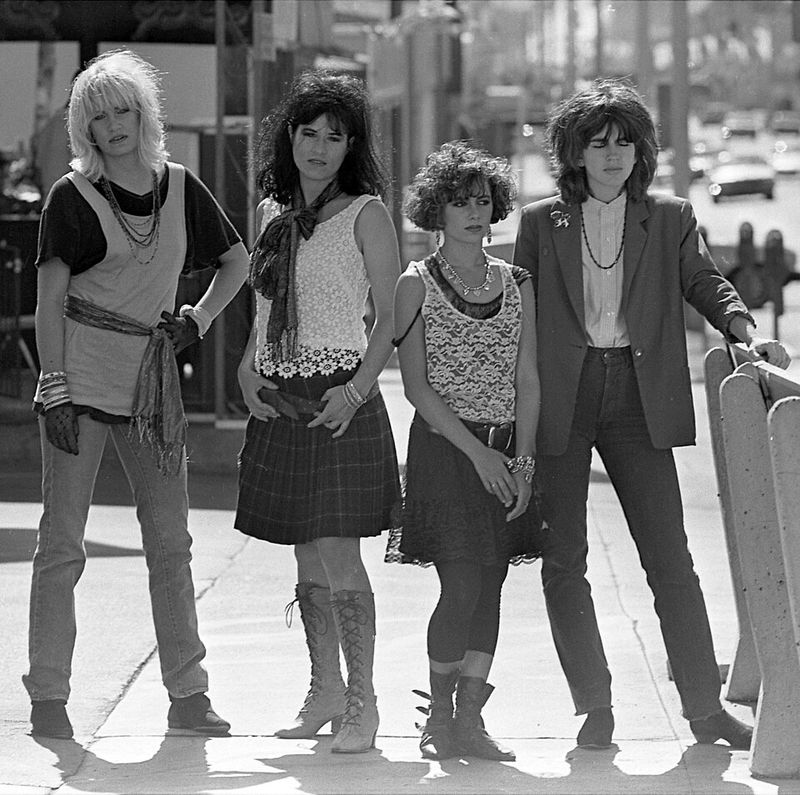
Prince wrote this catchy pop-rock tune under the pseudonym Christopher, gifting it to The Bangles in 1986.
The band had no hand in writing it, but their jangly guitars and harmonies made it a signature hit.
It reached number two on the Billboard Hot 100, proving Prince’s genius extended far beyond his own solo career.
15. Nothing Compares 2 U – Sinéad O’Connor

Prince originally wrote this heart-wrenching ballad for his side project, The Family, in 1985.
Sinéad O’Connor’s 1990 cover transformed it into a global phenomenon, with her raw, emotional delivery captivating millions.
Though O’Connor didn’t write a word, her interpretation became the definitive version, showcasing how performance can reshape a song’s legacy.
16. Because the Night – Patti Smith

Bruce Springsteen co-wrote this rock anthem with Patti Smith, combining his blue-collar grit with her punk-poetry edge.
Springsteen originally started the song during the Darkness on the Edge of Town sessions but gave it to Smith to finish.
Released in 1978, it became Smith’s biggest hit, proving that collaboration between rock legends can spark magic.
17. Red Red Wine – UB40

Neil Diamond wrote and recorded this song in 1967, long before UB40’s reggae-infused cover topped charts worldwide in 1983.
UB40 didn’t contribute to the songwriting, but their laid-back, island-flavored arrangement introduced the tune to a new audience.
The cover became UB40’s signature hit, proving that reinvention can breathe fresh life into classic material.
18. Blinded by the Light – Manfred Mann’s Earth Band

Bruce Springsteen wrote this lyrical whirlwind in 1973, but Manfred Mann’s Earth Band turned it into a chart-topping hit in 1976.
The band rearranged the song with synthesizers and a driving beat, making it more radio-friendly than Springsteen’s original.
Their version reached number one on the Billboard Hot 100, introducing Springsteen’s songwriting to mainstream audiences everywhere.
19. China Girl – David Bowie
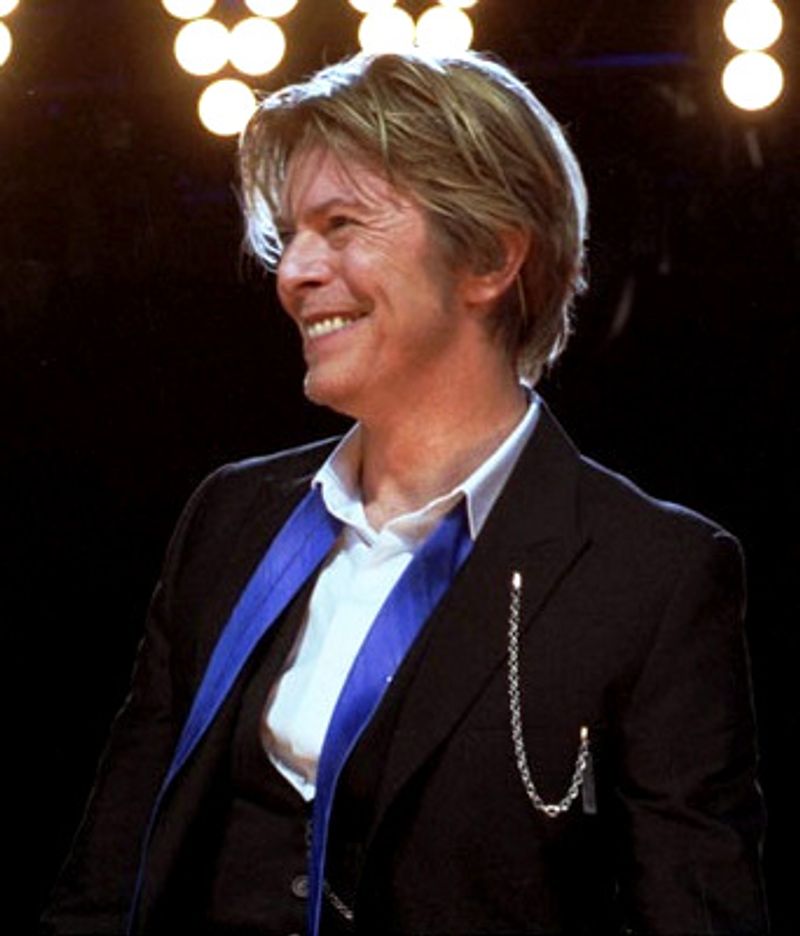
David Bowie co-wrote this new wave classic with Iggy Pop during their creative partnership in Berlin during the late 1970s.
Iggy recorded it first in 1977, but Bowie’s 1983 version became the worldwide hit with its slick production and provocative video.
The collaboration highlighted how two rock icons could blend their talents to create something neither could achieve alone.
20. I Will Always Love You – Whitney Houston
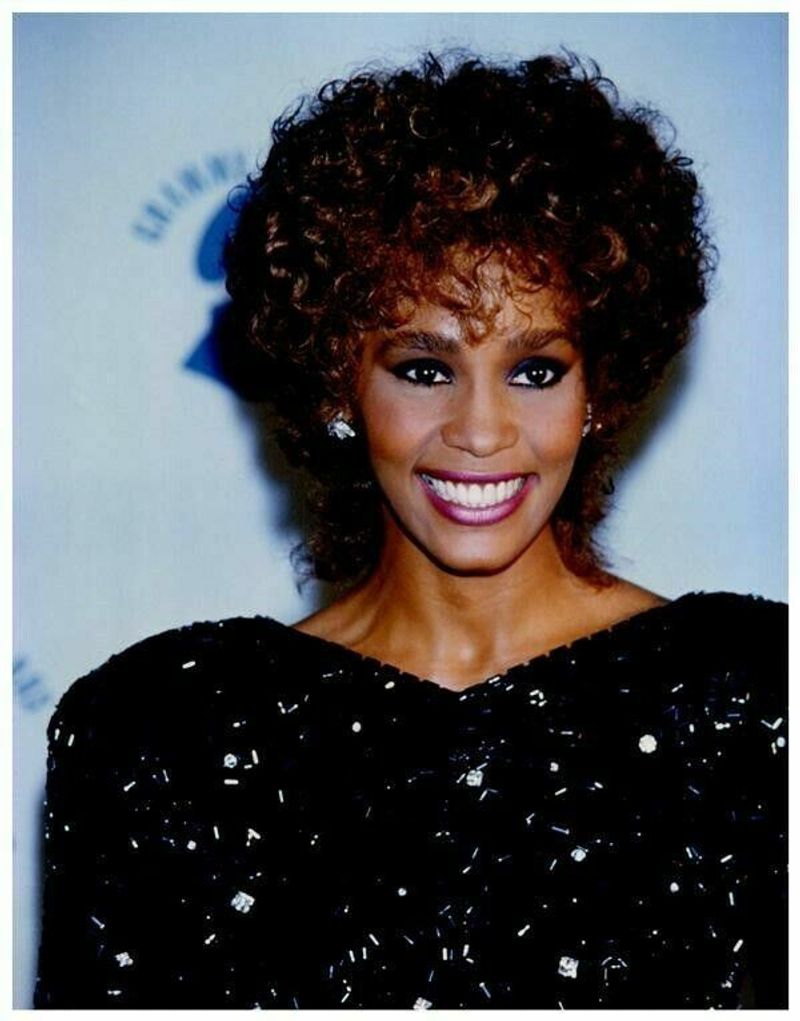
Dolly Parton wrote this heartfelt farewell ballad in 1973, originally recording it as a country song for her mentor, Porter Wagoner.
Whitney Houston’s 1992 powerhouse rendition for The Bodyguard soundtrack transformed it into a global phenomenon, selling millions of copies.
Though Houston didn’t write it, her vocal performance became legendary, proving that interpretation can eclipse the original.