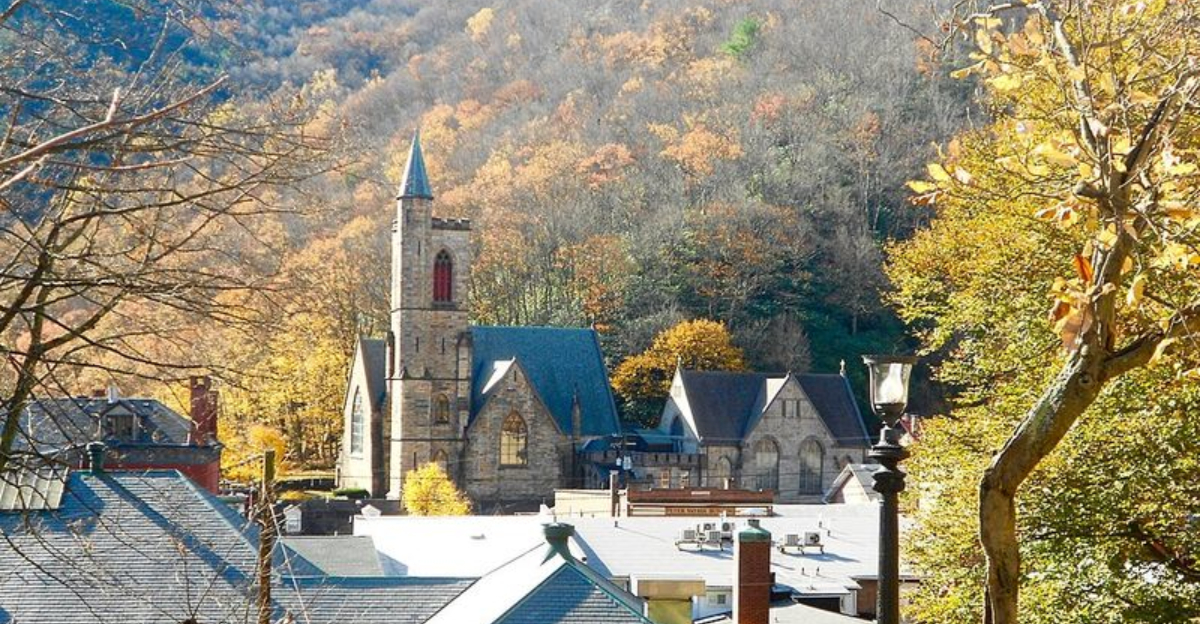
Portugal Region Shines On List Of The World’s Most Beautiful Destinations
Tucked deep in northeastern Portugal, the Douro Valley unfolds like a painting that never ends. Terraced vineyards ripple across steep hills, each row carved by hand over centuries.
Historic quintas sit quietly above the river, while warm golden light dances across the water, giving every moment a cinematic glow. Recognition as a UNESCO World Heritage Site highlights more than scenic beauty; it celebrates a cultural landscape shaped through generations of dedication.
Wine culture defines the rhythm of life here, especially the legendary Port wine, aged in cellars and savored with pride. River cruises glide past vineyards, offering ever-changing views that feel almost unreal.
Small villages welcome visitors with rustic charm, where traditional dishes arrive bursting with flavor and local character. Sunsets linger longer than expected, casting amber tones across hills and water alike.
Every turn reveals another breathtaking perspective, another story etched into the land. A journey through the Douro Valley feels timeless, intimate, and quietly unforgettable, leaving a lasting impression long after the last view fades.
Ready to experience it in person? Start planning your escape and discover why the Douro Valley continues to captivate travelers from around the world.
1. Terraced Vineyards Of The Douro
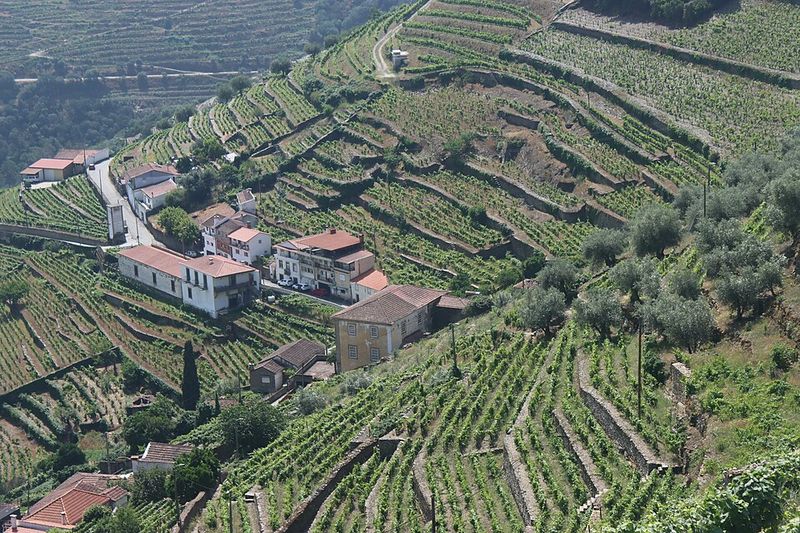
Nowhere on Earth does a hillside work quite as hard as it does in the Douro Valley. Carved into near-vertical slopes over centuries, the terraced vineyards are a jaw-dropping feat of human determination meeting natural drama.
Stone walls hold everything in place like a giant puzzle built by hand.
Each terrace was shaped without modern machinery, purely through labor and love. How incredible is it to think that every row of vines represents generations of farming families?
The result is a landscape so striking that UNESCO gave it official World Heritage status back in 2001, cementing its legendary reputation.
2. The Mighty Douro River
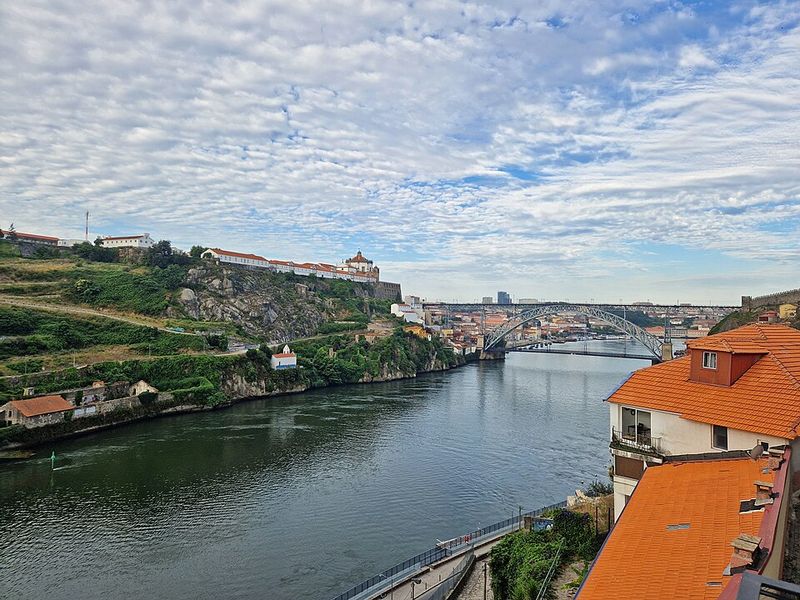
Stretching over 550 miles across the Iberian Peninsula, the Douro River is basically the backbone of an entire civilization. It carved the valley over millions of years, creating the dramatic landscape visitors fall in love with instantly.
Ancient Romans even named it Durius, meaning hard or strong.
Flowing steadily between Portugal and Spain, the river connects dozens of riverside villages and historic wine estates. A slow cruise along its waters feels almost meditative.
Sunlight dances across the surface while terraced hills rise dramatically on both sides, making every glance feel like a brand-new painting worth hanging on a wall.
3. Pinhao Village: The Valley’s Crown Jewel
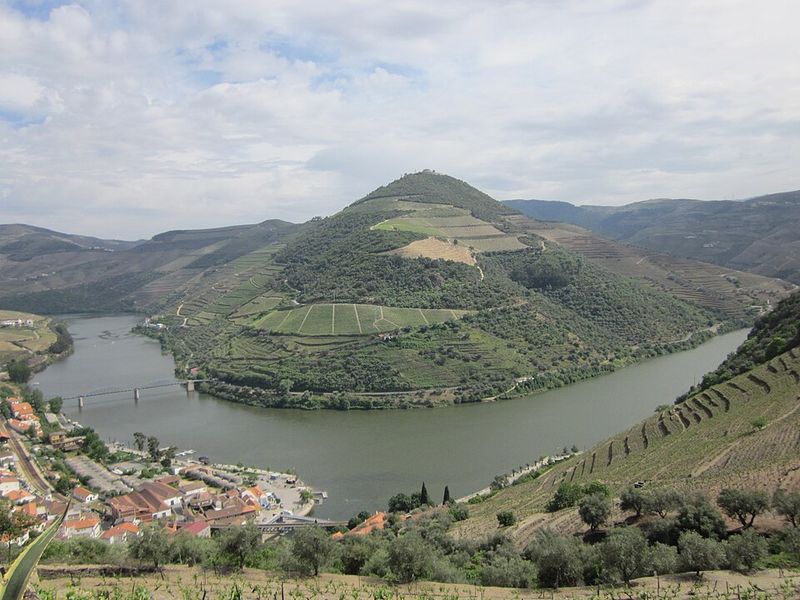
Sitting right at the heart of the Douro Valley, Pinhao is the kind of village that makes you want to cancel your return flight immediately. Its train station alone is worth the trip, covered in stunning blue-and-white azulejo tile panels depicting traditional life along the river.
Small, quiet, and absolutely gorgeous, Pinhao serves as the perfect base for exploring the surrounding wine estates. Local restaurants serve fresh river fish alongside regional wines, and the whole vibe feels wonderfully unhurried.
If a village could give you a warm hug, Pinhao would be that village, no question about it.
4. Quinta Do Crasto And Historic Wine Estates
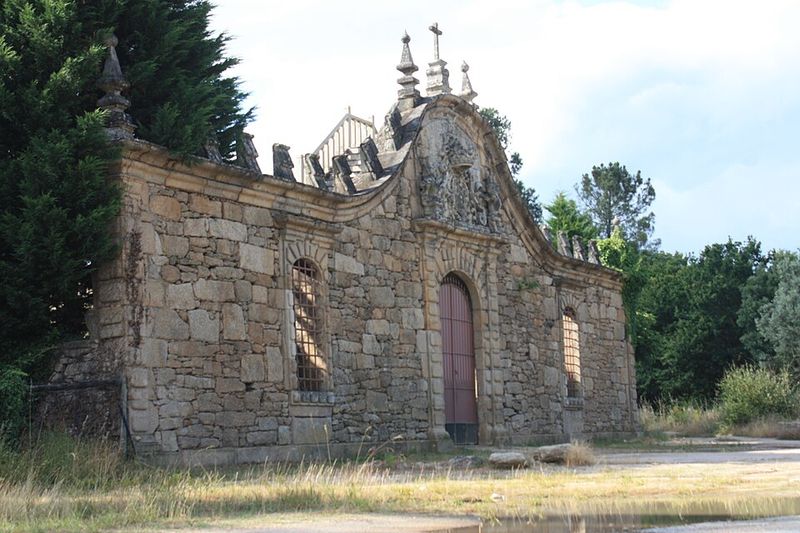
Long before wine tourism became trendy, the Douro Valley was already doing it better than everyone else. Historic quintas, or wine estates, dot the hillsides like architectural gems hiding in plain sight.
Many have operated continuously for over three centuries, passing recipes and traditions down through generations.
Quinta do Crasto is one of the most celebrated, offering visitors sweeping valley views alongside world-class port and red wines. Staying overnight at a quinta feels like borrowing someone’s elegant ancestral home for a weekend.
Sunrise over the vines, fresh local breakfast, and absolute silence? Honestly, that sounds like a superpower.
5. Port Wine: Liquid Gold Of The Valley
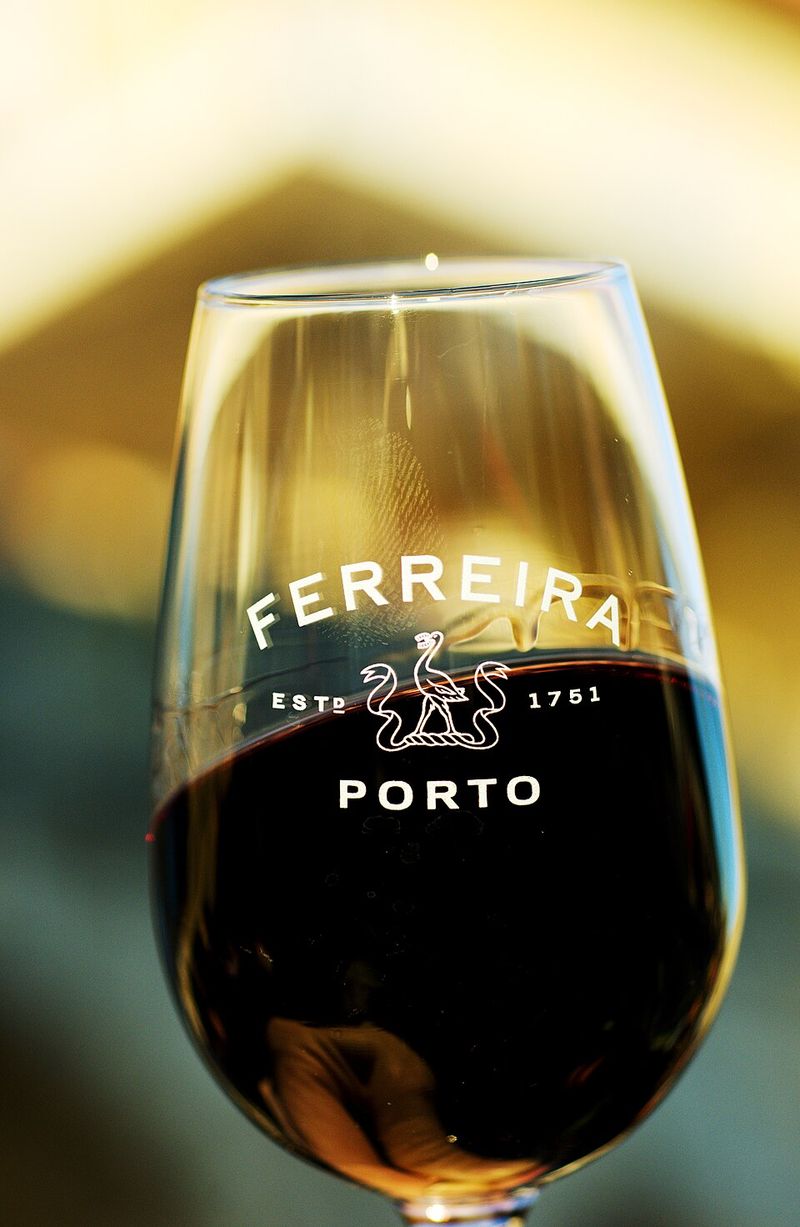
Port wine did not just make the Douro Valley famous. It made the entire world sit up and pay attention to Portugal.
Produced exclusively in the Douro region, port is a fortified wine enjoyed globally and comes in styles ranging from ruby and tawny to the spectacular aged vintages.
The process involves stopping fermentation early by adding grape spirit, which preserves natural sweetness and boosts alcohol content. Fun fact: British merchants played a huge role in popularizing port during the 1700s, giving it a permanent spot in international wine culture.
Every sip carries centuries of craft and passion inside it.
6. Scenic Train Ride Along The Douro Line
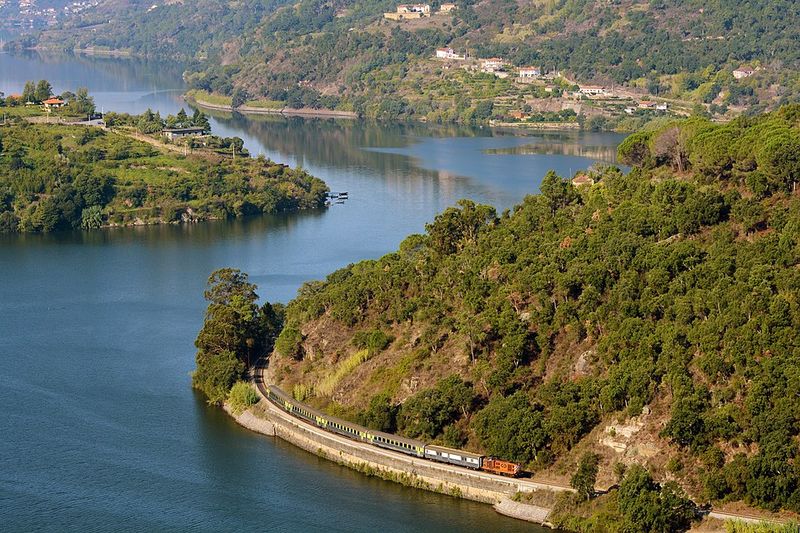
Ranked among Europe’s most scenic rail journeys, the Douro Line train ride delivers views so good they almost feel unfair. Departing Porto, the route winds eastward along the river, passing through tunnels, over bridges, and beside vineyards for roughly three breathtaking hours.
No car journey can replicate the relaxed rhythm of watching the valley unfold through a wide train window. Villages appear and disappear like scenes in a slow-motion movie.
Grab a window seat on the right side heading east for the best river views. Seriously, a single train ticket might just be the smartest travel investment of any Portugal trip.
7. Foz Coa Rock Art: Ancient Wonders Nearby
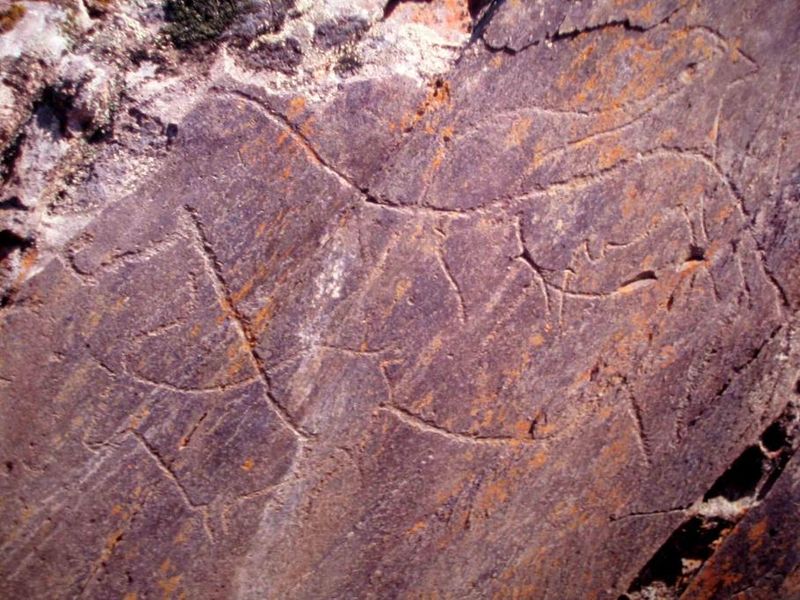
Just east of the main Douro Valley wine corridor lies one of the most astonishing archaeological treasures on the entire planet. The Foz Coa Valley contains thousands of open-air Paleolithic rock engravings, some dating back over 20,000 years.
Yes, twenty thousand. Let that sink in.
Prehistoric artists carved horses, aurochs, and deer into schist rock faces along the Coa River, creating an outdoor gallery that stretches for miles. Also a UNESCO World Heritage Site, Foz Coa adds serious historical depth to any Douro Valley adventure.
How cool is it to stand where Stone Age humans once stood and created art?
8. Lamego: Baroque Beauty And Pilgrimage Site
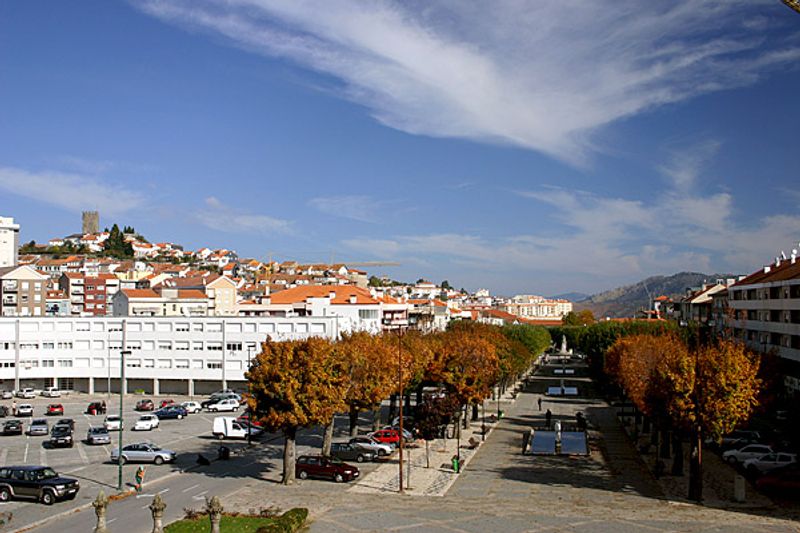
Perched above the Douro Valley, Lamego is a city that rewards curious travelers willing to climb a very famous staircase. The Sanctuary of Nossa Senhora dos Remedios features a spectacular baroque stairway zigzagging up a forested hillside to a stunning white church at the summit.
Pilgrims have been making the climb on their knees for centuries as an act of devotion, which is both humbling and fascinating to witness. Beyond the sanctuary, Lamego offers excellent smoked ham, sparkling wine called Espumante, and a charming historic center.
Compact and incredibly atmospheric, it is one of the valley’s most underrated urban gems.
9. River Cruises And Rabelo Boats
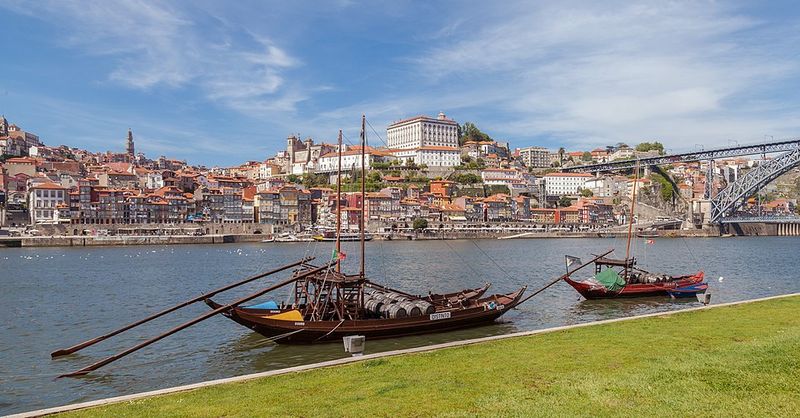
Before roads and railways existed, flat-bottomed wooden boats called rabelos carried barrels of port wine down the Douro River to Porto. Watching one sail past is like spotting a living museum artifact cruising through real life.
Charming does not even begin to cover it.
Modern river cruises now offer multi-day journeys through the valley aboard comfortable vessels, complete with meals, wine tastings, and guided stops. Cruising the Douro lets passengers absorb the landscape at a slow, gorgeous pace impossible to replicate on land.
If the valley is a symphony, a river cruise is basically front-row seats right next to the orchestra.
10. Harvest Season Magic Every September
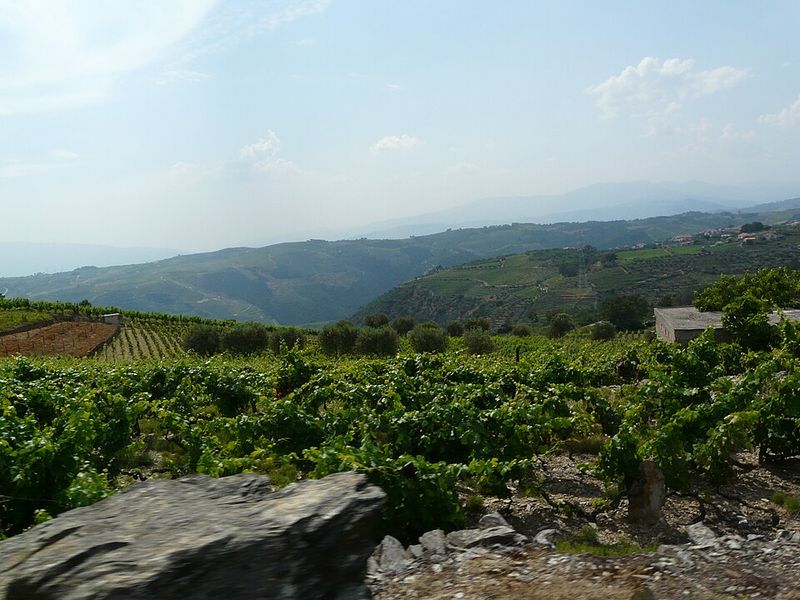
Every September, the Douro Valley transforms into something almost mythical. Harvest season, locally called Vindima, fills the air with the smell of ripe grapes while the hillsides buzz with activity.
Entire families and hired teams descend on the vineyards to hand-pick grapes before the autumn rains arrive.
Some estates still use traditional foot-treading in large stone tanks called lagares, a method that has survived for hundreds of years. Visitors lucky enough to visit during Vindima can join in, taste freshly crushed juice, and celebrate alongside local workers at festive evening gatherings.
Honestly, no travel app can book that kind of authentic, unforgettable experience.