13 Powerful Books By African American Authors Everyone Should Read
Books have a way of opening minds and revealing perspectives you might never have considered. African American authors have gifted readers some of the most courageous, honest, and soul-stirring stories ever written.
Each book on this list explores identity, justice, survival, love, and truths that linger long after the final page. Some stories will make you laugh, others will make you cry, and a few might even shift how you view the world.
Reading voices like Toni Morrison, James Baldwin, and Maya Angelou offers more than education; it’s a full, immersive experience. These works capture emotion, history, and the human spirit in ways that resonate across generations.
Every title invites reflection and connection, enriching understanding while delivering unforgettable storytelling. Dive into this curated collection and discover stories that challenge, inspire, and stay with you.
Start your next transformative read today and experience the power of these remarkable voices.
1. Beloved by Toni Morrison
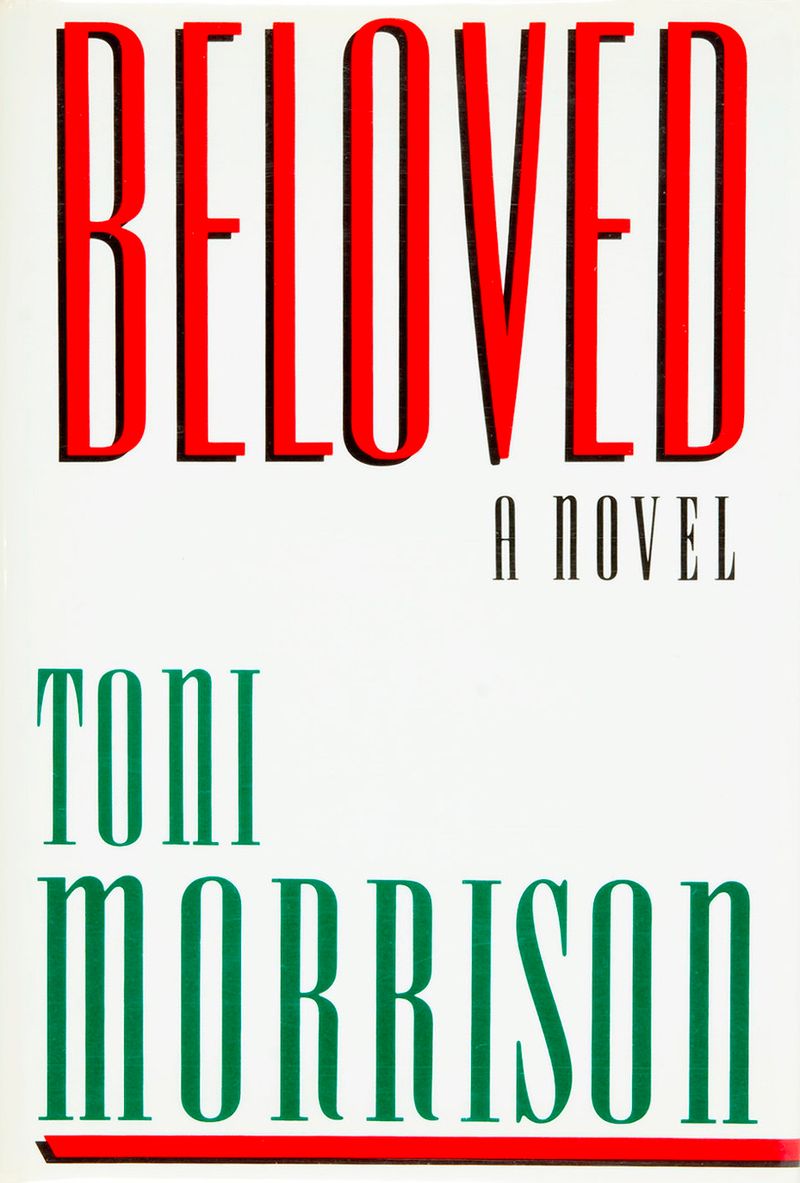
Haunting, heartbreaking, and absolutely unforgettable, Toni Morrison’s Pulitzer Prize-winning novel is one of the most important works ever written. Set after the Civil War, it follows Sethe, a formerly enslaved woman carrying wounds so deep, even ghosts cannot stay away.
Morrison does not sugarcoat history. Instead, she forces readers to feel it, understand it, and sit inside its discomfort.
Critics called it a masterpiece. Many readers call it life-changing.
If a book could be both a mirror and a wound, Beloved is exactly that. Read it slowly, read it carefully, and let every page teach you something new.
2. I Know Why the Caged Bird Sings by Maya Angelou
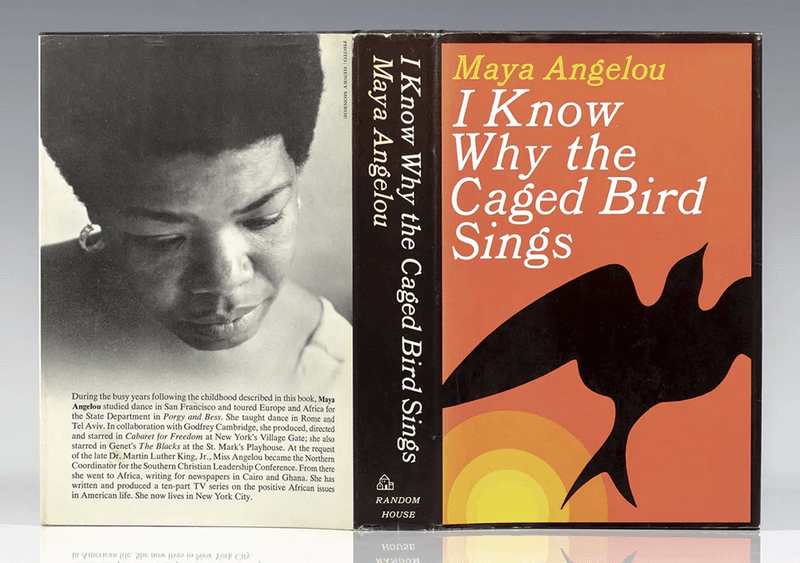
She was just a teenager when the events in this book unfolded, yet she wrote about hardship, race, and identity with the wisdom of someone twice her age. Published in 1969, it became one of the most celebrated autobiographies ever written.
Angelou survived trauma, silence, and prejudice, but refused to let any of it define her ceiling. Her story is raw, courageous, and deeply human.
How does a girl find her voice after the world tries to take it? Angelou answers beautifully.
Young readers especially connect to her journey, making it a must-read for anyone who has ever felt unseen or unheard.
3. The Souls of Black Folk by W.E.B. Du Bois
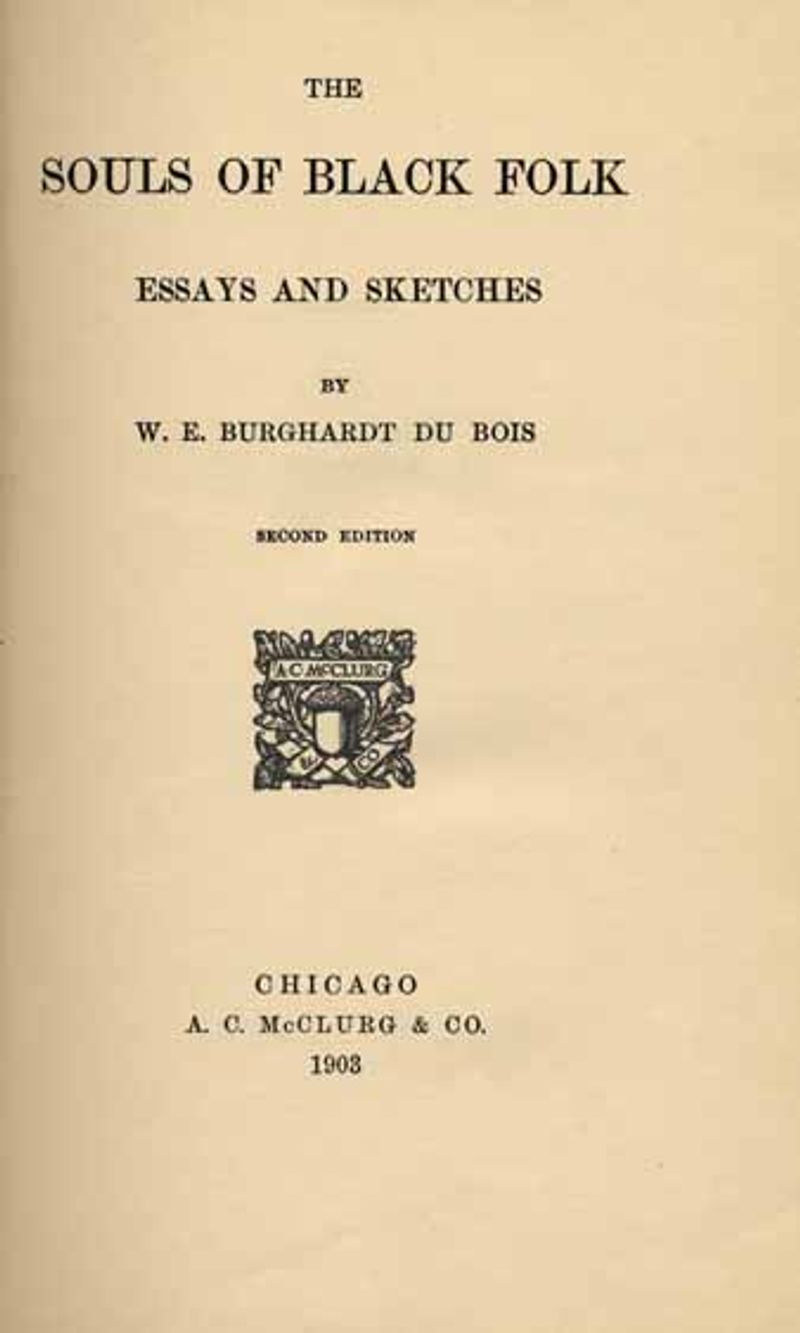
Published in 1903, few books have aged as powerfully as W.E.B. Du Bois’s landmark collection of essays.
Long before hashtags or protests trended online, Du Bois was already naming the problem with precision and passion.
He introduced the concept of double consciousness, the feeling of always looking at yourself through someone else’s eyes. For millions of Black Americans, reading those words was like finally seeing their own experience described out loud.
Scholars still assign it in universities worldwide, and honestly, it reads more relevant every year. Consider it required reading for anyone serious about understanding American history and identity.
4. Invisible Man by Ralph Ellison
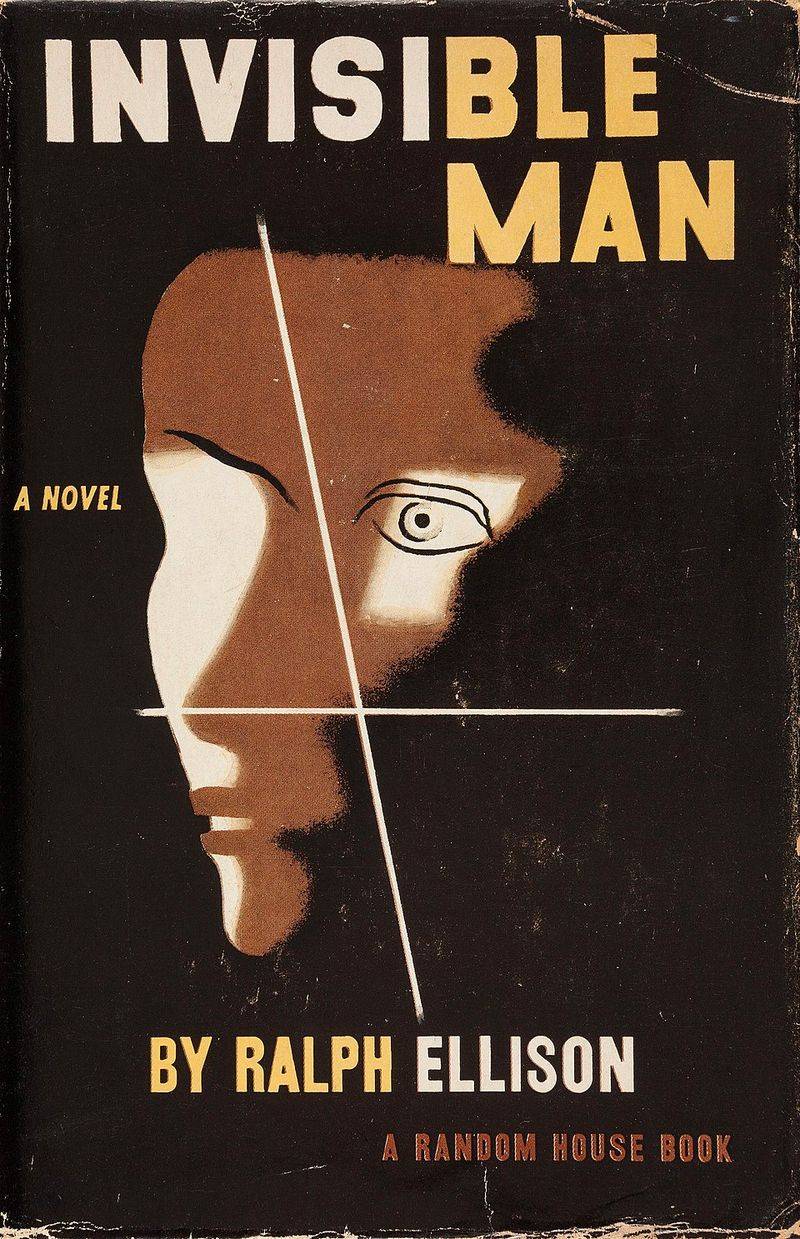
Ellison won the National Book Award for this stunning novel in 1953, and it has never stopped turning heads since. A nameless Black narrator moves through a society that refuses to truly see him, despite standing right in front of everyone.
Ellison uses surreal, almost dreamlike storytelling to explore racism, identity, and belonging in early 20th-century America. It is funny in places, terrifying in others, and always, always brilliant.
How can someone be invisible in a crowd? Ellison answers that question in ways that feel shockingly modern.
Readers who love layered, thought-provoking fiction will find a new favorite here.
5. Native Son by Richard Wright
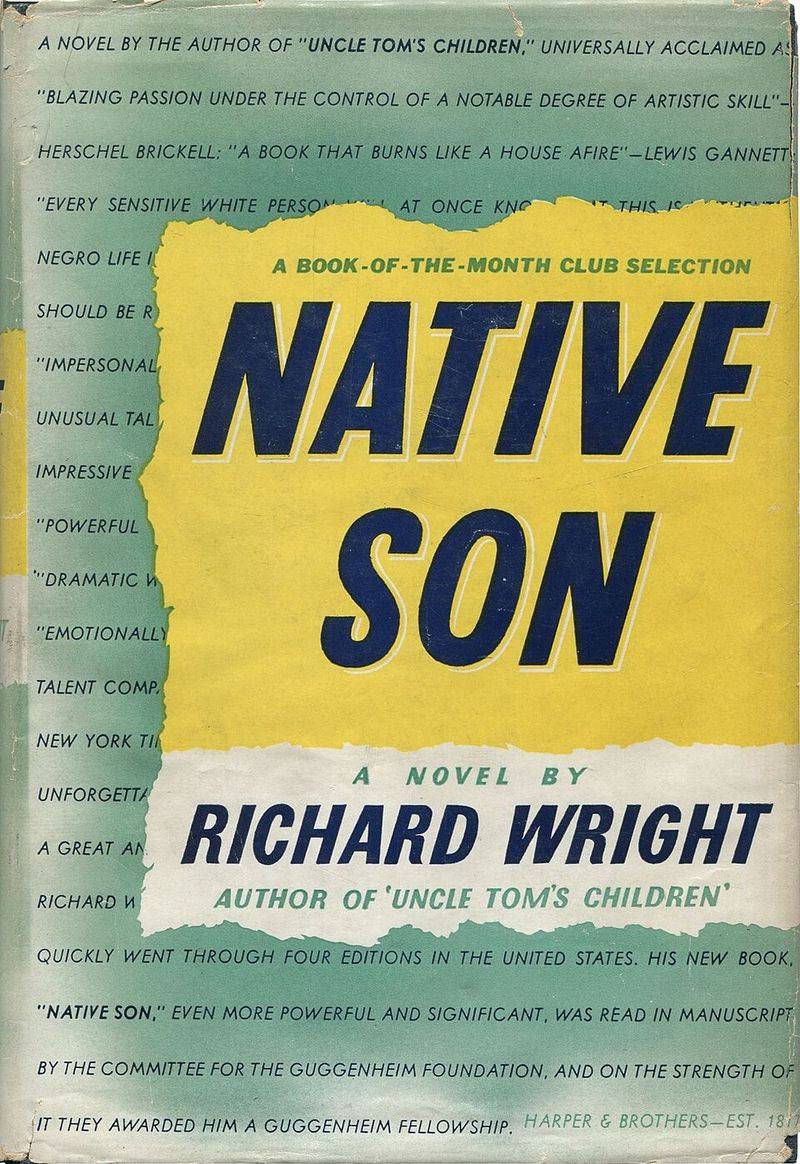
Richard Wright dropped Native Son in 1940 like a literary grenade, and the explosion still echoes. Bigger Thomas, a young Black man in 1930s Chicago, becomes trapped inside a system built to destroy him before he ever gets a fair chance.
Wright does not let anyone off easy. Not the racist system, not Bigger himself, and definitely not the reader.
It is uncomfortable, confrontational, and completely necessary.
Critics debated it, readers were shaken by it, and scholars still study it as a defining text of American literature. For anyone curious about how systemic racism operates at the individual level, start right here.
6. The Autobiography of Malcolm X by Malcolm X and Alex Haley
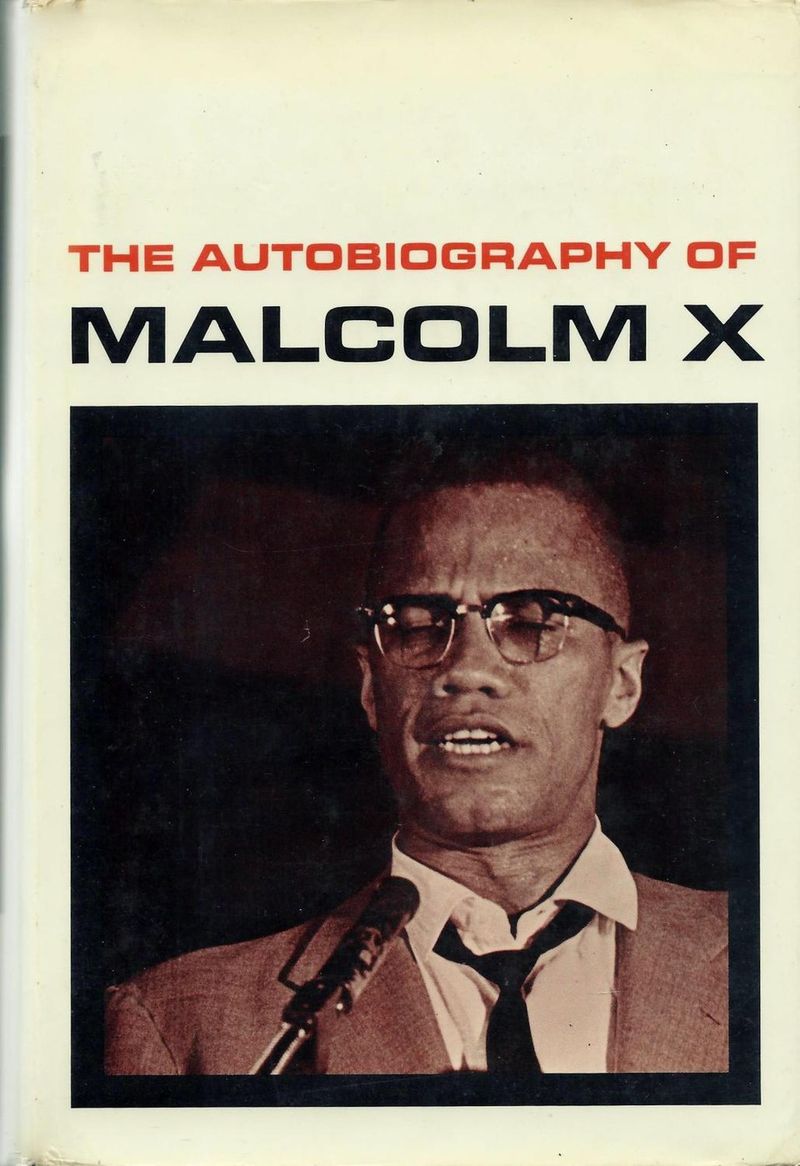
Not many life stories in American history are as dramatic, complex, or transformative as Malcolm X’s. Co-written journalist Alex Haley, this autobiography traces Malcolm’s journey from a childhood marked by tragedy to becoming one of the most electrifying voices for Black rights in the 1960s.
What makes it extraordinary is the honesty. Malcolm does not hide his mistakes or his evolution.
He changes, grows, and challenges readers to do the same.
Published in 1965, just months after his assassination, the book hit shelves and immediately became a cultural earthquake. Every page pulses with urgency.
If you read one autobiography this year, make it this one.
7. The New Negro edited by Alain Locke
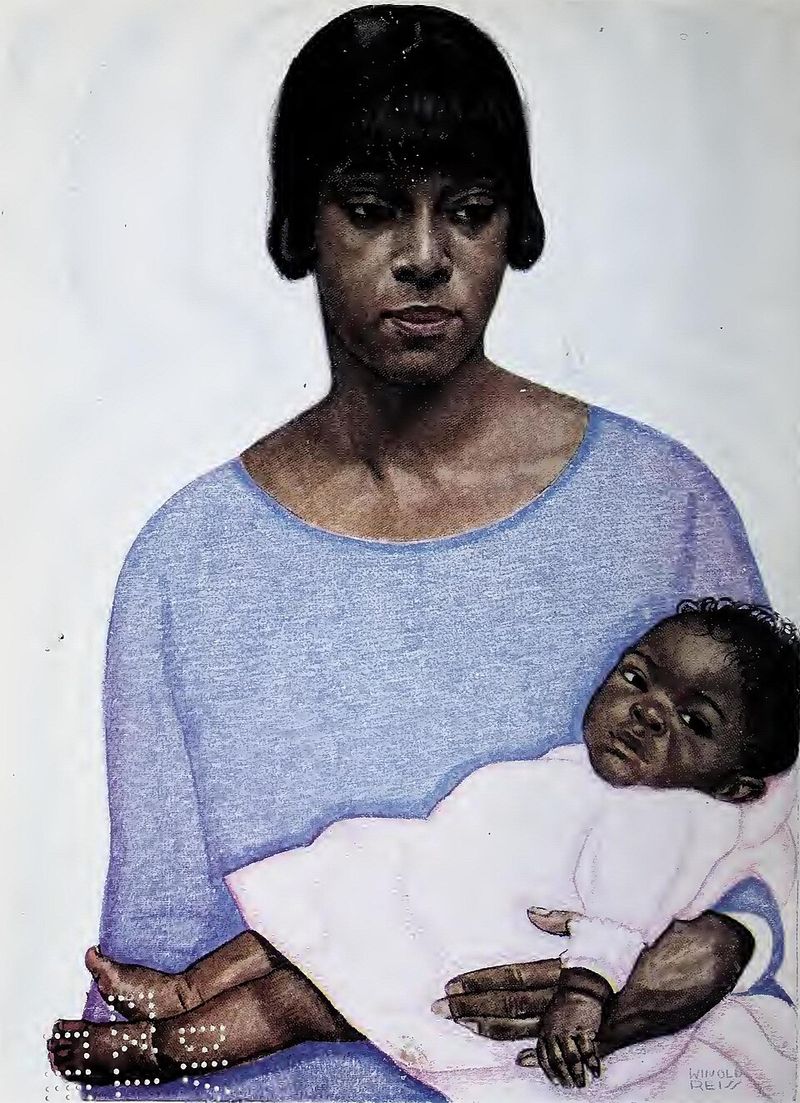
Alain Locke pulled together an all-star lineup of Harlem Renaissance talent in 1925, and the result was nothing short of a cultural revolution in book form. Poets, essayists, artists, and musicians all contributed to a collection that announced Black creativity and intellect on a world stage.
Langston Hughes, Zora Neale Hurston, and Countee Cullen are just a few names found inside. Each page buzzes with energy, pride, and artistic ambition.
Just saying, if the Harlem Renaissance had a yearbook, this would be it. Readers who love history, poetry, and cultural movements will find this anthology endlessly fascinating and surprisingly fun to explore.
8. The Underground Railroad by Colson Whitehead
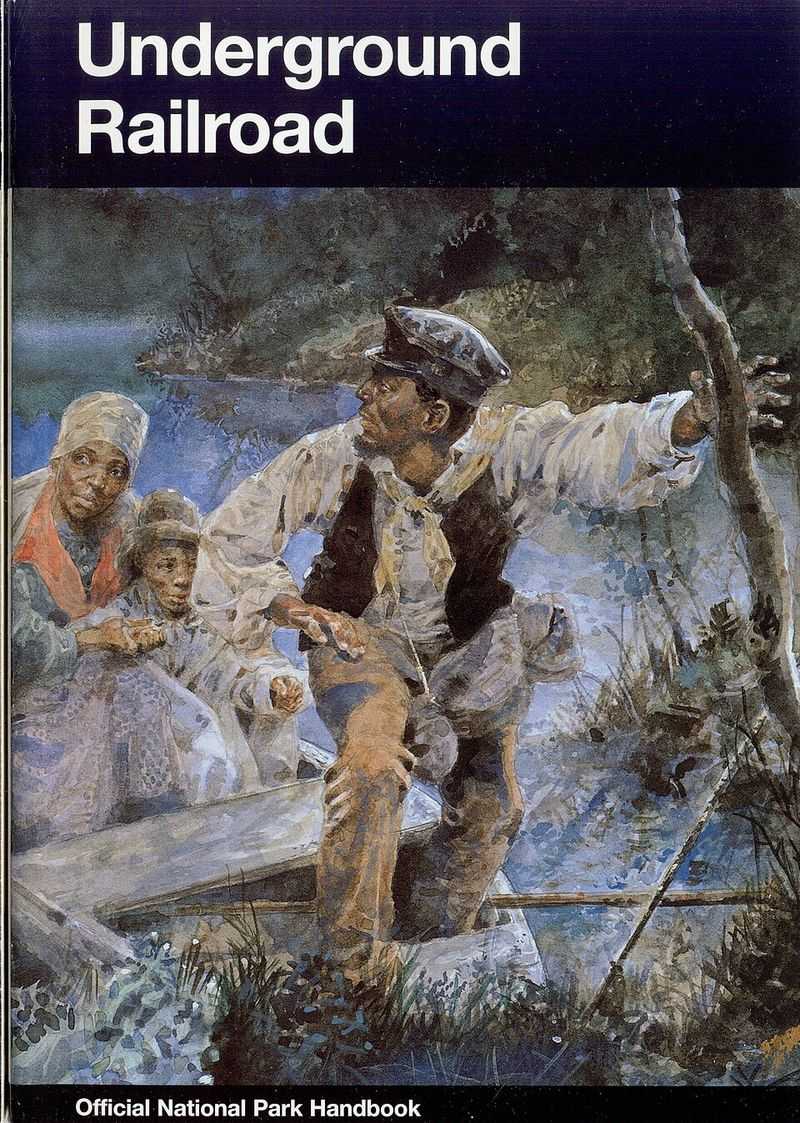
Colson Whitehead won both the Pulitzer Prize and the National Book Award for this stunning novel, and it is easy to understand why. Instead of treating the Underground Railroad as a metaphor, Whitehead imagines it as a real, physical train network running beneath America’s soil.
Cora, a young enslaved woman, boards that train and rides it toward freedom, encountering a different version of America at every stop. Some stops offer hope.
Others offer horror.
Published in 2016, the novel blends history, fantasy, and social commentary in a way that feels completely original. Bold, inventive, and deeply moving, it earns every award sitting on its shelf.
9. Sing, Unburied, Sing by Jesmyn Ward
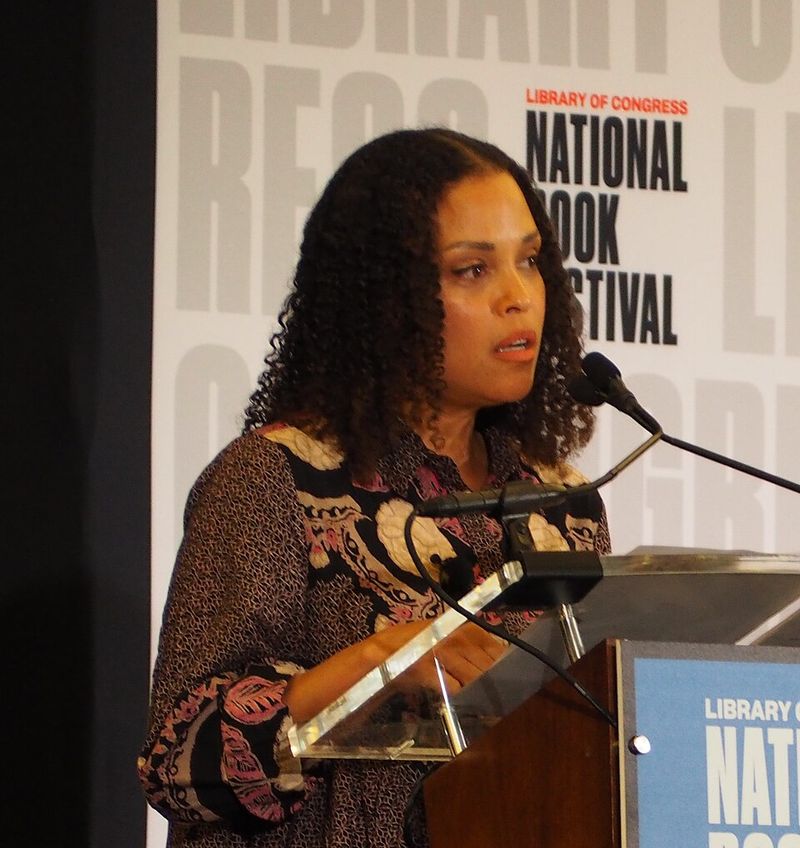
Jesmyn Ward is one of the most celebrated novelists working right now, and this 2017 National Book Award winner shows exactly why. Set along the Mississippi Gulf Coast, the story follows a mixed-race family navigating grief, addiction, and the ghosts of the American South, literally.
Ward writes in a style so lyrical it almost sounds like music. Her sentences stretch and breathe and pull you somewhere deep before you even realize you have moved.
However, do not let the poetic language fool you. Underneath the beauty is a sharp, unflinching look at race and trauma.
Readers who love emotional, atmospheric fiction will not want to put it down.
10. Children of Blood and Bone by Tomi Adeyemi
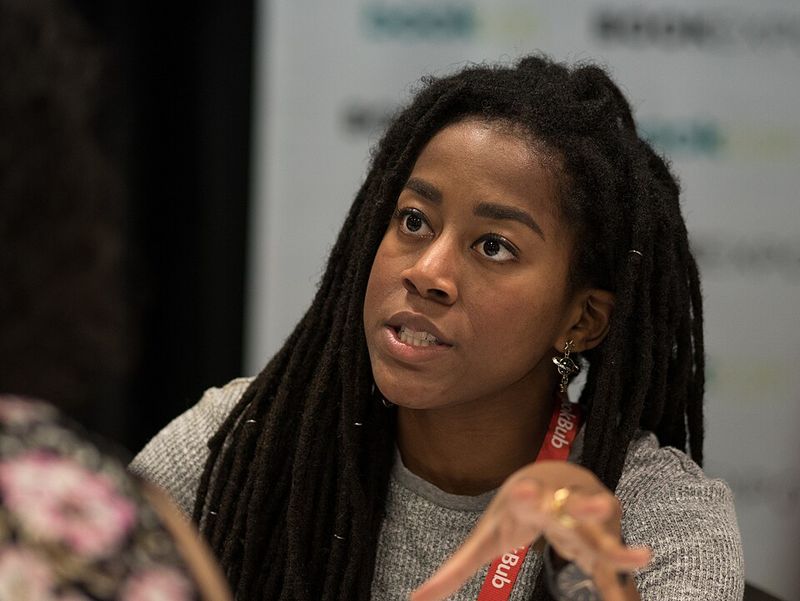
Move over, Harry Potter. Tomi Adeyemi brought magic rooted in West African mythology to the young adult world, and readers absolutely went wild for it.
Published in 2018, this debut novel became a New York Times bestseller almost instantly.
Zelie, a fierce and determined young woman, sets out to restore magic to a kingdom where it has been brutally erased. Sound familiar?
It should, because the story mirrors real-world struggles over power, identity, and cultural erasure.
Adeyemi was just 23 years old when she sold the book for a reported seven-figure deal. Young readers especially love how the fantasy world feels fresh, diverse, and completely alive.
11. The Color Purple by Alice Walker
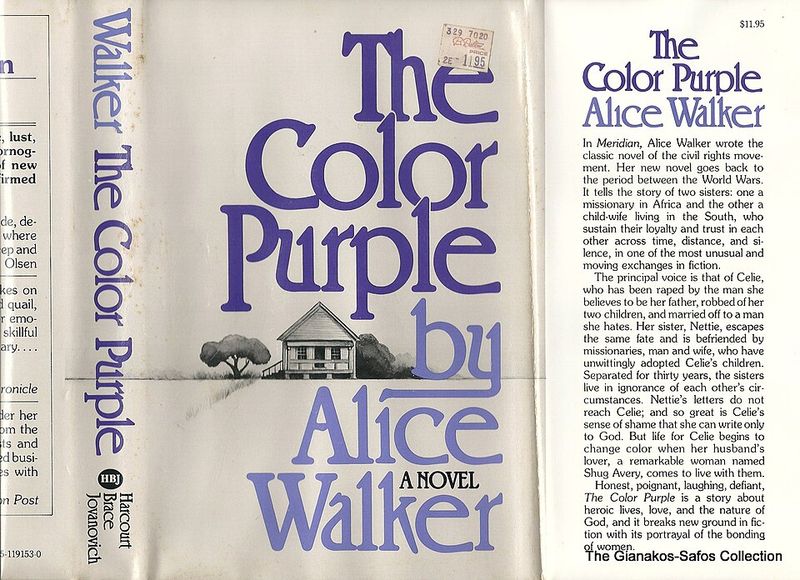
Alice Walker made history in 1983 by becoming the first Black woman to win the Pulitzer Prize for Fiction. Celie, the novel’s narrator, writes letters to God and to her sister while surviving unimaginable hardship in the early 20th-century American South.
Yet somehow, the story is not just about pain. It is about survival, sisterhood, and finding joy in unexpected corners.
Walker gives Celie a voice so strong it practically leaps off the page.
Later adapted into a beloved film by Steven Spielberg and a hit Broadway musical, the story has reached millions worldwide. If emotional depth and resilience matter to you, few books deliver more powerfully.
12. The Fire Next Time by James Baldwin
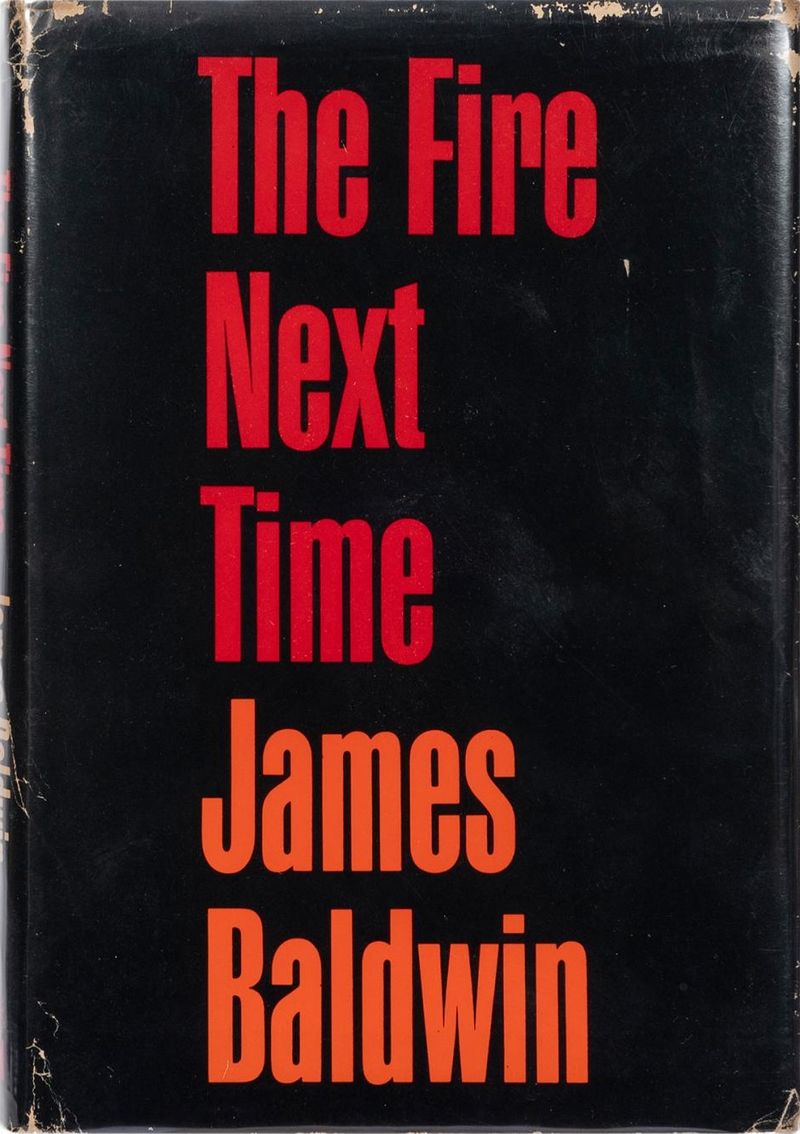
James Baldwin wrote two essays in this slim but explosive 1963 book, and together, they pack more punch than most 500-page novels. The first is a letter to his teenage nephew about growing up Black in America.
The second is a meditation on race, religion, and national identity.
Baldwin’s writing is like lightning in a bottle. Sharp, poetic, urgent, and impossible to look away from.
He challenges both Black and white Americans to confront hard truths without flinching.
Over 60 years later, the words still land hard. If you want to understand race in America through one of the sharpest minds to ever put pen to paper, start here.
13. Go Tell It on the Mountain by James Baldwin
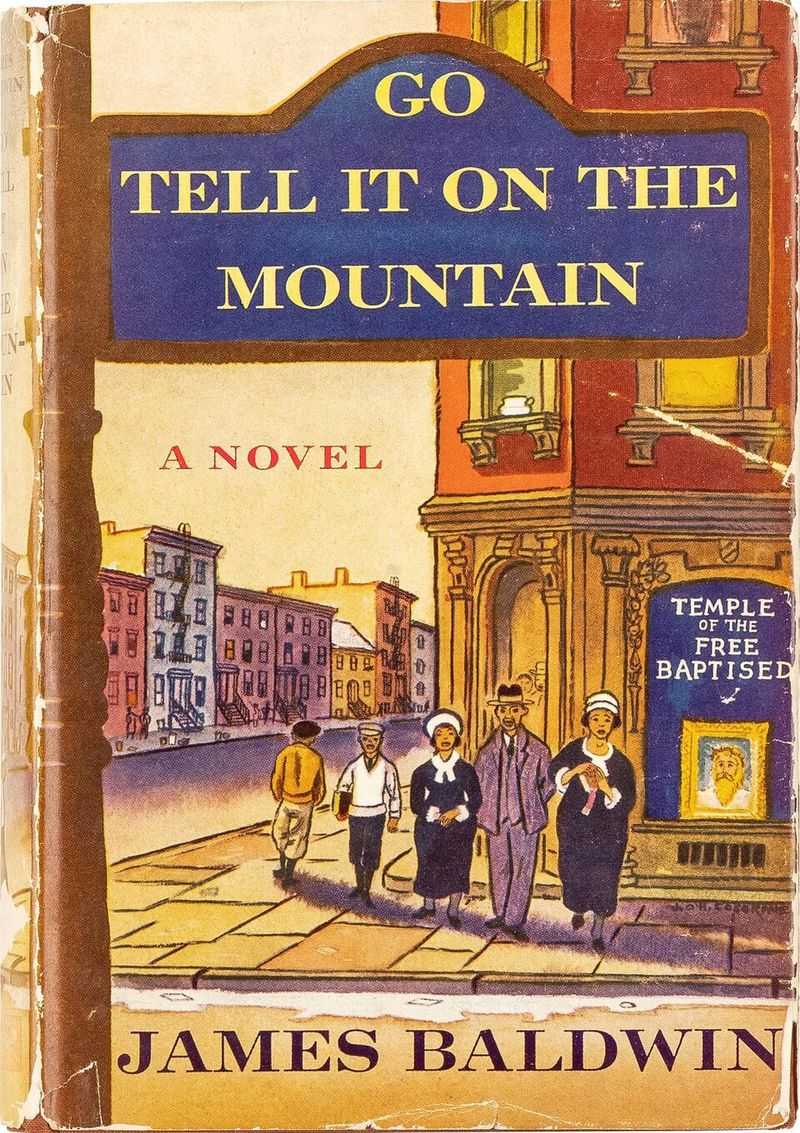
Baldwin’s first novel, published in 1953, draws heavily on his own childhood growing up in Harlem under the roof of a strict Pentecostal preacher stepfather. John, the teenage protagonist, wrestles hard questions about faith, family, and who he is allowed to become.
Few coming-of-age stories carry this kind of emotional complexity. Baldwin weaves multiple generations of a Black family together, showing how history and religion shape and sometimes suffocate the people caught inside them.
Though written over 70 years ago, John’s inner conflict feels strikingly modern. Readers who have ever struggled between family expectations and personal truth will find something deeply familiar and deeply moving in every chapter.