16 70s Prime Time Favorites You Likely Caught At 8 PM
Prime time in the 1970s had its own rhythm, and eight o’clock often meant the living room belonged to the television.
Families settled in, dinners wrapped up, and familiar theme songs signaled the start of shows that became part of the weekly routine.
These series shaped conversations at school, at work, and around the breakfast table the next morning.
Disclaimer: This article reflects subjective editorial perspectives on popular 1970s prime time television series and should not be interpreted as definitive fact or universal consensus.
1. All in the Family

Breaking every rule in the sitcom handbook, this show tackled racism, politics, and social change head-on with humor that made you laugh and think simultaneously.
Archie Bunker became television’s most lovable bigot, sparking dinner table debates across America.
Norman Lear’s masterpiece proved that comedy could be controversial and still dominate the ratings, winning a staggering 22 Emmy Awards during its nine-season run.
2. The Mary Tyler Moore Show
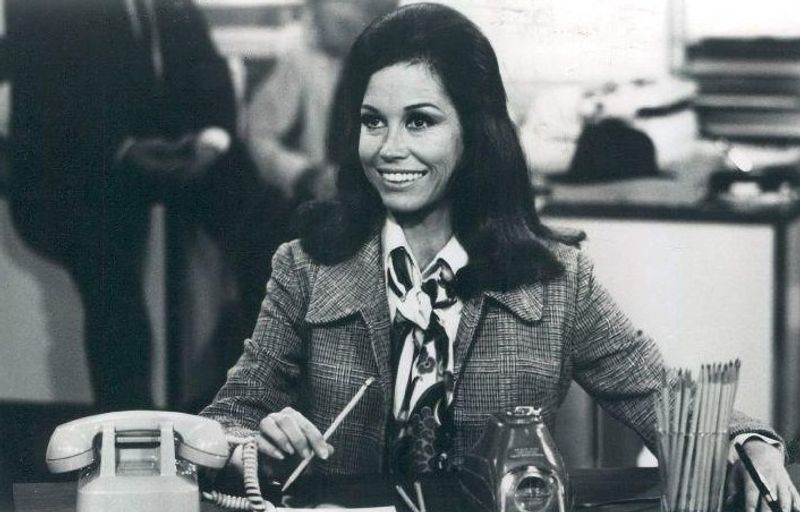
Mary Richards threw her hat in the air and changed television forever, proving that single women could have careers, independence, and fabulous apartments.
Working at WJM-TV in Minneapolis, Mary navigated workplace politics with grace, humor, and those iconic scarves.
Her friendship with Rhoda and Phyllis felt authentic, while her relationship with gruff Lou Grant showed mentorship could transcend gender stereotypes beautifully.
3. The Waltons
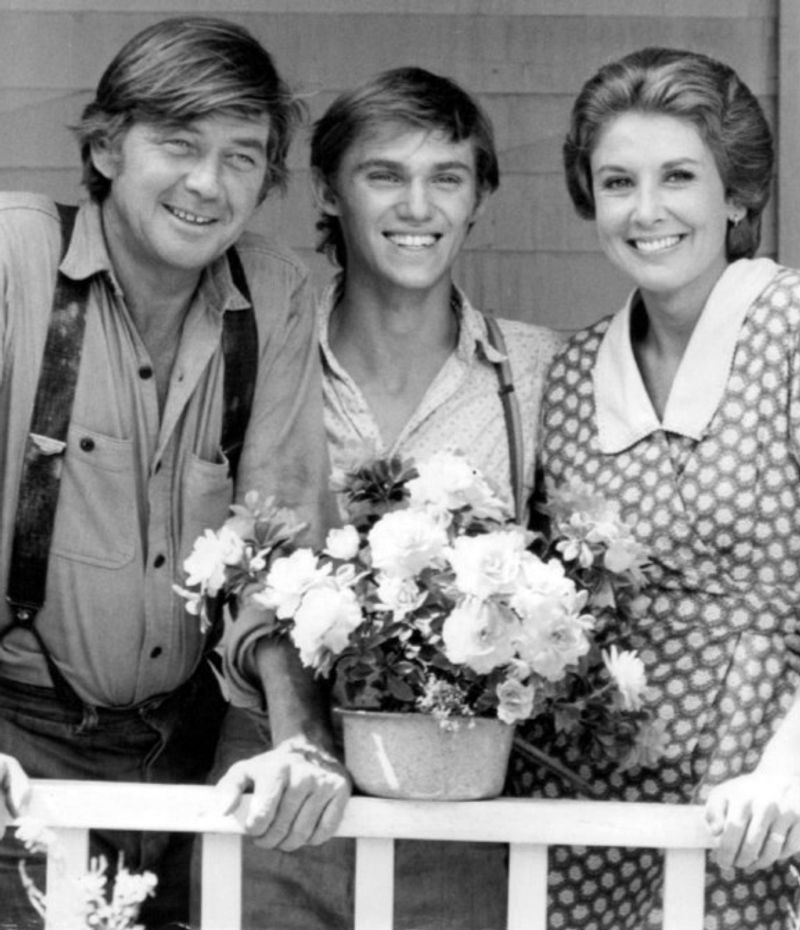
Goodnight, John-Boy became America’s favorite bedtime ritual as this Depression-era family reminded us that love matters more than money.
Set on Walton’s Mountain in Virginia, the show celebrated simple values, hard work, and the bonds that hold families together through tough times.
With three generations under one roof, every episode delivered life lessons wrapped in warmth, making viewers wish they could visit that mountain themselves.
4. Little House on the Prairie

Based on Laura Ingalls Wilder’s beloved books, this frontier saga brought pioneer life into living rooms with stories of courage, community, and corduroy.
Charles Ingalls taught his daughters that integrity beats wealth every time, while Caroline held the family together with quiet strength.
Whether facing blizzards, bullies, or economic hardship, the Ingalls family showed resilience looked a lot like love, making handkerchiefs a viewing necessity.
5. Happy Days
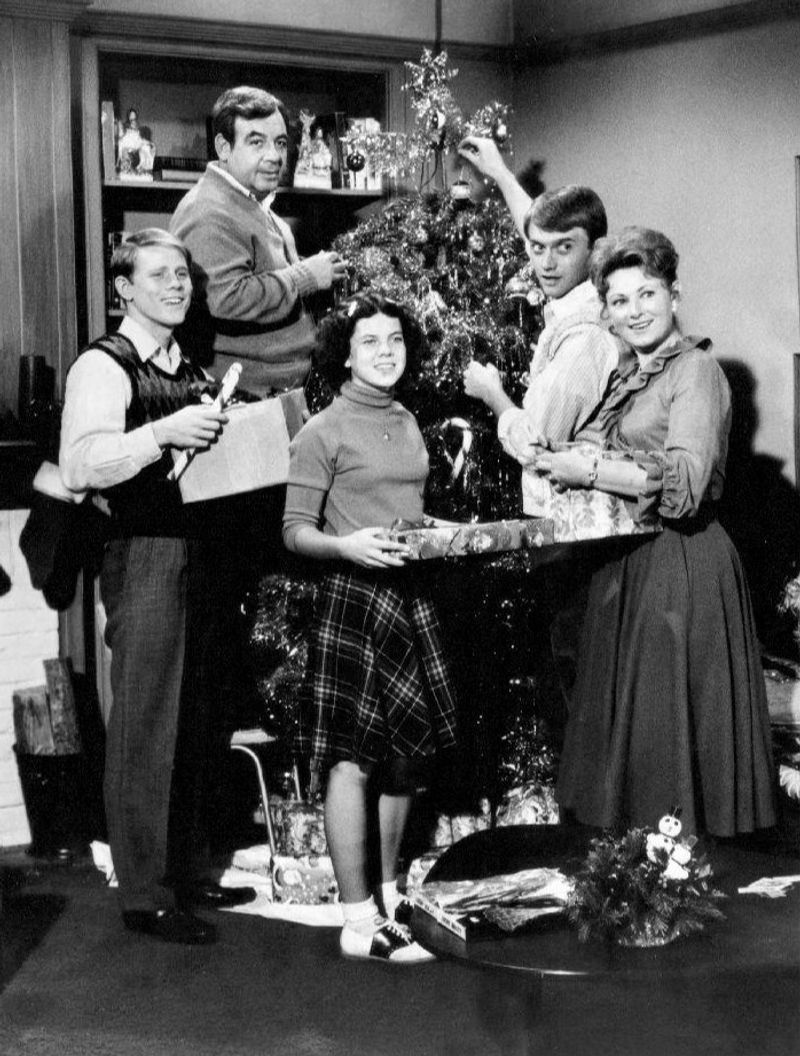
Ayyyy! Fonzie’s thumbs-up and leather jacket became cultural icons as this show transported 70s audiences back to the supposedly simpler 1950s.
Richie Cunningham and his pals hung out at Arnold’s Drive-In, navigating dating disasters and friendship dramas with wholesome charm.
The Fonz started as a minor character but his coolness quotient was so off the charts that he became television royalty and inspired a generation’s hairstyles.
6. Laverne & Shirley
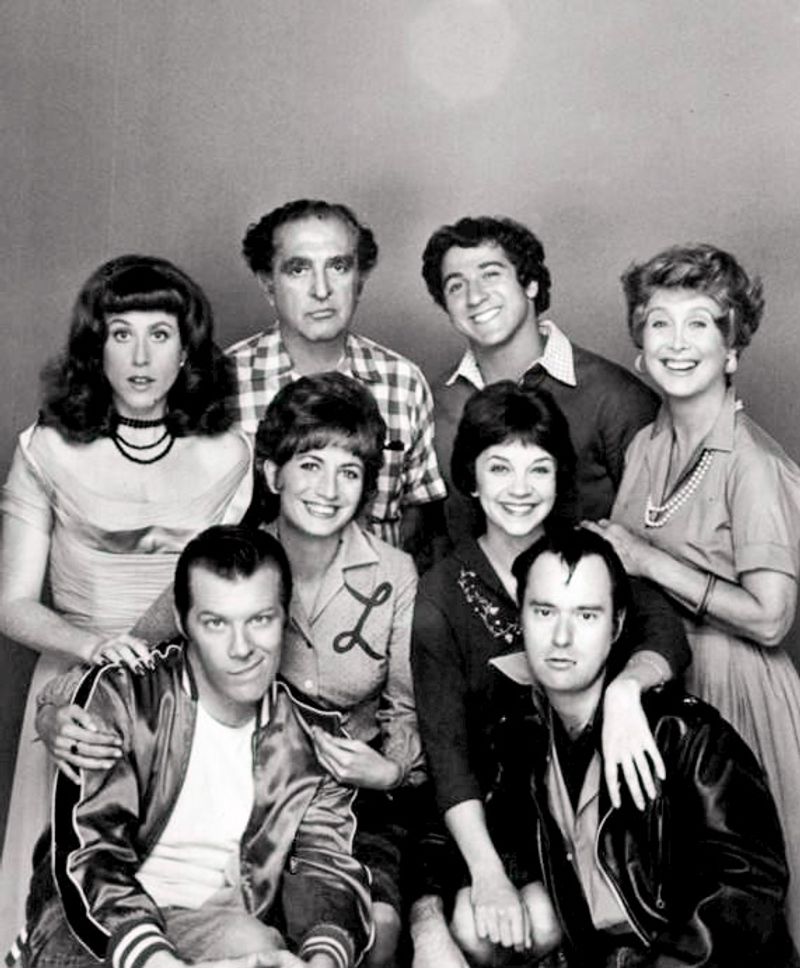
Schlemiel, schlimazel! Two brewery workers from Milwaukee proved that female friendship could carry a sitcom to number one in the ratings.
Laverne DeFazio and Shirley Feeney were polar opposites who somehow clicked perfectly, dreaming big while bottling beer and dodging disaster.
Their physical comedy rivaled Lucy and Ethel, while their apartment above the Pizza Bowl became as iconic as their script L monogram sweaters.
7. The Jeffersons
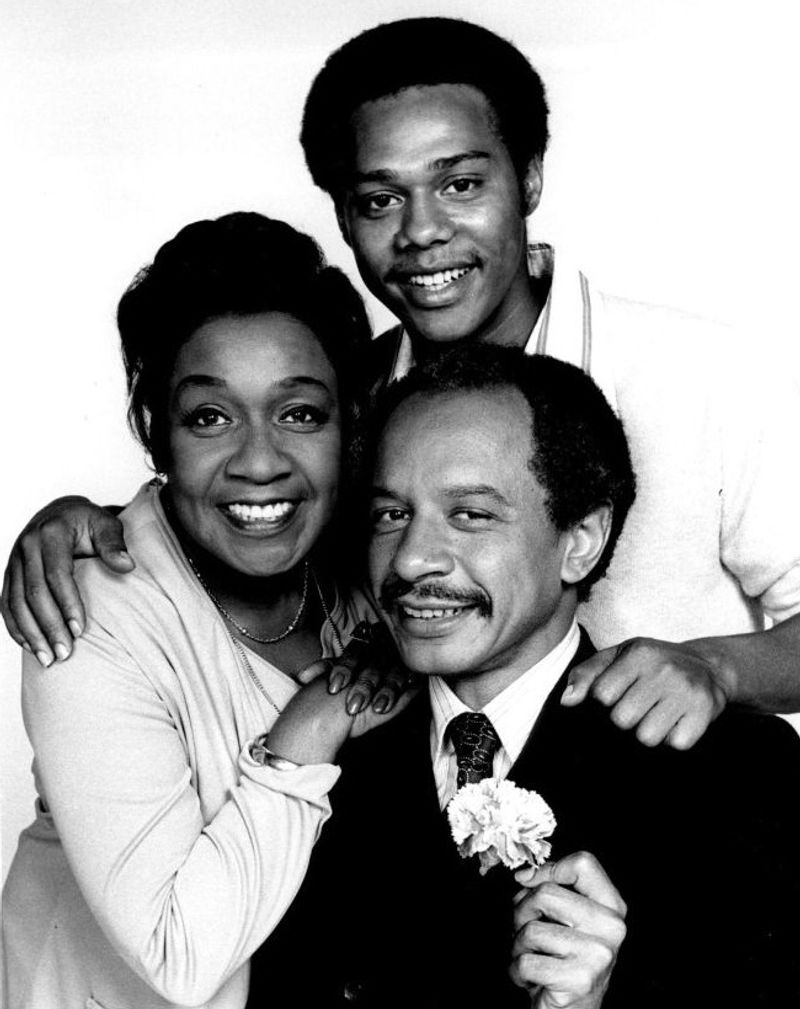
Movin’ on up to the East Side, George and Weezy Jefferson broke barriers by showing an affluent African American family living their deluxe apartment dreams.
George’s dry cleaning empire success didn’t smooth his rough edges, creating comedy gold as he clashed with neighbors and navigated new social circles.
Florence the maid delivered zingers sharper than George’s business suits, while the show tackled interracial marriage and class dynamics with signature Norman Lear boldness.
8. Sanford and Son
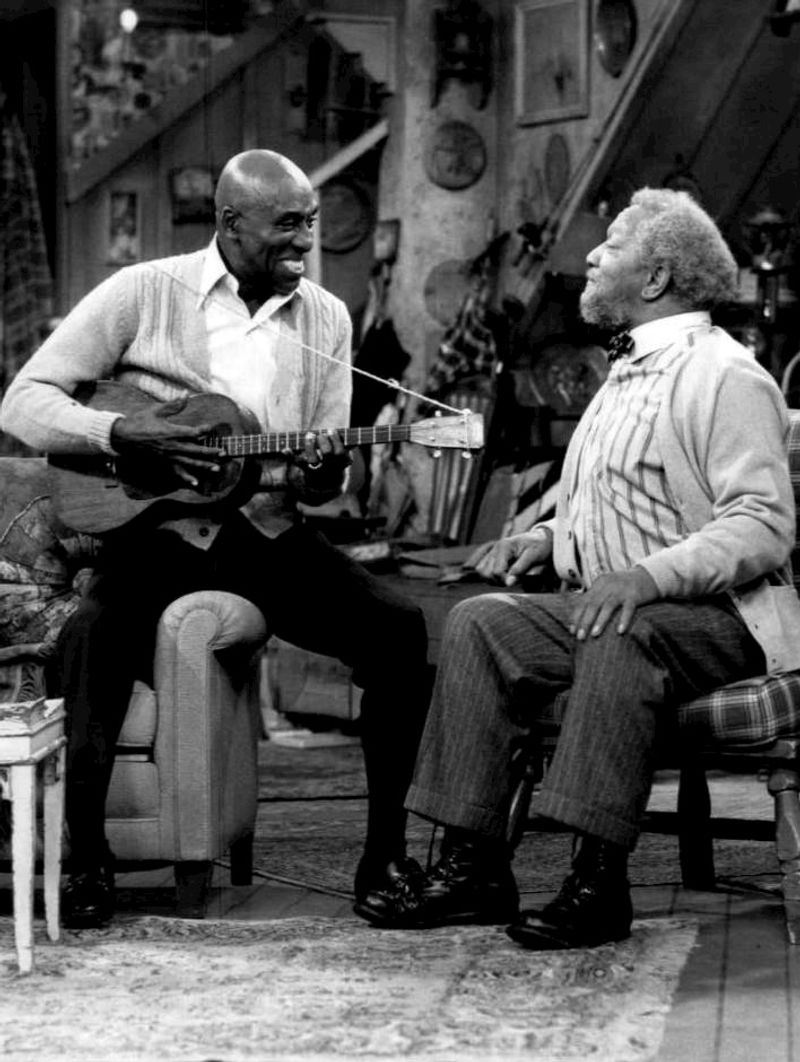
Fred Sanford’s fake heart attacks and real wisecracks made this junkyard comedy a treasure trove of laughs every single week.
Redd Foxx brought vaudeville timing to television, turning a Los Angeles salvage yard into comedy central while tormenting his long-suffering son Lamont.
Fred’s schemes, stubbornness, and conversations with his late wife Elizabeth created a character so memorable that the show inspired British and countless other international versions.
9. Good Times
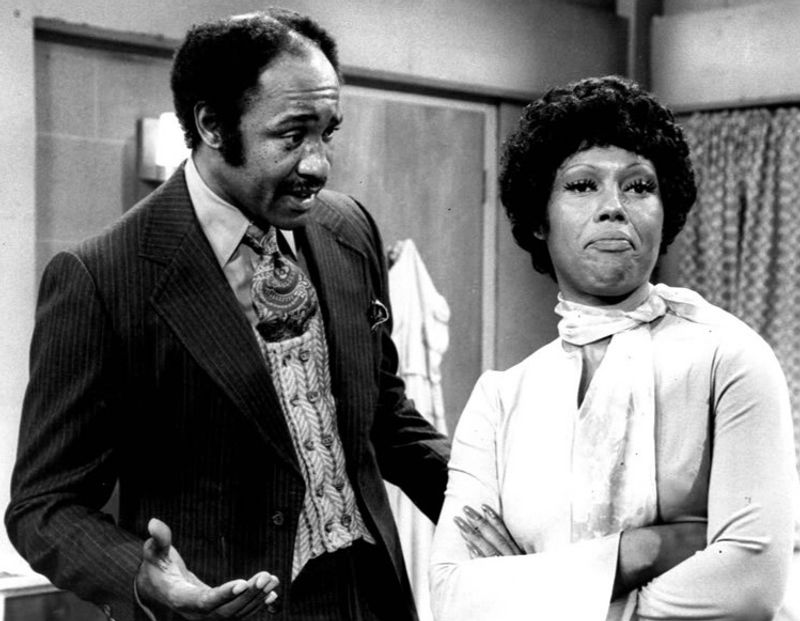
Florida and James Evans raised three kids in a Chicago housing project, proving that dignity and humor survive even when money doesn’t.
JJ’s Dy-no-mite catchphrase exploded into pop culture, though the show balanced his antics with serious storylines about poverty, unemployment, and perseverance.
When James died unexpectedly, the show shifted gears but kept its heart, showing Florida’s strength as she held her family together through unimaginable challenges.
10. One Day at a Time
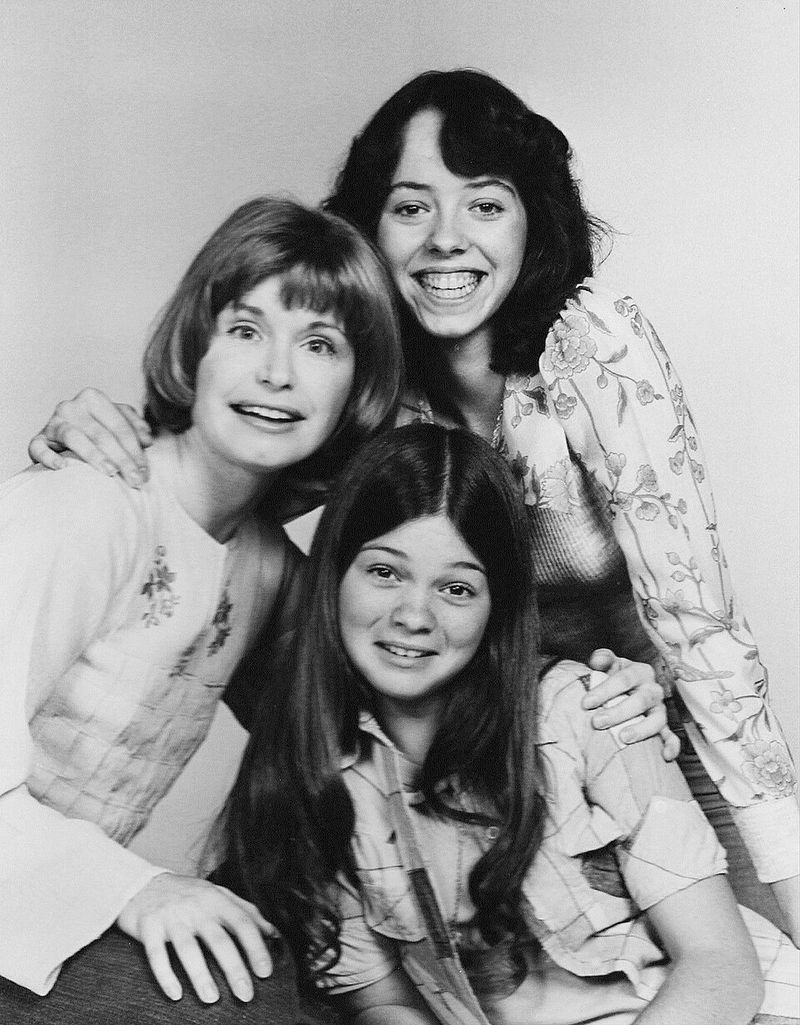
Ann Romano’s divorce wasn’t played for laughs but treated as a brave new beginning, making this sitcom groundbreaking for its realistic portrayal.
Raising Julie and Barbara as a single mom in Indianapolis, Ann juggled dating, parenting, and finding herself in ways that resonated with changing American families.
Schneider the building superintendent became an unlikely father figure, while the show tackled teen issues like peer pressure and self-esteem with refreshing honesty.
11. Three’s Company
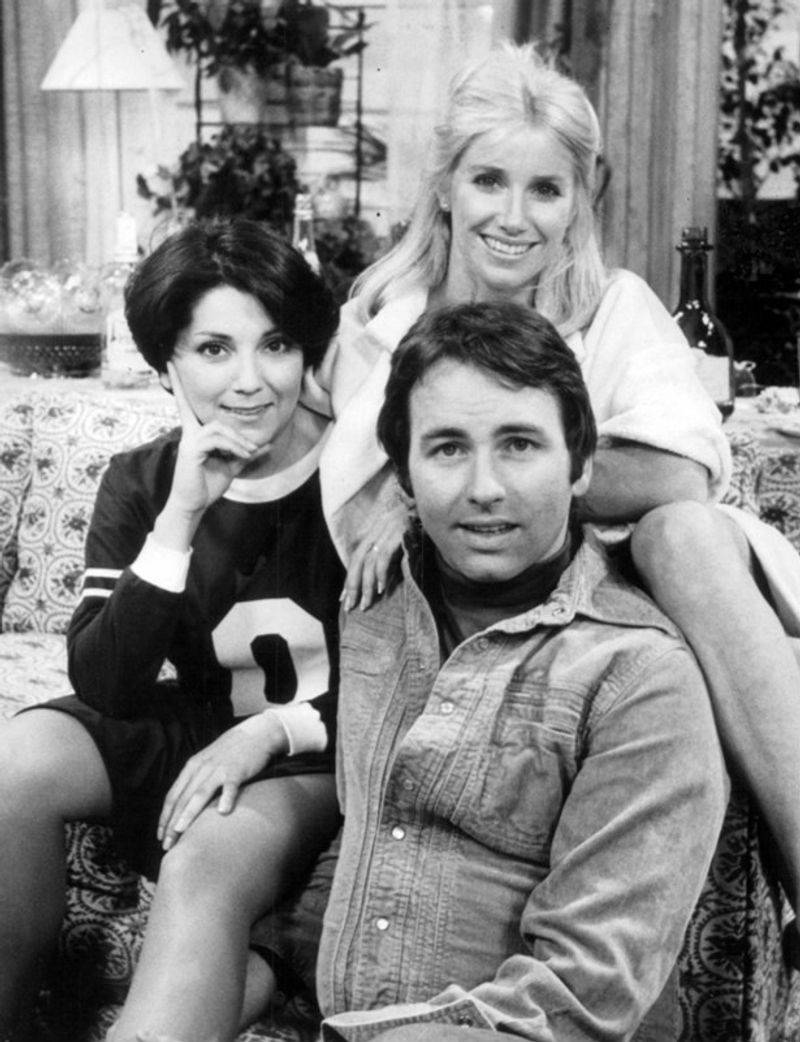
Jack Tripper pretended to be gay so he could room with two beautiful women, creating a sitcom premise that was risqué for its time.
The misunderstandings came fast and furious at the trio’s Santa Monica apartment, with Mr. Roper providing disapproving looks from downstairs.
Physical comedy met double entendres in this farce that pushed boundaries while remaining surprisingly innocent, making it appointment television despite controversy from conservative groups nationwide.
12. Charlie’s Angels
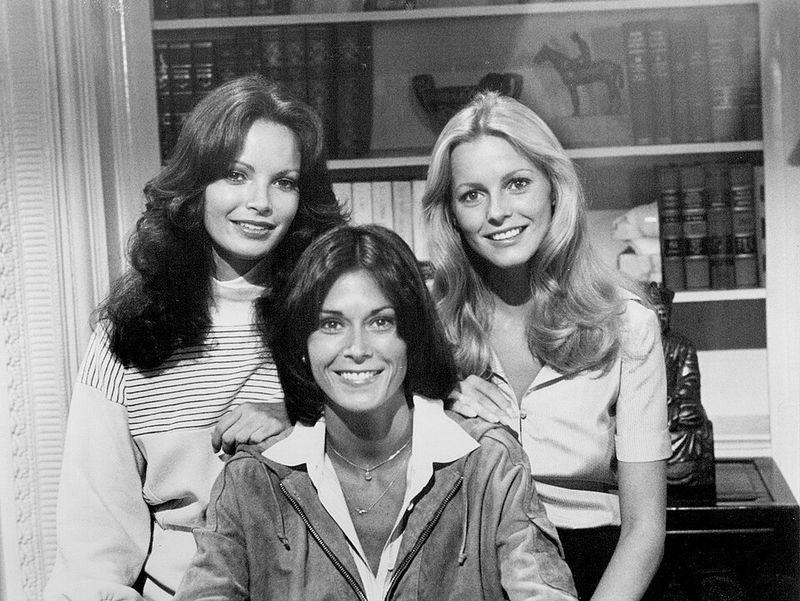
Three gorgeous detectives took orders from a speakerphone and kicked down doors in high heels, revolutionizing action television with style and substance.
Sabrina, Jill, and Kelly proved women could be both glamorous and tough, solving crimes while sporting feathered hair that launched a million salon visits.
Though critics dismissed it as jiggle TV, the show empowered a generation of girls who saw women as heroes, not sidekicks, making it cultural dynamite.
13. Fantasy Island
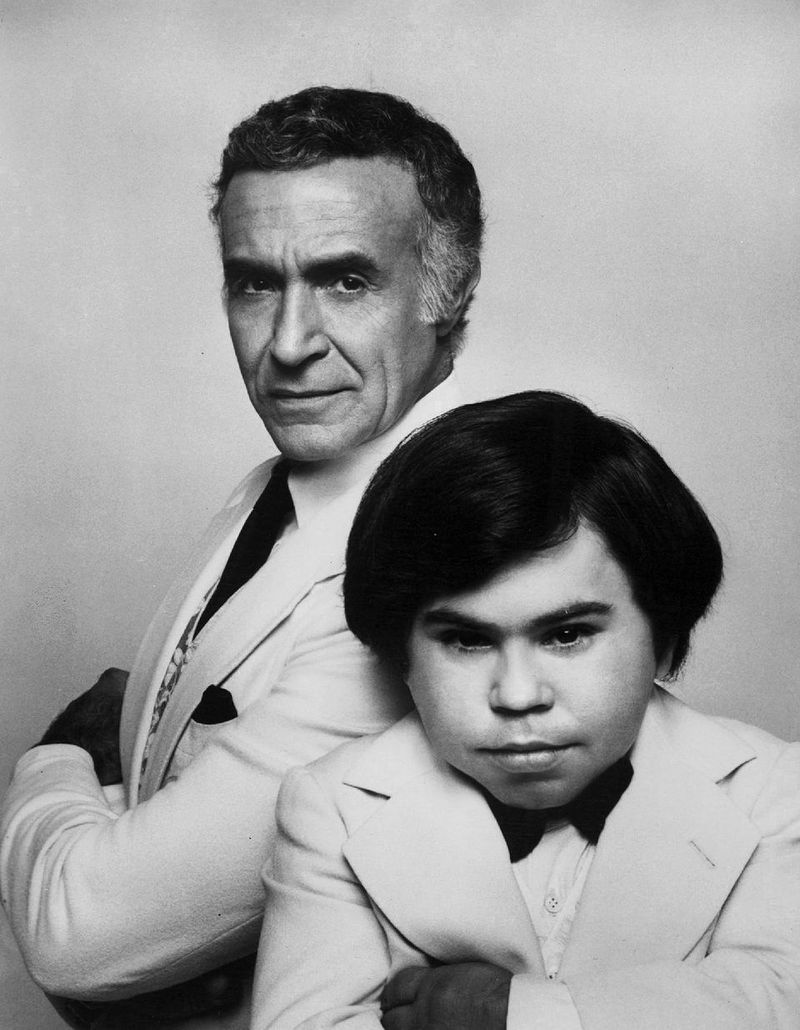
Tattoo’s announcement signaled another week of wishes granted and lessons learned on a mysterious tropical paradise.
Mr. Roarke, in his immaculate white suit, orchestrated elaborate fantasies for guests willing to pay the price, though the real cost was often self-discovery.
Was Roarke magical, wealthy, or something more sinister?
The show never quite answered, keeping viewers intrigued as fantasies turned into morality tales with island flair.
14. Columbo
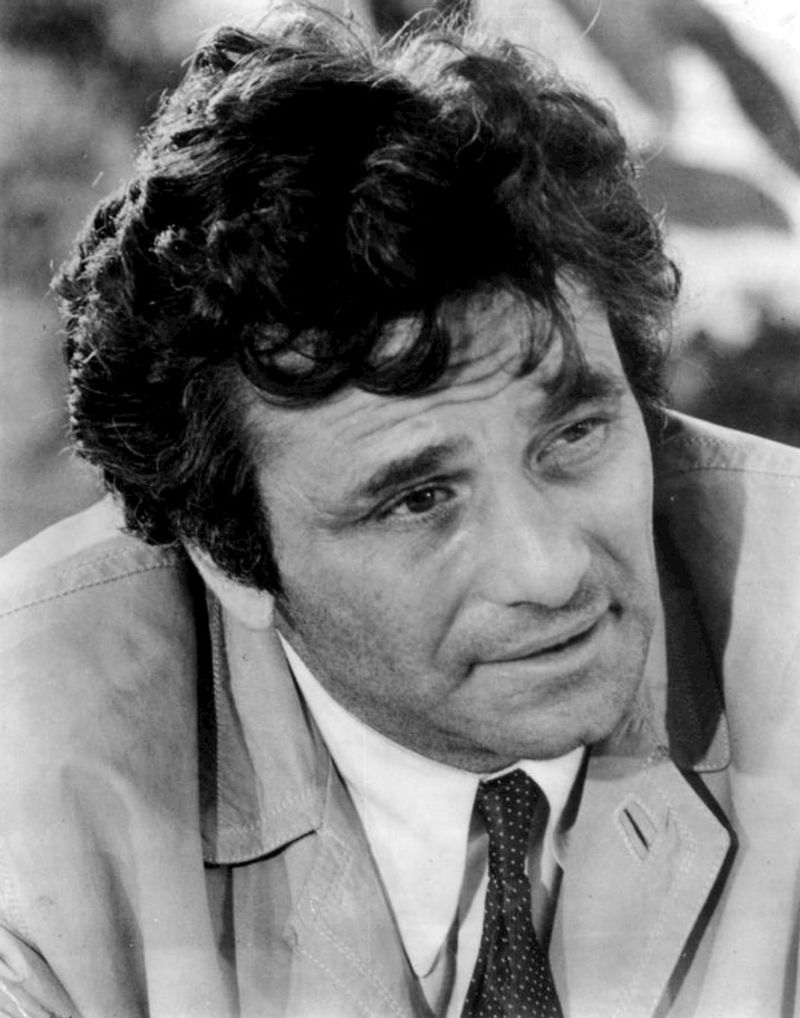
Just one more thing… Lieutenant Columbo’s rumpled raincoat and seemingly bumbling manner fooled murderers into underestimating him every single time.
Peter Falk created an unforgettable detective who solved crimes through persistence and psychology rather than violence, making the howdunit more fascinating than whodunit.
The show’s inverted format revealed the killer upfront, letting viewers watch Columbo methodically dismantle perfect alibis with his wife’s famous never-seen presence always mentioned.
15. The Rockford Files
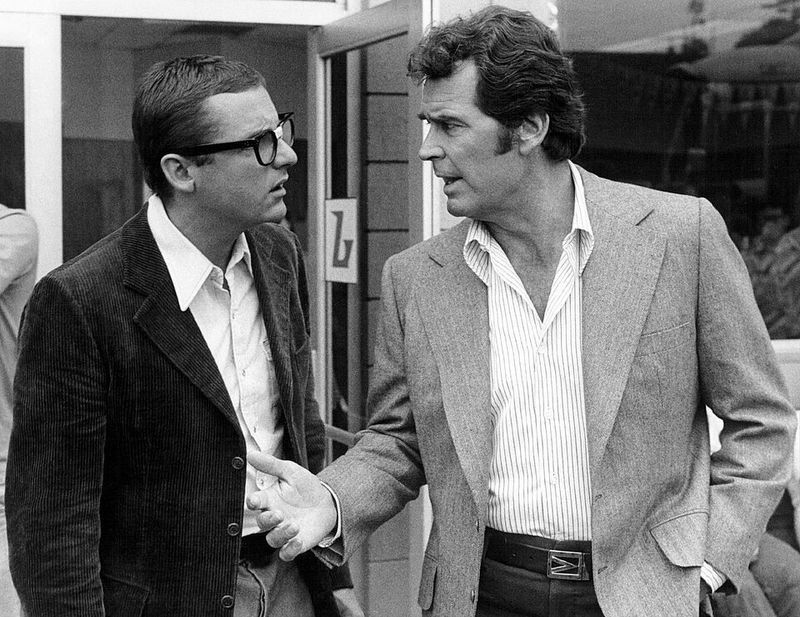
Jim Rockford lived in a beach trailer, charged $200 a day plus expenses, and answered his phone with world-weary sarcasm that made him television’s coolest detective.
James Garner brought charm and vulnerability to the role, creating a private eye who got beat up, ran from fights, and still solved cases brilliantly.
His gold Pontiac Firebird and those spectacular J-turn car chases became legendary, while his relationship with father Rocky added heart to the hardboiled genre perfectly.
16. The Six Million Dollar Man

We can rebuild him… better than he was before!
Steve Austin’s bionic legs, arm, and eye made him the ultimate Cold War superhero for kids everywhere.
Lee Majors became a cultural icon running in slow motion with that distinctive electronic sound effect that every kid tried to imitate on playgrounds.
Based on a novel, the show mixed science fiction with spy adventures, spawning toys, lunchboxes, and a spin-off featuring Jaime Sommers as the Bionic Woman.