15 Most Problematic ’80s Movies That Hit Wrong Today
Movies from the 1980s hold a special place in pop culture, but not everything has aged like fine wine.
Some blockbusters and comedies that packed theaters back then now make audiences cringe for all the wrong reasons.
Looking back reveals how much our understanding of representation, consent, and respect has grown over the decades
Disclaimer: This list reflects editorial opinion and evolving cultural perspective, not definitive fact or universal consensus about any 1980s film’s legacy.
1. Soul Man (1986)

Built around a white college student darkening his skin to qualify for a scholarship meant for Black students, this comedy sparked outrage even in its own decade.
Critics immediately called out the premise as deeply offensive and exploitative.
Though marketed as social commentary, the film’s approach to race felt tone-deaf and harmful. Modern viewers recognize it as a textbook example of how not to tackle serious issues through humor.
2. Revenge of the Nerds (1984)
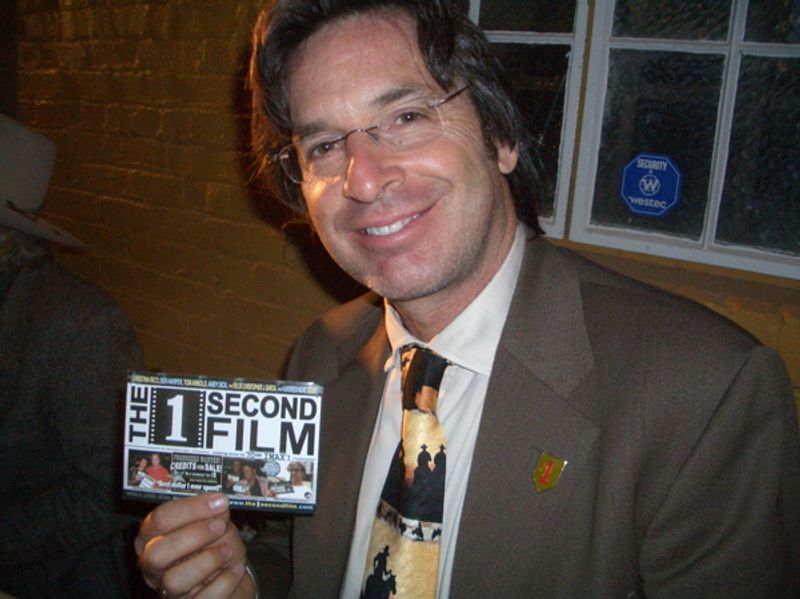
What starts as an underdog story takes a dark turn when one character disguises himself to trick a woman into intimacy. Presented as a comedic victory, the scene actually depicts assault.
However, the film treats this violation as lighthearted fun rather than a crime. Audiences today recognize the serious consent issues that the original viewers laughed off as harmless hijinks.
3. Sixteen Candles (1984)

John Hughes crafted a beloved teen romance, but beneath the charm lurk troubling elements.
Long Duk Dong became one of cinema’s most notorious Asian stereotypes, complete with exaggerated accent and gong sound effects.
Beyond racial caricature, the film treats an intoxicated girl’s exploitation as comedy gold.
4. Zapped! (1982)
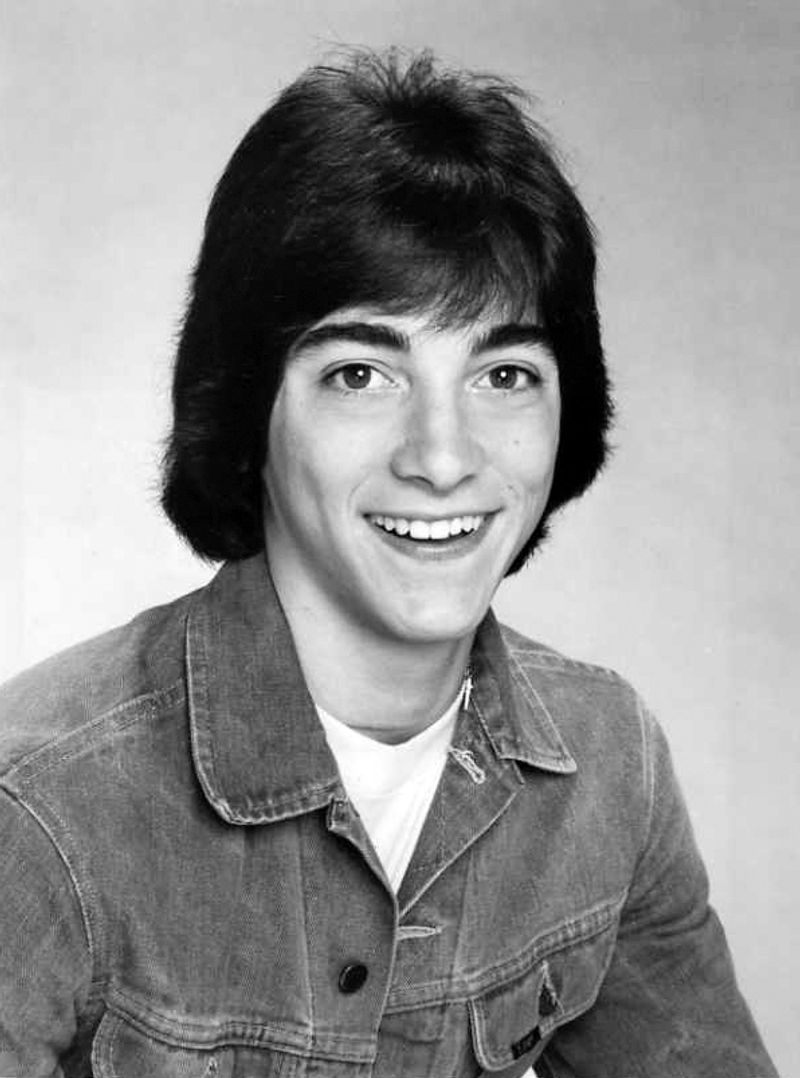
Telekinetic powers become a tool for spying and manipulation in this teen fantasy. A high schooler uses his abilities to undress classmates and orchestrate non-consensual situations, all played for laughs.
Where 1980s audiences saw harmless wish-fulfillment, today’s viewers spot serious boundary violations. The supernatural angle doesn’t disguise what amounts to magical assault dressed up as comedy.
5. The Blue Lagoon (1980)
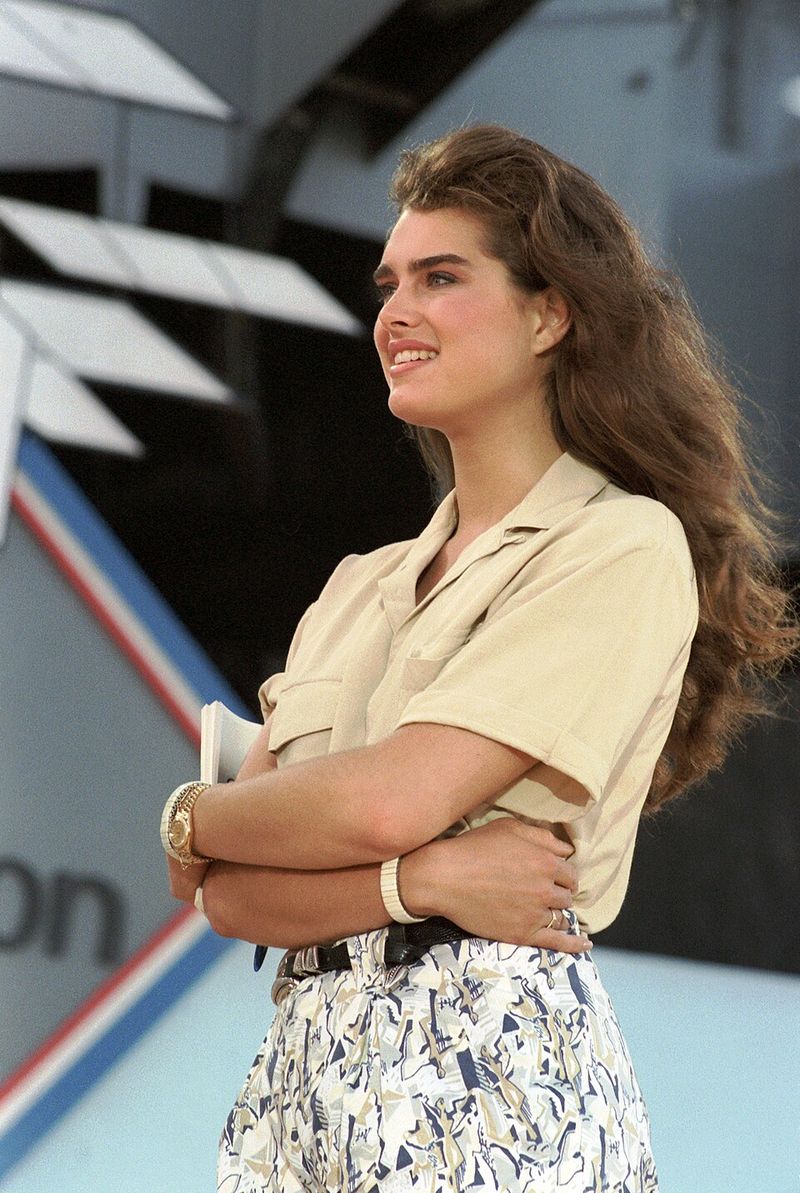
Stranded teenagers discovering romance on a tropical island sounds innocent enough, until you remember the actors were minors during filming.
Adult framing of their characters’ physical relationship creates serious discomfort.
Cinematography that would be romantic with adult actors becomes deeply problematic when applied to teens.
6. Trading Places (1983)
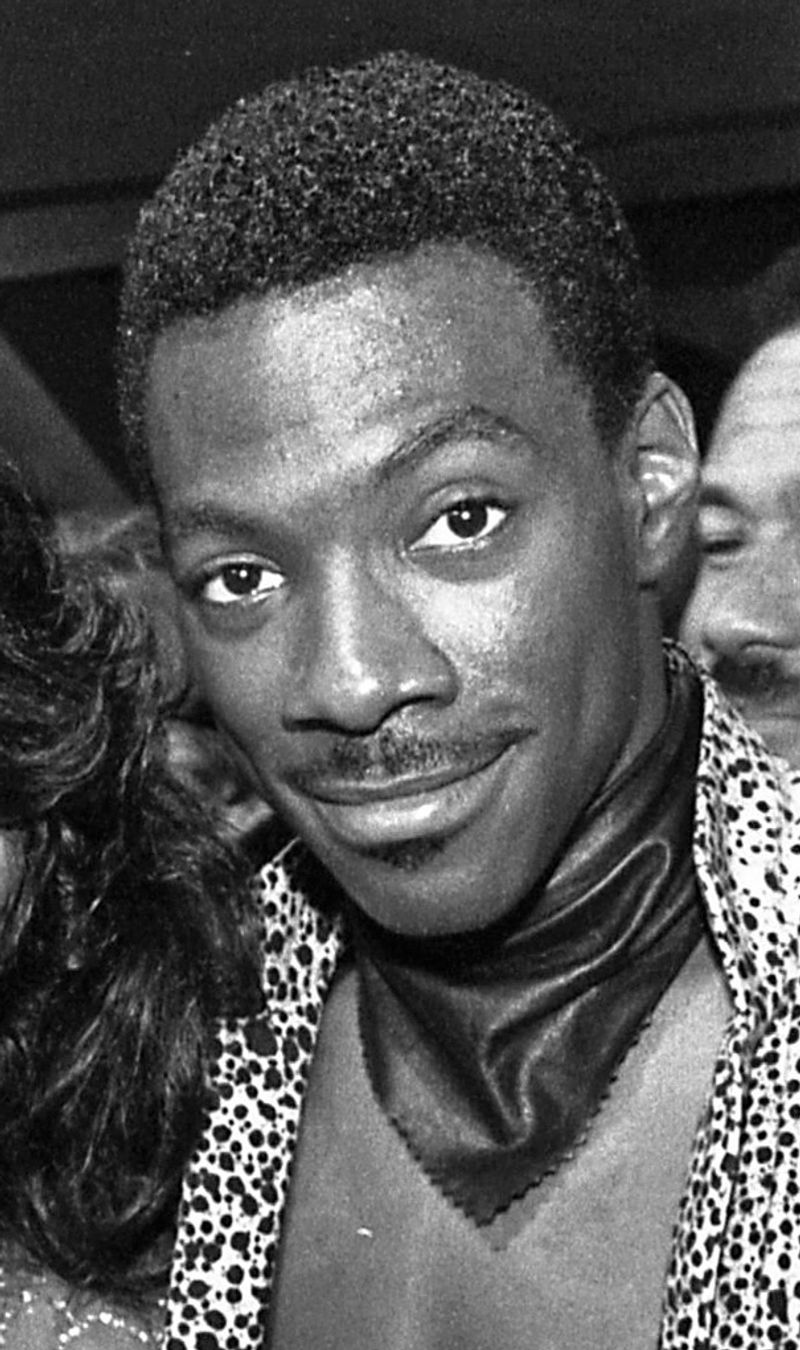
Eddie Murphy and Dan Aykroyd deliver brilliant performances in this social satire, but one scene derails the entire experience.
A blackface gag appears midway through, defended by some as satirical but condemned by many as indefensible.
Though context matters, the execution still makes modern viewers wince.
7. Short Circuit (1986)
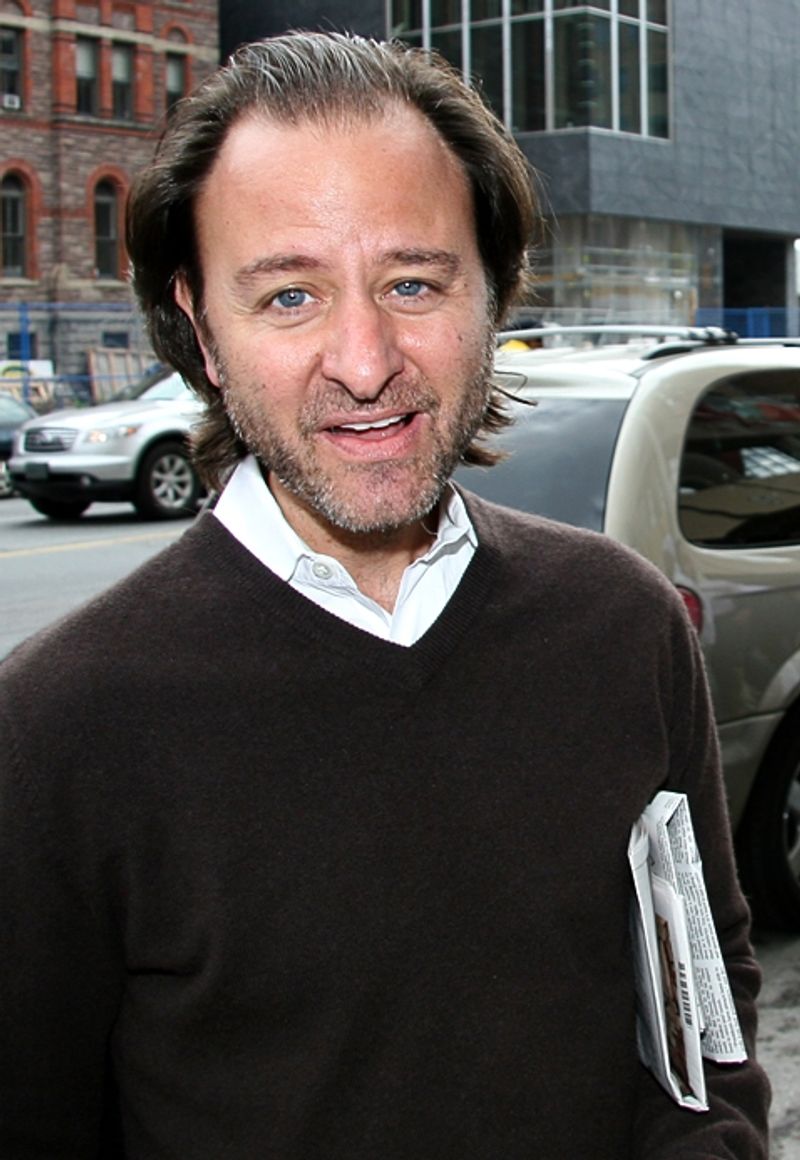
Fisher Stevens in brownface makeup playing an Indian character named Ben Jabituya represents Hollywood’s casual approach to casting during the decade.
Authentic representation took a backseat to convenience and stereotypical humor.
The robot Johnny 5 charmed audiences, but the human supporting cast raised eyebrows even then.
8. Indiana Jones and the Temple of Doom (1984)

Spielberg’s adventure sequel trades archaeology for exaggerated “exotic danger” tropes. Indian culture gets reduced to monkey-brain dinners and cartoonish villains practicing human sacrifice.
Willie’s constant screaming and Short Round’s accented sidekick role add more problematic layers.
What worked as pulp adventure in 1984 now reads as a festival of cultural insensitivity that even the director later regretted.
9. The Toy (1982)
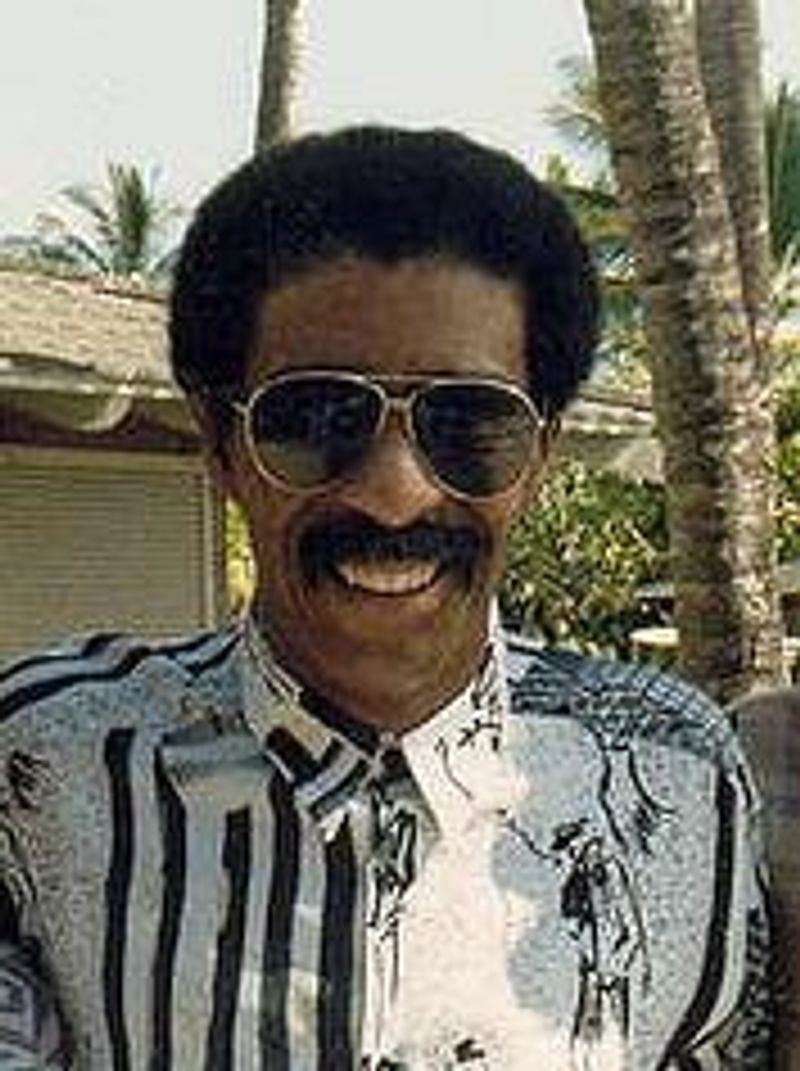
Richard Pryor plays a man literally purchased as a plaything for a wealthy white child in this comedy that makes viewers squirm.
Pryor’s talent deserved better material than this uncomfortable premise. Though intended to critique wealth and privilege, the execution undermines any meaningful message about race and power.
10. Weird Science (1985)
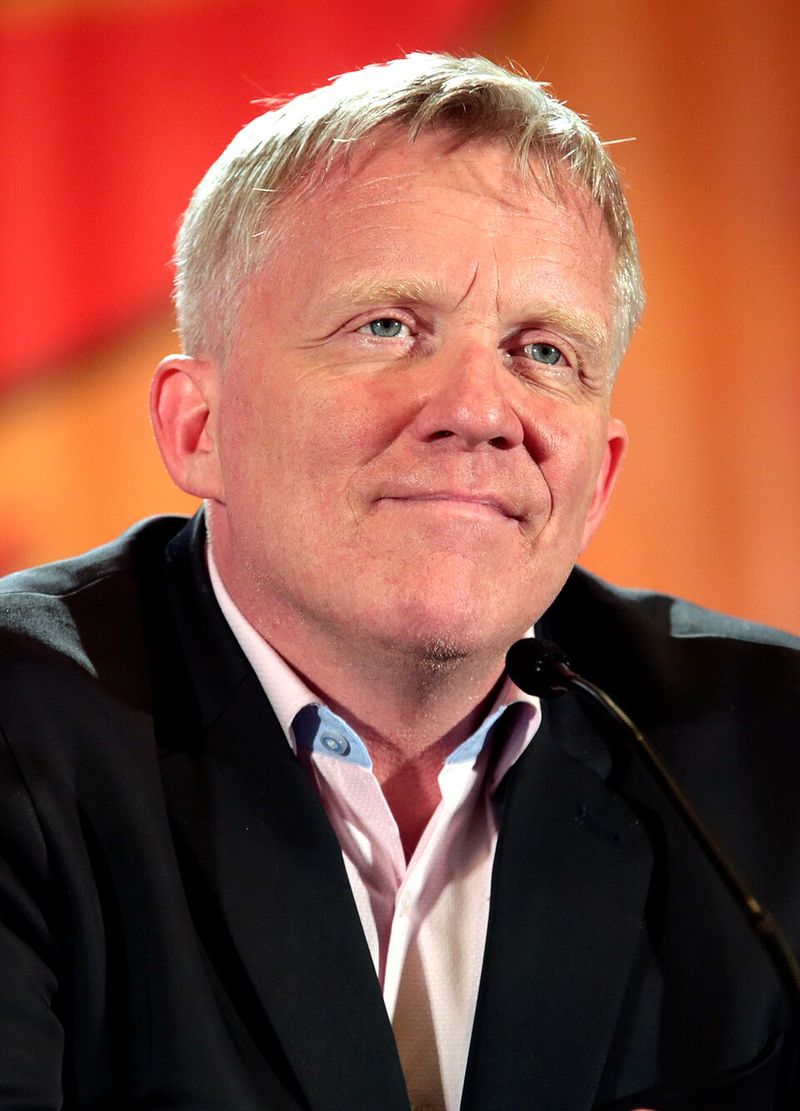
Two awkward teens use a computer to conjure their perfect woman, treating her more like a video game character than a person.
Where the film sees empowerment for the boys, modern eyes spot objectification.
Creating an idealized woman through technology to avoid actual human connection sends troubling messages about relationships and respect.
11. Overboard (1987)

Kurt Russell’s character tricks an amnesiac woman into believing she’s his wife and unpaid housekeeper. Played for laughs, the setup actually depicts kidnapping, gaslighting, and coerced labor.
Goldie Hawn’s charm can’t disguise the creepy foundation of this romantic comedy.
What eventually becomes genuine affection starts with manipulation that would land someone in jail rather than a happy ending today.
12. St. Elmo’s Fire (1985)
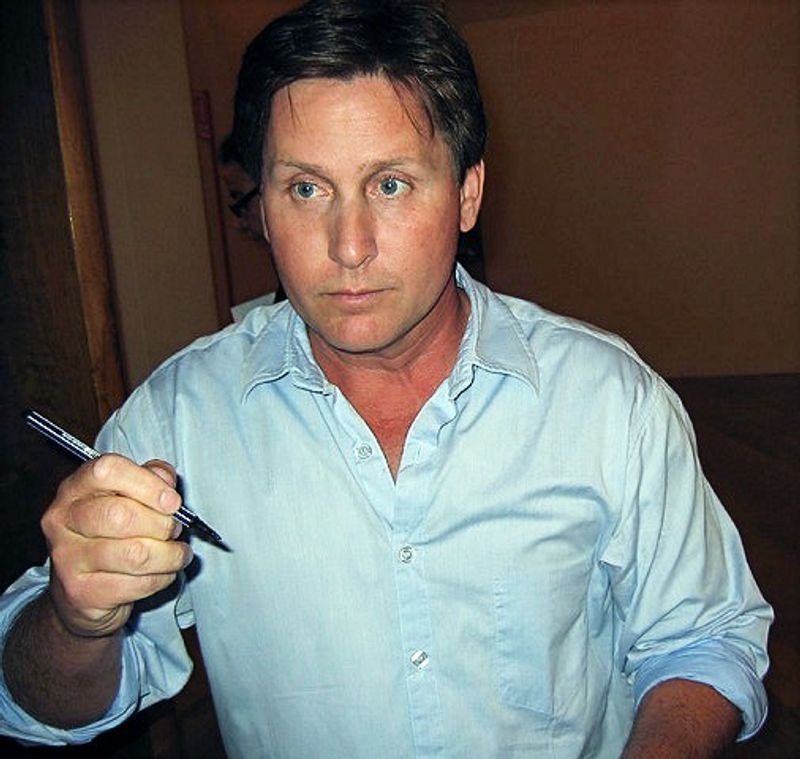
Billy’s obsessive pursuit of his ex-girlfriend crosses into stalking territory, yet the film treats his behavior as passionate rather than predatory. Other characters enable his harassment instead of calling it out.
Brat Pack charm can’t smooth over the disturbing relationship dynamics on display.
13. Bachelor Party (1984)
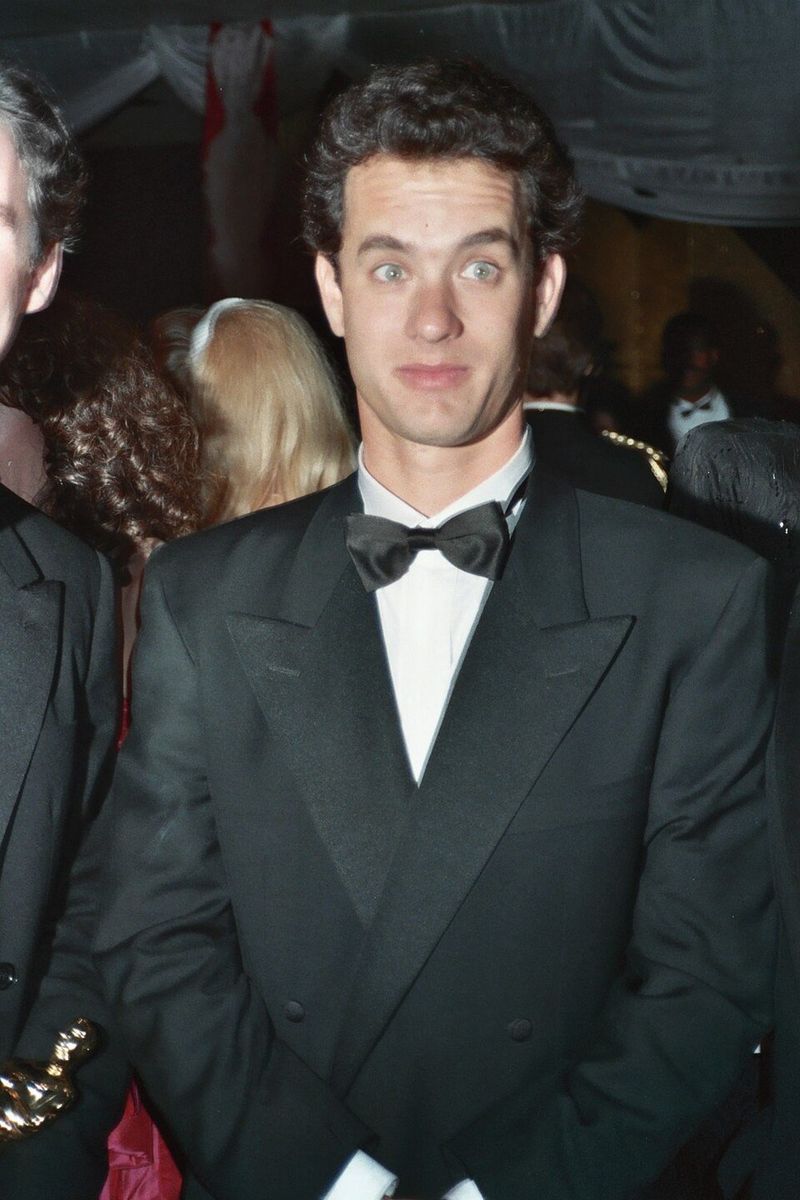
Tom Hanks’ early comedy career includes this raunchy celebration of misogyny disguised as harmless fun. Women exist as objects for jokes rather than characters with depth or agency.
Crude humor dominates every scene, with punchlines that punch down rather than up. What passed for edgy comedy in the mid-’80s now reads as mean-spirited and disrespectful toward half the population.
14. Mannequin (1987)

Andrew McCarthy falls for a living mannequin in this fantasy romance, but the film’s portrayal of Meshach Taylor’s character Hollywood draws criticism.
Coded as flamboyantly gay, Hollywood becomes a walking stereotype rather than a fully realized person.
Though Taylor brings warmth to the role, the writing reduces him to outdated clichés. Gender and sexuality comedy from this era often prioritized cheap laughs over authentic representation.
15. Ghostbusters (1984)
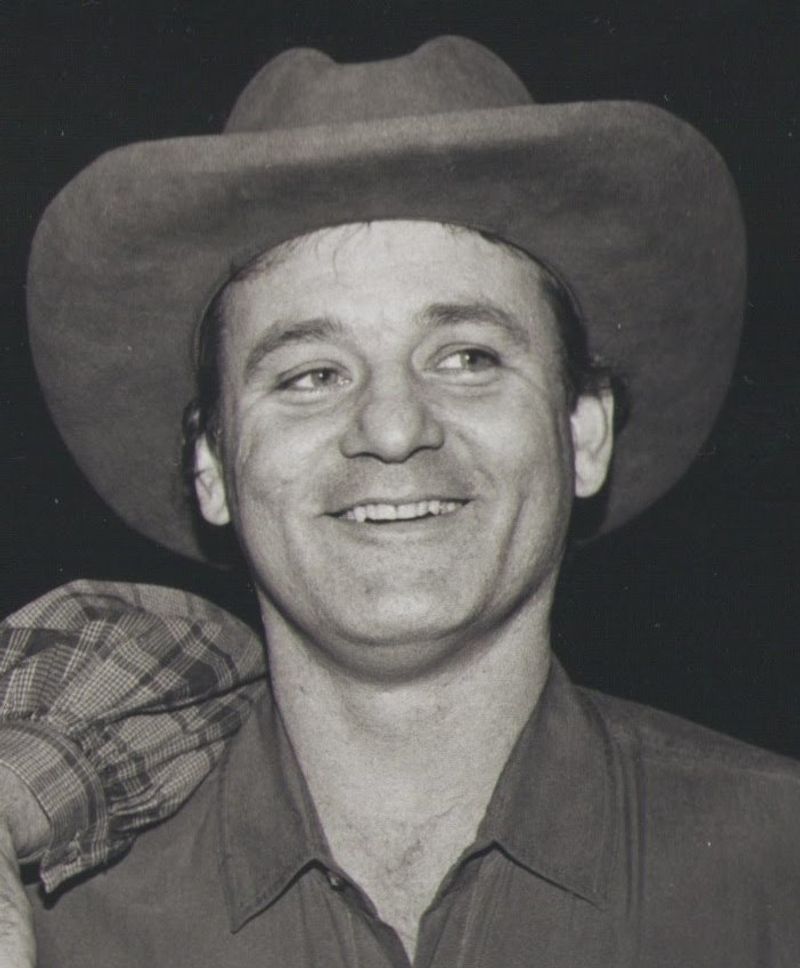
Bill Murray’s character kisses Sigourney Weaver while she’s possessed and unconscious, framing supernatural assault as romance.
The movie never questions whether this moment crosses ethical lines.
Brilliant special effects and quotable dialogue can’t erase consent problems baked into the plot.