10 Processed Foods That Can Be Part Of A Healthy Diet
When you hear “processed foods,” images of neon-colored snacks or mystery meat might spring to mind. The truth is, not all processed foods deserve that reputation.
Some are surprisingly nutritious, save valuable time in the kitchen, and still support your health goals. Frozen vegetables, for instance, often retain more vitamins than fresh produce that’s traveled long distances, while canned beans are a fiber-packed, protein-rich pantry hero.
Whole-grain cereals, nut butters, and even certain pre-cooked grains can make meal prep easier without compromising quality. These ten options highlight how convenience and nutrition can work together, helping you create balanced, delicious meals without stress.
Using smartly chosen processed foods can turn weeknight dinners, quick lunches, and last-minute snacks into effortless wins. Explore these ten options and see how making simple swaps can boost flavor, save time, and keep your plate both satisfying and wholesome.
1. Frozen Fruits and Vegetables
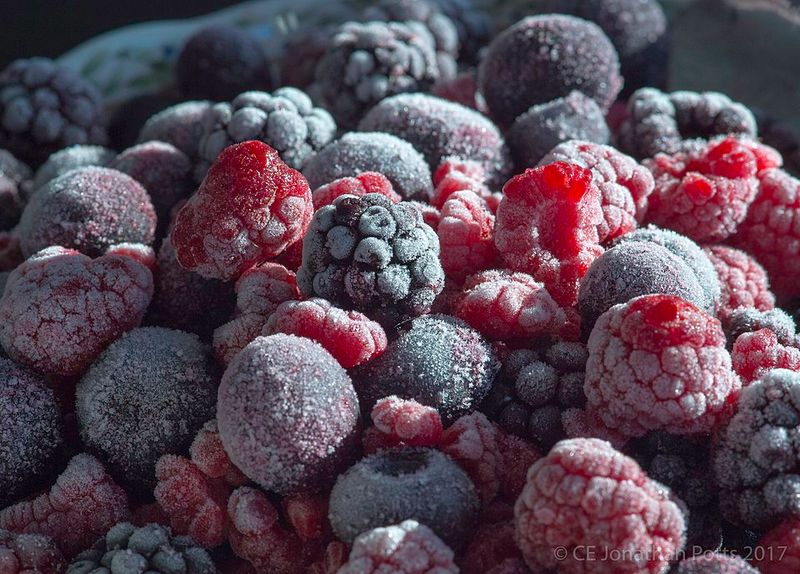
Ever wonder why frozen produce sometimes beats fresh at the nutrition game? Here’s the secret: fruits and veggies destined for the freezer get picked at their absolute peak ripeness.
Within hours, they’re flash-frozen, trapping all those vitamins and minerals inside like tiny nutritional time capsules.
Fresh produce, however, might spend days traveling from farm to store to your fridge, slowly losing nutrients along the way. Frozen options also eliminate the guilt of tossing wilted spinach you forgot about.
Plus, they’re already prepped, which means less chopping and more time for actually enjoying your meal.
Stock your freezer with mixed berries for smoothies, broccoli florets for stir-fries, and spinach for pasta dishes. Just saying, your future self will thank you when dinner needs to happen fast.
2. Canned Beans

Think canned beans are just boring backup food? Think again.
These protein-packed powerhouses deliver about 15 grams of protein and 13 grams of fiber per cup, making them nutrition superheroes in disguise. Whether you’re team black bean, chickpea squad, or kidney bean crew, you’re getting plant-based goodness that supports everything from muscle health to digestive happiness.
The sodium concern is real but totally manageable. Rinsing canned beans under cold water for 30 seconds can slash sodium content by up to 40 percent.
Better yet, hunt for no-salt-added versions at the store.
Toss them into salads, blend them into hummus, or mash them for veggie burgers. However you use them, canned beans prove that healthy eating doesn’t require hours of soaking and simmering.
3. Greek Yogurt

If yogurt were a superhero, Greek yogurt would definitely wear the cape. This creamy wonder packs nearly double the protein of regular yogurt, typically delivering 15 to 20 grams per serving.
Those friendly bacteria called probiotics also make Greek yogurt a gut-health champion, helping your digestive system run smoother than a well-oiled machine.
Though the tangy flavor takes some getting used to, plain unsweetened Greek yogurt lets you control the sweetness level. Flavored varieties often sneak in more sugar than a candy bar, so reading labels becomes your superpower here.
Mix it with fresh fruit and a drizzle of honey for breakfast, use it as a sour cream substitute in tacos, or blend it into smoothies for extra creaminess. Your taste buds and your body will high-five you.
4. Whole-Grain Bread
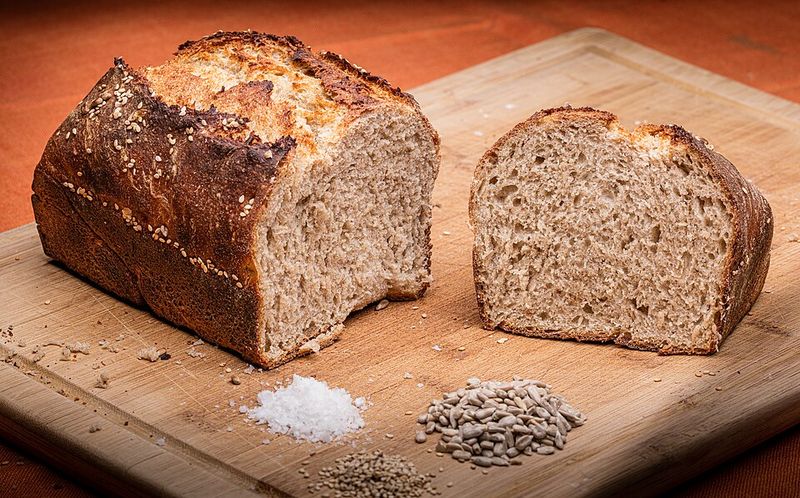
Not all bread is created equal, and whole-grain varieties prove it. Unlike their white bread cousins that get stripped of nutrients during processing, whole-grain loaves keep the bran and germ intact.
That means you’re getting fiber, B vitamins, iron, and magnesium with every sandwich you build.
The label-reading game matters here big time. Look for breads listing 100 percent whole wheat or whole grain as the very first ingredient.
If enriched flour or wheat flour tops the list, you’re basically getting white bread in disguise wearing a healthy costume.
Toast it for breakfast with avocado, use it for hearty sandwiches, or cube it for homemade croutons. Whole-grain bread turns everyday meals into opportunities to fuel your body right, one delicious slice at a time.
5. Canned Tomatoes

Plot twist: canned tomatoes might actually beat fresh ones in the nutrition department. The canning process heats tomatoes, which breaks down cell walls and releases more lycopene, a powerful antioxidant linked to heart health and reduced cancer risk.
Science basically gave canned tomatoes a nutritional upgrade.
These pantry staples shine brightest in cooked dishes anyway. Whether you’re making marinara sauce, chili, or soup, canned tomatoes deliver consistent flavor year-round without the hassle of blanching and peeling fresh ones.
Low-sodium versions let you control the salt situation in your recipes.
Keep crushed, diced, and whole varieties stocked for different cooking adventures. From quick weeknight pasta to slow-simmered stews, canned tomatoes prove that convenient can absolutely mean nutritious.
Your inner Italian chef will definitely approve.
6. Frozen Fish

Swimming against the current of fresh-is-always-better thinking, frozen fish deserves major respect. Most frozen fish gets flash-frozen right on the boat or at the processing facility within hours of being caught.
That means nutrients like omega-3 fatty acids stay locked in, and the fish often tastes fresher than fresh fish that’s been sitting around for days.
Salmon, tuna, and cod pack heart-healthy omega-3s that support brain function and reduce inflammation. Skip the breaded or sauce-covered varieties though, since those additions usually bring unwanted calories, sodium, and processed ingredients to the party.
Thaw frozen fish in the fridge overnight, then bake, grill, or pan-sear it for an easy protein-packed dinner. With frozen fish in your freezer, healthy eating never needs to feel fishy or complicated.
7. Nuts and Seeds
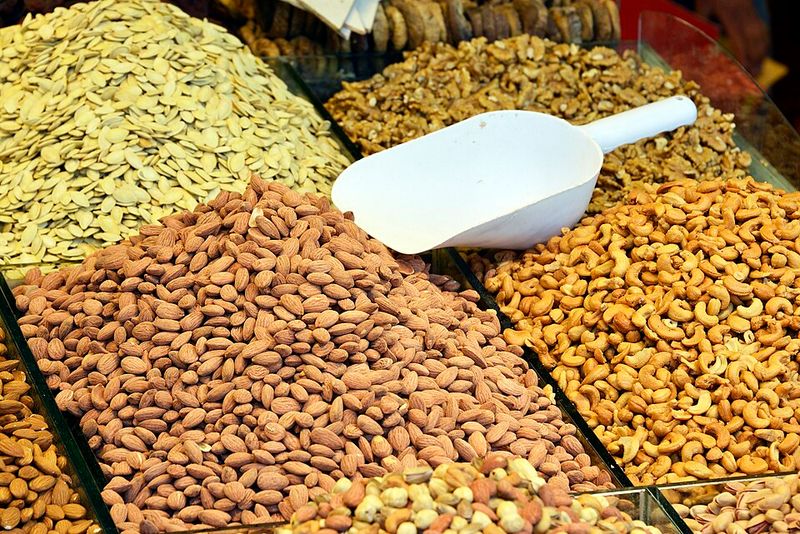
These tiny nutritional dynamos punch way above their weight class. Almonds, walnuts, chia seeds, and their crunchy cousins deliver healthy fats that actually help your heart, plus protein, fiber, and minerals like magnesium and zinc.
Just one ounce of almonds packs six grams of protein and four grams of fiber.
The processing here is minimal: roasting, packaging, and maybe a little chopping. Skip the honey-roasted or heavily salted versions, since those additions can turn a healthy snack into a sugar-and-sodium bomb.
Plain, unsalted nuts and seeds let you taste the natural flavors without the nutritional baggage.
Sprinkle them on yogurt, toss them into salads, blend them into smoothies, or just grab a handful for a satisfying snack. Though calorie-dense, nuts and seeds keep you fuller longer than most snacks could ever dream of doing.
8. Canned Tuna
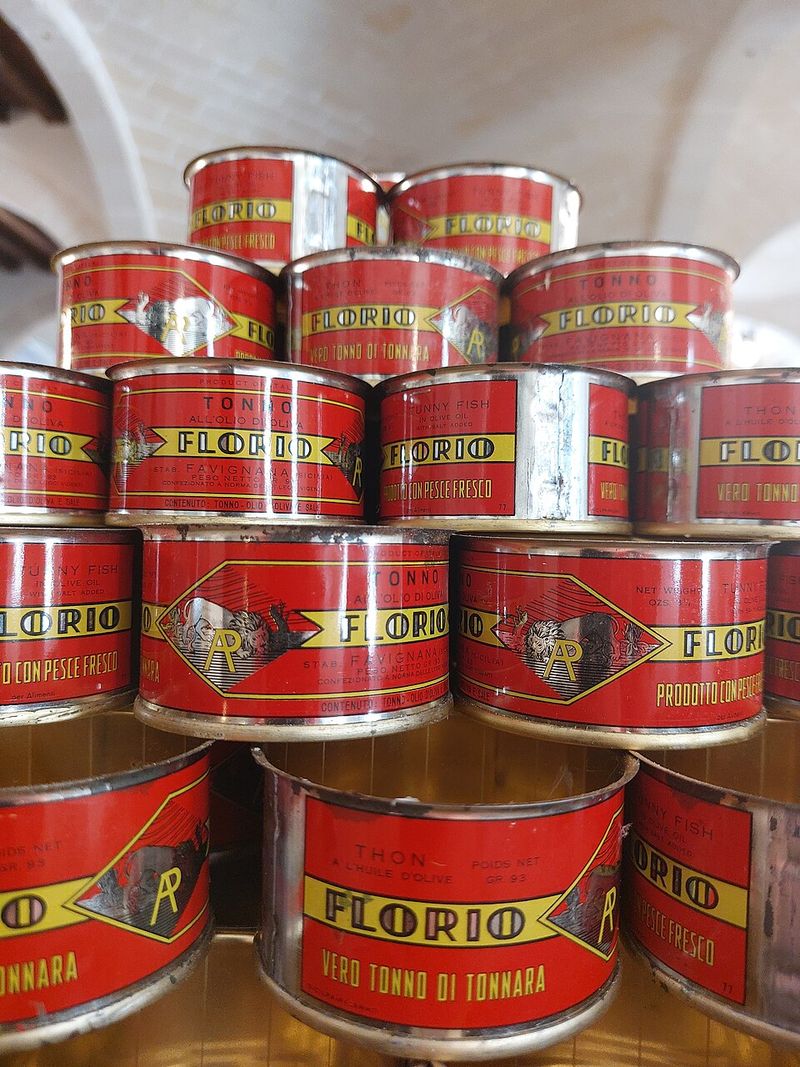
Before you dismiss canned tuna as boring lunch meat, consider this: it’s one of the most affordable sources of lean protein and omega-3 fatty acids you can find. A single can delivers about 25 grams of protein and costs less than most fancy coffee drinks.
Talk about budget-friendly nutrition that doesn’t skimp on quality.
Choosing tuna packed in water instead of oil cuts unnecessary calories while keeping all the good stuff intact. Look for labels mentioning lower mercury levels if you’re eating tuna regularly, and no-salt-added versions help keep sodium in check.
Mix it with Greek yogurt and celery for a lighter tuna salad, stuff it into whole-grain pitas, or toss it with pasta and veggies. Canned tuna transforms from pantry afterthought to meal-planning MVP faster than you can say dolphin-safe.
9. Frozen Whole-Grain Pasta
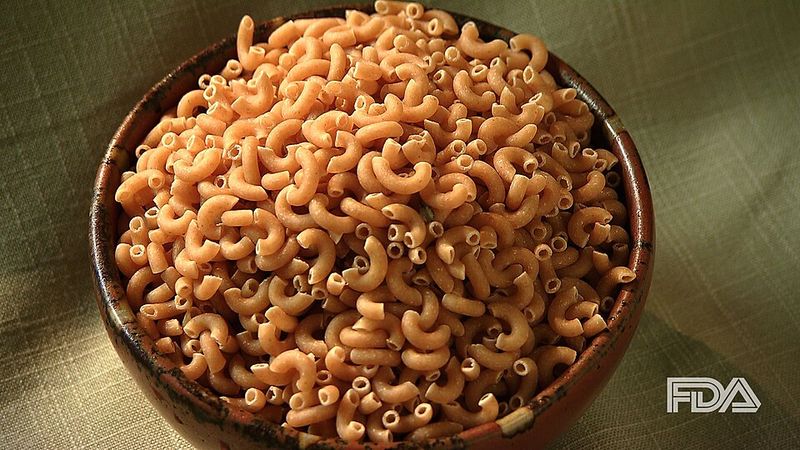
Who says convenience foods can’t be nutritious? Frozen whole-grain pasta brings together the fiber and nutrients of whole grains with the speed of microwave cooking.
Unlike regular refined pasta that spikes your blood sugar and leaves you hungry an hour later, whole-grain versions provide steady energy that actually lasts through your afternoon.
The freezing process preserves the pasta’s texture and nutritional value while giving you portion-controlled servings. Just avoid varieties swimming in creamy sauces or loaded with sodium, since those additions can quickly cancel out the health benefits you’re going for.
Steam a bag for a quick lunch base, then top it with canned tomatoes and frozen veggies for a complete meal in minutes. When time is tight but nutrition still matters, frozen whole-grain pasta saves the day without sacrificing your health goals one bit.
10. Canned Fruit in Water
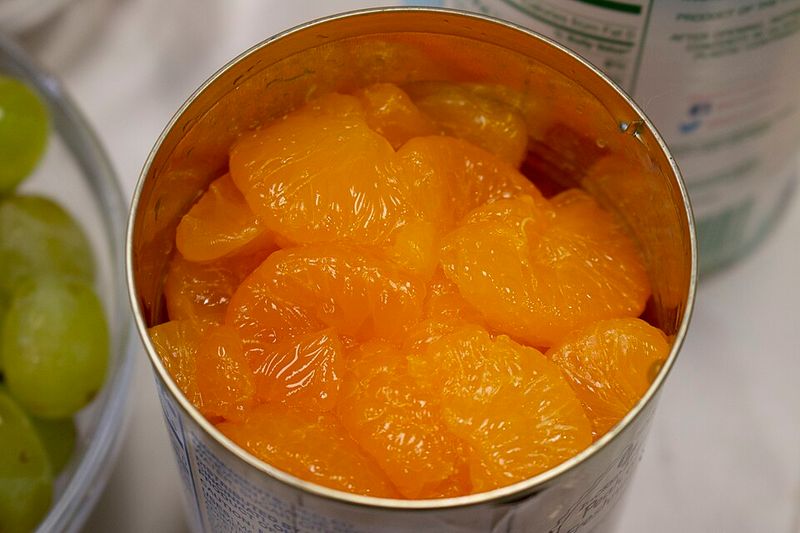
When fresh fruit season ends or your bananas go brown before you can eat them, canned fruit packed in water swoops in like a nutritional backup dancer. The canning process happens quickly after harvest, so vitamins and minerals stick around better than you might expect.
Peaches, pears, and pineapple all make excellent canned choices.
The catch? Fruit canned in heavy syrup basically becomes dessert with all that added sugar.
Water-packed or juice-packed varieties keep things naturally sweet without the sugar overload. Reading labels takes two seconds and saves you from accidentally drinking a soda’s worth of added sweetness.
Top your morning oatmeal with canned peaches, blend pineapple into smoothies, or mix different fruits for a quick fruit salad. Canned fruit proves that eating your daily servings doesn’t require perfect timing or frequent grocery trips.
Pretty sweet deal, right?