9 Psychedelic Rock Bands From The ’60s And ’70s Most People Forgot
Rock history is full of bands that burned bright for a moment, then vanished into the fog of time.
While everyone remembers giants like Pink Floyd and The Doors, countless other groups crafted mind-bending sounds that pushed musical boundaries in ways most people never heard.
The psychedelic era of the sixties and seventies gave birth to experimental bands whose albums now sit forgotten in dusty record bins, waiting to be rediscovered by curious ears.
1. Ultimate Spinach
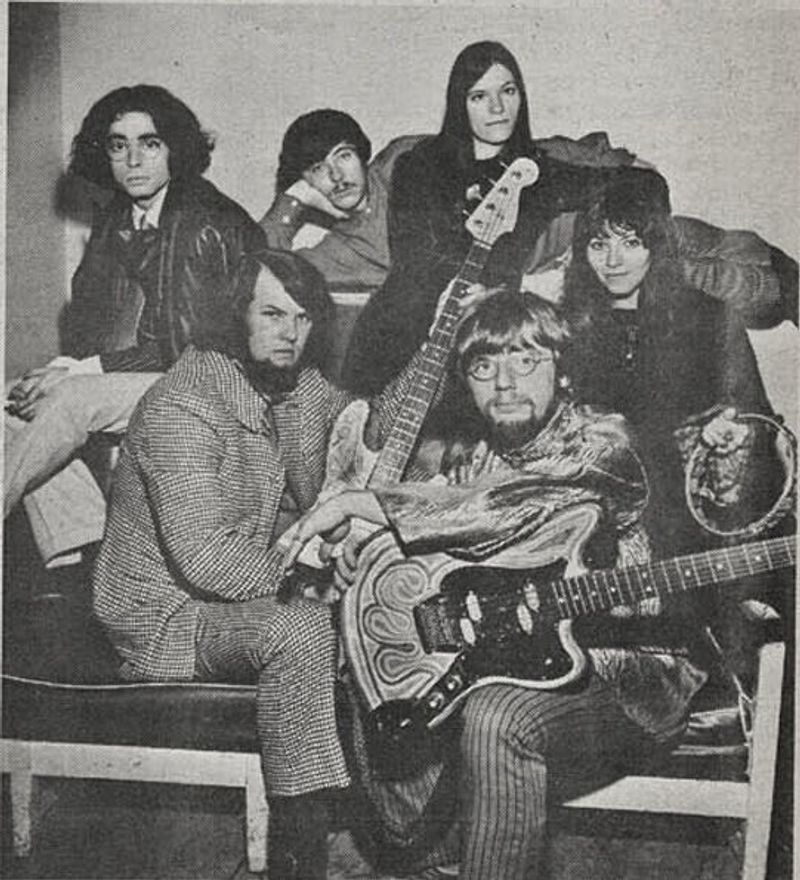
Boston’s answer to San Francisco’s Summer of Love came wrapped in swirling organ sounds and mystical lyrics that felt like a fever dream.
This group emerged from the infamous Bosstown Sound marketing campaign, which tried to manufacture a music scene overnight.
Their 1968 self-titled debut album featured lengthy instrumental passages and poetic imagery that critics either loved or dismissed as pretentious.
Though commercial success eluded them, their ambitious approach to songwriting influenced countless underground musicians who discovered their records years later.
2. The Peanut Butter Conspiracy
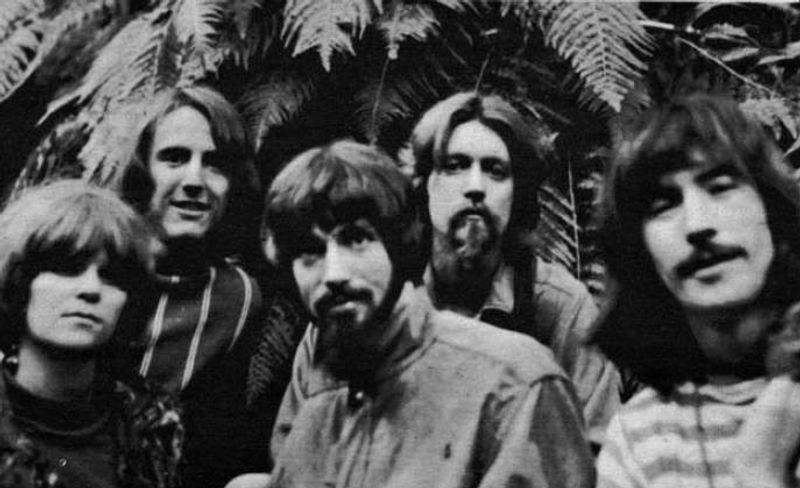
Despite having one of the most ridiculous band names in rock history, this Los Angeles group crafted sophisticated pop-psych that deserved way more attention than it received.
Female vocalist Barbara Robison brought a folk-rock sensibility to their trippy arrangements.
Their sound mixed jangly guitars with subtle psychedelic touches, creating something catchier than most experimental bands but weirder than mainstream pop.
Several lineup changes and label troubles kept them from breaking through, though their albums have become prized possessions among collectors who appreciate their melodic approach.
3. The Blues Magoos
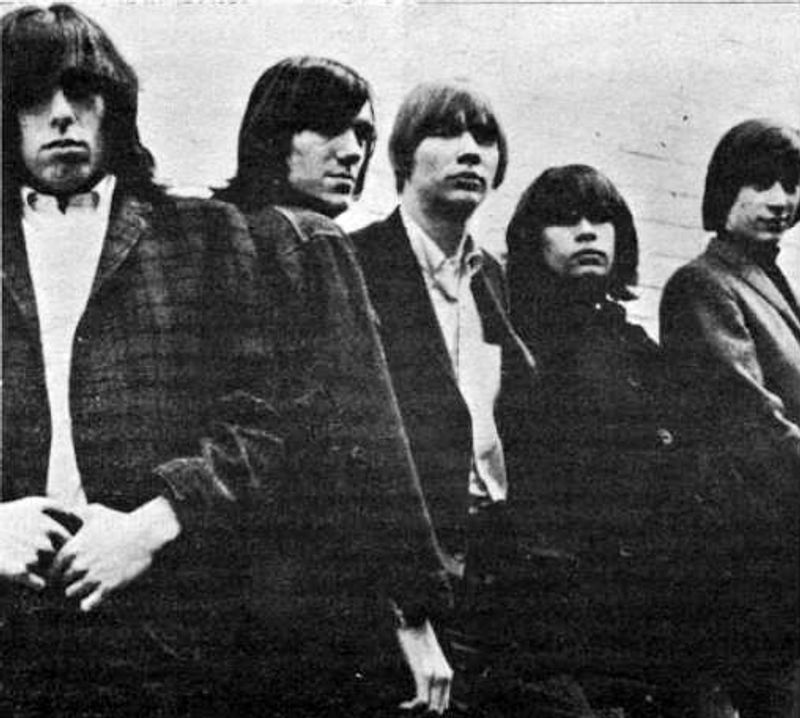
Picture electric suits covered in lightbulbs, and you’ll understand why The Blues Magoos looked as wild as they sounded.
This Bronx-born quintet scored a Top 5 hit with their 1966 single about having nothing, which featured fuzzy guitars and swirling organ.
Though that song brought them brief fame, their subsequent albums dove deeper into experimental territory that radio stations wouldn’t touch.
Their pioneering use of psychedelic effects and proto-punk energy makes them unsung heroes of the genre, even if most people only remember that one catchy tune.
4. The Chocolate Watchband
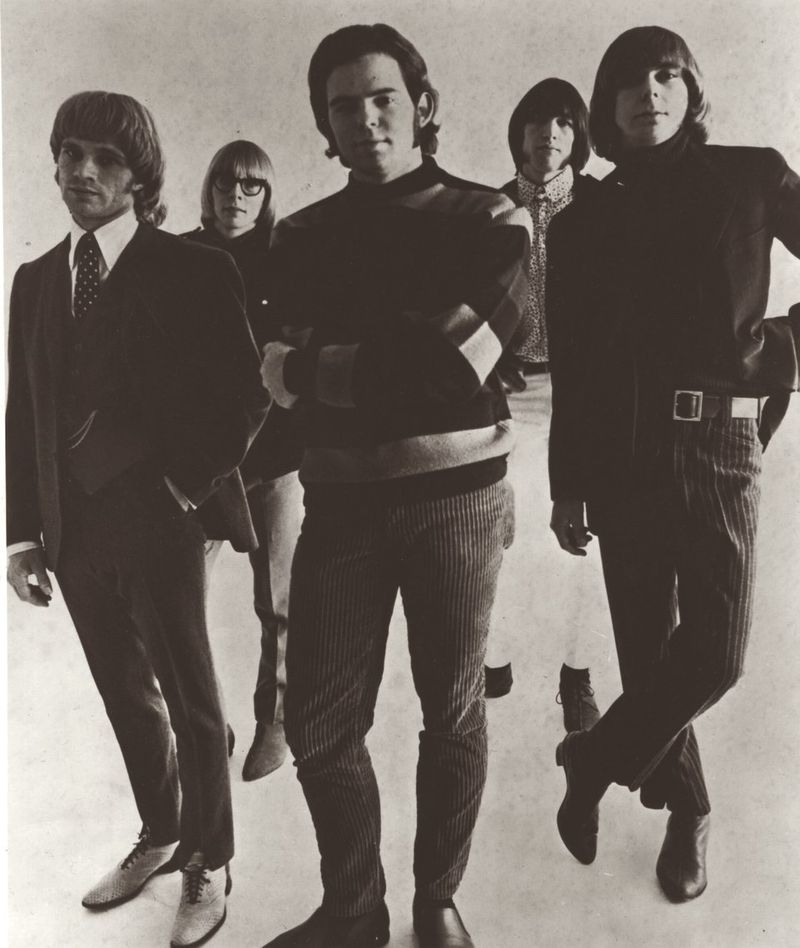
If garage rock and psychedelia had a wild child, it would be this San Jose band that refused to mellow out even when everyone else was preaching peace and love.
Their sound combined raw garage energy with trippy effects that felt dangerous.
Lead singer David Aguilar’s Jagger-like swagger and the band’s aggressive approach made them stand out in California’s crowded scene.
Record label interference and disputes over their musical direction kept them from reaching their full potential, but their handful of recordings remain fierce examples of psychedelic rock’s harder edge.
5. The Electric Prunes
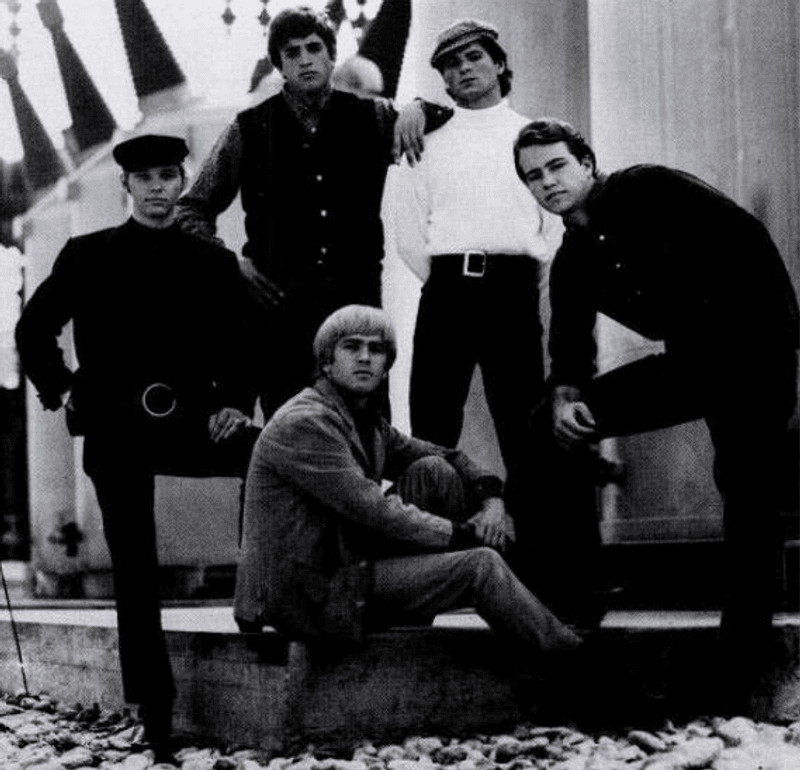
When your producer forces you to record a psychedelic Mass in an Attic composed by classical musicians, your career takes a strange turn.
This Seattle-formed, Los Angeles-based group started with garage-rock hits before their label pushed them into increasingly bizarre territory.
Their early singles featured catchy hooks and fuzzy guitars, but later albums became experimental religious rock operas that confused fans and band members alike.
Despite the weirdness, their influence on psychedelic music remains undeniable, even if their story reads like a cautionary tale about artistic control.
6. The Misunderstood
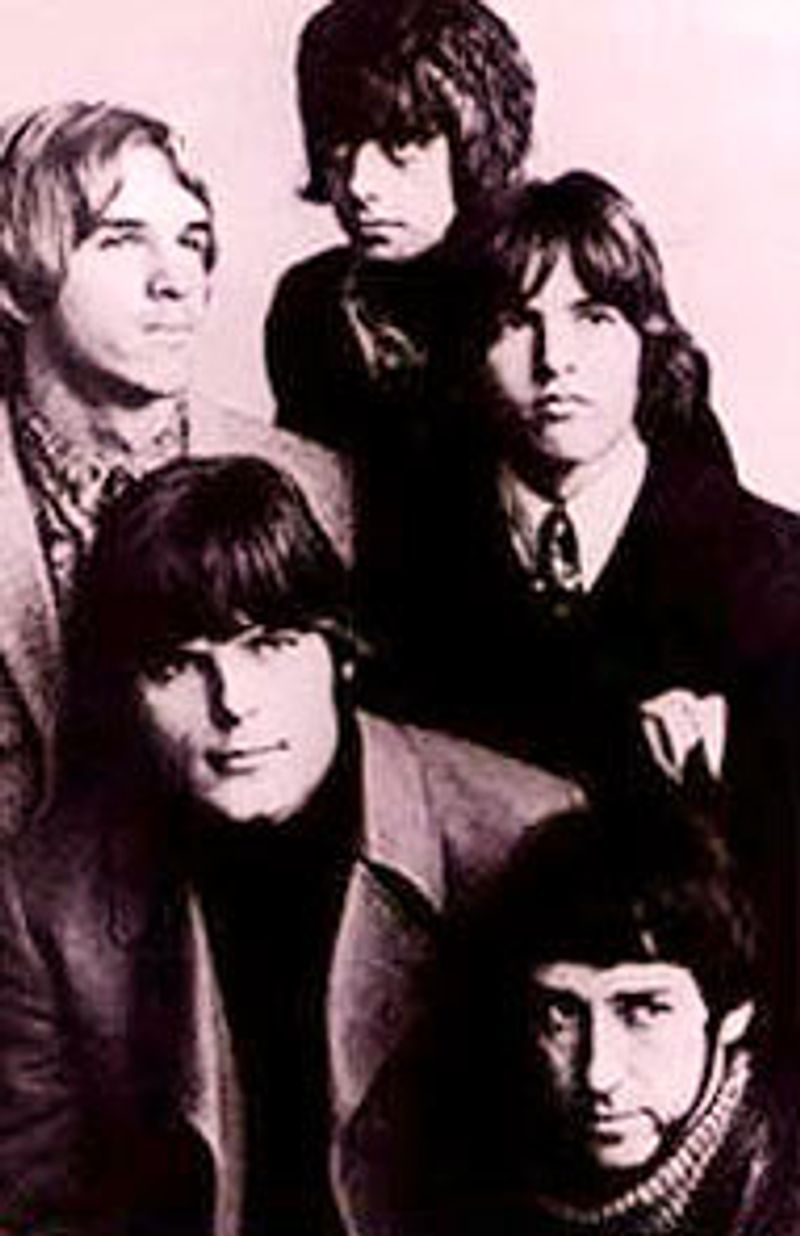
Born in Riverside, California, this band relocated to London in 1966, where they recorded groundbreaking tracks that pioneered the use of steel guitar in psychedelic rock.
Their song about the sun featured innovative techniques that influenced countless British musicians.
Tragically, just as they were gaining momentum in the UK scene, the draft called their steel guitarist back to America, effectively ending the band.
Their tiny catalog of recordings has achieved legendary status among collectors, who recognize them as innovators whose potential was cut short by terrible timing and worse luck.
7. Kaleidoscope (US)
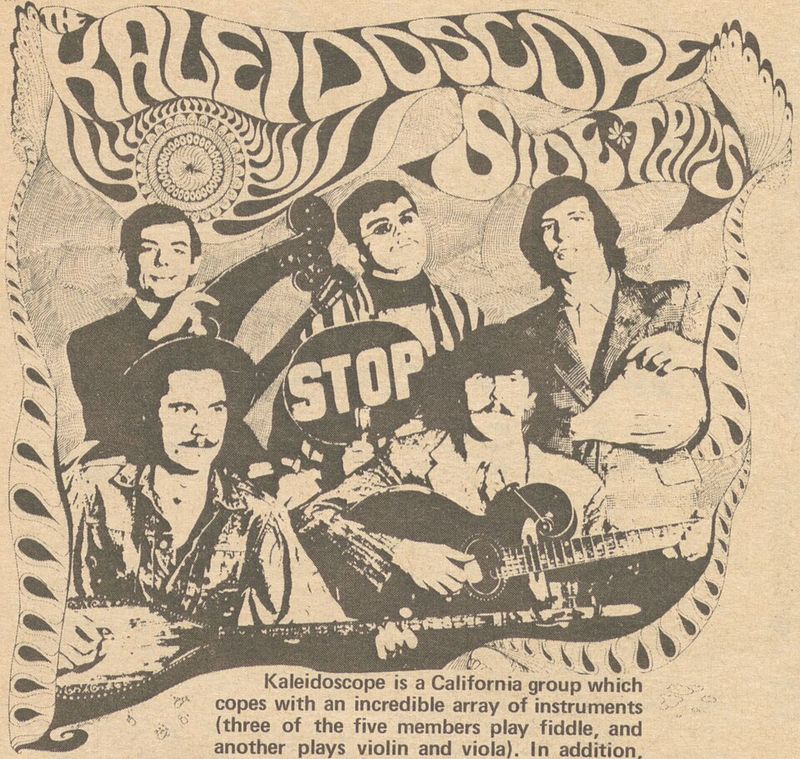
This Los Angeles version of Kaleidoscope was creating their own brand of psychedelic folk-rock that mixed bluegrass, blues, and Middle Eastern music into something uniquely American.
Founder David Lindley would later become a respected session musician, but here he helped craft adventurous songs.
Their albums featured virtuosic musicianship and eclectic song choices that ranged from traditional folk covers to original compositions exploring diverse musical territories.
Though they built a devoted cult following, mainstream success eluded them, and they remain a band that serious music fans discover and treasure.
8. Aphrodite’s Child
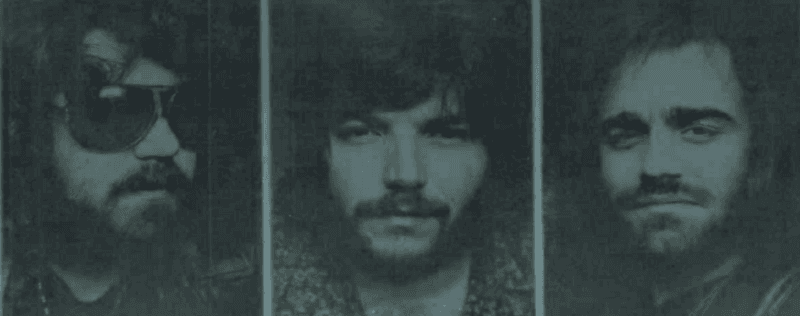
Before Vangelis composed movie soundtracks, he played keyboards in this Greek progressive-psych band that relocated to Paris to escape political turmoil at home.
Their early singles were catchy pop-psych, but their ambitious double album about the apocalypse pushed into experimental territory.
That concept album featured everything from heavy rock to avant-garde sound collages, confusing fans who expected more radio-friendly material.
9. Amon Düül II
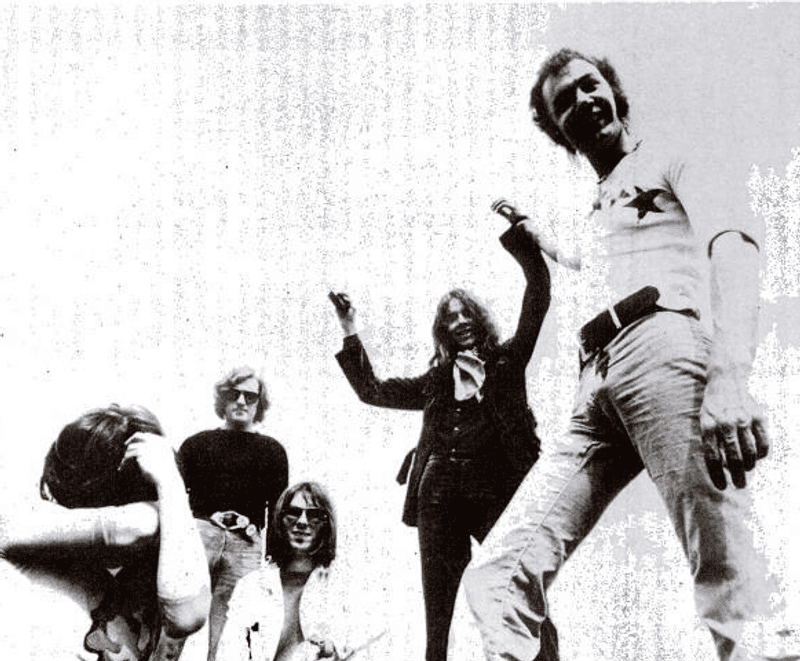
This Munich collective emerged from a commune and created some of the most experimental music of the psychedelic era.
Their sprawling double albums mixed improvisation, ethnic influences, and rock energy into unpredictable sonic adventures.
Unlike their more structured British and American counterparts, they embraced chaos and spontaneity, creating music that felt genuinely wild and untamed.
International recognition came slowly, and by the time critics outside Germany appreciated their innovations, the psychedelic moment had passed, leaving them as influential but overlooked.