A Nutritional Comparison Of Pumpkin Pie And Sweet Potato Pie
When the holidays roll around, two classic desserts battle it out for the title of table champion: pumpkin pie and sweet potato pie.
Both look delicious, taste amazing, and carry that warm, spiced flavor we all crave during fall and winter.
But if you’re trying to make a healthier choice without sacrificing tradition, which one should you reach for?
The answer might surprise you, because while these pies seem similar, their nutritional profiles tell very different stories.
Disclaimer: The information in this article is for general guidance and cozy holiday curiosity only, not medical or dietary advice.
Nutrition can vary widely based on recipe, portion size, and ingredients, so your slice of pie may be very different from the averages mentioned here.
Always consult a healthcare professional or registered dietitian for advice tailored to your specific health needs – and remember, enjoying a festive treat in moderation is part of a balanced life.
1. The Calorie Showdown: Pumpkin Pie Takes The Lead
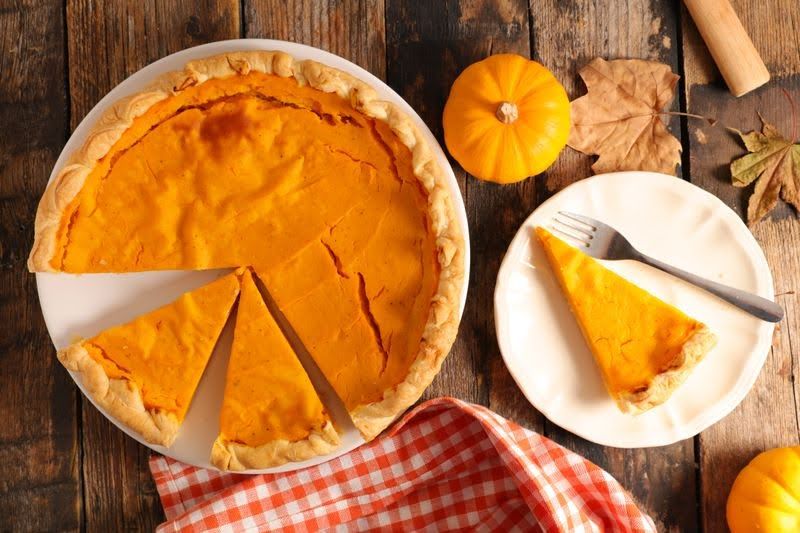
Calories matter, especially when you’re planning to enjoy multiple slices during the holiday season.
Pumpkin pie clocks in at approximately 320 calories per slice, making it the lighter option of the two.
Sweet potato pie, on the other hand, packs around 380 calories per slice, that’s 60 more calories!
The difference comes from the natural density of sweet potatoes compared to pumpkin.
Pumpkins contain more water, which dilutes the calorie count without sacrificing flavor.
Sweet potatoes are denser and starchier, which means more calories packed into every bite.
If you’re watching your calorie intake but still want to indulge, pumpkin pie is your superhero.
Just saying, those 60 calories might not seem like much, but they add up faster than you think, especially when Aunt Linda insists you have seconds.
So if you’re counting calories this Thanksgiving, pumpkin pie wins this round hands down.
But remember, calories aren’t the whole story nutrition matters too!
Keep reading to see how these pies stack up in other categories.
2. Sugar Rush: Which Pie Is Sweeter?
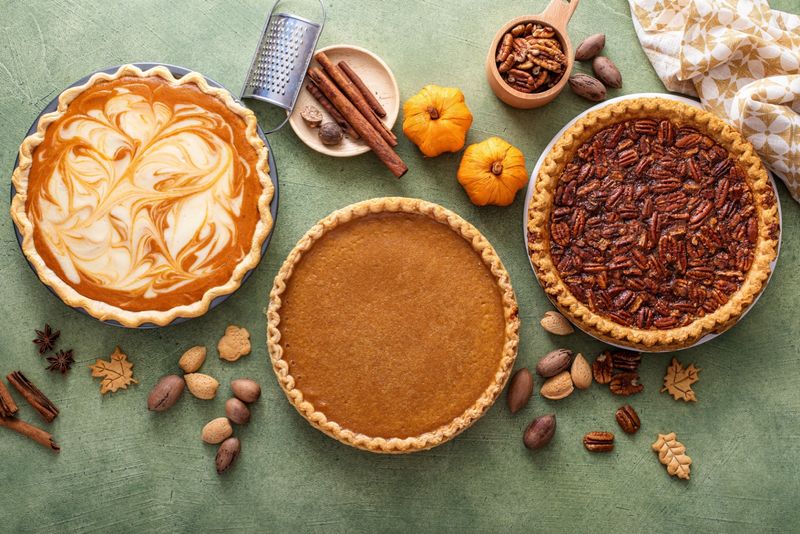
Sugar content can make or break your healthy eating goals.
Sweet potato pie typically contains more sugar than pumpkin pie in traditional recipes.
This is because sweet potatoes are naturally sweeter, but bakers often add even more sugar to enhance that caramel-like flavor.
Pumpkin, while delicious, has a more neutral taste that requires less added sugar to achieve that perfect sweetness.
On average, a slice of sweet potato pie can have up to 10 grams more sugar than pumpkin pie.
That’s like adding two extra teaspoons of sugar to your dessert!
For anyone managing diabetes or trying to reduce sugar intake, this difference is huge.
Pumpkin pie’s lower sugar content means fewer blood sugar spikes and crashes.
Think of it like choosing between a gentle wave and a sugar tsunami.
Your body will thank you for picking the calmer option.
Plus, less sugar means you can actually taste the warm spices like cinnamon, nutmeg, and ginger.
So if you’re team #LessSugar, pumpkin pie is definitely your sidekick.
3. Fiber Fight: The Digestive Health Champion

Fiber is like the unsung hero of nutrition, it keeps everything running smoothly.
Sweet potato pie contains approximately 3 grams of fiber per slice.
Pumpkin pie offers about 2 grams of fiber per slice.
That extra gram might not sound like much, but it makes a real difference for your digestive system.
Fiber helps regulate blood sugar levels, keeps you feeling full longer, and supports healthy digestion.
Sweet potatoes naturally pack more fiber because they’re denser and have more complex carbohydrates.
If you struggle with staying satisfied after dessert, sweet potato pie will keep you fuller.
Pumpkin pie, while still providing decent fiber, doesn’t quite measure up in this category.
Think of fiber as the friendly neighborhood sidekick that helps your gut stay happy.
More fiber means less hunger pangs an hour after dessert.
It also means better bathroom habits, sorry, but someone had to say it!
So in the fiber fight, sweet potato pie lands a solid punch and takes home the trophy.
4. Vitamin A Showdown: Sweet Potato Steals The Spotlight

Vitamin A is essential for healthy vision, immune function, and glowing skin.
Sweet potato pie absolutely dominates this category with about 280% of your daily value per slice.
Pumpkin pie offers a respectable 200% of the daily value.
Both numbers are impressive, but sweet potato pie is basically a vitamin A powerhouse wearing a dessert disguise.
The secret lies in beta-carotene, the compound that gives both pies their gorgeous orange color.
Sweet potatoes contain significantly more beta-carotene than pumpkins.
Your body converts beta-carotene into vitamin A, which supports everything from night vision to fighting off colds.
If you’re looking to boost your immune system during flu season, sweet potato pie is your edible shield.
Plus, vitamin A helps maintain healthy skin, think of it as dessert that doubles as a beauty treatment.
Pumpkin pie still provides plenty of vitamin A, so you’re not missing out completely.
But if you want maximum nutritional bang for your buck, sweet potato pie wins this round like a superhero saving the day.
5. Fat Facts: Understanding The Creamy Difference
Fat content in pies depends heavily on the recipe, especially the type of milk or cream used.
Sweet potato pie recipes often call for heavy cream, butter, and sometimes even condensed milk.
This creates that rich, velvety texture everyone loves but also adds significant fat content.
Pumpkin pie typically uses evaporated milk, which is lighter than heavy cream.
The result? Pumpkin pie generally contains less total fat per slice.
On average, sweet potato pie can have 2-4 grams more fat than pumpkin pie.
Not all fats are evil, though, some are actually good for your heart and brain.
But when you’re watching your fat intake, those extra grams add up quickly.
The type of fat matters too: saturated fats from cream and butter can raise cholesterol levels.
Pumpkin pie’s lighter dairy base means less saturated fat overall.
If you’re team heart-healthy, pumpkin pie is the smarter choice.
But honestly, both pies taste incredible, so pick your battle wisely based on your health goals!
6. Water Content: Why Pumpkin Pie Feels Lighter
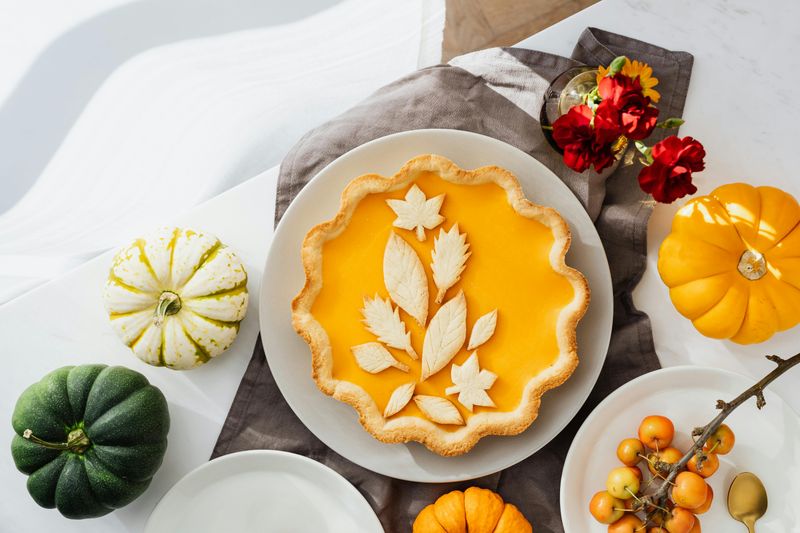
Ever wonder why pumpkin pie feels lighter and less filling than sweet potato pie?
The answer lies in water content.
Pumpkins are naturally packed with water, up to 90% of their weight is pure H2O.
Sweet potatoes, while still hydrating, contain significantly less water and more starch.
This higher water content in pumpkins translates to lower calorie density in the pie.
Calorie density is a fancy way of saying how many calories are packed into each bite.
Foods with high water content fill you up without loading you down with calories.
That’s why you can enjoy a generous slice of pumpkin pie without feeling like you need a nap afterward.
Sweet potato pie, being denser, sits heavier in your stomach.
It’s like comparing a fluffy cloud to a cozy weighted blanket; both are great, but they feel totally different.
If you’re looking for a dessert that won’t leave you uncomfortably stuffed, pumpkin pie is your go-to.
Plus, that extra water helps keep you hydrated during all those holiday festivities!
7. Glycemic Index: Blood Sugar Impact Revealed
The glycemic index measures how quickly foods raise your blood sugar levels.
This matters big time if you have diabetes or are watching your blood sugar.
Sweet potato pie has a higher glycemic index, meaning it causes faster blood sugar spikes.
Pumpkin pie has a lower glycemic index, resulting in a slower, more gradual rise in blood sugar.
The difference comes from the natural sugar content and starch composition of each ingredient.
Sweet potatoes are packed with fast-digesting starches that your body breaks down quickly.
Pumpkin’s higher water content and fiber slow down digestion and sugar absorption.
If you’re trying to avoid that post-dessert sugar crash, pumpkin pie is definitely the safer bet.
Think of it like choosing between a rocket launch and a smooth airplane takeoff.
Sweet potato pie sends your blood sugar soaring fast, while pumpkin pie keeps things steady.
For anyone managing blood sugar levels, this difference is crucial and could affect how you feel hours after eating.
So pumpkin pie wins the blood sugar stability award!
8. Mineral Matchup: Potassium Versus Iron
Minerals might not get the spotlight like vitamins, but they’re absolutely essential for your health.
Sweet potato pie is significantly higher in potassium and manganese.
Potassium helps regulate blood pressure and supports heart health basically, it’s your cardiovascular system’s best friend.
One slice of sweet potato pie can provide a substantial portion of your daily potassium needs.
Pumpkin pie, meanwhile, contains more iron and selenium.
Iron is crucial for carrying oxygen in your blood and preventing anemia.
Selenium acts as an antioxidant, protecting your cells from damage.
So which one wins? It depends on what your body needs most.
If you’re concerned about heart health or blood pressure, sweet potato pie is your champion.
If you’re low on iron or want extra antioxidant protection, pumpkin pie has your back.
Both pies offer valuable minerals that support different body functions.
It’s like choosing between a shield and a sword, both are powerful, just in different ways!
9. Protein Power: A Surprising Tie
Protein might not be the first thing you think about when eating pie, but it’s still important.
Surprisingly, both pumpkin pie and sweet potato pie contain roughly the same amount of protein per slice.
Each typically offers around 4-6 grams of protein, depending on the recipe.
The protein comes mainly from eggs and dairy products used in the filling.
Neither pie is exactly a protein powerhouse, but they’re not completely lacking either.
Protein helps keep you satisfied and supports muscle maintenance and repair.
If you’re looking to boost the protein content, consider adding a dollop of Greek yogurt instead of whipped cream.
That simple swap can add an extra 5-10 grams of protein to your dessert.
Or enjoy your pie with a small handful of nuts on the side.
The bottom line? When it comes to protein, these two pies are basically twins.
Neither one wins or loses this category, it’s a perfectly balanced tie.
So you’ll need to look at other nutritional factors to make your final decision!
10. The Final Verdict: Which Pie Reigns Supreme?

After analyzing all the nutritional facts, it’s time to crown a winner.
Pumpkin pie is lower in calories, contains less sugar, has less fat, and boasts a lower glycemic index.
This makes it the better choice if you’re watching your weight or managing blood sugar levels.
Sweet potato pie, however, offers more fiber, significantly more vitamin A, and higher potassium content.
It’s the nutritional heavyweight champion when it comes to vitamins and minerals.
So which one is actually healthier? The answer depends on your personal health goals.
If you’re focused on calorie control and blood sugar management, pumpkin pie wins.
If you want maximum nutrients and don’t mind a few extra calories, sweet potato pie takes the crown.
Honestly, both pies can fit into a balanced diet when enjoyed in moderation.
The healthiest choice is the one that aligns with your specific nutritional needs.
Remember, food is meant to be enjoyed, not just analyzed under a microscope.
Pick the pie that makes your taste buds dance and your body feel good!
11. Healthier Pie Hacks: Making Either Choice Better
Want to enjoy your favorite pie without the guilt?
Try these simple, game-changing swaps.
First, reduce the sugar by at least one-third, you probably won’t even notice the difference.
Natural sweetness from the pumpkin or sweet potato shines through when you cut back on added sugar.
Next, use a thinner crust or skip the bottom crust entirely for a crustless version.
The crust is where most of the butter and extra calories hide.
Replace heavy cream with coconut milk, almond milk, or low-fat evaporated milk.
These lighter alternatives still create a creamy texture without all the saturated fat.
Add extra spices like cinnamon, nutmeg, and ginger to boost flavor without adding calories.
You can also experiment with whole wheat or almond flour crusts for added fiber and nutrients.
Top your slice with a small dollop of Greek yogurt instead of whipped cream.
These small changes can cut hundreds of calories while keeping all the delicious flavor.
Share your thoughts below about which pie you’re making healthier this holiday season!