R.E.M.’s 15 Studio Albums, From Murmur To Collapse Into Now
What does it sound like when a band quietly rewrites rock history?
R.E.M. turned college radio whispers into arena anthems, redefining alternative rock from 1983 to 2011 across fifteen studio albums.
From underground cult favorites to global icons, every record pushed the sound forward without losing that restless edge.
Fifteen albums later, the echo still lingers in every jangly guitar that dares to be different.
15. Around The Sun (2004)
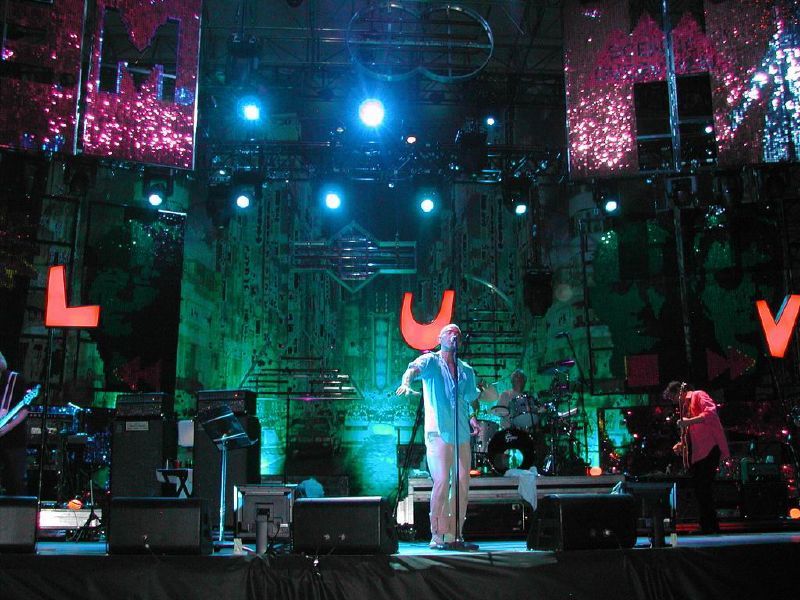
The release of Around the Sun came at a challenging moment for the band R.E.M. Critical reception was mixed, and it’s often described as a weaker entry in their catalog.
Lyrical themes touched on loss and political unease, mirroring aspects of the American climate in 2004.
Tracks such as “Leaving New York” demonstrated that memorable melodies remained within reach.
Sleek production impressed some ears while others felt it played things too cautiously for a group known for bold experimentation. Even established acts occasionally release quieter chapters between more widely celebrated records.
14. Reveal (2001)
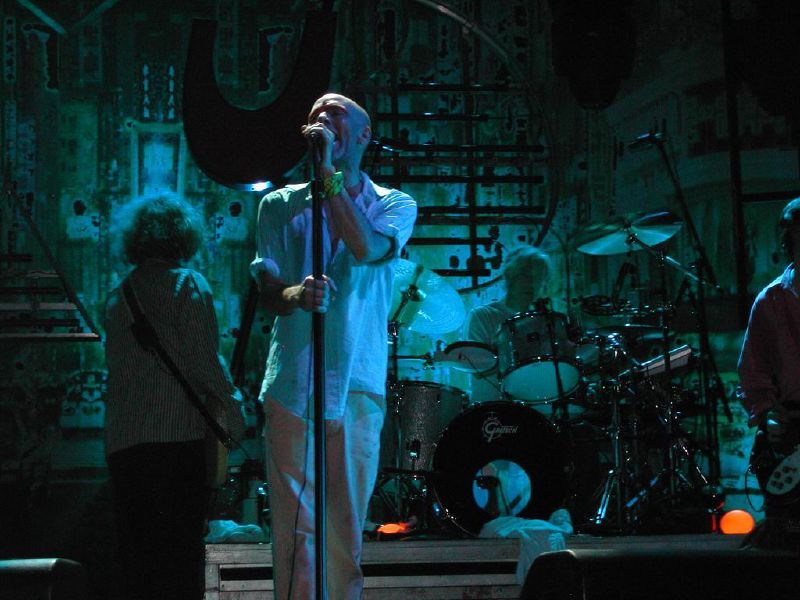
Reveal brought sunshine back into the band’s sound after the darker Up. The album felt like a warm California afternoon, full of bright harmonies and shimmering guitars.
Beach Boys influences floated through tracks like “Imitation of Life.”
Critics praised the return to melody and optimism. Michael Stipe’s vocals sounded clearer than they had in years, letting every word land with purpose.
13. Up (1998)
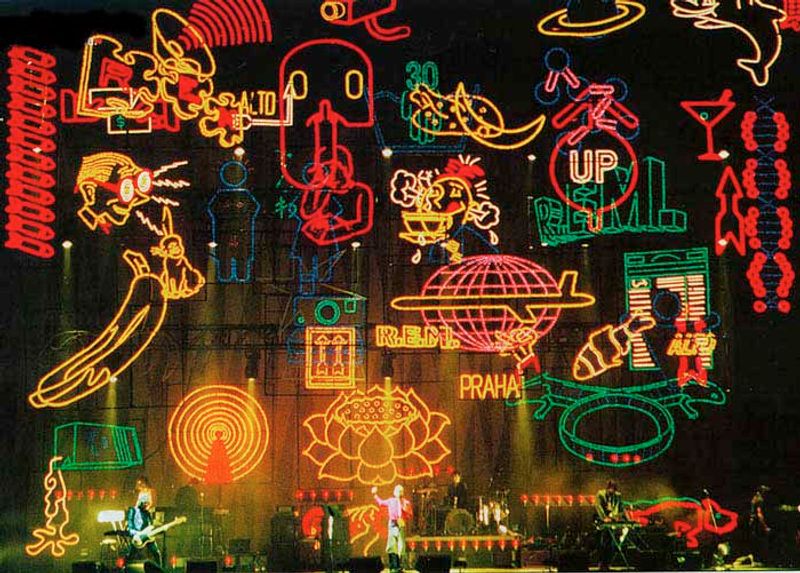
Departure of drummer Bill Berry preceded this release, and shift in sound is noticeable.
Up leans into a spacious, electronic atmosphere, with drum machines stepping in for Berry’s steady acoustic rhythm.
Songs such as “Daysleeper” and “At My Most Beautiful” explore themes of melancholy and reinvention. Reaction among listeners was divided, yet the record confirmed that R.E.M. could continue forward as a trio.
12. Accelerate (2008)
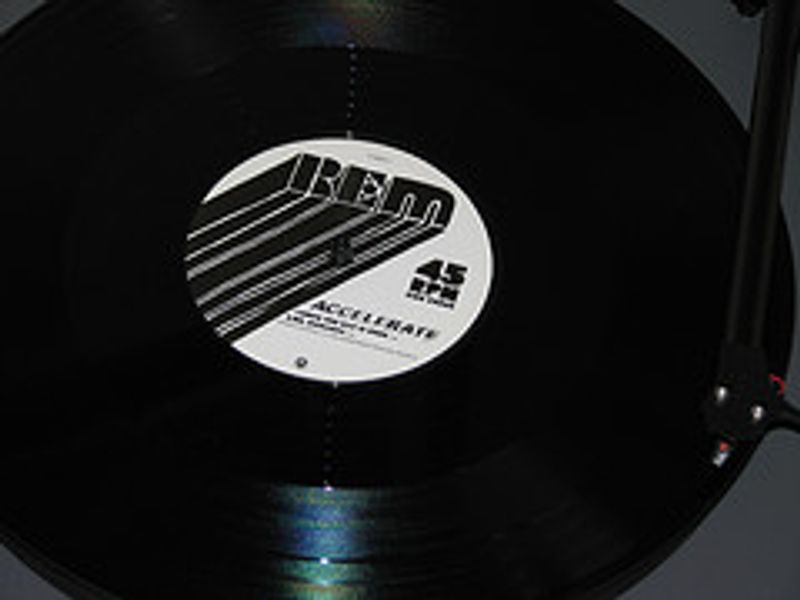
Accelerate landed with the force of a lightning bolt. Following several slower, more reflective releases, R.E.M. raised both volume and tempo with renewed urgency.
Producer Jacknife Lee encouraged a brisk, direct recording approach that recaptured some of the band’s early intensity.
Many tracks come in under three minutes, with a push toward shorter songs overall. It was hailed by several reviewers as their best album in almost ten years.
11. Collapse Into Now (2011)

Few listeners realized it would become R.E.M.’s final studio album when Collapse Into Now first arrived.
The record features guest appearances from Patti Smith and Eddie Vedder, framing the project as a celebration of the band’s long journey. Title suggested a sense of closure, even as members remained publicly quiet about any plans to disband.
In hindsight, several lyrics carry the tone of a farewell to fans who had stayed with them for more than three decades.
10. Monster (1994)
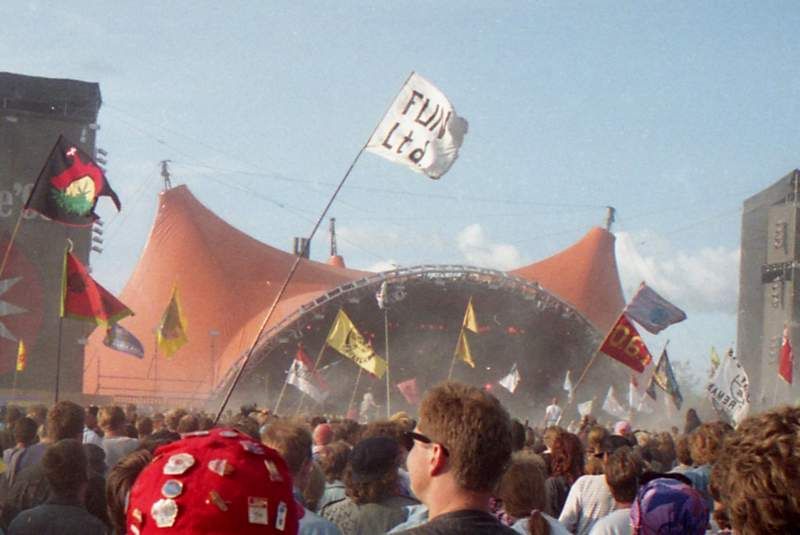
Monster cranked up the distortion and attitude. After two acoustic-leaning albums, the band plugged in their electric guitars and got loud.
The album sounds like a glam rock party with fuzzy guitars and swagger.
Songs like “What’s the Frequency, Kenneth?” became instant radio hits. Critics debated whether the new sound fit, but fans packed arenas on the tour that followed.
9. New Adventures In Hi-Fi (1996)
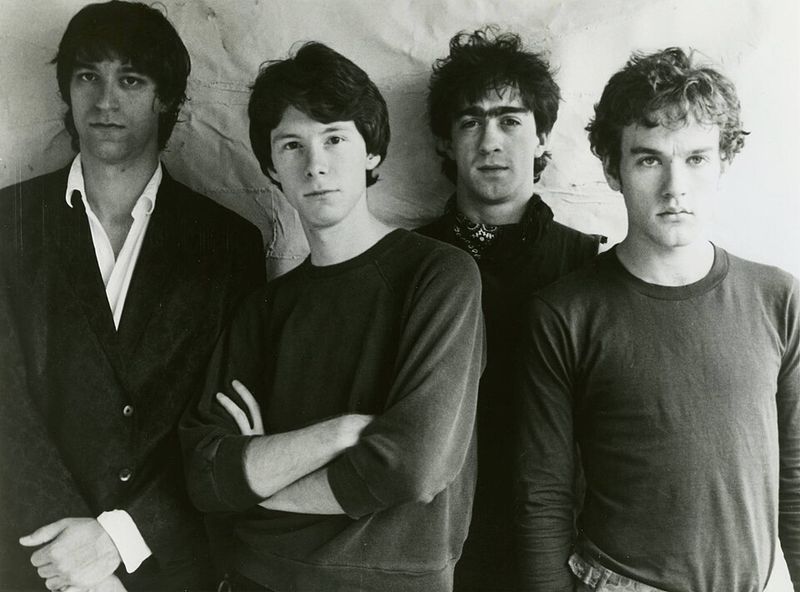
Mostly recorded on the road during the Monster tour, New Adventures in Hi-Fi captures R.E.M. in an especially exploratory phase. Songs stretch outward with a restless quality, blending driving rock energy and textured, atmospheric layers.
“E-Bow the Letter” stands out with Patti Smith’s spoken-word performance set against brooding guitar work. Release demonstrated that the band could continue expanding its sound even while maintaining a demanding tour schedule.
8. Green (1988)
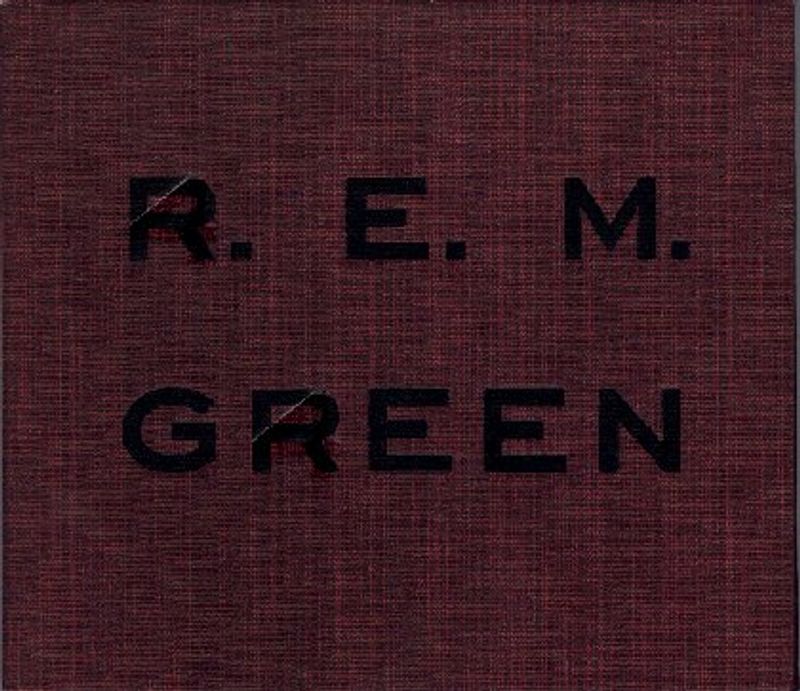
After years with independent I.R.S. Records, R.E.M. stepped onto a major label stage with Green.
Across its tracklist, environmental concerns and political activism shape much of the album’s direction.
Folk-leaning mandolin textures weave through several songs, enriching the band’s established rock framework.
Crunching guitars drive “Orange Crush,” which confronts themes tied to the Vietnam War through layered, elliptical lyrics.
With increased resources behind them, the group demonstrated that a larger budget did not require abandoning its core identity.
7. Out Of Time (1991)
“Losing My Religion” marked a turning point in R.E.M.’s career. Signature mandolin riff quickly became one of the most recognizable sounds of the 1990s.
Out of Time sold millions of copies and elevated the band to a new level of mainstream visibility.
Orchestral strings, brass accents, and acoustic textures stepped forward in place of a heavier guitar-driven style. Album earned three Grammy Awards and underscored how alternative rock could command major positions on the pop charts.
6. Document (1987)
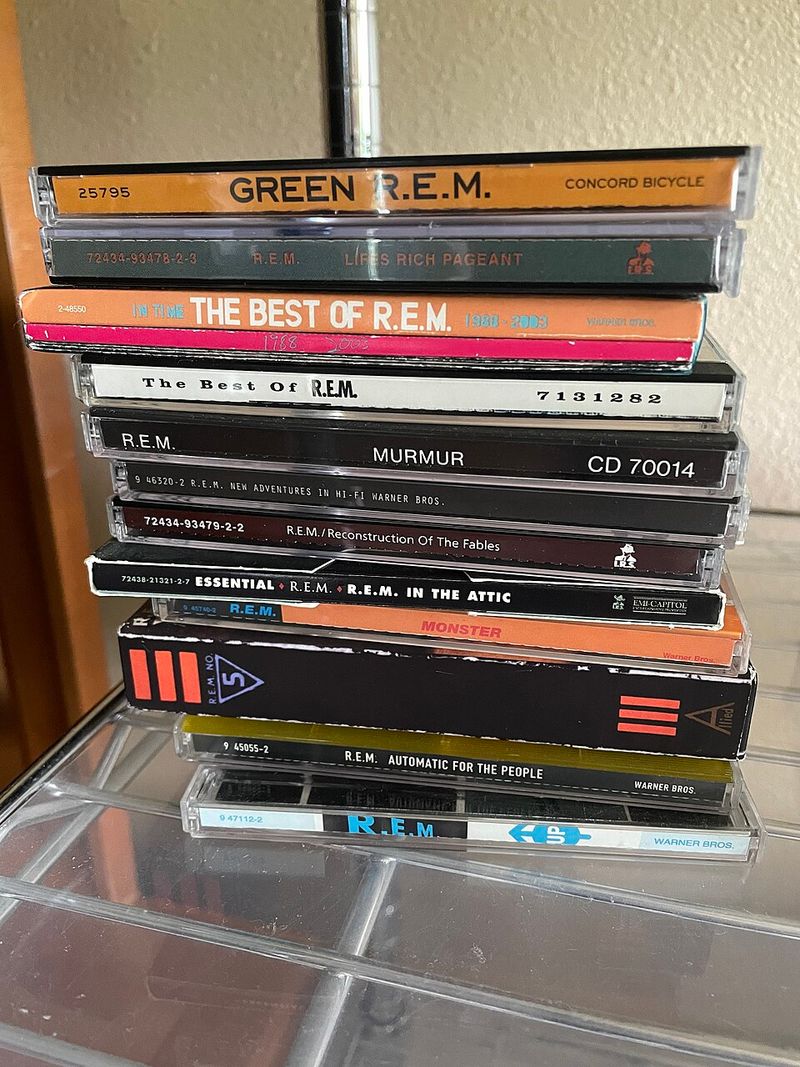
Document delivered R.E.M.’s first top ten single with “The One I Love.” Political urgency drives tracks such as “Exhuming McCarthy” and “It’s the End of the World as We Know It.”
Confidence and precision define the performances across the record.
Producer Scott Litt refined the band’s sound while preserving the bright, jangling guitars that longtime listeners recognized.
Success of the album showed that former college radio favorites could cross into the mainstream without abandoning their edge.
5. Lifes Rich Pageant (1986)
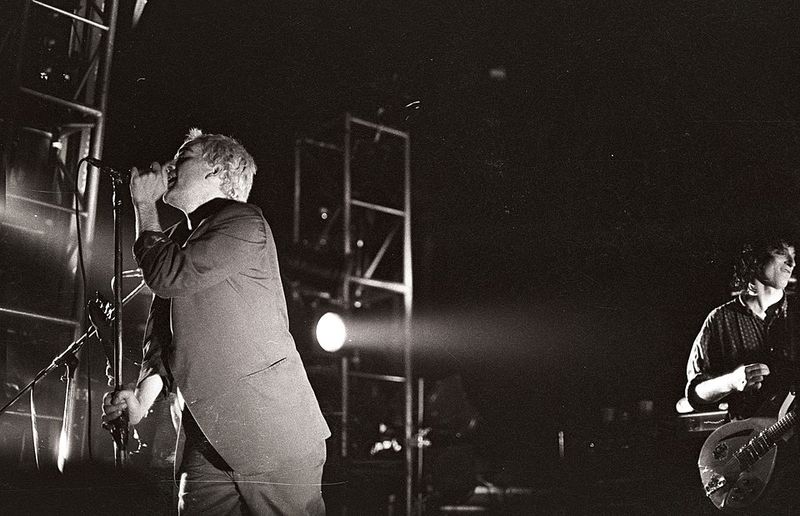
Lifes Rich Pageant signaled a shift toward greater clarity and sharper production. Producer Don Gehman introduced a cleaner sound that contrasted with the band’s earlier, more opaque recordings.
Michael Stipe’s vocals grew easier to discern while retaining a sense of layered ambiguity.
“Fall on Me” confronts environmental concerns through rich, interwoven harmonies. Title draws inspiration from a line delivered by Peter Sellers as Inspector Clouseau in A Shot in the Dark (1964).
4. Reckoning (1984)

Arriving just one year after Murmur, Reckoning confirmed that R.E.M. could sustain its early momentum. Brighter tones and sharper energy distinguish the album from its more shadowed predecessor.
“So. Central Rain” quickly became a fixture on college radio playlists.
Critics highlighted the jangling guitar work and Michael Stipe’s increasingly assured vocal presence.
Steady growth during this period laid the groundwork for the larger venues that would soon follow.
3. Automatic For The People (1992)

Automatic for the People stands as R.E.M.’s masterpiece in many fans’ minds. The album explores mortality, loss, and memory with stunning beauty.
“Everybody Hurts” became an anthem for anyone facing tough times.
Strings and acoustic instruments create a gentle, contemplative mood throughout. The album sold over eighteen million copies worldwide, proving sad songs could become massive hits.
2. Murmur (1983)

Debut release Murmur signaled the arrival of a distinctly original voice in American rock. Atmosphere felt hazy and enigmatic, with Michael Stipe’s vocals woven deep into the mix as if functioning like another instrument.
Recognition followed quickly, as Rolling Stone named it Album of the Year in 1983, placing it above major commercial releases such as Michael Jackson’s Thriller.
Bright, jangling guitars paired with elliptical lyrics forged a sound that college radio embraced eagerly.
Impact of the record helped push alternative rock into broader national discussion.
1. Fables Of The Reconstruction (1985)

Recorded in cold, rainy London, Fables of the Reconstruction sounds darker than their earlier work. The band nearly broke up during the difficult recording sessions with producer Joe Boyd.
Southern Gothic storytelling runs through songs about folklore and decay.
The album divided critics but showed R.E.M. willing to take artistic risks. Looking back, fans appreciate its moody atmosphere and literary ambitions.
Important: This article summarizes widely reported facts about R.E.M.’s studio albums, including release-era reception, major awards recognition, and commonly cited sales estimates.
Critical opinions and interpretations of an album’s impact can vary across reviewers and listeners, and some figures may be reported differently by different sources.