
17 Rare Foods That Stand Out On The Table
Some foods don’t just show up for dinner, they arrive like celebrities with complicated backstories and a price tag that makes everyone suddenly sit up straighter.
Someone at the table always pretends to know exactly what it is, while everyone else nods politely and Googles under the table.
These seventeen rare bites promise bold flavors, excellent storytelling material, and at least one moment where you say, “I have no idea what this is, but I’m oddly impressed.”
1. Black Truffles
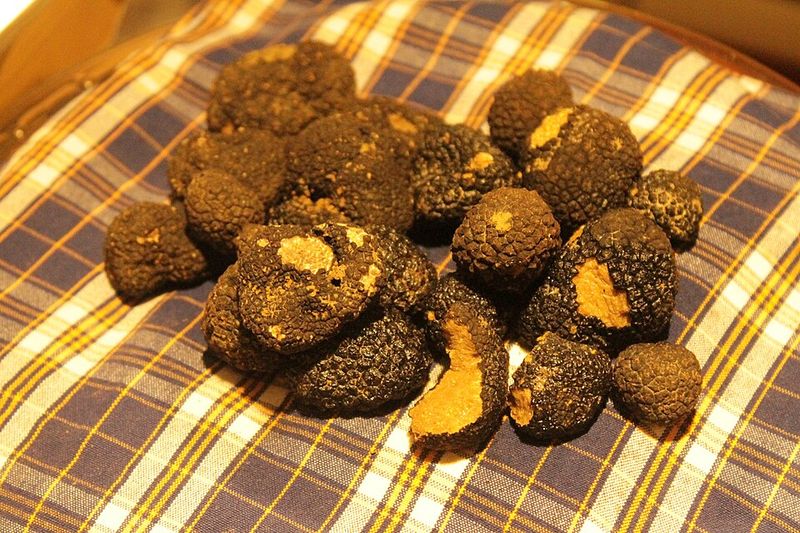
Quiet bistro ambiance sets the scene as a waiter shaves something dark and fragrant over a plate of pasta. Earthy, almost mysterious aroma drifts through the air while black truffles lend instant luxury to any dish.
Hidden underground near oak and hazelnut roots, these prized fungi are traditionally located by trained dogs in French forests.
Bold flavor and unmistakable scent can turn simple scrambled eggs into a weekend indulgence. Nature’s own secret handshake meets the palate with every delicate shaving.
2. Durian
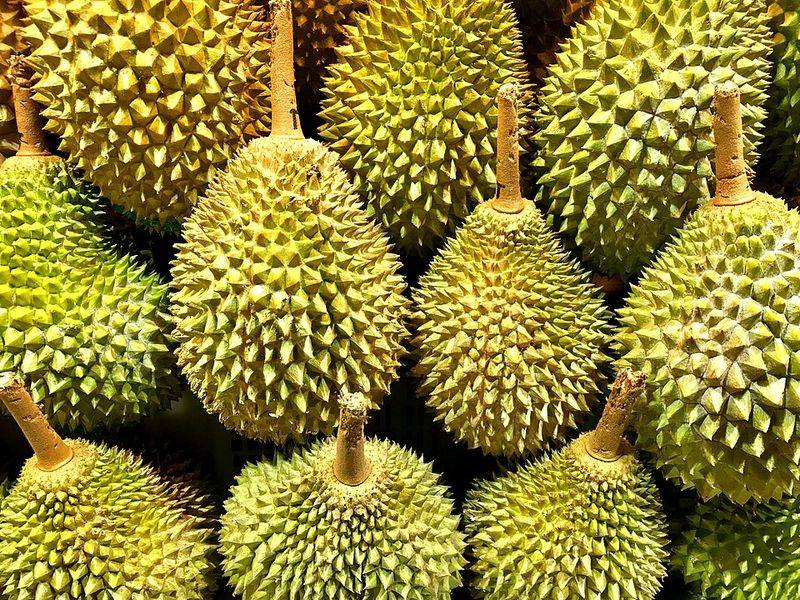
Pass a Southeast Asian fruit stand and the presence of durian announces itself before it even comes into view. Strong aroma fills the air with a blend of gym socks and sweet custard, instantly dividing opinions.
Inside the spiky shell, creamy flesh waits with a texture closer to rich custard than typical fruit.
Devoted fans call it the king of fruits for good reason, praising flavor that feels layered, bold, and impossible to forget.
3. Beluga Caviar
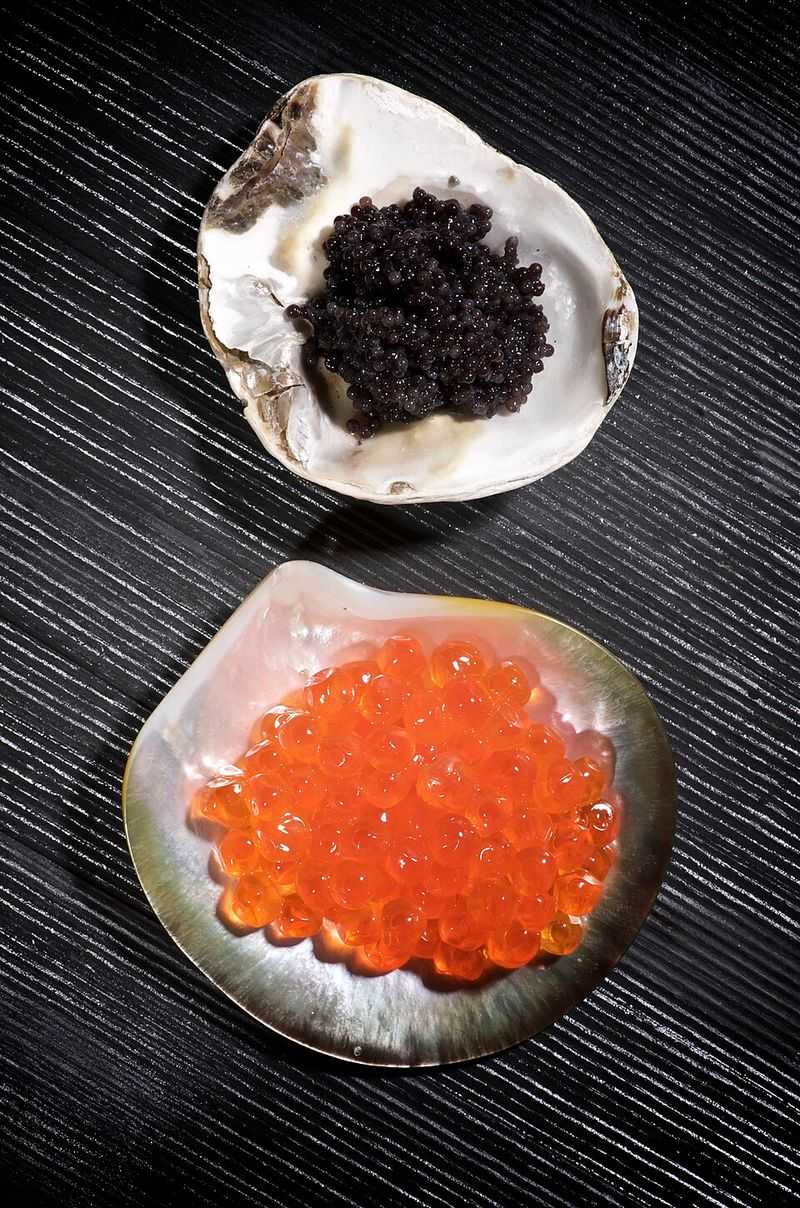
Midnight-black pearls shimmer atop a silver spoon.
Each delicate orb bursts softly against the palate, releasing a buttery, ocean-fresh flavor that evokes the vastness of the Caspian Sea.
Harvested from sturgeon that can live for decades, Beluga caviar remains one of the rarest culinary treasures. Reserved for special occasions, it pairs beautifully with warm blinis and a simple, chilled accompaniment.
4. Uni (Sea Urchin Sushi)
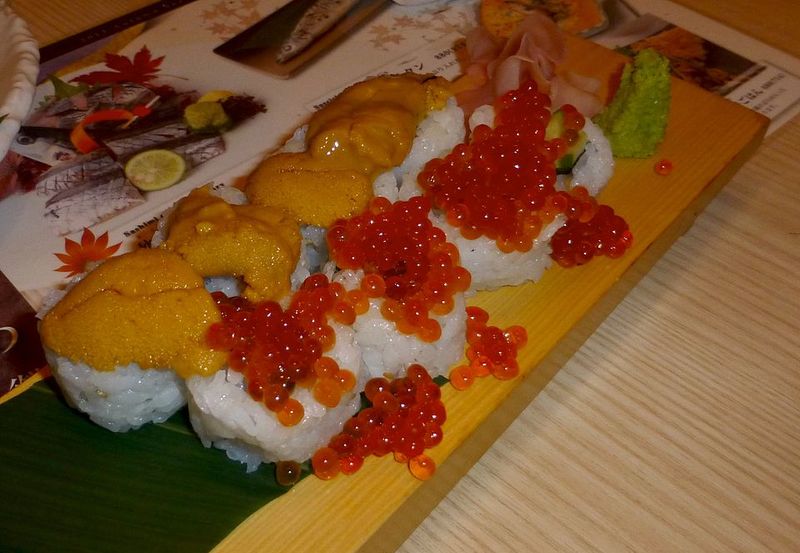
That bright orange ribbon resting on rice at the sushi bar?
Uni delivers a creamy, briny sweetness that ocean lovers crave. Harvested from spiny sea urchins, the delicate roe melts on your tongue like butter kissed by the tide.
Although it is divisive, some people find it quite appealing. Once you’re hooked, every sushi night feels incomplete without it.
Call it the ocean’s custard.
5. Fugu Sashimi (Pufferfish)
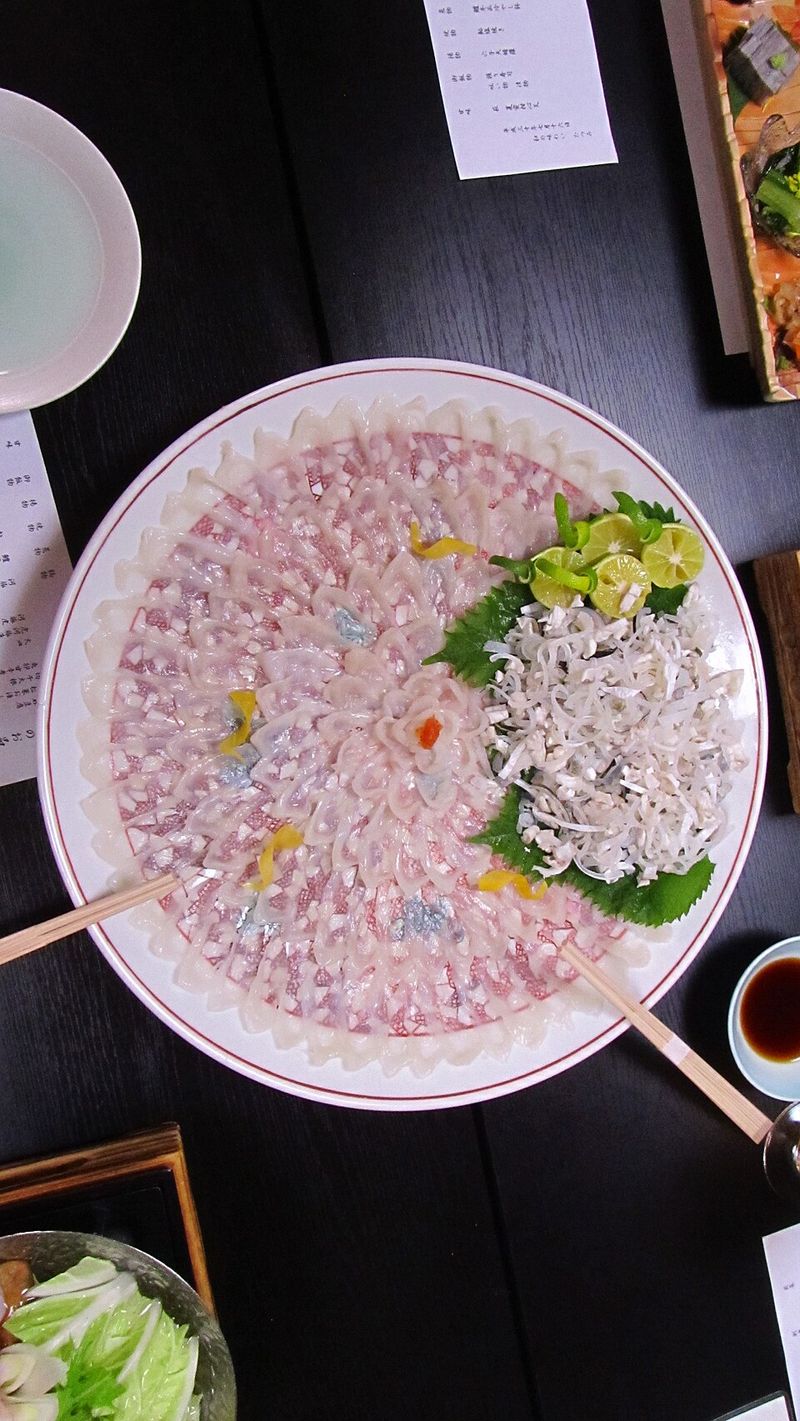
Strict licensing laws in Japan allow only specially trained chefs to serve fugu, since one incorrect cut can have serious consequences.
Tetrodotoxin concentrated in the pufferfish’s liver and ovaries turns preparation into a precise craft with very real safety requirements. Translucent slices attract diners drawn to its delicate flavor and to the trust placed in the chef’s skill.
Mild sweetness defines the taste, accompanied by undeniable bragging rights.
Dinner arrives with an unexpected plot twist built into every bite.
6. Foie Gras
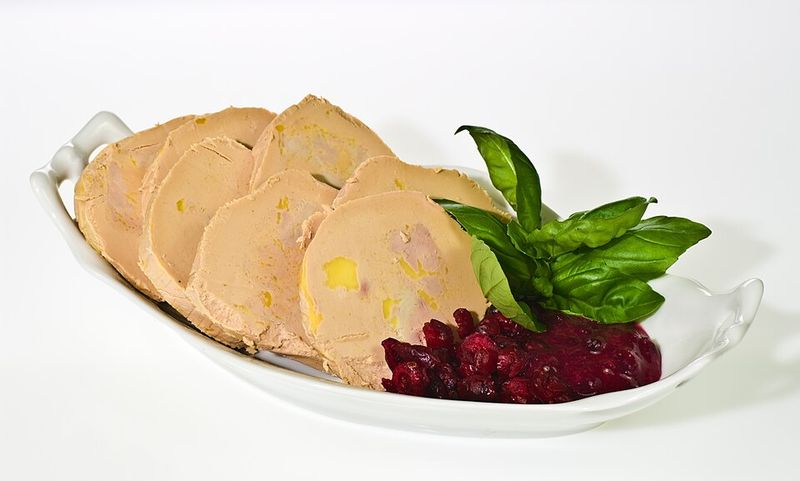
Silky, rich, and endlessly debated, foie gras occupies a complicated place in fine dining. Made from the fattened liver of duck or goose, it holds a prized spot in French cuisine for its buttery texture and deep, savory flavor.
When seared until golden and paired with a sweet fruit compote, the contrast becomes the entire experience.
Admired by some as culinary art and questioned by others on ethical grounds, it rarely leaves anyone indifferent. One bite makes its long standing luxury status easy to understand, even as conversation continues around it.
7. Saffron Threads
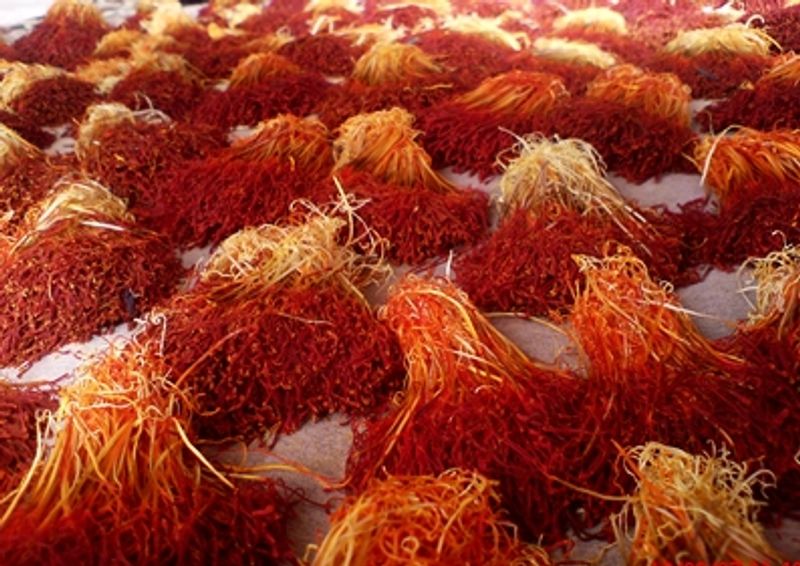
Tiny crimson threads that cost more per ounce than gold.
Saffron comes from the stigma of crocus flowers, and each bloom yields only three threads. Harvesting is painstaking, done by hand at dawn before the flowers wilt.
A pinch transforms rice into a golden, fragrant masterpiece. It’s the spice that whispers luxury into paella, risotto, and Persian stews.
8. Wagyu Beef
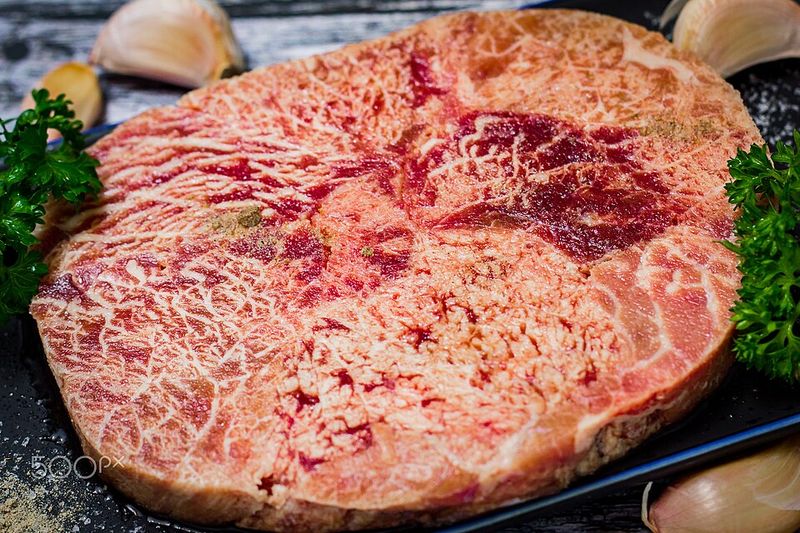
Intricate marbling creates a pattern that resembles edible art. Raised with meticulous care in Japan, Wagyu cattle produce beef that seems to melt on the tongue.
Low rendering temperatures allow the fat to soften quickly, delivering a buttery, subtly sweet richness in every bite.
Seasoned only with salt and grilled simply, it fulfills every carnivore’s dream. After one taste, an ordinary steak can feel like an early draft.
9. Matsutake Mushroom
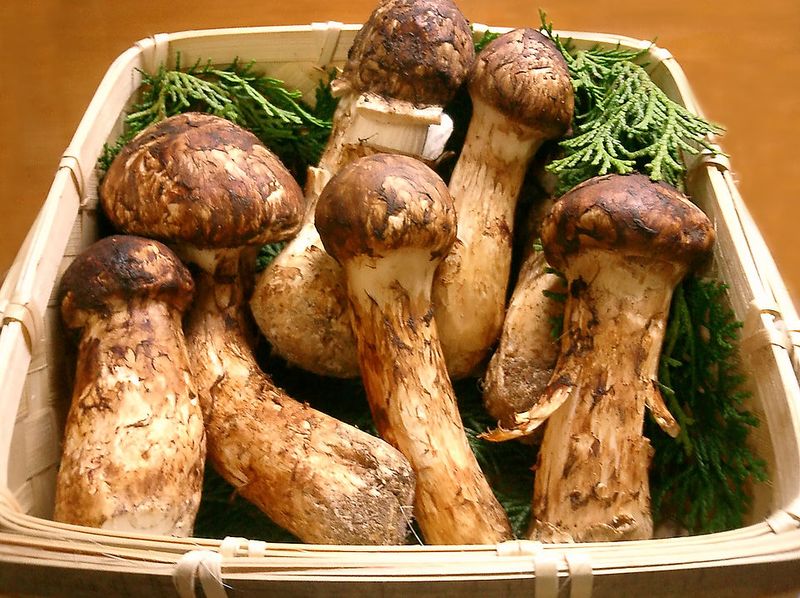
Beneath pine trees in Japanese forests, matsutake mushrooms hide like prized culinary treasures.
Distinctive spicy aroma blends hints of cinnamon and earth, filling a kitchen the moment they are prepared.
Careful harvesting and natural scarcity send prices soaring each autumn.
Grilled simply or stirred into soups, they deliver a robust depth often compared to meat. Many consider them the forest’s quiet answer to luxury dining.
10. Sea Cucumber (As A Dish)
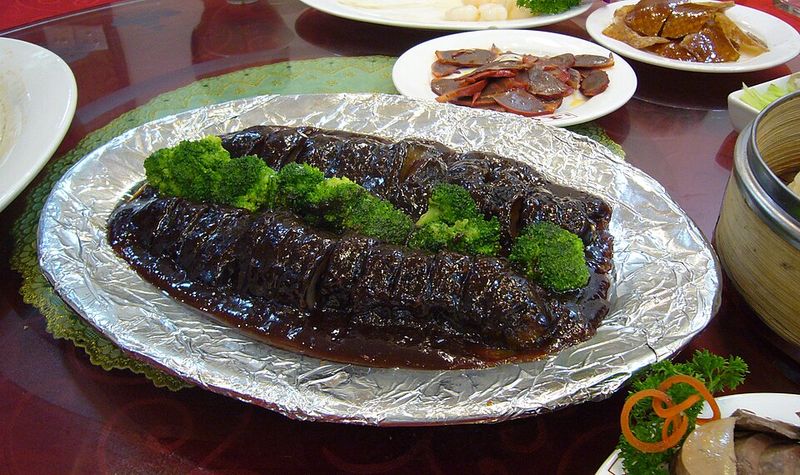
Unusual appearance draws attention long before the first bite. Chewy, gelatinous texture defines sea cucumber, a marine animal known for absorbing the flavors of whatever it is cooked with.
In Chinese cuisine, it is often braised in rich sauces until tender and deeply savory.
Texture and tradition shape much of its appeal. Some consider it an acquired taste, while others see it as a delicacy worth the dive.
11. Bird’s Nest Soup
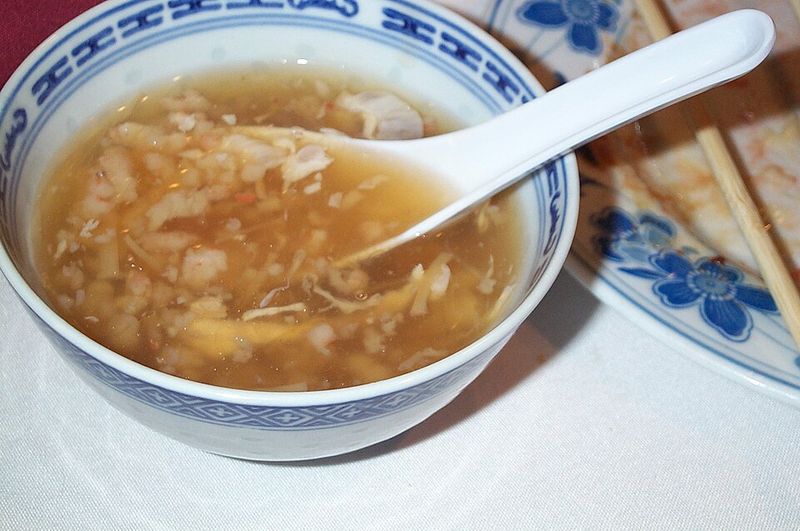
Crafted from the hardened saliva of swiftlets, bird’s nest soup may sound unusual yet delivers a surprisingly delicate experience. When simmered, the nests dissolve into a soft, gelatinous texture that has been prized in Chinese cuisine for centuries.
Dangerous and labor intensive harvesting from cave walls adds rarity and mystique to every serving.
Prepared in either sweet or savory styles, the dish is traditionally associated with wellness, though evidence varies and claims aren’t uniformly supported by modern research.
12. Hákarl (Fermented Shark)
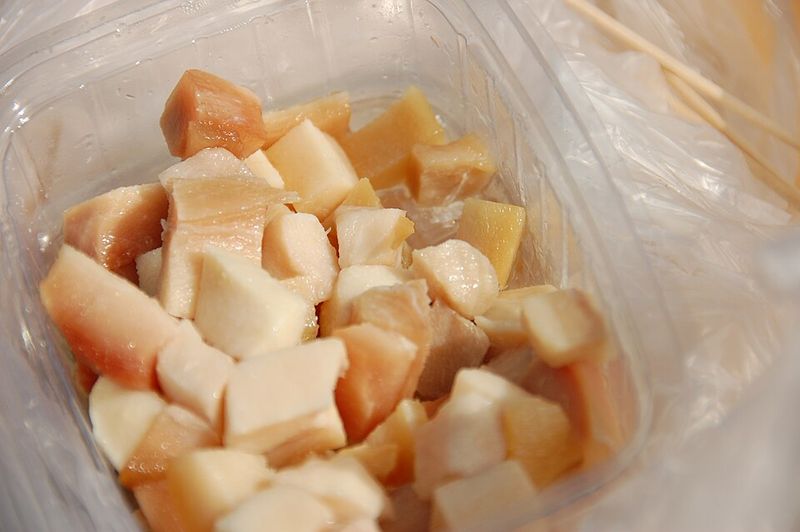
Iceland’s best-known fermented shark has a strong ammonia-like aroma and a bold, acquired taste.
Hákarl is Greenland shark that’s been fermented and hung to dry for months, a preservation method dating back to Viking times. The meat isn’t safe when fresh, so curing and fermentation make it edible.
It’s often served alongside other traditional Icelandic bites.
13. Balut
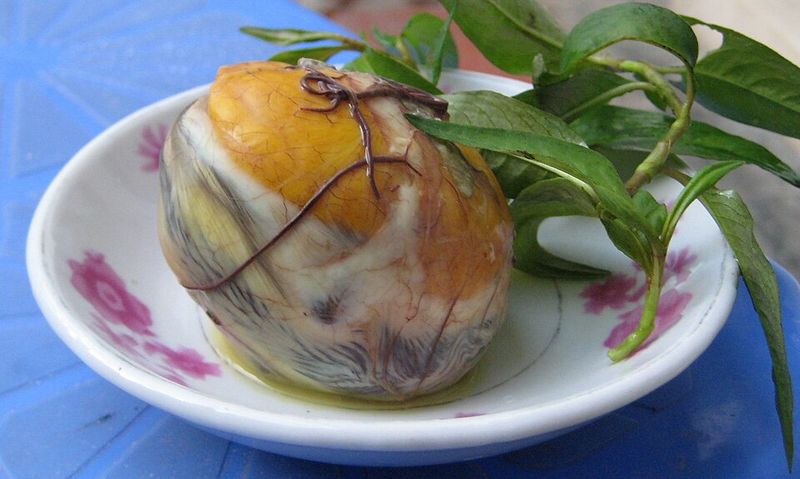
Crack open a balut egg and you’ll find a partially developed duck embryo inside.
Popular in the Philippines, it’s a street food staple eaten warm, often with a sprinkle of salt and vinegar. The texture is a mix of soft yolk and tender meat, rich and savory.
It can be a challenging first bite for newcomers, but locals swear by its flavor and protein punch. Think of it as an after-school snack with attitude.
14. Mangosteen
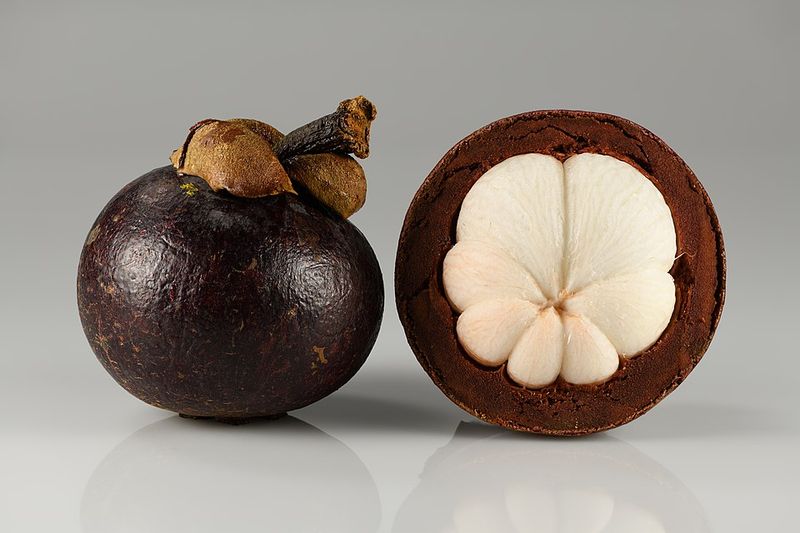
Deep purple skin hides a snow-white interior waiting beneath the surface. Known as the queen of fruits, mangosteen delivers a sweet, tangy flavor often compared to a blend of peach and citrus.
Thick rind shields delicate segments that release bursts of refreshing juice.
Previously banned in the United States over pest concerns, it has since returned as a prized tropical treat. One taste quickly explains how it earned its royal nickname.
15. Ōtoro (Fatty Tuna Sushi)
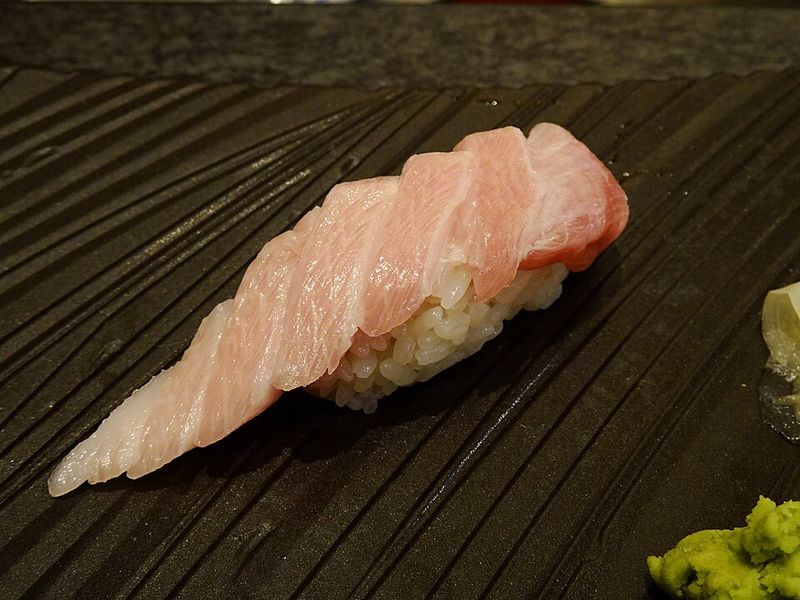
Deep from the belly of bluefin tuna comes ōtoro, the most richly marbled and luxurious cut prized at sushi counters worldwide. Exceptional fat content gives it a buttery texture that nearly dissolves the moment it touches your tongue.
Each slice glistens with delicate marbling that melts at body temperature, releasing waves of pure umami flavor. Seasoned sushi lovers often save it for the final bite, lingering over every second of the experience.
Few foods earn applause quite like it, making ōtoro the tuna world’s version of a standing ovation.
16. Kopi Luwak
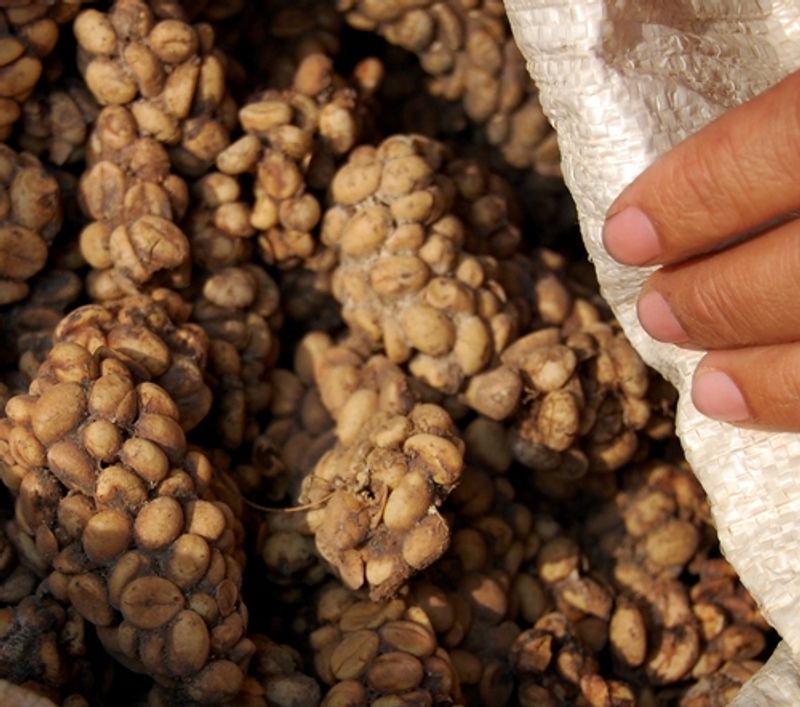
Coffee beans that passed through a civet’s digestive system sound bizarre, but they produce one of the world’s rarest brews.
The fermentation inside the animal’s gut changes the bean’s flavor, resulting in a smooth, less bitter cup. Harvesting is controversial and labor-intensive, driving prices into luxury territory.
One sip and you’re drinking a conversation starter. Call it the coffee world’s ultimate plot twist.
17. Edible Gold Leaf (Gold-Leaf Dessert Example)
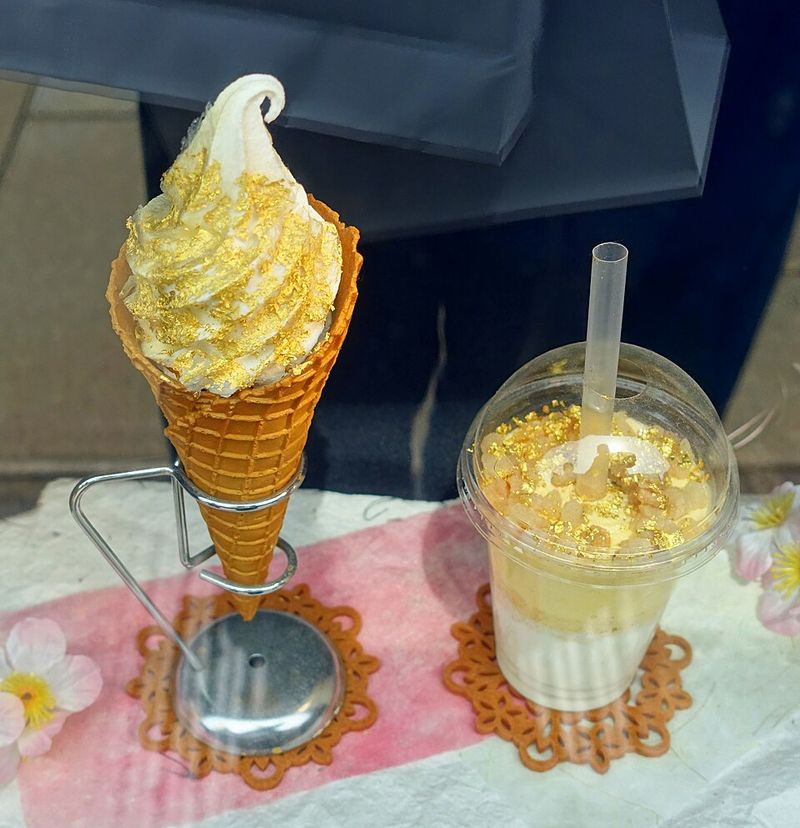
Delicate sheets of real gold bring shimmer to desserts and elaborate dishes.
Flavorless by nature, edible gold can turn a simple chocolate cake into a striking centerpiece.
In professional kitchens, chefs apply it to signal celebration, elevating birthdays and anniversaries into shareable moments. Visual luxury defines its appeal, offering a way to make any treat feel worthy of a red-carpet event.
Dessert gains its own spotlight with every glimmering touch.
Note: Descriptions of flavor and texture are subjective and meant for general culinary interest rather than as a recommendation or endorsement of any specific product, vendor, or practice.





.jpeg)


.jpg)


