11 Standout Reads From Natalie Portman’s Picks
Natalie Portman is not just a Hollywood superstar and Harvard graduate, she is also a seriously passionate reader. Her book club picks travel across cultures, time periods, and genres, turning every selection into a small, unexpected adventure.
Each book carries weight, emotion, and a story that demands attention, inviting readers to explore real human struggles, surprising histories, and the messy beauty of life. Thoughtful, moving, and sometimes challenging, these choices reflect Portman’s curiosity and deep engagement with storytelling.
Casual readers, devoted bookworms, and curious minds alike will find something to capture their imagination. Twelve carefully curated picks offer insights, inspiration, and unforgettable narratives, each capable of sparking conversations and leaving lasting impressions.
Every recommendation has the potential to become a personal obsession, enriching reading habits and broadening perspectives. Portman’s selections transform bookshelves into journeys, proving that great literature has the power to entertain, enlighten, and move readers in unexpected ways.
1. Martyr! by Kaveh Akbar

Poetry does not always rhyme, and Kaveh Akbar proves it hits harder when it does not. “Martyr!” is a raw, honest collection wrestling with belief, addiction, and what it truly means to be alive. Akbar pulls no punches, laying out grief and wonder side by side like old friends sharing a bus seat.
Readers who have ever felt lost between two worlds will feel seen almost immediately. Short lines carry enormous emotional weight here.
Portman chose well, spotlighting a voice that feels urgent and completely unforgettable for anyone craving poetry beyond the ordinary greeting card variety.
2. Foster by Claire Keegan
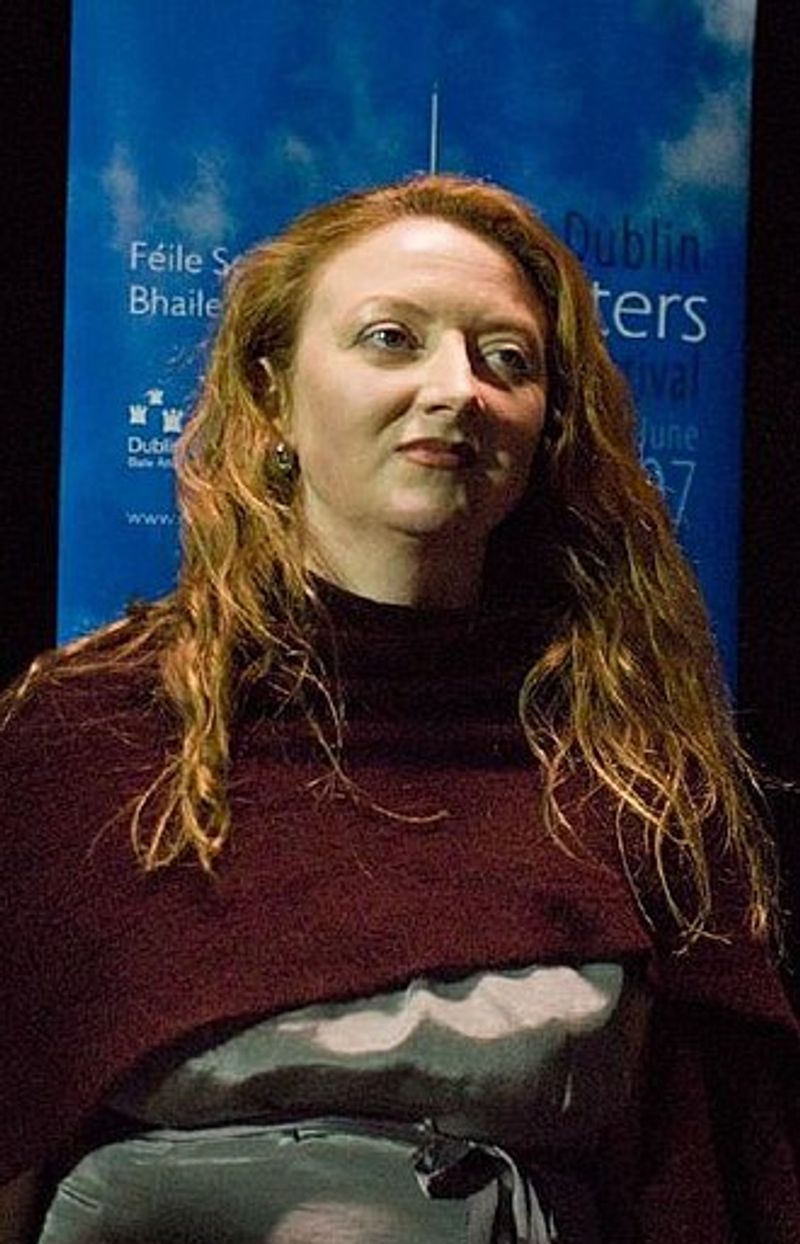
Few novels can shatter your heart in under 100 pages, yet Claire Keegan manages it effortlessly. “Foster” follows a young girl sent to stay with relatives for a summer, slowly discovering what genuine warmth and care can feel like. Every sentence is carefully chosen, almost like each word earned its spot on the page.
Keegan writes silence as powerfully as speech, letting readers feel the weight of things left unsaid. How a book so short can feel so complete is honestly a small miracle.
Portman’s selection of “Foster” signals her love for quiet stories carrying enormous emotional depth.
3. Trust by Hernan Diaz
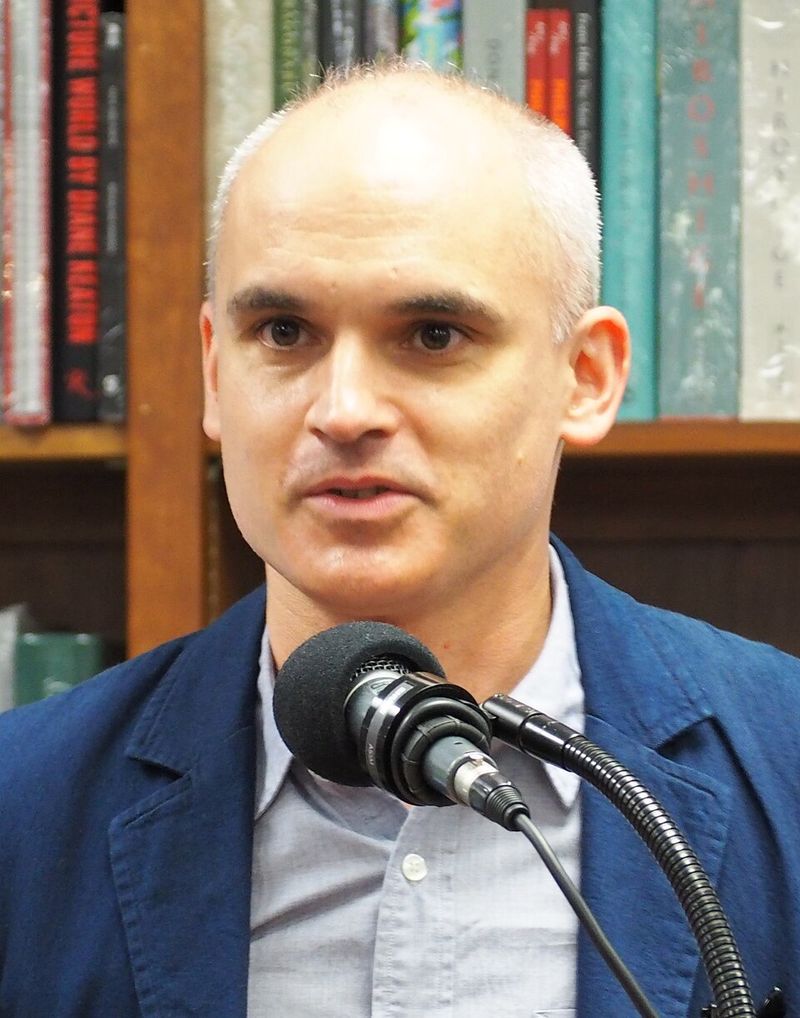
Set in the roaring 1920s, “Trust” peels back the glamorous surface of American wealth to reveal something far more complicated underneath. Hernan Diaz structures the novel as four interlocking narratives, each one reframing what the reader believed was true just chapters before.
It is clever, literary, and genuinely surprising in the best possible way.
If you enjoy mysteries where the puzzle is not a crime but the truth itself, “Trust” will keep you flipping pages late into the night. Diaz won the Pulitzer Prize for this one, and honestly, it is easy to see why.
Portman clearly appreciates books that reward patience.
4. The Maniac by Benjamin Labatut

One of the most unsettling and fascinating books about science and humanity in recent memory is The Maniac. Written by Benjamin Labatut, it explores the life of John von Neumann, the brilliant mathematician whose ideas influenced computers, atomic weapons, and artificial intelligence simultaneously.
Labatut blends biography and fiction in a style that feels cinematic, drawing readers into von Neumann’s extraordinary mind while examining the moral and existential consequences of his discoveries.
Science fans and history lovers will find plenty to obsess over here. However, even readers who typically avoid science-heavy material will be pulled in by the sheer storytelling power at work.
Portman picking “The Maniac” shows she gravitates toward books asking the biggest possible questions about progress and its consequences.
5. How to Love Your Daughter by Hila Blum
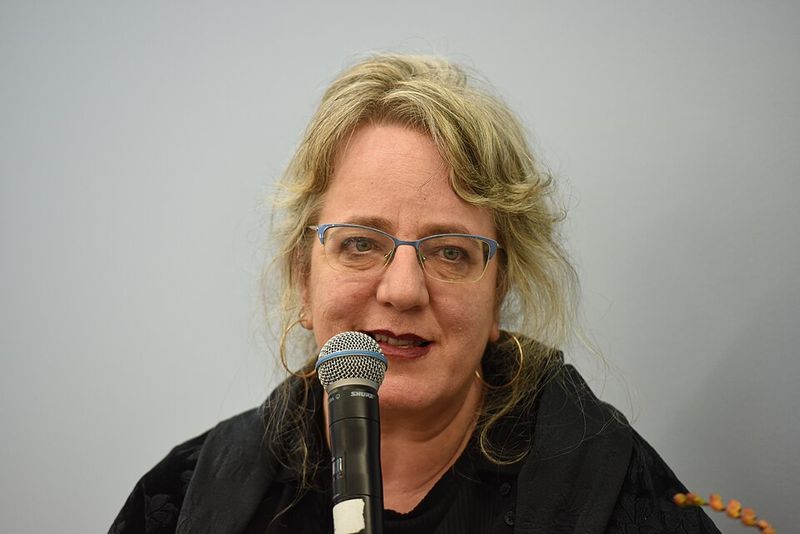
A novel so precise about the pain of motherhood it almost reads like a confession captures the quiet fractures between parent and child. A mother watches her daughter slowly drift away, unable to pinpoint where the connection began to fray.
Each chapter unfolds with tender, heartbreaking clarity, revealing the small, aching moments that define love and loss. Written by Hila Blum, the story lingers long after the final page, leaving readers with a deep sense of intimacy and sorrow that feels both personal and universal.
Translated from Hebrew, “How to Love Your Daughter” carries a universality that jumps across cultures instantly. Readers who have complicated relationships with their own parents, or children, will find this book uncomfortably relatable.
Portman, herself a mother, choosing a story exploring the fragile bond between parent and child feels deeply personal and remarkably fitting.
6. Demon Copperhead by Barbara Kingsolver
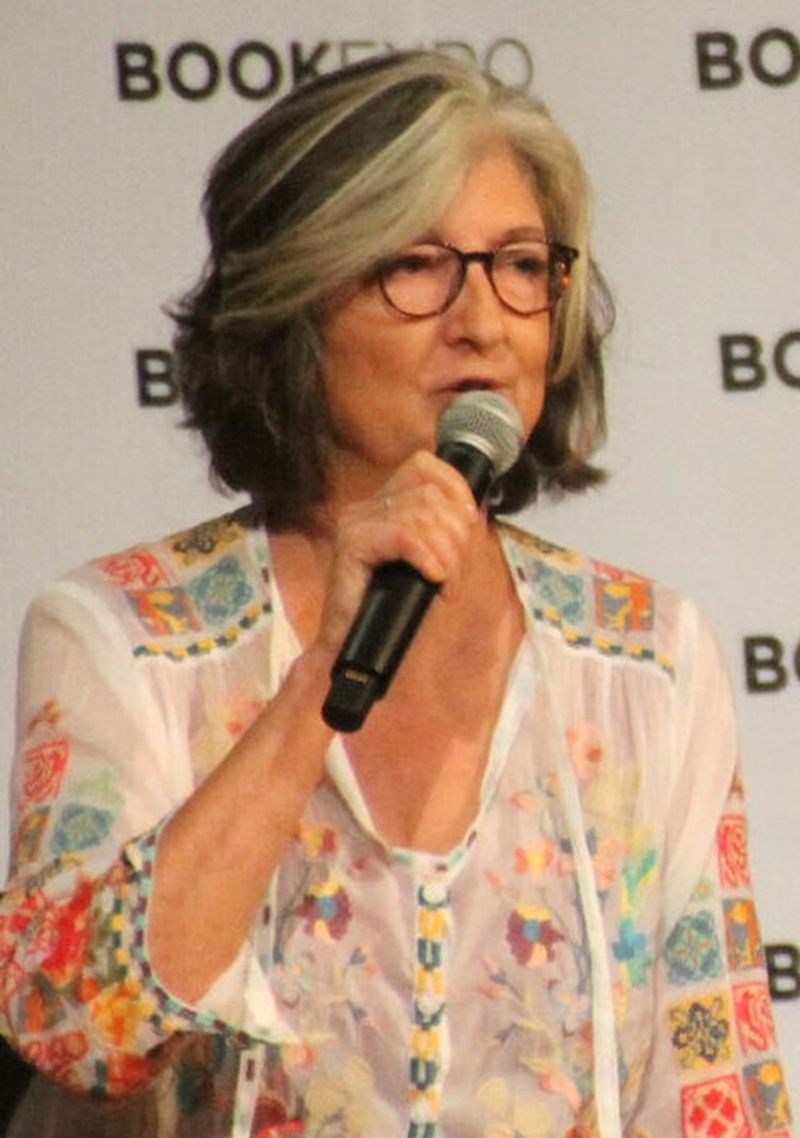
A modern retelling of Charles Dickens’ David Copperfield confronts the harsh realities of the Appalachian opioid crisis while retaining the heart of the classic story. A red-haired boy named Demon Copperhead navigates poverty, foster care, and survival through sheer stubbornness and sharp wit.
Electric, funny, and heartbreaking in equal measure, the narrative captures both the struggle and resilience of childhood under extreme circumstances. Written by Barbara Kingsolver, the novel blends timeless storytelling with contemporary urgency, offering readers a story that feels familiar yet urgently relevant, leaving a lasting impact long after the last page.
Winning the Pulitzer Prize in 2023 was no surprise to anyone who read it. Even without knowing the Dickens source material, the story stands completely on its own powerful legs.
Portman adding this to her list signals a deep appreciation for American stories that refuse to look away.
7. The Vegetarian by Han Kang
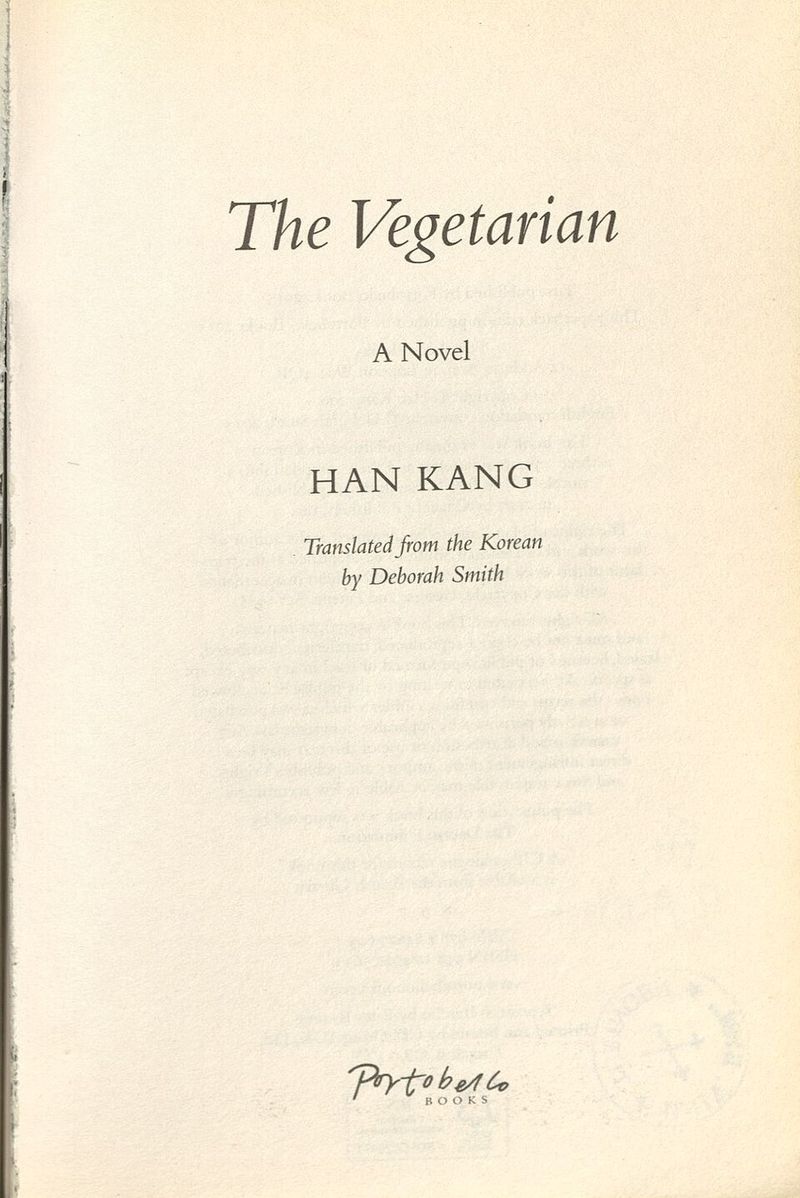
Han Kang’s “The Vegetarian” starts simply enough: a woman decides to stop eating meat. What unfolds is anything but simple, spiraling into a haunting exploration of bodily autonomy, family pressure, and the cost of defying expectations.
Every chapter shifts perspective, keeping readers slightly off balance in the most gripping way.
South Korean author Han Kang later won the Nobel Prize in Literature in 2024, making “The Vegetarian” an even more essential read. Short chapters make it deceptively fast to consume, yet the images and ideas linger for days afterward.
Portman’s selection of Kang’s work reflects her love of bold, boundary-pushing international literature.
8. The Employees by Olga Ravn

Olga Ravn’s “The Employees” is a slim science fiction novel structured entirely as workplace testimonials from a spaceship crew, both human and humanoid. Each statement is short, strange, and surprisingly moving as characters describe their emotional responses to mysterious objects brought aboard.
It sounds unusual because it absolutely is, in the best possible way.
Science fiction fans who love big philosophical questions about consciousness and identity will find plenty to chew on. However, even skeptics of the genre will be caught off guard by how deeply human the book feels despite its futuristic setting.
Portman choosing Ravn signals a boldly open and adventurous reading taste.
9. Whereabouts by Jhumpa Lahiri
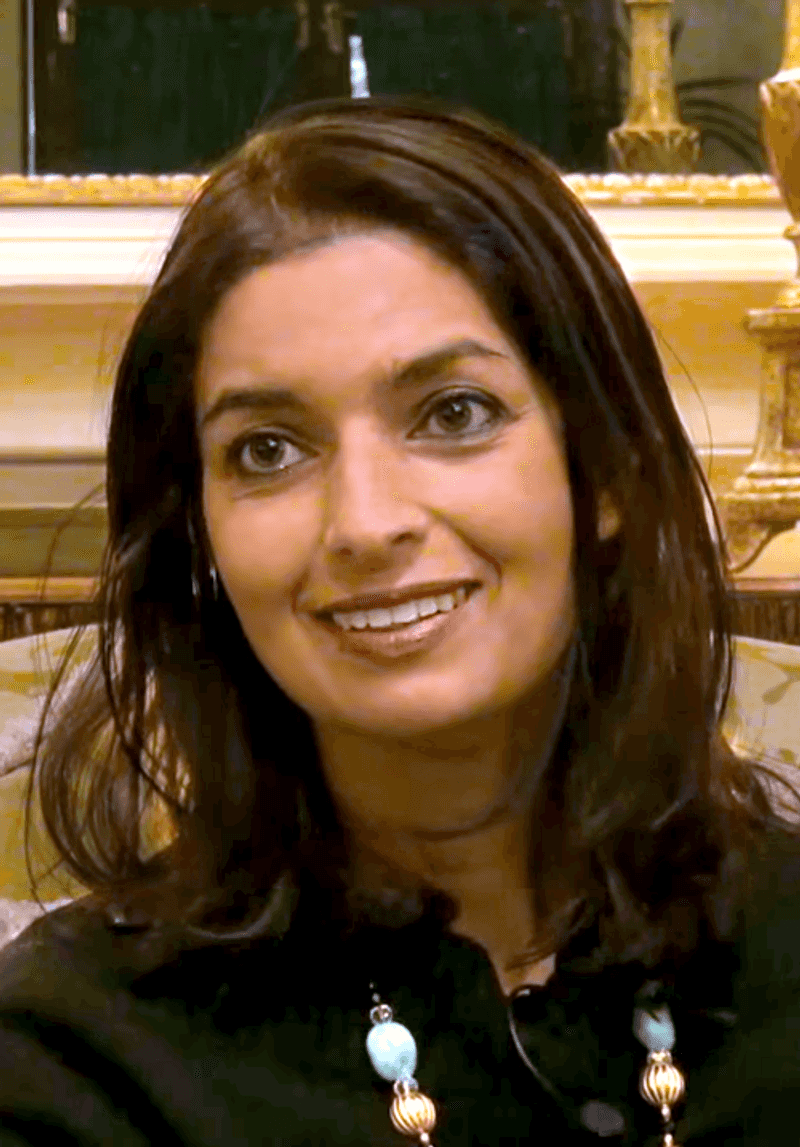
Jhumpa Lahiri wrote “Whereabouts” originally in Italian, her adopted language, then translated it into English herself. A nameless narrator drifts through a city, observing life and sitting comfortably inside her own solitude.
Each chapter is brief, almost like a snapshot, capturing small moments of urban loneliness and unexpected beauty.
Lahiri, a Pulitzer Prize winner, brings her signature precision to every sentence here, making even the quietest scenes feel meaningful. Readers who enjoy introspective literary fiction, the kind you read slowly and savor, will absolutely adore “Whereabouts.” Portman’s love for Lahiri’s work makes complete sense given both women have navigated life across multiple cultures and languages.
10. The Trees by Percival Everett
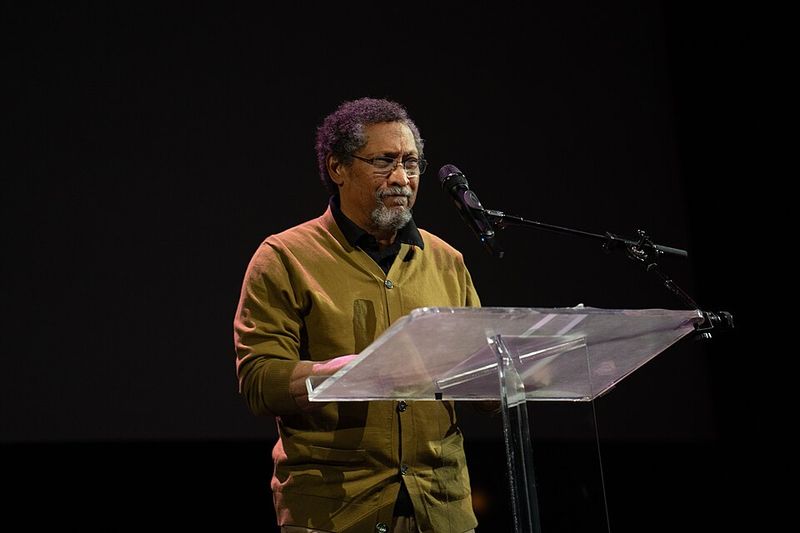
Percival Everett’s “The Trees” is a sharp, satirical thriller about racial violence in America, wrapped inside a mystery story that keeps readers completely on edge. Strange disappearances in a small Mississippi town echo historical lynchings, and the book never lets readers look away from the uncomfortable parallels.
Everett balances dark humor and righteous fury in ways few authors dare attempt.
Shortlisted for the Booker Prize, “The Trees” sparked major conversations about justice, memory, and accountability. Every chapter crackles with urgency and wit.
Portman including Everett’s fearless work on her list reflects a commitment to books challenging readers to confront history honestly and without flinching.
11. The Candy House by Jennifer Egan
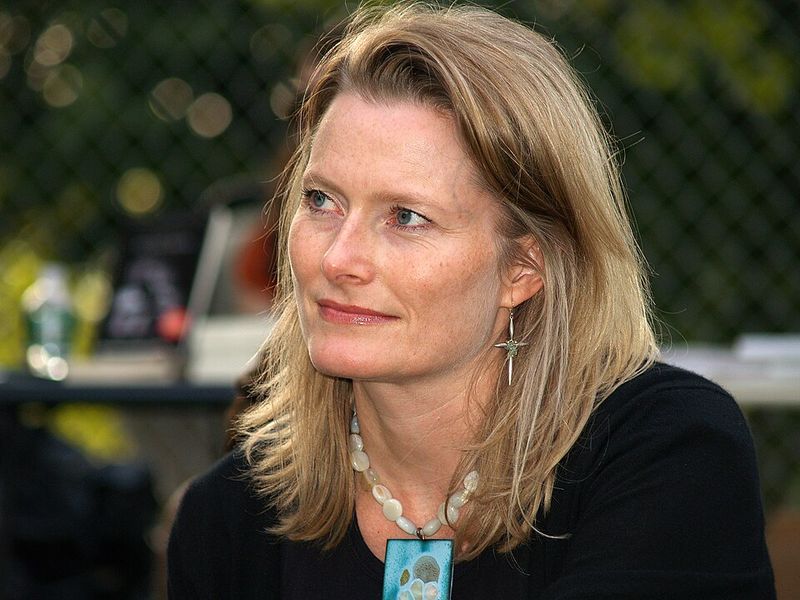
Near-future world emerges where memories can be uploaded, shared, and experienced like social media posts, connecting lives across time and perspective. Characters appear and reappear, showing technology’s impact on memory, identity, and human connection.
Dazzling structure jumps formats and points of view, keeping readers engaged. Written by Jennifer Egan, The Candy House expands A Visit from the Goon Squad, blending inventive storytelling with emotional insight for a mesmerizing, thought-provoking vision of the future.
If you have never read “Goon Squad,” no worries, “The Candy House” holds up beautifully on its own. Egan asks what privacy, identity, and authenticity mean when memory becomes a public commodity.
Portman selecting this tech-savvy literary gem proves her reading list is never afraid to look straight into the future.