15 Real People Linked To Famous Fairy Tales
Fairy tales love pretending they were born from stardust and bedtime whispers.
History, however, has a habit of sneaking in through the back door. Behind glass slippers and cursed castles sit real princes, accused figures, and lives that ended far less happily than the stories suggest.
Magic did the polishing, but reality supplied the foundation, and once you see it, those familiar tales never feel quite the same again.
Note: This article discusses historical figures and the ways their lives have been linked to fairy tales through scholarship, popular retellings, and long-running folklore theories. In several cases, connections are debated, and details can vary by source, translation, and later storytelling traditions.
1. Vlad III (Vlad Țepeș)
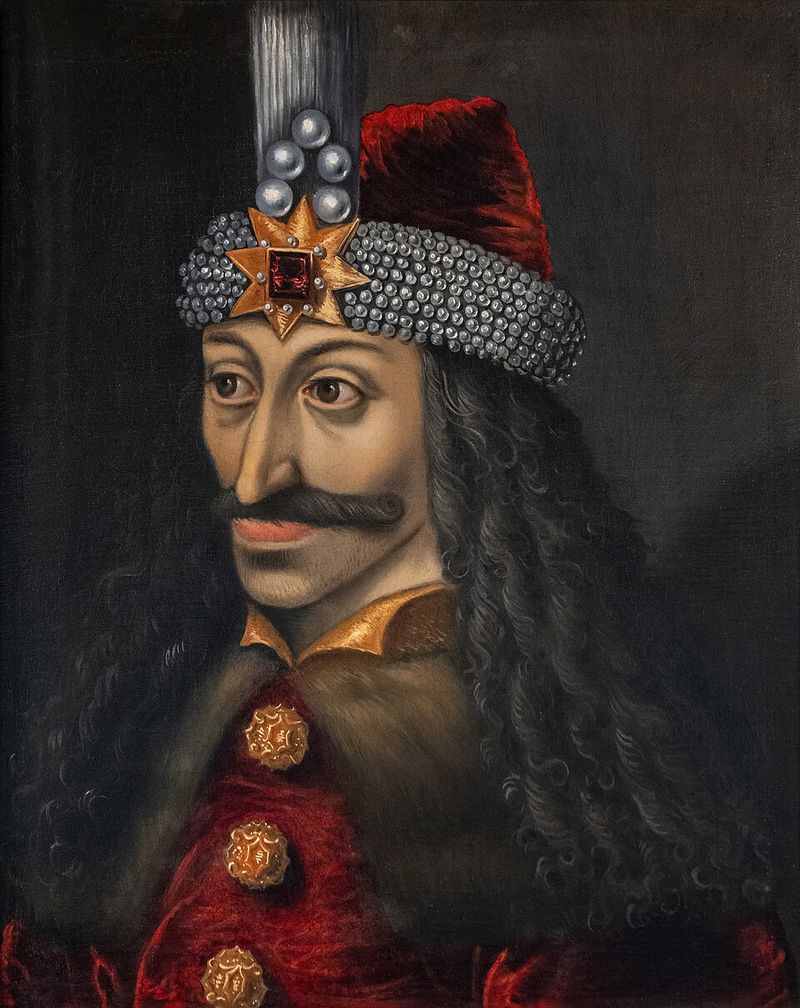
In the 1400s, Vlad ruled Wallachia with a severe reputation, known in many accounts for extreme punishments. Family history added another layer, as his father’s membership in the Order of the Dragon gave rise to the Dracula name.
Centuries later, Bram Stoker used the name ‘Dracula’ for his vampire count, and researchers note his knowledge of Vlad III appears to have been limited.
Popular culture filled the gaps anyway, happily linking the two and reshaping a ruthless warlord into a lasting blueprint for fanged villains everywhere.
2. Elizabeth Báthory
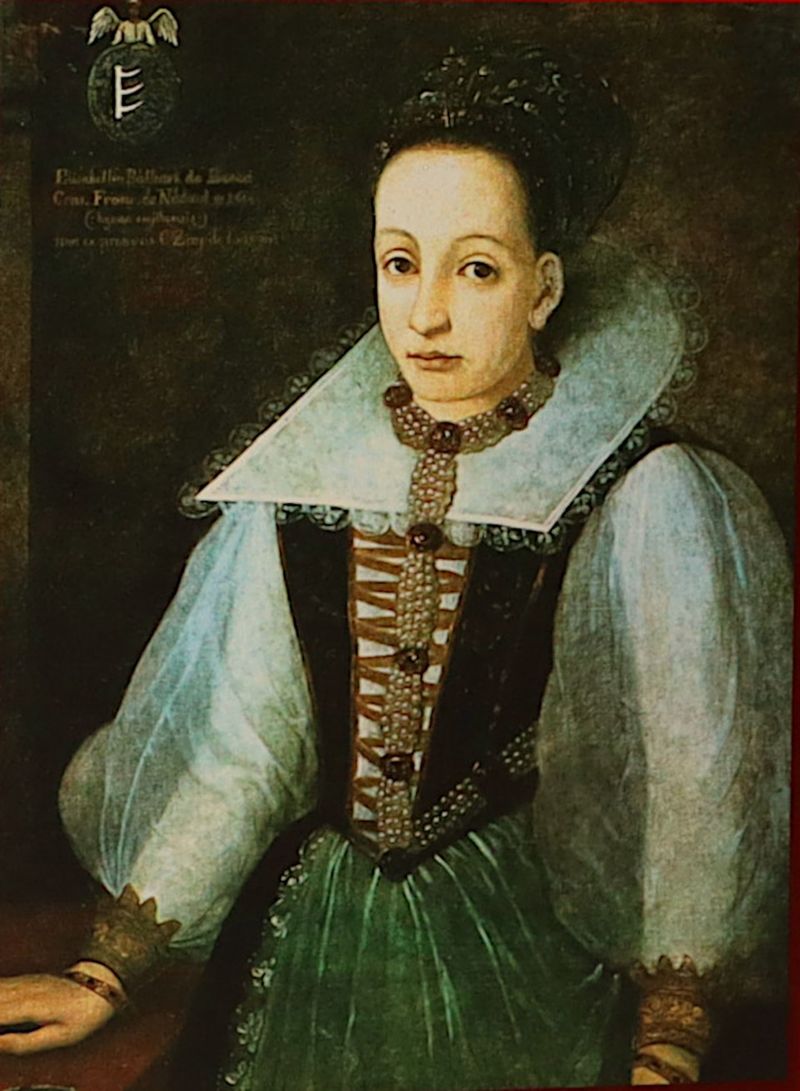
This Hungarian countess lived in the late 1500s and early 1600s, accused of abusing and k*lling young women. Later legend claimed she sought youth through gruesome rituals, including a widely repeated blood-bathing story.
Historians debate how much of the story is true versus political smear.
Either way, vampire fiction grabbed hold of the Blood Countess tale and never let go. Her name appears in films, novels, and frequent discussions of vampire-inspired folklore, cementing her place in dark folklore forever.
3. Gilles De Rais
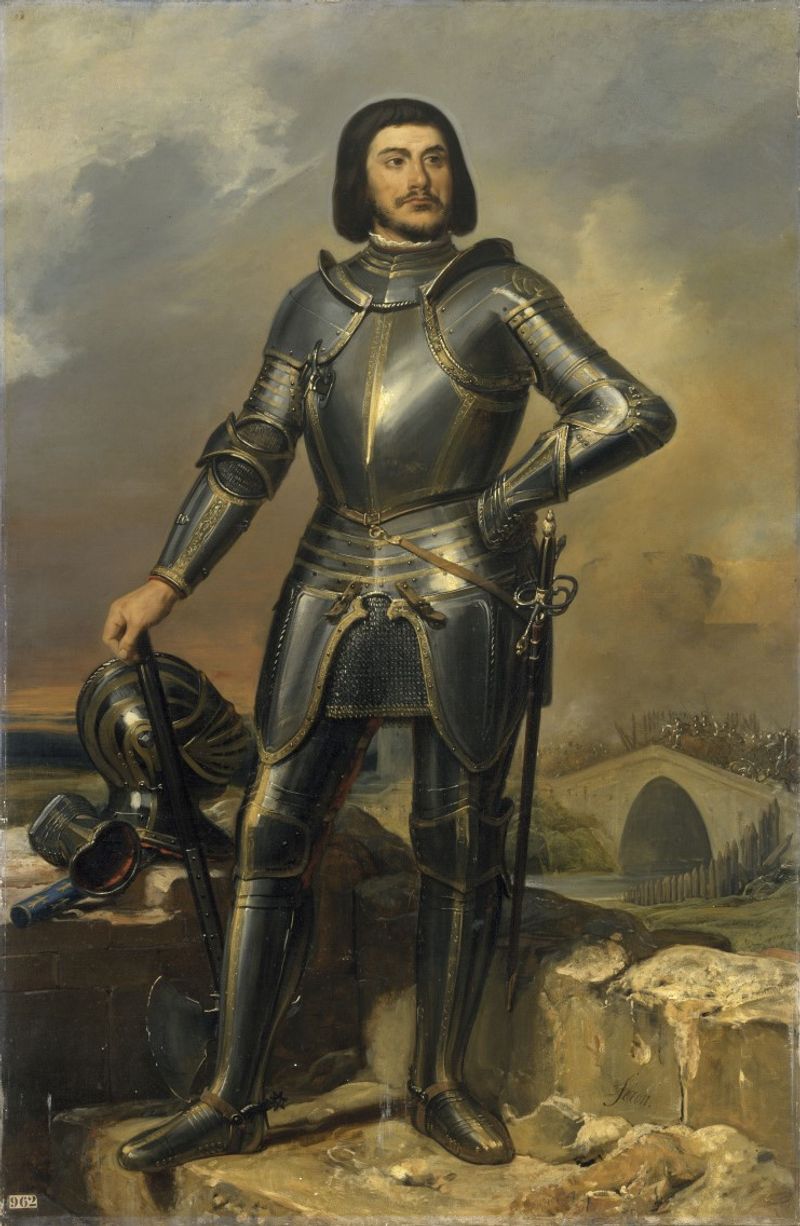
Who fought beside Joan of Arc during the Hundred Years’ War and earned a reputation as a French military hero?
Gilles de Rais gained fame on the battlefield before the fighting finally came to an end. After the wars ended, serious accusations involving children followed, leading to execution in 1440.
Some writers and commentators link him to the Bluebeard tradition, though certainty remains debated, the fairy-tale villain known for m*rdering his wives.
Certainty remains elusive, yet reference books continue to place his name beside the story, blending history with legend in deeply unsettling ways.
4. Petrus Gonsalvus
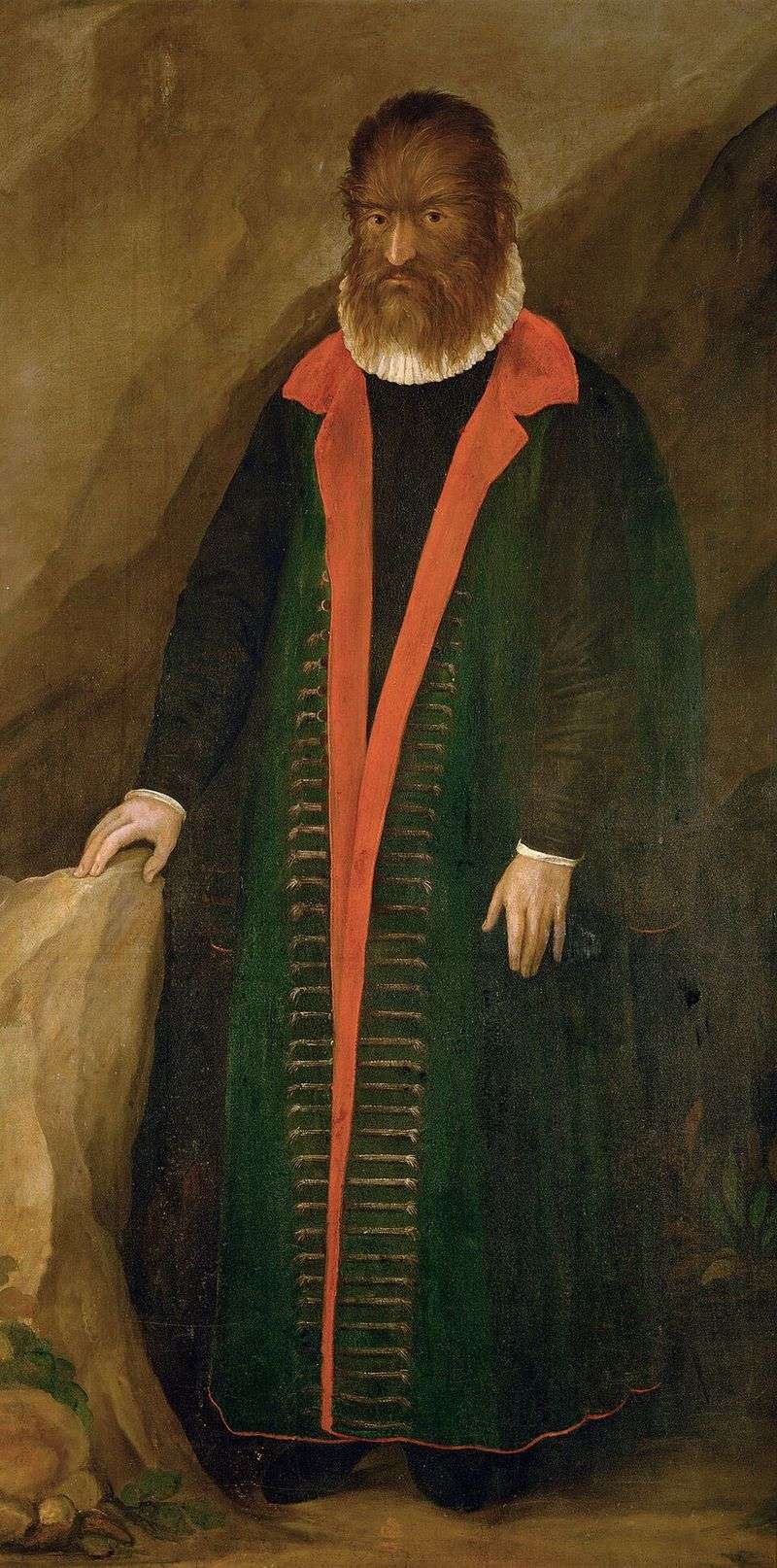
Born in the Canary Islands around 1537, Petrus Gonsalvus had a rare condition causing thick hair to cover his face and body.
European royalty treated him as a curiosity, yet he married and lived as a respected figure at various courts. Modern retellings sometimes point to him as a real-world parallel from Beauty and the Beast.
The fairy tale itself has older, more complex literary roots. Still, Gonsalvus remains the go to historical parallel, his portrait haunting every discussion of the tale’s possible origins.
5. Alice Liddell
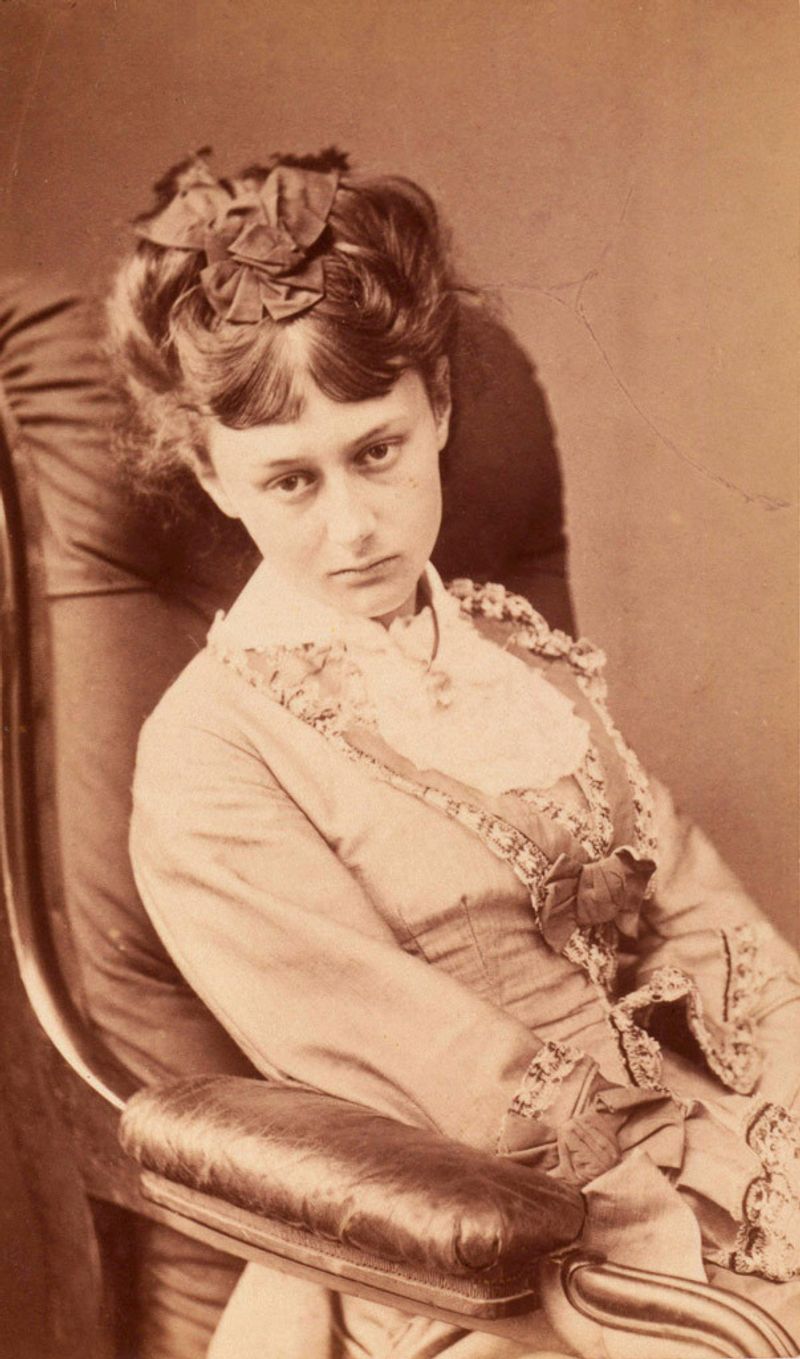
Charles Dodgson, later known as Lewis Carroll, entertained the Liddell sisters during a summer river outing in 1862 with a fantastical story. Young Alice Liddell became the heart of that tale, and Dodgson later expanded it into Alice’s Adventures in Wonderland.
Life carried the real Alice into adulthood, marriage, and a long existence far removed from Wonderland’s madness.
Yet the childhood connection remains one of literature’s most documented and celebrated inspirations, forever linking a girl to a rabbit hole.
6. Peter Llewelyn Davies
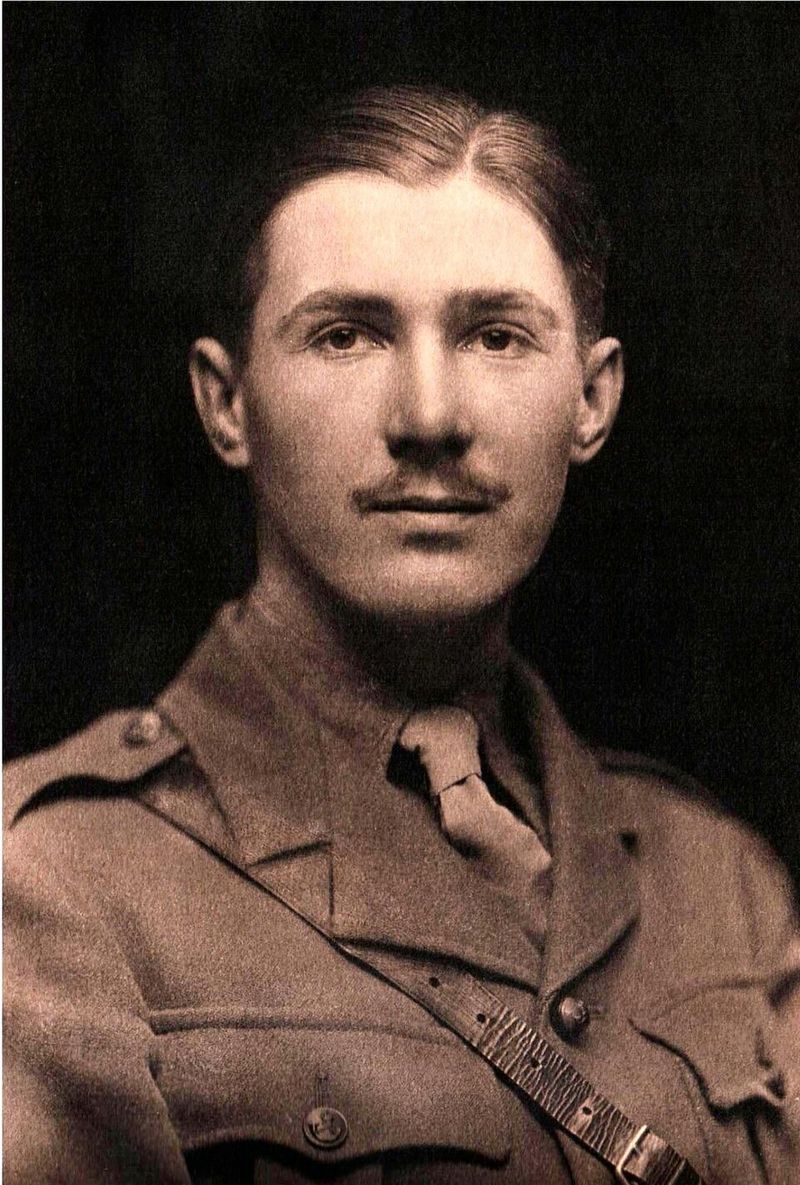
How did a chance friendship turn into literary history when J.M. Barrie grew close to the Llewelyn Davies family and formed a deep attachment to the five brothers?
Among them, Peter and his siblings inspired stories about a boy who never grew up, shaping Peter Pan’s character and adventures.
Adulthood proved complicated for the real Peter, who later spoke about the weight of that association with the burden of being permanently tied to a fictional figure. Despite that weight, extensive documentation preserves the bond between boy and legend, securing Peter’s place as one of fairy tale history’s most bittersweet real-world muses.
7. Saint Barbara
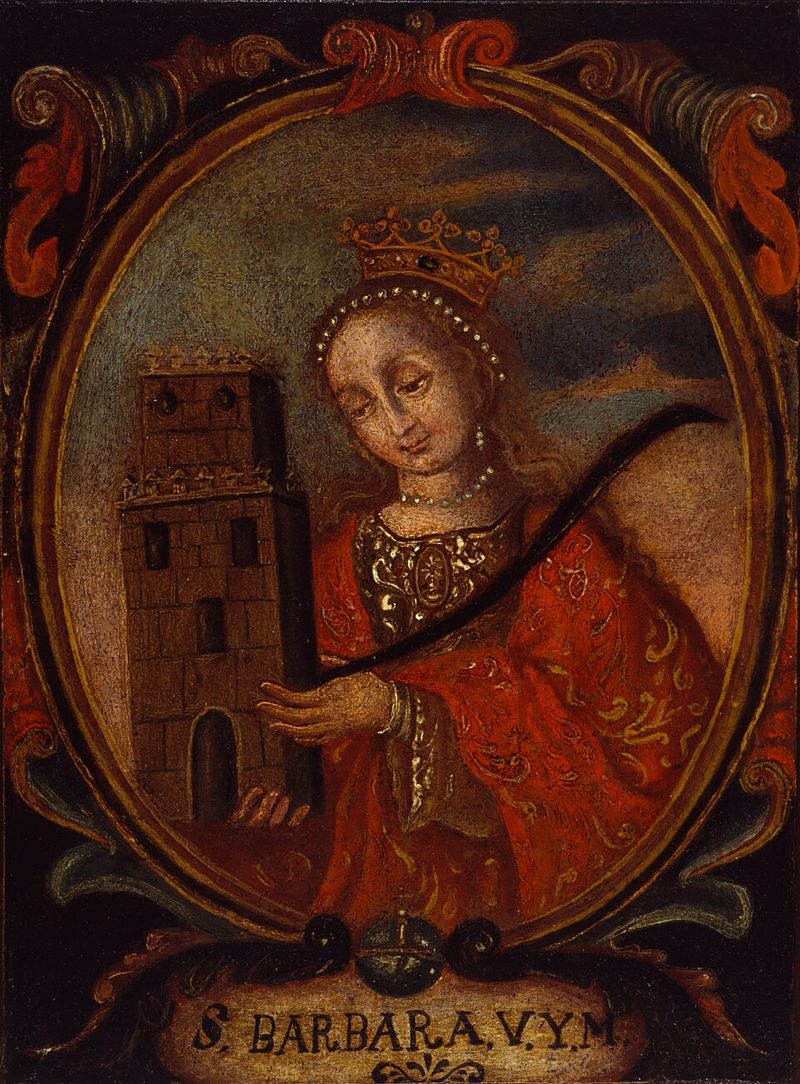
According to Christian tradition, Saint Barbara’s pagan father locked her in a tower to keep suitors away and prevent her conversion to Christianity.
She converted anyway, and her father eventually martyred her. The tower imprisonment detail jumps out at anyone familiar with Rapunzel’s story.
Modern explainers frequently draw the parallel between saint and fairy tale heroine. Both spent their youth isolated in stone towers, waiting for freedom that came at a terrible price, their stories echoing across centuries.
8. Margaretha Von Waldeck
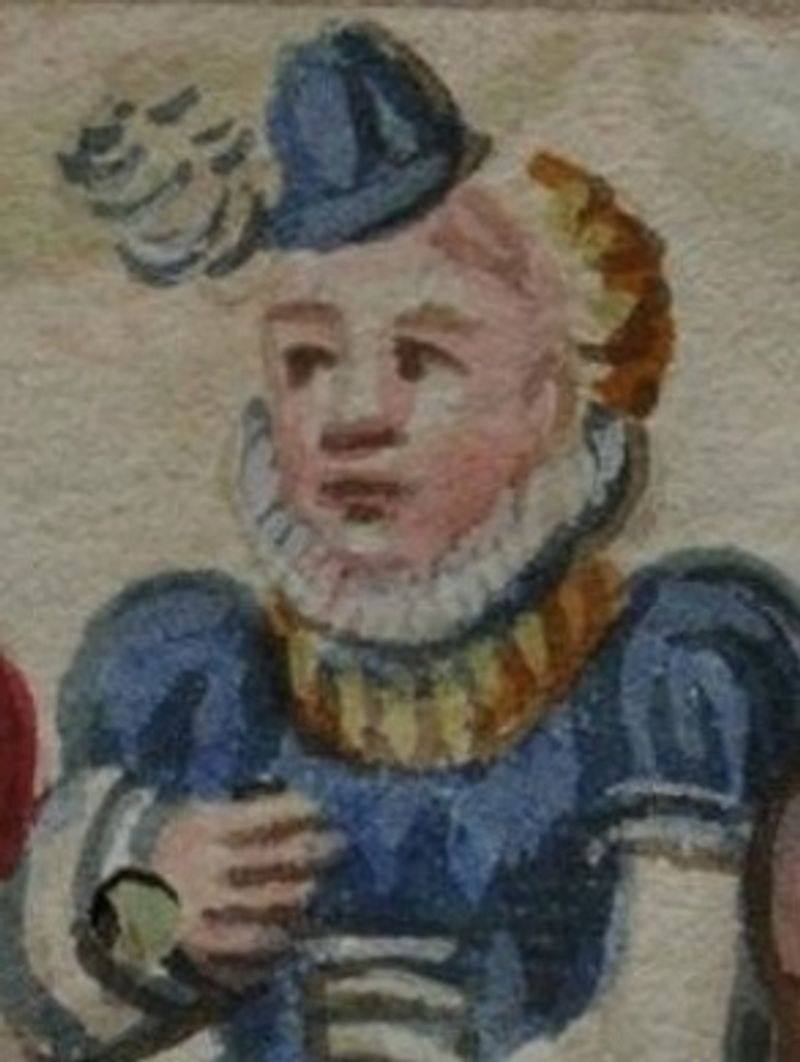
Born in 1533, Margaretha von Waldeck was a German countess known for her beauty. Romance entered her life when she fell in love with a prince whose family strongly disapproved of the match.
Accounts of her life grow darker as some historians suggest poisoning by political enemies, alongside a jealous stepmother and ties to mining towns where children worked in harsh mining conditions, and some accounts mention long-term health impacts.
Taken together, those elements help explain why she is often cited as a real-world inspiration for Snow White, even as the fairy tale itself draws on influences far beyond one tragic noblewoman’s life.
9. Rhodopis
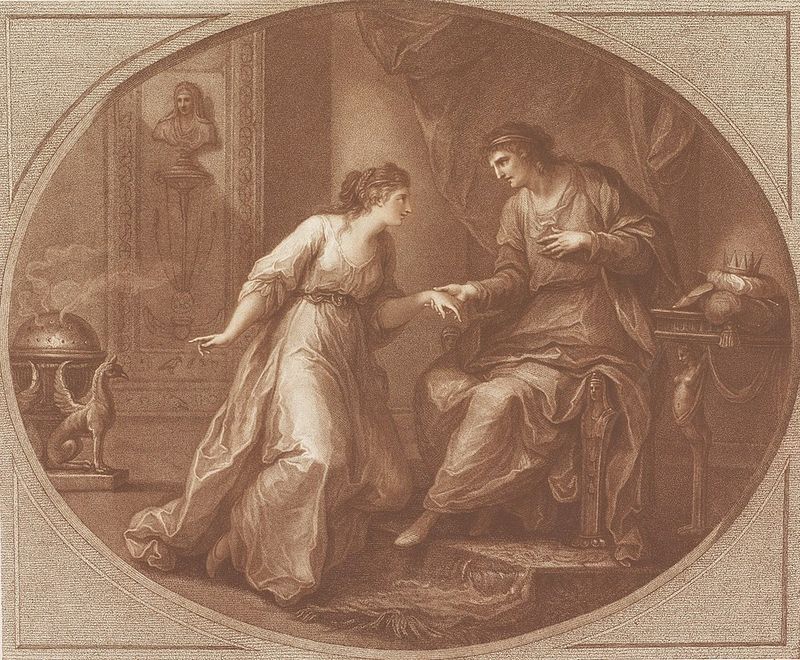
Ancient sources link Rhodopis to Egypt, and later writers tell a sandal story in which a bird carries it to a ruler, prompting a search. Curiosity drives the ruler to search for the sandal’s owner, ultimately choosing her as his bride.
Literary scholars often identify Rhodopis as one of the earliest Cinderella-type figures, showing how a rags-to-riches slipper story has captivated audiences for thousands of years across cultures and continents.
10. Jeanne Marie Leprince De Beaumont
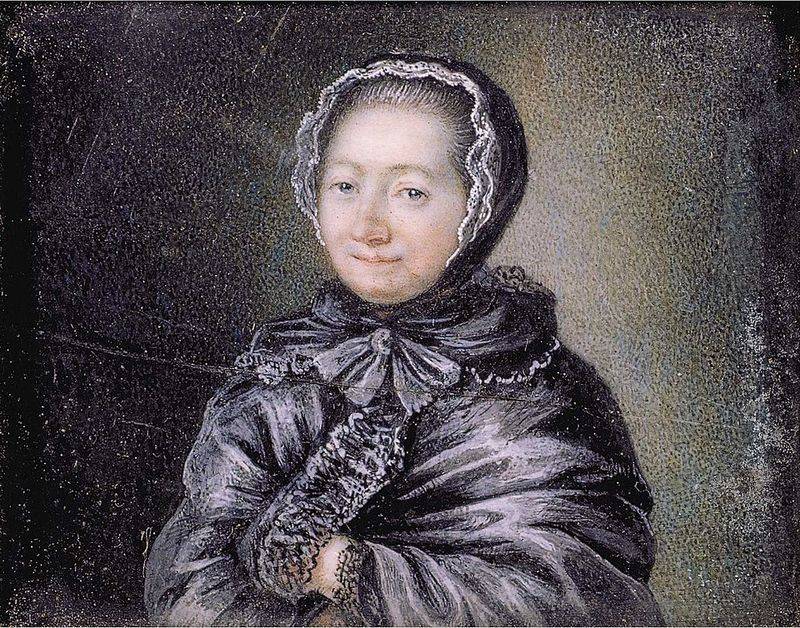
In 1756, Jeanne Marie Leprince de Beaumont published her streamlined version of Beauty and the Beast, aimed at young readers.
Her adaptation became the version everyone knows today, shaping countless retellings, stage productions, and films.
Before Beaumont, the tale existed in longer, more complex forms. She distilled it into something elegant and accessible, cementing the story’s place in the fairy tale canon and ensuring generations would grow up believing love could transform even the most fearsome beast into a prince.
11. Gabrielle Suzanne Barbot De Villeneuve
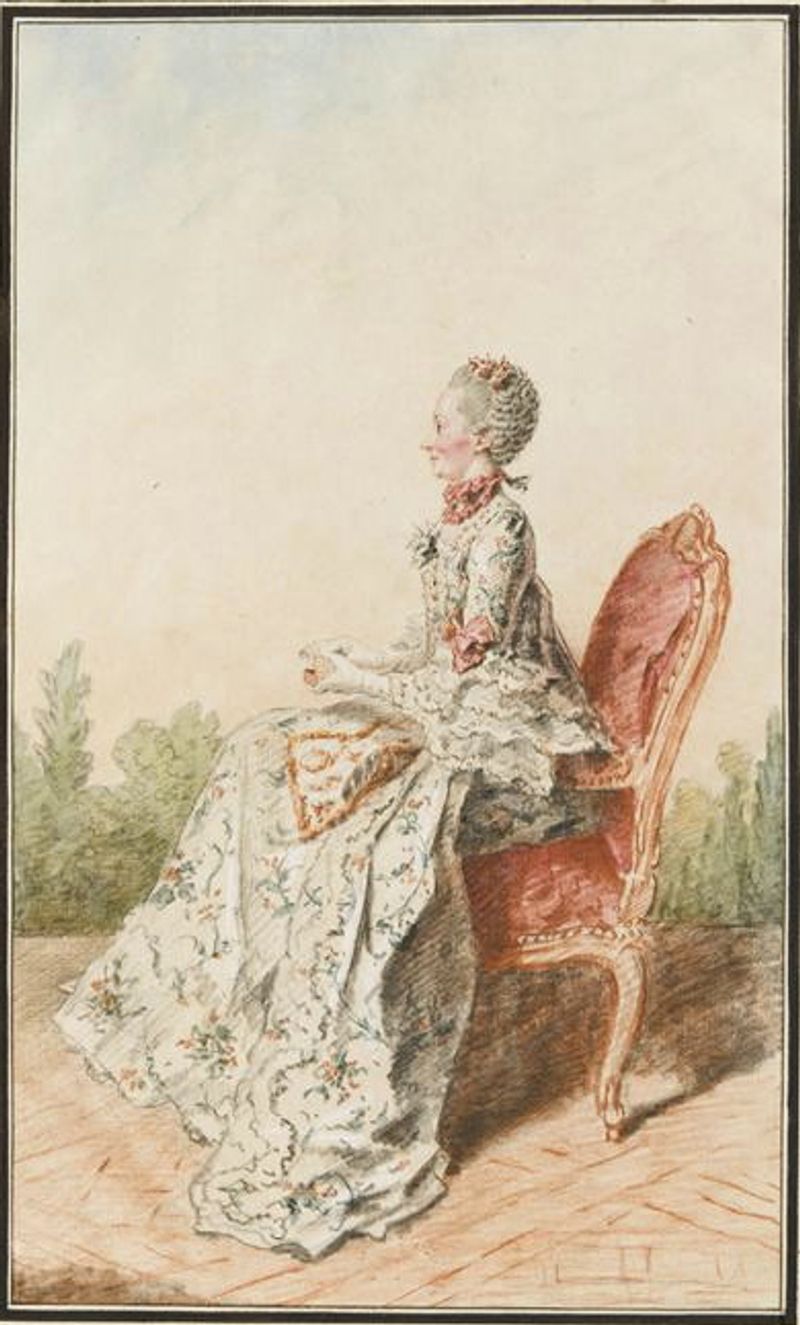
Publication history begins in 1740, when the first printed version of Beauty and the Beast appeared in France. Behind that milestone stood Gabrielle Suzanne Barbot de Villeneuve, whose original tale stretched longer and wove in complex subplots and fairy magic.
Later adaptations streamlined the story, yet credit still belongs to her as the literary godmother who shaped its foundation.
Recognition matters here, because the familiar version might not exist without that early transformation of oral tradition into print.
By giving Beauty and Beast a permanent home on the page, a lasting legend was set in motion.
12. Charles Perrault
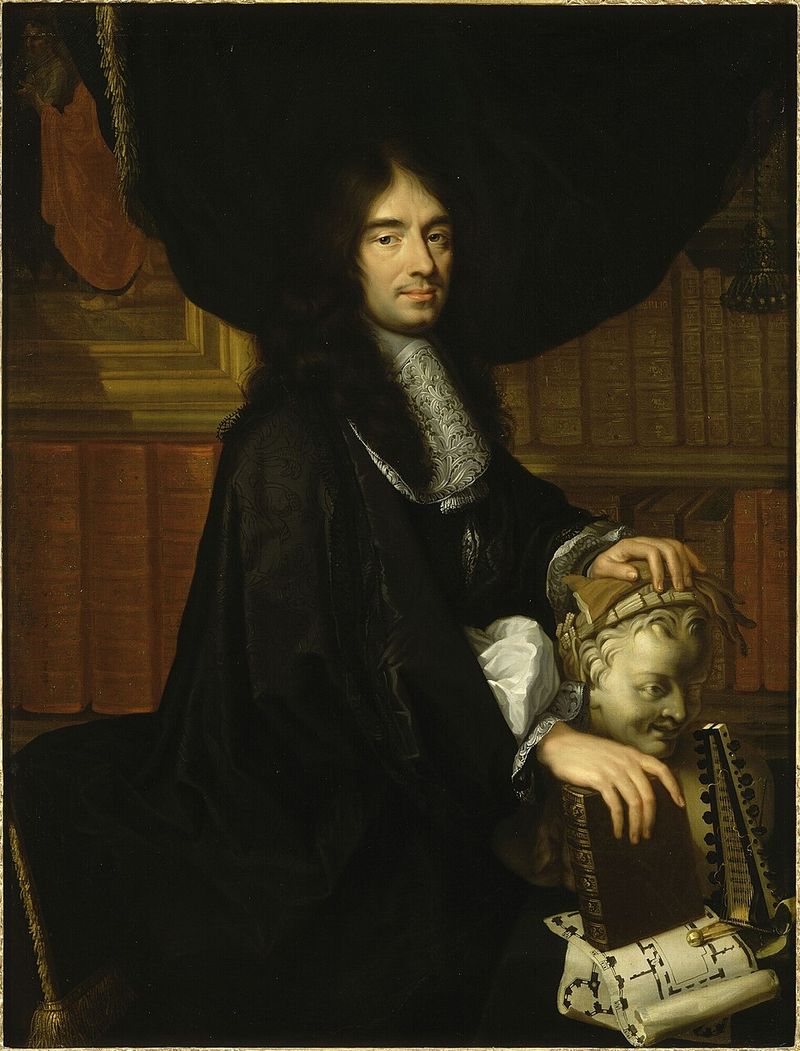
Publication in 1697 marked the release of a fairy tale collection that brought written versions of Cinderella, Sleeping Beauty, and Bluebeard to a wide audience. Elegant prose paired with clear moral lessons helped shape how generations came to understand and retell those stories.
Earlier versions of many tales traveled only by word of mouth, changing slightly with each storyteller who passed them along.
Fixing them in print created standard forms later writers and filmmakers could adapt and reimagine, securing Charles Perrault’s place as a founding figure of the modern fairy tale tradition.
13. Hans Christian Andersen
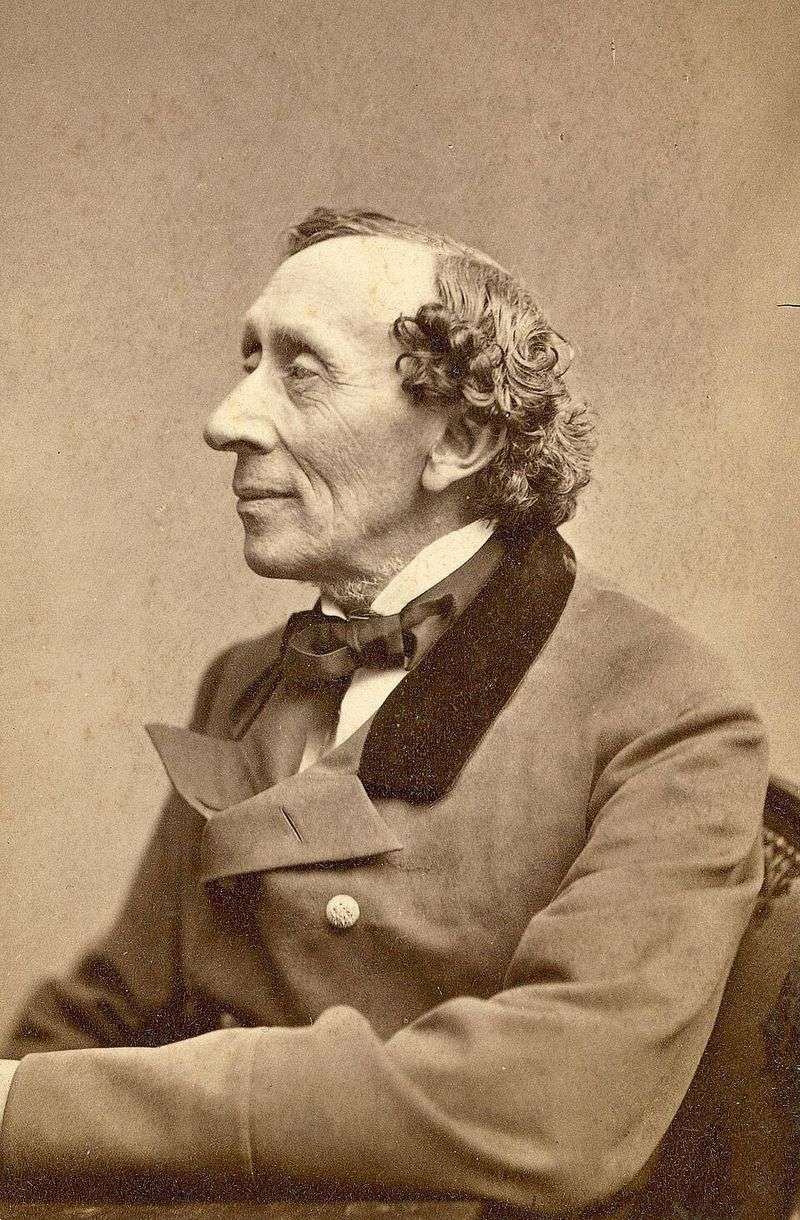
Hans Christian Andersen penned some of the most beloved fairy tales ever written, including The Little Mermaid, The Ugly Duckling, and The Snow Queen.
Born in Denmark in 1805, he grew up poor and faced bullying, experiences that colored his stories with themes of transformation and acceptance.
His tales remain timeless, translated into countless languages and adapted into films, ballets, and musicals. Andersen turned personal pain into universal stories, proving that even the loneliest duckling can become a swan.
14. Jacob Grimm
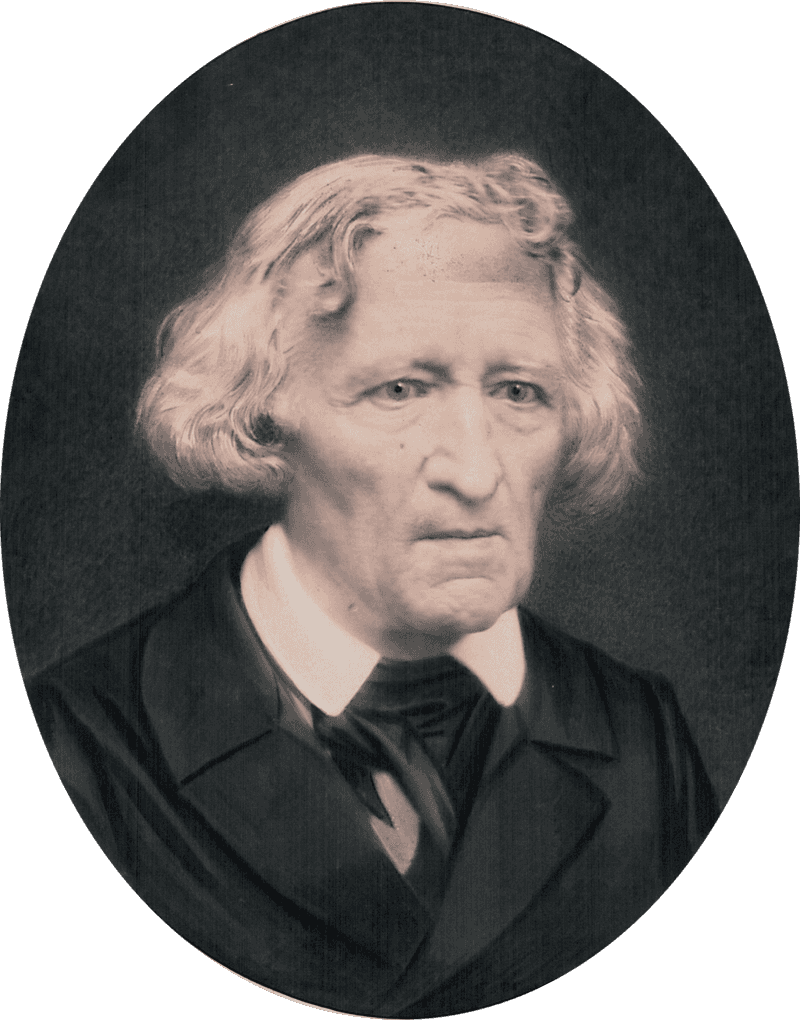
Early nineteenth-century Germany saw Jacob Grimm and his brother Wilhelm begin gathering folk tales, leading to the publication of a first volume in 1812.
Preservation became the lasting achievement, as oral traditions that might have vanished were set down as definitive versions of Hansel and Gretel, Rapunzel, and Snow White. Scholarly rigor shaped the project through Jacob’s focus on language, accuracy, and cultural context.
Absent that effort, a large part of the fairy tale library would feel far thinner, and many bedtime stories might have dissolved into forgotten whispers.
15. Wilhelm Grimm
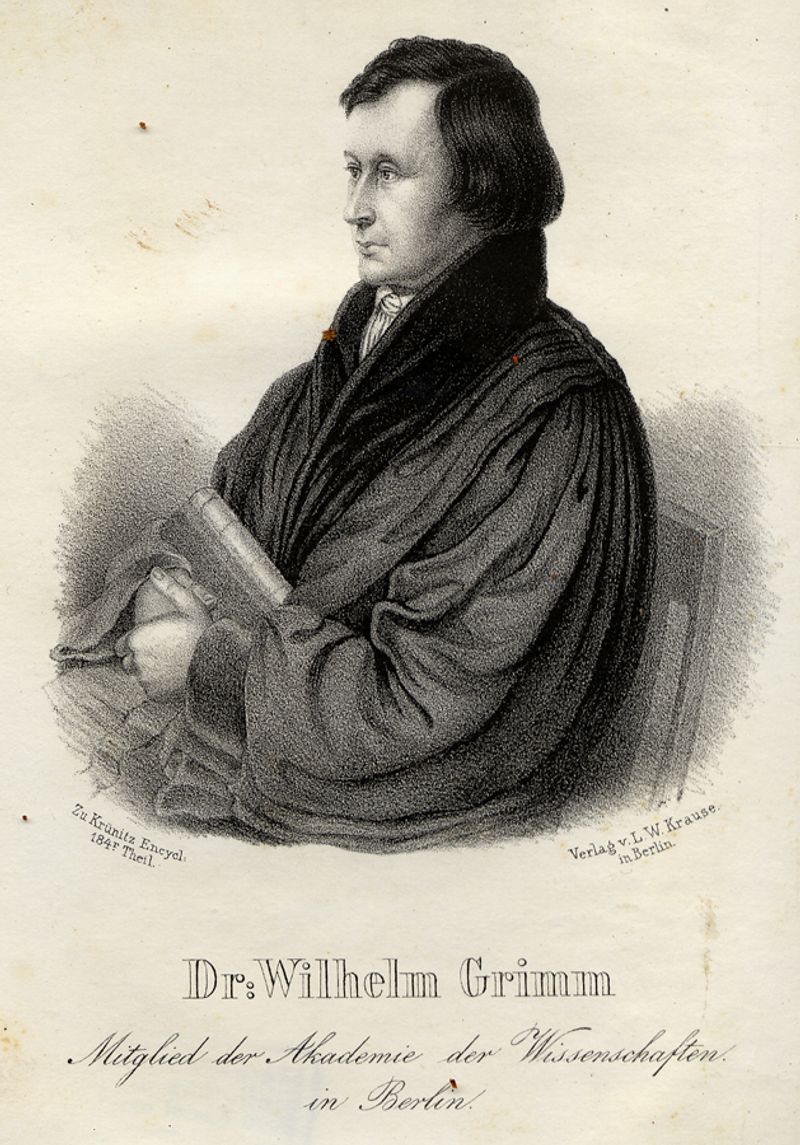
Wilhelm Grimm worked alongside his brother Jacob, collecting and editing the fairy tales that became the Grimm collection.
Wilhelm often handled the storytelling polish, smoothing rough folk language into readable prose. His editorial touch helped make the tales accessible to families across Europe and eventually the world.
Together, the brothers created a fairy tale foundation that still supports modern retellings, films, and theme park attractions. Wilhelm’s contribution ensured these stories would enchant readers for generations, turning whispered legends into printed treasures.