13 Reality TV Stars Who Said Their Shows Were Not As Real As They Seemed
Reality TV loves to sell the fantasy that cameras just happened to be there when the chaos unfolded.
Perfect timing, suspiciously dramatic exits, and fights that somehow erupt right when the lighting is looking its best.
Very convincing and organic. Nothing to question there at all. Then former stars start talking.
Suddenly the “real” part gets a lot fuzzier, and the whole genre begins to look like a machine running on retakes, selective editing, and producers who definitely were not just standing around eating granola bars in the background.
Hearing cast members pull back the curtain changes the fun of it.
Every meltdown, romance, and conveniently timed revelation starts looking a little less accidental and a lot more assembled.
Reality television may never have been famous for subtlety, but once the people inside it admit the illusion had help, the entire thing becomes even harder to look away from.
Disclaimer: This article is intended for general informational and entertainment purposes only. Comments from reality TV stars about how their shows were produced are based on publicly available interviews, memoirs, and media reports, and accounts may differ depending on the person and production.
1. Kristin Cavallari Spills On The Hills
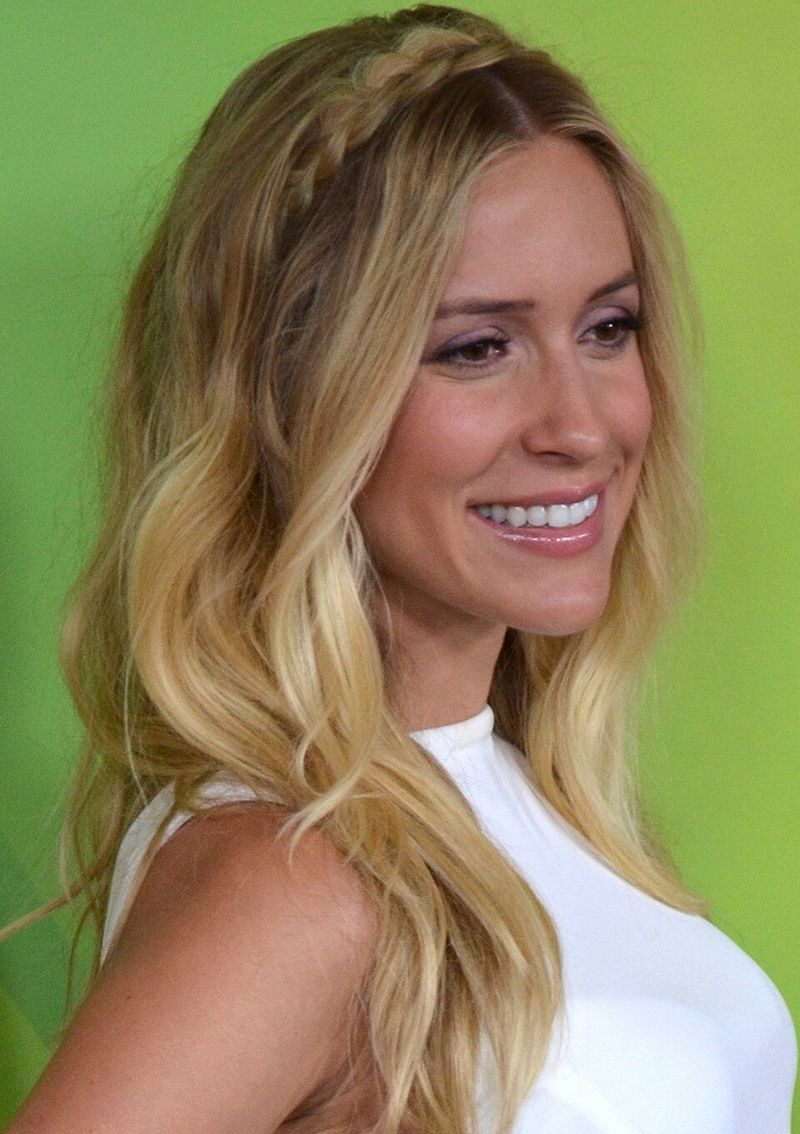
Fake phone calls, lines fed by producers, and scenes filmed completely out of order – welcome to the world of The Hills, according to Kristin Cavallari.
She later told interviewers that “most” of her storylines simply were not real. Her supposed romance with Brody Jenner? Totally manufactured.
Brody was actually dating someone else the entire time their on-screen love story played out. Cavallari also confirmed in People that the famous Paris trip storyline was staged.
If you ever watched those episodes thinking, “Wow, this feels almost too dramatic,” your instincts were absolutely right.
2. Audrina Patridge And The Manufactured Drama
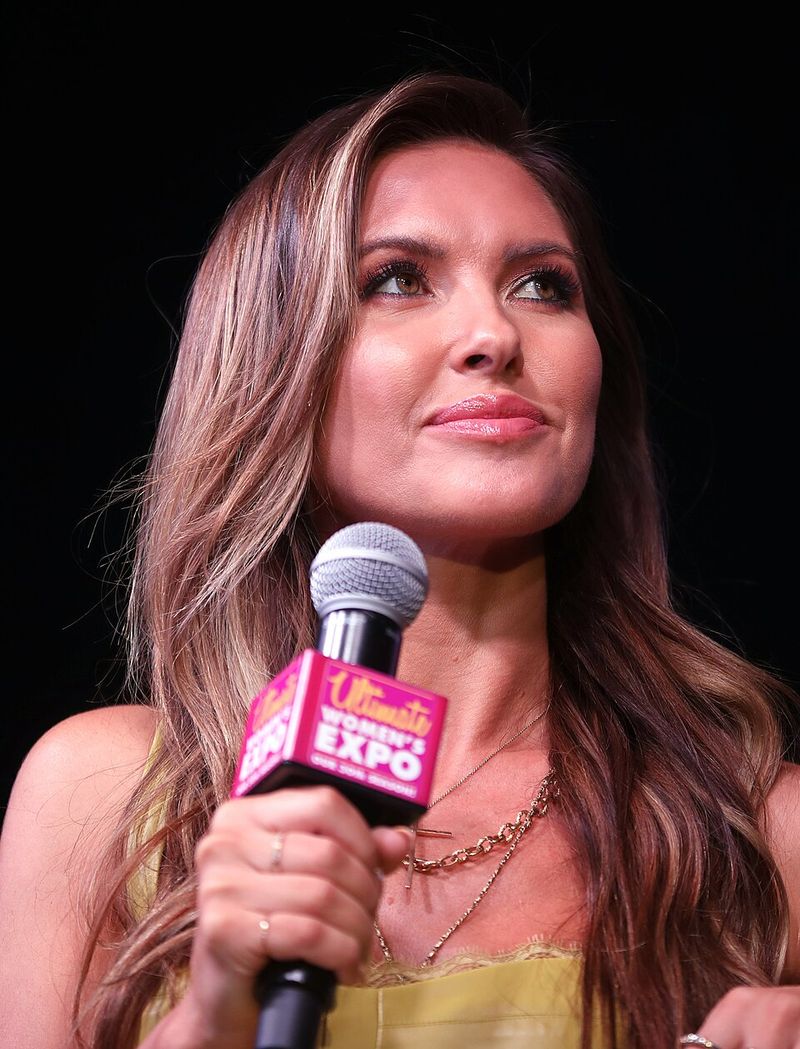
How does a producer turn ordinary friendships into must-watch television? According to Audrina Patridge, you simply invent conflict where none exists.
Patridge opened up about how The Hills producers engineered fake drama between her and Kristin Cavallari, pushing cast members into confrontations that had no natural origin.
She made clear that the tension viewers saw was not always something that bubbled up organically. Producers had a narrative in mind and worked backward from there.
Knowing this, it is genuinely hard to rewatch those scenes without spotting the invisible hand pulling all the strings.
3. Holly Madison’s Staged Pajama Scenes
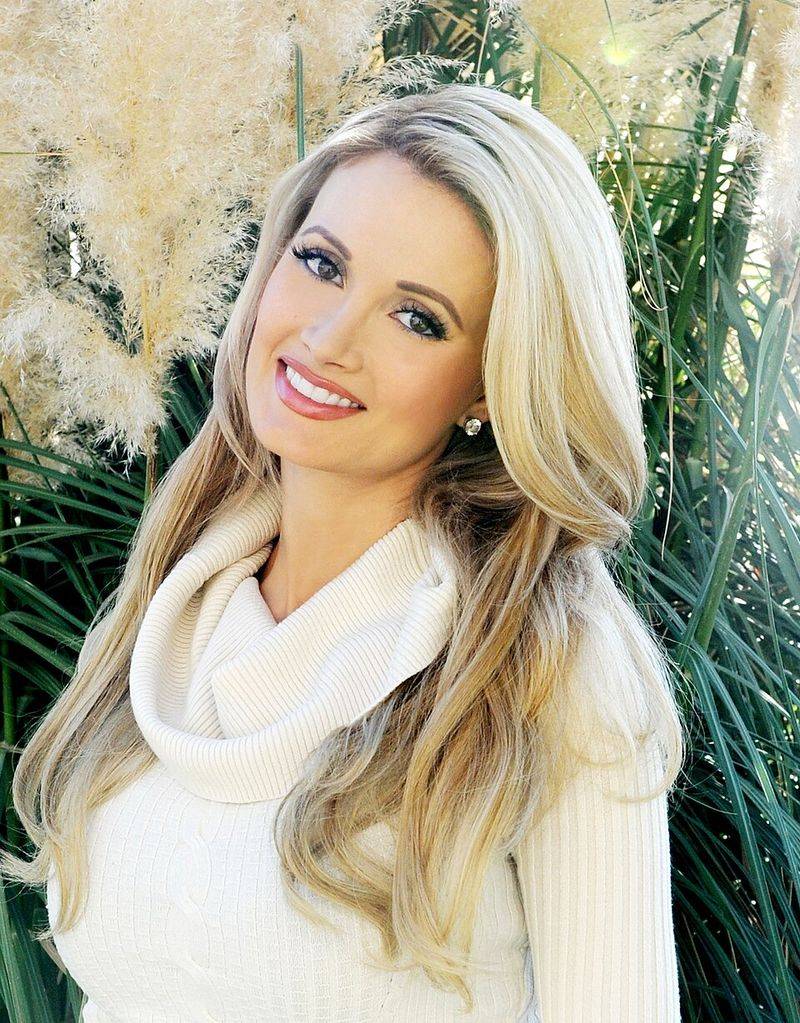
When Holly Madison appeared on The Girls Next Door, viewers assumed the cozy, relaxed moments captured on camera were just everyday life.
Madison later revealed that the famous pajama-in-bed scenes were actually staged specifically for the camera, not genuine glimpses of her daily routine.
She also called out a confrontation on Kendra on Top as a “completely fake setup.”
Madison has been refreshingly candid about the mechanics of reality TV production, making her one of the more outspoken voices when it comes to explaining how these shows actually get made.
4. Heidi Montag’s House Was Not Even Hers
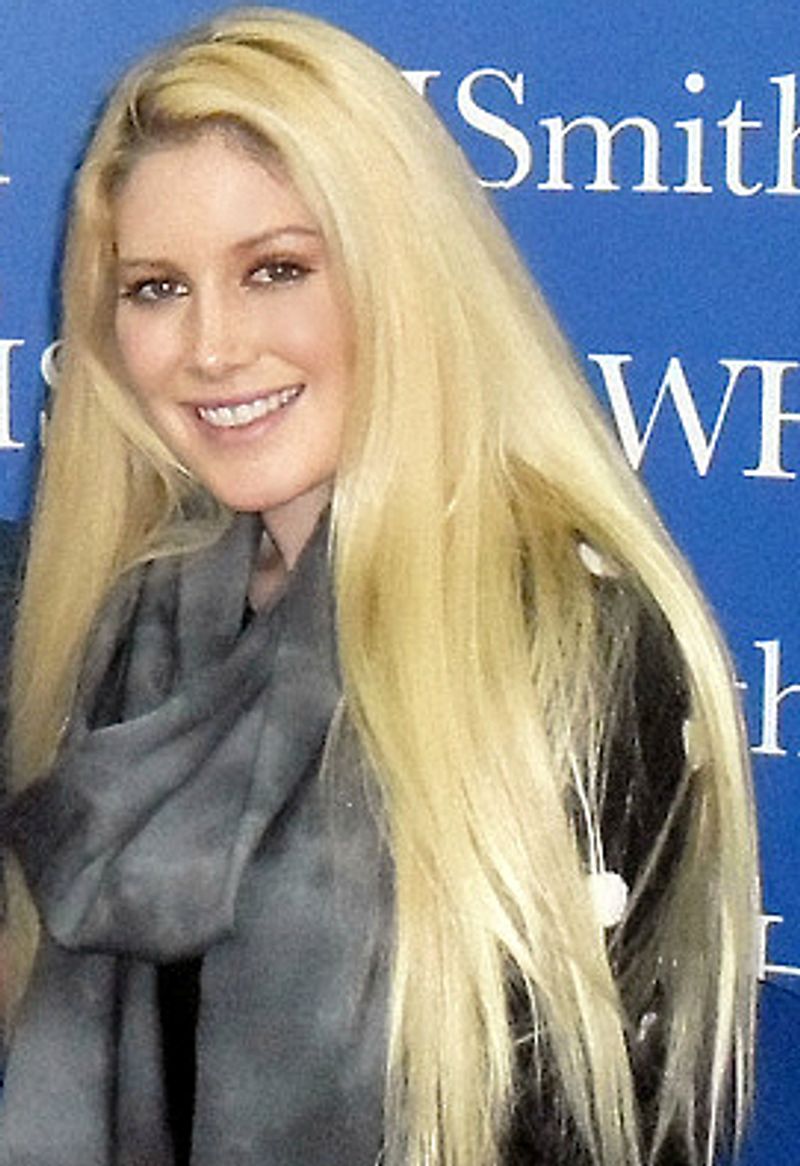
Surprise! The house Heidi Montag supposedly lived in on The Hills? She did not actually live there.
Montag revealed that several of her biggest storylines were scripted, including her big workplace promotion at Bolthouse Productions, which she said was entirely made up for the cameras.
Montag also described how moments that appeared spontaneous were actually planned well in advance for story purposes.
The show packaged her life into a neat, dramatic arc that had very little to do with her actual day-to-day reality.
5. Spencer Pratt Calls Out Frankenbiting
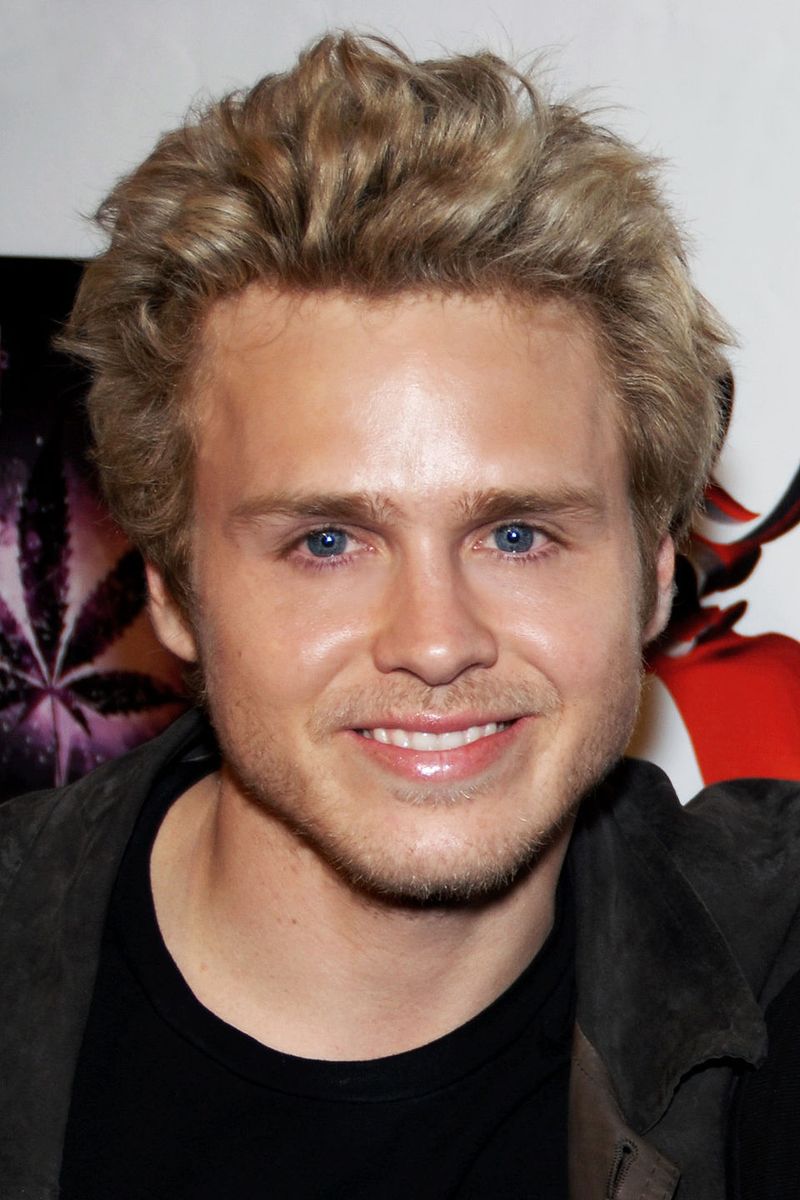
Spencer Pratt did not sugarcoat it one bit.
He called out The Hills for using a technique known as “Frankenbiting,” where audio clips are stitched together to make someone appear to say something they never actually said.
Pratt claimed his own words were edited this way, turning him into a villain the producers wanted rather than the person he actually was.
Deceptive editing, manufactured moments, spliced dialogue – Pratt laid it all out plainly.
Whether you loved or loathed his character on the show, this revelation forces a serious rethink about how much of his “villain” image was real.
6. Kendra Wilkinson On Forced Friendships
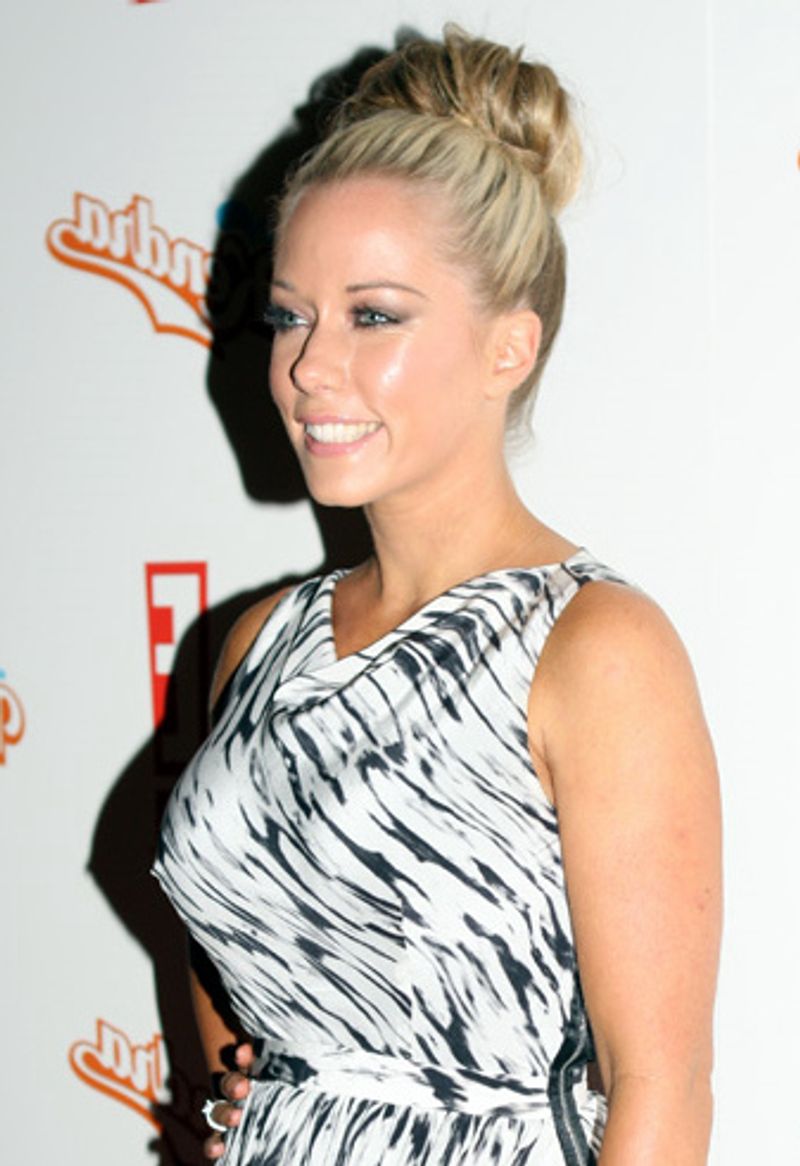
Kendra Wilkinson put it in terms anyone can understand: being “forced to be friends with somebody because of TV” is not exactly a recipe for authentic connection.
Her comment made it crystal clear that some of the on-screen relationships viewers watched were less about genuine chemistry and more about what producers needed for the show’s storyline.
There is something almost relatable about that, right? We have all had situations where we had to be polite with someone we did not really click with.
Wilkinson just happened to have millions of viewers watching her do it, which honestly makes it so much more complicated.
7. Brody Jenner’s Romance That Never Was
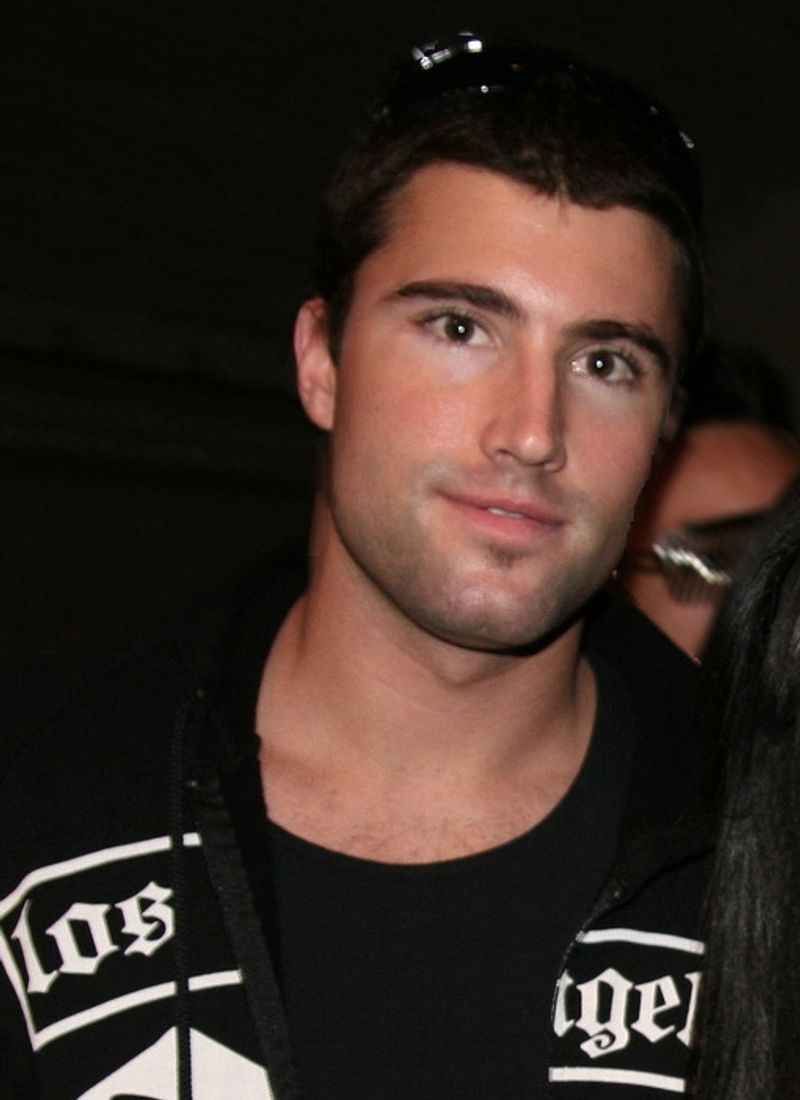
Viewers watched Brody Jenner and Lauren Conrad’s romance unfold with all the warmth and tension of a great love story.
There was just one problem: according to Jenner himself, the romance was essentially manufactured for television. The whole thing, he said, was created to give the show a compelling emotional storyline.
Think about that the next time you rewatch those scenes where their chemistry seems to crackle off the screen.
It turns out great lighting and a good producer can make even a fictional love story feel completely convincing.
8. Matthew Duliba Feared Love Is Blind’s Editing Room

When Love Is Blind season 6 aired its reunion episode, Matthew Duliba was notably absent. His reason? He did not trust the editing.
Duliba stated openly that producers still had “editing control” over the reunion footage and claimed they could “cut and paste sentences” to make cast members appear to say things in ways that changed the meaning entirely.
His decision to skip the reunion rather than risk being misrepresented speaks volumes.
In a show built entirely on emotional honesty and vulnerability, the idea that dialogue could be rearranged after the fact is pretty unsettling.
9. Lauren Conrad’s Teen Vogue Job Was Complicated
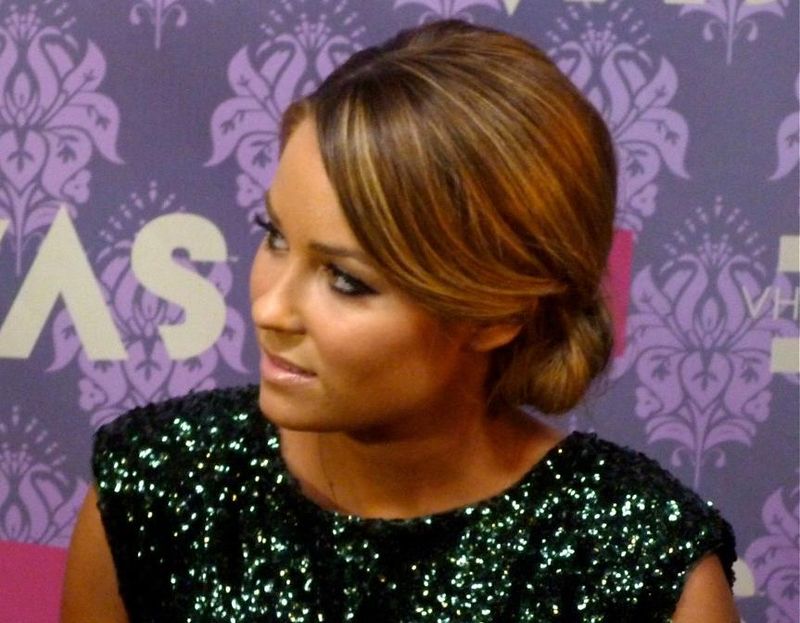
The Teen Vogue internship storyline on The Hills felt like the ultimate career fairytale, a young woman landing a dream fashion job on national television.
However, Lauren Conrad later revealed that the situation was not as real as viewers believed. The “job” was constructed as part of the show’s narrative rather than being a straightforward career opportunity.
Conrad’s admission added another layer to the ongoing conversation about how The Hills blurred the line between scripted drama and lived experience.
10. Farrah Abraham And The Invented Hate On Teen Mom
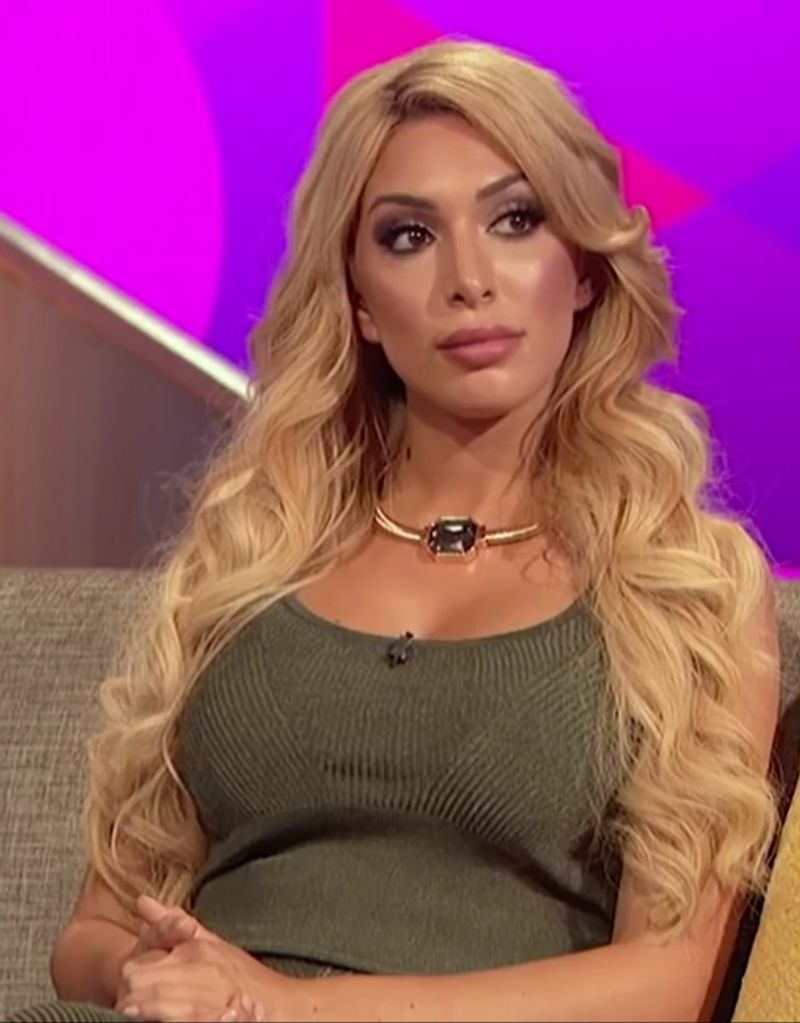
Farrah Abraham was one of the most polarizing figures in Teen Mom history, but she insists not all of that negativity was earned honestly.
Abraham accused producers and crew members of creating “made up hate” around her and plotting false narratives designed to paint her in a specific light for the audience.
Whether viewers agreed with her or not, the accusation touches on something worth considering: how much of a cast member’s reputation on reality TV is built by editors working in a room long after filming ends?
11. Whitney Port And The Paris Trip That Never Happened
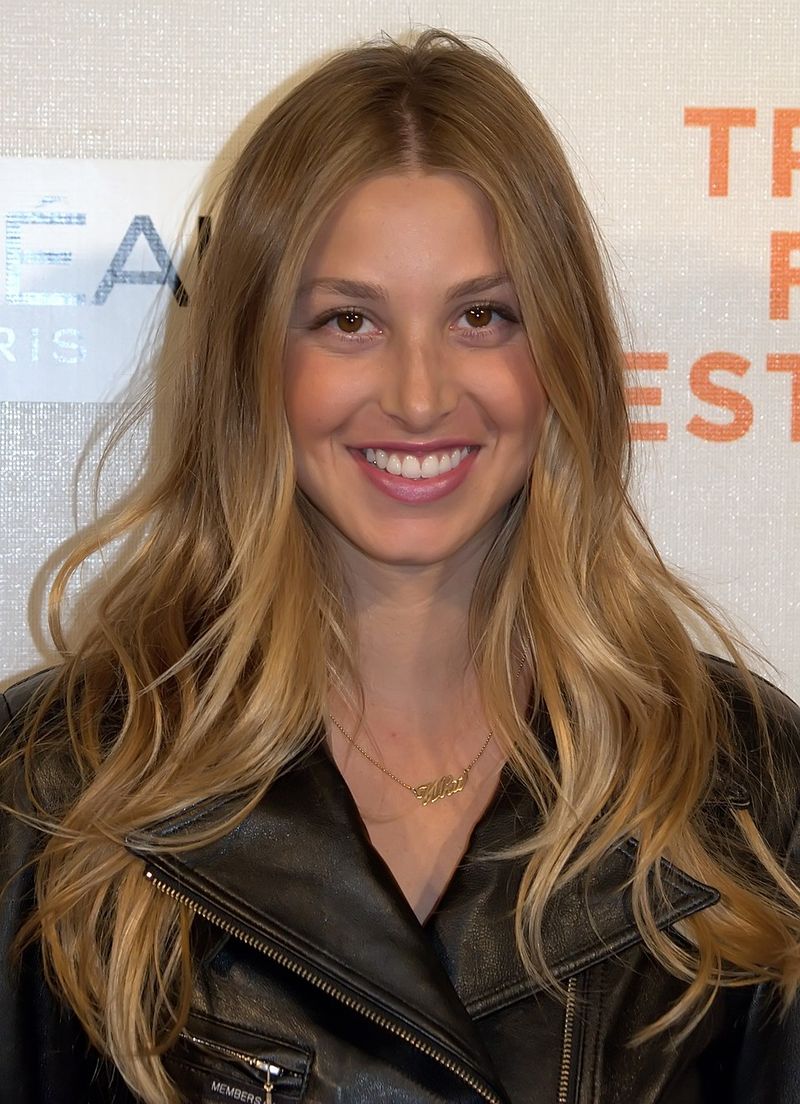
One of The Hills most iconic storylines involved a Paris trip that fans still talk about today. Whitney Port is the one who dropped the bombshell: it did not happen the way viewers saw it.
The trip was presented as a pivotal, life-changing moment, but the reality behind the cameras told a very different story.
Cavallari later referenced Port’s account in People, lending it even more credibility.
If a storyline that dramatic, cinematic, and emotionally loaded was staged, it really does raise the question of what else on the show was quietly invented.
12. Jaeda Young And A Racist Challenge Turned Into Drama

During a revisit of America’s Next Top Model, critics and former participants examined a challenge involving Jaeda Young and a male model whose behavior was widely described as racist and inappropriate.
Rather than addressing the underlying issue, the show reportedly framed Young’s visible discomfort as a performance problem and turned her reaction into a manufactured dramatic arc.
Her real emotional response to a genuinely uncomfortable situation became television content. That is a troubling distinction.
13. Adrianne Curry Never Got Her Full Prize Package
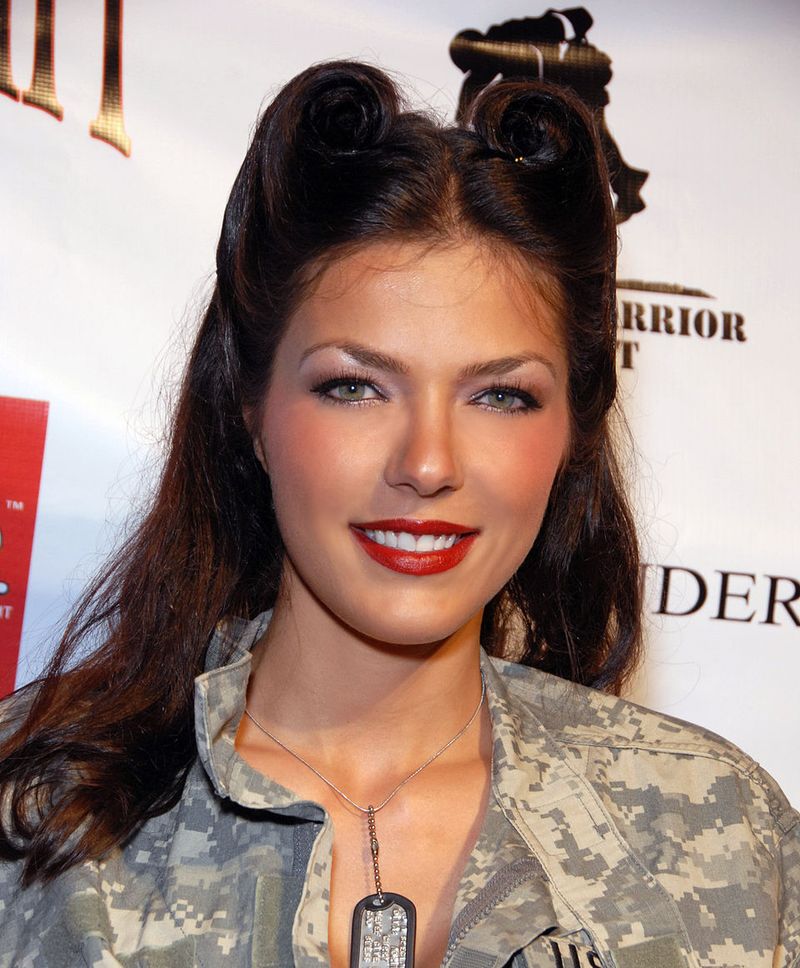
Winning the very first cycle of America’s Next Top Model sounds like the ultimate reality TV fairy tale. For Adrianne Curry, the original champion, the reality was considerably less magical.
Curry later alleged that she did not receive the full prize package the show had promised, suggesting the glossy, aspirational image projected on air did not quite match what winners actually walked away with.
Her account reinforced a broader truth about reality competition shows: the gap between what is promised on camera and what is delivered off camera can be significant.