15 Recommended Books For Fans Of The Wheel Of Time
Finishing Robert Jordan’s massive fantasy series can feel like saying goodbye to old friends.
You’ve spent countless hours following Mat, Rand, and Egwene through battles, prophecies, and magic that made your imagination soar.
Now you’re looking for another epic adventure that delivers the same thrilling mix of complex characters, intricate plots, and worlds you can lose yourself in for months.
Disclaimer: Intended for informational and entertainment use.
All book categories and comparisons are based on interpretive data and common reader feedback; these insights should be viewed as subjective perspectives rather than formal recommendations.
1. The Way Of Kings (The Stormlight Archive) – Brandon Sanderson

Brandon Sanderson completed The Wheel of Time following passing of Robert Jordan, showing deep understanding of epic fantasy readers.
The Stormlight Archive presents world reshaped by magical storms where knights gain power through ancient oaths.
Characters face impossible choices testing honor, echoing favorite moments within Jordan work.
Kaladin journey from slavery toward heroism recalls early love for fantasy, especially during quiet moments when courage means rising one more time.
2. Gardens Of The Moon (Malazan Book Of The Fallen) – Steven Erikson

Immediate immersion into sprawling conflict between gods, empires, plus magic users defines work by Steven Erikson, refusing gentle guidance through every detail.
Malazan Book of the Fallen spans hundreds of characters across multiple continents, weaving tapestry rivaling anything The Wheel of Time ever delivered.
Keeping notes becomes essential, much like tracking countless Aes Sedai names, yet payoff proves entirely worth effort.
Viewing experience feels like grittier, more mysterious cousin arriving at family gathering loaded with wild stories.
3. The Dragonbone Chair (Memory, Sorrow, And Thorn) – Tad Williams

Before Robert Jordan even started writing, Tad Williams was crafting the kind of slow-burn epic that influenced an entire generation of fantasy authors.
Simon begins as a castle servant who dreams of adventure, then finds himself caught in ancient prophecies and royal intrigue.
The pacing feels familiar to Wheel of Time readers who appreciate when authors take time building worlds that feel genuinely lived-in.
Williams proves that sometimes the best journeys start in the most ordinary places, like a busy kitchen on a quiet afternoon.
4. Assassin’s Apprentice (The Farseer Trilogy) – Robin Hobb
Intimate character work by Robin Hobb lets readers feel trapped inside Fitz head, sharing every triumph plus heartbreak firsthand.
Magic system centers on bonding with animals plus subtle court politics instead of flashy battles, delivering something refreshingly different yet equally compelling.
Loyalty toward kingdom despite constant betrayal echoes struggles loved by readers drawn to Rand tension between duty plus desire.
Small moments of connection captured by Hobb help epic fantasy feel deeply personal plus real.
5. A Game Of Thrones (A Song Of Ice And Fire) – George R. R. Martin

Long before the TV show made Westeros a household name, Martin was crafting political intrigue so complex it makes the White Tower look straightforward.
Multiple viewpoint characters reveal different sides of the same conflicts, creating moral ambiguity that challenges your assumptions about heroes and villains.
The scope rivals Jordan’s work, though Martin takes a darker approach where favorite characters aren’t guaranteed to survive.
Just don’t expect the series to finish anytime soon, a frustration Wheel of Time fans thankfully never had to endure permanently.
6. The Fellowship Of The Ring (The Lord Of The Rings) – J. R. R. Tolkien
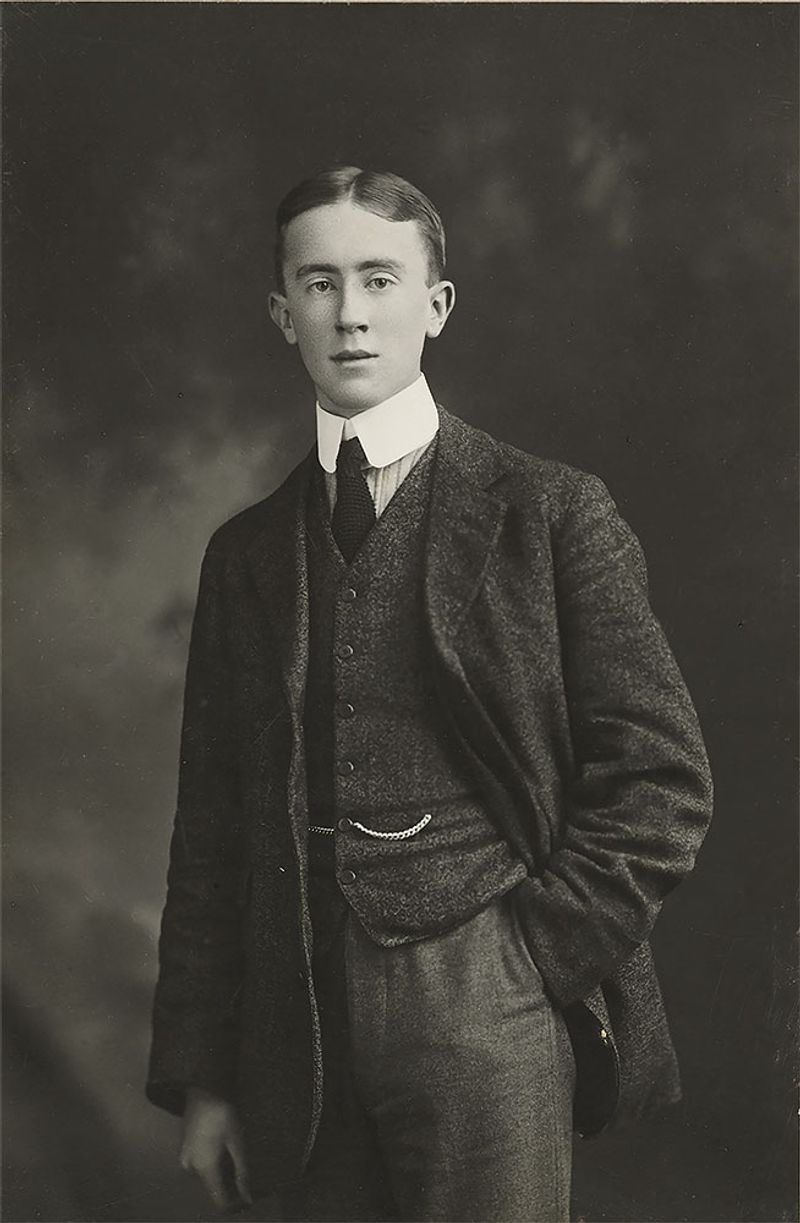
Tolkien literally invented modern fantasy as we know it, creating the template that Jordan and countless others would follow and expand upon.
Middle-earth feels as meticulously crafted as Randland, complete with invented languages, detailed histories, and cultures that stretch back thousands of years.
Frodo’s burden mirrors Rand’s in many ways, showing how ordinary people can carry extraordinary responsibilities when darkness threatens everything they love.
Reading Tolkien after Jordan feels like discovering where your favorite traditions actually started, like finding your grandmother’s original recipe.
7. A Wizard Of Earthsea (Earthsea Cycle) – Ursula K. Le Guin
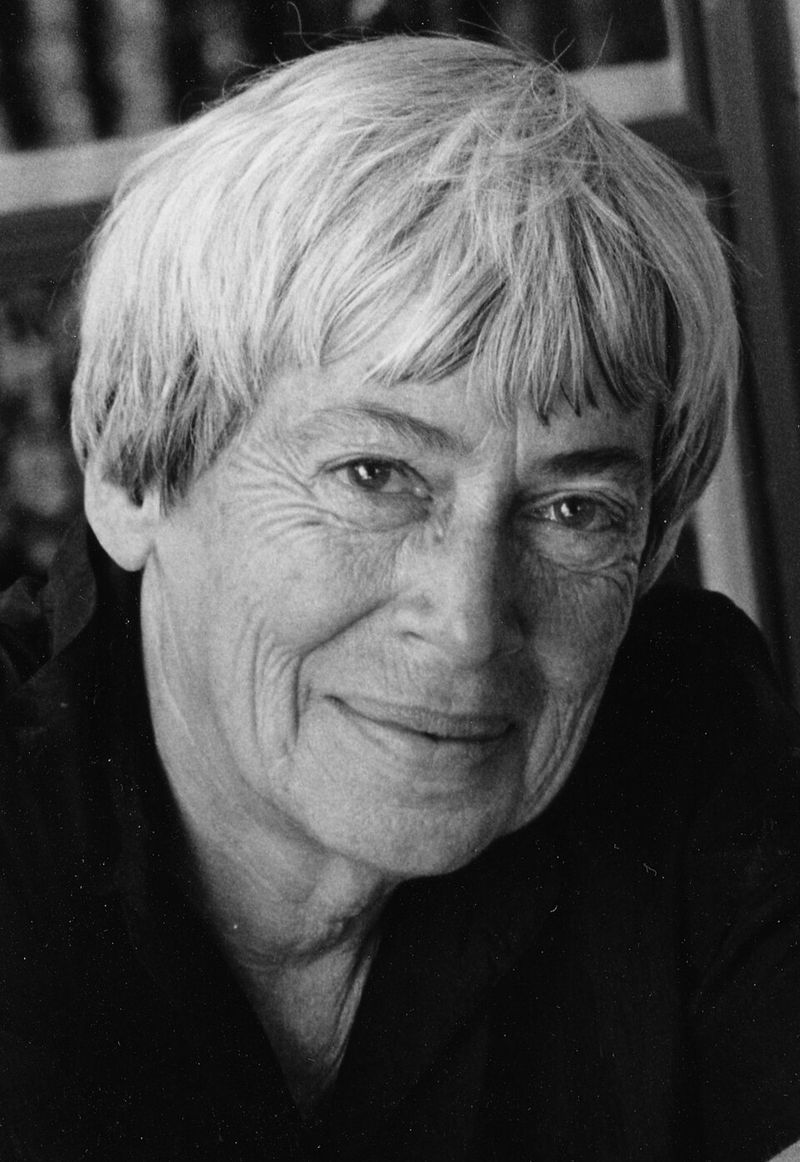
Le Guin’s magic system revolves around knowing the true names of things, creating a philosophy where understanding brings power and responsibility.
Ged’s journey from proud young wizard to humble archmage explores themes of balance and consequence that feel mature and thoughtful.
The prose reads like poetry compared to Jordan’s more straightforward style, but both authors understand that internal struggles often matter more than external battles.
Earthsea proves epic fantasy doesn’t always need thousands of pages to achieve profound depth and lasting impact on readers.
8. Guards! Guards! (Discworld) – Terry Pratchett

Terry Pratchett playfully skewers serious fantasy traditions while somehow deepening emotional investment in characters.
Discworld presents flat world carried by elephants standing on giant turtle, sounding ridiculous until tears flow over dragon moments or cheers erupt for City Watch.
Sam Vimes plus misfit guards reveal heroism shaped by paperwork, stubborn ethics, plus choosing right path when nobody watches.
Perfect choice when fantasy should spark laughter plus thoughtful reflection simultaneously.
9. The Blade Itself (The First Law) – Joe Abercrombie

Compelling antiheroes leap off pages through writing that makes readers root for deeply flawed figures with questionable moral choices, even when instincts say otherwise.
Deconstruction of familiar fantasy tropes defines The First Law trilogy, revealing outcomes when prophecies collapse plus heroes resemble ordinary people polished by better public stories.
Dark humor seeps into brutal situations through Logan Ninefingers, barbarian seeking distance from violence within moments that might feel purely tragic elsewhere.
Moral grayness expands further for anyone drawn to complex character work found within Joe Abercrombie stories, pushing complexity well beyond lines explored by Robert Jordan.
10. The Black Company (The Black Company) – Glen Cook

Cook pioneered grimdark fantasy decades before it became trendy, following a mercenary company serving the very Dark Lord other fantasies would oppose.
The narrator, Croaker, records events in a military chronicle style that feels refreshingly grounded compared to more elevated fantasy prose.
These aren’t knights on quests but working soldiers trying to survive while caught between wizards and empires that view them as expendable.
The Black Company influenced countless authors and offers a ground-level view of the kind of large-scale conflicts depicted from leadership perspectives.
11. Magician (The Riftwar Saga) – Raymond E. Feist

Debut novel by Raymond E. Feist follows Pug from orphan kitchen boy to powerful magician across two worlds linked by magical rifts.
The Riftwar Saga blends traditional fantasy with fresh ideas about how different cultures approach magic plus warfare, creating conflicts that feel genuinely complex.
Pug story spans decades, showing how power plus responsibility reshape person, echoing growth seen when Rand rises from farm boy to Dragon Reborn.
World building invited returns across dozens of books, proving some fantasy universes deserve extended visits.
12. The Fifth Season (The Broken Earth) – N. K. Jemisin
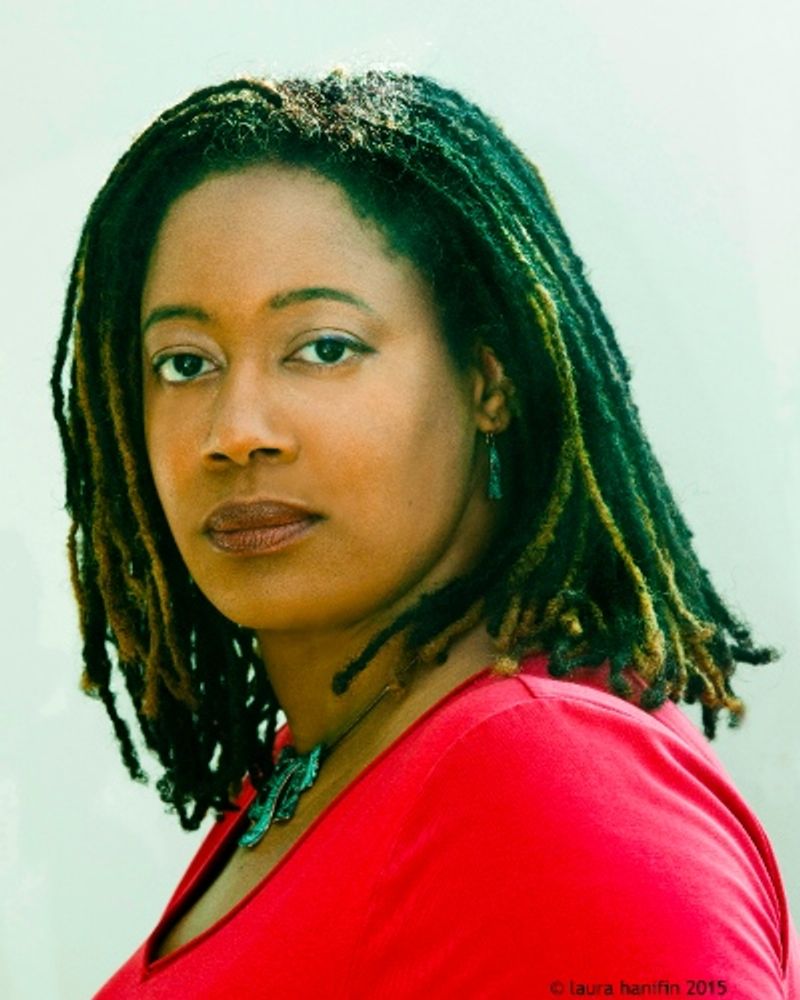
Jemisin won three consecutive Hugo Awards for this trilogy, an unprecedented achievement that signals something truly special.
The world regularly experiences apocalyptic earthquakes, and people with earth-controlling powers face systematic oppression despite being essential for survival.
The narrative structure plays with time and perspective in ways that challenge typical fantasy storytelling while remaining emotionally devastating.
If you’re ready for fantasy that pushes boundaries while delivering the epic scope Jordan fans crave, Jemisin’s work represents where the genre is headed.
13. Tigana (Standalone) – Guy Gavriel Kay
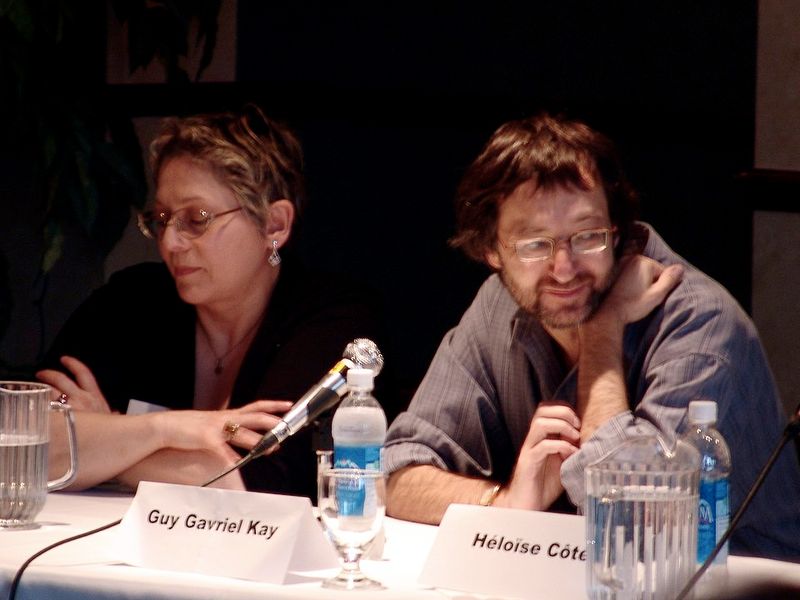
Proof arrives that not every fantasy needs fifteen books to tell fully formed, emotionally resonant story staying with readers for years, shown clearly through work by Guy Gavriel Kay.
Tigana explores what happens when conquered nation very name gets magically erased, forcing survivors to keep culture alive through memory alone.
Lyrical prose elevates material beyond typical fantasy while maintaining political intrigue plus magic longtime Robert Jordan readers expect.
Experience shaping this depth traces back to work as assistant to Christopher Tolkien, revealing clear grasp of fantasy potential for profound storytelling.
14. The Name Of The Wind (The Kingk*ller Chronicle) – Patrick Rothfuss

Rothfuss writes like a musician, crafting sentences that flow with rhythm and beauty while telling Kvothe’s story within a story.
The magic system feels academic and earned, requiring study and practice rather than just innate ability, which grounds the fantasy in satisfying ways.
Kvothe narrates his own legend, revealing how stories grow and change, much like how tales of the Dragon Reborn spread across Randland.
Just be warned the third book remains unfinished, leaving fans in suspense during their favorite quiet reading moments.
15. The Last Wish (The Witcher) – Andrzej Sapkowski

Moral tension defines monster hunter navigating world where humans often appear more ethically troubling than creatures faced, as imagined by Andrzej Sapkowski.
The Witcher blends Slavic folklore with familiar fantasy tropes, creating tone that feels recognizable yet refreshingly distinct from Western epic traditions.
Geralt code of neutrality faces constant strain through moments demanding moral choice, proving detachment becomes impossible once people need help.
Short story structure offers welcoming entry points, resembling sampling different tavern meals before committing to full feast.