The Most Iconic Recurring Characters On Seinfeld
New York on Seinfeld never felt limited to four main characters. Side players drifted in and out of episodes with just enough chaos to steal entire storylines.
A neighbor’s dramatic entrance, a boss’s impossible demand, or a rival’s petty grudge could shift the rhythm of a scene in seconds.
Recurring characters gave the show texture, turning everyday annoyances into comedic gold and expanding the world beyond Jerry’s apartment.
Some appeared only a handful of times yet became endlessly quotable, while others returned often enough to feel like unofficial cast members.
Disclaimer: This selection reflects editorial opinion informed by audience response, critical discussion, and cultural impact, so individual favorites may differ.
1. Newman

Jerry’s sworn enemy wasn’t a supervillain or a criminal mastermind. Nope, he was the mailman next door who made pettiness into performance art.
Every scheme, every grudge, every theatrical entrance dripped with delicious spite.
His rivalry with Jerry felt personal, ridiculous, and somehow totally relatable. Who hasn’t had that one neighbor who just gets under your skin?
Plus, his friendship with Kramer added layers of absurdity that kept things unpredictable.
2. Frank Costanza
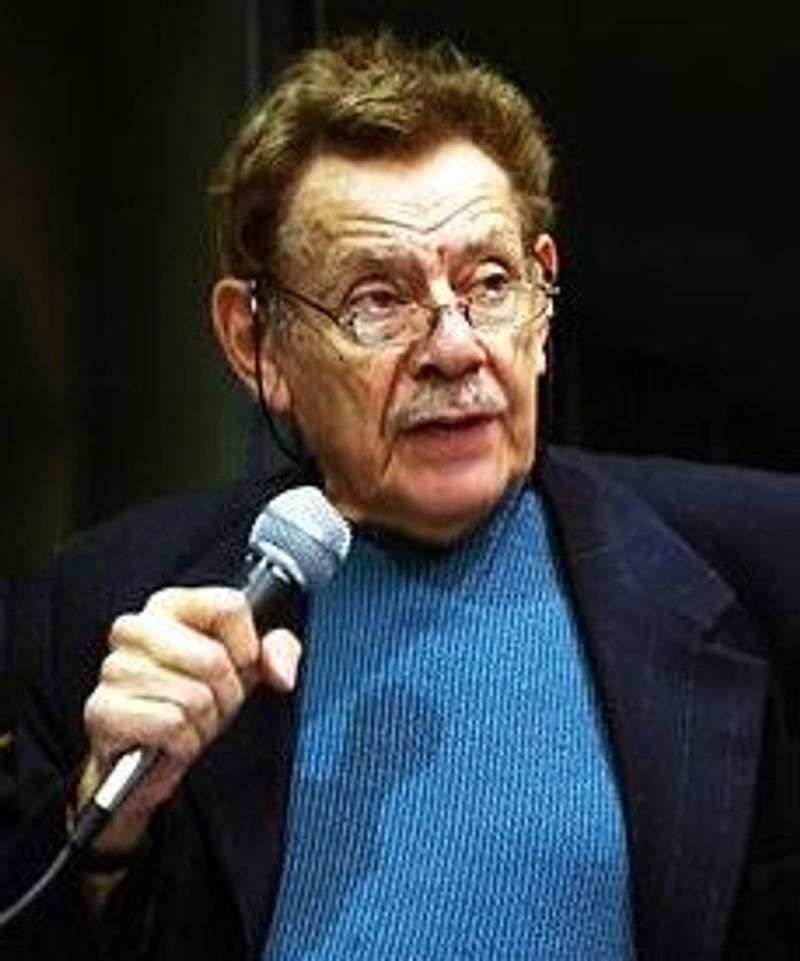
Volume control? Never heard of it.
Frank Costanza entered every scene like a hurricane made of rage and weird wisdom.
His life philosophies ranged from Festivus traditions to bizarre business ventures that somehow made perfect sense in his universe.
Jerry Stiller brought explosive energy that turned ordinary father-son moments into comedic warfare.
Whether screaming about trivial matters or inventing alternative holidays, Frank operated at maximum intensity constantly.
3. Estelle Costanza

Guilt became a weapon in Estelle’s hands, sharpened through decades of practice. Her voice could shatter glass and her judgment could crush spirits, usually within the same sentence.
Outrage was her default setting, and boy, did she commit to it.
Every conversation turned into an opportunity to remind George of his failures or argue with Frank about ancient grievances.
Estelle Harris made neurotic motherhood into high art, delivering lines with perfect pitch and impeccable timing.
4. George Steinbrenner
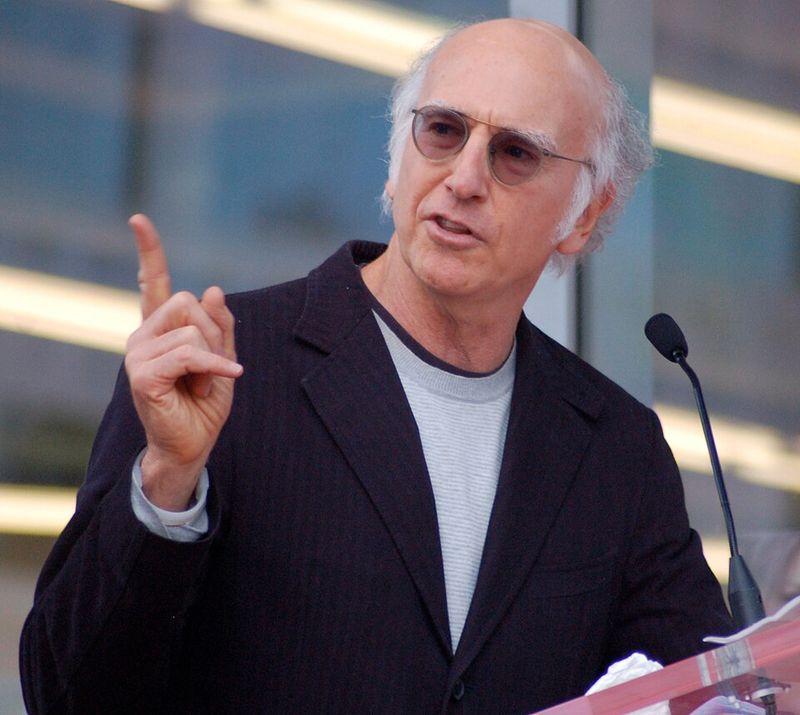
Imagine your boss as a cartoon character who never stops talking and makes zero sense. That’s Steinbrenner in a nutshell.
George’s Yankees job became exponentially funnier thanks to this rambling, self-absorbed owner who treated business decisions like stream-of-consciousness poetry.
Larry David’s voice work created a larger-than-life presence without ever showing the character’s face.
Steinbrenner’s monologues spiraled into absurdity while George stood there, helpless and confused.
5. J. Peterman
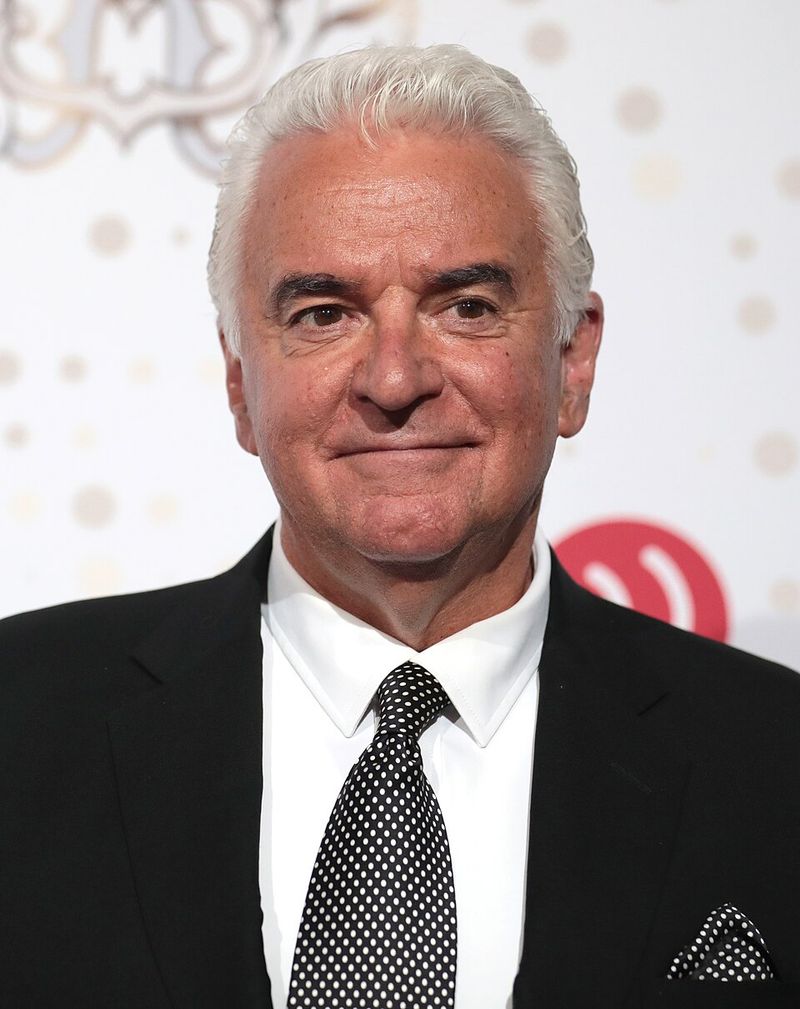
Elaine’s boss didn’t just tell stories – he performed epic sagas about acquiring merchandise.
Every catalog item came with adventures that defied logic and geography. J.
Peterman spoke in metaphors that belonged in adventure novels, not workplace conversations.
John O’Hurley transformed executive nonsense into comedic poetry, making mundane retail decisions sound like expeditions to distant lands.
How did Elaine survive working for someone who turned buying a shirt into a three-act play? The world may never know.
6. David Puddy

Blank stares became an art form with Puddy. Elaine’s on-again-off-again boyfriend operated on a wavelength nobody else could access.
His sudden intensity about random topics contrasted beautifully with his usual emotionless demeanor.
His relationship with Elaine defied explanation but provided endless entertainment. Why was he like this?
That’s the eternal question, and honestly, we loved not knowing the answer.
7. Jackie Chiles
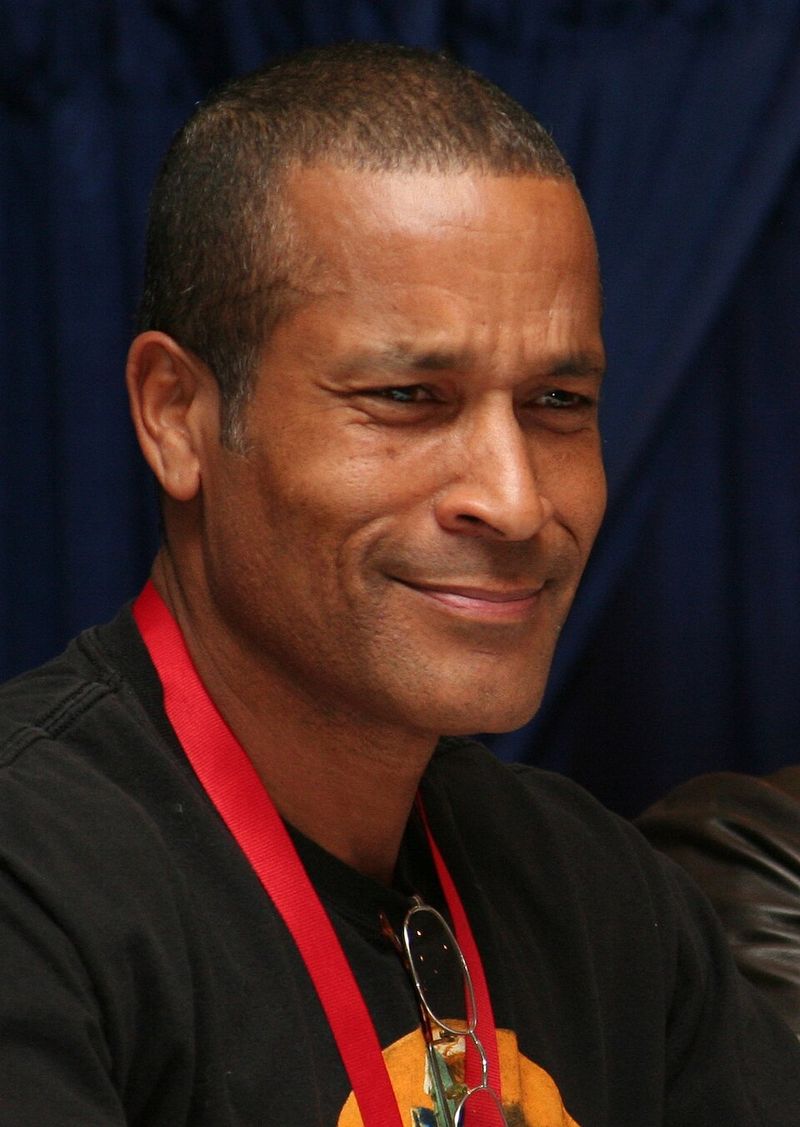
Courtroom drama reached theatrical heights whenever Jackie Chiles appeared.
His vocabulary transformed minor incidents into constitutional crises, complete with alliteration and righteous indignation. Every legal problem became headline-worthy in his hands.
Phil Morris channeled Johnnie Cochran energy into pure comedy gold, representing Kramer with passion that far exceeded the actual stakes.
8. Morty Seinfeld
Jerry’s dad collected grievances like some people collect stamps. Stubborn pride defined every interaction, especially when defending his choices or criticizing Jerry’s lifestyle.
Barney Martin brought grumpy-father energy that felt authentic and funny simultaneously.
His relationship with Helen created comedy through constant bickering and mutual exasperation.
Retirement communities never looked so contentious or entertaining, honestly.
9. Tim Whatley
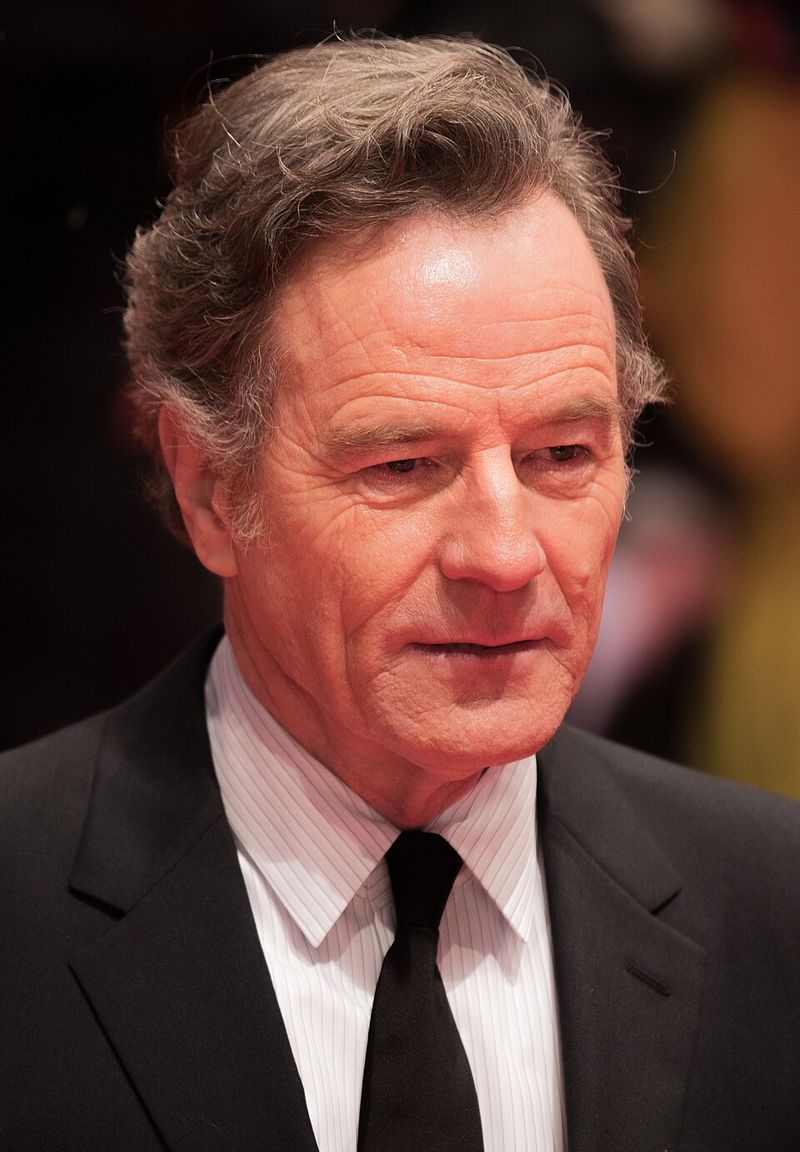
Smug professionalism radiated from Tim Whatley like cologne.
Jerry’s dentist friend operated with polite superiority that made every interaction feel like a competition. Bryan Cranston played him with perfect passive-aggressive charm that drove Jerry crazy.
Whether converting religions for joke-telling privileges or regifting label makers, Whatley maintained his smooth surface while engaging in questionable behavior.
His professional rivalry with Jerry added layers of masculine insecurity to their friendship.
Calling him an anti-dentite became one of Seinfeld’s most quoted moments, proving Whatley’s lasting impact on pop culture.
10. Susan Ross
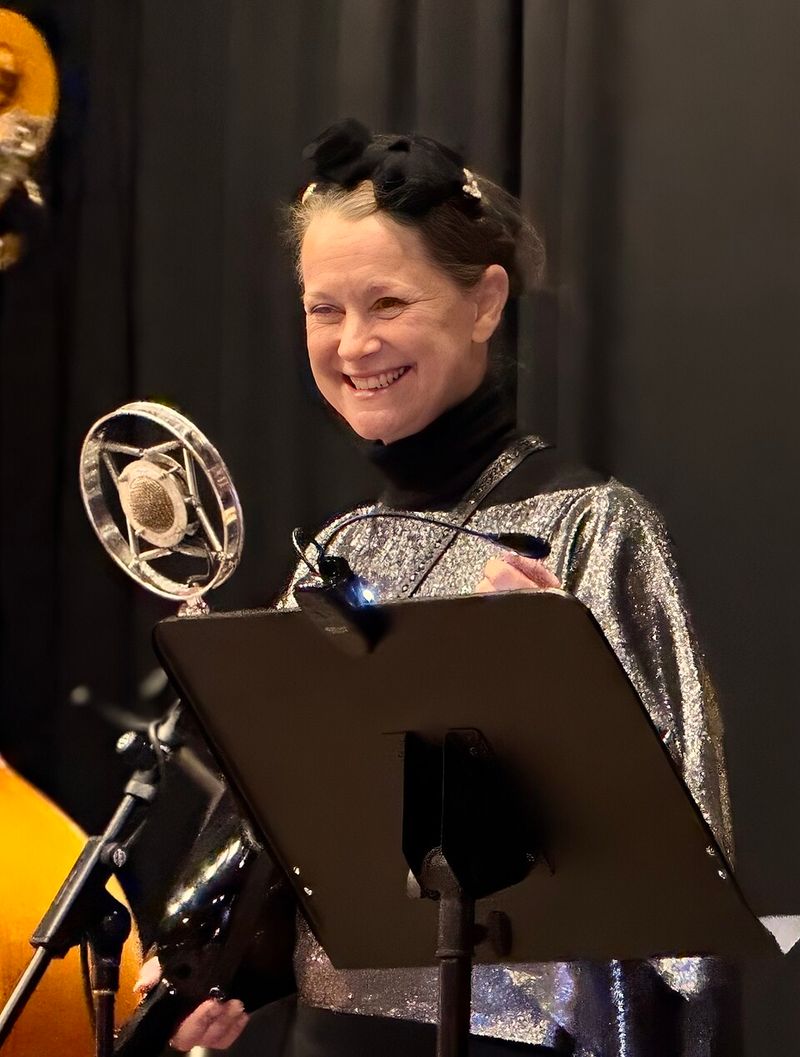
Poor Susan never stood a chance against George’s chaos.
Heidi Swedberg played Jerry’s ex and George’s ill-fated fiancée with remarkable patience, enduring schemes and disasters that would send normal people running.
Their relationship became increasingly uncomfortable as George realized his mistake, creating comedy from genuine relationship dread.
Her storyline took dark turns that shocked audiences, proving the show wasn’t afraid to push boundaries. Susan deserved better, honestly, but her character provided crucial plot development.
11. Mickey Abbott

Danny Woodburn brought confrontational energy to Kramer’s friend circle, never backing down from arguments regardless of how absurd the topic.
His stand-in acting career and various schemes with Kramer created memorable chaos.
Mickey’s willingness to fight over anything made him unpredictable and hilarious. Whether competing for roles or getting into bizarre disputes, his intensity never wavered.
12. Babu Bhatt

Misfortune followed Babu Bhatt like a shadow, usually thanks to Jerry’s terrible advice. Brian George portrayed this Pakistani immigrant with genuine pathos mixed with comedy, creating a character audiences pitied and laughed at simultaneously.
Jerry’s attempts to help always backfired spectacularly, ruining Babu’s restaurant and later getting him deported. His famous declaration that Jerry is “very very bad man” became instantly quotable.
Babu represented the show’s ability to find humor in uncomfortable situations while maintaining sympathy for characters caught in ridiculous circumstances beyond their control.
13. Lloyd Braun

George’s rivalry with Lloyd Braun reached absurd heights over achievements both real and imagined.
Matt McCoy played this character as George’s successful opposite, the golden boy who made George feel inadequate through mere existence.
Lloyd’s “Serenity Now” mantra and eventual mental breakdown showed the dark side of maintaining perfect appearances.
His relationship with George explored competitive masculinity and childhood rivalries that never quite disappear.
14. Yev Kassem
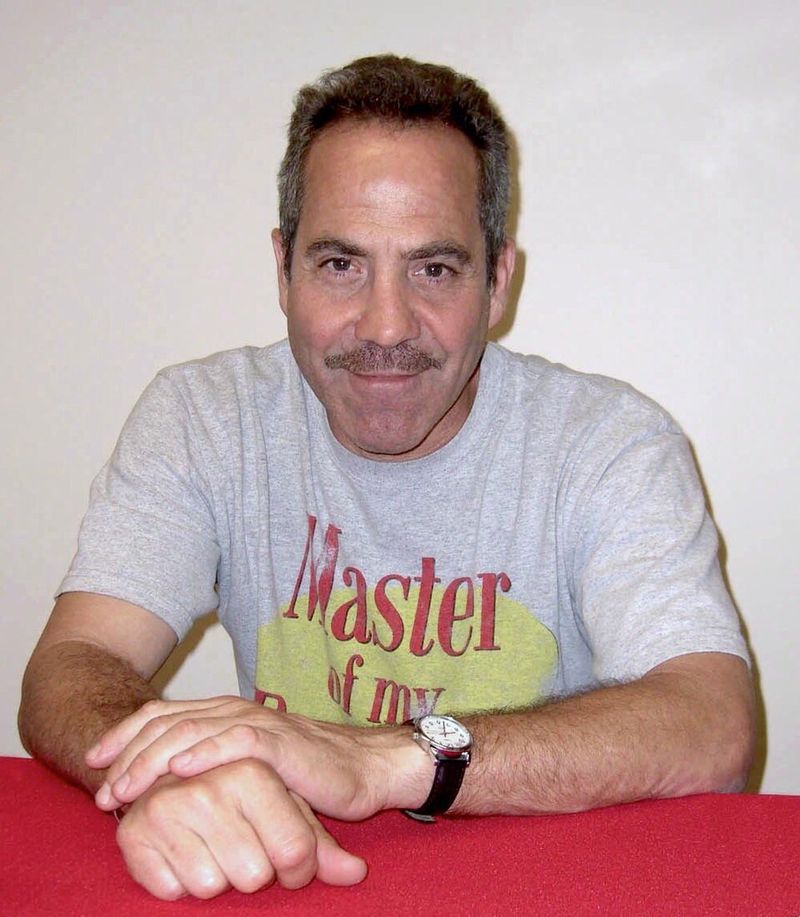
Strict rules met instant consequences at this legendary soup stand. One wrong move, one conversational misstep, and boom – no soup for you!
Larry Thomas created an intimidating presence that turned ordering lunch into a high-stakes operation requiring perfect etiquette.
His character appeared in just one episode but became massive in pop culture.
His no-nonsense approach to soup service became iconic, making him arguably Seinfeld’s most recognizable one-episode wonder.