11 Red Flags To Watch For When Buying Canned Vegetables
Canned vegetables can be a real lifesaver when you need something quick, affordable, and easy to toss into dinner.
But not all cans are created equal, and some might come with surprises you definitely don’t want on your plate.
From sneaky additives to damaged packaging, knowing what to look for can help you grab the good stuff and skip the duds.
Here are the warning signs that should make you think twice before tossing that can into your cart.
1. Dented or Bulging Cans

A can that looks like it lost a fight with a shopping cart might seem harmless, but it could be hiding something nasty.
Dents and bulges can compromise the seal, letting bacteria sneak in and throw a party you don’t want to attend.
Botulism is no joke, and a bulging can is often a sign that gases from bacterial growth are building up inside.
If the can looks wonky or misshapen, just leave it on the shelf.
Your stomach will thank you later.
2. Rust Spots or Leaks
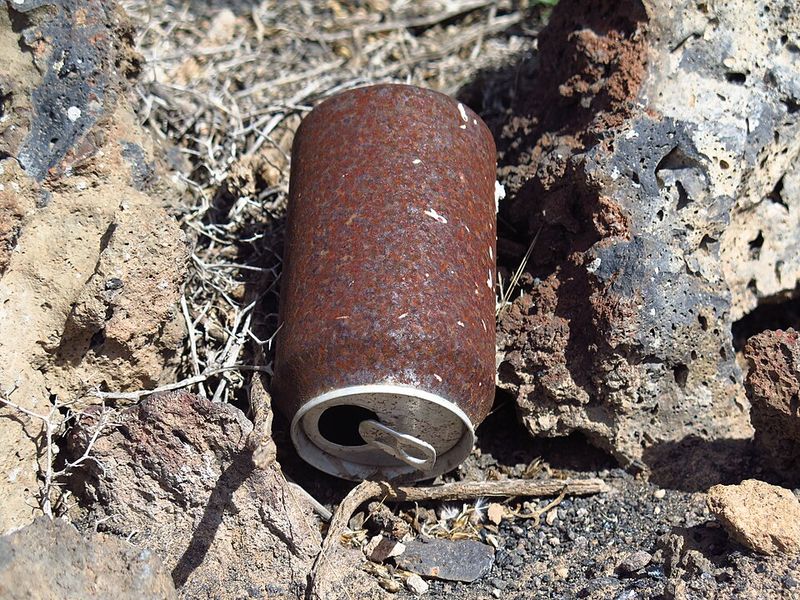
Rust might look like a harmless sign of age, but it’s actually a red flag waving frantically at you.
When a can rusts, the protective coating breaks down, and moisture can seep in along with bacteria.
Leaks are even worse because they mean the seal is already compromised.
You wouldn’t drink from a leaky water bottle, so why trust a leaky can?
Always give cans a quick once-over for rust or any signs of leakage before buying.
3. Sky-High Sodium Levels
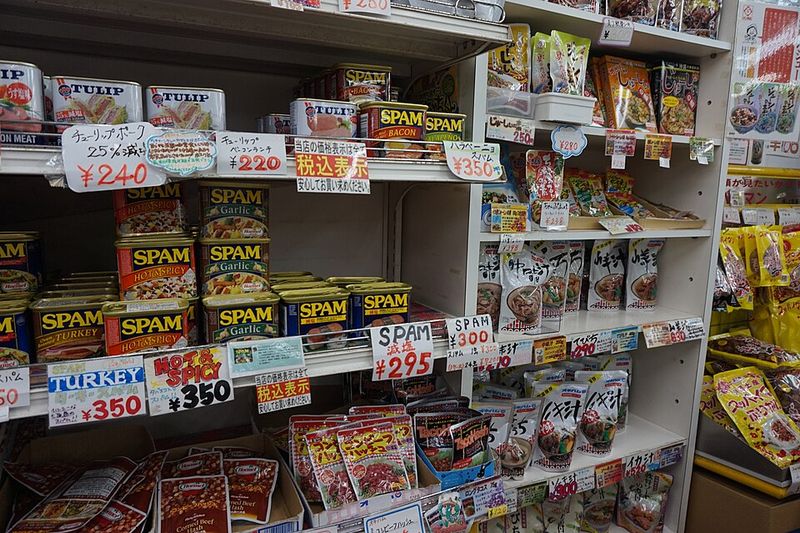
Salt is the secret weapon that keeps canned veggies shelf-stable, but some brands go overboard.
A single serving can pack more sodium than you should eat in an entire day, which isn’t great for your heart or blood pressure.
Look for labels that say “no-salt-added” or “low-sodium” to keep things in check.
Rinsing your canned veggies under cold water can also help wash away some of that extra salt.
Your taste buds might need a minute to adjust, but your body will appreciate it.
4. Sneaky Added Sugars
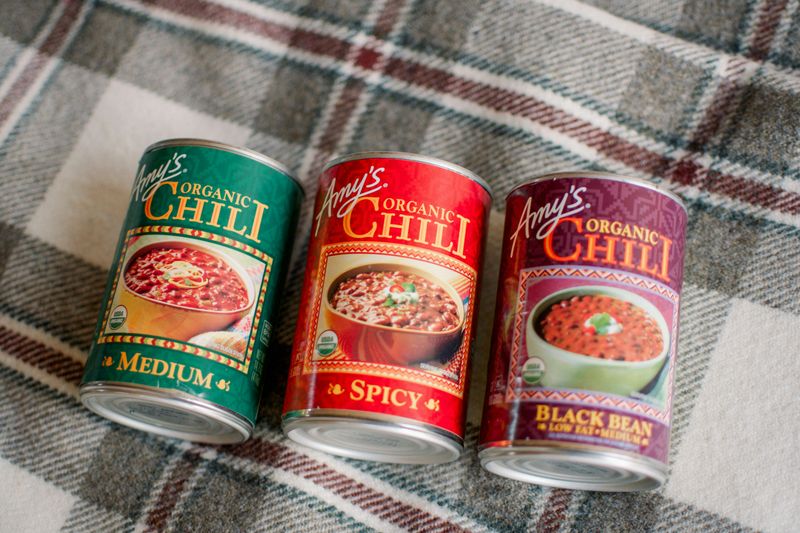
Vegetables and sugar don’t usually hang out together, but canned versions sometimes surprise you.
Some brands add sweeteners to make veggies taste more appealing, especially in products labeled as “glazed” or “sweetened.”
Carrots and corn are common culprits, but even green beans can get the sugar treatment.
Flip that can over and scan the ingredient list for anything ending in “-ose” or words like “syrup.”
Fresh or frozen veggies don’t need extra sugar, and neither should your canned ones.
5. Mystery Additives and Preservatives
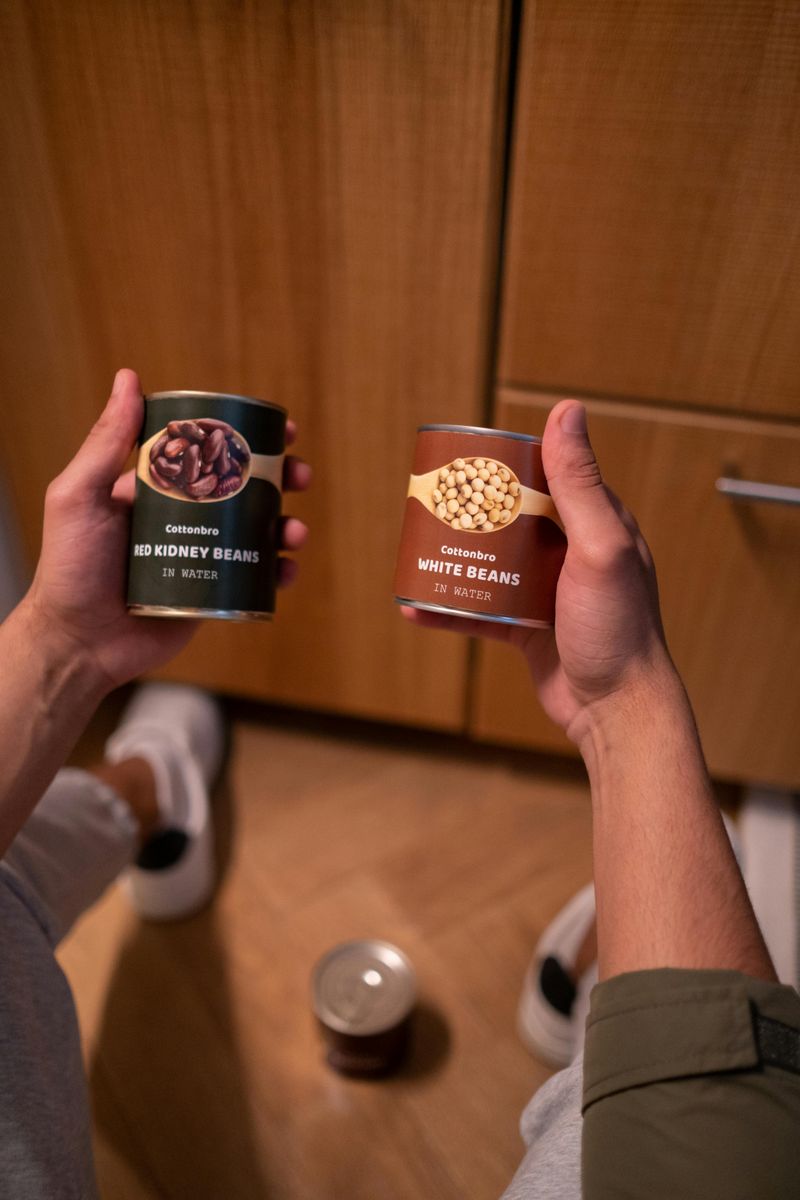
If the ingredient list reads like a chemistry textbook, you might want to reconsider.
Artificial colors, flavors, and preservatives can sneak into canned vegetables to extend shelf life or boost appearance.
But do you really need FD&C Yellow No. 5 in your green beans?
Probably not.
Stick with cans that list simple, recognizable ingredients like water, salt, and the vegetable itself.
The fewer syllables on that label, the better.
6. BPA-Lined Cans
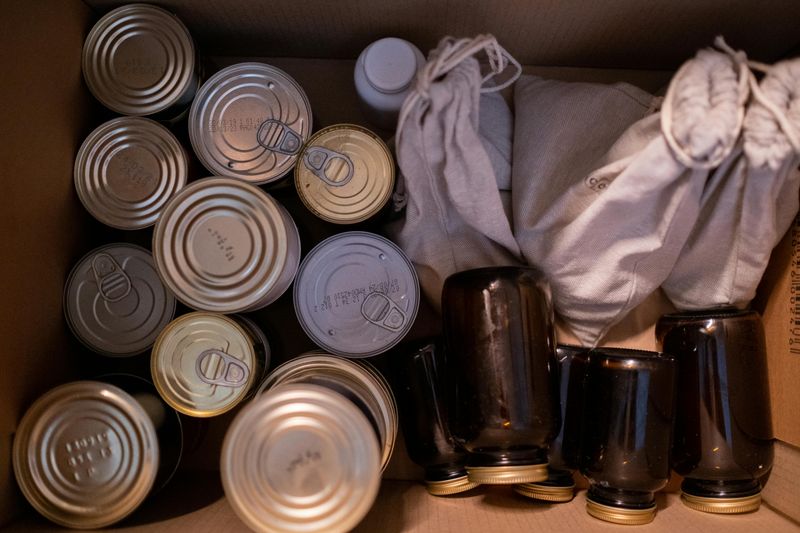
BPA, or bisphenol A, is a chemical used in some can linings to prevent corrosion.
The problem? It can leach into your food and mess with your hormones over time.
Many companies have switched to BPA-free linings, so look for that label when you shop.
If a can doesn’t say it’s BPA-free, there’s a decent chance it still has the stuff.
Glass jars or cartons are solid alternatives if you want to skip the BPA guessing game altogether.
7. Fuzzy or Missing Expiration Dates
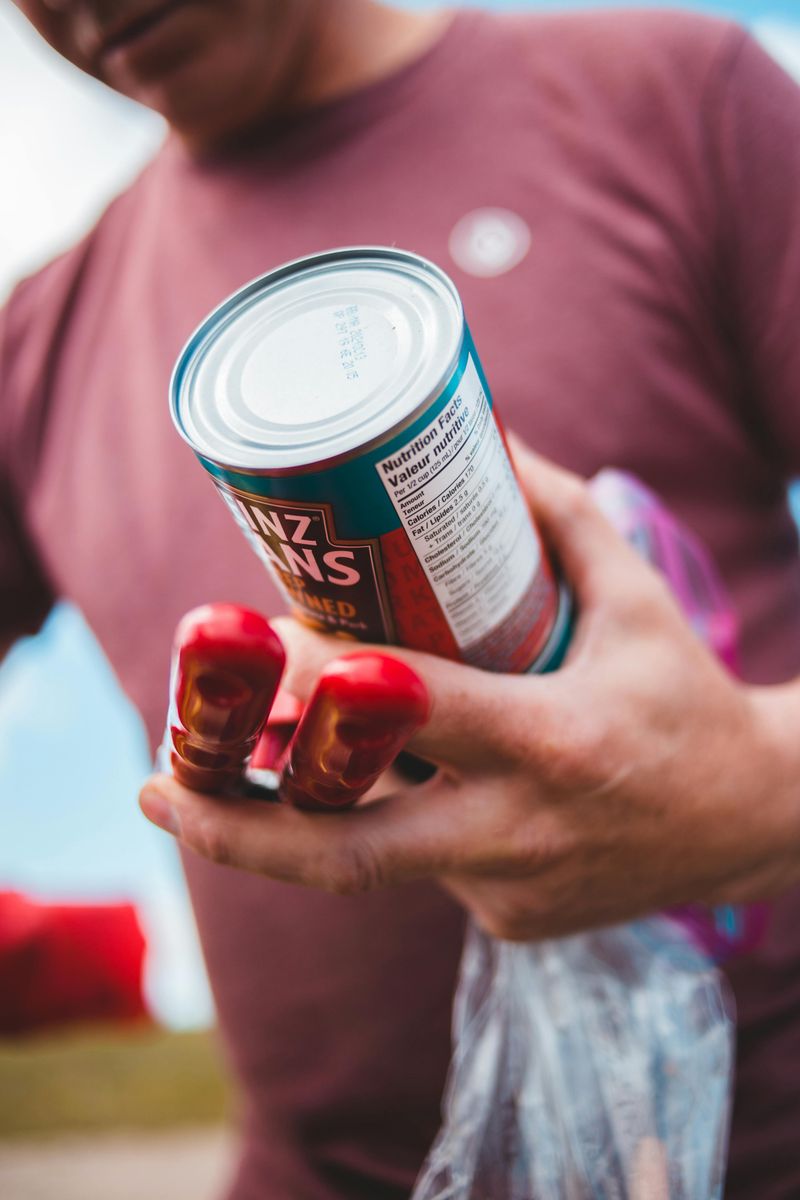
Canned goods last a long time, but they’re not immortal.
A faded, smudged, or completely missing “best by” date is a sign that can has been sitting around way too long.
Even though canned vegetables can technically last for years, their flavor, texture, and nutrients degrade over time.
Eating expired canned food usually won’t make you sick, but it might taste like cardboard.
Always check for a clear, readable date before you buy.
8. Off-Putting Smells When Opened
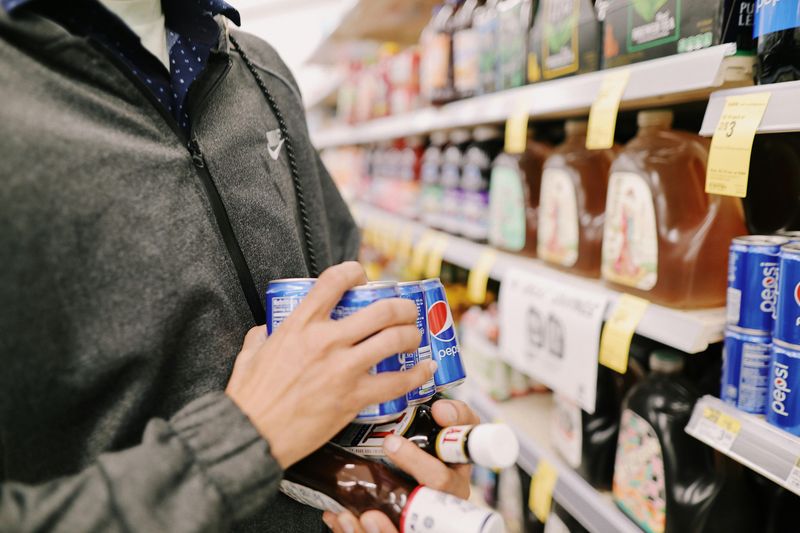
Your nose knows when something’s not right.
If you crack open a can and get hit with a sour, funky, or just plain weird smell, don’t ignore it.
That’s your body’s alarm system telling you to back away slowly.
Fresh canned vegetables should smell pretty neutral or just like the veggie itself.
Anything else? Toss it.
No meal is worth a trip to the emergency room.
9. Way Too Much Liquid Inside

Pop open a can and find it swimming in liquid?
That’s not always a good sign.
Excessive liquid can mean the vegetables were over-processed or that extra salt or sugar was added to bulk things up.
It can also dilute the nutrients and flavor, leaving you with mushy, bland veggies.
A little liquid is normal, but if it looks more like soup than vegetables, consider switching brands.
10. Ingredient Lists Full of Unpronounceable Words

If you need a PhD to understand what’s in your can of green beans, something’s off.
Canned vegetables should be simple: the vegetable, water, maybe a little salt.
When you see a laundry list of ingredients you can’t pronounce, it’s a clue that unnecessary fillers, stabilizers, or flavor enhancers are hiding inside.
Keep it real and keep it simple.
Your body doesn’t need all that extra stuff.
11. Damaged or Tampered Packaging
A torn label, dented lid, or can that looks like it’s been through a war zone should raise an eyebrow.
Damaged packaging can compromise the seal and let bacteria waltz right in.
Even if the can looks okay otherwise, any sign of tampering is a major no-go.
Grocery stores usually pull damaged cans from shelves, but some slip through the cracks.
Do a quick visual check before you buy and choose cans that look clean and intact.