10 Replacement Rock Vocalists Who Outshined The Originals
Rock history is full of jaw-dropping moments, but few are as surprising as when a replacement vocalist steps up and absolutely blows everyone away. Swapping out a lead singer can feel like replacing the engine in a race car mid-lap, risky, wild, and somehow brilliant.
Some bands found themselves skyrocketing to fame only after a new voice took the mic. How does a newcomer walk into a legendary band and somehow make it even more legendary?
Science cannot fully explain it, but music absolutely proves it. Buckle up, because the stories ahead are packed full of electric moments, record-breaking albums, and vocalists who did not just fill big shoes, but somehow made those shoes look tiny by comparison.
Spoiler alert: a few of these will genuinely shock you.
1. Brian Johnson Steps Into AC/DC and Sparks Lightning
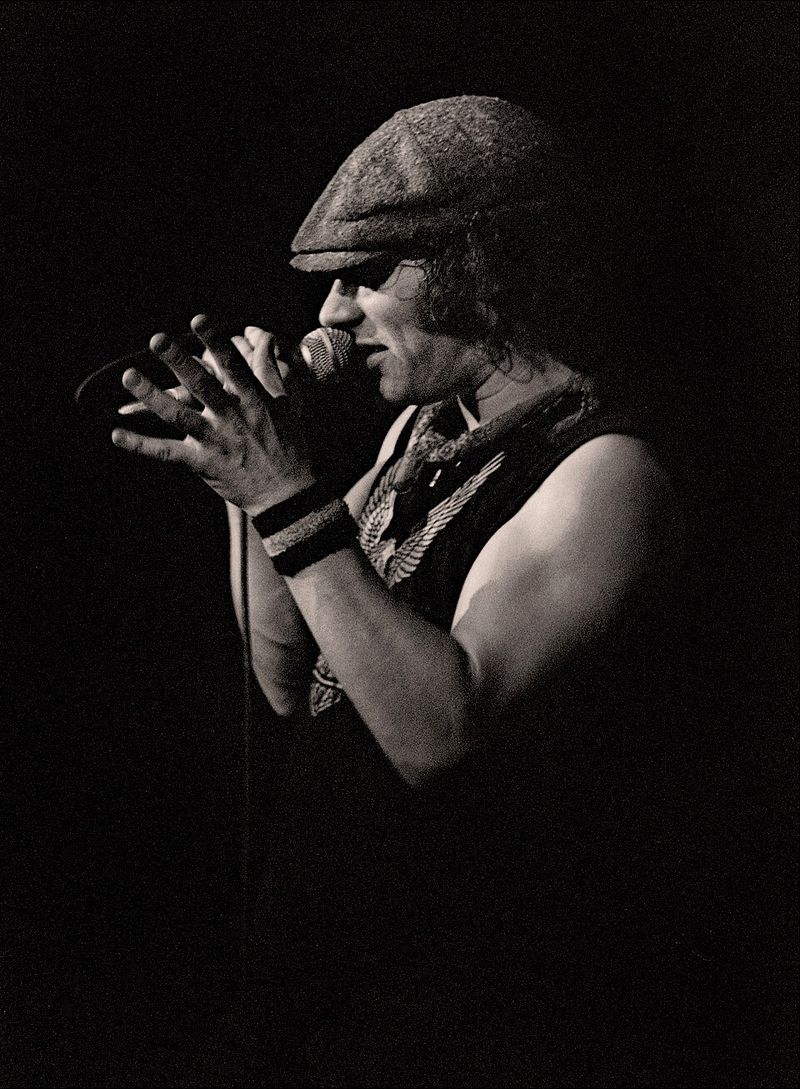
Nobody expected a band to bounce back after losing its beloved frontman, yet AC/DC did exactly that. Brian Johnson joined in 1980, and his debut album Back in Black became one of the best-selling records in music history.
Selling over 50 million copies worldwide, it was a comeback story for the ages.
Johnson’s raw, gravelly scream felt like a thunderbolt straight to the chest. Bon Scott was irreplaceable in fans’ hearts, but Johnson carved out his own legendary identity.
How many singers can claim a debut album of that magnitude? Exactly one.
2. Bruce Dickinson Transforms Iron Maiden Forever
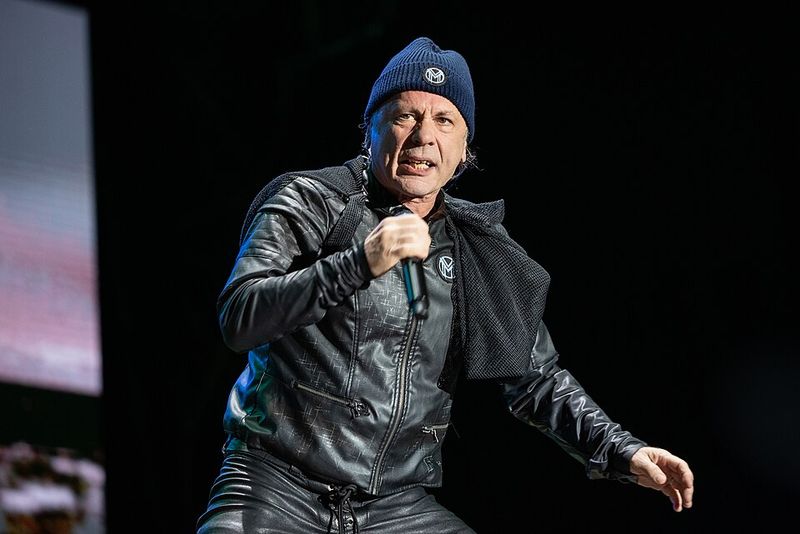
Iron Maiden had a decent thing going before 1981, but Bruce Dickinson arrived and completely rewired the band’s DNA. His operatic range and theatrical stage presence pushed Iron Maiden into a whole new stratosphere of heavy metal greatness.
The Number of the Beast, released in 1982, became a landmark album cementing Maiden as icons. Dickinson also holds a commercial pilot license, because being a rock god apparently was not enough of a flex.
Few vocalists combine raw power and intelligent songwriting so effortlessly. Iron Maiden did not just survive the switch, the band absolutely thrived.
3. Steve Perry Makes Journey Unforgettable
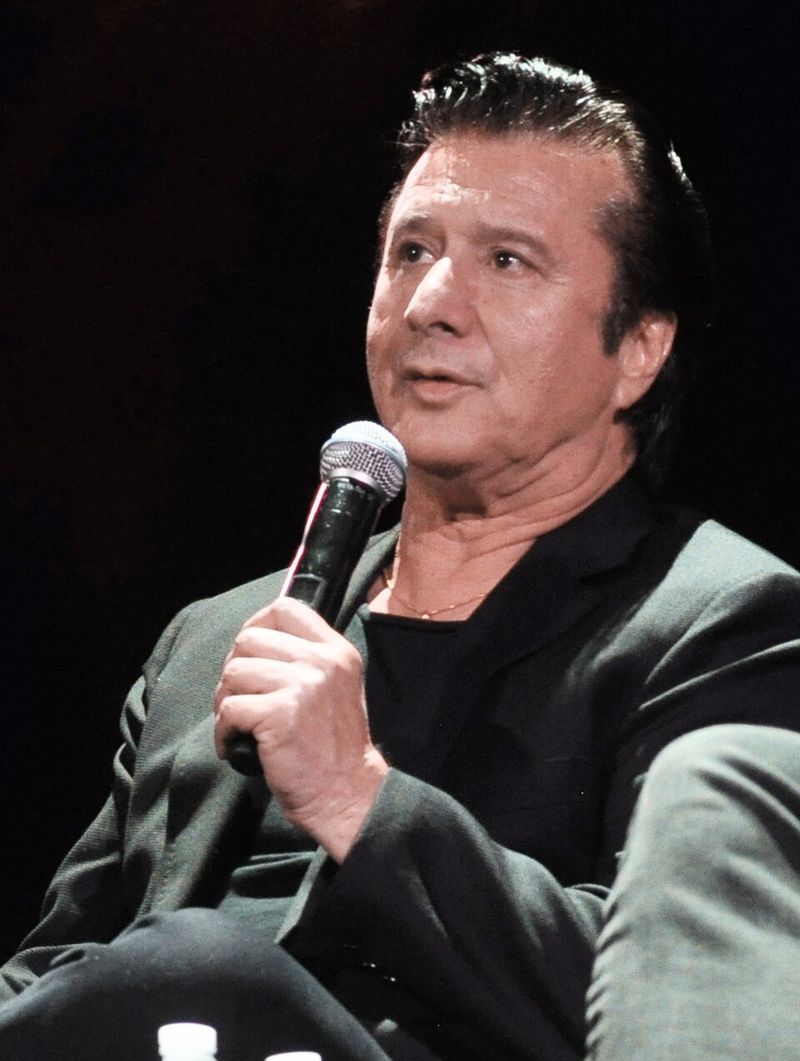
Before Steve Perry joined Journey in 1977, the band was a solid but underappreciated rock act. Perry’s arrival changed absolutely everything.
His soaring, emotional tenor voice became the heartbeat of one of rock’s greatest commercial runs.
Hits like “Don’t Stop Believin'” and “Open Arms” turned Journey into household names. “Don’t Stop Believin'” is reportedly one of the most downloaded songs in digital music history, which is mind-blowing for a track released in 1981. Perry did not merely replace a vocalist, he essentially became the face of a generation’s soundtrack.
Journey without Perry feels like pizza without cheese.
4. Sammy Hagar Gives Van Halen Four Number Ones
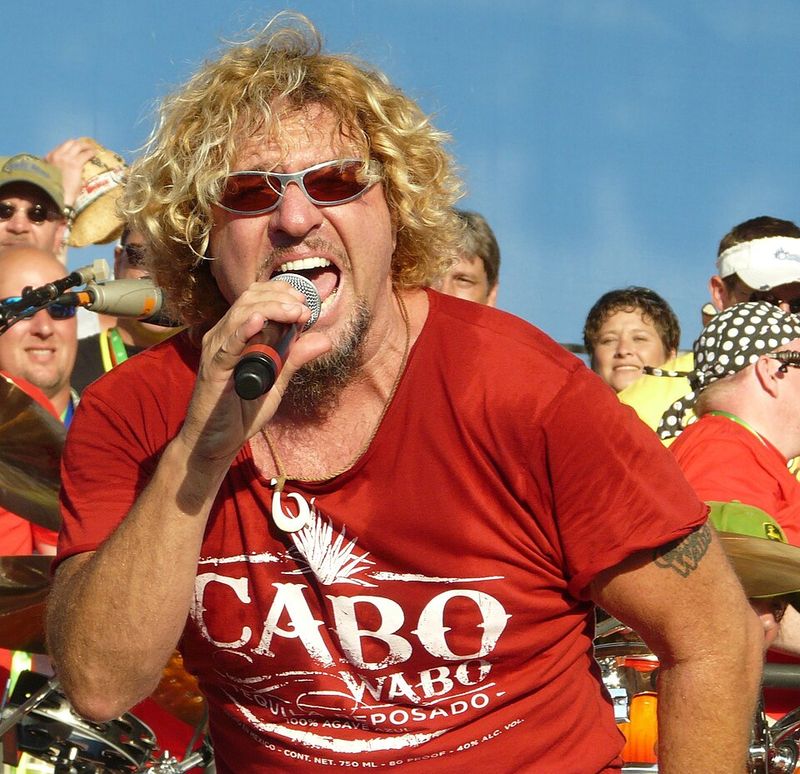
Image Credit: PHOTO BY MATT BECKER, licensed under CC BY 3.0. Via Wikimedia Commons.
Replacing David Lee Roth was considered career suicide by many music critics. Sammy Hagar laughed at the odds and proceeded to lead Van Halen to four consecutive number-one albums.
Starting with 5150 in 1986, Hagar steered the band toward a more polished, radio-friendly sound.
Roth’s era was wild and theatrical, but Hagar’s era was commercially unstoppable. Fans split into passionate camps, nicknamed “Hagar fans” and “Roth fans,” like rival superhero squads.
However, the chart numbers never lied. Hagar delivered hits, consistency, and an energy that kept Van Halen relevant deep into the 1990s.
5. Phil Collins Saves Genesis From Obscurity
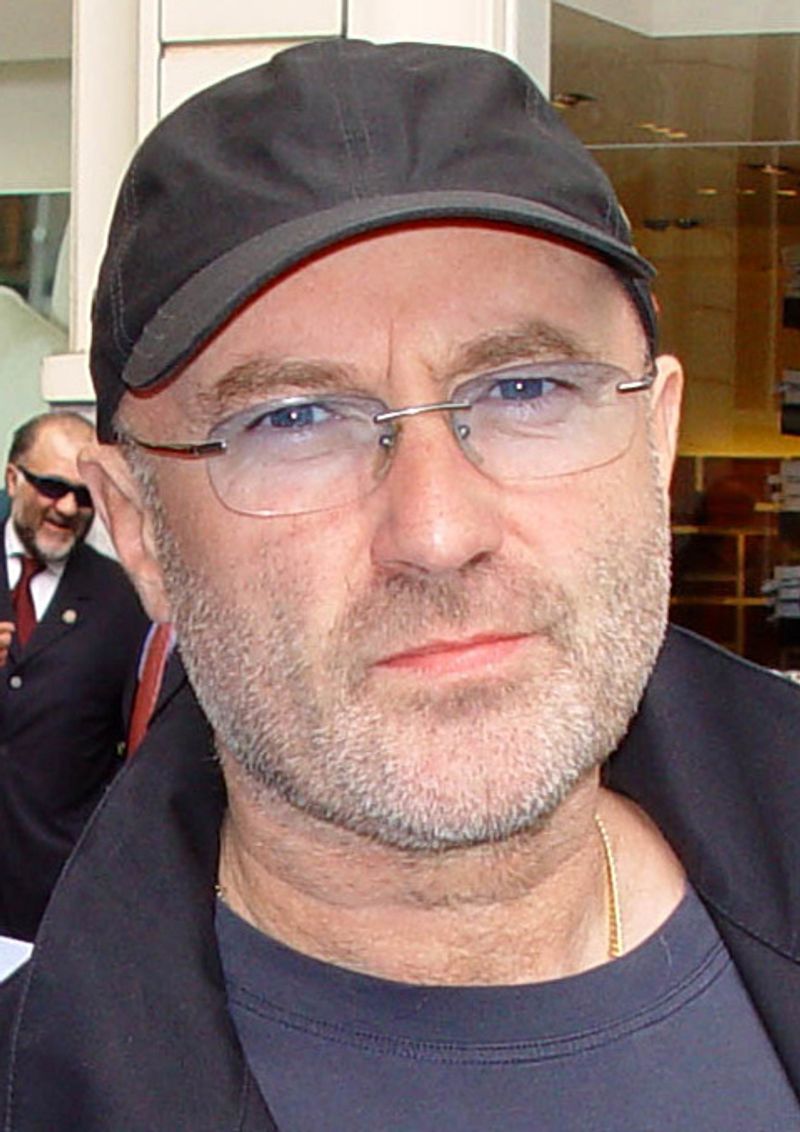
If you told someone in 1975 that the drummer would become the band’s greatest asset, the laughter would have been deafening. Phil Collins stepped up as Genesis frontman after Peter Gabriel departed, and the results were genuinely spectacular.
Collins managed the rare feat of singing and drumming simultaneously on stage, which is basically a superpower. Albums like DukeInvisible Touch and pushed Genesis toward pop-rock superstardom.
Collins also launched a solo career that produced massive global hits. How often does a replacement vocalist go on to outsell the original singer on solo charts too?
Collins pulled it off spectacularly.
6. Phil Anselmo Reinvents Pantera Completely

Pantera started as a glam metal band, which is hard to believe when you hear Cowboys from Hell. Phil Anselmo replaced original vocalist Terry Glaze in 1987 and immediately pushed the band in a heavier, angrier direction.
The transformation was seismic.
Albums like Vulgar Display of PowerFar Beyond Driven and defined an entire generation of heavy metal fans. Anselmo’s ferocious delivery and commanding presence made Pantera one of the most powerful live acts of the 1990s.
Without Anselmo’s influence, Pantera may have stayed a footnote in glam metal history rather than becoming legends.
7. Ronnie James Dio Elevates Black Sabbath

Ozzy Osbourne is an icon, full stop. Replacing Ozzy in Black Sabbath seemed absolutely impossible, yet Ronnie James Dio stepped up and delivered something truly special.
Dio joined in 1979, and the album Heaven and Hell became a critically acclaimed masterpiece.
Dio actually popularized the famous “devil horns” hand gesture in rock culture, a cultural contribution that has outlasted decades. His operatic, powerful voice brought a new mythological storytelling quality to Sabbath’s music.
If Ozzy was the dark jester of Sabbath, Dio was the dragon-slaying warrior poet. Both eras are legendary, but Dio’s run absolutely stands on its own.
8. John Bush Breathes New Life Into Armored Saint and Anthrax
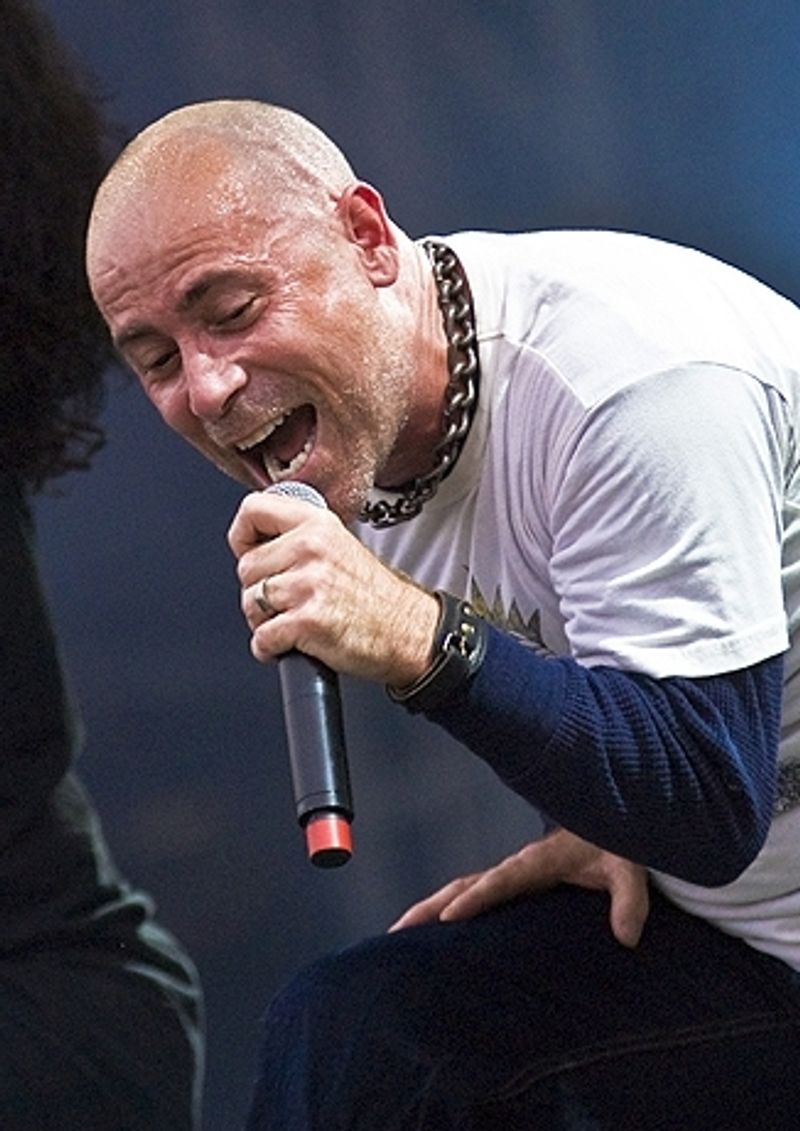
John Bush first made his name fronting Armored Saint, a California heavy metal band that earned serious underground respect. When Joey Belladonna departed Anthrax in 1992, Bush stepped in and delivered one of the most mature vocal performances in the band’s catalog.
The album Sound of White Noise released in 1993 showcased Bush’s deeper, grittier approach and became a commercial success. Critics praised the new direction as a bold evolution.
Bush proved a replacement vocalist could redefine a band’s identity without erasing its past. Sometimes a change of voice is exactly the creative reset a band desperately needs to grow.
9. Paul Rodgers Brings Royalty to Queen
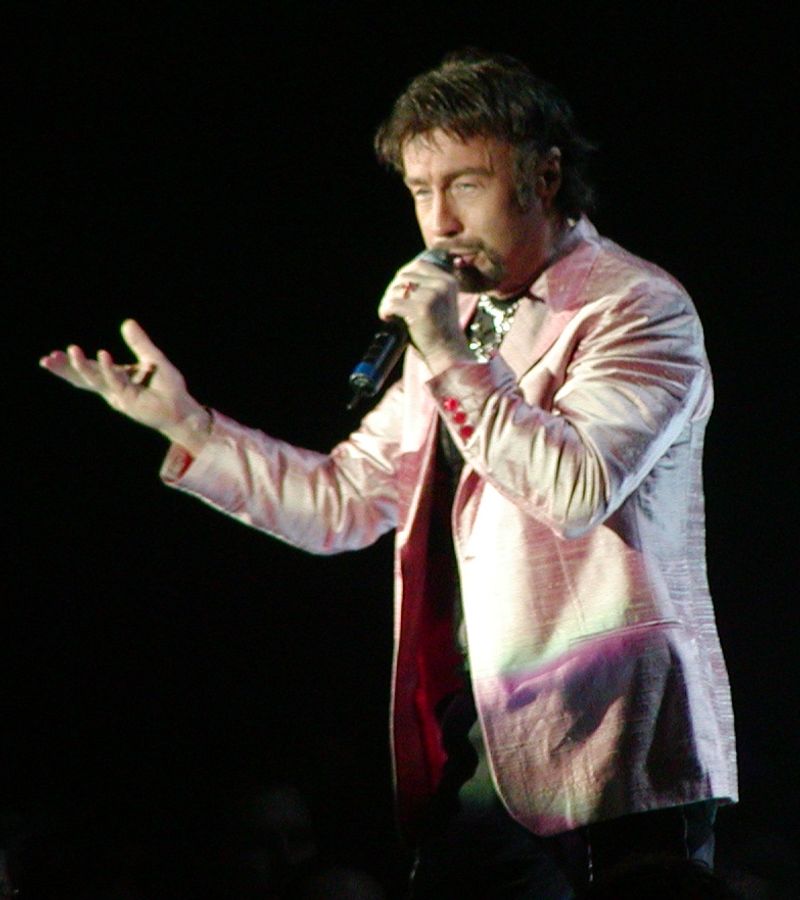
Filling Freddie Mercury’s shoes is arguably the most impossible job in rock history. Paul Rodgers, legendary vocalist of Free and Bad Company, joined forces with Queen’s surviving members in 2004 for a worldwide tour.
Nobody called it a replacement, wisely choosing the name Queen plus Paul Rodgers.
Rodgers brought his own soulful, bluesy power to Queen classics without attempting to mimic Mercury’s style. Critics respected the honesty of the approach.
Rodgers never pretended to be Freddie, he simply brought his own genuine greatness to the stage. Sometimes the boldest move is showing up completely as yourself and trusting the music to do the rest.
10. Lou Gramm Puts Foreigner on the Map
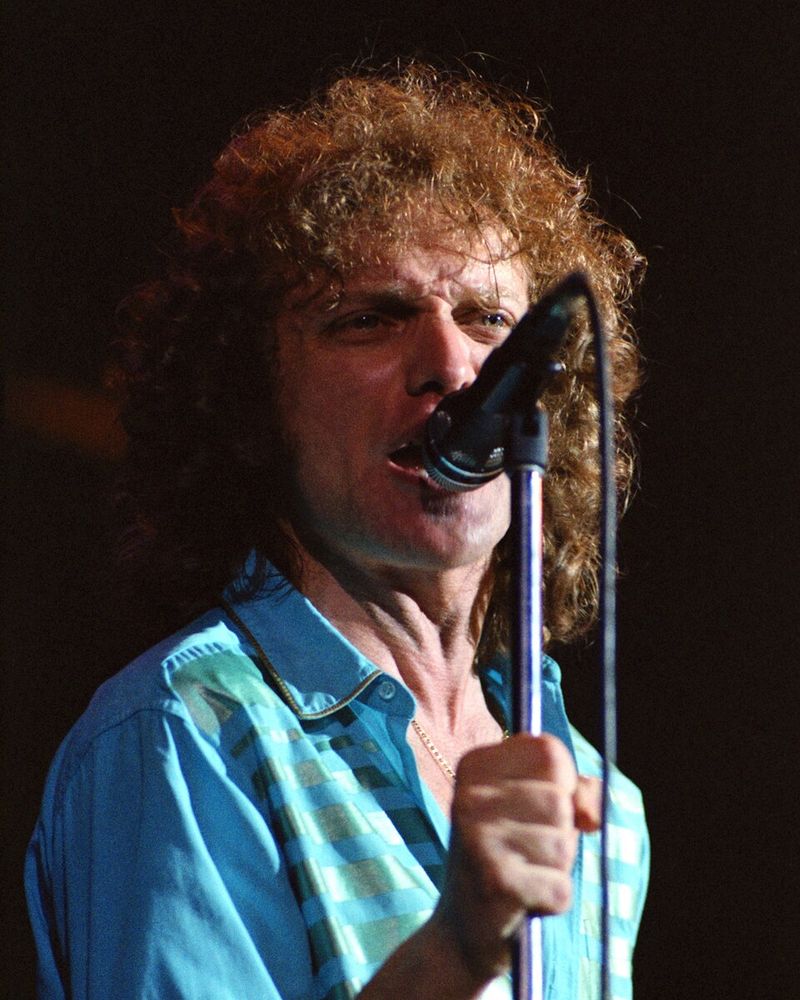
Foreigner was co-founded by guitarist Mick Jones, but it was Lou Gramm’s voice that turned the band into a global phenomenon. Gramm joined in 1976 as the lead vocalist, and his soulful delivery became the emotional engine of every Foreigner hit.
Songs like “I Want to Know What Love Is” and “Cold as Ice” would simply not exist in the same universe without Gramm’s incredible range. The ballad “I Want to Know What Love Is” hit number one in multiple countries in 1984.
If Foreigner was a rocket, Gramm was the fuel. His voice did not just carry songs, it carried entire emotional journeys for millions of listeners.