18 ’80s Restaurant Menu Items That Would Flop Today
The 1980s brought us big hair, neon colors, and some truly unforgettable restaurant dishes. Many of these menu items seemed fancy and exciting back then, but they would struggle to find fans in today’s food scene.
From tableside fire-finished dishes to elaborate presentations, these retro favorites tell the story of how much dining tastes have changed over the decades.
Disclaimer: This article reflects evolving restaurant trends and consumer preferences, which vary by region, budget, and dining style. Menu popularity can swing over time, and many “retro” dishes still appear on modern menus in updated forms.
The content is provided for general informational and entertainment purposes and is not legal, financial, or professional advice.
18. Penne In Tomato Cream Sauce
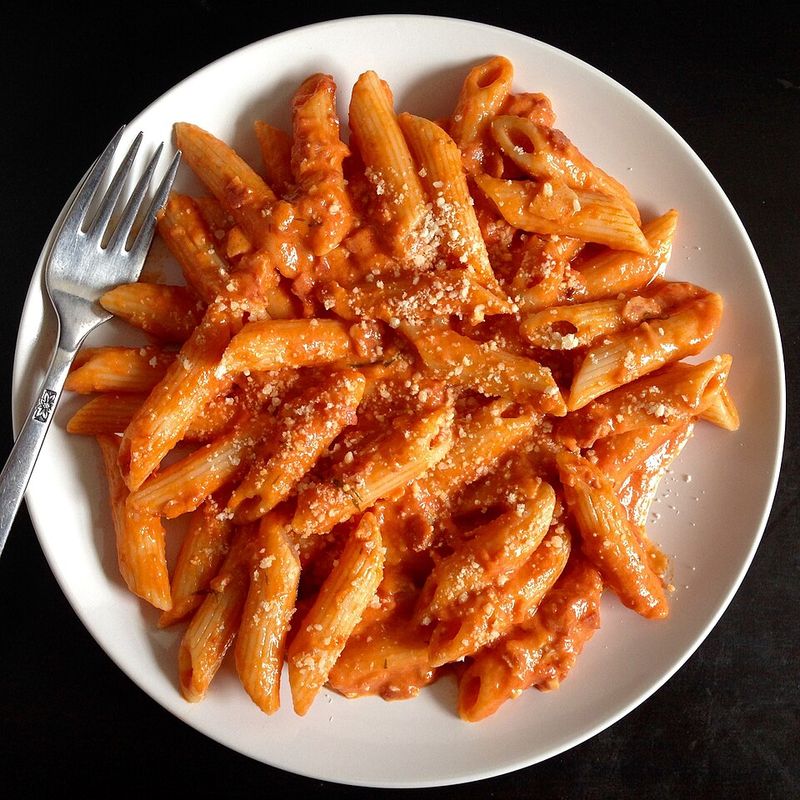
If you walked into a trendy restaurant today and saw this creamy pink pasta, you might wonder what all the fuss was about.
Back in the ’80s, pairing tomato sauce with cream felt revolutionary and sophisticated. The dish’s signature was its rosy tomato cream sauce and the sense of “upscale comfort” it carried at the time.
Modern diners prefer lighter, fresher pasta dishes without heavy cream sauces, and the novelty of the dish has worn off after decades of repetition.
17. Pasta Primavera
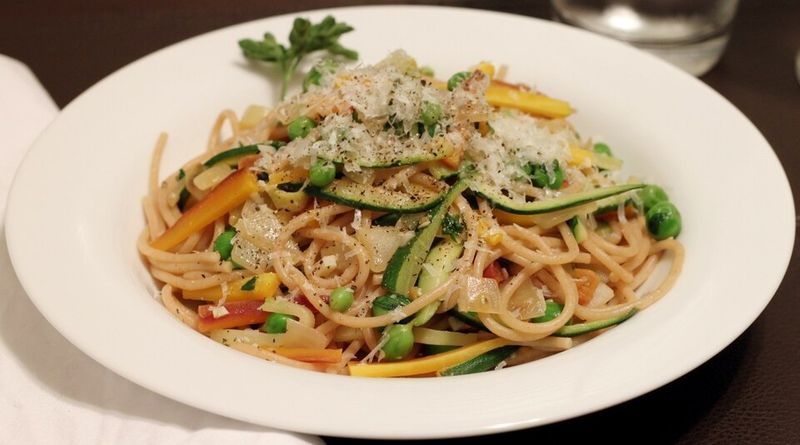
Restaurants in the ’80s loved piling vegetables onto pasta and calling it healthy. Primavera became the go-to choice for anyone trying to eat lighter at dinner.
The dish usually featured overcooked zucchini, mushy broccoli, and limp carrots swimming in butter or cream.
Today’s food lovers expect vegetables to have texture and flavor, not just serve as colorful garnish. Fresh, seasonal ingredients prepared simply have replaced these heavy, cream-laden vegetable pastas on modern menus.
16. Blackened Redfish
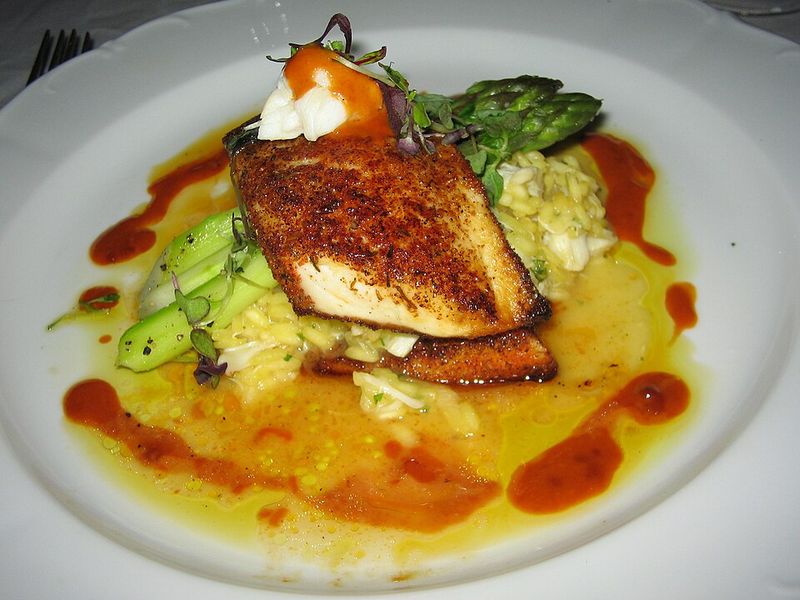
Chef Paul Prudhomme made this Cajun dish so popular that it helped fuel intense fishing pressure on red drum, and by the late 1980s many places restricted commercial harvest.
The preparation involved coating fish in butter and spices, then cooking it in a scorching-hot cast-iron skillet until charred.
While the technique created incredible flavor, it also produced enormous amounts of smoke that set off fire alarms.
Environmental concerns about overfishing and modern preferences for gentler cooking methods mean this smoky sensation wouldn’t fly today.
15. Chicken Kiev
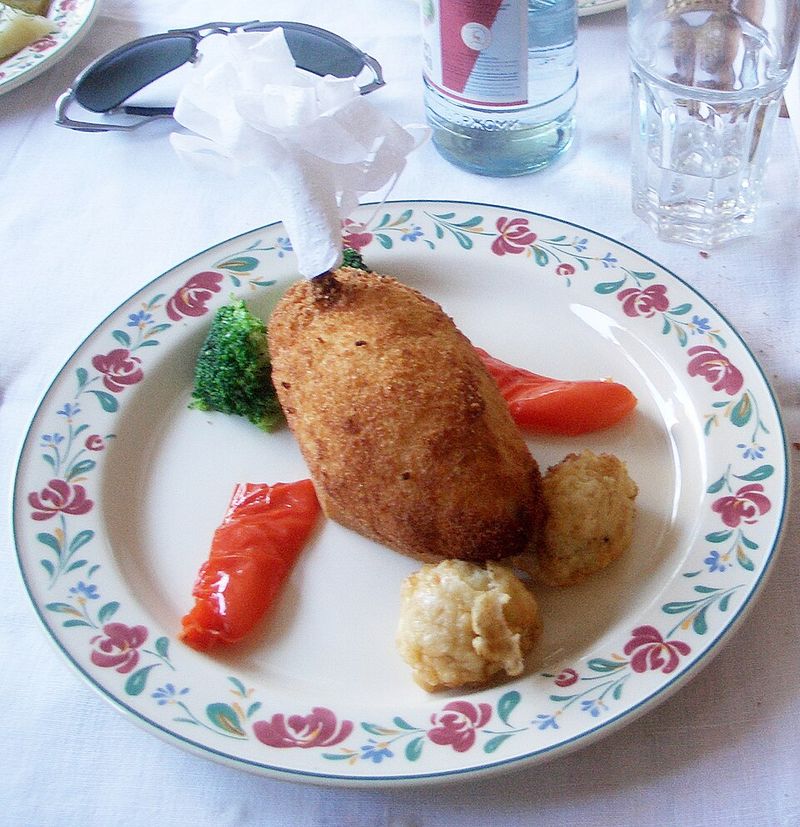
Imagine cutting into your chicken and hot butter could spill out quickly and catch diners off guard.
This dish featured a chicken breast pounded flat, wrapped around cold herbed butter, then breaded and deep-fried. The result was crispy on the outside with a very hot butter center that required care when cutting.
Today’s diners want to know where their chicken came from and prefer preparations that don’t involve sticks of butter. The whole concept feels dated and unnecessarily complicated for modern tastes.
14. Chicken Cordon Bleu
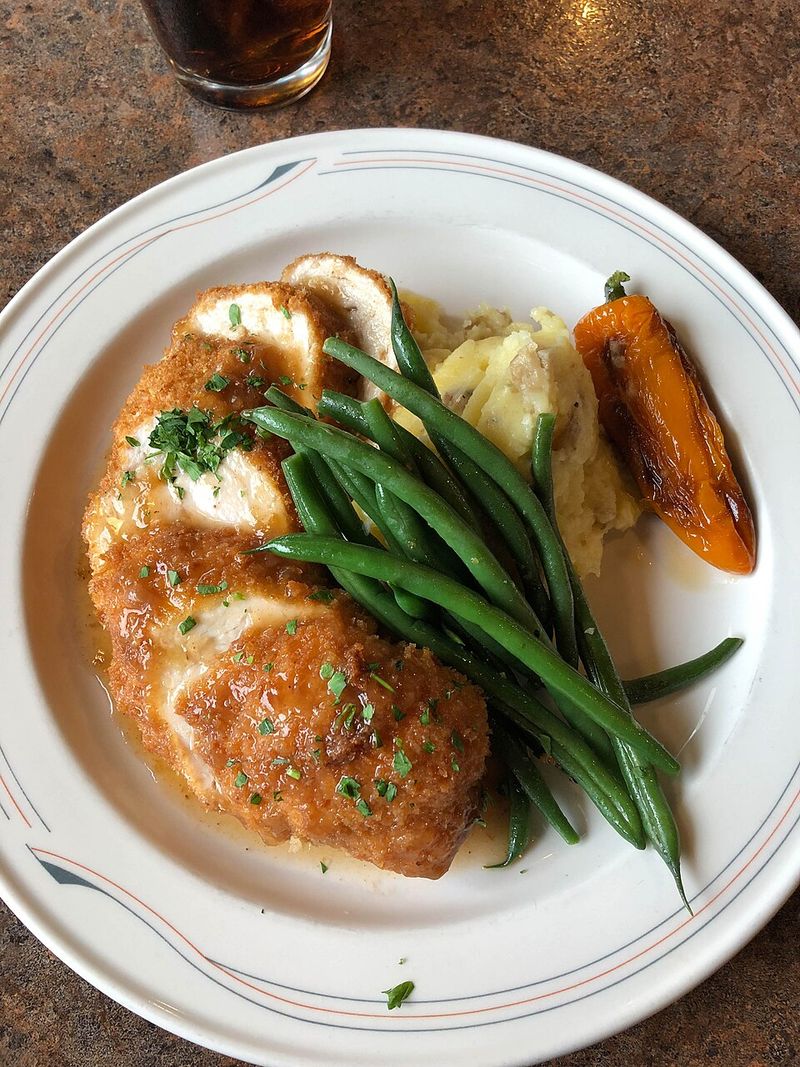
Restaurants treated this dish like it was the height of elegance, but it’s chicken wrapped around ham and cheese, built for comfort more than subtlety.
The preparation involved pounding, rolling, breading, and frying, which meant lots of work for something fairly ordinary. Diners loved the surprise of melted Swiss cheese oozing out when they cut into it.
However, modern menus have moved beyond these heavy, fried combinations. Simple, quality ingredients prepared well have replaced elaborate constructions that hide flavors under breading.
13. Quiche Lorraine
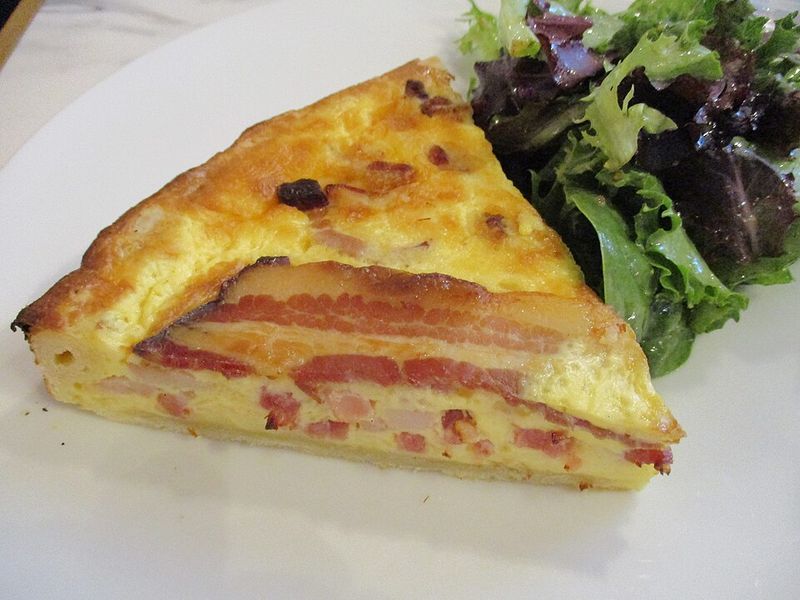
Maybe it was the ’80s obsession with brunch, but quiche showed up everywhere from fancy restaurants to office parties.
This French tart filled with eggs, cream, bacon, and cheese seemed sophisticated and continental to American diners.
The problem was that most versions sat under heat lamps for hours, turning the custard rubbery and the crust soggy. Today’s brunch crowds want fresh, Instagram-worthy dishes, not reheated egg pies from yesterday.
12. Beef Wellington
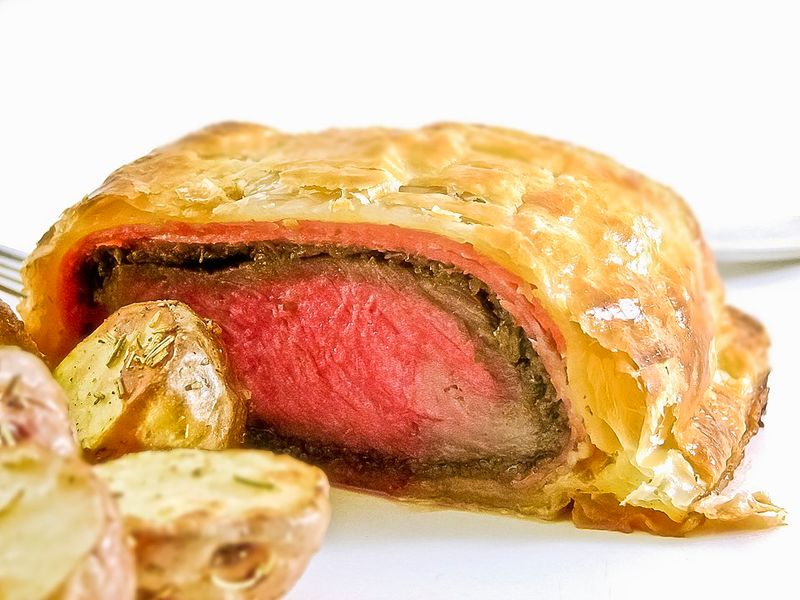
Wrapping beef tenderloin in mushroom paste and puff pastry seemed like the ultimate show of culinary skill.
Restaurants charged premium prices for this elaborate dish that required perfect timing to get the pastry crispy and the beef cooked right. One wrong move and you’d have soggy pastry or overcooked meat.
Modern diners prefer simpler beef preparations that let the meat’s quality shine through. All that pastry and mushroom paste feels like unnecessary complication hiding what should be a straightforward, delicious steak.
11. Shrimp C*cktail
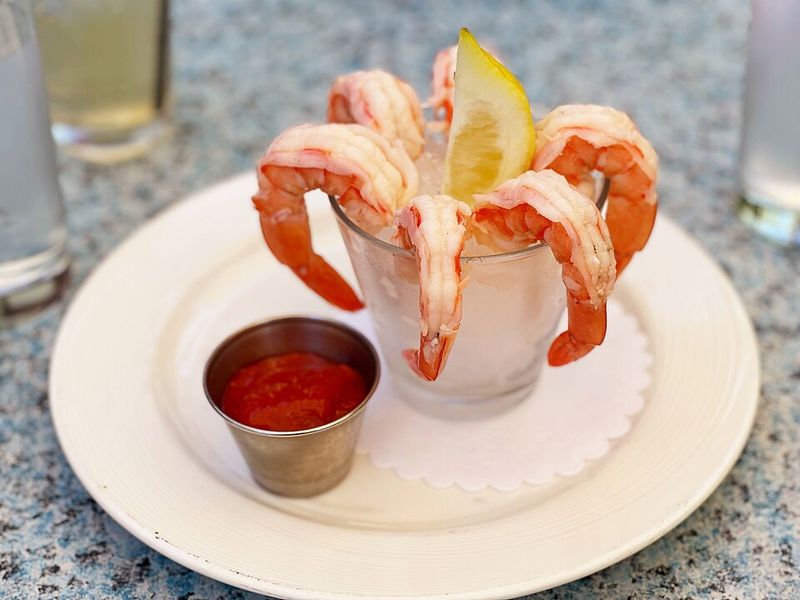
How did hanging shrimp around a glass of red sauce become such a fancy appetizer?
The ’80s loved this presentation, with perfectly arranged jumbo shrimp and tangy cocktail sauce served in special glasses.
Though the shrimp were often previously frozen and the sauce came from a bottle, restaurants treated this simple starter like fine dining.
Today’s seafood lovers want fresher preparations with more interesting flavors than just ketchup-based sauce and shrimp that could turn firm after sitting
10. Oysters Rockefeller
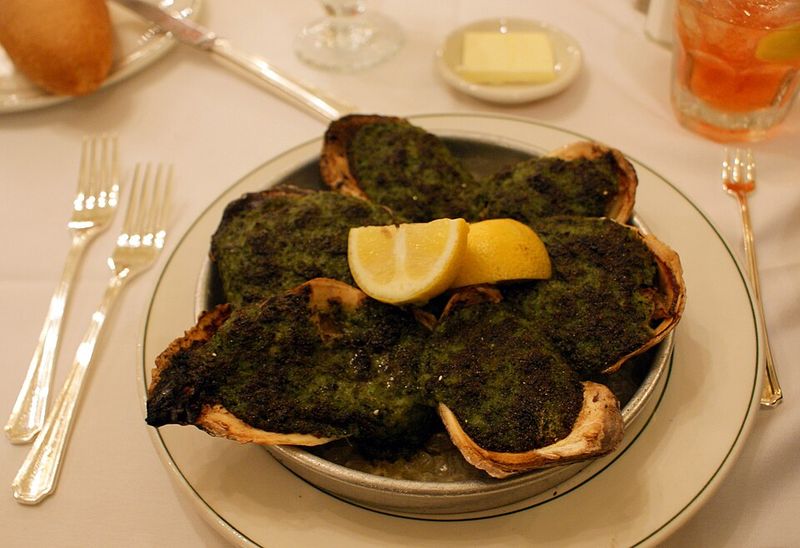
Restaurants often served oysters Rockefeller with a rich green topping in spinach, butter, breadcrumbs, and cheese, then baked until bubbling. The original recipe from New Orleans remained secret, but every restaurant had its own version in the ’80s.
The problem was that all those toppings completely masked the delicate oyster flavor underneath.
Modern oyster fans prefer them raw or lightly prepared so they can actually taste the seafood. Burying fresh oysters under heavy toppings seems wasteful and outdated now.
9. Steak Diane
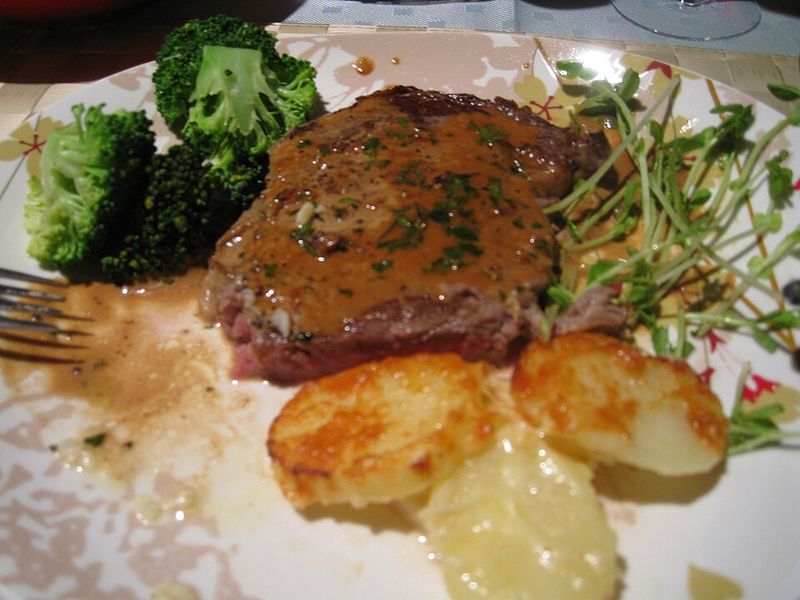
Waiters would wheel a cart to your table and dramatically prepare this dish right in front of you.
The performance involved sizzling pans and billowing steam, creating an impressive spectacle that made diners feel special and sophisticated.
Steak Diane combined thin beef medallions with a rich sauce of mushrooms, mustard, and cream.
Today’s steakhouses focus on high-quality cuts prepared simply rather than theatrical tableside preparations, and the entire routine now feels outdated and unnecessary in modern restaurants.
8. Baked Alaska
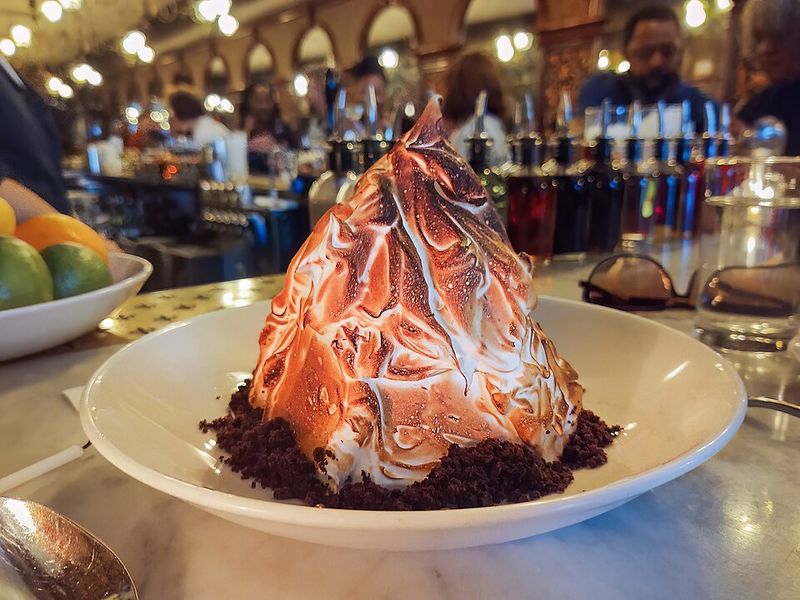
Perhaps nothing screams ’80s excess like ice cream covered in cake, topped with meringue, then torch-browned meringue
This dessert required precise timing to torch the meringue without melting the ice cream inside. Restaurants loved the drama of bringing a flaming dessert to the table while other diners watched.
Today’s dessert lovers prefer simpler, more refined sweets that don’t require a high-drama presentation. The combination of temperatures and textures feels more gimmicky than delicious by modern standards.
7. Bananas Foster
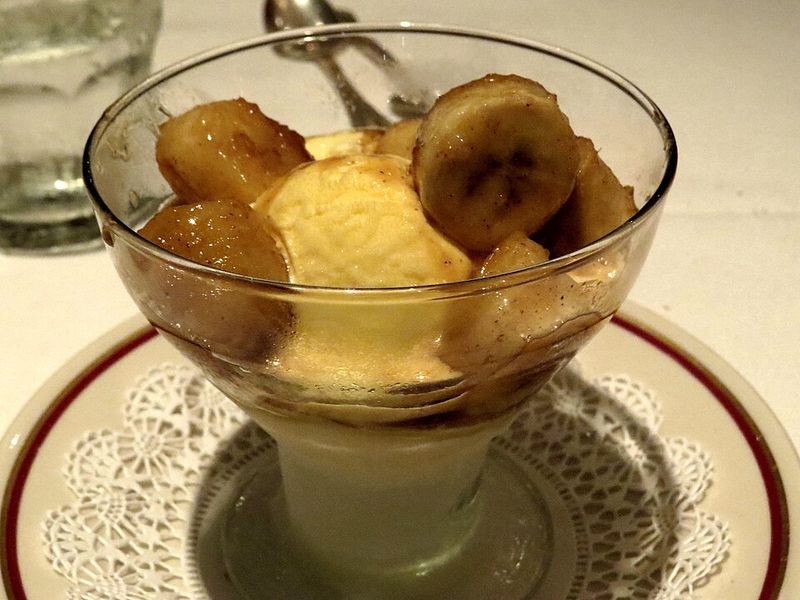
If setting your dessert on fire was once considered cool, doing it with bananas made it even more dramatic, or so restaurants thought.
This New Orleans creation featured bananas cooked in butter, brown sugar, and cinnamon, then finished tableside for effect.
The dramatic presentation impressed dates and special-occasion diners throughout the decade.
Modern dessert menus have moved beyond theatrical flame shows toward creative, photogenic sweets that taste amazing without the safety concern.
6. Cherries Jubilee
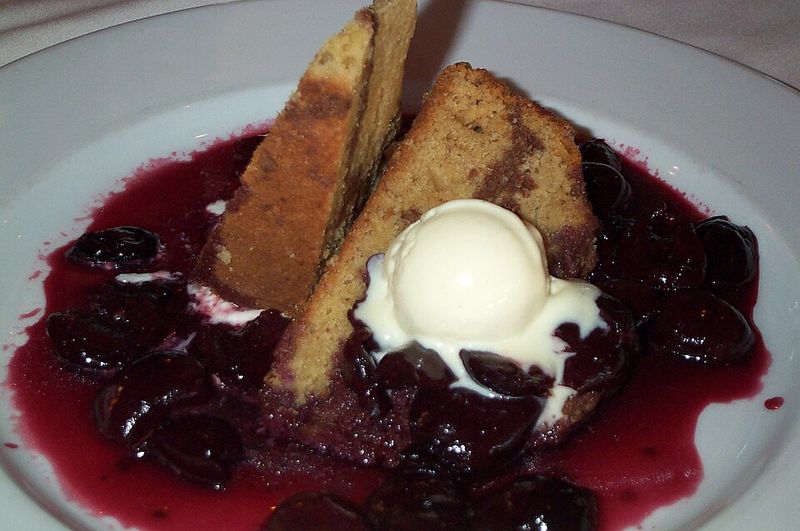
Apparently, the ’80s believed all special desserts needed to involve fire and a tableside cart.
This dish featured cherries in a sweet sauce gently heated, then poured over vanilla ice cream, creating a glossy finish that once felt worth the dramatic presentation.
However, today’s diners want desserts they can photograph for social media rather than ones that can feel a little too risky at the table, and simple fruit-based treats made with quality ingredients have replaced those over-the-top productions.
5. Spinach Dip In A Bread Bowl
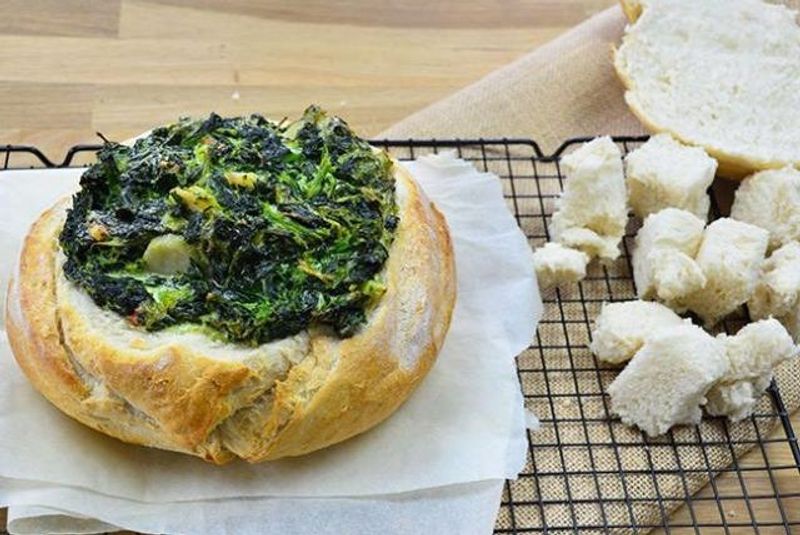
Restaurants hollowed out round sourdough loaves and filled them with hot, creamy spinach dip for sharing.
The concept seemed genius because you could eat both the container and the contents, though the soggy bread bottom was usually disappointing.
These massive appetizers encouraged double-dipping and contained enough calories for an entire meal.
Today’s diners prefer lighter starters and individual portions over communal bread bowls that become less appealing as it cooled and got handled more as everyone digs in.
4. All-You-Can-Eat Salad Bar
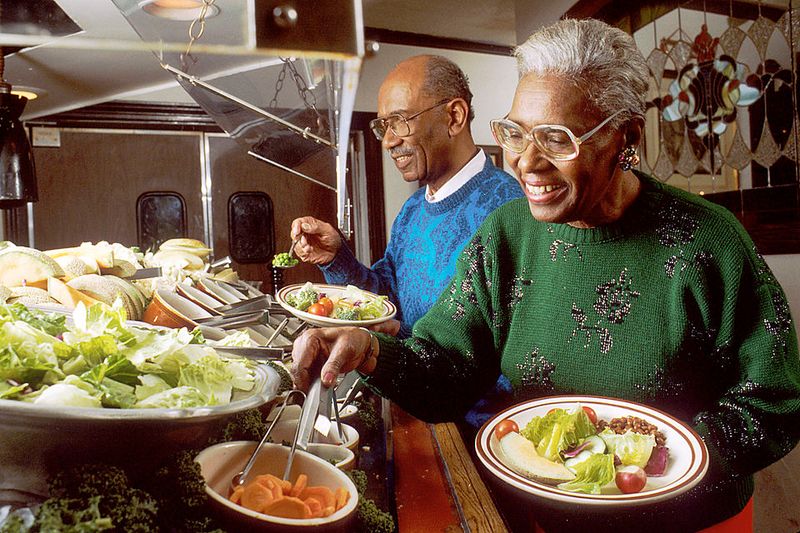
Honestly, self-serve setups raised hygiene questions even then, and modern food-safety expectations have made them less popular in many places.
The ’80s salad bar featured everything from iceberg lettuce to cottage cheese, pasta salads, and assorted gelatin dishes, with sneeze guards intended to offer basic protection.
Today’s food-safety standards and heightened public awareness have shifted preferences toward fresh, made-to-order salads rather than communal self-serve stations.
3. Caesar Salad
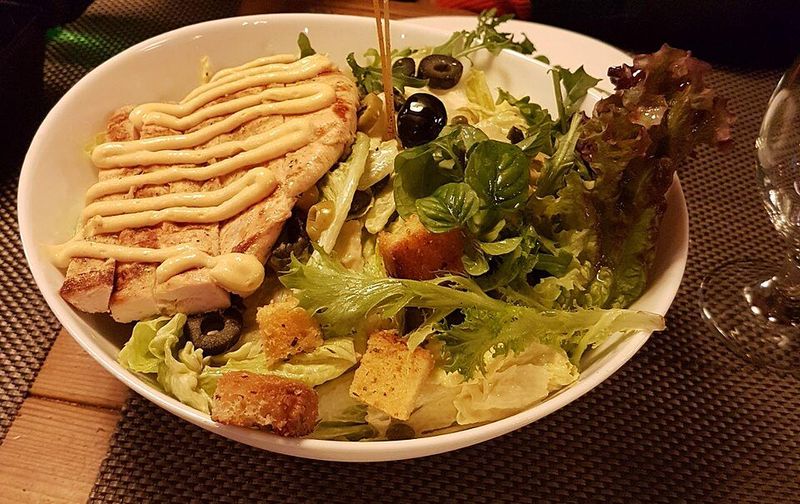
Waiters would prepare this salad tableside with great ceremony, cracking raw eggs into wooden bowls and tossing romaine with dramatic flair.
The performance included mashing anchovies, adding Worcestershire sauce, and grating fresh Parmesan while diners watched admiringly. Restaurants charged premium prices for what was essentially lettuce with dressing.
Today’s Caesar salads come pre-made from the kitchen without the tableside theater. Raw egg concerns and efficiency have eliminated the elaborate preparation that made this simple salad special.
2. French Onion Soup
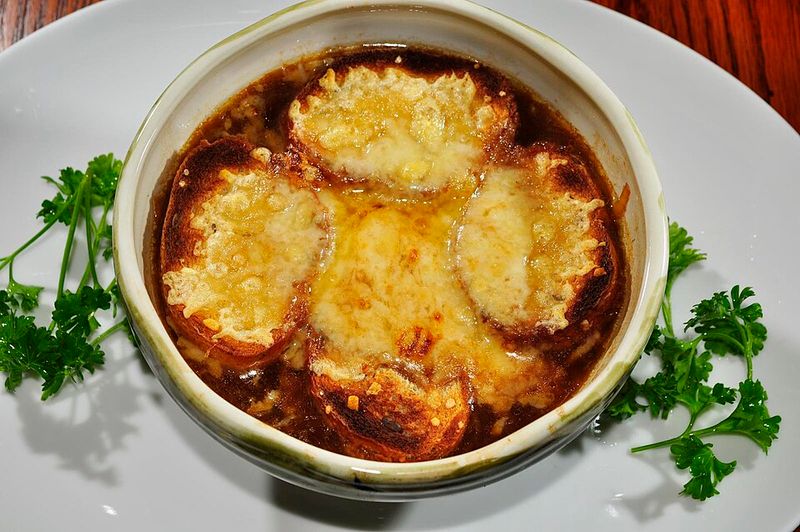
Restaurants served this soup in special ceramic crocks with cheese melted over the top in a broiler.
Diners struggled to eat the stringy, molten cheese without burning their mouths or wearing it on their chins.
The soup underneath was usually overly salty beef broth with mushy onions that had been sitting around too long.
Modern soup lovers prefer lighter, fresher options that don’t require wrestling with cheese strings or risking a painfully hot mouthful from bubbling gruyere.
1. Mud Pie
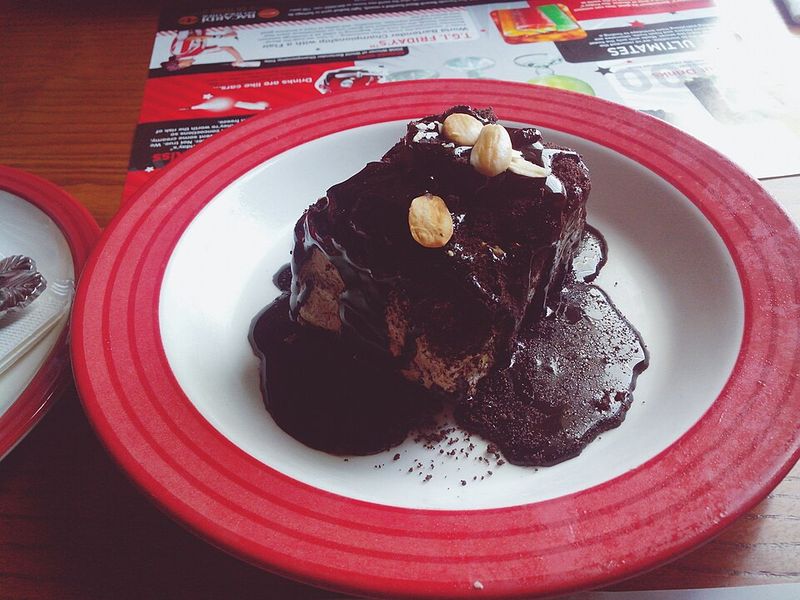
This dessert combined coffee ice cream, Oreo cookie crust, fudge sauce, and whipped cream into one massive, indulgent creation. Restaurants served it in enormous slices that could easily feed three people but were meant for one.
The name came from its messy, muddy appearance when all the layers melted together.
Today’s dessert menus focus on refined presentations and balanced flavors rather than giant piles of sugar and fat. Instagram-worthy plating has replaced the chaotic abundance of ’80s desserts like mud pie.