12 Restaurant Red Flags That Make Me Put My Fork Down
Walking into a restaurant should feel exciting, like the opening scene of a delicious adventure.
But sometimes, certain warning signs pop up that scream louder than a fire alarm at midnight.
Knowing what to watch for can save you from a meal you’ll regret, or worse, a tummy ache that lasts for days.
Here are the red flags that should send you running faster than a cartoon character spotting a ghost.
And while no place has to be perfect, some signs are just too suspicious to ignore when hunger clouds judgment.
Spot these clues early, and the adventure stays fun instead of turning into a dining disaster story you’ll tell for years.
Disclaimer: The information in this article is based on general restaurant best practices and commonly recognized warning signs.
It is intended for entertainment and informational purposes only and should not be taken as professional safety, health, or legal advice.
Individual experiences may vary, and not every red flag guarantees poor food or unsafe conditions.
Always use personal judgment and consult health authorities when necessary.
12. Sticky Menus That Could Trap A Fly
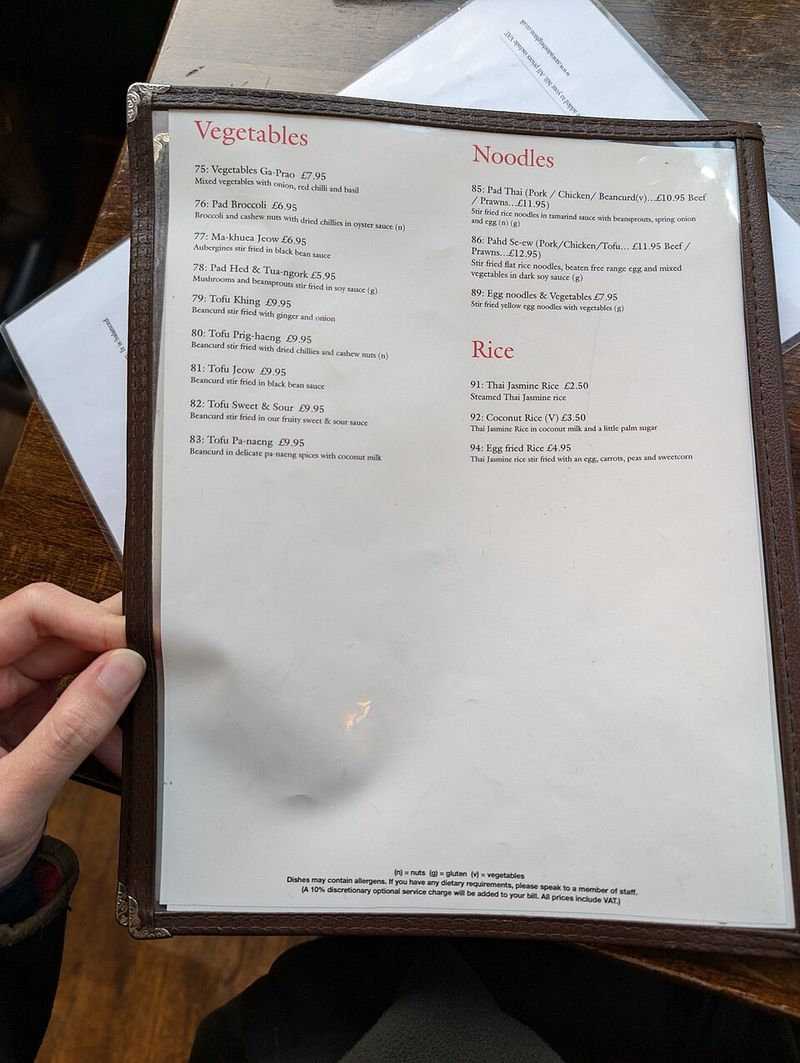
Ever picked up a menu and felt like your fingers just got glued to yesterday’s mystery sauce? Yuck.
When menus are sticky, grimy, or covered in unidentifiable stains, it’s a massive clue that cleanliness isn’t a priority.
Think about it like this: if the restaurant can’t be bothered to wipe down something customers touch constantly, what’s happening in the kitchen where nobody’s watching?
Menus pass through dozens of hands every single day, collecting germs like a magnet attracts metal.
A clean establishment treats every detail with care, from the front door to the dishwashing station.
Dirty menus aren’t just gross, they’re a window into the restaurant’s overall hygiene habits.
If the staff ignores something so obvious, imagine what corners they’re cutting behind closed doors.
Some places even laminate menus to make cleaning easier, which shows they actually care about sanitation.
So next time your fingers stick to the menu like superglue, consider it a warning sign worth heeding.
Your health deserves better than a side of bacteria with your burger.
Trust your gut, literally.
11. Funky Smells That Make Your Nose Wrinkle
Your nose knows trouble when it smells it. Literally.
Walking into a restaurant should greet you with delicious aromas that make your stomach growl with anticipation, not scents that make you want to turn around and sprint for fresh air.
If you catch whiffs of mold, rotting garbage, or overpowering chemical cleaners, something’s seriously wrong.
Mild and mildew smells suggest moisture problems or poor ventilation, which can lead to all sorts of health hazards.
Trash odors mean waste isn’t being handled properly, and that’s a breeding ground for pests and bacteria.
Even super strong cleaning chemical smells can be a red flag, sometimes used to mask other nasty odors lurking underneath.
A well-maintained restaurant smells inviting, clean, and fresh, with just the right hint of whatever’s cooking in the kitchen.
Your sense of smell is basically a built-in alarm system, designed to protect you from danger.
When it starts ringing, listen up.
No meal is worth ignoring what your nose is desperately trying to tell you.
Follow that instinct and find somewhere that smells like heaven instead of a dumpster.
10. Menus Longer Than A Fantasy Novel
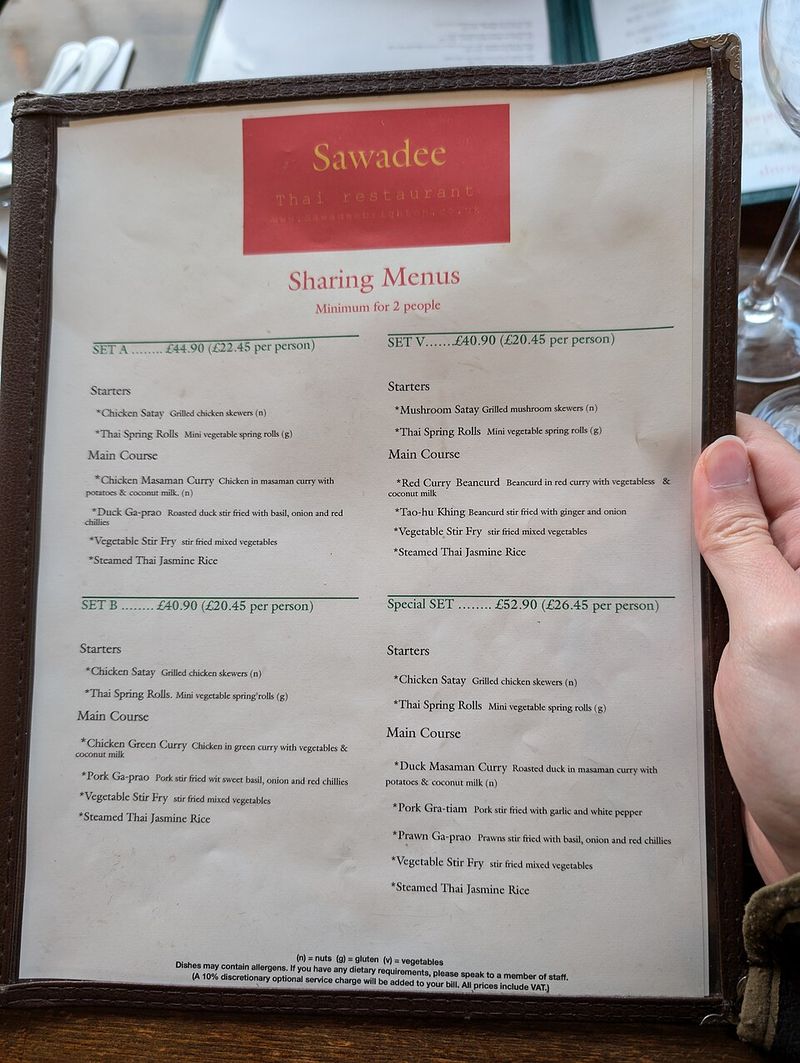
Picture this: you sit down, open the menu, and suddenly you’re holding what feels like the entire works of Tolkien.
Page after page of dishes from every corner of the globe.
While variety sounds great in theory, a menu that’s ridiculously huge often means the kitchen is spreading itself thinner than a crepe.
Restaurants that try to do everything usually end up doing nothing particularly well.
Fresh ingredients require focus and expertise, not a pantry stocked like a grocery store.
When a menu includes Italian pasta, Mexican tacos, Chinese stir-fry, and American burgers all in one place, it’s basically impossible for everything to be made from scratch.
Most likely, a lot of those dishes are pre-made, frozen, or reheated, which compromises quality and flavor.
The best restaurants pick a specialty and absolutely nail it, perfecting their craft instead of juggling a million mediocre options.
A focused menu shows confidence and skill.
So if the menu looks like it could double as a phone book, maybe reconsider.
Quality beats quantity every single time, especially when it comes to what you’re putting in your body.
Choose wisely, young foodie.
9. Staff Who Act Like They’d Rather Be Anywhere Else
Service with a scowl? No thanks.
When you walk into a restaurant and the staff barely acknowledges your existence, or worse, treats you like you’re interrupting their personal time, that’s a giant red flag waving in the breeze.
Good service isn’t just about bringing food to your table, it’s about creating a welcoming atmosphere where you feel valued.
Servers who can’t answer basic menu questions, ignore your requests, or roll their eyes when you ask for something reveal a lack of training and professionalism.
This often reflects poor management and low morale, which can trickle down to every aspect of the restaurant, including food quality and cleanliness.
On the flip side, attentive and friendly staff who genuinely care about your experience make dining out a pleasure.
They know the menu inside and out, offer helpful suggestions, and check in without being overbearing.
If the people serving you seem miserable or clueless, chances are the kitchen isn’t much better.
A restaurant is only as strong as its team.
When the team’s falling apart, your meal probably will too.
Find a spot where smiles are genuine and service feels effortless.
8. Bathrooms That Feel Straight Out Of A Spooky Movie
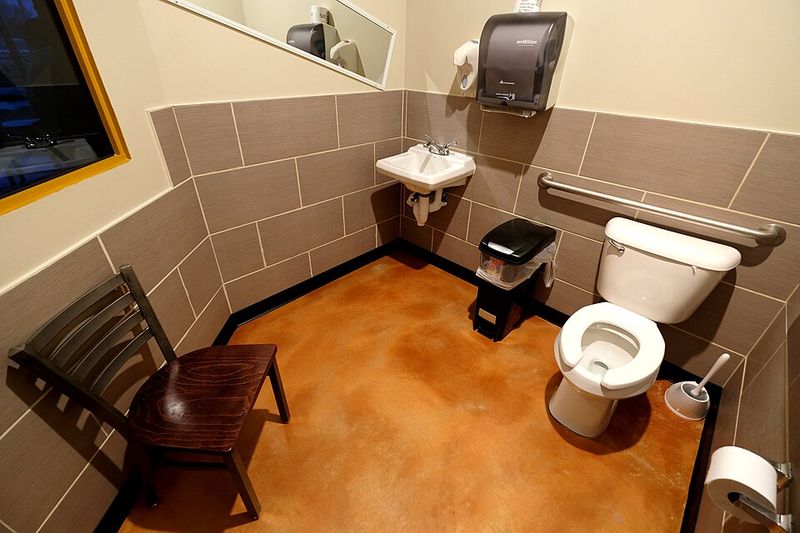
Here’s a golden rule: always check the bathroom before you order. Seriously.
If the restroom looks like it hasn’t been cleaned since the last century, with overflowing trash, grimy sinks, and mysterious puddles on the floor, run.
The bathroom is basically a report card for the restaurant’s overall hygiene standards.
When management doesn’t care about keeping a public space clean, you can bet they’re not prioritizing cleanliness in the kitchen either.
Think about it logically: customers see and use the restrooms, so they should be a top priority for maintaining a good impression.
If the restaurant can’t even manage that, what’s happening in areas you can’t see?
A clean bathroom shows respect for customers and attention to detail.
It means someone’s regularly checking, restocking supplies, and making sure everything’s sanitary.
Dirty bathrooms, on the other hand, suggest neglect and carelessness.
Health inspectors often check restrooms as part of their evaluations because they’re such a strong indicator of overall cleanliness. Your eyes don’t lie.
If the bathroom gives you the creeps, trust that feeling and head somewhere that takes hygiene seriously.
Your stomach will thank you later.
7. Uninvited Guests With Six Or More Legs
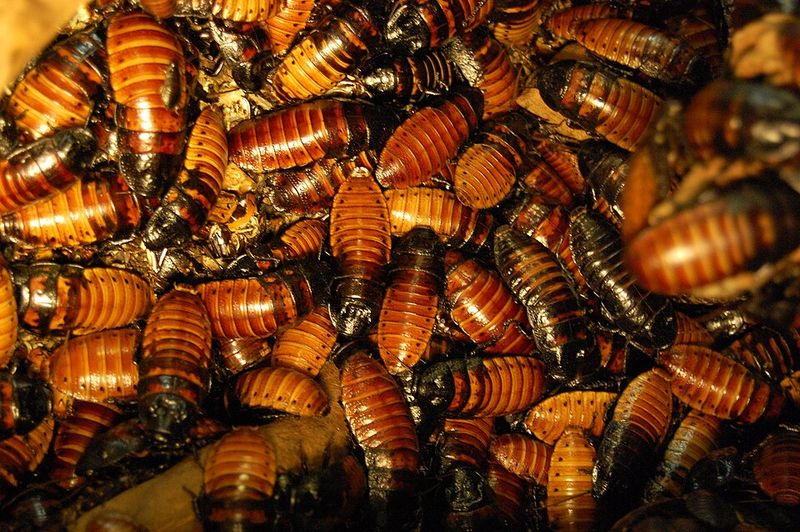
Spot a cockroach scuttling across the floor?
Time to exit stage left, immediately.
Pests like roaches, flies, or rodents in a restaurant are not just gross, they’re a serious health hazard that can spread diseases and contaminate food.
If you see one critter, there are probably dozens more hiding in the walls and kitchen.
These unwelcome guests thrive in dirty environments where food waste and moisture are plentiful.
Restaurants are legally required to maintain pest-free environments, and regular inspections should catch infestations before they become visible to customers.
Seeing pests means either the restaurant isn’t being inspected properly, or they’re ignoring serious problems.
Neither option is acceptable. Pests carry bacteria like salmonella and E. coli, which can cause severe food poisoning.
They leave droppings, shed skin, and contaminate surfaces wherever they go.
A single sighting should send you running faster than a superhero answering a distress call.
No meal, no matter how delicious it looks, is worth the risk of getting sick.
Your health is priceless.
Find a restaurant that takes pest control seriously and keeps their space spotless.
Your future self will high-five you for it.
6. Food That Arrives Faster Than A Pizza Delivery Superhero
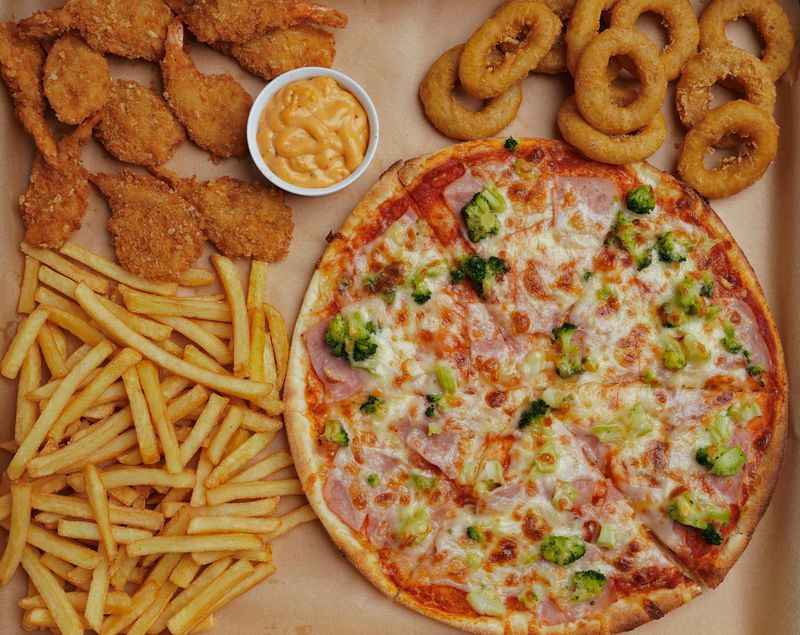
You just ordered a fancy pasta dish, and suddenly it’s in front of you before you’ve even finished your water.
Wait, what? While speedy service sounds convenient, food that arrives suspiciously fast is often a sign it wasn’t freshly prepared.
Instead, it was probably sitting under a heat lamp, pre-cooked hours ago, or nuked in a microwave.
Fresh food takes time to prepare properly, from chopping vegetables to cooking proteins to the perfect temperature.
When your meal shows up in record time, especially something complex, it’s worth questioning how it was made.
Pre-made or reheated food loses flavor, texture, and nutritional value.
Plus, improperly stored pre-cooked food can harbor bacteria that cause foodborne illness.
Quality restaurants take pride in preparing dishes to order, which naturally takes a reasonable amount of time.
They’d rather you wait a bit longer for something delicious than rush out something mediocre.
If your food arrives faster than The Flash on a good day, be cautious.
Ask questions about how dishes are prepared.
A little patience usually means a much better meal.
Good things come to those who wait, especially when it comes to food that’s actually fresh and flavorful.
5. Empty Dining Rooms During Rush Hour
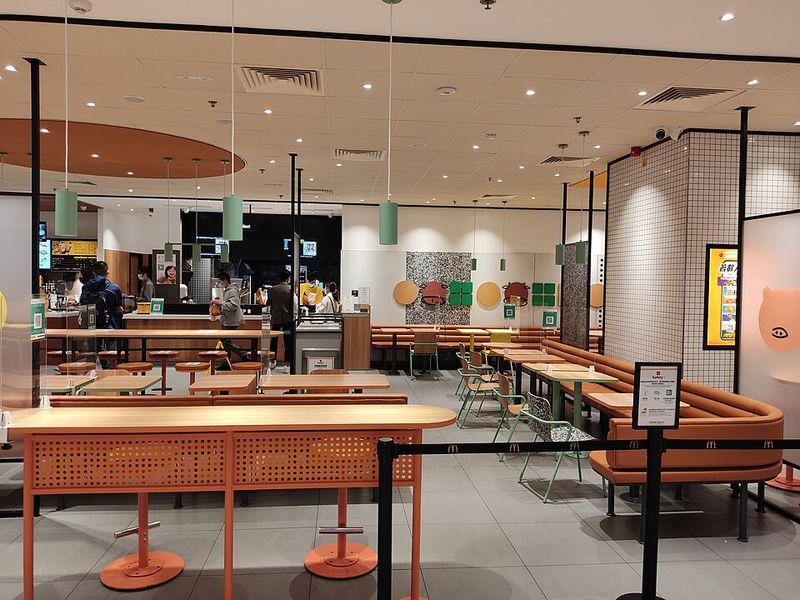
You walk into a restaurant at seven on a Friday night, prime dinner time, and you could hear a pin drop.
Tumbleweeds might as well be rolling through.
When a place is deserted during peak hours, it’s usually not because you’ve discovered a hidden gem.
More likely, locals know something you don’t and are staying far away.
Busy restaurants are busy for good reasons: great food, excellent service, and positive word-of-mouth.
An empty dining room suggests the opposite, that previous customers weren’t impressed enough to return or recommend it to friends.
It might also mean the food isn’t fresh, since low customer turnover means ingredients sit around longer.
Of course, there are exceptions, like brand-new restaurants still building their reputation or places in quieter neighborhoods.
But generally, people vote with their feet and their wallets.
A packed restaurant during dinner rush is a good sign that the kitchen delivers quality consistently.
If you find yourself the only customer in sight, consider it a warning.
Do a quick online search for reviews before committing.
Sometimes the crowd knows best, and an empty restaurant speaks volumes without saying a word.
Follow the people to where the good food lives.
4. Tables That Need A Serious Scrub Down
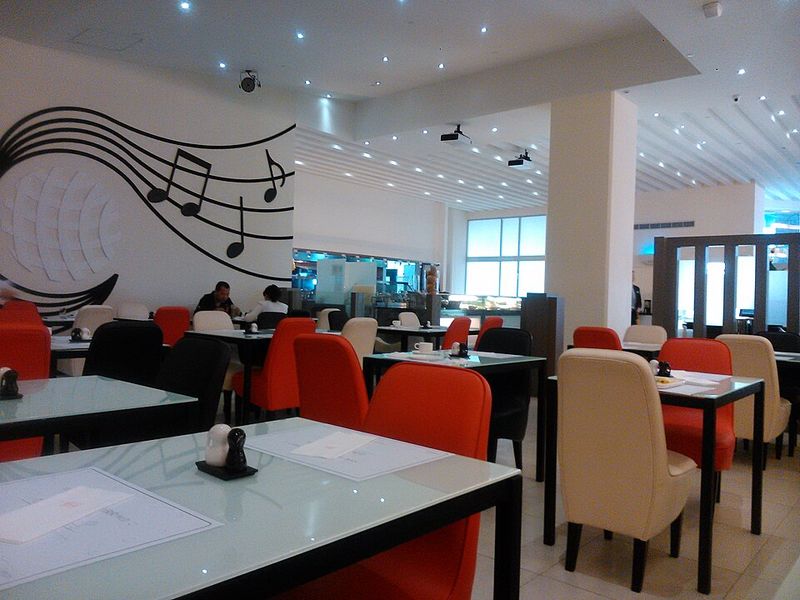
You sit down, place your hands on the table, and immediately regret that decision.
Sticky, grimy, and covered in crumbs from the previous customer’s feast.
Tables should be thoroughly cleaned and sanitized between every single guest, no exceptions.
When they’re not, it’s a clear sign of lazy or rushed service, and that kind of carelessness can extend to food handling too.
Dirty tables harbor bacteria, viruses, and all sorts of germs that can make you sick.
Cross-contamination is a real concern when surfaces aren’t properly disinfected.
You’re about to eat off that table, or at least near it, so it better be spotless.
A clean table shows the restaurant respects its customers and takes sanitation seriously.
It takes only a minute or two to wipe down a table properly with the right cleaning solution.
If the staff can’t manage that basic task, what else are they skipping?
Don’t be shy about asking for your table to be cleaned again if it’s not up to standard.
You’re the customer, and you deserve a clean space.
If they seem annoyed by the request, that’s another red flag.
Find a restaurant that treats cleanliness like the non-negotiable requirement it absolutely is.
3. Odd Chemical Smells That Sting Your Nostrils
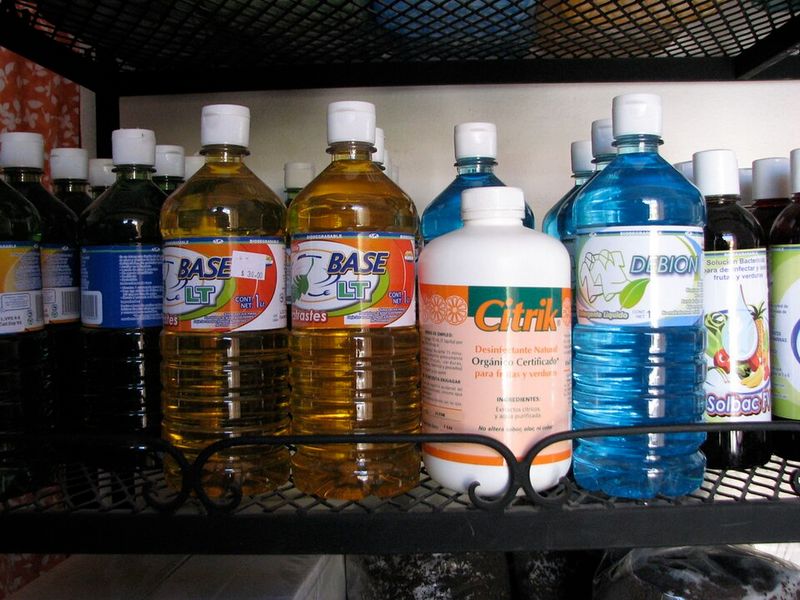
Strong cleaning product smells can actually be just as concerning as bad odors.
Surprised? While cleanliness is obviously important, overpowering chemical scents might mean the restaurant is trying to mask something unpleasant underneath.
It’s like spraying an entire can of air freshener in a room instead of finding out what actually stinks.
Proper cleaning should leave spaces smelling fresh and neutral, not like a chemistry lab explosion.
Excessive chemical use can also be harmful to your health, especially if cleaning products aren’t properly rinsed from surfaces where food is prepared or served.
Residue from harsh cleaners can contaminate food and cause allergic reactions or other health issues.
Another possibility is that the staff just cleaned right before opening or during service, which suggests poor timing and planning.
Deep cleaning should happen when the restaurant is closed, not when customers are trying to enjoy their meals.
A well-managed establishment uses appropriate cleaning products in the right amounts and at the right times.
The air should smell inviting, not like you’ve walked into a janitor’s closet.
If your eyes water or your throat feels scratchy from chemical fumes, trust your body’s warning system.
Head somewhere that balances cleanliness with common sense.
2. Servers Who Know Less Than You Do About The Menu
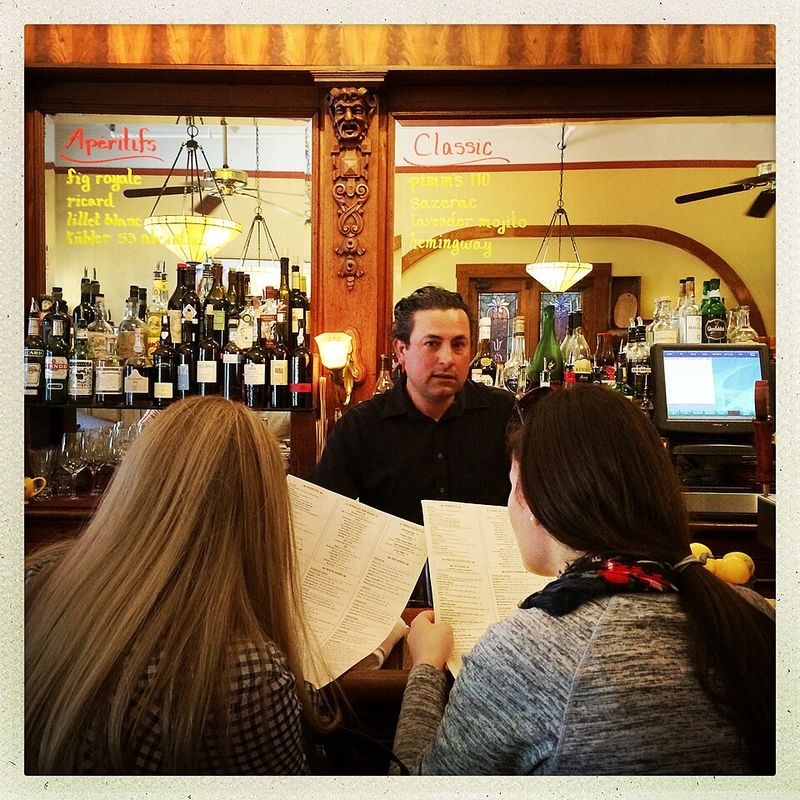
Asking your server about ingredients or preparation methods should be easy.
But when they stare at you blankly, shrug, or admit they have no clue, that’s a problem.
Servers are the bridge between the kitchen and customers, so they should know the menu inside and out.
They should be able to answer questions about allergens, cooking methods, portion sizes, and what dishes are most popular.
When they can’t, it suggests poor training and lack of communication within the restaurant.
This knowledge gap becomes especially concerning if you have food allergies or dietary restrictions.
You need accurate information to stay safe, and guessing games with your health aren’t acceptable.
A clueless server might accidentally recommend something that could make you seriously ill.
Good restaurants invest time in training their staff thoroughly.
Servers should taste dishes, understand ingredients, and be able to make informed recommendations.
When they can’t do these basic things, it reflects poorly on management and raises questions about what else is being overlooked.
If your server seems lost or uninterested in helping you, consider it a warning sign.
You deserve knowledgeable, helpful service.
Find a place where the staff actually knows what they’re serving.
Your dining experience depends on it.
1. Restrooms That Make You Want To Hold It Forever
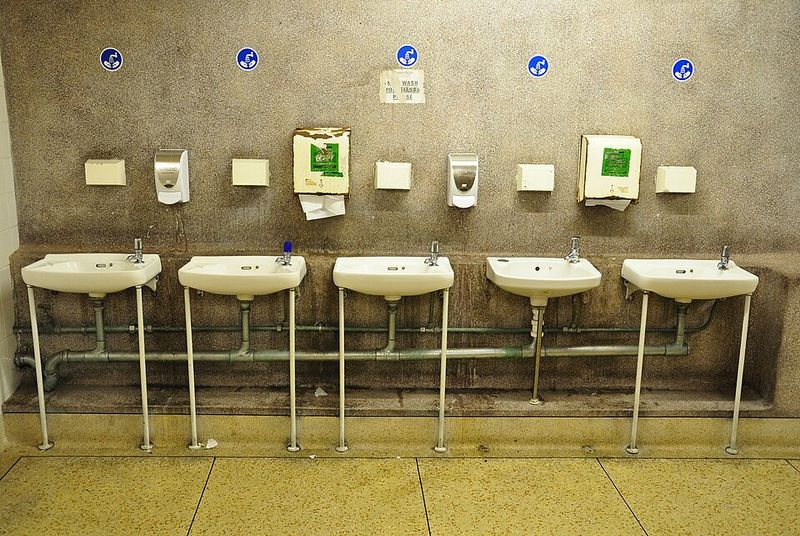
Yes, we’re talking about bathrooms again, because they’re that important.
Seriously. Beyond just visible dirt, look for other signs of neglect like broken fixtures, empty soap dispensers, missing toilet paper, or non-functioning hand dryers.
These details reveal whether the restaurant maintains their space consistently or just does the bare minimum.
A well-stocked, properly functioning restroom shows ongoing attention and care.
Hand-washing is one of the most critical ways to prevent spreading germs and foodborne illnesses.
If the bathroom lacks soap or running water, that’s not just inconvenient, it’s a health code violation.
Employees use these same facilities, so if customers can’t wash their hands properly, neither can the staff preparing your food.
Broken locks, dim lighting, or damaged tiles might seem minor, but they indicate a pattern of deferred maintenance.
If management won’t fix visible problems in public areas, imagine what’s being ignored behind the scenes.
A clean, well-maintained restroom is a non-negotiable standard for any restaurant.
It’s a basic courtesy and a health requirement.
If the bathroom fails the test, the restaurant fails too.
Don’t compromise on this one.
Your health and dignity both deserve better.