15 Restaurant Ripoffs Chefs Say Aren’t Worth Your Money
Ever feel like paying way too much for something simple when dining out? You’re not imagining it.
Professional chefs and restaurant insiders can tell exactly which menu items carry markups that far exceed their real value. Fancy-sounding dishes made with cheap ingredients, everyday foods that cost pennies but sell for dollars; these hidden ripoffs appear in restaurants everywhere.
Learn the secrets behind what’s really on your plate, sharpen your foodie instincts, and make smarter, tastier choices every time you sit down to eat.
1. Avocado Toast
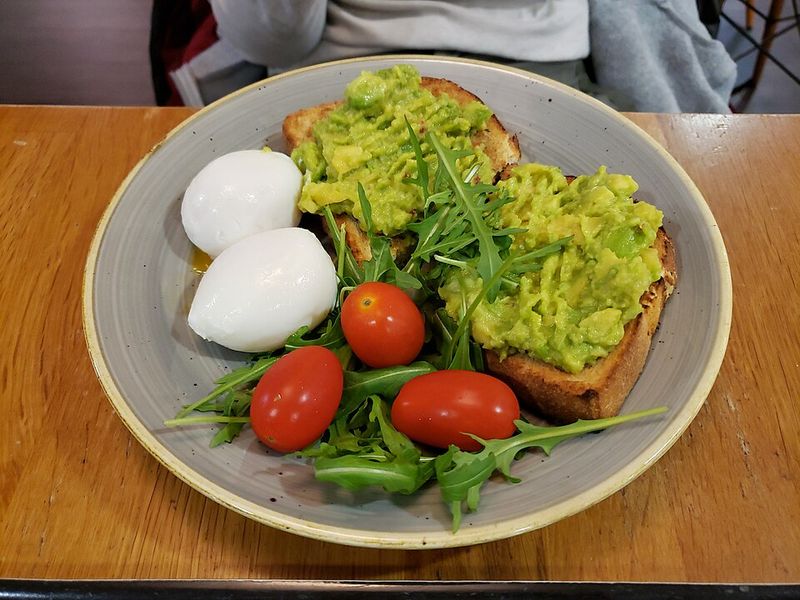
Walk into any brunch spot and you’ll spot it: avocado toast commanding prices that’ll make your wallet weep. What you’re getting is literally mashed avocado on bread, something you could whip up at home in three minutes flat.
Chef Richard LaMarita calls it “overdone, uninspired and uncreative, and so expensive.” A single avocado costs about two bucks at the grocery store, yet restaurants charge fifteen dollars or more for this Instagram-famous dish. That’s a price that would make even a superhero’s jaw drop!
2. Basic Pasta Dishes
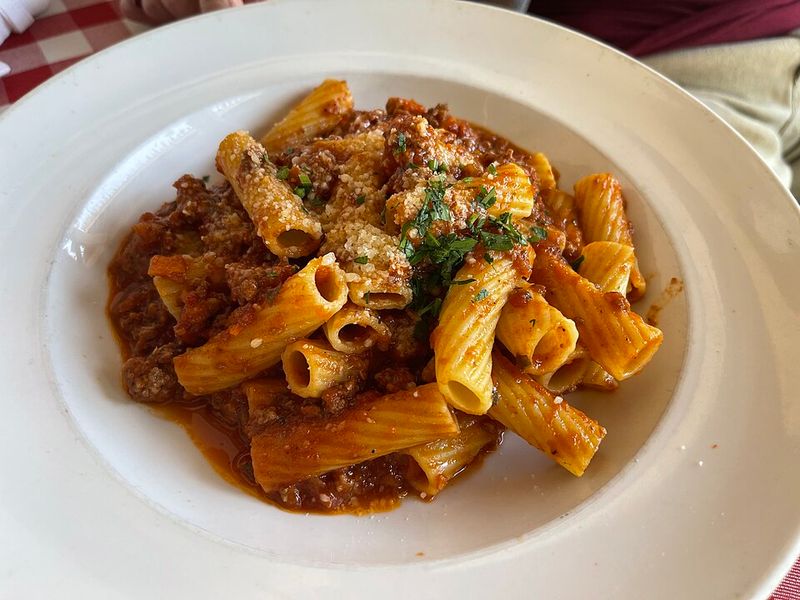
Picture this: twenty dollars for a plate of noodles and tomato sauce. Sound ridiculous?
Chef Marcus Mooney thinks so too, pointing out that the actual ingredient cost is practically pocket change.
Pasta is one of the cheapest foods on Earth to make. A box of spaghetti costs maybe two dollars, and jarred sauce adds another three.
When restaurants charge premium prices for simple marinara or butter-based pasta, they’re basically printing money while you’re left wondering why you didn’t just cook at home instead.
3. Truffle Oil Dishes
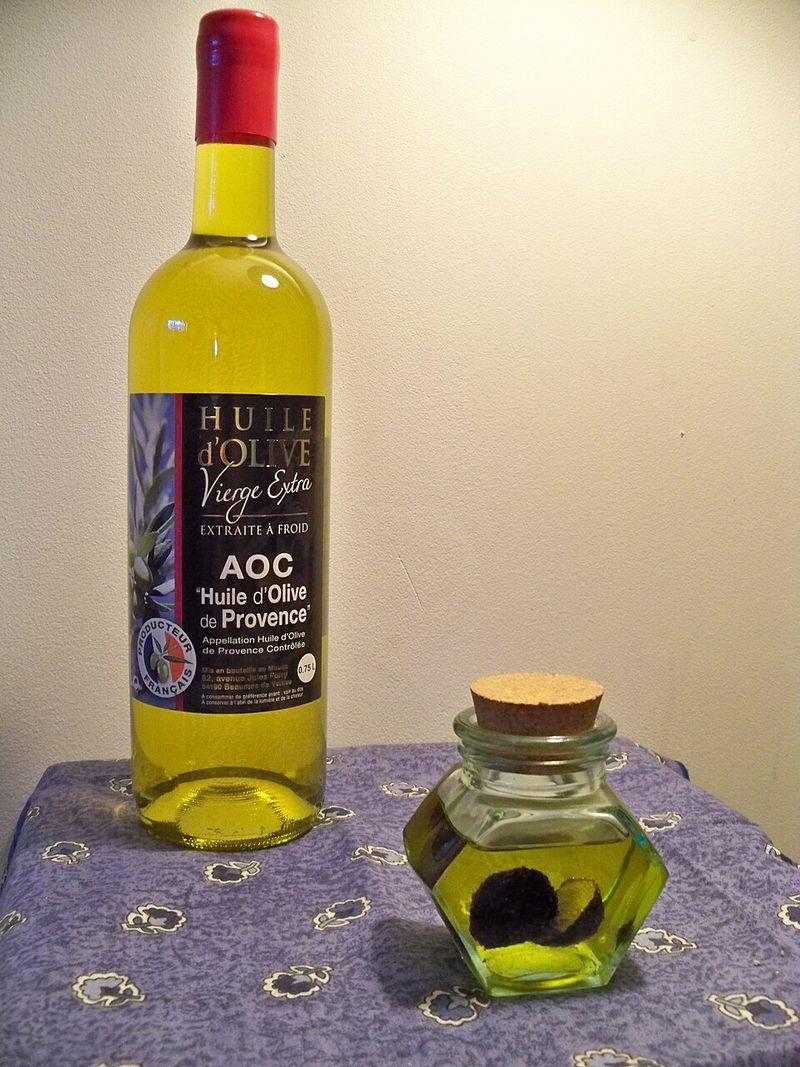
Anything labeled “truffle-infused” sounds fancy and luxurious, right? Wrong!
Most restaurants use synthetic truffle oil that has never been anywhere near an actual truffle.
Real truffles are rare, earthy mushrooms that cost hundreds of dollars per pound. The truffle oil drizzled on your fries or pasta?
It’s usually just olive oil mixed with artificial flavoring that costs pennies. You’re paying premium prices for a chemical imitation that lacks the complex, magical flavor of genuine truffles.
Talk about a flavor fake-out worthy of a villain’s scheme!
4. Bottled Water
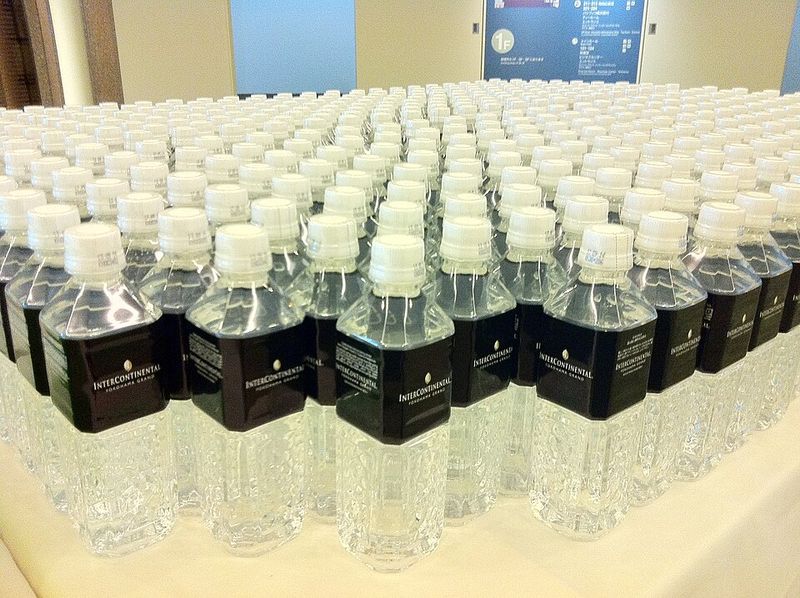
How much would you pay for something that flows freely from the tap? Restaurants hope the answer is “way too much,” because they mark up bottled water to five times its retail price.
That fancy-looking bottle might cost the restaurant a dollar, but they’ll charge you five or six dollars for it. Meanwhile, perfectly good tap water sits there, free and ready to quench your thirst.
Unless you’re somewhere with questionable water quality, ordering bottled water is basically volunteering to overpay.
5. Chicken Wings
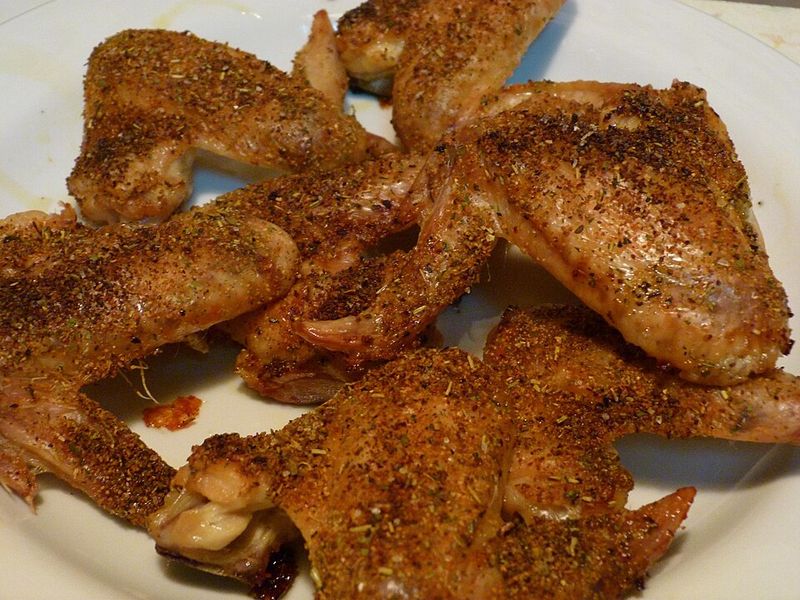
Remember when wings were cheap bar snacks that nobody took seriously? Those days are long gone, my friend.
Wings have transformed from throwaway chicken parts into premium-priced menu stars.
Despite being one of the least expensive parts of the bird, restaurants now charge outrageous amounts for a handful of wings. You might pay fifteen dollars for six tiny wings that cost the kitchen maybe two bucks total.
The price is wild, especially considering you’re getting more bone than actual meat. It’s like paying superhero prices for sidekick portions!
6. Bread Baskets
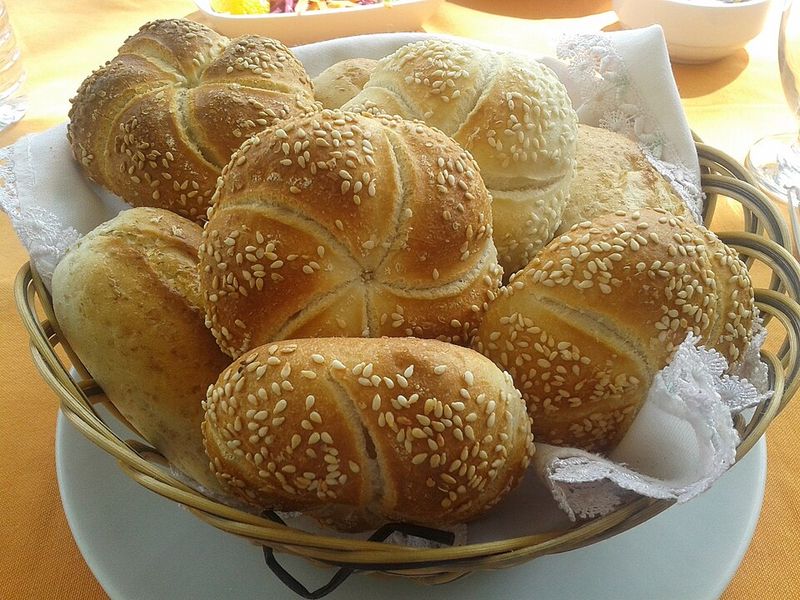
Once upon a time, bread was the ultimate freebie—restaurants practically threw it at you before your meal arrived. Now?
Some places are charging three to eight dollars for what used to be complimentary.
We’re talking about basic bread here, folks. The kind that costs restaurants maybe fifty cents per basket.
Charging for something that was traditionally free feels like adding a fee for breathing the restaurant’s air. If you’re paying for bread before your actual meal shows up, you’re essentially funding the restaurant’s grocery budget while your stomach grumbles impatiently.
7. House Salads
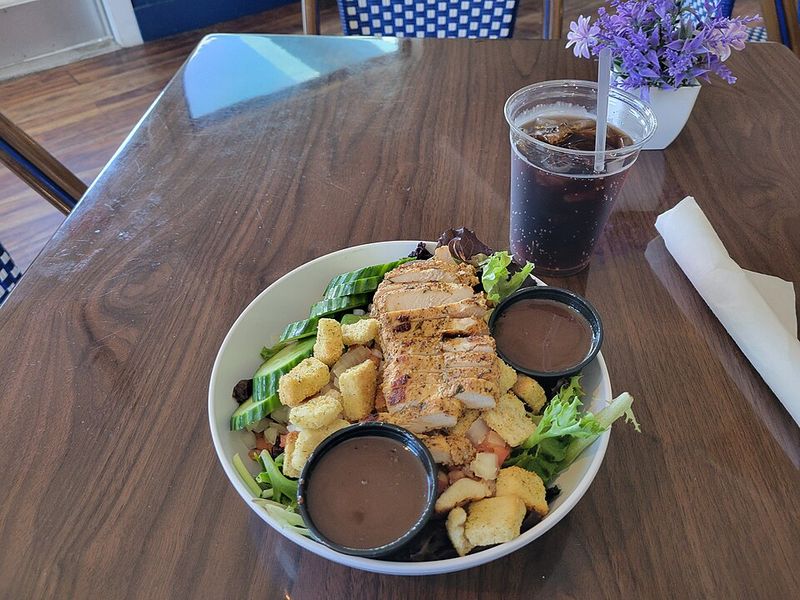
Twelve dollars for chopped lettuce, a tomato wedge, and cucumber slices? That’s the reality of ordering a house salad at many restaurants.
Chefs know these basic salads are incredibly easy to assemble and cost almost nothing.
A head of lettuce costs about two dollars, and the other veggies add maybe another dollar. Yet restaurants treat these simple salads like culinary masterpieces worthy of premium pricing.
You’re better off making your own salad at home, where you can pile on ingredients without watching your bank account cry. Just saying, your kitchen called; it misses you!
8. Soup Of The Day
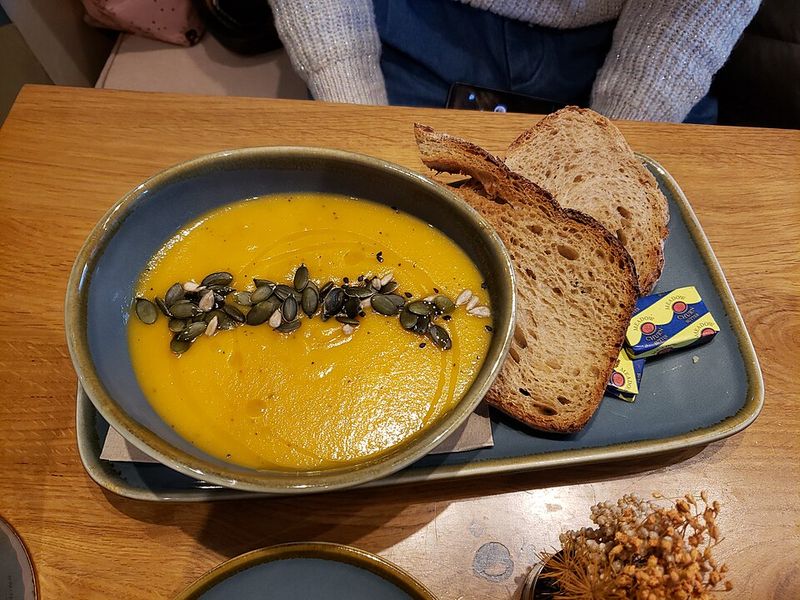
“What’s the soup of the day?” sounds like you’re asking about something special and freshly made, right? Sometimes, but often it’s yesterday’s leftovers transformed into today’s special.
Restaurants frequently use the soup of the day to clear out ingredients that are about to expire or didn’t get used in other dishes. That mystery soup might contain yesterday’s vegetables, last week’s protein, and whatever else needed rescuing from the walk-in cooler.
You’re paying for creativity born from necessity rather than culinary inspiration. It’s the restaurant equivalent of cleaning out your fridge before grocery shopping!
9. Filet Mignon
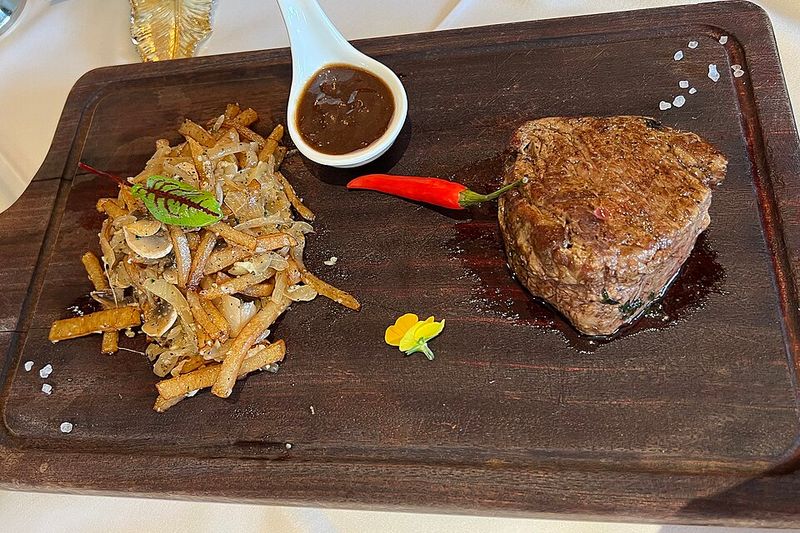
Filet mignon has this reputation as the king of steaks, commanding prices that make other cuts look like peasants. However, many chefs think you’re getting ripped off for a cut that’s more about tenderness than actual flavor.
Sure, filet is butter-soft, but it lacks the rich, beefy taste found in fattier cuts like ribeye or strip steak. You’re paying premium prices for a mild-tasting steak that needs heavy seasoning or sauce to shine.
It’s like buying a sports car that looks amazing but can’t go fast; pretty, but missing the point entirely!
10. Lobster Rolls
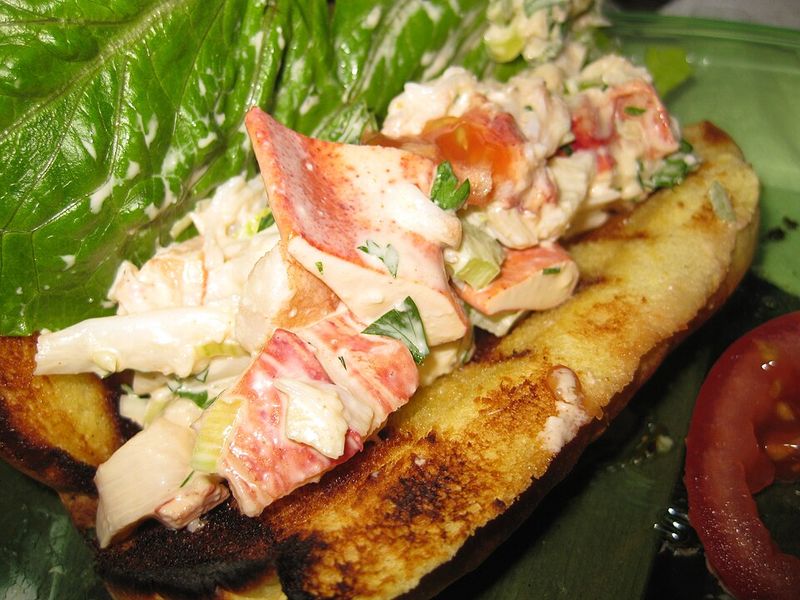
Lobster sounds luxurious and expensive, so lobster rolls must be worth their hefty price tags, right? Not according to chefs who know what’s actually inside that fancy bun.
Many restaurants skimp on the actual lobster meat, padding the roll with mayo and celery while charging you twenty-five dollars or more. The amount of lobster you’re getting often doesn’t justify the cost, especially when you consider how much filler surrounds those precious chunks.
It’s like buying a treasure chest that’s mostly filled with packing peanuts instead of gold. Your taste buds deserve better than that bait-and-switch!
11. Specialty Cocktails
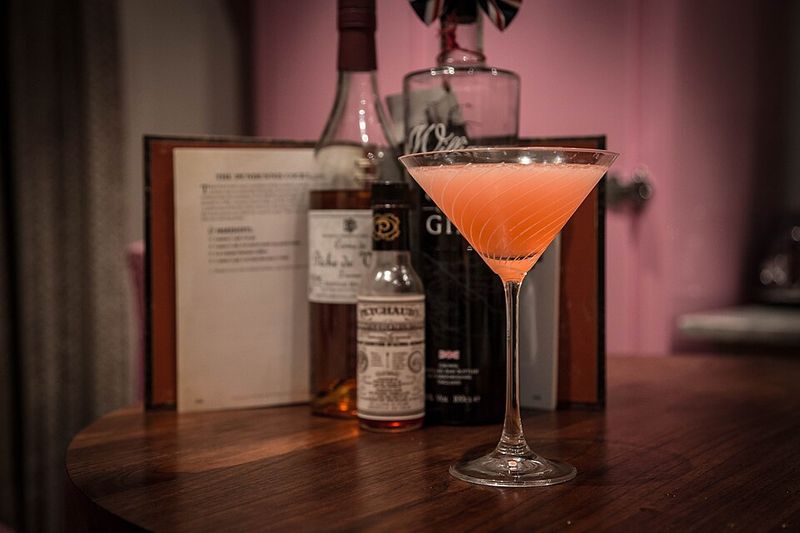
That Instagram-worthy cocktail with the flaming garnish and edible flowers looks absolutely amazing. What’s not amazing?
The eighteen-dollar price tag for three dollars worth of alcohol and mixer.
Restaurants mark up cocktails astronomically, often charging five to ten times what the ingredients actually cost. You’re paying for presentation and atmosphere more than the drink itself.
A cocktail that takes thirty seconds to make shouldn’t cost more than your actual meal.
However, restaurants know people will pay for that aesthetic, so the markup continues. Your bank account is weeping into that fancy glass!
12. Fresh Squeezed Orange Juice
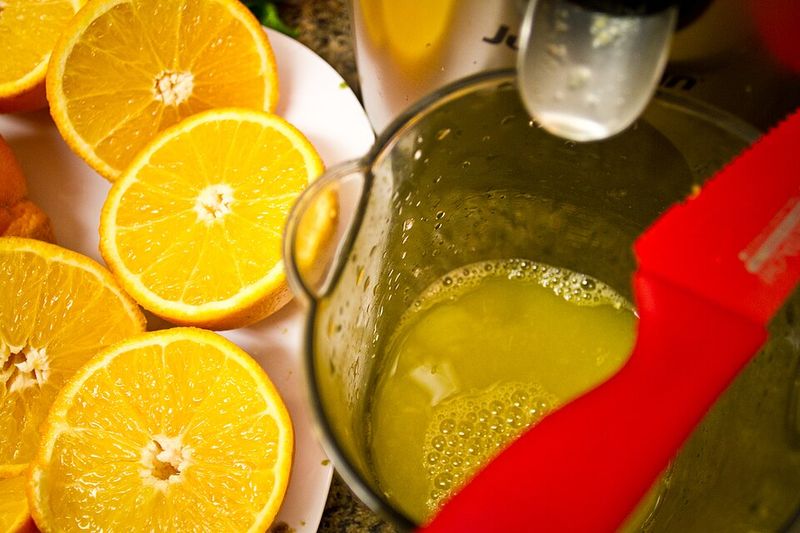
Eight dollars for a small glass of orange juice? That’s the going rate for “fresh squeezed” OJ at many restaurants, even though oranges cost about fifty cents each at the store.
Most places aren’t even squeezing oranges to order: they’re using pre-squeezed juice that comes in containers. You’re paying artisanal prices for something that’s barely different from the carton in your fridge.
The markup on breakfast beverages is legendary, turning simple orange juice into liquid gold. If you’re ordering this regularly, you might as well be funding the restaurant owner’s vacation to Florida’s orange groves!
13. Side Of Vegetables
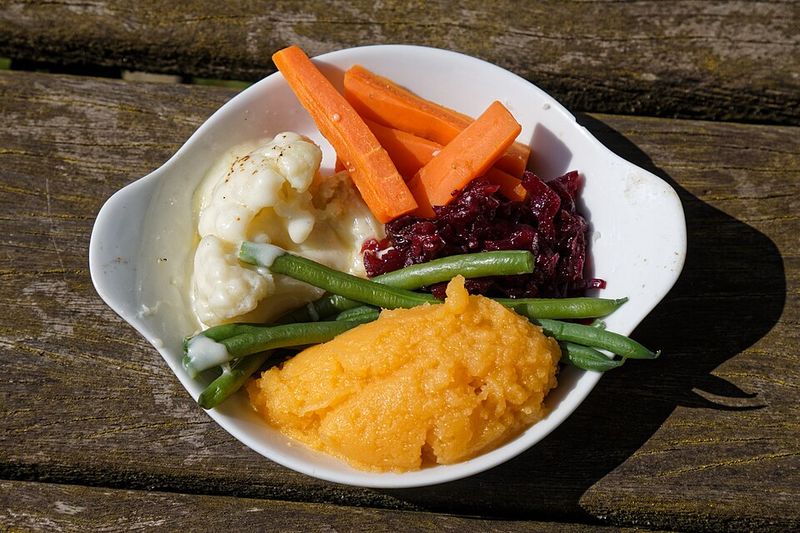
Need some veggies with your meal? That’ll be seven dollars for a tiny portion of steamed broccoli or carrots that probably came from a frozen bag.
Vegetables are among the cheapest ingredients restaurants buy, yet they charge premium prices for basic sides. A whole bag of frozen mixed vegetables costs about three dollars and contains enough for twenty servings.
When you’re paying seven bucks for one small scoop, you’re basically sponsoring the restaurant’s entire produce budget. It’s highway robbery disguised as healthy eating.
14. Cheese Plates
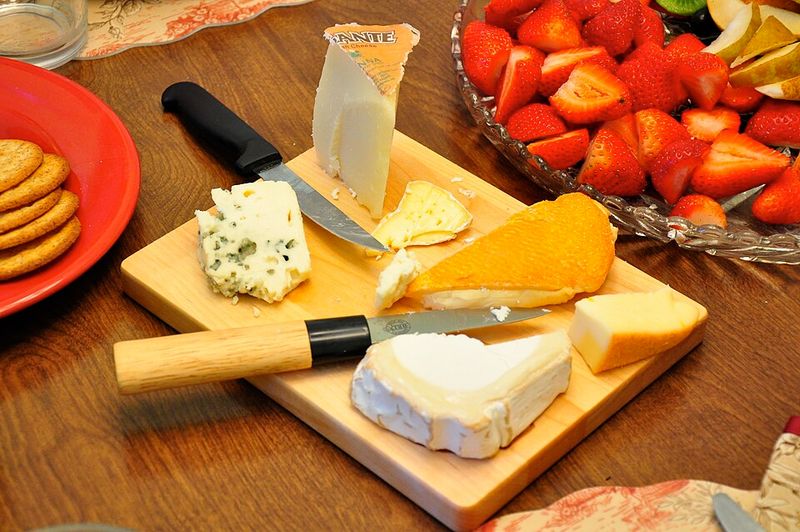
Cheese boards look sophisticated and cultured, making you feel fancy while you nibble on artisanal selections. Then the bill arrives, and you realize you just paid thirty dollars for cheese you could’ve bought for ten bucks at the grocery store.
Restaurants slice up fancy cheeses, arrange them prettily with some crackers and fruit, then multiply the price by three. You’re paying for presentation and the privilege of not having to assemble it yourself.
Though the cheeses might be quality, the markup is absolutely wild for something that requires zero cooking. Your inner mouse is squeaking in protest at these prices!
15. Gluten Free Options
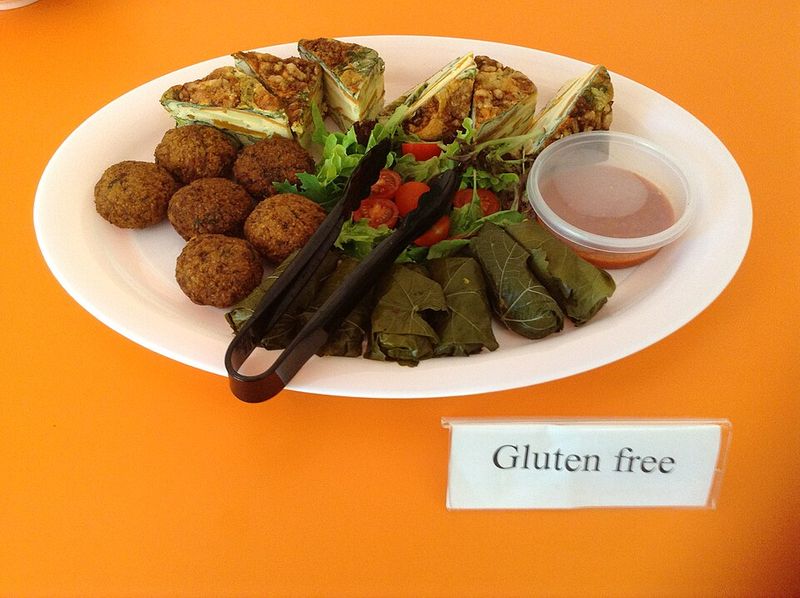
Having celiac disease or gluten sensitivity shouldn’t mean paying extra, but restaurants often charge two to five dollars more for gluten-free versions of regular dishes.
Sure, gluten-free ingredients cost slightly more wholesale, but not enough to justify the massive upcharge diners face. A box of gluten-free pasta costs maybe one dollar more than regular pasta, yet restaurants charge you four dollars extra for the swap.
You’re being penalized for a dietary need, which feels about as fair as charging someone for using the bathroom. If you need gluten-free options, you’re stuck paying the “allergy tax” whether you like it or not!