15 Things You May Not Have Known About Robert Duvall
Robert Duvall has the kind of face that seems to arrive with a whole backstory already attached.
Put him on screen for five minutes and suddenly the movie feels older, tougher, and more believable, as if real life wandered in and quietly took over.
Duvall never carried himself like a man chasing legend status, which may be why so many of the most interesting details about him sit slightly off to the side of the usual Hollywood narrative.
The obvious version is easy enough to recognize: acclaimed actor, towering career, respect everywhere.
The more entertaining version lives in the smaller facts, the unexpected turns, and the details that make him feel less like a monument and more like a genuinely singular presence who somehow kept surprising people for decades.
1. He Trained Under A Legend
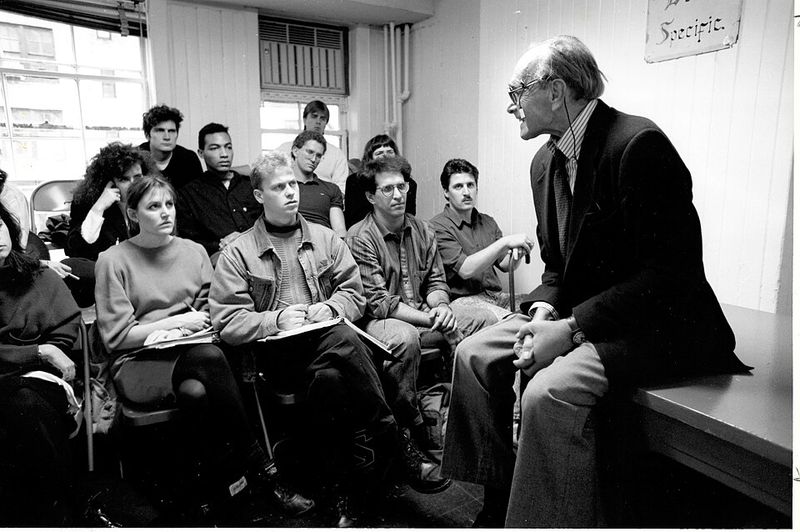
Before the cameras ever rolled, Robert Duvall was sharpening his craft under one of the most respected acting teachers in history.
Sanford Meisner ran the Neighborhood Playhouse in New York, and his technique was all about truth, presence, and reacting honestly to the moment.
That training clearly stuck. Duvall went on to deliver performances so grounded and real that audiences often forgot they were watching acting at all.
If you have ever wondered why he feels so authentic on screen, Meisner is a big part of that answer.
2. He Served In The U.S. Army
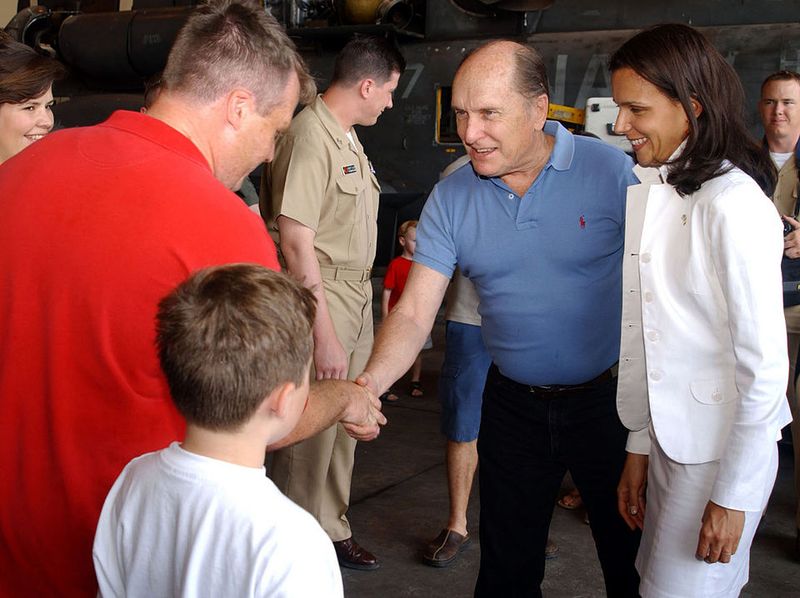
Before Hollywood came calling, Duvall spent time in uniform.
He served in the U.S. Army from 1953 to 1954, reaching the rank of Private First Class. That real-world military experience was not just a footnote in his biography.
It fed directly into his later performances. When he played soldiers and authority figures on screen, there was a lived-in quality to it that no acting class alone could teach.
His time in service gave him something priceless: genuine understanding of military culture, discipline, and identity.
3. He Came From A Navy Family

Military life was not just a career detour for Duvall. It was basically the family business.
His father was a U.S. Navy admiral, which means Duvall grew up surrounded by discipline, rank, and the culture of service.
That upbringing explains a lot. When he played Lt. Col. Kilgore in “Apocalypse Now” or other authority figures, the confidence was not manufactured. It was inherited.
Growing up in a household shaped by military command gave him a natural understanding of power that translated beautifully onto the screen.
4. His Famous Roommates

Picture this: one apartment, three future legends.
Back in the late 1950s in New York City, Duvall shared a place with Dustin Hoffman and Gene Hackman. None of them were famous yet, just three guys chasing the same dream on very little money.
That is honestly one of the greatest “before they were famous” stories in Hollywood history. All three went on to win Academy Awards.
Imagine the dinner table conversations happening in that tiny apartment. Just saying, that must have been one very motivated household.
5. Not An Overnight Success
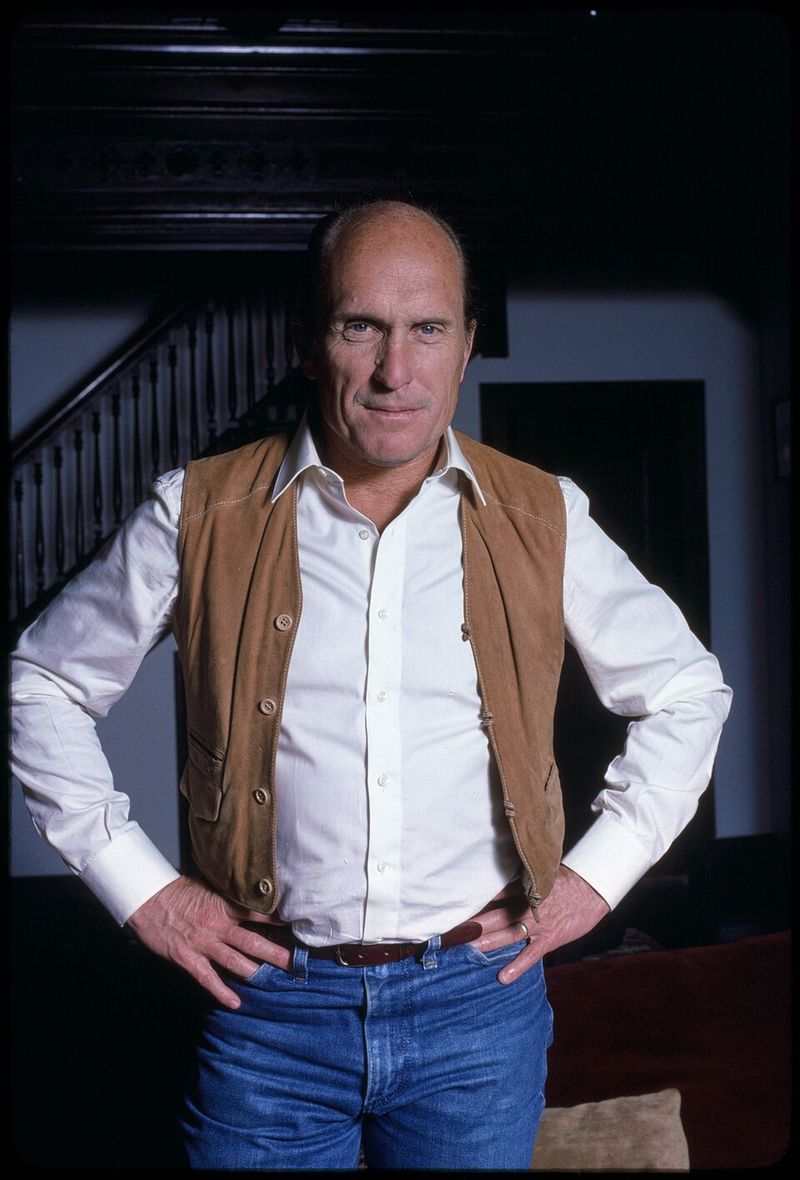
Hollywood loves an overnight success story, but Duvall’s path was anything but quick.
Early in his career, he faced harsh reviews and struggled to find his footing, grinding through auditions and small roles while critics were not always kind.
However, that slow climb shaped the performer he became. Resilience built character, both in his personal story and in the roles he eventually played.
TCM notes that he endured significant criticism before earning the respect of an entire industry.
6. Seven Academy Award Nominations

Seven Oscar nominations across several decades is not just impressive. It is the kind of record that puts an actor in a category all their own.
Duvall earned nods for both leading and supporting performances, proving his range was never limited to one type of role.
From “The Godfather” to “Tender Mercies” to “The Judge,” his nominations spanned wildly different characters and eras. That consistency over such a long career is genuinely rare.
7. His One Competitive Oscar Win

Out of seven nominations, only one golden statue made it home.
Duvall won Best Actor at the 1984 Academy Awards for his role as Mac Sledge, a washed-up country singer in “Tender Mercies.”
It was a quiet, deeply human performance that absolutely floored audiences and critics alike.
What makes that win even more special is how understated the role was. No explosions, no big speeches, just raw emotional truth.
8. He Sang His Own Songs in Tender Mercies
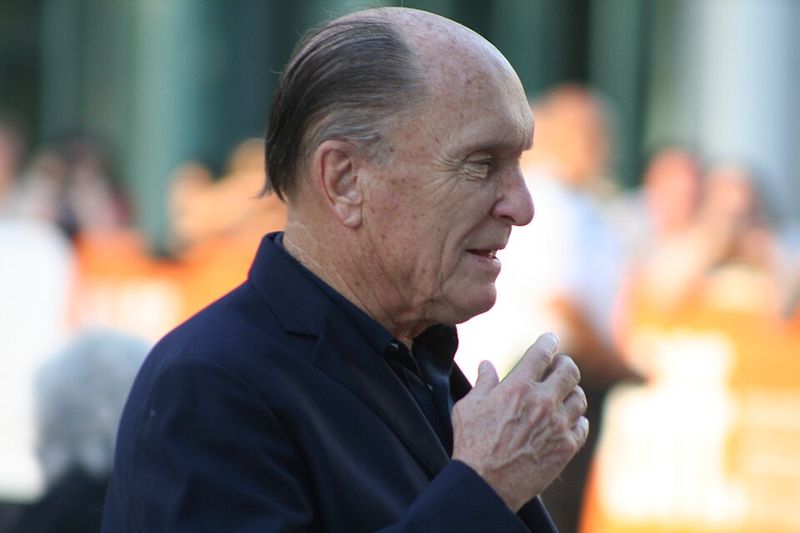
Playing a country singer is one thing. Actually singing the songs yourself is another level entirely.
For “Tender Mercies,” Duvall did not just act the part. He performed the music himself, and according to Britannica, he even wrote some of the songs.
That level of commitment is what separates a good performance from a legendary one. He did not fake it. He learned it, lived it, and delivered it authentically.
It is the kind of dedication that makes you wonder how he found time for anything else. Spoiler: he still did plenty more.
9. Tom Hagen In The Godfather

Quiet power is sometimes the most dangerous kind.
As Tom Hagen, the cool and calculating consigliere in “The Godfather,” Duvall created one of cinema’s most compelling supporting characters without ever raising his voice unnecessarily.
That role earned him an Academy Award nomination for Best Supporting Actor, and rightfully so. He held his own alongside Marlon Brando and Al Pacino, which is no small feat.
Hagen was the steady hand behind the Corleone family’s chaos, and Duvall played that role with a precision that felt almost surgical.
10. Lt. Col. Kilgore In Apocalypse Now

“I love the smell of napalm in the morning.” If you have heard that line, you already know the character.
Lt. Col. Kilgore in “Apocalypse Now” became one of the most quoted, most analyzed, and most unforgettable performances of the 1970s.
Duvall brought a terrifying charisma to the role, making Kilgore simultaneously ridiculous and genuinely frightening. That combination is incredibly hard to pull off.
Francis Ford Coppola trusted him with one of cinema’s most complex characters, and Duvall delivered something that film students are still studying today.
11. He Wrote, Directed, And Starred In The Apostle

Some projects are just jobs. Others are something you carry inside you for years before the world gets to see them.
“The Apostle” was the second kind for Duvall. He wrote it, directed it, and starred in it as a flawed but fervent Southern preacher named Sonny.
The film explored faith, guilt, and redemption with a depth that surprised audiences who expected something simpler.
Duvall earned yet another Oscar nomination for the role.
12. He Turned A Barn Into A Tango Hall
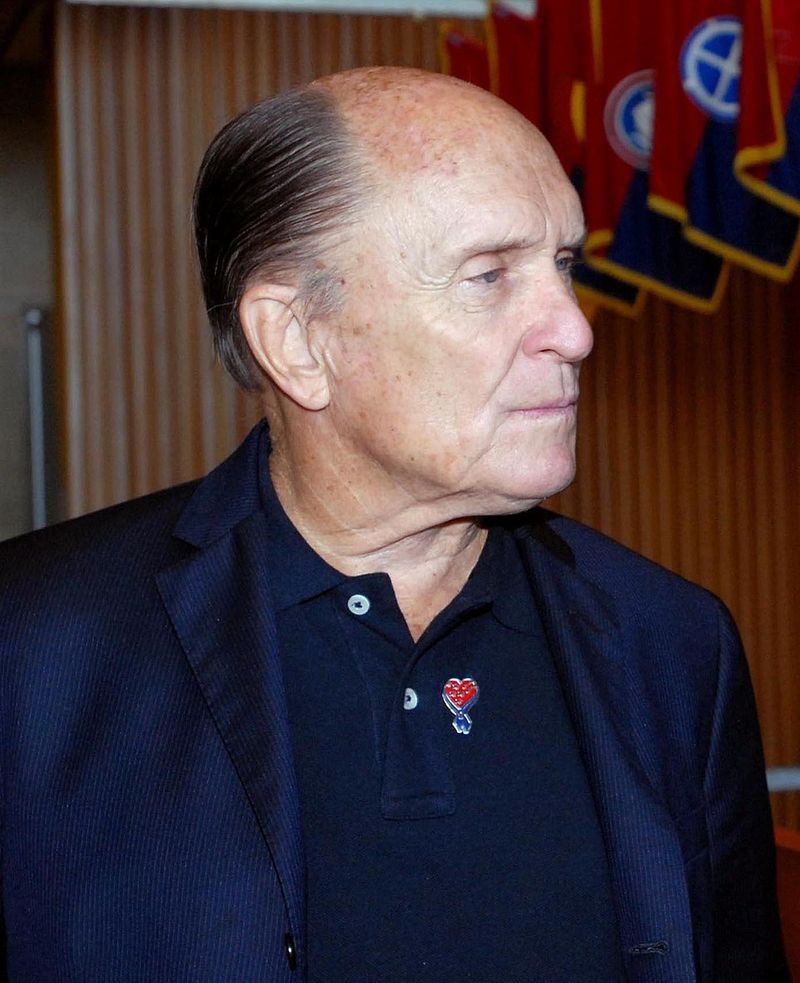
How committed is Robert Duvall to tango? Committed enough to renovate a barn on his Virginia property just to have a proper place to dance.
Reuters reported that he transformed the structure into a full tango hall where he could practice and host fellow enthusiasts.
That is not a casual hobby. That is a lifestyle.
It also says something wonderful about how he spends his time away from Hollywood.
13. Lonesome Dove Was His Personal Favorite
Ask an actor which role they love most, and the answer often surprises you.
For Duvall, it was not a blockbuster film or an Oscar-winning performance. According to AP reporting, he considered his portrayal of Augustus “Gus” McCrae in the 1989 miniseries “Lonesome Dove” the work he was most proud of.
Gus was charming, wise, funny, and heartbreaking all at once, a character who felt like a real person rather than a scripted hero.
The miniseries became a beloved classic of American television. Knowing it was his favorite makes watching it feel even more special.
14. He Won An Emmy For Broken Trail
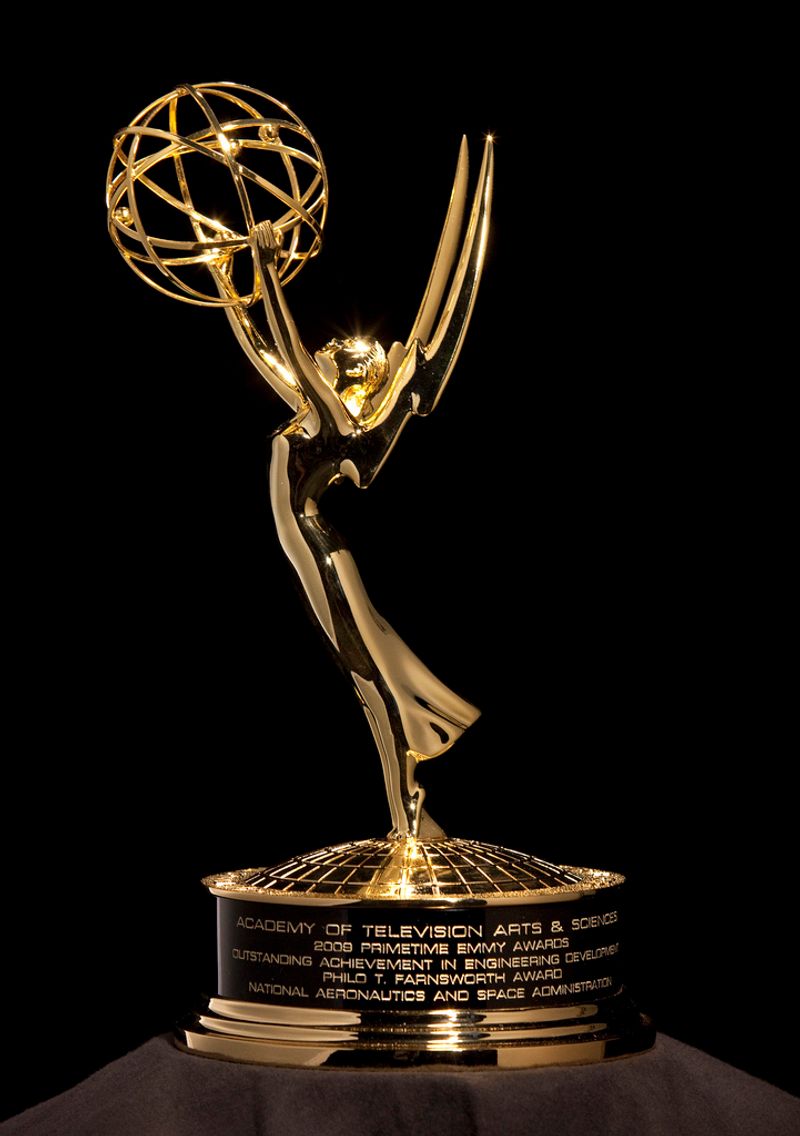
Even after decades of film success, Duvall proved he had not lost a single step on television.
His performance in the 2006 Western miniseries “Broken Trail” earned him a Primetime Emmy Award, adding another prestigious honor to an already staggering collection.
Winning a major television award later in your career is a powerful statement. It signals that talent does not fade with age; sometimes it deepens.
15. A Career Spanning Over 50 Years And Nearly 100 Films
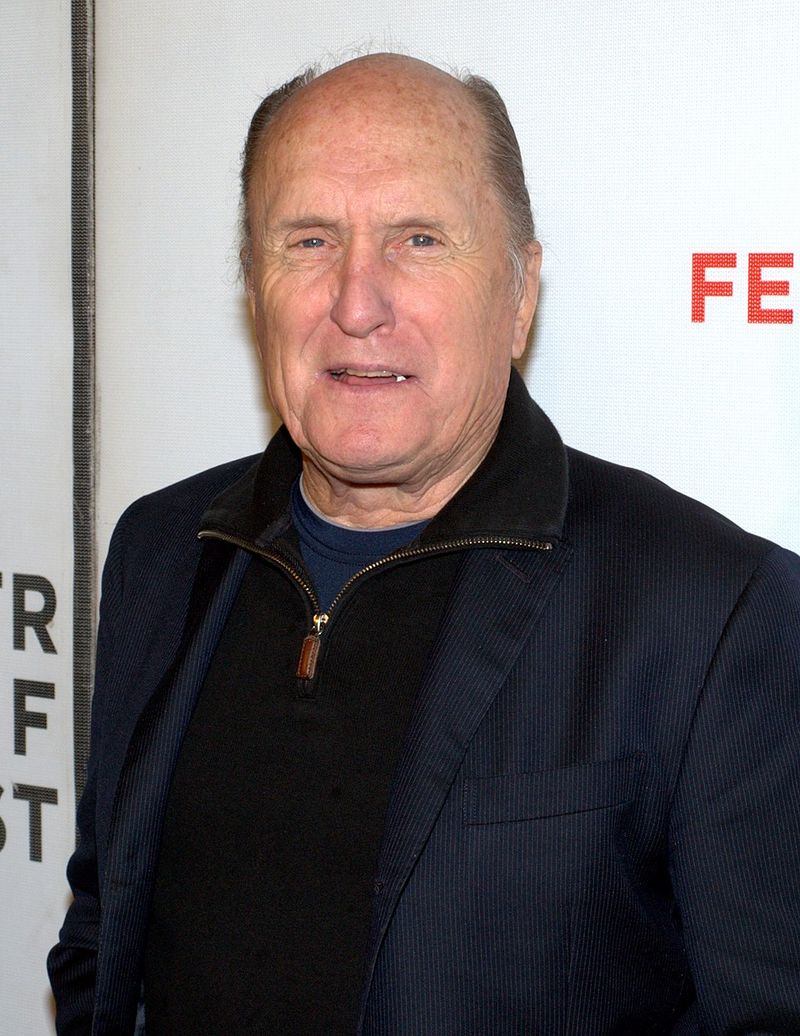
Some actors have a great decade. Robert Duvall had a great half-century.
Reuters described a career that stretched over 50 years and encompassed nearly 100 films, a body of work that covers almost every genre imaginable.
From courtroom dramas to Westerns, war films to religious stories, he brought the same fierce commitment to every single role.
That kind of consistency across such a long timeline is almost unheard of in any profession, let alone one as unpredictable as acting.