15 Rock And Metal Songs Based On Shocking True Crimes
Music has always been a mirror reflecting society’s darkest moments.
Rock and metal artists have turned real-life horrors into unforgettable anthems, transforming tragedy into art that makes us think, shudder, and remember.
From serial killers to historical atrocities, these fifteen tracks prove that sometimes the most chilling stories are the ones that actually happened.
Disclaimer: This article discusses historical crimes and references real victims and perpetrators.
It is intended for informational and contextual purposes within the history of rock and metal music.
Details have been presented with care to avoid sensationalism.
Reader discretion is advised, and those affected by violence or trauma should be aware that some topics may be difficult to read.
Bloodbath In Paradise – Ozzy Osbourne
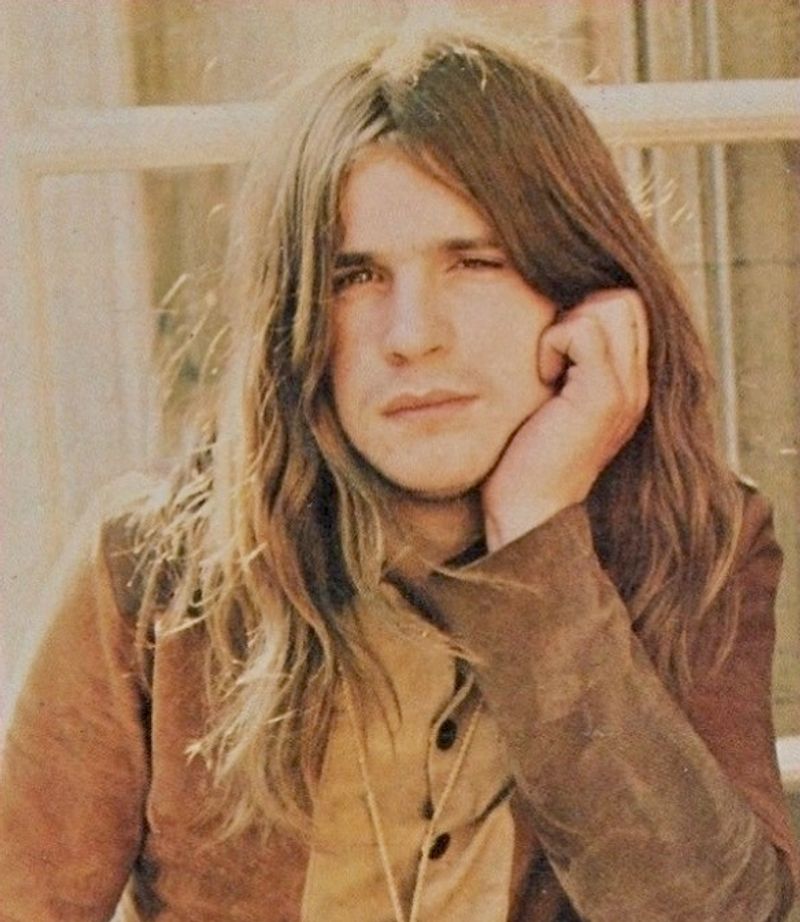
Ozzy revisited this dark chapter on his 1988 album, weaving references to Helter Skelter and the Manson circle into a haunting musical narrative.
The lyrics depict chaos and fear, capturing a moment in American history that left a deep cultural scar.
It remains a reminder of how quickly idealism can distort into danger.
Angel Of Death – Slayer
Josef Mengele remains one of the Holocaust’s most notorious figures.
Slayer’s track confronts his abusive actions at Auschwitz with an unflinching tone, refusing to obscure the realities of his role in history.
Though controversial at its release, the song challenges listeners to face uncomfortable truths, serving as a stark acknowledgment of suffering endured during one of humanity’s darkest eras.
Double Talkin’ Jive – Guns N’ Roses
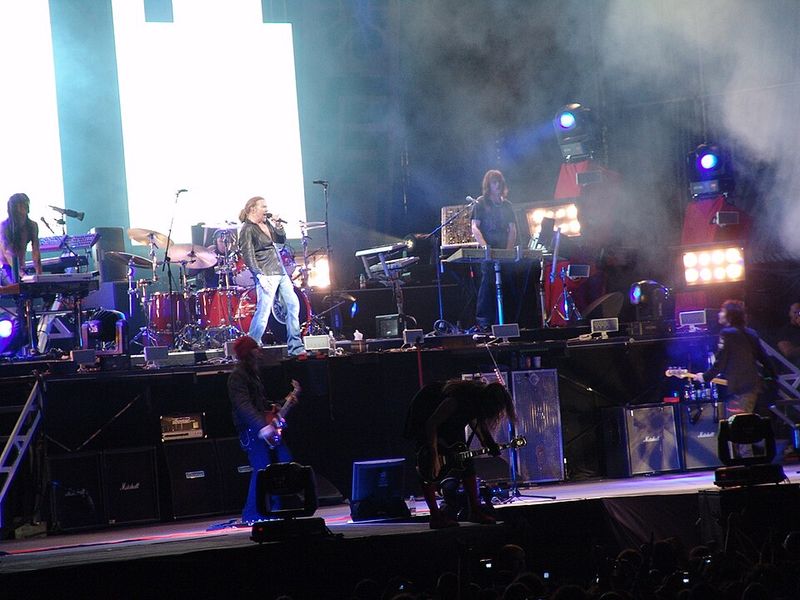
Guitarist Izzy Stradlin once heard about a disturbing discovery near the band’s Los Angeles studio: a body found wrapped in newspapers under suspicious circumstances.
That real-world story sparked a gritty track that blends street-life unease with GNR’s trademark swagger.
A vivid picture emerges of the unpredictable edges of urban life, where creativity and danger sometimes end up sharing the same neighborhood.
The Chapeltown Rag – Slipknot
Chapeltown in Leeds became associated with fear during the period surrounding the Yorkshire Ripper case.
Slipknot uses this unsettling backdrop to examine how media often sensationalizes violence, turning tragedy into spectacle.
The band extends their critique to social media, highlighting modern society’s habit of amplifying fear and feeding on sensational stories.
Mein Teil – Rammstein
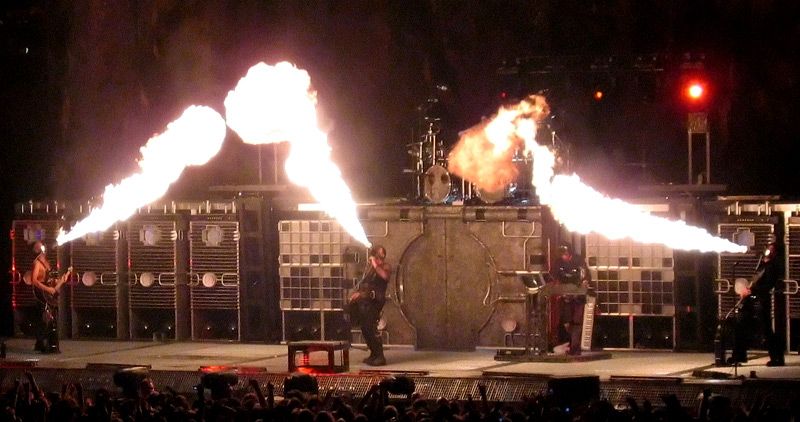
Armin Meiwes shocked the world with an extreme and deeply unsettling case in Germany involving a willing participant.
Rammstein explored themes of obsession, consent, and psychological complexity rather than focusing on graphic detail.
Their industrial sound matches the cold, mechanical mood of the real event, resulting in a track that is provocative in concept while remaining non-graphic.
Polly – Nirvana
A fourteen-year-old girl survived a traumatic ordeal near Tacoma in 1987.
Cobain wrote “Polly” from the perpetrator’s perspective as a deliberate way to condemn predatory behavior.
Stripped-down acoustic delivery adds emotional weight, pushing listeners to confront the realities of manipulation and exploitation without glamorizing the incident.
I Just Shot John Lennon – The Cranberries

On December 8, 1980, the world lost John Lennon outside the Dakota building in New York City.
The Cranberries revisit that heartbreaking night, echoing the words reportedly spoken by the perpetrator afterward.
Dolores O’Riordan’s haunting vocals bring gravity to a moment music fans still mourn, prompting reflection rather than shock.
The Ballad Of Leonard And Charles – Exodus
Leonard Lake and Charles Ng carried out a series of violent crimes that deeply disturbed California during the 1980s.
Exodus responds to the case with intense thrash-metal energy, channeling outrage rather than dwelling on graphic detail.
That track serves as an example of how metal often confronts real-world darkness head-on while keeping emotional impact at the center.
Bind Torture Kill – Suffocation
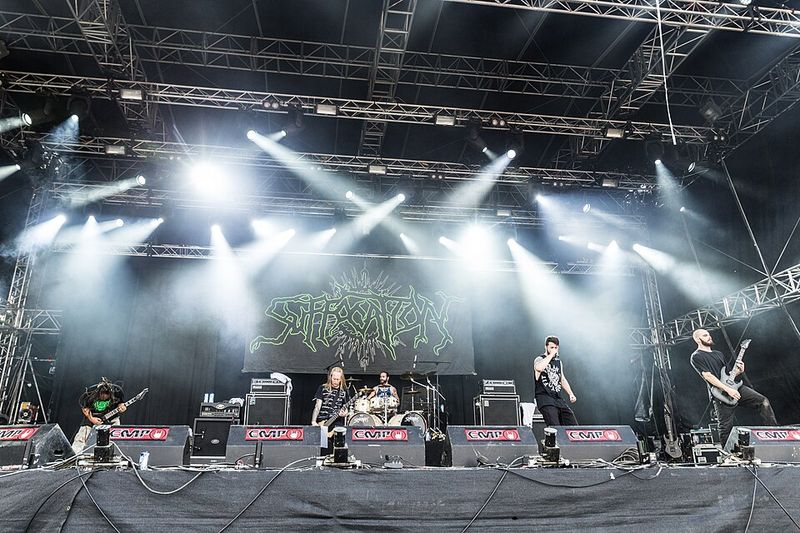
Dennis Rader, known for his BTK moniker, targeted families in Kansas for decades.
Suffocation’s song examines the disturbing psychology behind his actions, using death metal’s intensity to reflect the emotional weight of the case.
Rather than describing specifics, the track conveys the terror and confusion his community endured.
Countess Bathory – Venom
Elizabeth Báthory remains a figure surrounded by legend, accused of causing the deaths of many young women in the 16th and 17th centuries.
Venom takes inspiration from the folklore surrounding her name, leaning into gothic storytelling rather than historical certainty.
The song captures the eerie atmosphere of European legends without dwelling on graphic imagery.
The Ripper – Judas Priest
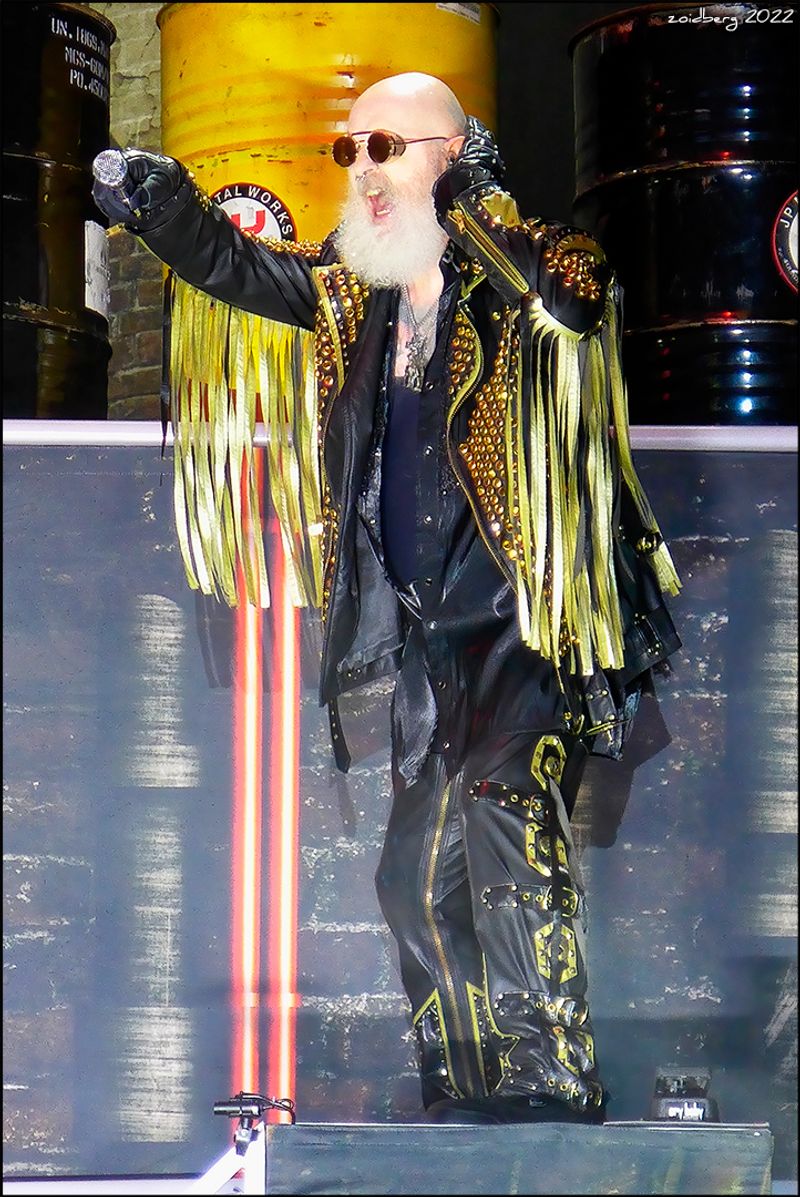
Jack the Ripper’s identity remains one of history’s enduring mysteries.
Judas Priest uses a theatrical, first-person narrative to dramatize the fear that gripped Victorian London.
Rob Halford’s dramatic delivery turns an unsolved case into a piece of heavy metal folklore.
Skinned – Blind Melon
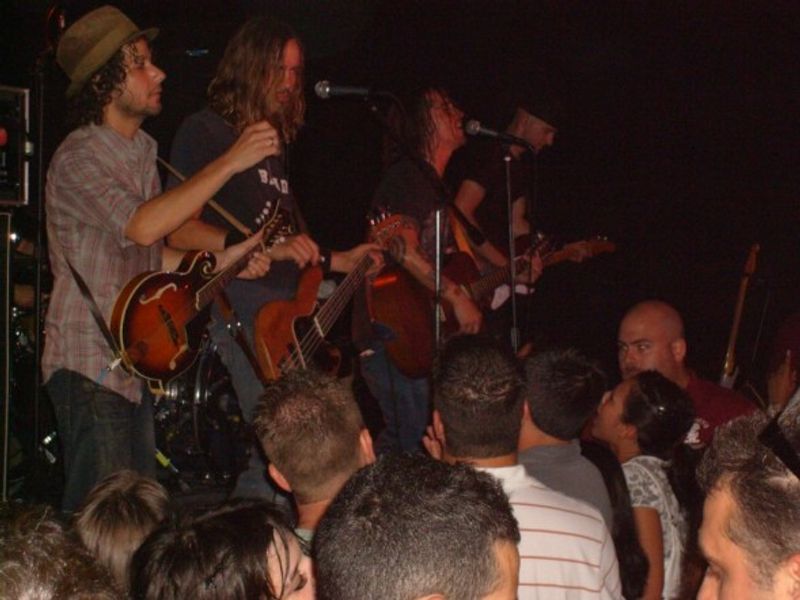
Ed Gein’s notorious case inspired numerous films, books, and songs.
Blind Melon approaches the topic with brief, jarring lyrics that highlight the unsettling nature of the story without graphic explanation.
Sometimes the smallest lyrical choices carry the most powerful discomfort – and this track proves exactly that.
Ted, Just Admit It… – Jane’s Addiction
Ted Bundy became one of America’s most widely discussed criminals.
Jane’s Addiction uses archival media clips to critique how television and news programming turn violent cases into entertainment.
Rather than focusing on Bundy himself, the song examines society’s fascination with sensational stories.
Suffer Little Children – The Smiths
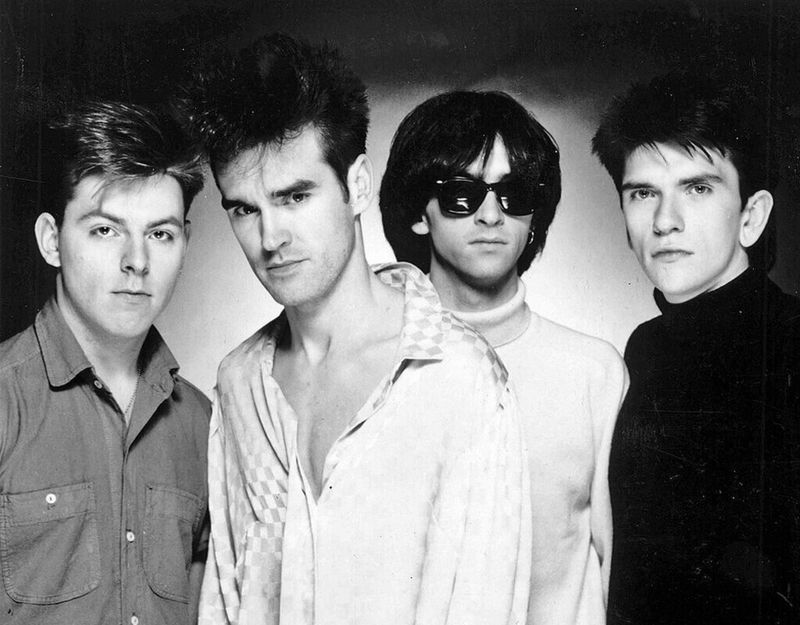
The Moors murders left a permanent scar on Manchester in the 1960s.
Morrissey named victims directly, not for shock value, but as an act of remembrance.
Controversial yet compassionate, the song honors lives lost and acknowledges the lasting grief felt by families and the community.
What’s The Frequency, Kenneth? – R.E.M.
In 1986, journalist Dan Rather was attacked by someone repeatedly asking, “What’s the frequency, Kenneth?”
R.E.M. transformed that bizarre moment into a reflection on confusion, paranoia, and how people disconnect from reality.
Rather than focusing on the incident’s violence, the band explores the mysterious question at its center – a symbol of communication breakdown in a changing media world.