20 Rock Bassists Who Play In A Class Of Their Own
Bass players do not always get the loudest credit, which is funny considering how often they are the reason a song actually moves.
Take out the right bass line and plenty of rock classics suddenly sound a lot less dangerous and a little too eager to impress without the engine underneath.
Real standout bassists do more than keep time and hang near the drummer looking mysteriously unbothered.
They add muscle, groove, tension, attitude, and the kind of low-end personality that can turn a good track into something instantly recognizable.
Flashy guitar moments may grab the first burst of attention, but the bass is often what gives rock its spine.
And once a player gets good enough to shape the whole feel of a song from the ground up, blending in stops being an option.
Disclaimer: This article is intended for general informational and entertainment purposes only. Evaluations of rock bassists, their influence, and their importance to specific songs reflect editorial opinion based on publicly available commentary and musical analysis, and individual listeners may disagree.
1. John Entwistle
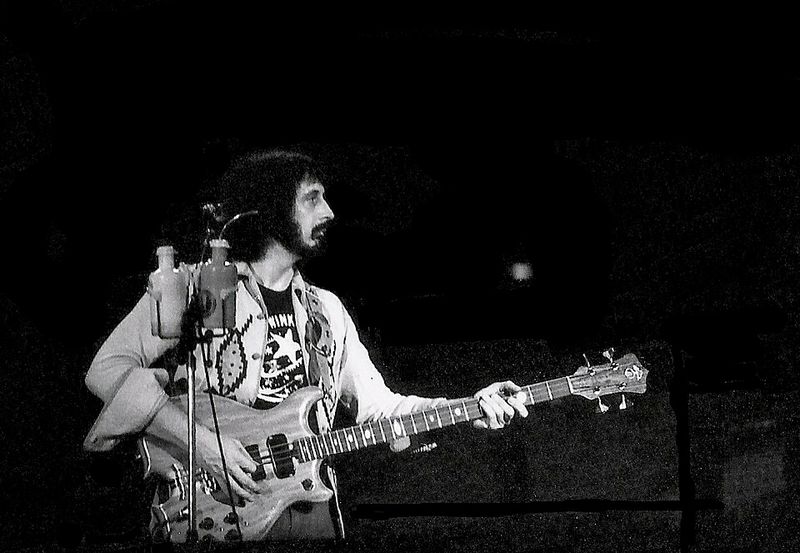
Nicknamed “The Ox,” John Entwistle played bass like nobody told him he was supposed to stay quiet.
While most bassists locked into the rhythm section, he launched full-on melodic attacks that left audiences speechless.
His thunderous finger-picking technique on songs like “My Generation” turned the bass into a lead instrument overnight.
Fans who saw The Who live often said watching Entwistle was like watching a secret concert happening inside the main one.
2. Paul McCartney
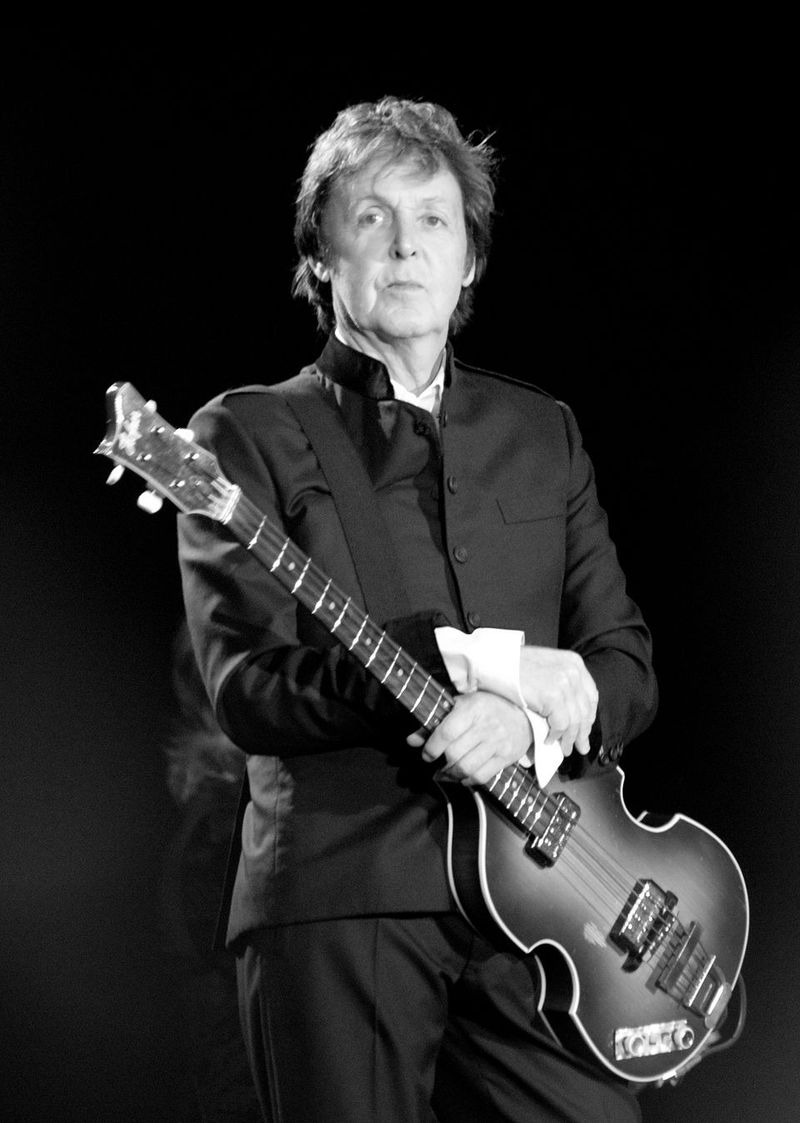
His melodic approach to the instrument transformed what rock bass could sound like, turning support roles into star performances.
“Something” and “Come Together” feature bass work so inventive that music teachers still use them as textbook examples today.
McCartney once said he thought of himself as a bass player who also sang, not a singer who also played bass.
That mindset shows. Every note he played served the song first, the ego second. Rare. Genuinely rare.
3. Geddy Lee
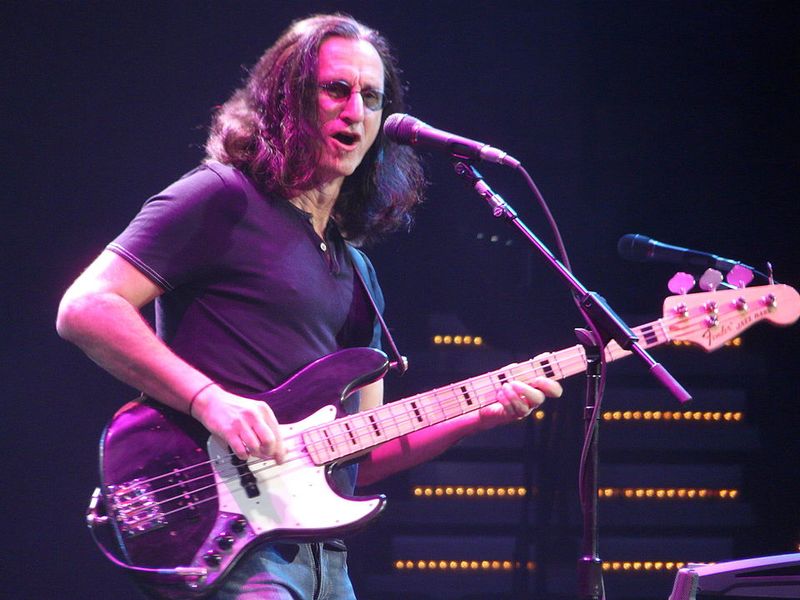
Imagine playing impossibly complex bass lines while simultaneously singing high notes that could shatter glass. That’s just a Tuesday for Geddy Lee.
Rush’s sonic architect managed to make technical wizardry feel completely natural.
His work on tracks like “YYZ” and “Tom Sawyer” pushed progressive rock into new territory, inspiring an entire generation of musicians who thought they’d seen everything.
Technically speaking, Lee operated more like three musicians packed into one very focused human being.
4. John Paul Jones
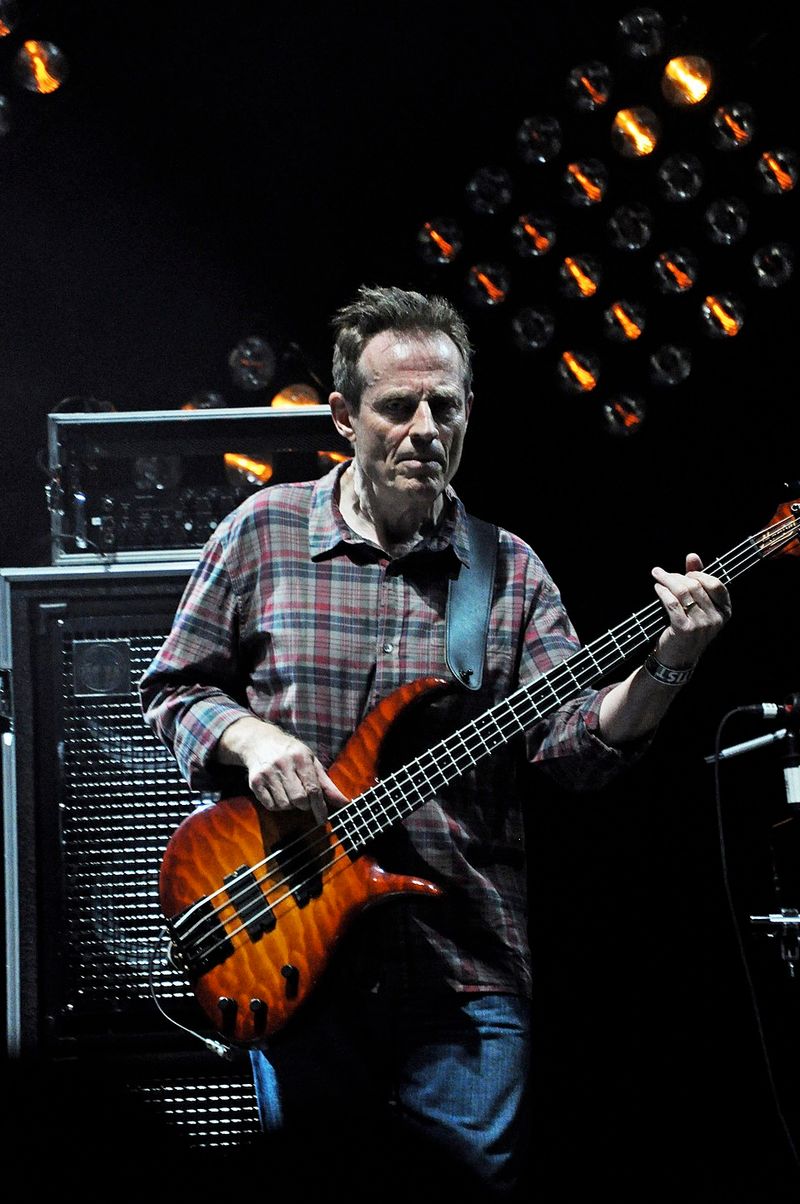
Quietly powerful and endlessly versatile, John Paul Jones was the engine that made Led Zeppelin fly.
While Plant screamed and Page shredded, Jones locked everything down with a bass groove so deep you could practically fall into it.
“Ramble On” and “Immigrant Song” showcase his ability to shift between thunderous rock and delicate musicality without missing a single beat.
Fun fact: Jones was already a highly sought-after session musician before Zeppelin even formed.
5. Chris Squire
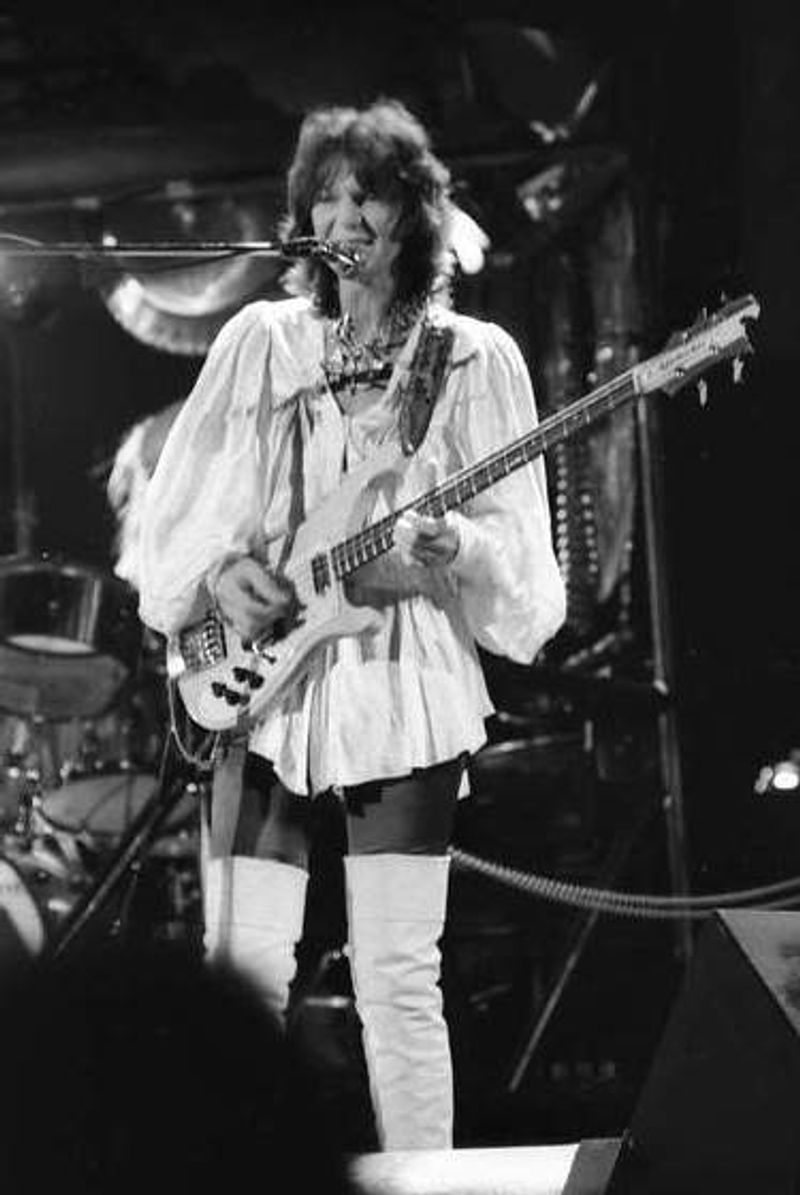
Chris Squire played bass like it owed him money.
His aggressive Rickenbacker tone cut through Yes’s dense progressive arrangements like a laser beam, demanding you pay attention to every note he played.
“Roundabout” alone contains bass lines so complex that guitarists still study them in disbelief.
Squire was the only founding member to appear on every single Yes studio album, which tells you everything about his importance to the band.
6. Jack Bruce
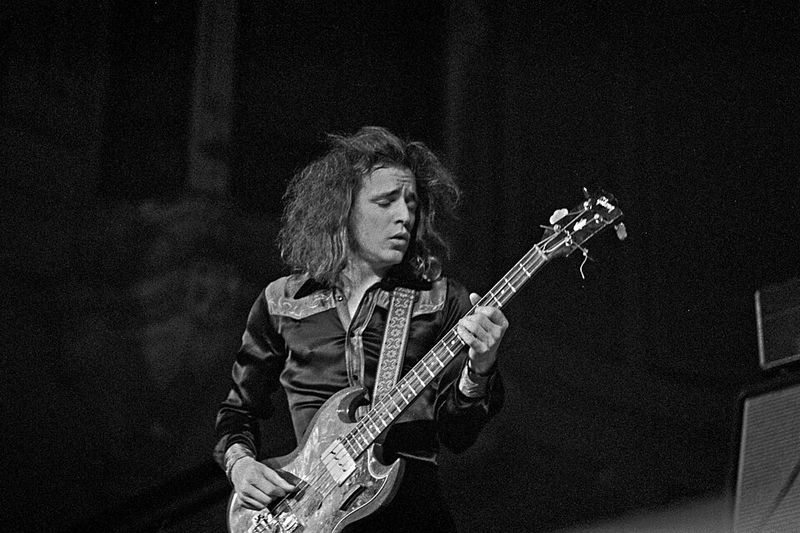
Wild, fearless, and completely unpredictable, Jack Bruce turned Cream’s power trio format into a showcase for bass virtuosity.
He didn’t just support Clapton and Baker. He challenged them and sometimes outplayed them entirely.
“Sunshine of Your Love” features one of the most recognized bass riffs in rock history, a line so simple yet so perfectly crafted it’s almost unfair.
Cream only lasted four years, but Jack Bruce’s influence lasted forever.
7. Flea
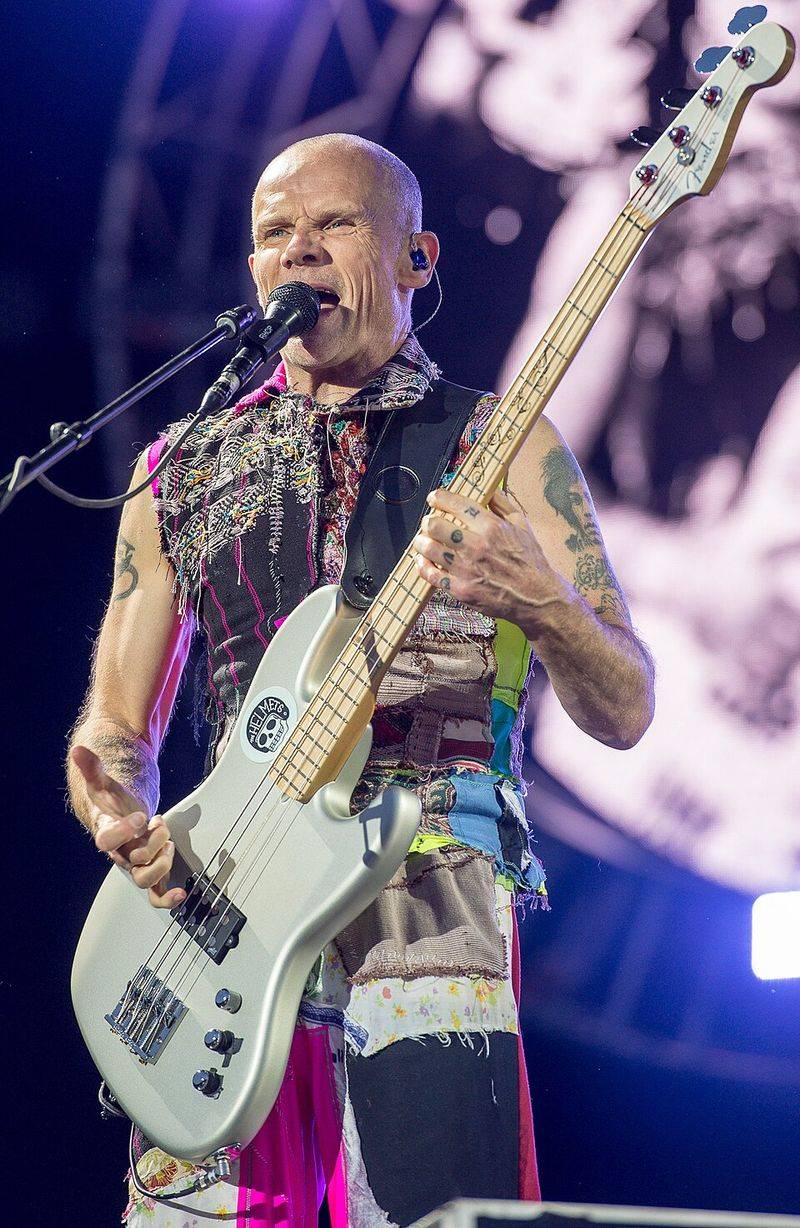
Nobody slaps a bass quite like Flea. The Red Hot Chili Peppers’ secret weapon has been bouncing across stages for decades, turning bass guitar into a full-contact sport that somehow also sounds incredible.
His work on “Give It Away” and “Around the World” blends funk, punk, and rock into something that makes your brain and your feet move at the same time.
Flea actually studied trumpet as a kid before switching to bass, which explains his unusually melodic instincts.
8. Sting
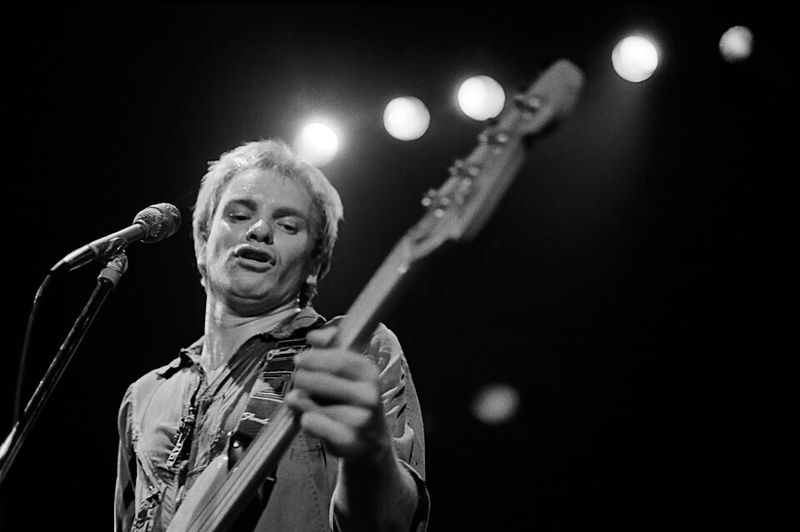
Before Sting became a solo megastar, he was the bassist for The Police, and what a bassist he was.
Combining reggae rhythms, jazz phrasing, and pure rock energy, his style was impossible to copy and even harder to ignore.
“Walking on the Moon” features a bass line so spacious and groovy that it genuinely sounds like floating.
Sting once studied to be a teacher before music took over his life completely, which might explain why his playing always feels so intentional and precise.
9. Geezer Butler
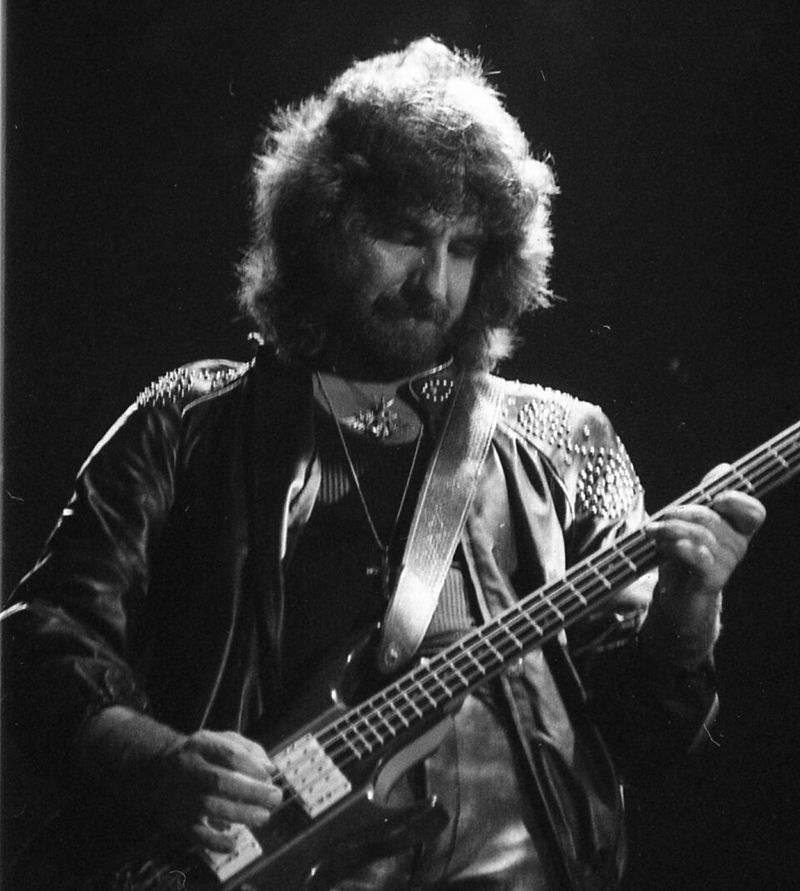
Heavy metal wouldn’t exist without Geezer Butler. That’s not a bold claim, it’s just history.
His thunderous, doom-laden bass lines on early Black Sabbath records created the sonic blueprint that every metal band since has borrowed from.
“Iron Man” and “War Pigs” feature bass work that feels like the earth itself is groaning beneath your feet.
Butler wrote most of Sabbath’s early lyrics too, bringing a dark poetic intelligence to music that many dismissed as noise.
10. Cliff Burton
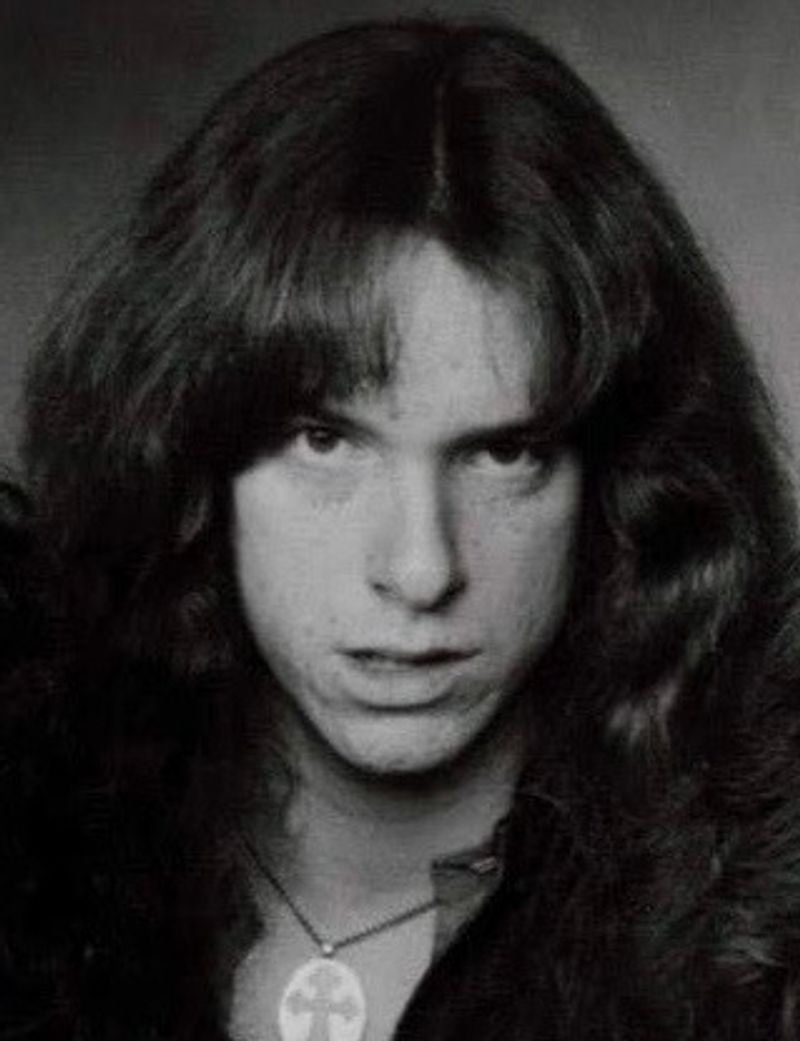
Cliff Burton played bass solos that made audiences forget there were other musicians on stage.
His legendary performance of “Anesthesia (Pulling Teeth)” on Metallica’s debut album was a bass solo so ferocious it became a milestone in metal history.
Wah pedals, distortion, classical influences, and sheer aggression combined in Burton’s hands to create something completely new.
He joined Metallica with one condition: the band had to move from Los Angeles to San Francisco. They agreed immediately, which tells you how badly they wanted him.
11. Phil Lynott
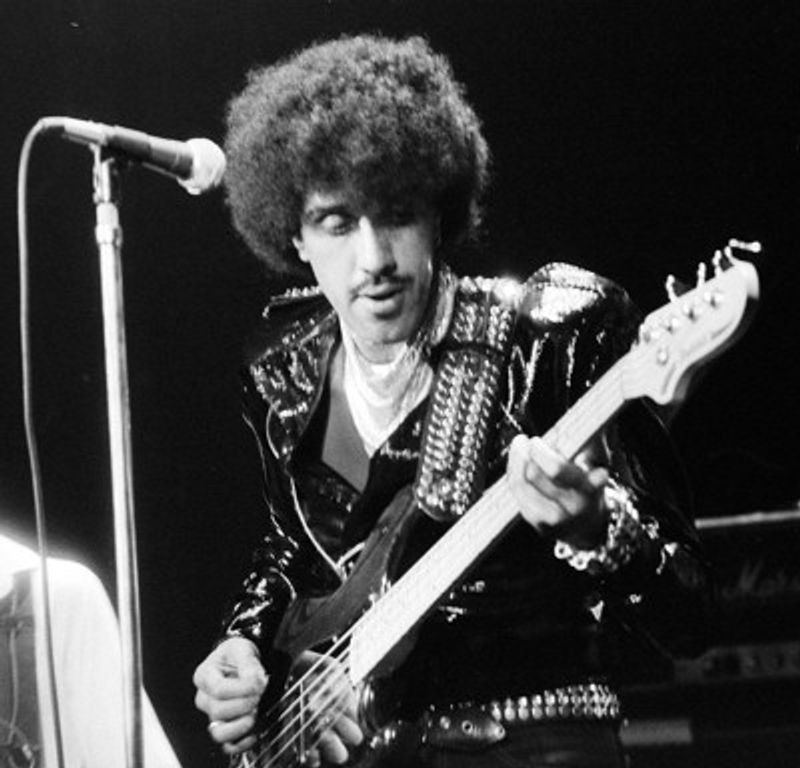
Cool and completely irreplaceable, Phil Lynott was the heartbeat of Thin Lizzy in every possible way. As both frontman and bassist, he wore both roles with a swagger that most musicians can only dream about.
“The Boys Are Back in Town” features a bass line that grooves so naturally underneath those twin guitars that it feels less like music and more like a Friday feeling.
Lynott was also one of the first Black rock stars to achieve mainstream success in Ireland and the UK.
12. Lemmy Kilmister
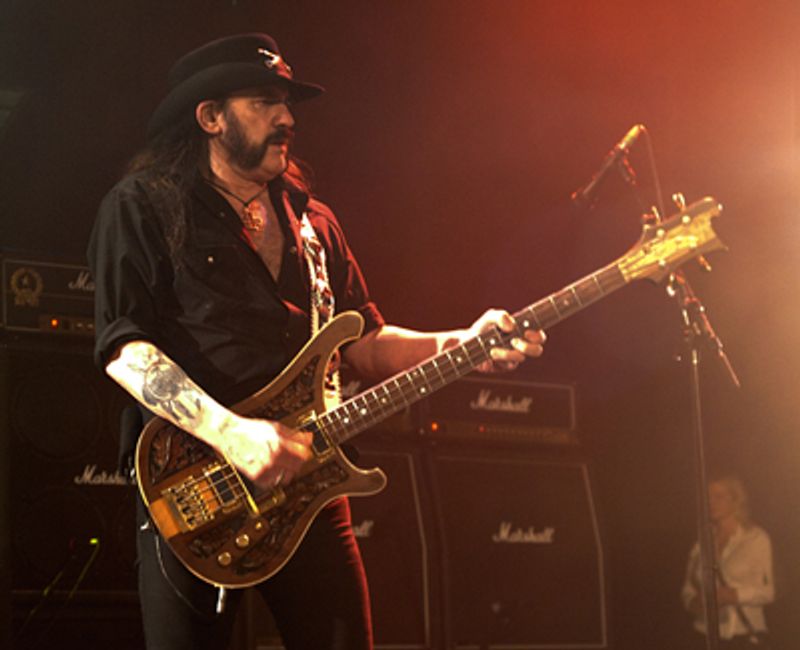
Lemmy didn’t play bass. He attacked it.
Motorhead’s founding force treated the instrument like a weapon, cranking his Rickenbacker through Marshall stacks until the walls shook and the audience had no choice but to surrender.
His chord-heavy bass style was so aggressive that many people thought Motorhead had two guitarists.
Lemmy actually started out as a roadie for Jimi Hendrix before forming Hawkwind and eventually Motorhead, which is the most rock and roll career origin story imaginable.
13. Tina Weymouth
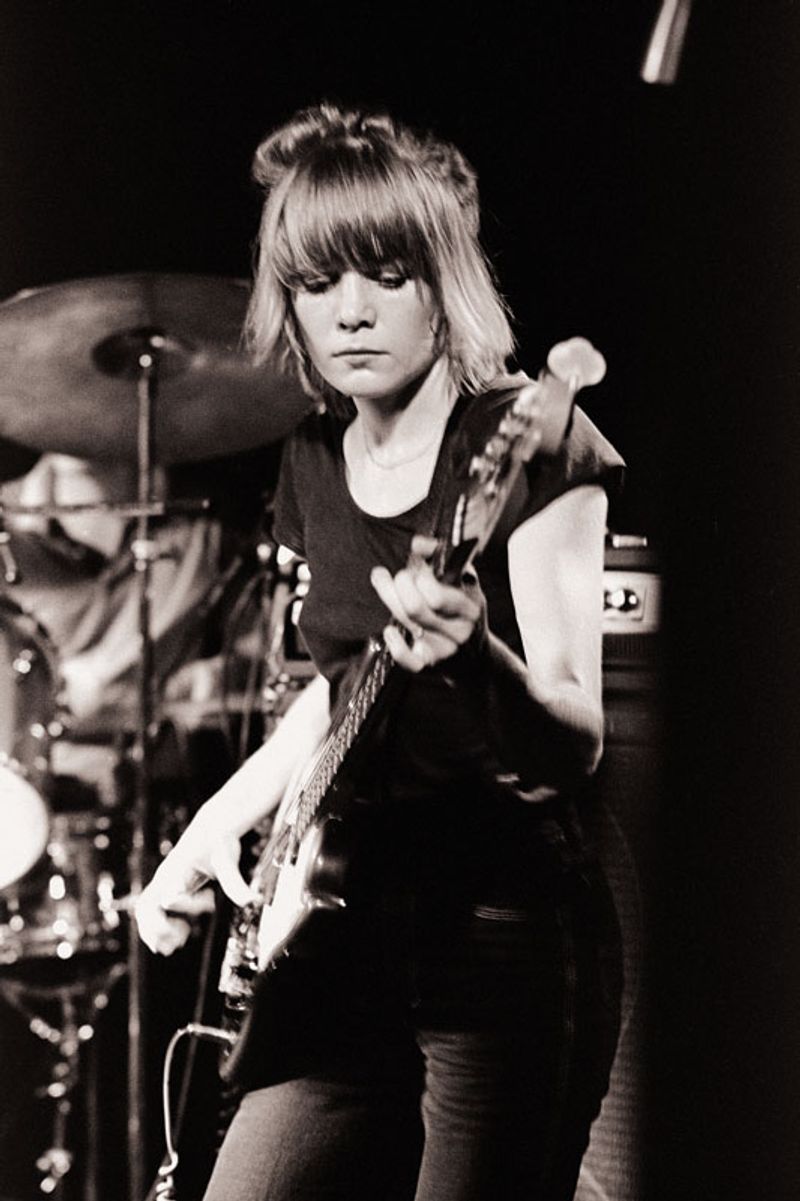
Minimal, hypnotic, and strangely perfect, Tina Weymouth’s bass playing was the anchor beneath Talking Heads’ brilliant art-rock chaos.
She wasn’t trying to show off. She was trying to make you move, and it worked every single time.
Weymouth was self-taught and had almost no experience when Talking Heads formed, yet she developed one of the most distinctive bass voices in rock history.
If underrated were a sport, she’d have a trophy room. Thankfully, music history is finally catching up to her brilliance.
14. Roger Waters
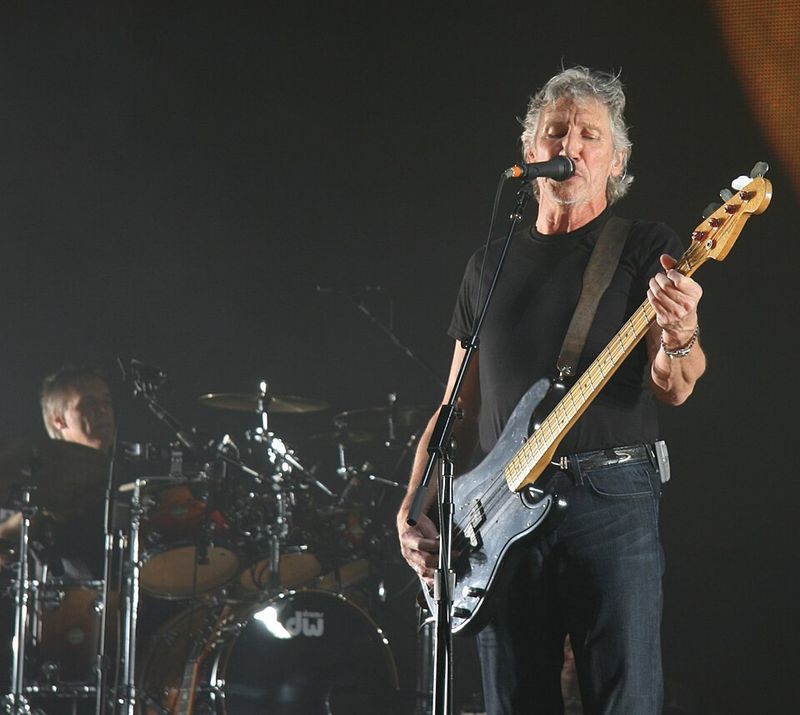
Few bassists have ever used their instrument as a storytelling tool quite like Roger Waters.
Pink Floyd’s creative mastermind built entire emotional landscapes from bass lines that breathed, swelled, and ached with feeling.
“Money” opens with one of the most recognizable bass riffs ever recorded, built on an unusual 7/4 time signature that somehow feels completely natural.
Waters also wrote most of Pink Floyd’s conceptual albums, including “The Wall” and “Dark Side of the Moon,” making him one of rock’s greatest creative forces.
15. Bill Wyman
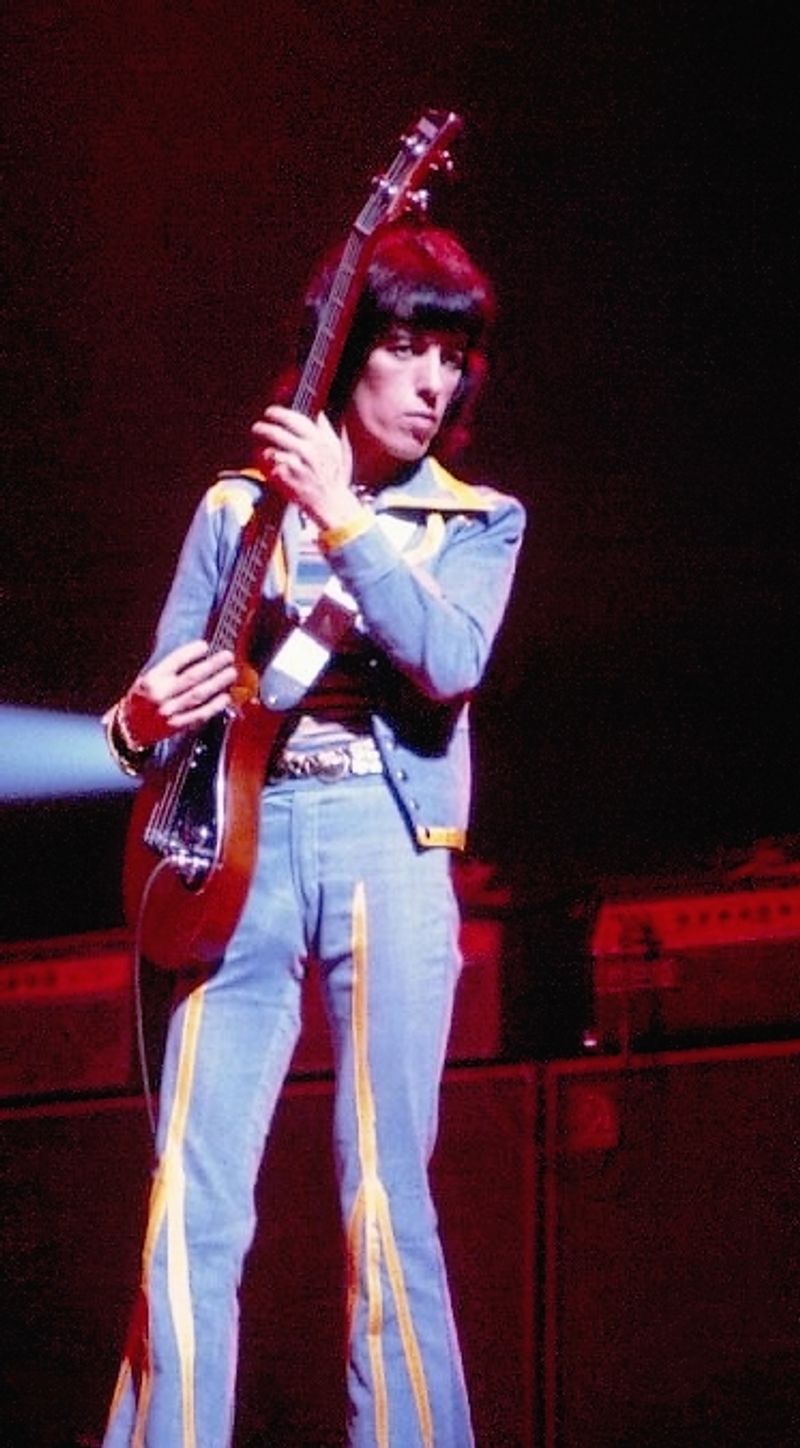
Standing completely still while the rest of the Rolling Stones exploded around him, Bill Wyman played with a locked-in groove that was almost supernatural.
His economy of movement matched his economy of notes: nothing wasted, everything purposeful.
Interestingly, he was the only Stone who never moved his feet while performing, earning him a reputation as the coolest statue in rock history.
Where showmanship ruled the stage, Wyman proved that quiet confidence could be just as powerful.
16. Dusty Hill
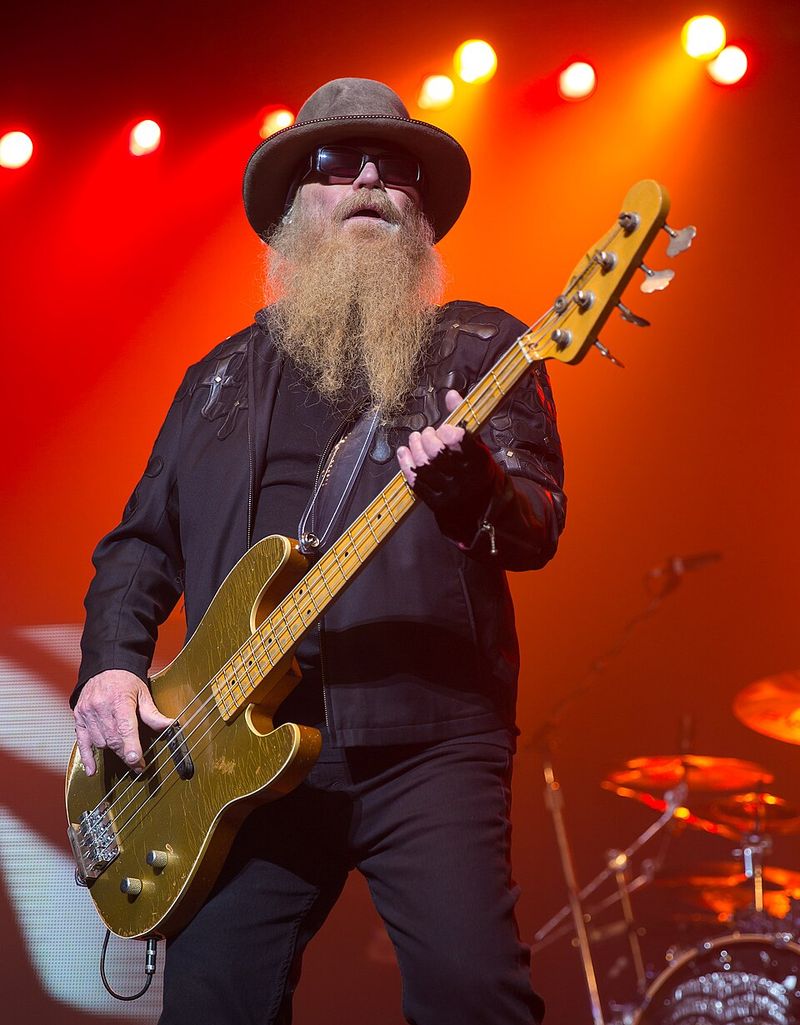
Behind that legendary beard was one of the most reliable and soulful bassists in rock history.
Dusty Hill gave ZZ Top its Texas blues backbone, locking in with drummer Frank Beard to create a rhythm section that felt like it was built from the ground up.
“Sharp Dressed Man” and “Legs” ride on Hill’s thick, warm bass tone like a Cadillac on an open highway.
He and guitarist Billy Gibbons had been playing together since the late 1960s, giving their chemistry a lived-in quality that no studio trick could fake.
17. Adam Clayton
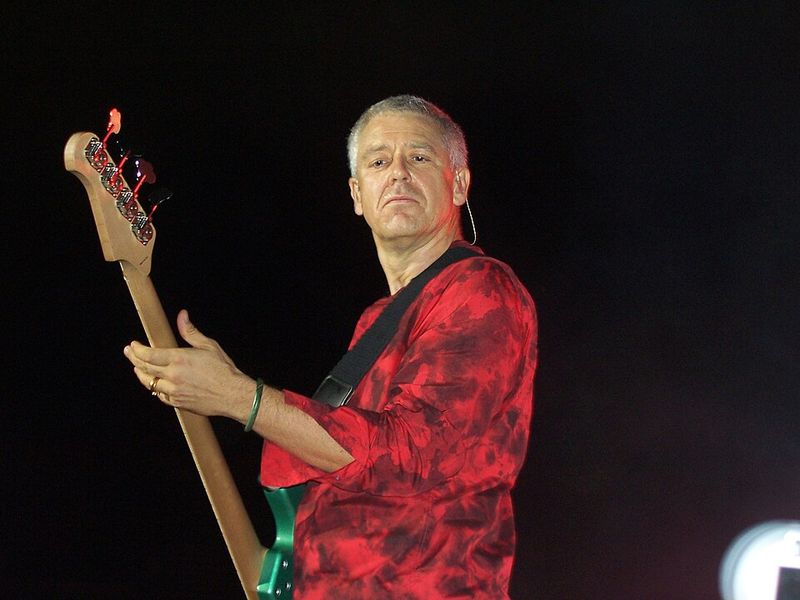
U2’s secret ingredient has always been hiding in plain sight.
Adam Clayton’s bass playing created the emotional space that allowed The Edge’s guitar and Bono’s vocals to soar without ever feeling overcrowded or chaotic.
Clayton was famously the last member to join U2, auditioning simply because he owned a bass guitar and looked the part, yet he grew into one of rock’s most tasteful and effective low-end architects.
Though flashy technique was never his thing, emotional impact absolutely was.
18. Roger Glover
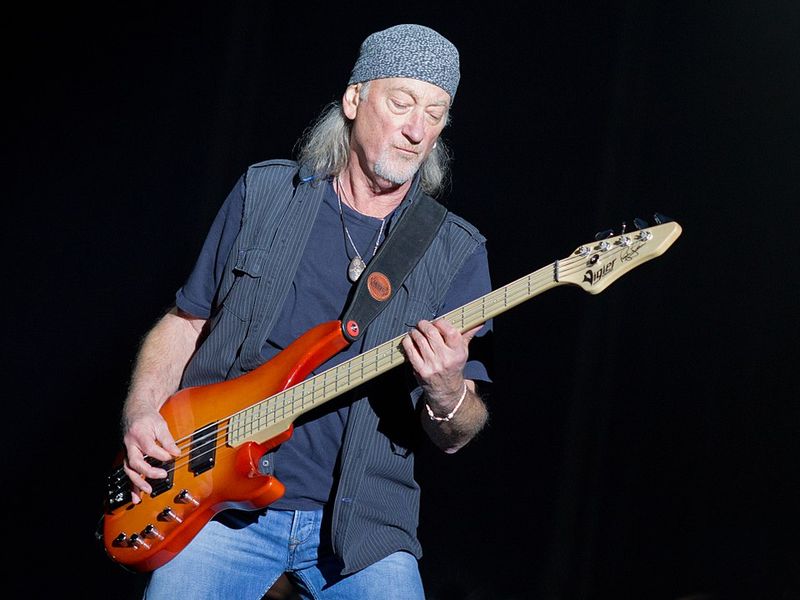
Rock’s engine room rarely gets more powerful than Roger Glover.
Deep Purple’s anchor through some of their most legendary periods, Glover combined technical chops with an instinctive musicality that made even the heaviest riffs feel completely intentional.
“Smoke on the Water” and “Highway Star” showcase his ability to drive a band forward while leaving room for Ritchie Blackmore’s guitar pyrotechnics to breathe.
Glover also produced albums for other artists and co-wrote much of Deep Purple’s classic material, proving he was far more than just a bass player.
19. Mike Dirnt
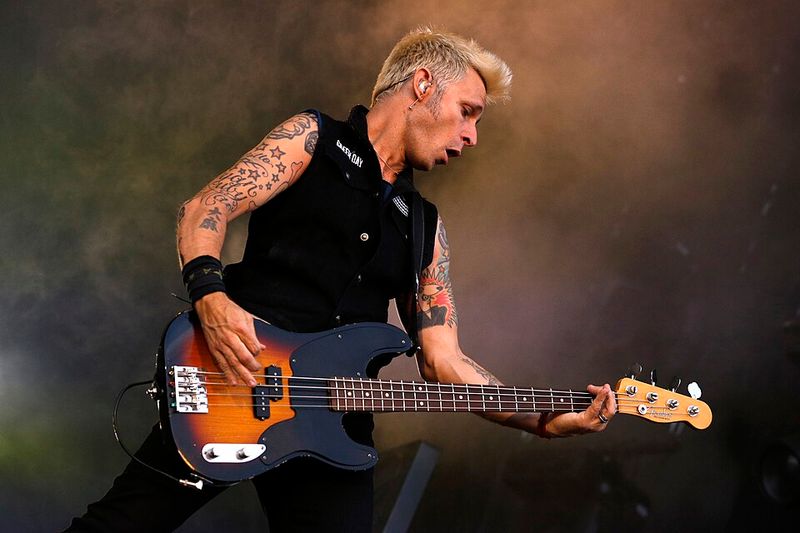
Punk rock doesn’t need to be complicated to be brilliant, and Mike Dirnt proved that better than almost anyone.
Green Day’s co-founder brought melodic intelligence to fast, aggressive bass lines that elevated pop-punk into something genuinely memorable.
Dirnt and Billie Joe Armstrong have been best friends since elementary school, and that chemistry bleeds directly into the music they’ve made together for decades.
How many bassists can claim their playing defined a generation of kids picking up instruments? Mike Dirnt absolutely can.
20. Matt Freeman
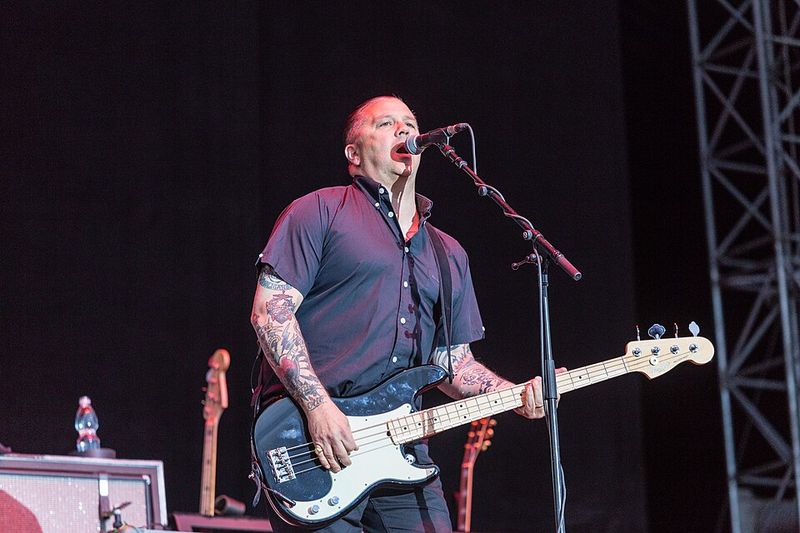
Speed and pure punk fire come together in Matt Freeman’s bass playing like nothing else in rock.
Rancid’s secret weapon is widely considered one of the fastest and most technically gifted punk bassists who ever lived, which is saying something enormous.
Freeman has cited reggae, jazz, and classic rock as influences, which explains why his playing feels richer and more layered than straightforward punk would suggest.
Though punk often dismissed technique, Freeman embraced it completely.