20 Rock Singers Whose Voices Still Tower Over The Genre
Rock has never been a genre for timid voices, instead it wants a sound that can cut through the guitars and leave a mark before the first chorus even has time to land.
A truly towering rock singer does exactly that. One rasp, howl, sneer, or full-throttle belt can turn a song into something nobody else could have delivered without getting laughed out of the studio.
These voices do not merely sound good, they sound inevitable, like the song had been waiting around for them specifically.
Years pass, trends shift, younger acts come charging in, and those voices still stand there like they own the building. And honestly? They kind of do.
1. Freddie Mercury
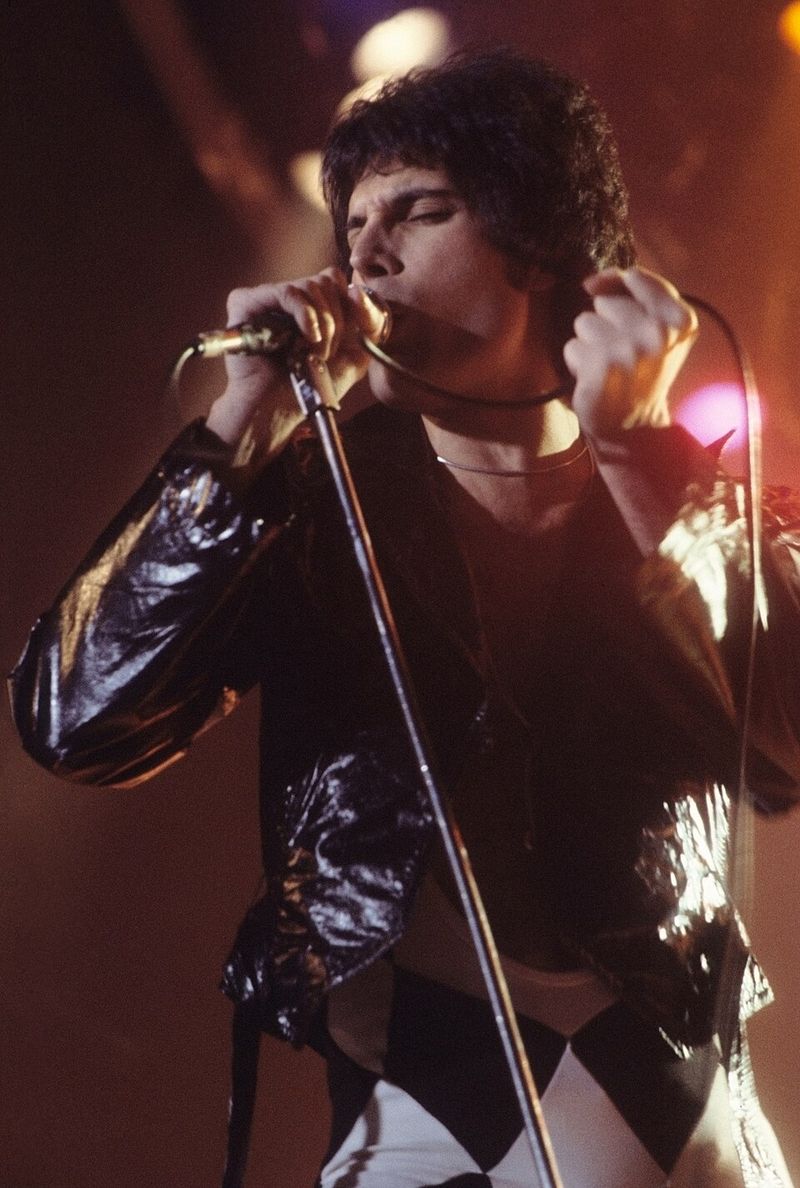
Four octaves. That is what Freddie Mercury carried around like a superpower hidden in plain sight.
The Queen frontman could leap from a thunderous low note to a crystal-clear high without breaking a sweat, and somehow make it look effortless.
His theatrical style blended opera, gospel, and hard rock into something the world had never heard before.
Even today, Mercury’s voice sounds like it was engineered by someone who wanted to break the laws of physics.
2. Robert Plant
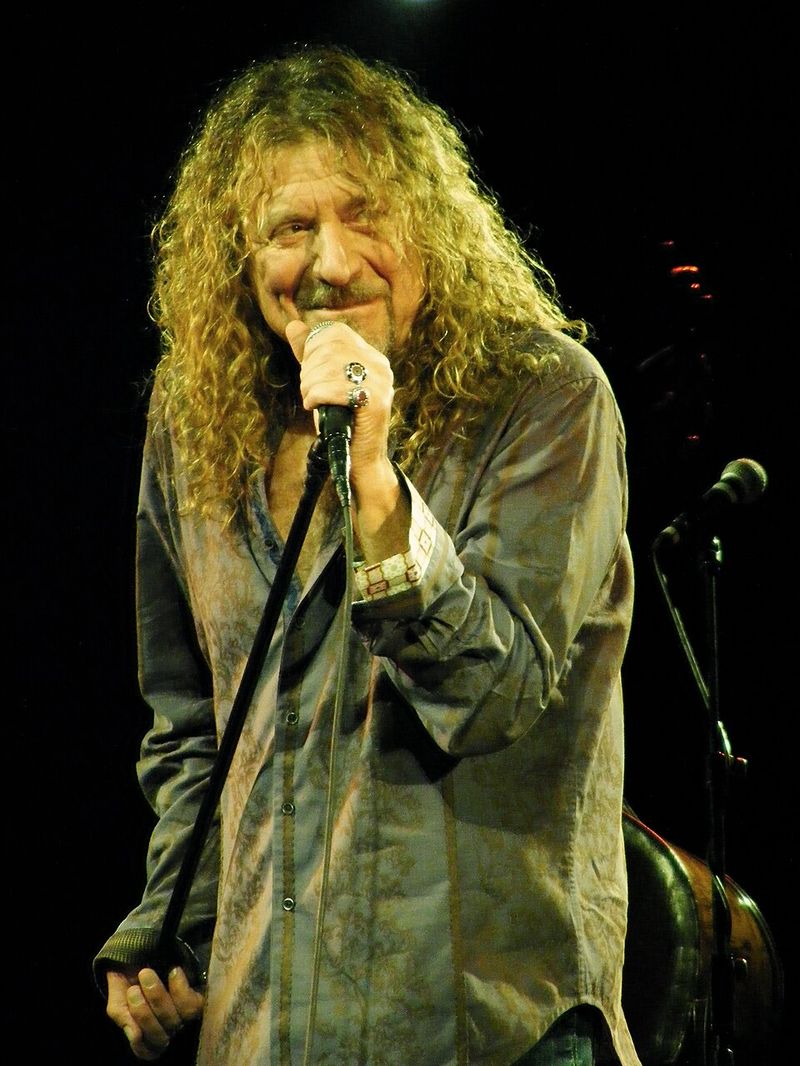
If rock vocals had a Mount Everest, Robert Plant would be the flag planted at the top. His work with Led Zeppelin in the late 1960s and 1970s set a standard that vocalists are still chasing today.
Plant could wail, whisper, and everything in between, often within a single song. Tracks like “Whole Lotta Love” and “Kashmir” showcase a voice that felt both ancient and electrifying at the same time.
What makes him remarkable is how effortlessly raw he sounds.
3. Ann Wilson
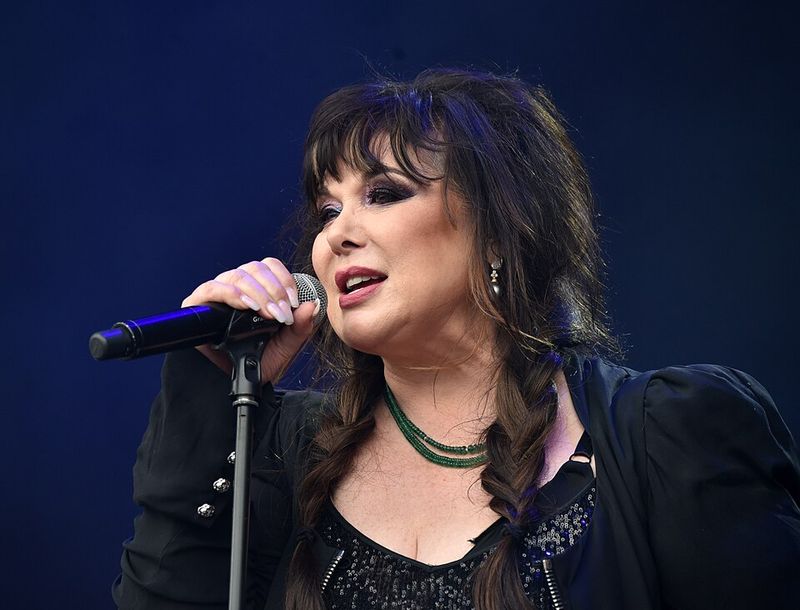
Heart’s Ann Wilson has one of the most commanding voices in rock history, full stop. When she opens her mouth the room holds its breath.
Her ability to move between delicate balladry and full-throttle rock screaming is almost unfair to other singers.
Rock has always been a male-dominated space, but Wilson walked in, grabbed the microphone, and reminded everyone who was really in charge. Legendary doesn’t even cover it.
4. Chris Cornell
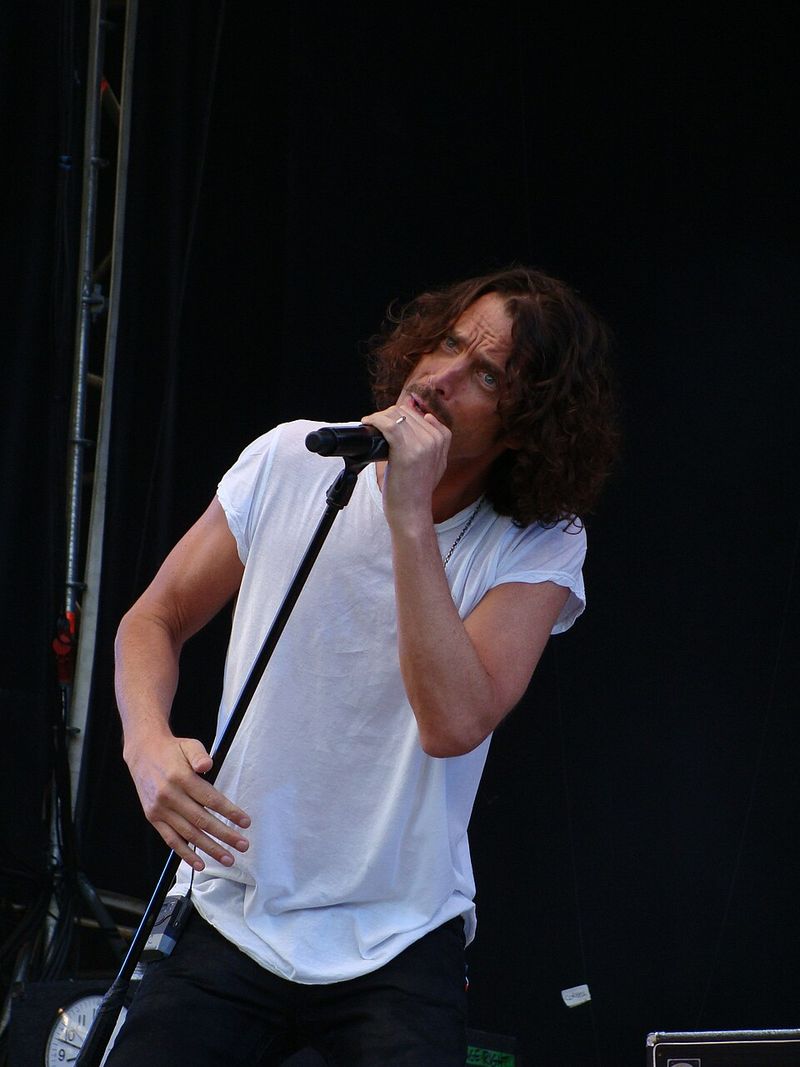
Nearly four octaves of pure vocal power made Chris Cornell one of grunge’s most gifted and heartbreaking voices.
He could go from a low, brooding growl to a piercing, almost supernatural high note without losing an ounce of emotional weight.
Soundgarden’s “Black Hole Sun” and “Fell on Black Days” are masterclasses in how to use a voice as a storytelling tool.
His ability to maintain pitch clarity even at full-volume intensity separated him from the pack.
5. Steve Perry
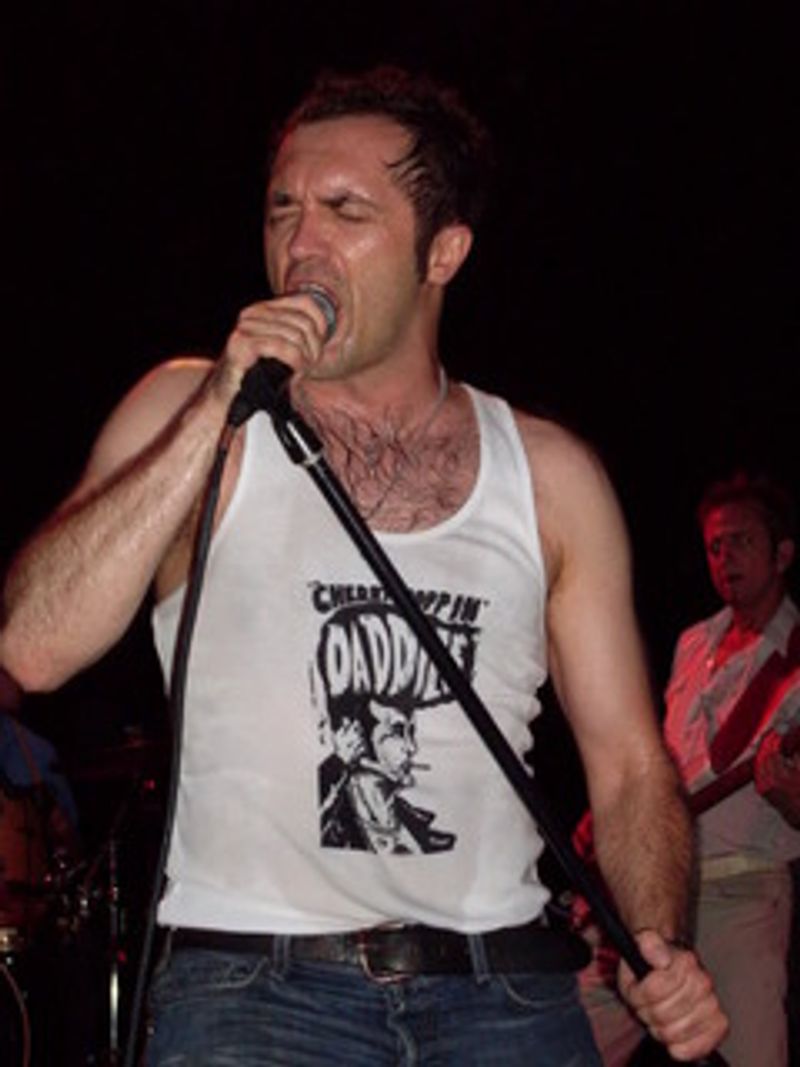
Journey’s “Don’t Stop Believin'” is one of the most recognizable songs on the planet, and that is largely because of one voice: Steve Perry’s.
Clear and impossible to ignore, his tenor is the kind that makes strangers in a car suddenly sing along at full volume.
Every note he sang felt like a personal message delivered directly to the listener. That’s a rare quality that no vocal coach can teach.
Even decades after his peak years with Journey, his recordings still sound as fresh and emotionally charged as the day they were made.
6. Mick Jagger
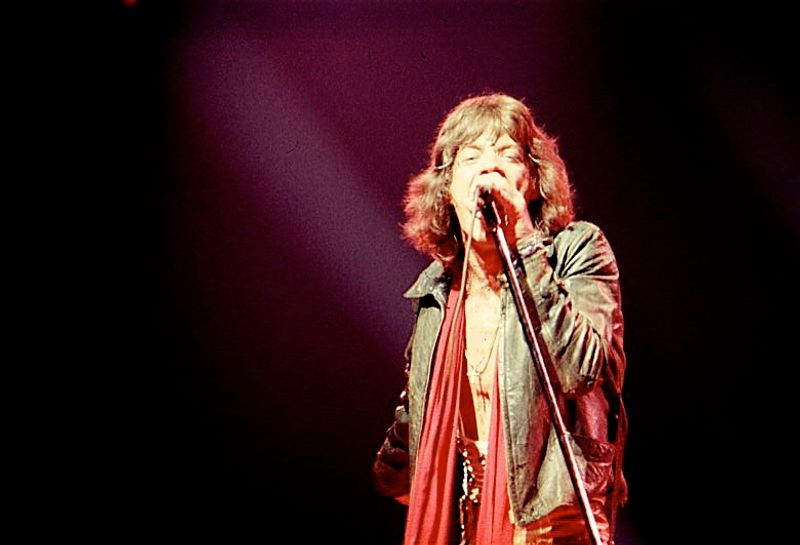
Calling Mick Jagger just a singer is like calling a hurricane just a breeze.
The Rolling Stones frontman is a full performance experience, but that voice has always been the secret weapon underneath all the swagger and footwork.
Jagger’s bluesy, elastic vocal style helped define rock and roll for generations.
What’s wild is that he has been doing this since the early 1960s. The energy never left, and neither did the voice.
Some people are just built differently.
7. Roger Daltrey
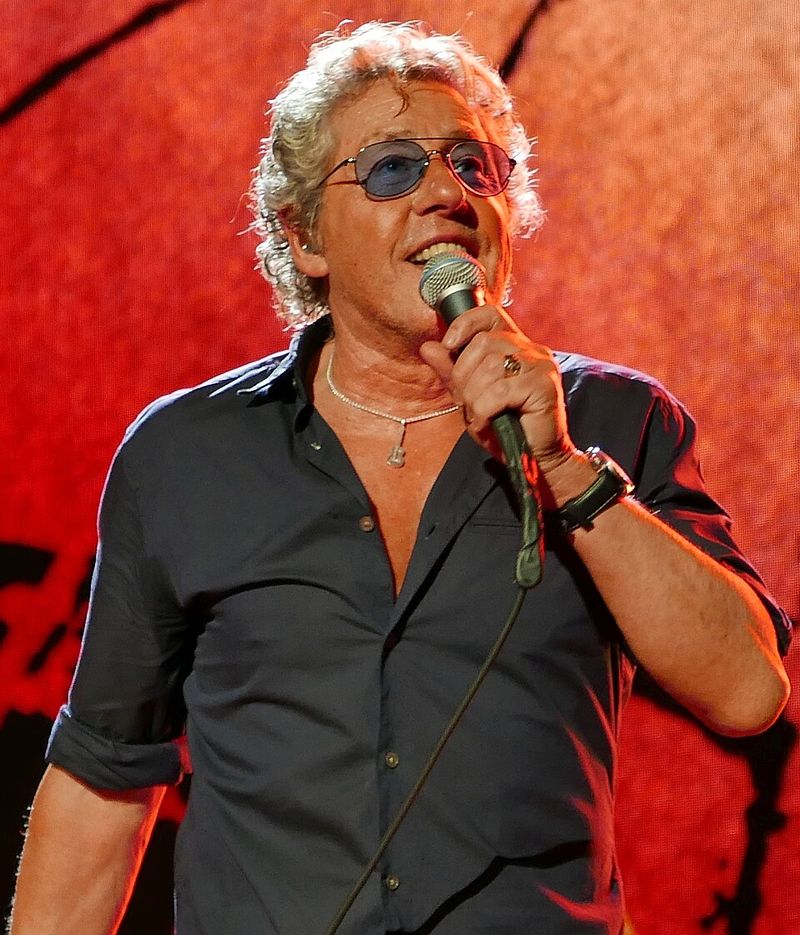
The Who’s Roger Daltrey had a voice that could cut through any wall of sound Pete Townshend threw at him, and Townshend threw a lot.
Daltrey wasn’t a technical showoff, he was a storyteller who sang like he meant every single syllable. That honesty is what made The Who’s music feel urgent and alive.
His iconic microphone-swinging stage moves added visual drama to a voice that honestly didn’t need any extra help grabbing attention.
8. Steven Tyler
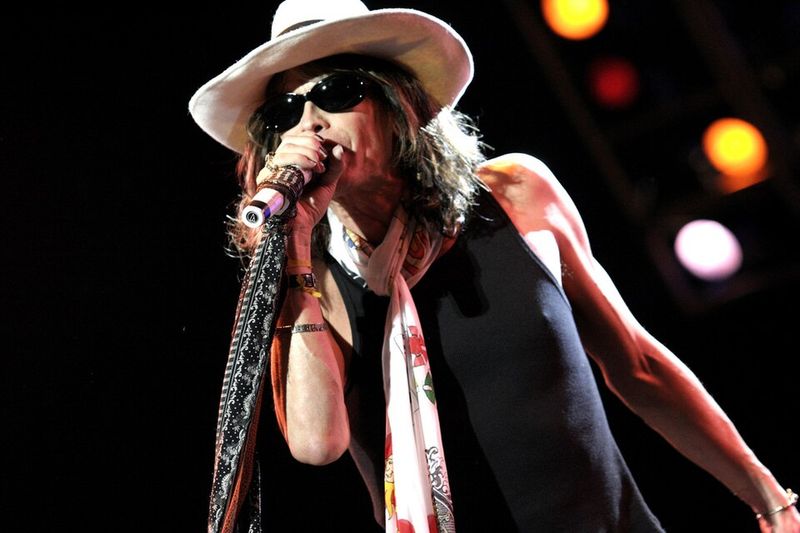
There is nobody quite like Steven Tyler on a stage. The Aerosmith frontman is part rock god, part circus ringmaster, and entirely unforgettable.
His raspy, wide-ranging voice has been the engine behind some of the biggest rock anthems ever recorded.
Songs like “Dream On” reveal a vocalist who can deliver haunting falsetto one moment and gritty, street-level rock the next.
That emotional flexibility is what kept Aerosmith relevant across multiple decades and generations.
9. David Bowie
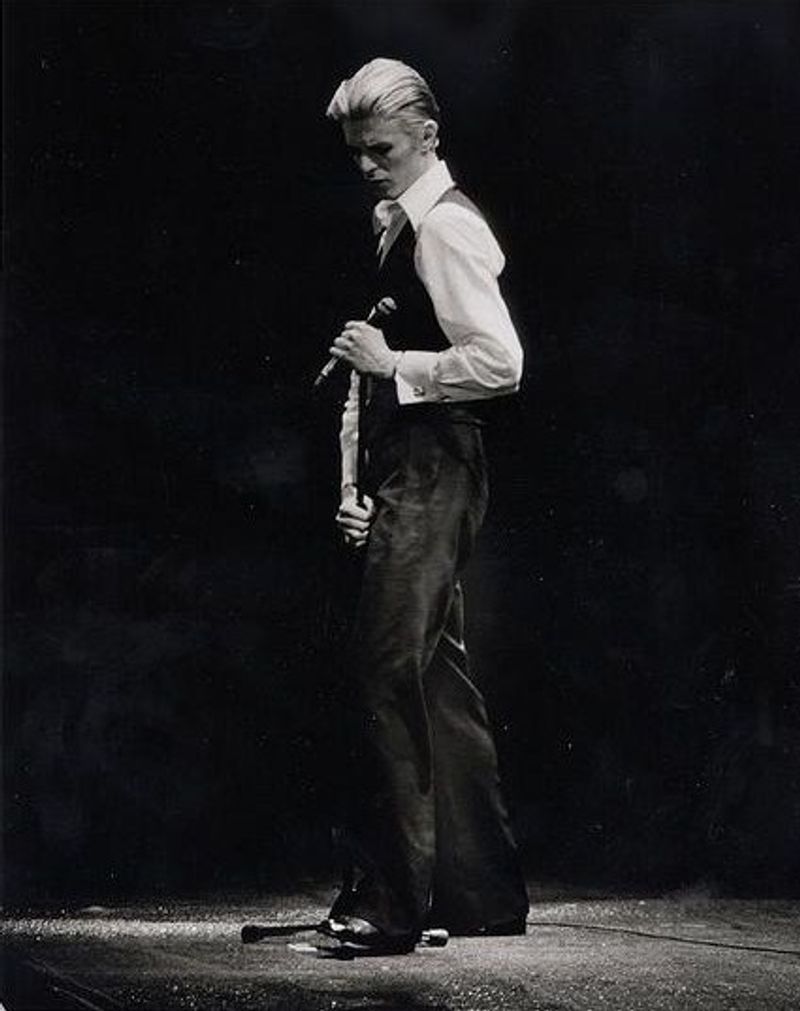
How many singers can reinvent their voice multiple times and still sound iconic every single time?
David Bowie did it across five decades, moving from glam rock to soul to art rock with the confidence of someone who knew the rules and cheerfully ignored them.
Bowie’s baritone had an otherworldly quality that matched his alien-like stage personas perfectly.
Whether performing as Ziggy Stardust or the Thin White Duke, the voice always anchored the character in something deeply human.
10. Janis Joplin
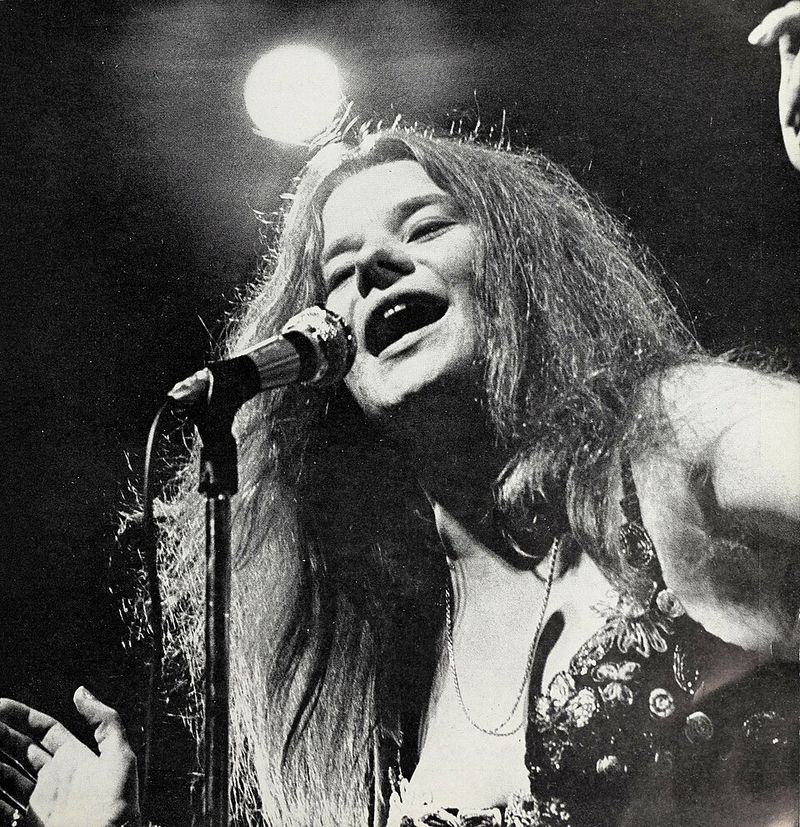
Raw, ragged, and absolutely real, Janis Joplin sang like her life depended on every single note. Her voice was a force of nature that blended blues, soul, and rock into something that felt completely uncontainable.
Performing at Woodstock in 1969, she left an audience of hundreds of thousands speechless. That kind of impact doesn’t come from technical training, it comes from somewhere deeper and harder to define.
Songs like “Piece of My Heart” and “Me and Bobby McGee” still feel like emotional gut-punches decades later.
11. Bruce Springsteen
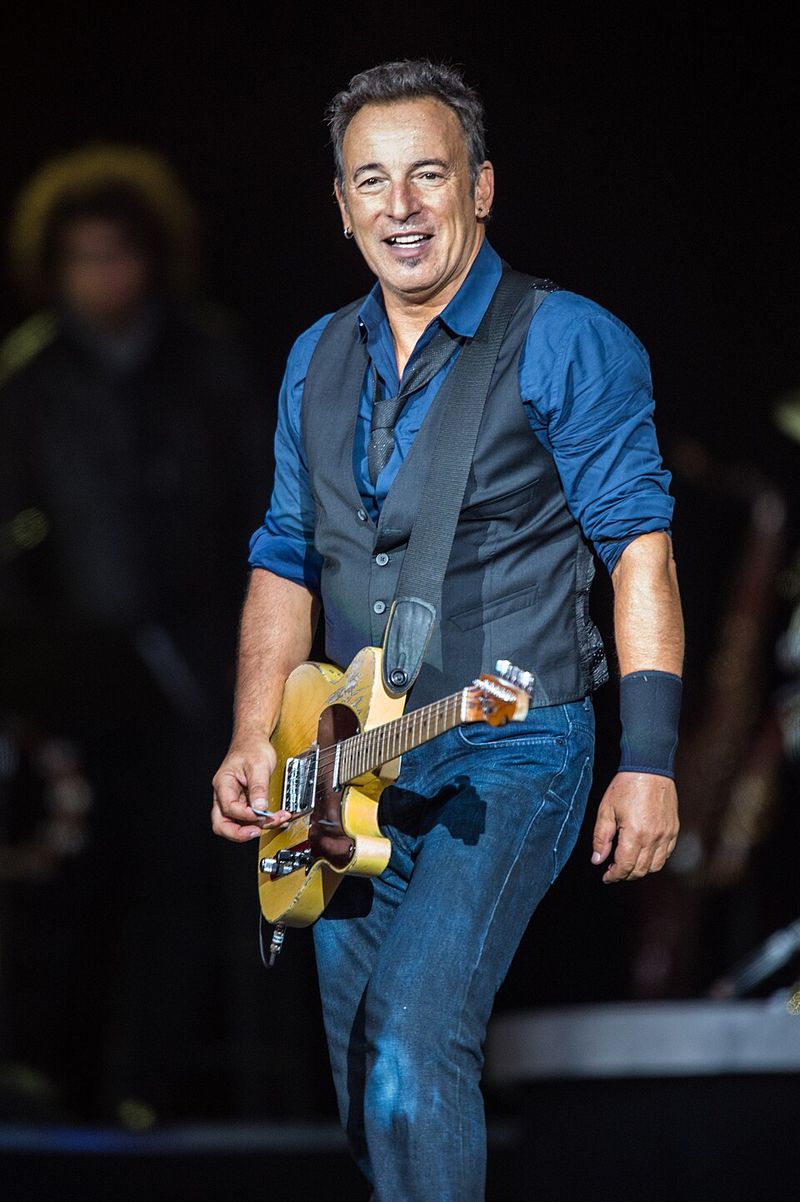
Nobody tells a story through song quite like Bruce Springsteen.
The Boss built an entire mythology around working-class America, and his heartfelt voice was the vehicle that made every story feel personal and real.
From the explosive energy of “Born to Run” to the quiet ache of “The River,” Springsteen’s voice shifts gears with remarkable ease.
His legendary live shows, sometimes running four hours long, prove that this voice was built for endurance.
12. Patti Smith
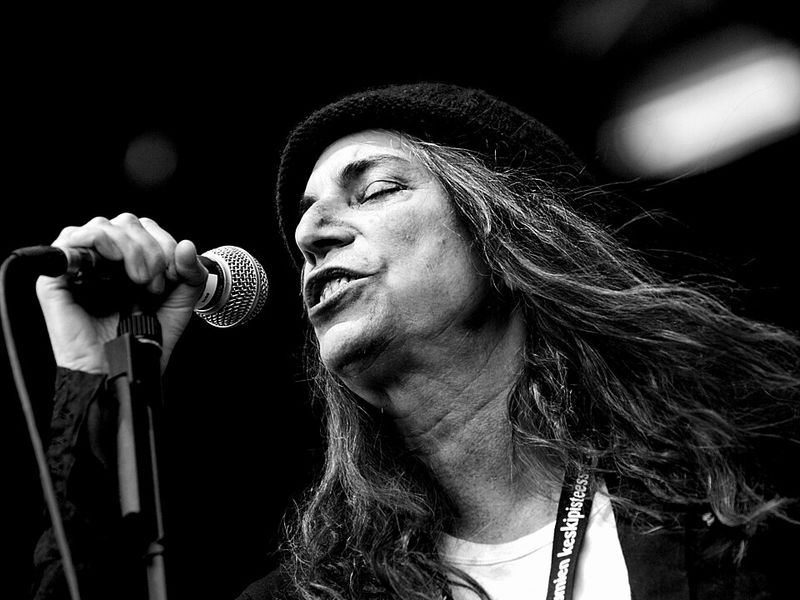
Patti Smith arrived in the mid-1970s like a lightning bolt dressed in poetry.
Her voice blended spoken word, punk attitude, and raw emotional intensity into something that felt entirely new and impossible to categorize neatly.
Her debut album “Horses” in 1975 is still considered one of the most important rock records ever made.
Smith’s delivery on tracks like “Gloria” felt like a declaration of artistic freedom rather than just a performance.
13. Grace Slick
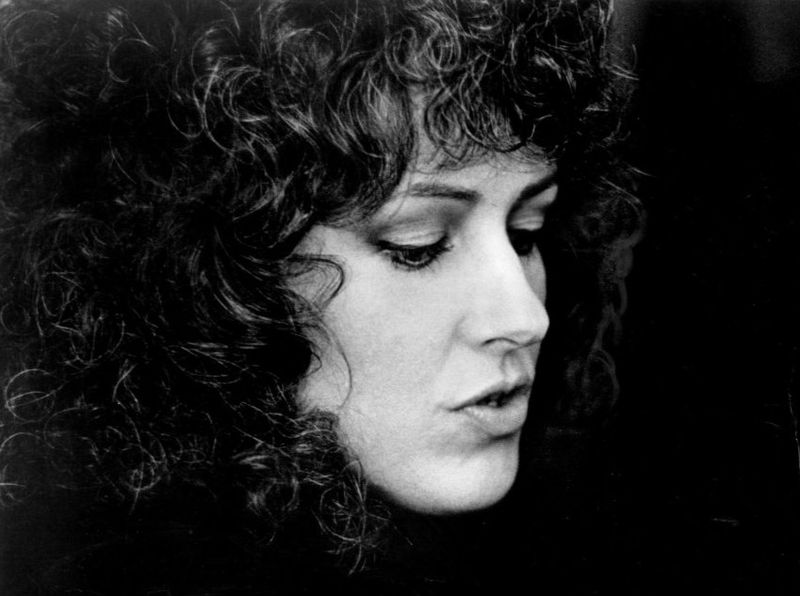
Grace Slick had a voice that could silence a crowd of thousands without even trying. As the frontwoman of Jefferson Airplane, her powerful soprano cut through the psychedelic fog of the 1960s like a searchlight.
“Somebody to Love” and “White Rabbit” remain two of the defining songs of an entire generation, and Slick’s commanding delivery is the reason both still sound absolutely thrilling today.
Where many vocalists of her era leaned soft and dreamy, Slick leaned hard and bold.
14. Bono
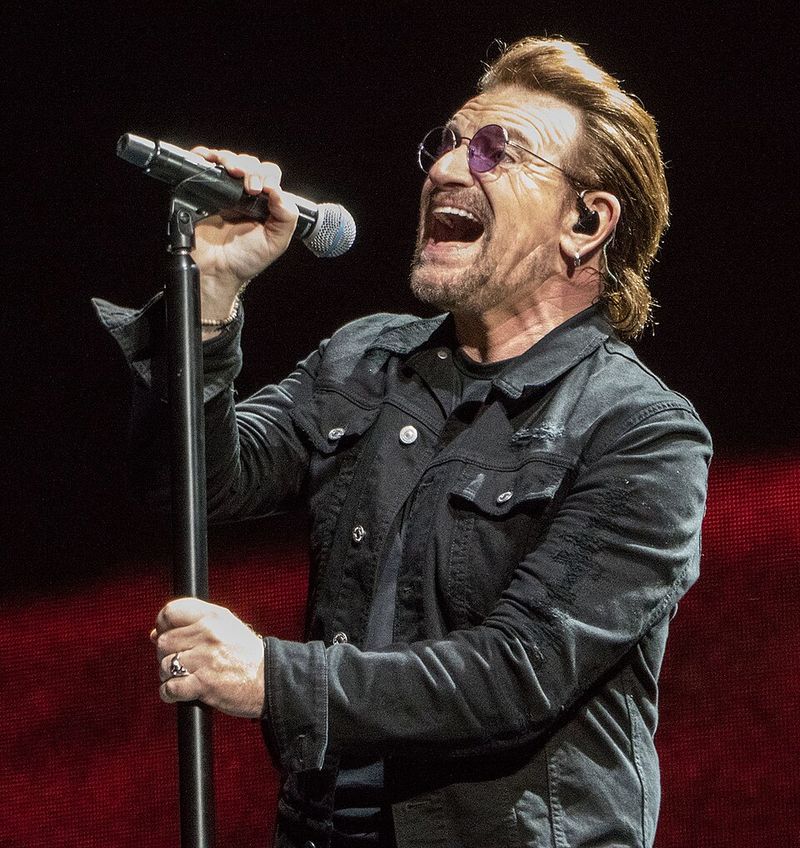
U2’s Bono has one of the most recognizable voices in rock history, a sweeping, emotionally charged tenor that sounds perfectly at home in both intimate settings and sold-out stadiums holding 100,000 people.
Songs like “With or Without You” and “One” showcase a vocalist who understands that restraint can be just as powerful as volume.
Bono knows when to hold back and when to let everything loose, and that instinct is incredibly rare.
15. Debbie Harry
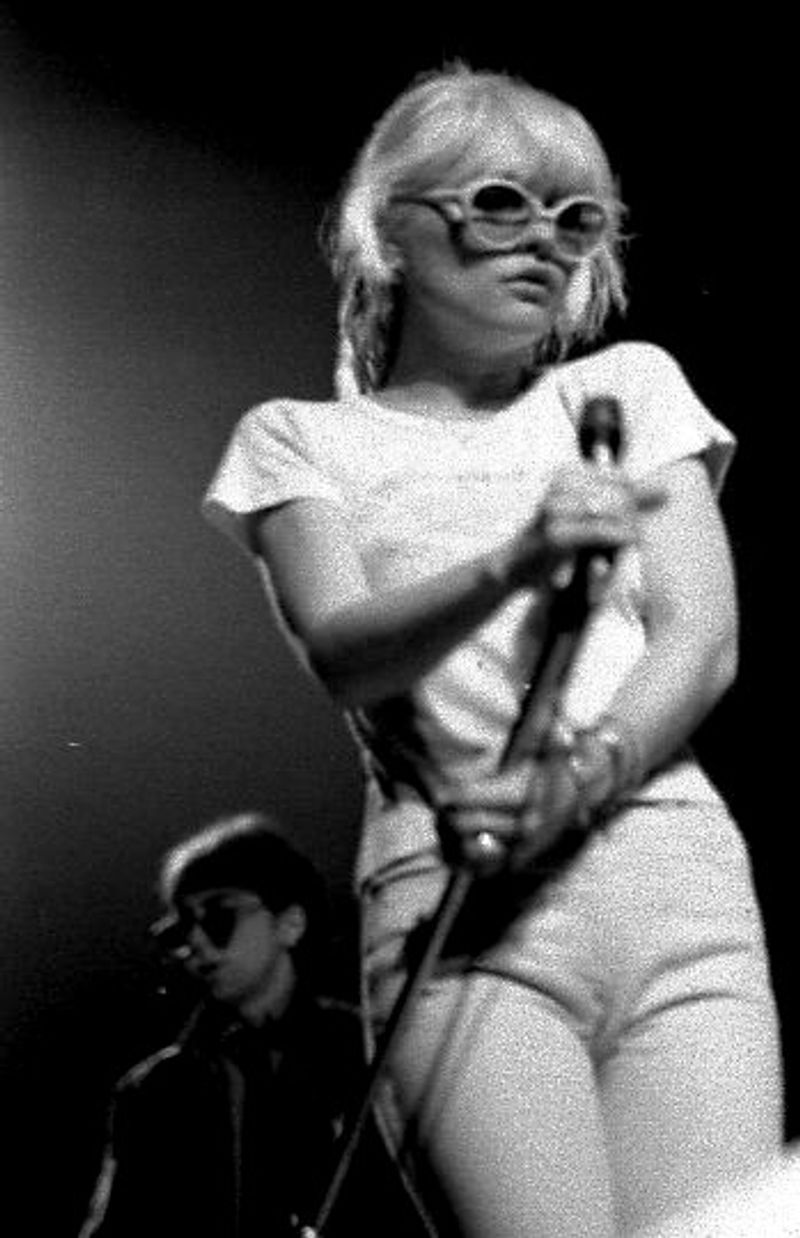
Charismatic and completely in control, Debbie Harry gave Blondie a voice that could shape-shift between punk, new wave, pop, and disco without ever losing its distinctive edge.
That kind of versatility is genuinely rare in any era of music.
She sang with confidence that felt effortless even when it absolutely wasn’t.
Beyond the hits, Harry’s influence on female rock and pop performers is enormous. Generations of artists have borrowed her attitude, though nobody has quite managed to duplicate the original.
16. Ronnie James Dio
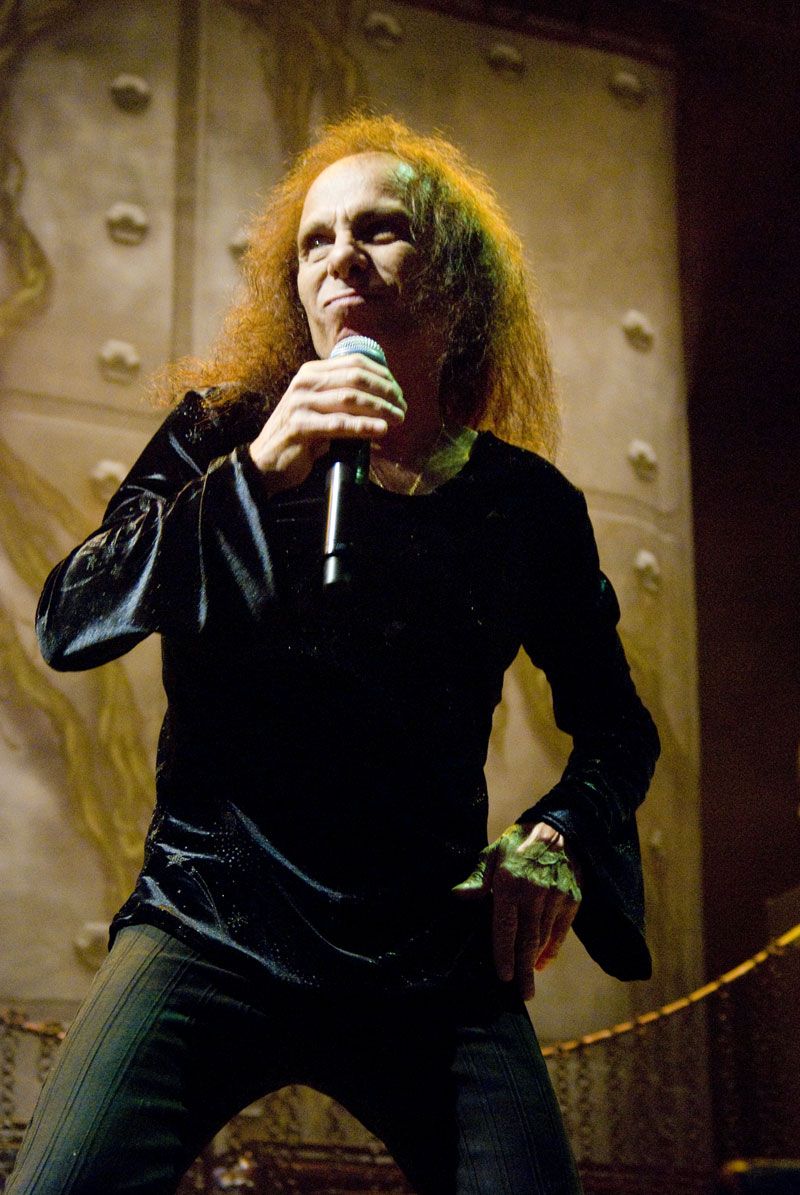
When Ronnie James Dio replaced Ozzy Osbourne in Black Sabbath, rock fans weren’t sure what to expect. What they got was one of the most powerful and precise voices heavy metal has ever produced.
Dio’s operatic tenor brought a theatrical grandeur to songs like “Heaven and Hell” and “Rainbow in the Dark” that felt almost mythological.
He sang about dragons, wizards, and warriors, and somehow made every word completely believable.
Fun fact: Dio is widely credited with popularizing the “devil horns” hand gesture in rock culture.
17. Axl Rose
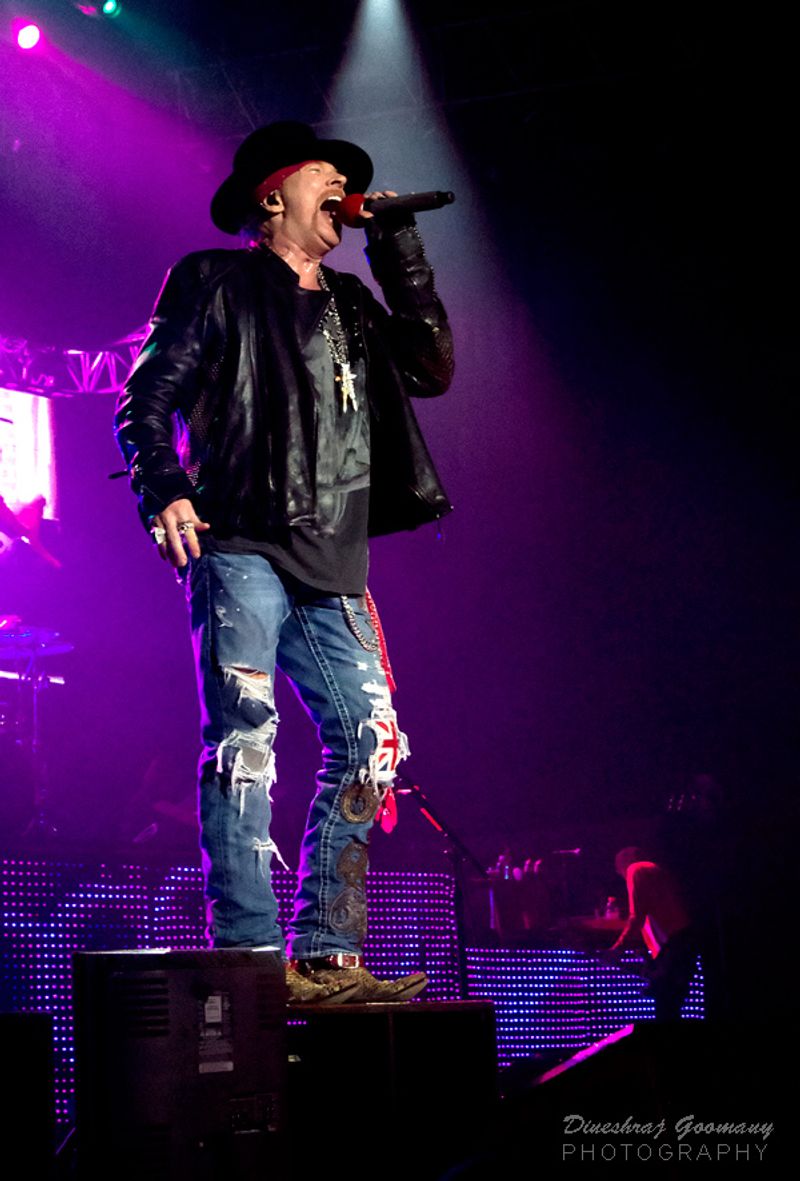
Few voices in rock history cover as much territory as Axl Rose’s.
His documented vocal range spans an extraordinary five octaves, from a deep bass growl all the way up to a piercing, glass-shattering high note.
Guns N’ Roses classics like “Welcome to the Jungle” and “November Rain” showcase wildly different sides of that range, and both are equally jaw-dropping in their own way.
Rose’s unpredictable, combustible energy on stage only amplified the power of those vocals.
18. Joan Jett
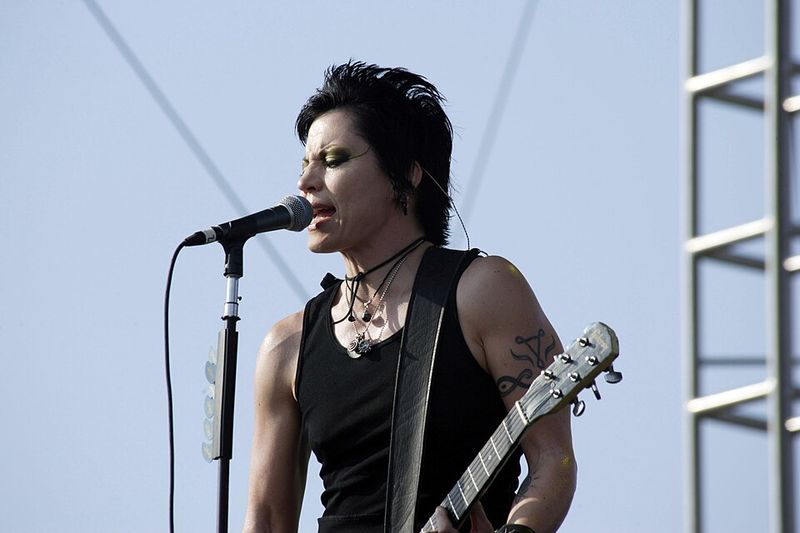
Joan Jett’s voice sounds like a dare. Raspy, punchy, and completely unapologetic, it was built for rock and roll from the very first chord she ever played.
Her time with The Runaways as a teenager was just the warm-up act.
“I Love Rock ‘n Roll” became a global anthem because Jett delivered it like she personally invented the genre and was daring anyone to argue with her.
Though she has faced plenty of industry resistance over the years, her voice and her resolve never bent.
19. Tina Turner
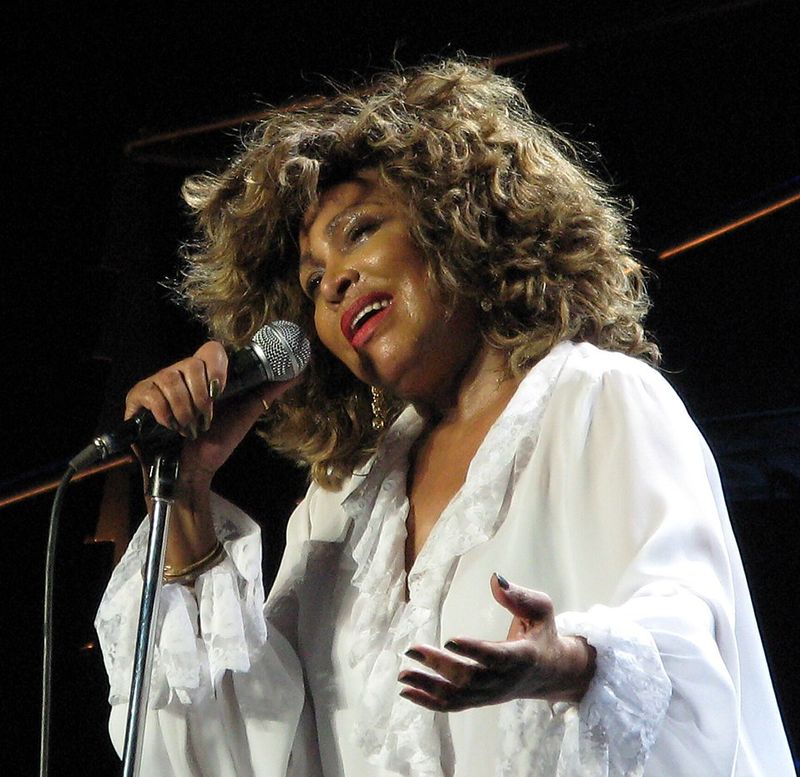
If energy could be bottled and sold, Tina Turner’s voice would be the main ingredient.
Her powerful, gravelly alto carried enough heat to ignite any song she touched, and her live performances were legendary for being almost impossibly electric.
After reinventing herself as a solo artist in the 1980s, Turner proved that rock and soul are not separate categories but two sides of the same extraordinary coin.
Turner’s story is about surviving, thriving, and then absolutely dominating, and her vocals tell every chapter perfectly.
20. John Fogerty
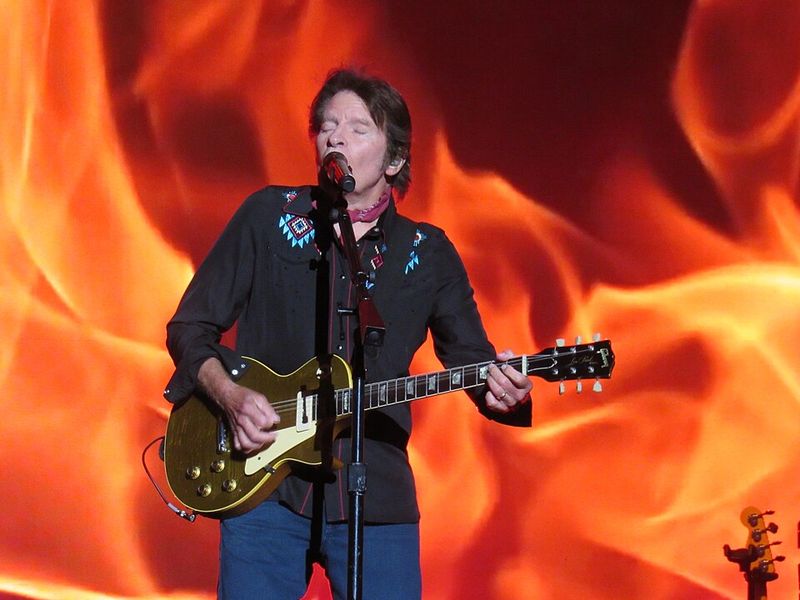
John Fogerty sounds like he was raised on the banks of a Louisiana bayou, which is funny because he actually grew up in El Cerrito, California.
That voice, all swampy grit and Southern soul, was entirely self-created and completely convincing from day one.
Creedence Clearwater Revival’s run from 1968 to 1972 produced an almost absurd number of classics.
His voice has a timeless, storytelling quality that connects immediately with listeners of every generation.